What Was Built Here
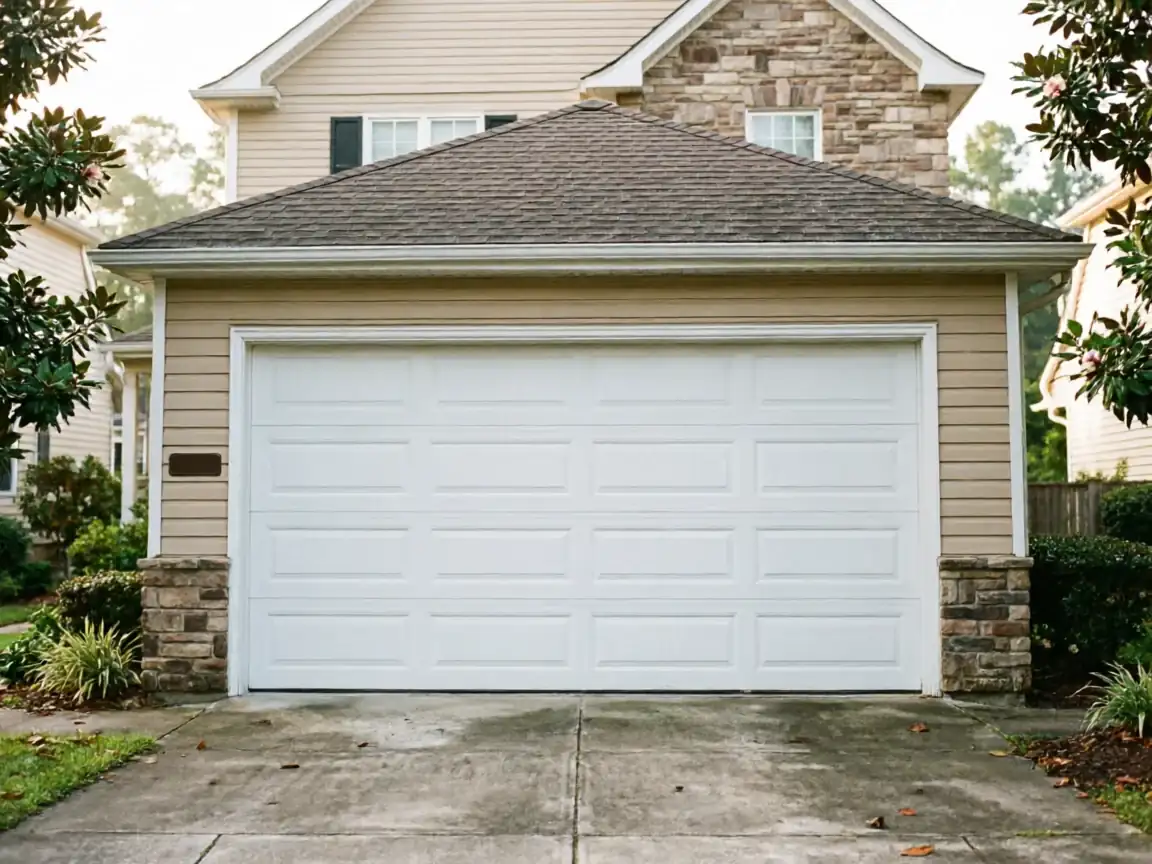
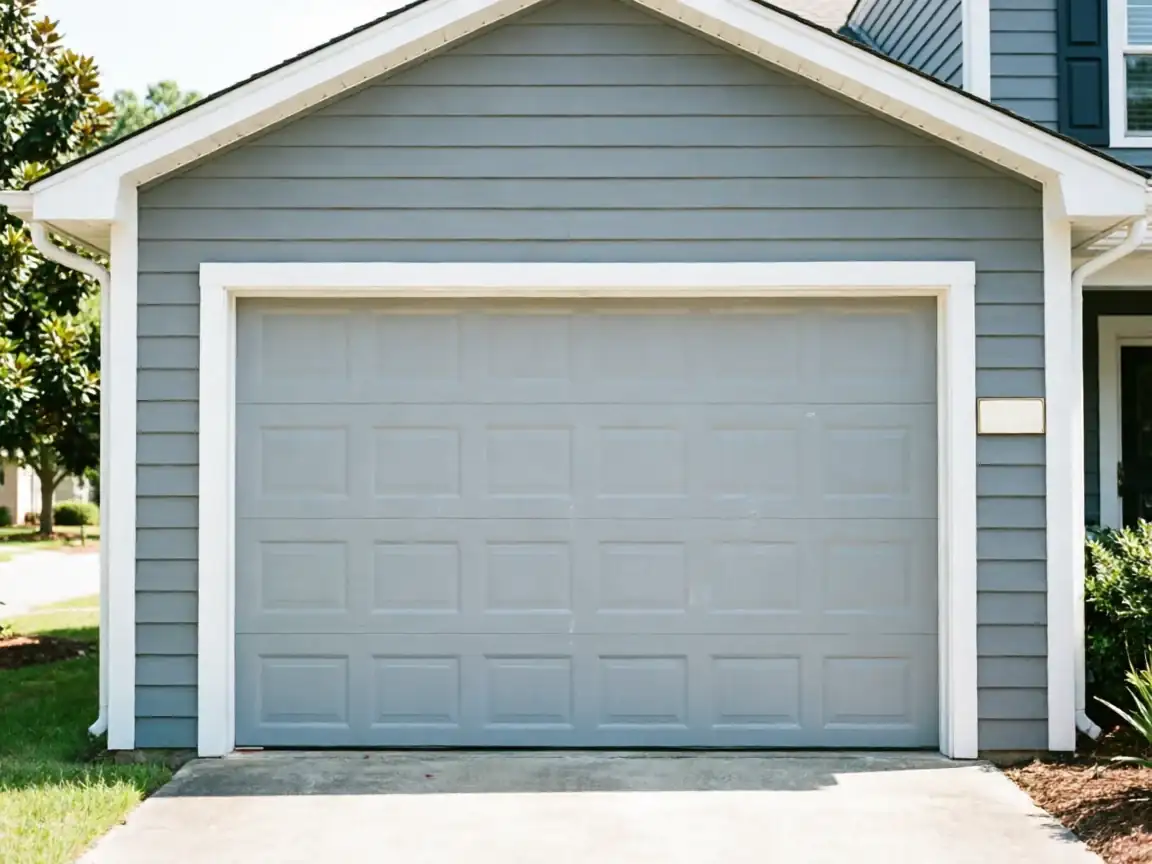
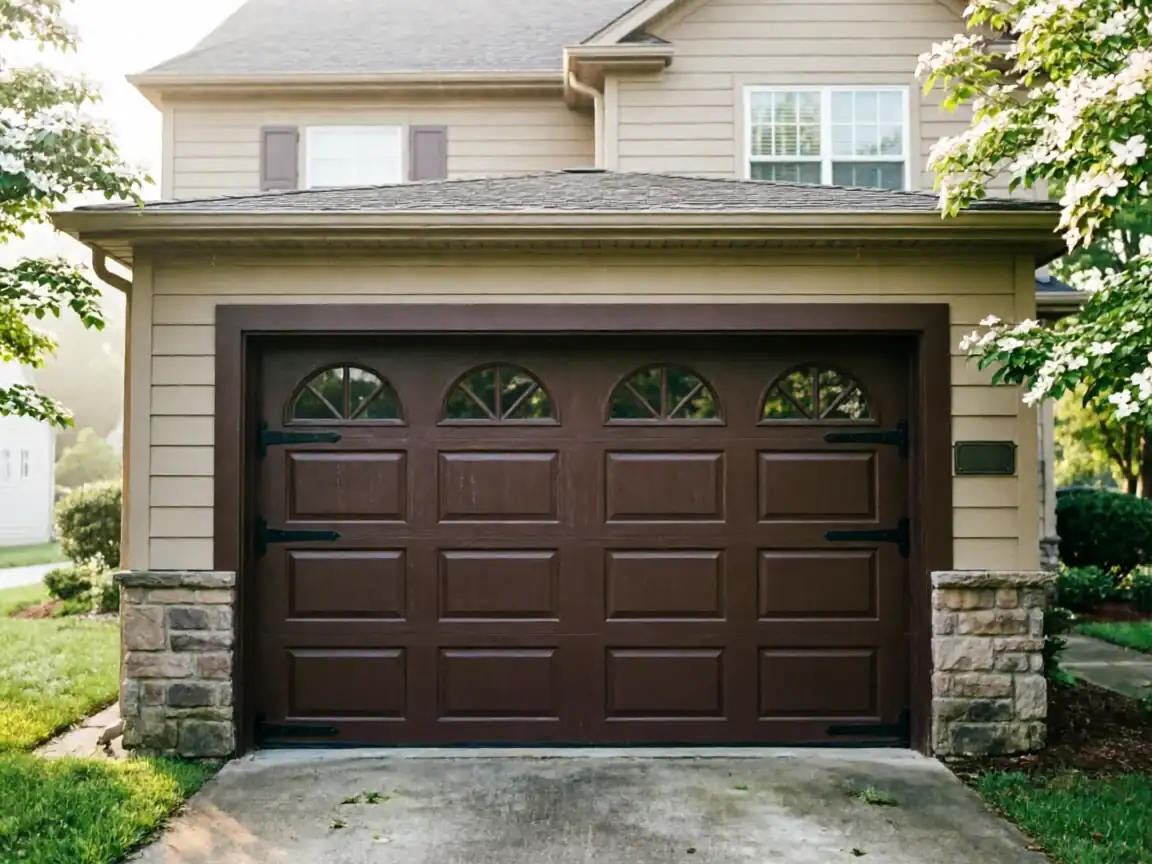
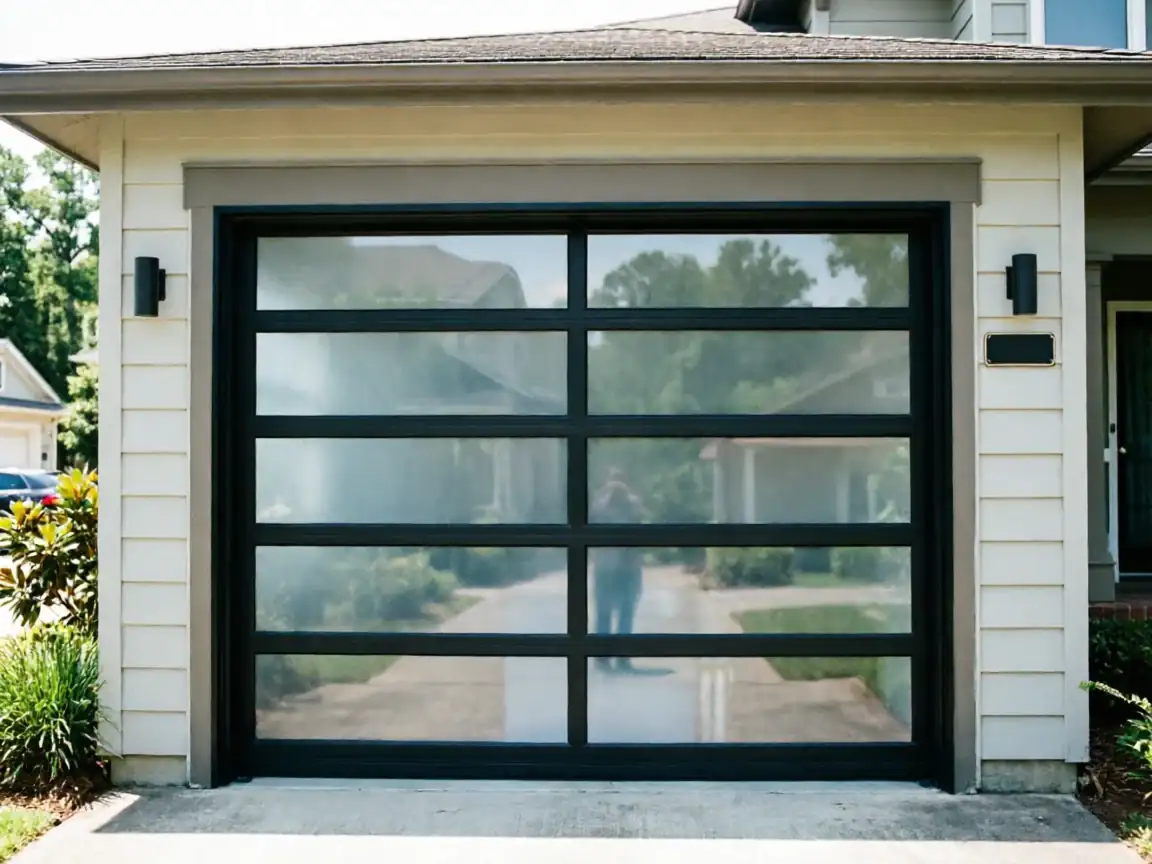
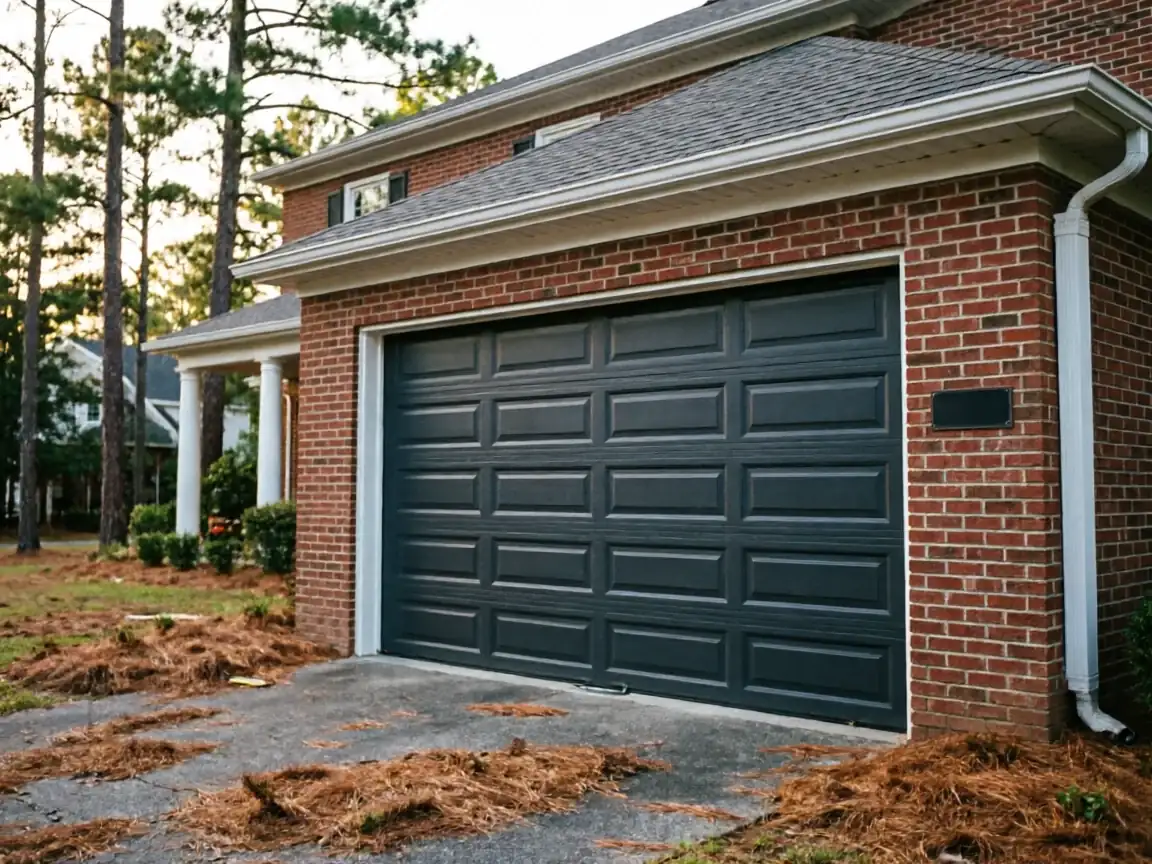
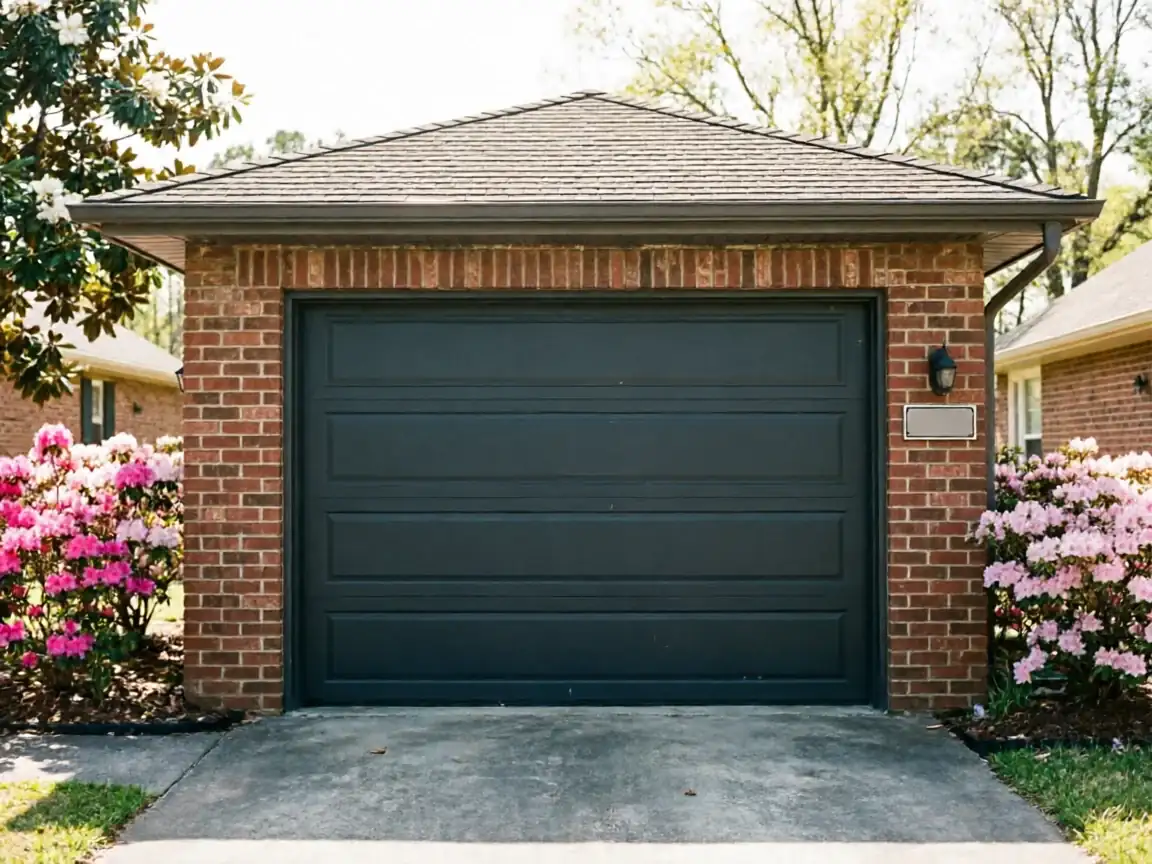
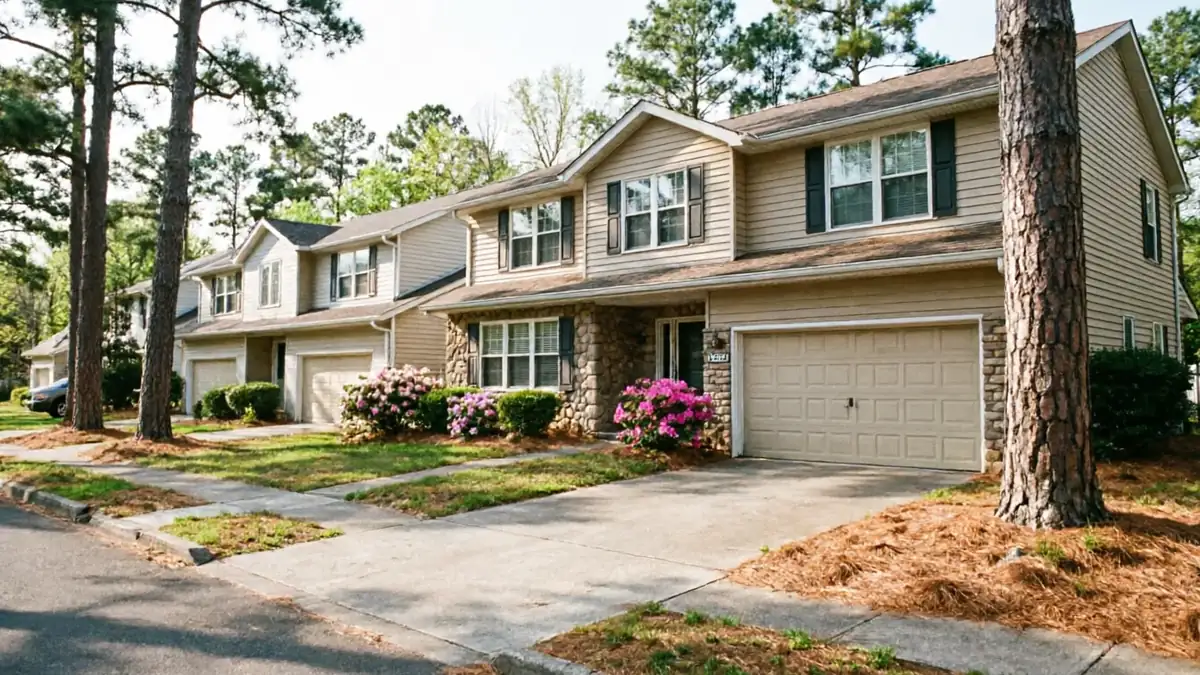
Fort Knox sits about 14 miles from our shop in Elizabethtown, and the housing here runs a bit newer than a lot of the surrounding county. The median year built in this area is 1977, compared to a service-area median closer to 1975 and a stock that elsewhere ranges all the way back to 1957. That puts most of the garage doors we see on Fort Knox calls into the late-1970s to early-1980s window - not the oldest doors we work on, but not new either.
With 2,202 households in this area, there's a decent concentration of similar-aged construction, which means similar-aged garage door hardware showing up on our calls in clusters rather than one-offs. A 1977 build means the original door, if it's still in place, is pushing 50 years old. Some owners have already replaced panels or openers once; a fair number are still running what came with the house, just with newer springs or a retrofit opener bolted on top of old track.
Timing on This Area
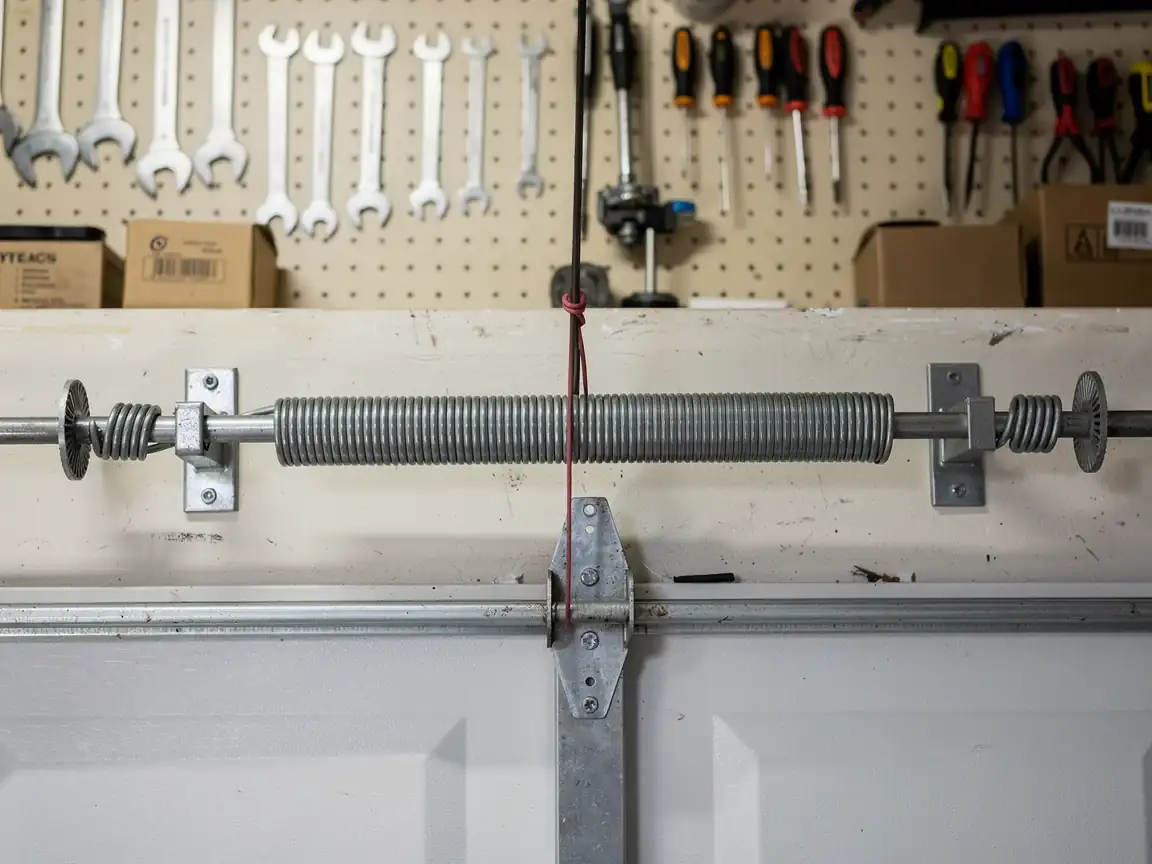
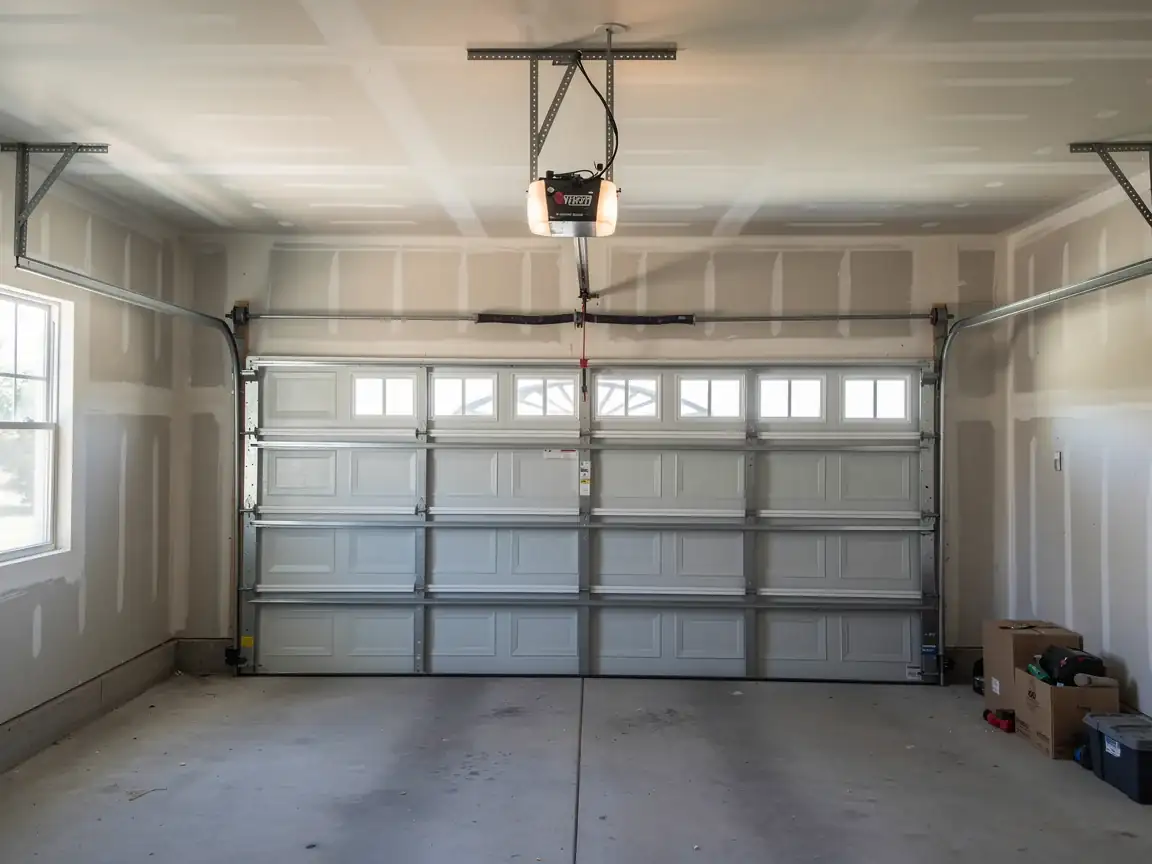
Doors built in the late 1970s were usually set up with extension springs mounted along the horizontal track, not the torsion bar setup that became standard in newer construction. That's the detail that actually matters here: if your house in Fort Knox falls into that 1977 median window, you likely have different spring hardware than a house built in, say, 2001 on the newer end of this area's range.
Median household income in this area is $74,224, noticeably higher than the broader service-area median of $55,375. That doesn't change what's wrong with a door, but it does mean more owners here are opting to replace an aging door outright rather than patch it repeatedly - a call we get less often in older, lower-income pockets of the service area.
We're not based in Fort Knox. We travel the 14 miles from Elizabethtown for every job here, so we schedule the trip rather than dropping by on short notice.
What That Means for Doors
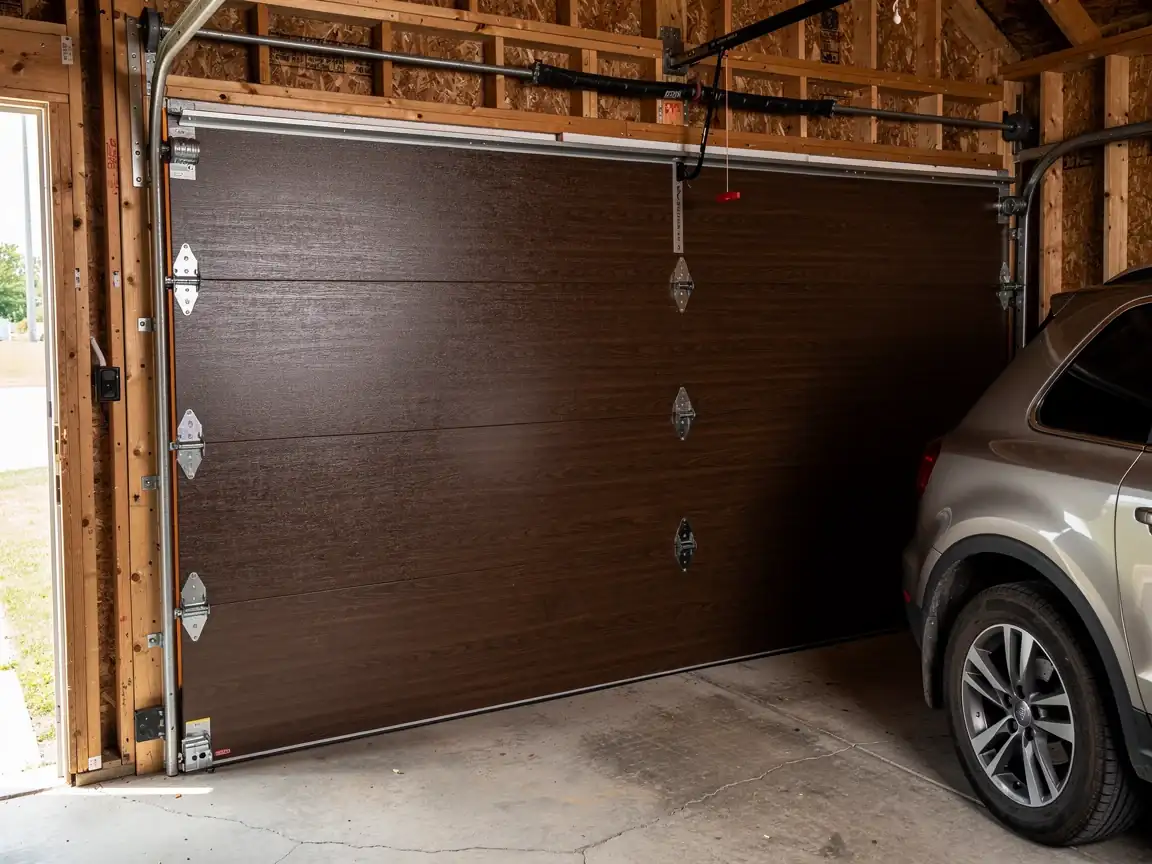
A door from the late 1970s typically has a thinner steel skin than anything sold today
With no insulation layer - which matters in a COLD moderate climate band like this one. Thin, uninsulated panels flex more in a hard freeze and are more prone to denting from a bumped car or a wind-driven gust than the doors built after insulation became standard.
Extension springs on these older setups wear differently than torsion springs
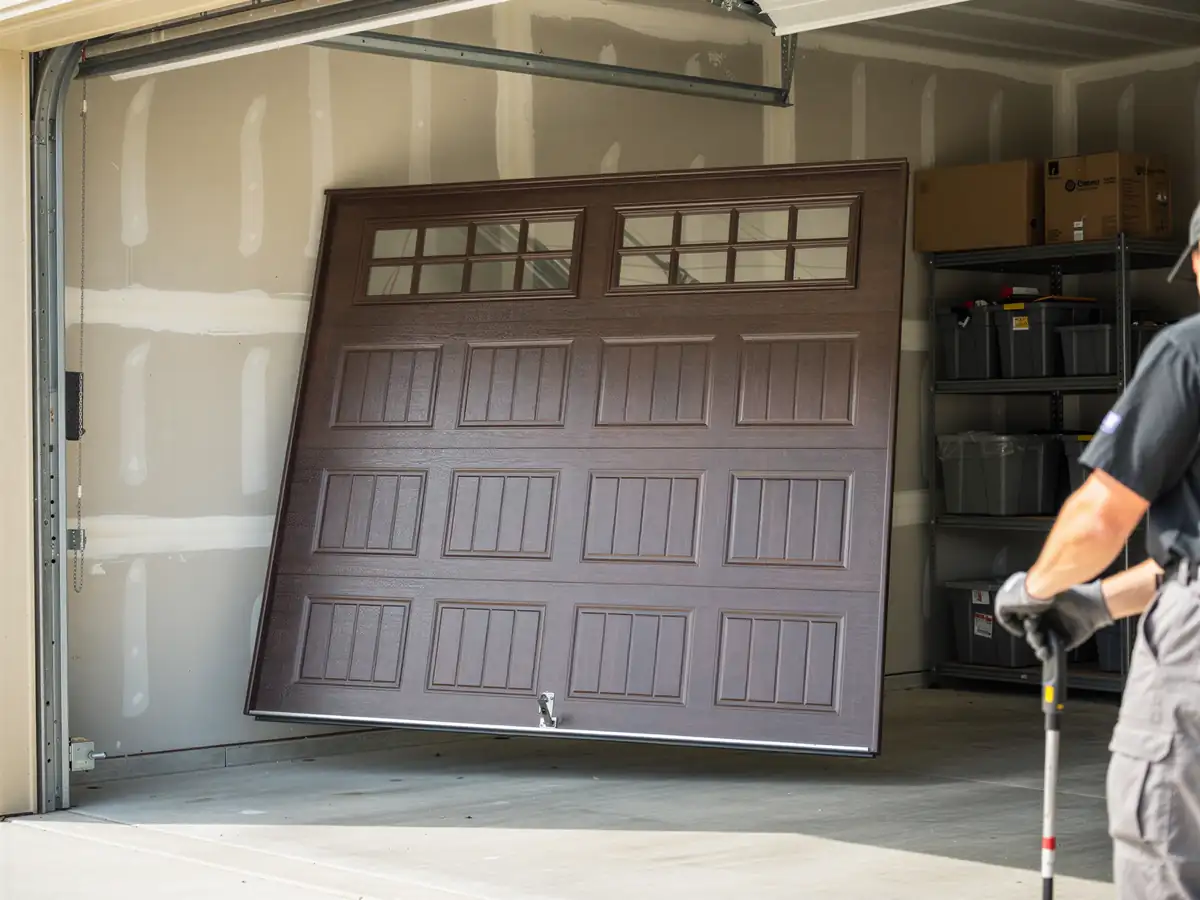
They stretch and fatigue rather than fail all at once, so you'll often get a slow sag on one side before a full break. That's actually good news: it gives you warning. The bad news is that the pulley-and-cable systems that go with extension springs are harder to find in a modern parts catalog, so a repair on a true 1977-vintage door sometimes takes longer to source parts for than a repair on a newer torsion setup.
We'll tell you straight if a door is past the point where patching makes sense versus replacing it outright
What We Do Most in This Area
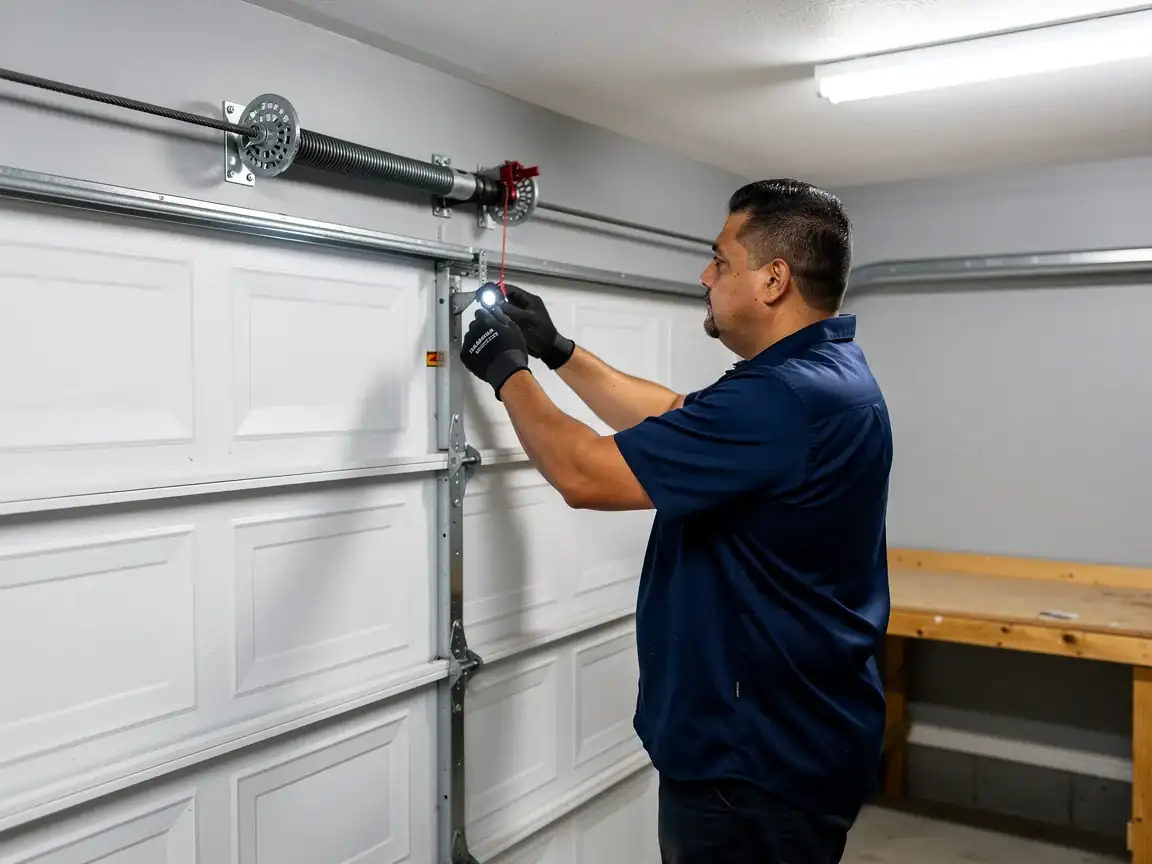
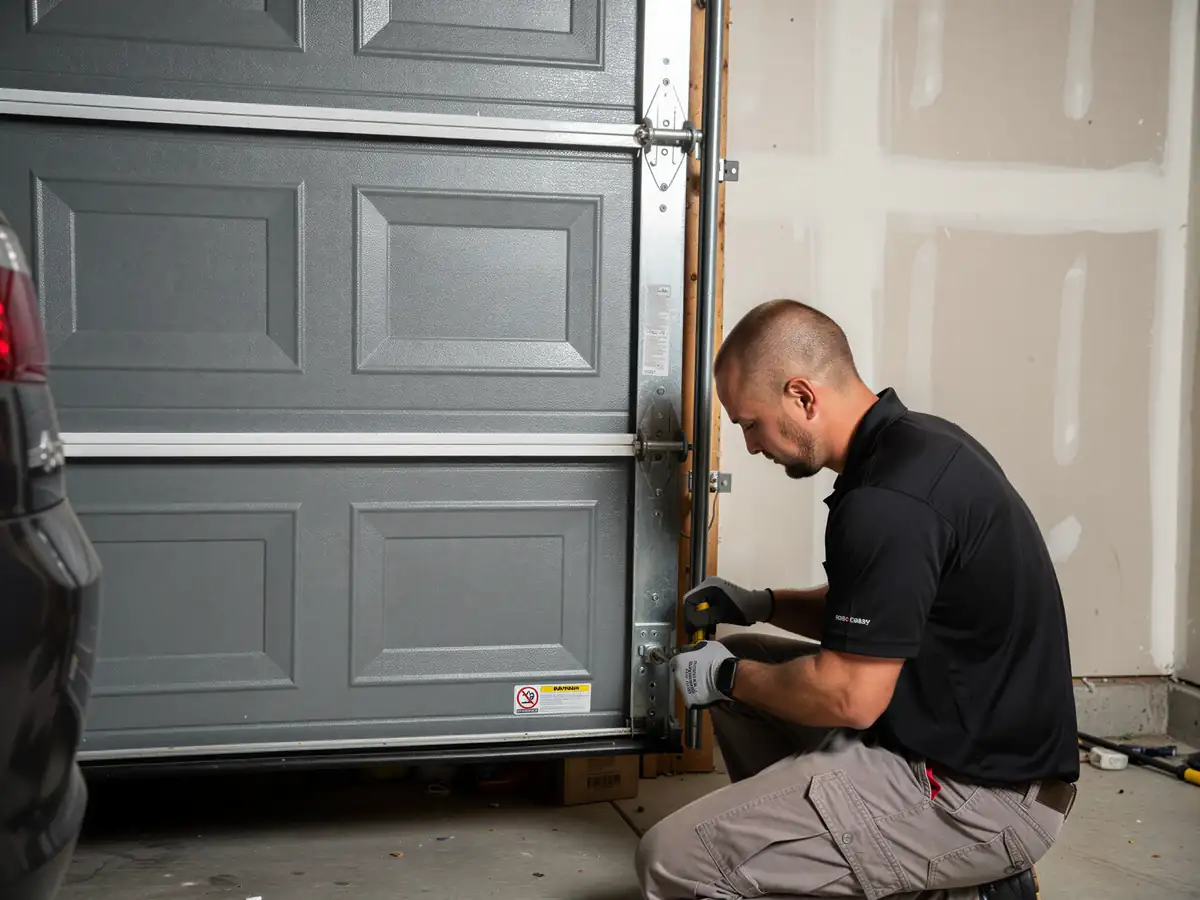
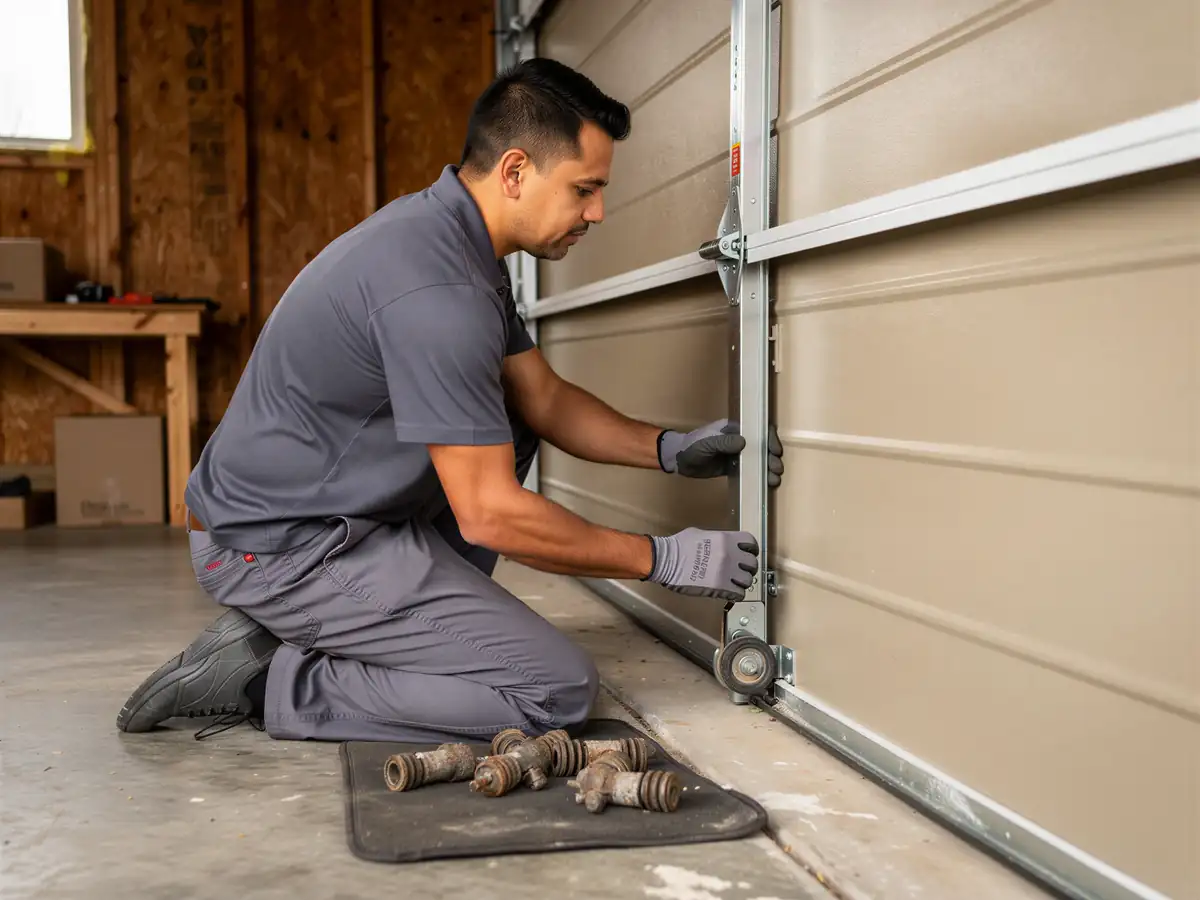
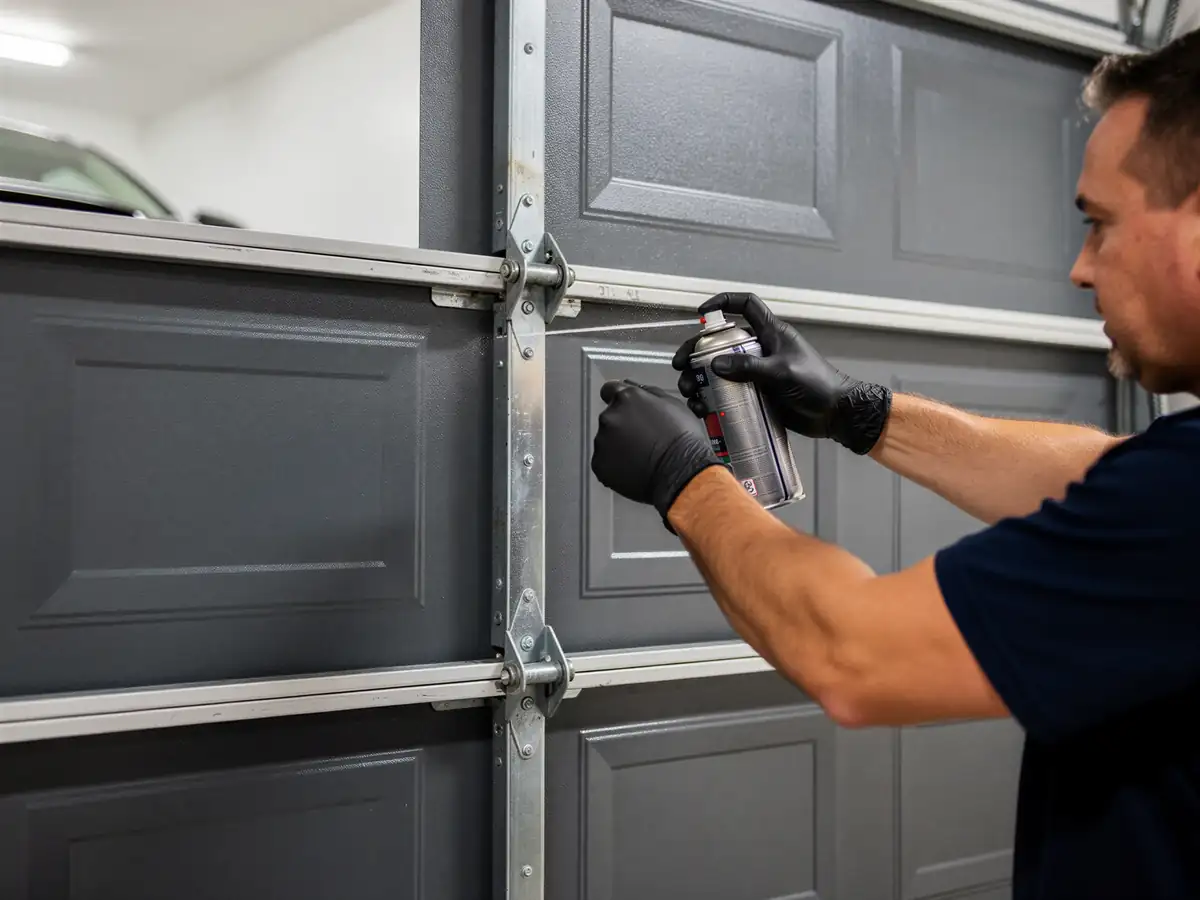
On Fort Knox calls, we're mostly dealing with extension spring replacement, worn track rollers, and openers that were added after the house was built and never properly matched to the door's weight. We also see cable fraying on these older systems more than on newer torsion doors, since the cable runs exposed along the track instead of wound on a drum.
Given the area's higher median income relative to the rest of our service territory, full door replacement comes up more often here than elsewhere - owners choosing an insulated steel or composite door over another round of patching a 1977 original. We'll give you both options and the honest tradeoff, not just the one that's easier for us to sell.
One limitation worth saying plainly: we don't keep a crew stationed in Fort Knox. Every visit is a dispatch from Elizabethtown, so same-day availability depends on our route that day, not a local presence.