Serving Elizabethtown, KY & nearby
(270) 203-4611
Elizabethtown, KY

What Actually Happens When We Come Out to Your House

Elizabethtown Garage Door Pros explains what a service call covers for homes built between 1957 and 2001, from spring checks to track and opener diagnostics.

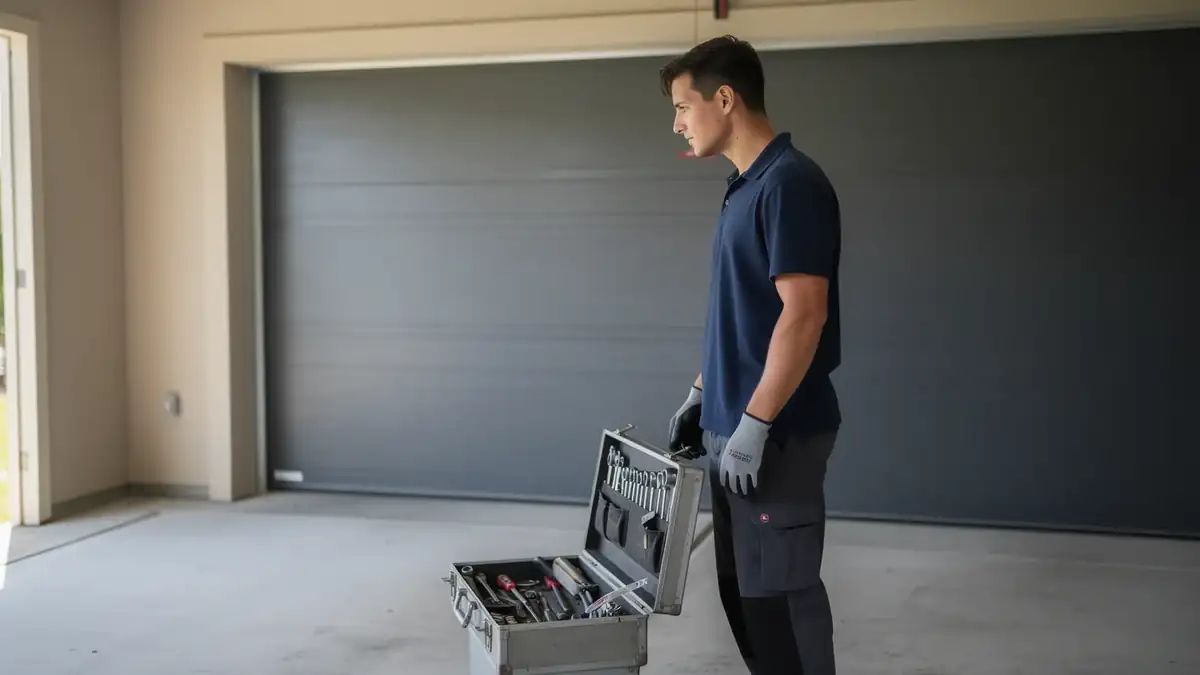
A technician stands in a garage with an open toolbox and a gray garage door.

What the Weather Here Does to It

This area sits in a cold-moderate climate band, which doesn't sound dramatic until you've watched a torsion spring go from a 20-degree morning to a 50-degree afternoon three days in a row. That swing works on steel. Springs lose temper faster when they're cycling through freeze and thaw all winter instead of sitting at one steady temperature, and galvanized coating on rollers and track brackets starts to pit where moisture gets trapped and refreezes. Most of the houses we work on here went up between 1957 and 2001, with the typical build year landing around 1975, so a good share of the hardware on these doors has already been through forty-plus winters of that cycle. We're not seeing doors fail from one dramatic storm. We're seeing fatigue - a spring that's been coiling and uncoiling through decades of cold snaps finally lets go on an ordinary Tuesday. That's the honest version of what weather does here: it doesn't break doors, it wears them down until something ordinary finishes the job. A service call in winter usually starts with us asking how old the spring is before we ask what it's doing.

The Common Mistake

The mistake we see most is treating every garage door system like it's one age and one design, when this area is really eight pockets of 1960s and '70s construction built right next to newer infill. A homeowner sprays silicone on the track because a neighbor with a 1990s door swears by it, but their own door is original to a 1960s build with hardware that needs grease on the rollers, not lubricant on the rail. Another common one: ignoring a noisy opener because it still opens the door, when the noise is coming from a torsion spring that's audibly fatigued and has maybe a few hundred cycles left in it. People also assume replacing the opener fixes a door that's actually dragging because the track has shifted out of plumb over fifty years of settling, which is common in houses from the 1957-2001 range. The fix in that case has nothing to do with the opener. None of this is really about carelessness - it's that two doors built fifteen years apart on the same street can need completely different maintenance, and most advice online treats garage doors as one generic thing.

What Is Going On

On a typical call, we're trying to figure out which era of hardware we're looking at before we touch anything, because a door from the earlier end of the 1957-2001 range usually has different spring mounting and a lighter steel section than one built closer to 2001. We check spring wind and cycle wear, look at whether the cable drums are original, test the opener's force settings against how heavy the door actually is, and check the track alignment at the point where most of these older frames start to sag. For the 1960s and '70s stock specifically, we're often looking at extension springs on side brackets rather than a center torsion bar, and those have their own failure pattern - they stretch and fray at the end loops long before they look obviously broken. We'll tell you straight if a part is original and still sound, or if it's past the point of being worth patching. We don't carry every obscure bracket size from every build year on the truck, so occasionally a part has to be sourced before we can finish a repair in one visit - that's the one real limitation here, and we'd rather say it up front than leave you waiting on a surprise.

What You Pay

We don't post a flat number here because what a call actually covers depends on what we find once the door's open - a spring swap is a different job than a track realignment or an opener logic board, and the 1957-2001 housing stock in this area means we're pricing against a wide range of hardware ages on any given week. What we can tell you is what's included in the visit itself: diagnosis of the actual failure point, not just the symptom you called about, a check of the parts most likely to be original if the house falls in the older end of that build range, and a straight answer about repair versus replacement before any work starts. Across the roughly 16,726 households in the area we cover, median household income runs around $55,375, and we price with that in mind - we're not going to recommend a full door replacement when a spring and a cable will do the job for years. If the part needed isn't something we carry, the closest supply runs are through towns like Radcliff or Vine Grove, both about nine miles out, and that can add a day to the job. We'll always tell you if that's the case before we leave.
How it works

From “it’s stuck” to “it’s fixed”

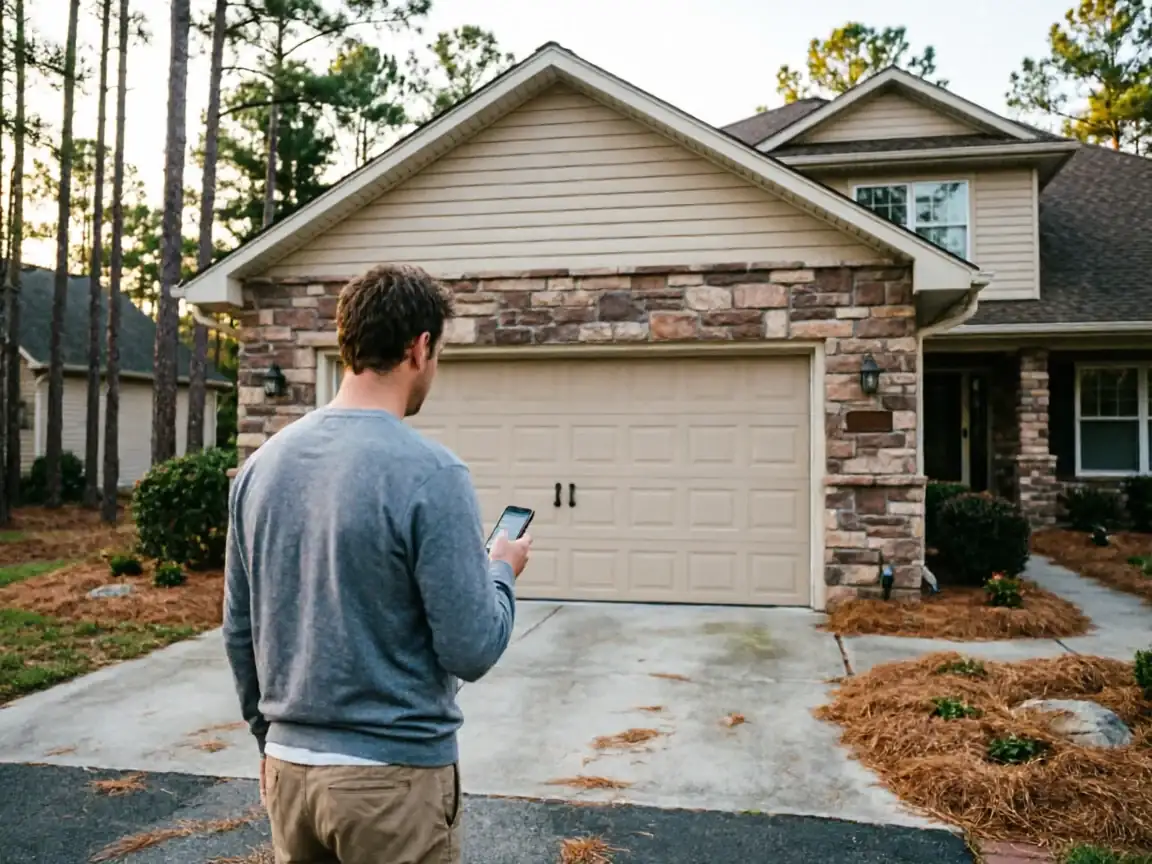
A man stands in a driveway, looking at his phone in front of a garage door.

Tell us what’s wrong

Describe the symptom - won’t open, loud bang, opener runs but the door won’t move.

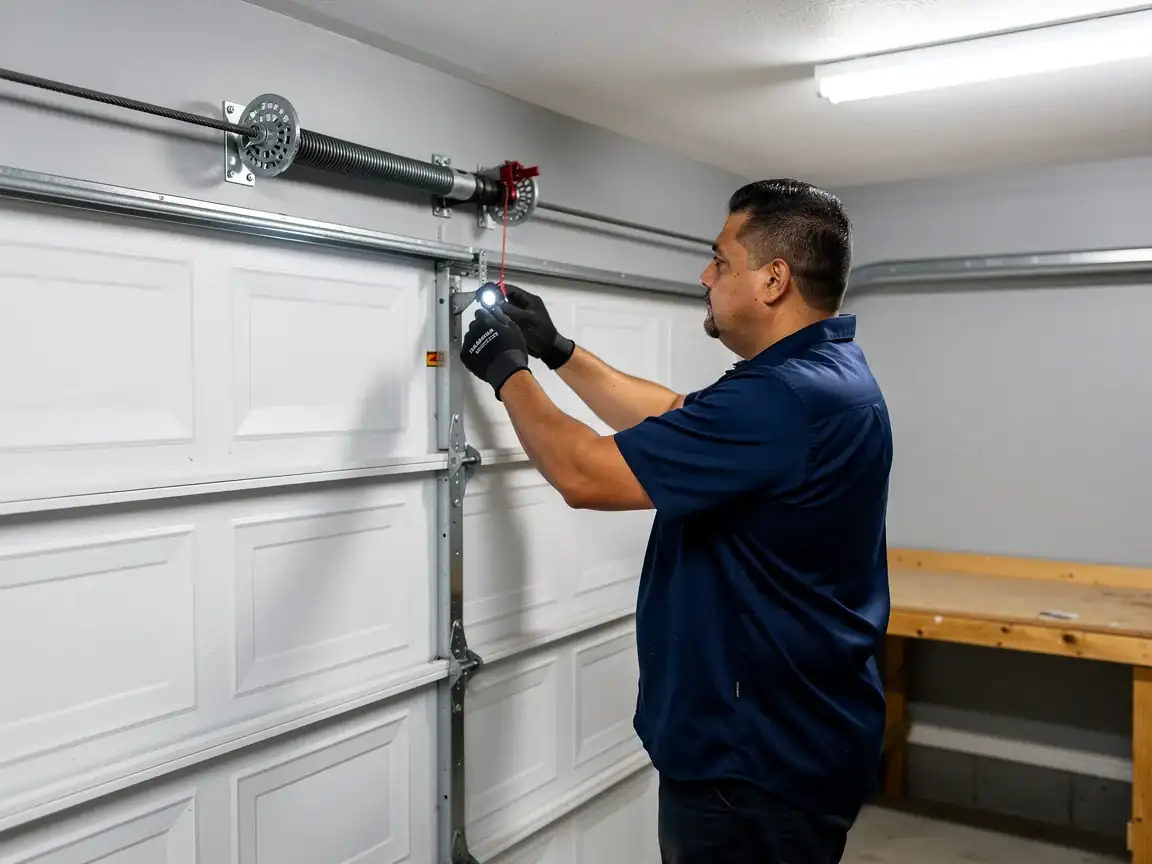
A technician inspects the garage door torsion spring with a flashlight.

On-site diagnosis

A technician tests the door under power and by hand and finds what actually failed.

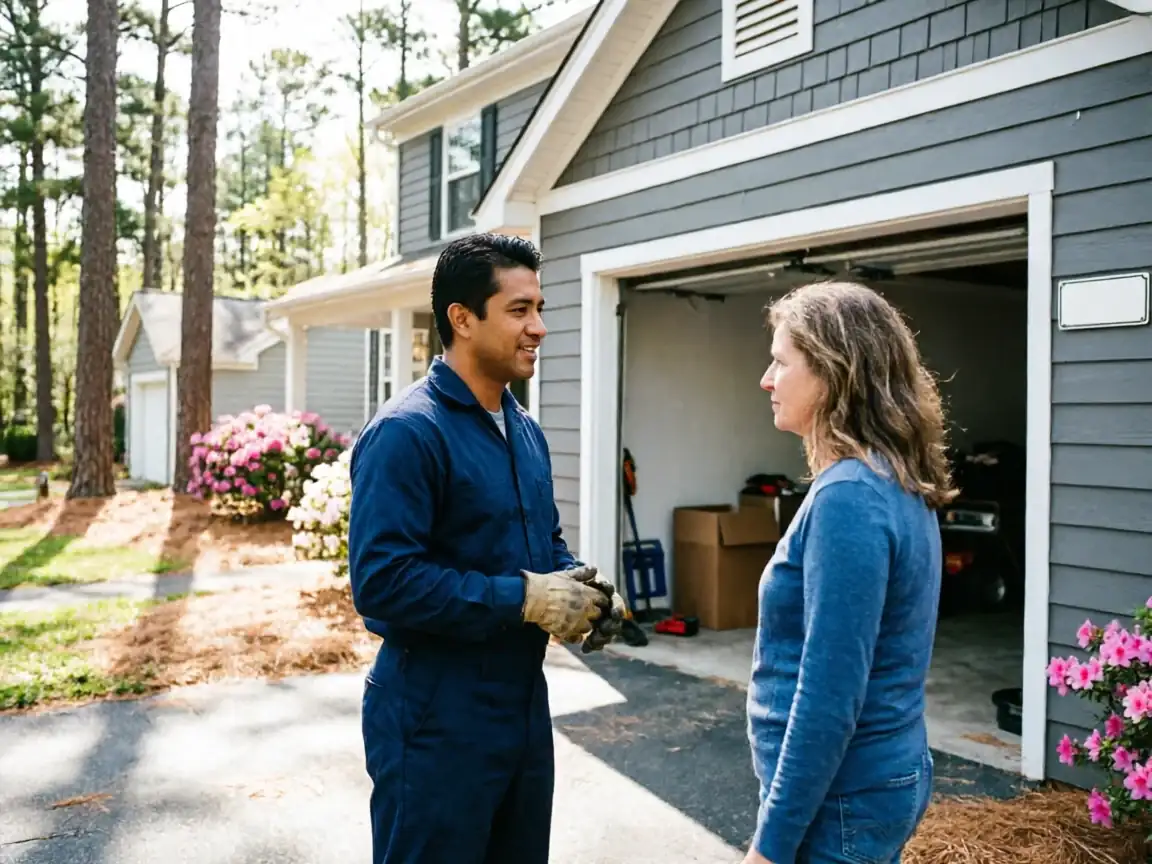
A technician in a blue uniform talks to a woman in front of an open garage.

Clear, up-front plan

You get the fix that’s needed and what drives the cost - before any work starts.

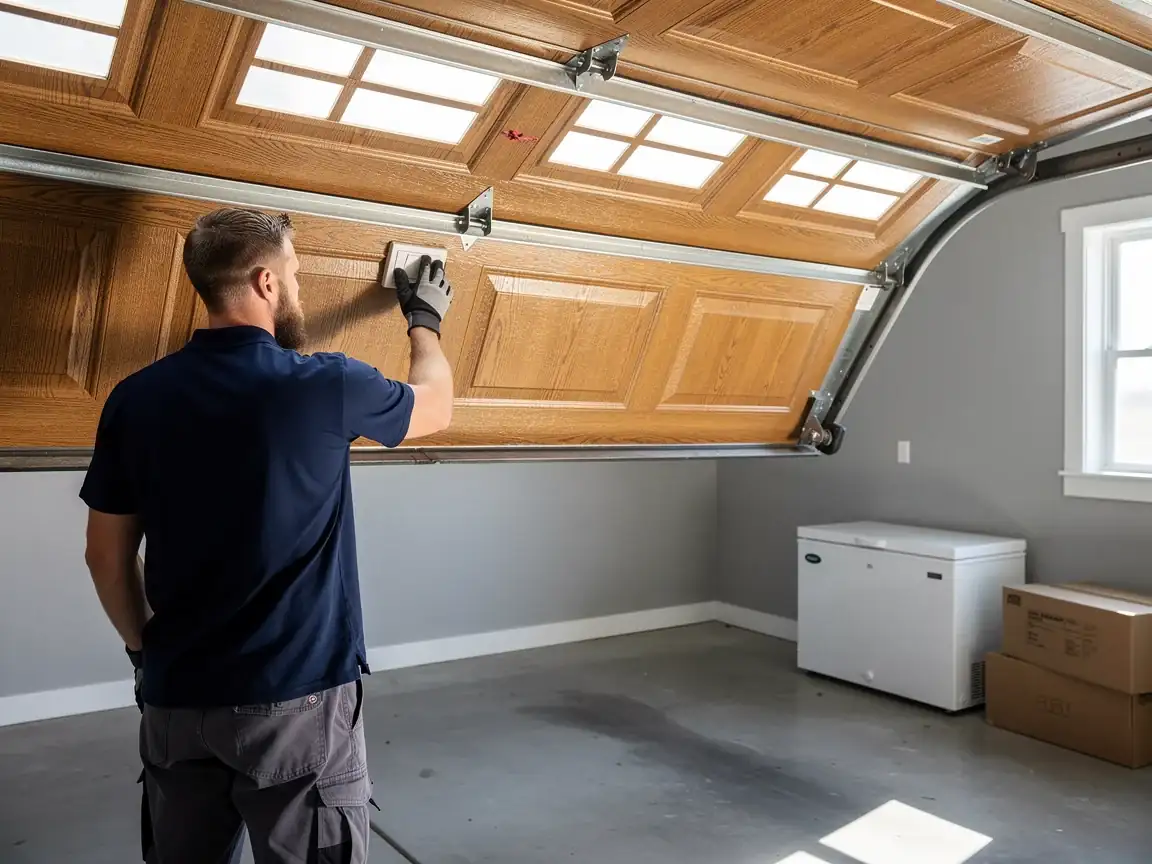
A technician in a blue shirt is working on a brown garage door.

Repaired & tested

The repair is done, the door is set true and tested, and the work area left clean.

Not sure which repair your door needs in Elizabethtown, KY? Describe what it’s doing - every job starts with a diagnosis.

How we work

What to expect

Diagnosis first

Every visit starts by finding what actually failed - not a pre-written parts list.

The right part for the door

Springs and openers matched to the door’s weight and age, so the fix holds up.

Straight answers

When a repair makes more sense than a replacement - or the reverse - you hear it plainly.

Clean, careful work

Tension released safely, hardware set true, the door tested under power before we leave.

What we do

Garage Door Services

Repair and installation work for Elizabethtown homes and businesses.

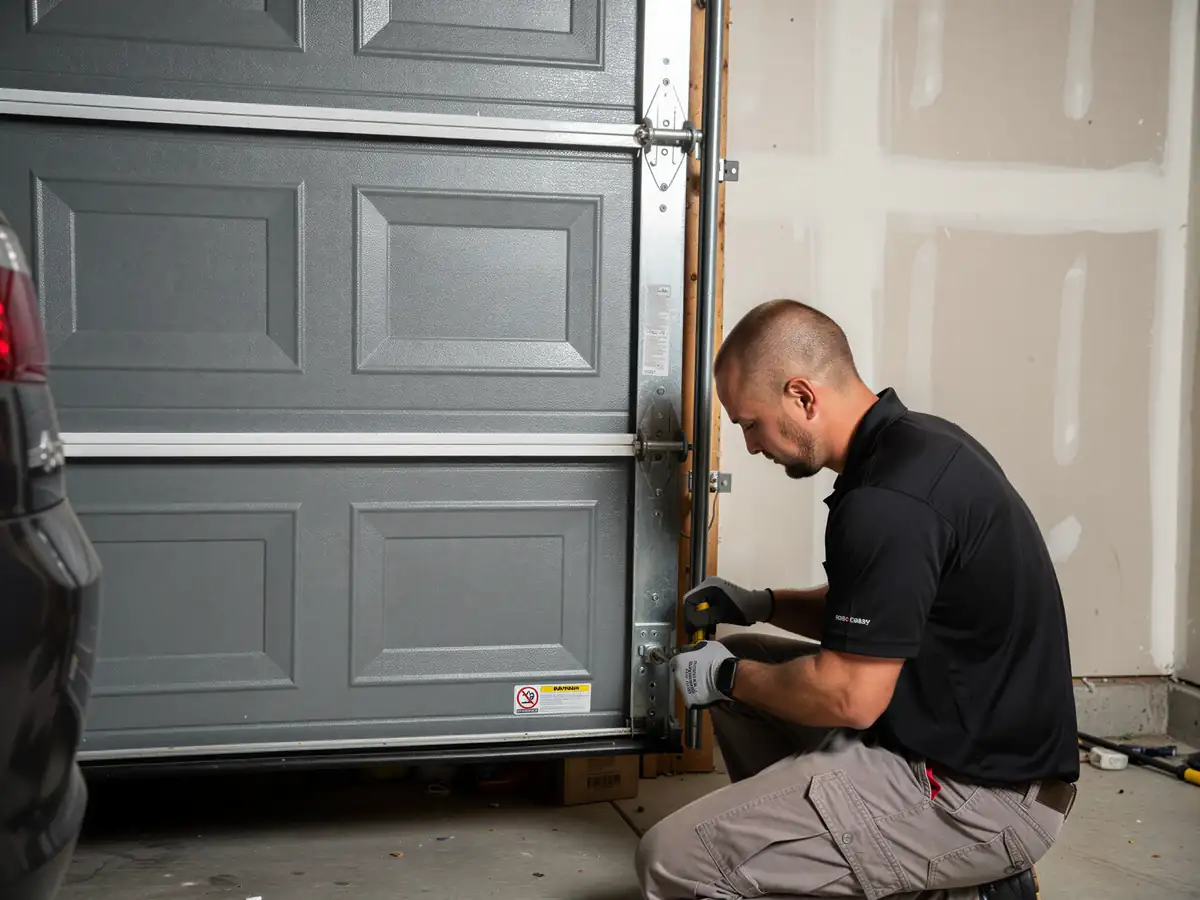
A technician in a black shirt and gray pants works on a gray garage door.

Garage Door Repair

Broken torsion spring or a door that won't budge? We fix the spring and hardware failures common in Elizabethtown's 1960s-70s housing stock, cold-weather breaks included.

Learn more
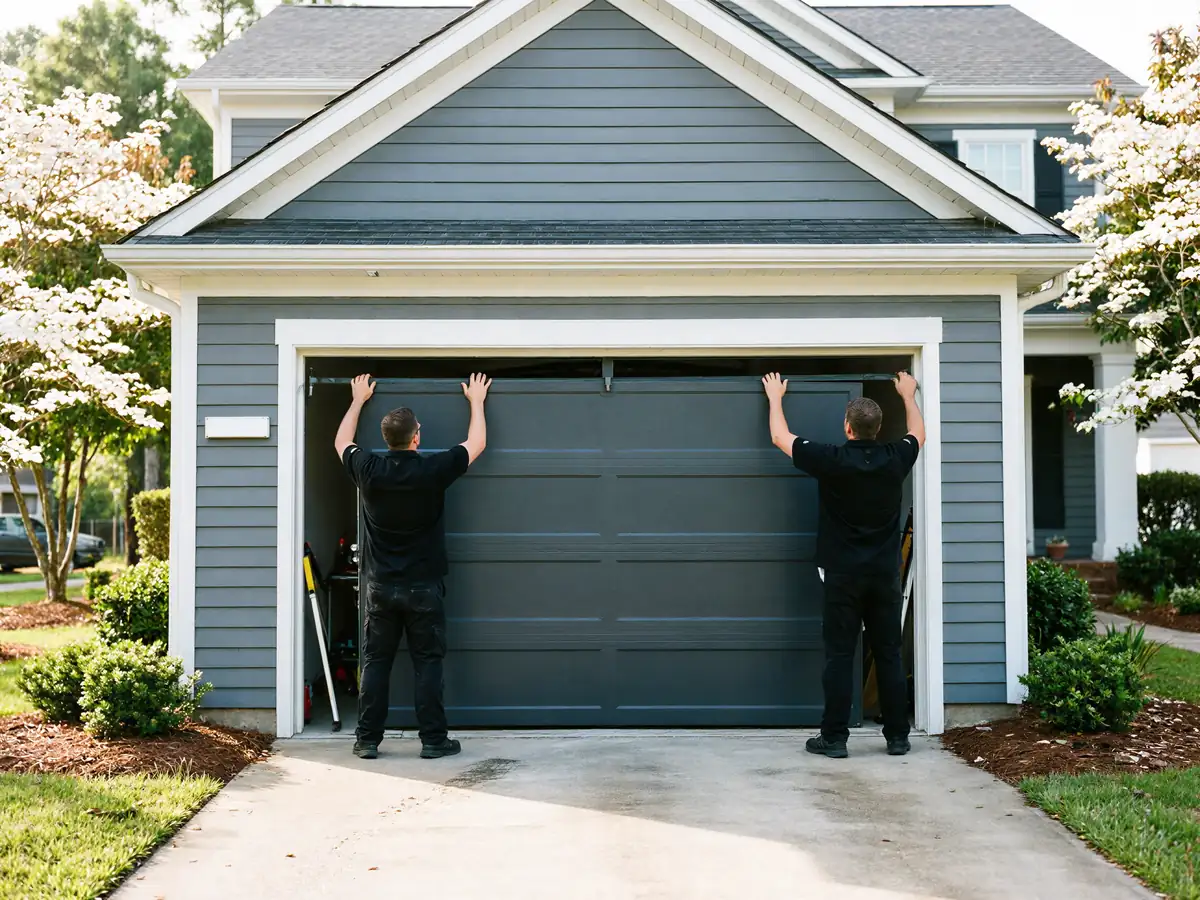
Two technicians install a dark gray garage door on a gray house.

Garage Door Installation

Most Elizabethtown garage doors date to the 1960s-70s building boom. See why that original stock is failing now and what a proper replacement install involves.

Learn more
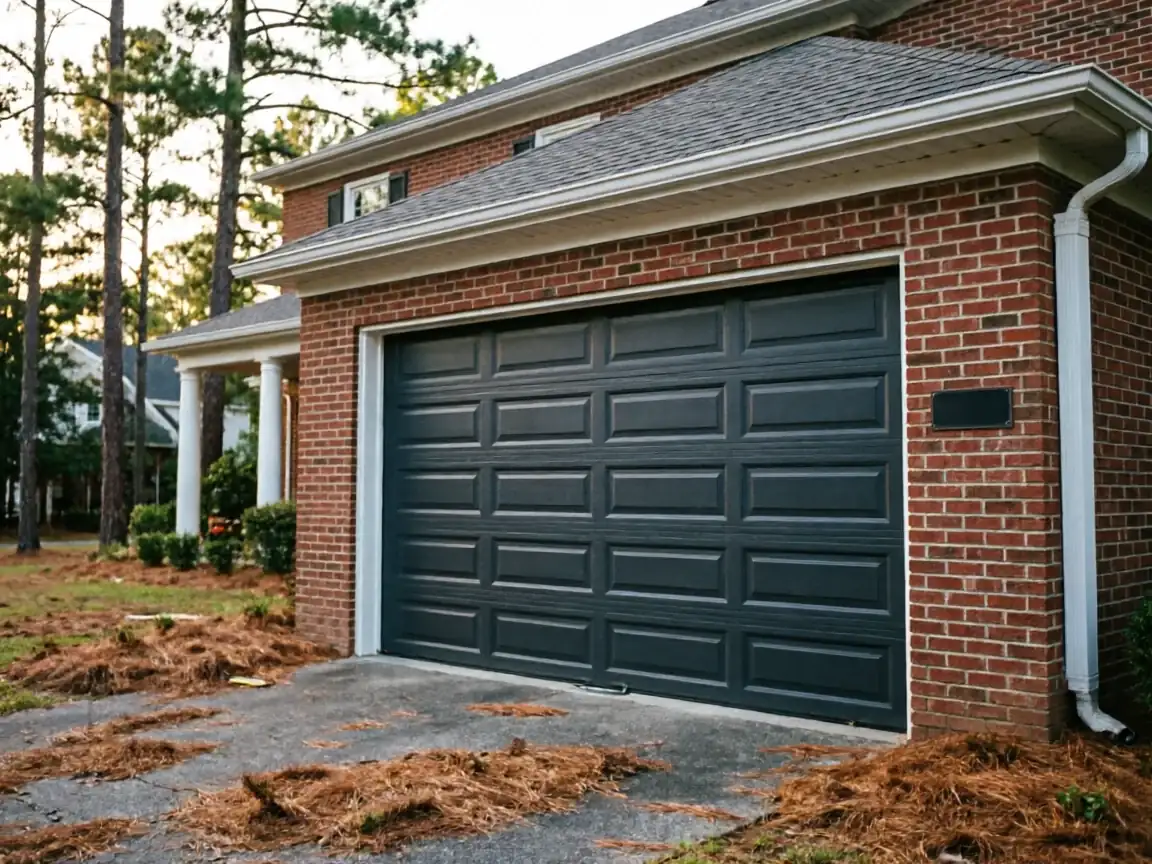
A dark gray garage door on a brick house with pine straw on the driveway.

Garage Door Service

Torsion springs on Elizabethtown garages fail early because of the area's 1960s-70s housing stock and cold winters. Here's what that looks like and what fixing it involves.

Learn more
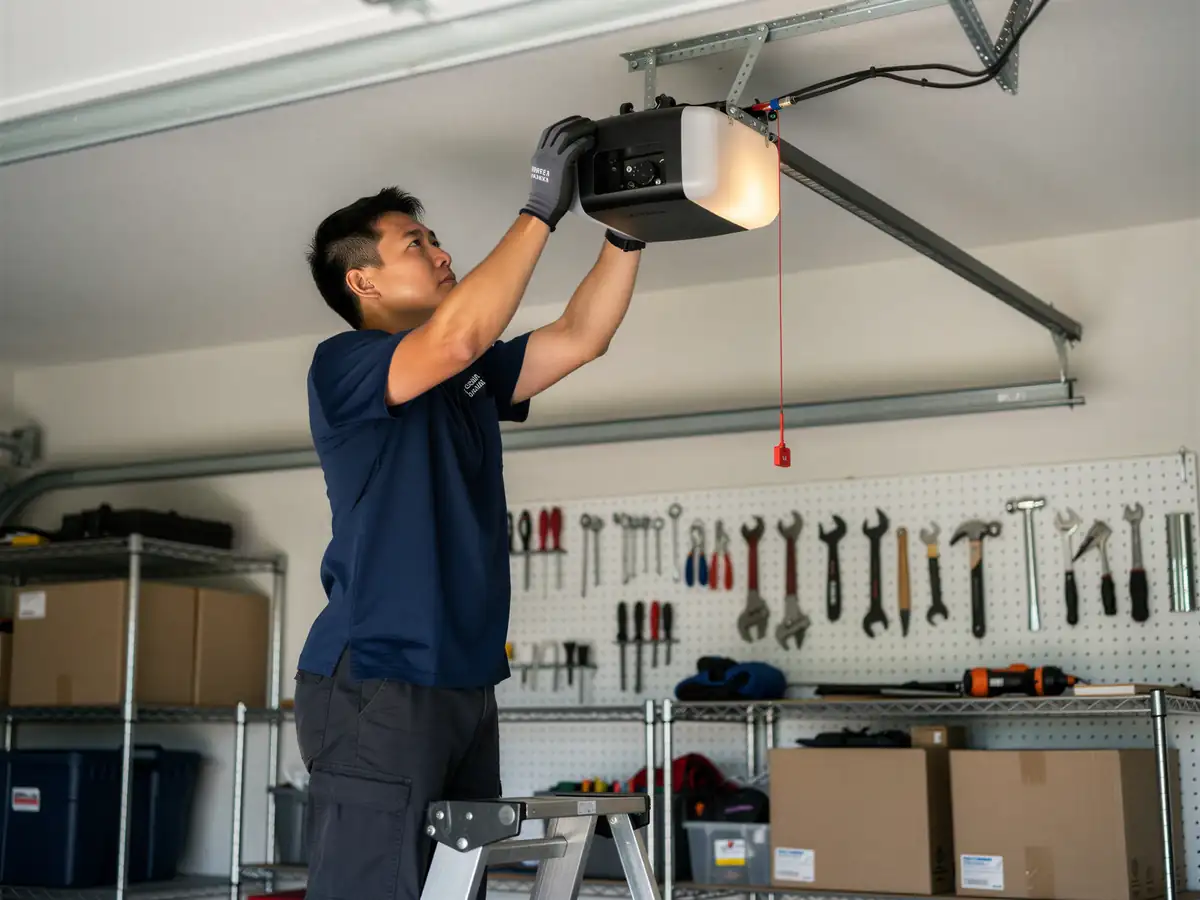
A technician on a ladder installs a garage door opener.

Opener Installation

Replacing or installing a garage door opener in Elizabethtown, KY homes built between 1957 and 2001 means matching the opener to older track and spring setups.

Learn more
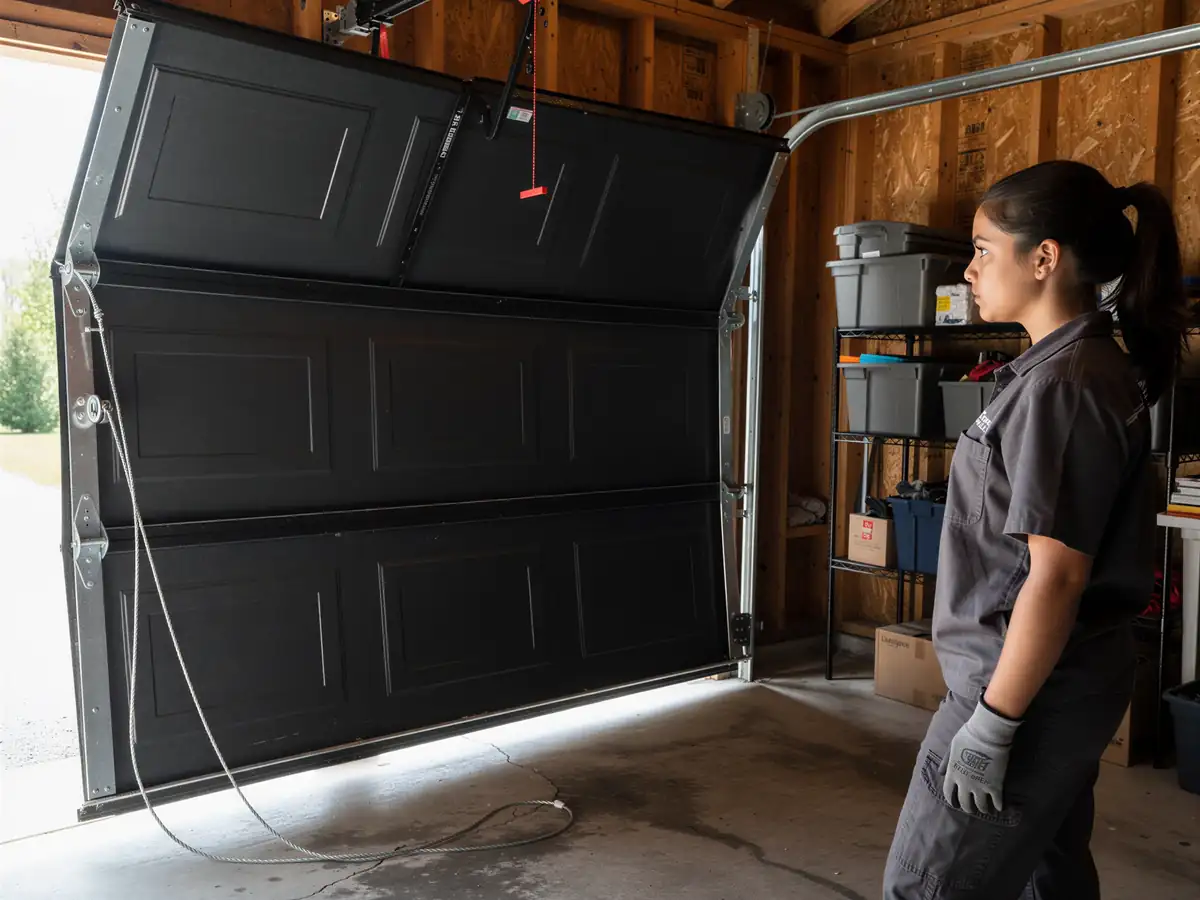
A technician stands in a garage looking at a black garage door that is partially open.

Cable Repair

Broken or frayed garage door cables are common in Elizabethtown's 1960s-70s housing stock. See what causes it, what to check yourself, and what a proper repair involves.

Learn more
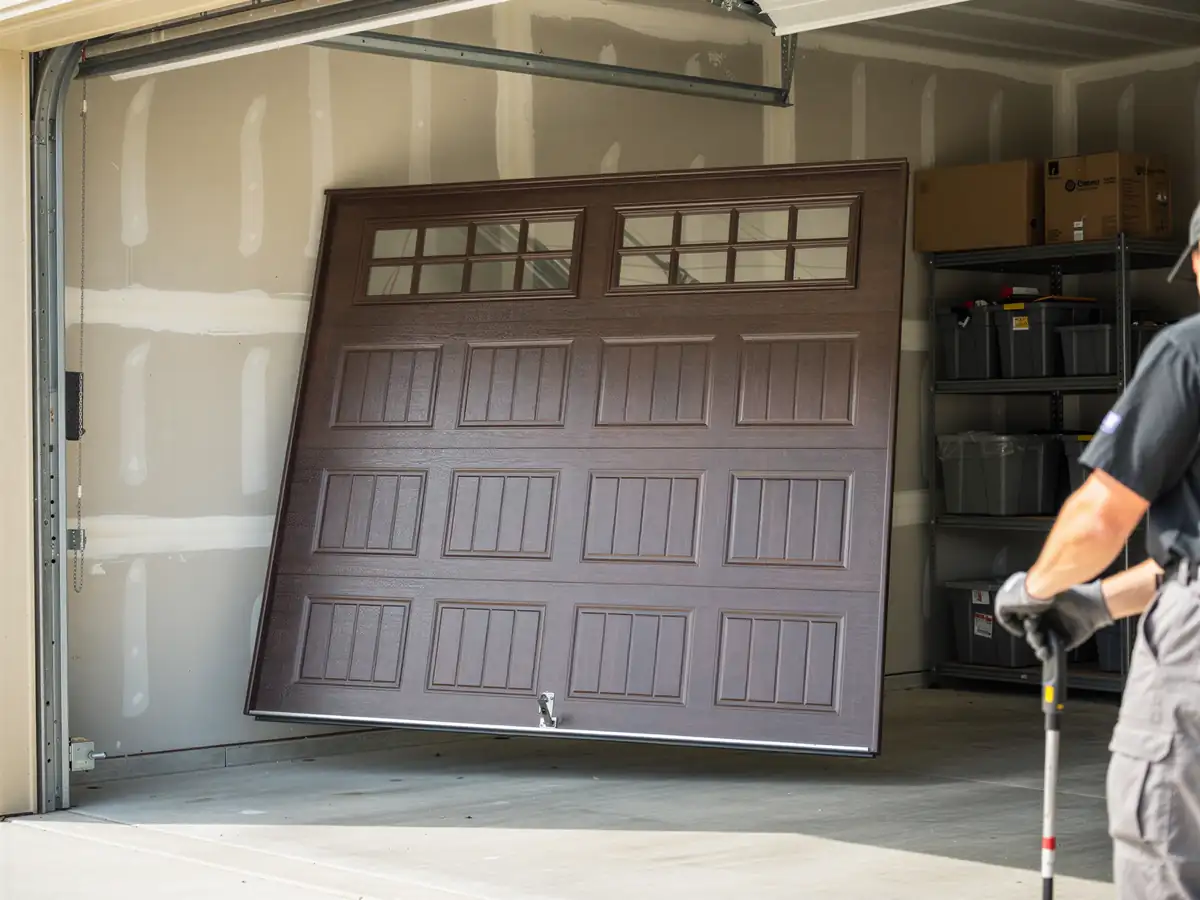
A technician stands in a garage with a brown garage door leaning against the wall.

Off-Track Repair

Door jumped the track in Elizabethtown? See why 1960s-70s rollers and cold-weather steel tracks fail here, what you can safely check, and what a real fix takes.

Learn more
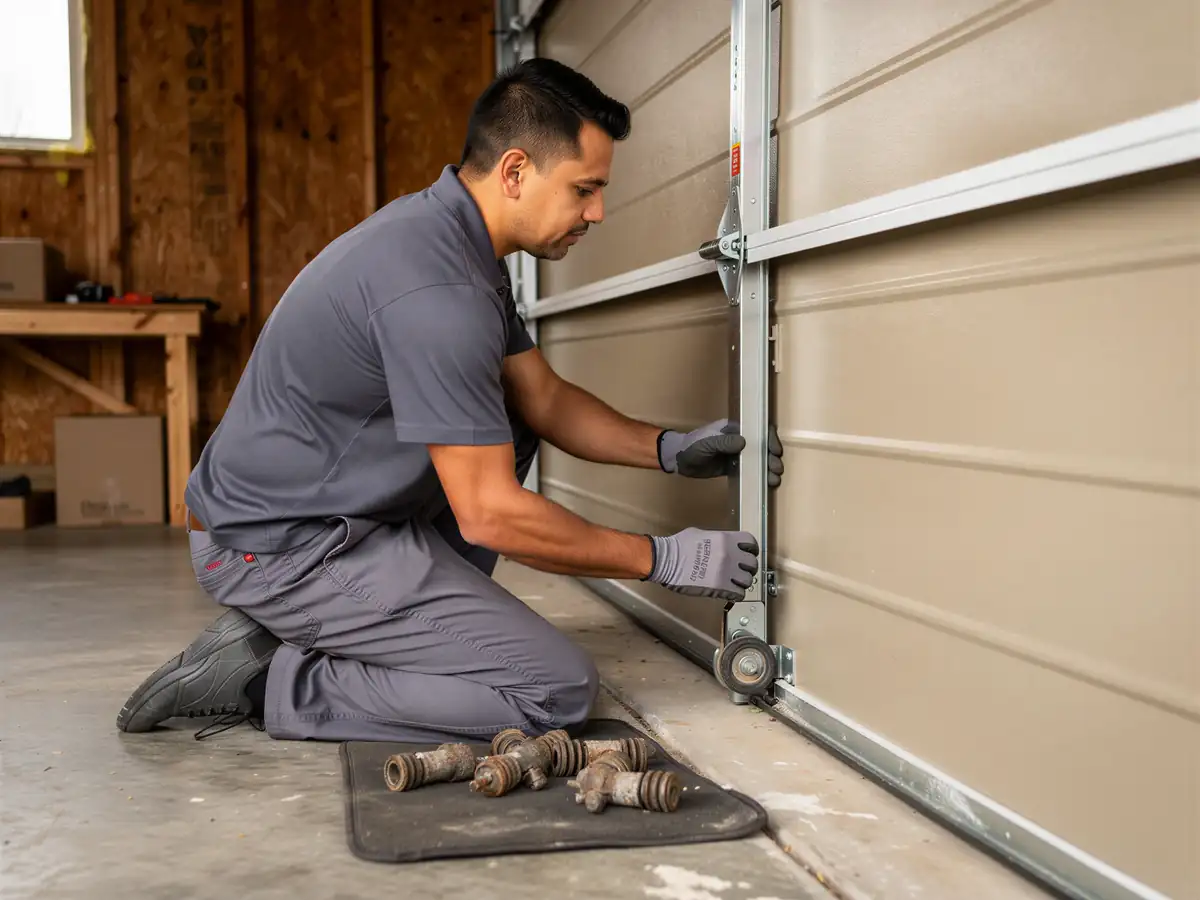
A technician kneels, adjusting a garage door roller on a tan garage door.

Roller Replacement

Grinding, catching, or jumping garage door rollers in Elizabethtown, KY homes built from the 1960s on. Here's what causes it and what fixing it right takes.

Learn more
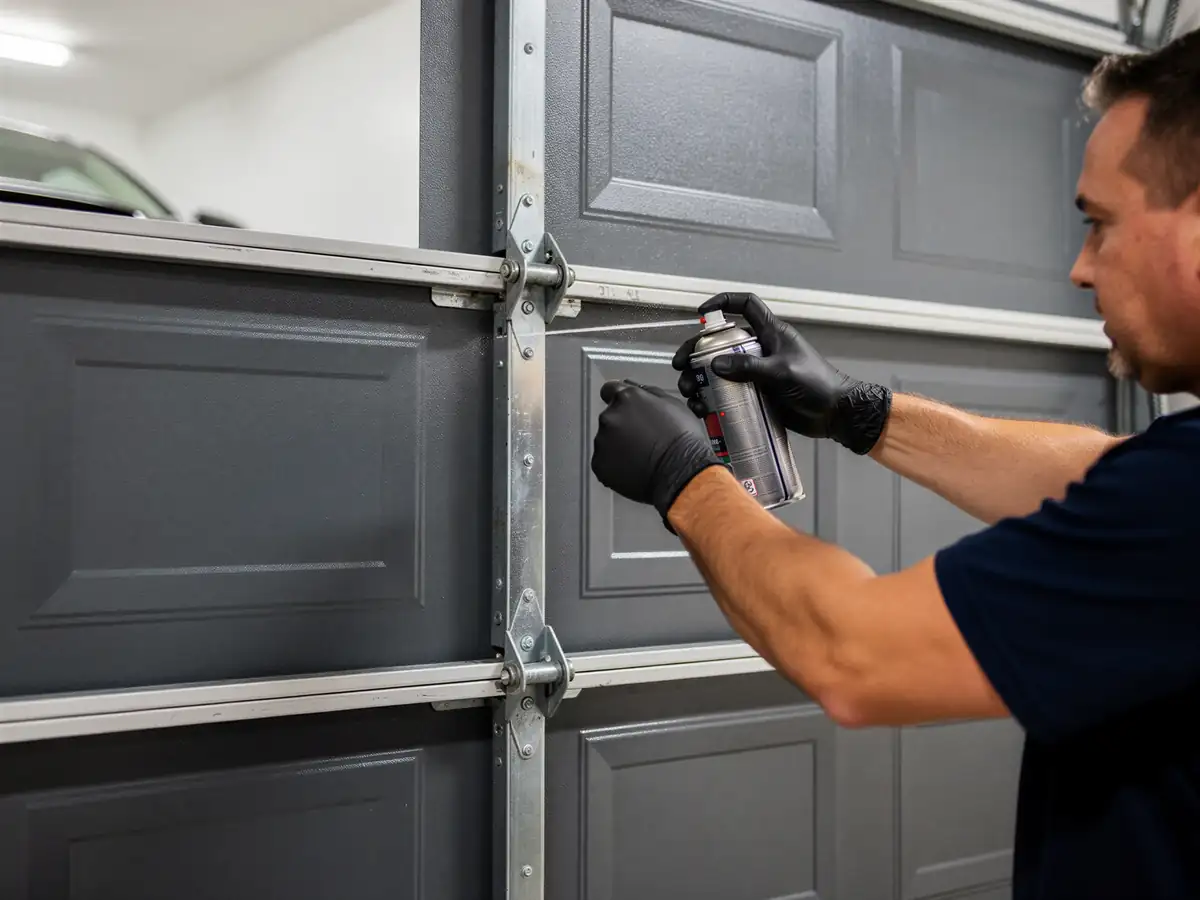
A technician in black gloves sprays lubricant on a gray garage door hinge.

Maintenance

Garage door maintenance for Elizabethtown homes built 1957-2001, where original hardware and cold-season freeze-thaw cycles wear springs and rollers faster than owners expect.

Learn more
Questions

Frequently asked

Straight answers about garage door repair in Elizabethtown. Still unsure? Ask us directly.

01Why does my garage door spring keep breaking in winter?

Steel springs fatigue faster with repeated freeze-thaw cycling, which this area gets through its cold-moderate climate band. A spring near the end of its life that might hold on through a mild season often lets go during a sharp cold snap. If your house falls in the 1957-2001 build range, the spring may also just be original and due regardless of weather.

02Do you carry parts for older doors on the truck?

We stock the common sizes, but this area has eight distinct pockets of 1960s and '70s construction alongside newer builds, so hardware varies more than you'd expect. If a bracket or spring size isn't something we carry, we may need to source it, which can add a day. We'll tell you on the spot if that's the case.

03How do I know if my door needs repair or replacement?

We look at the age of the hardware against your home's likely build era, how many parts are failing versus just one, and whether the track or frame itself has shifted. For a lot of the 1957-2001 stock here, a spring or cable repair is enough. Full replacement only makes sense when the frame or multiple systems are failing together.

04What's included in a standard service call?

A diagnosis of the actual point of failure, a check of the spring, cables, track alignment, and opener force settings, and a straight recommendation on repair versus replacement before we start any work. We don't quote a fixed price in advance because the right fix depends on what we find once the door's open.

Ready to get your garage door sorted?

Tell us what it’s doing and where you are in Elizabethtown - we’ll take it from there.

Request a QuoteCall