What the Weather Here Does to It
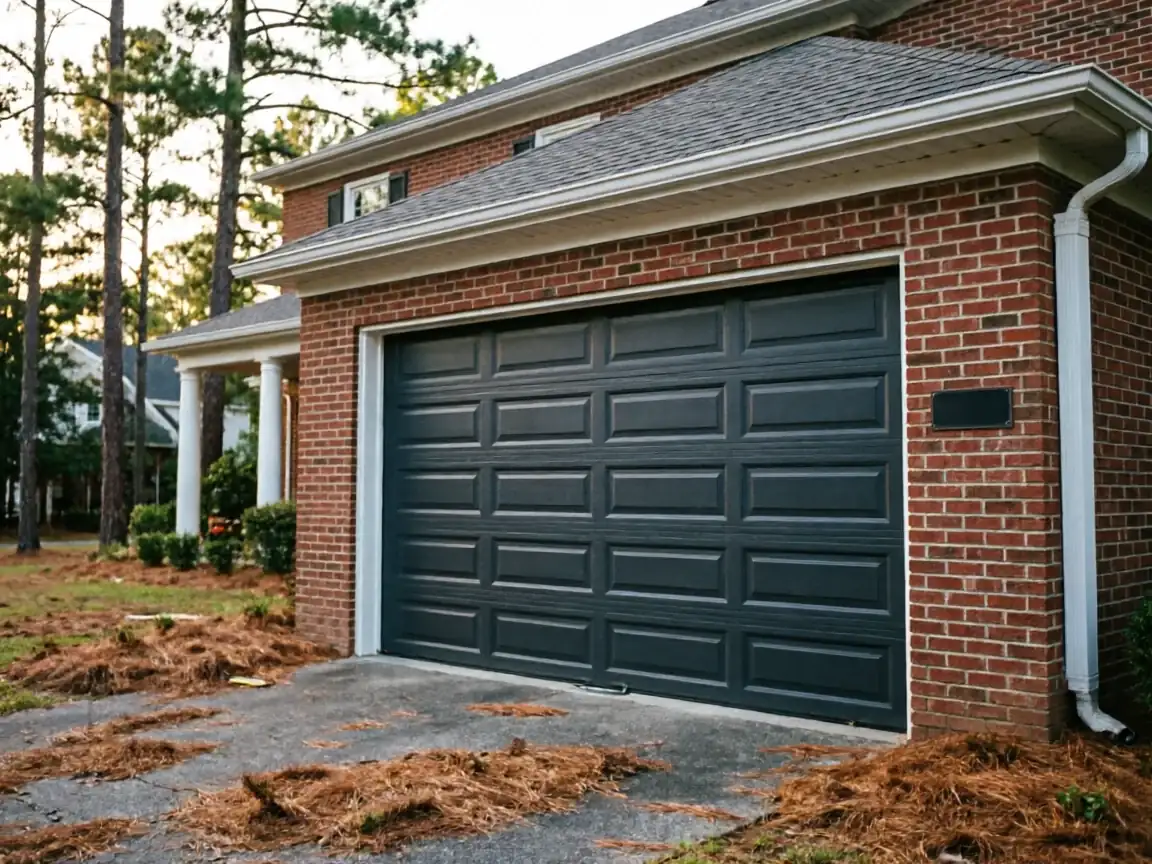
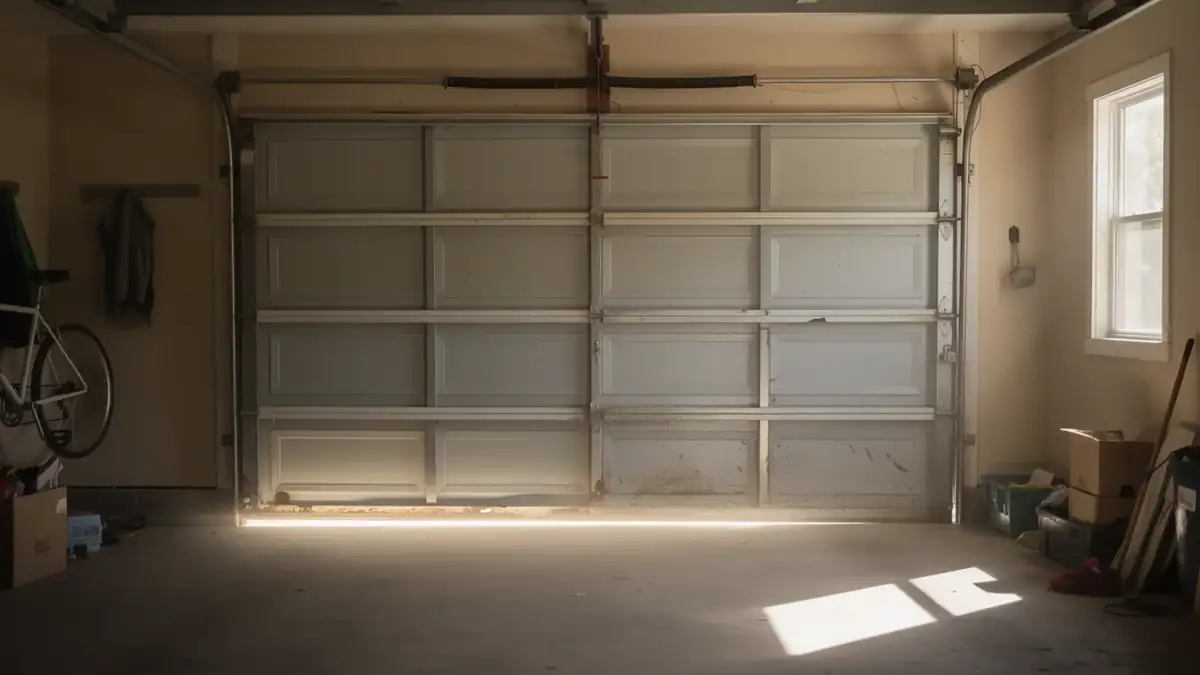
Elizabethtown sits in a cold, moderate climate band, and that matters more than most homeowners realize when the door in question is original to the house. Most of Elizabethtown's garage doors sit on houses built between 1957 and 2001, with the typical home dating to 1975. A steel door from that era is a single skin of metal with no foam core, because insulation wasn't part of the build code when these houses went up. Every winter freeze-thaw cycle works on that bare steel the same way it works on an uninsulated attic hatch - contraction, expansion, and eventually a bottom seal that won't sit flat or a panel that's bowed just enough to let cold air track along the floor. You feel it as a cold garage, a cold wall behind it, and sometimes frost forming on the inside of the door itself on the coldest mornings. None of that is a defect. It's just what an old, uninsulated door does in a cold climate, year after year, until someone decides to do something about it.
The Common Mistake
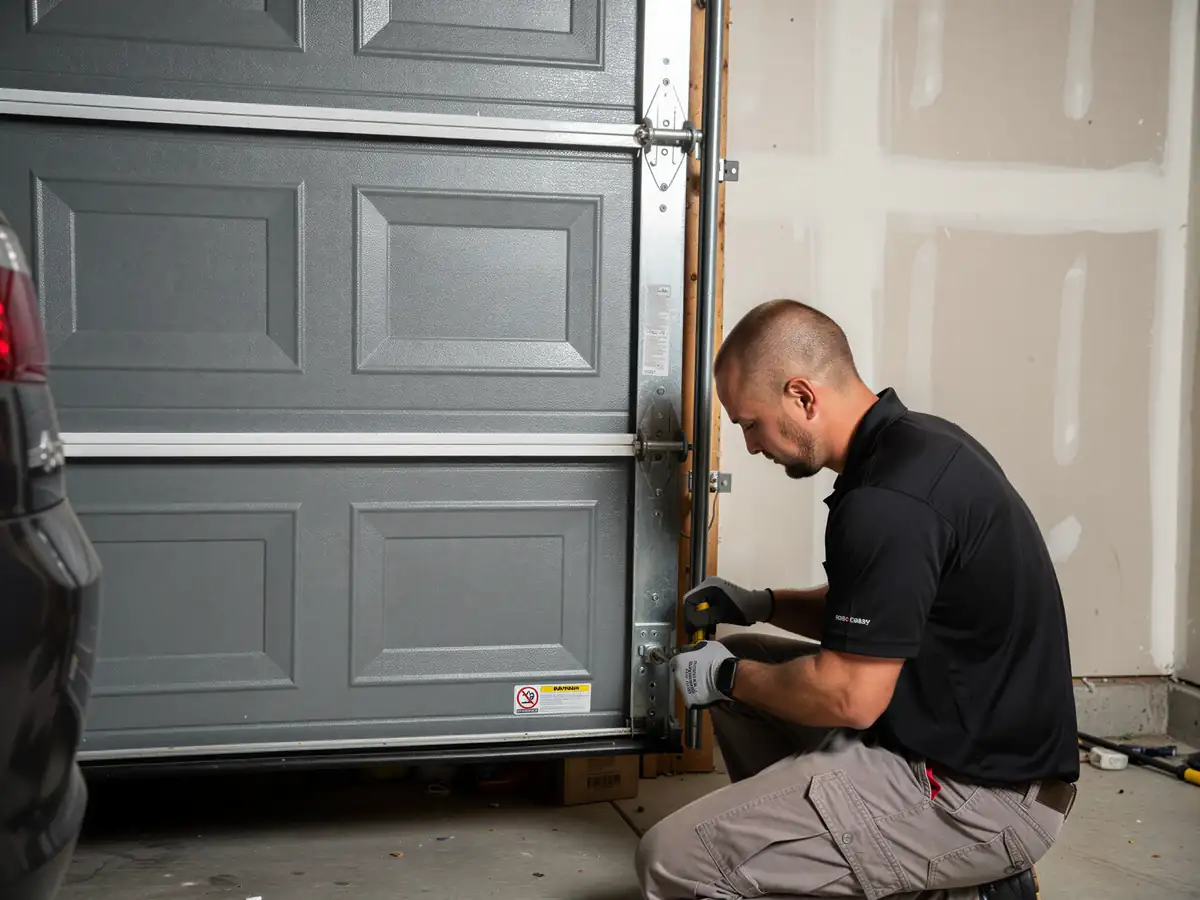
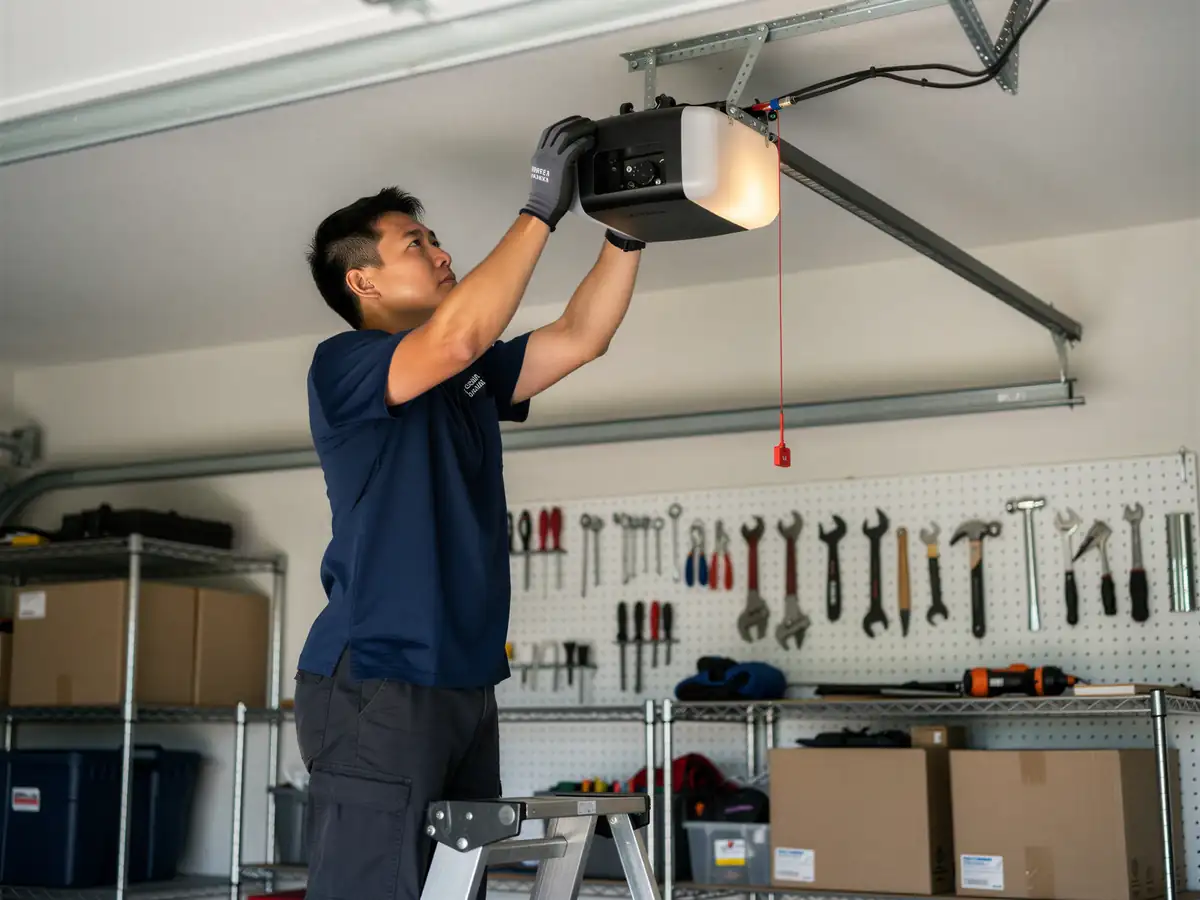
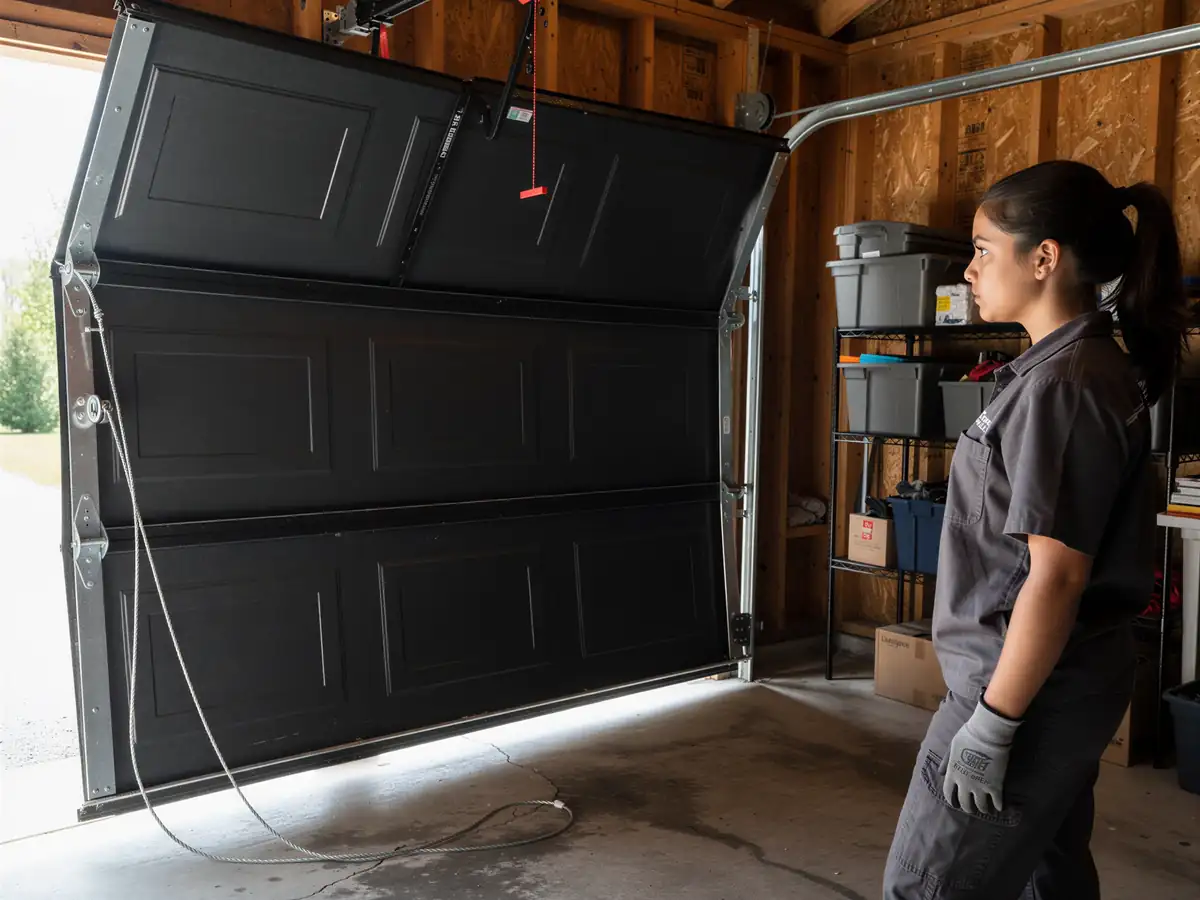
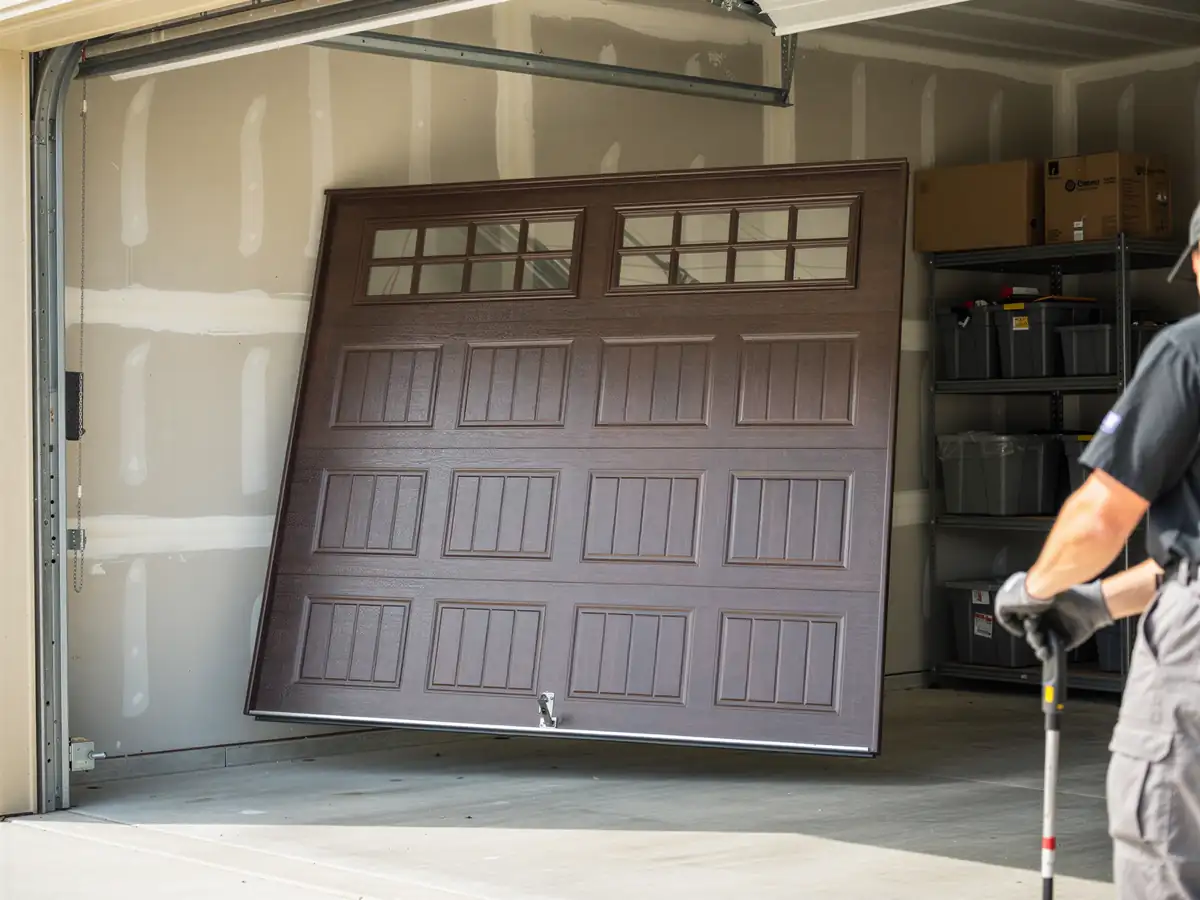
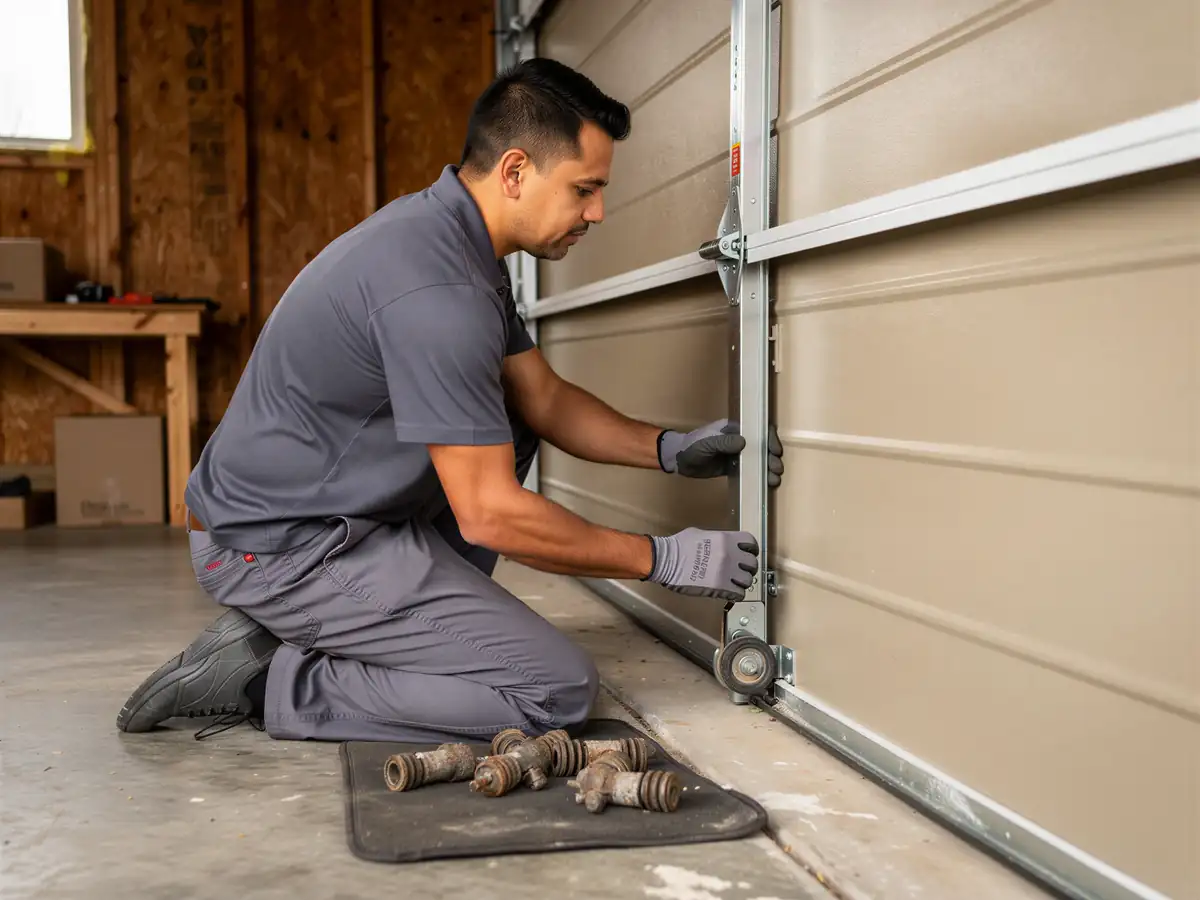
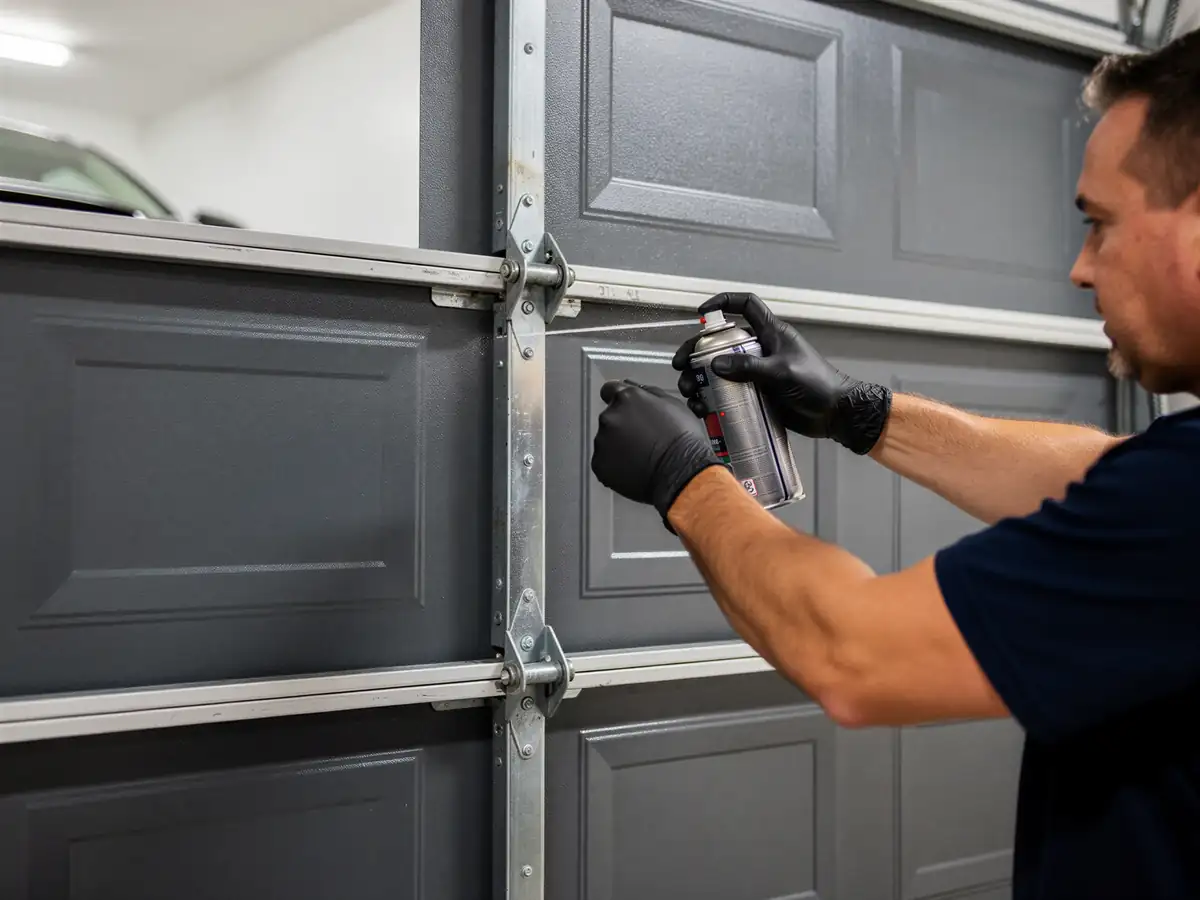
The mistake we see most is treating the spring, the roller, or the opener as the whole problem and stopping there. Across the eight older neighborhoods that make up most of the Elizabethtown housing stock, the doors you see are mostly original 1960s and 70s steel, installed before insulation rules existed, and a worn spring or noisy roller is usually riding on top of a door that was never insulated to begin with. Swap the spring, grease the track, and the door runs quiet again - but the cold air coming through the panel itself never gets addressed, because it was never part of the complaint. Homeowners often pay for that repair twice: once for the moving parts, and again a year or two later when they finally replace the door itself for the insulation they should have gotten the first time. If a repair is on the table anyway, that's the moment to ask whether the door itself, not just its hardware, is worth keeping.
What You Pay
We can't quote a number without seeing the door - foam-core replacement doors and spring repairs on original 1960s and 70s hardware vary enough by size, panel count, and what's actually failed that a phone estimate would just be a guess, and we'd rather look at it in person than guess wrong. What we can tell you is who we're working for: across the service area there are 16,726 households and 5,889 owner-occupied houses, and at a median household income of $55,375, most Elizabethtown homeowners we talk to want the insulation upgrade done right the first time rather than paid for twice. That's the honest limitation here - we don't do drive-by pricing, and if your door needs more than a spring swap, we'll say so before we start rather than after.