What Was Built Here
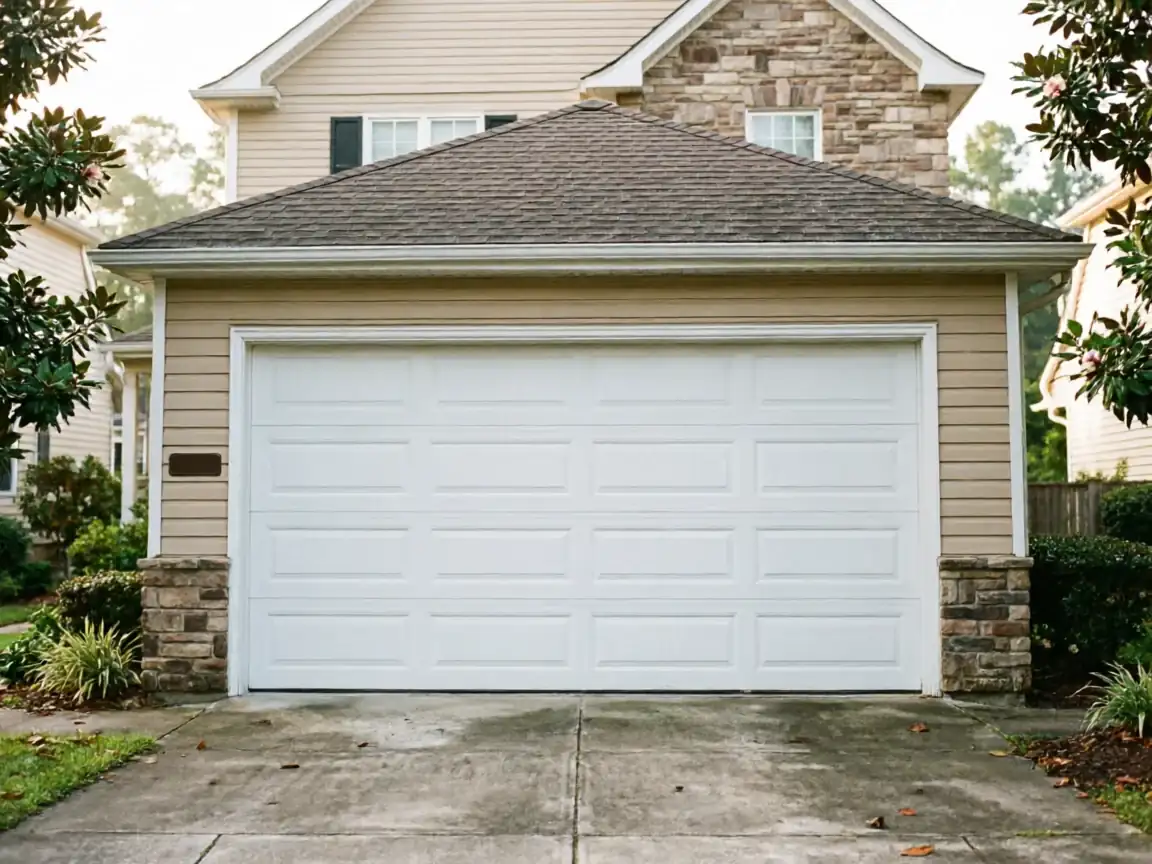
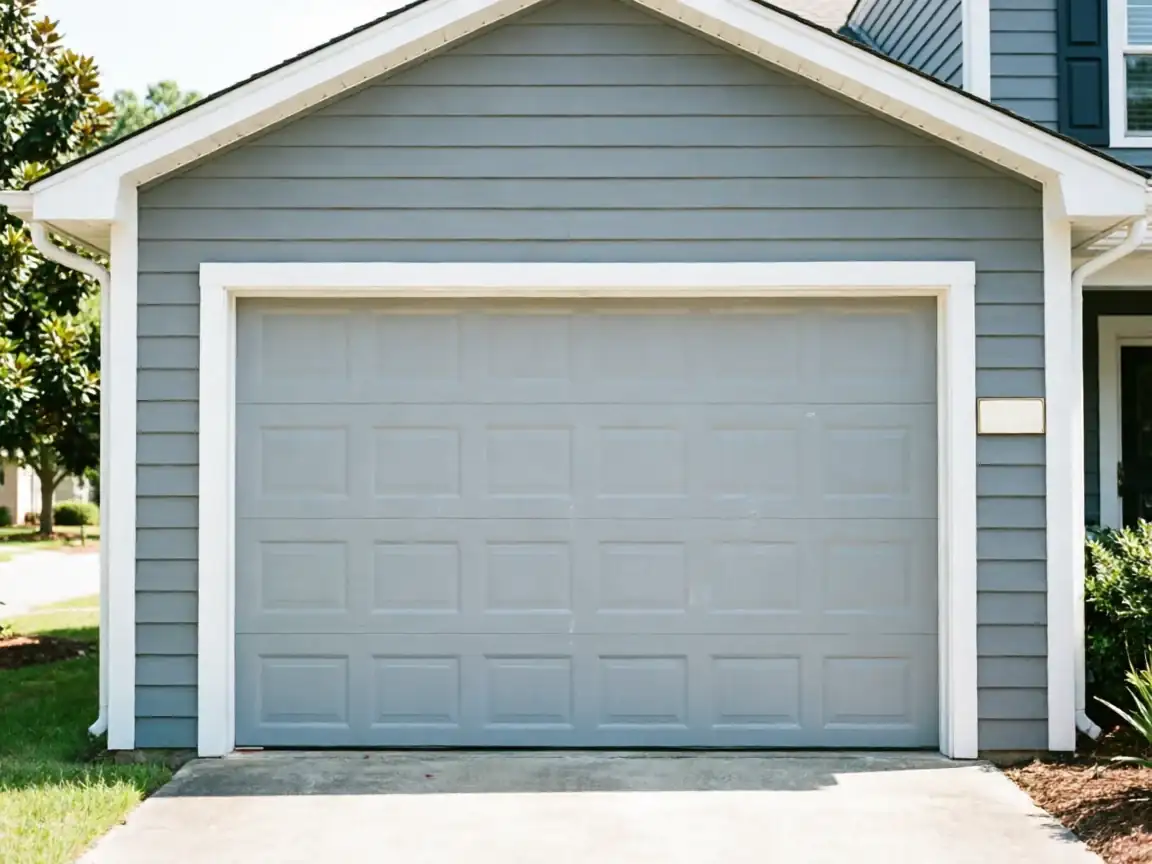
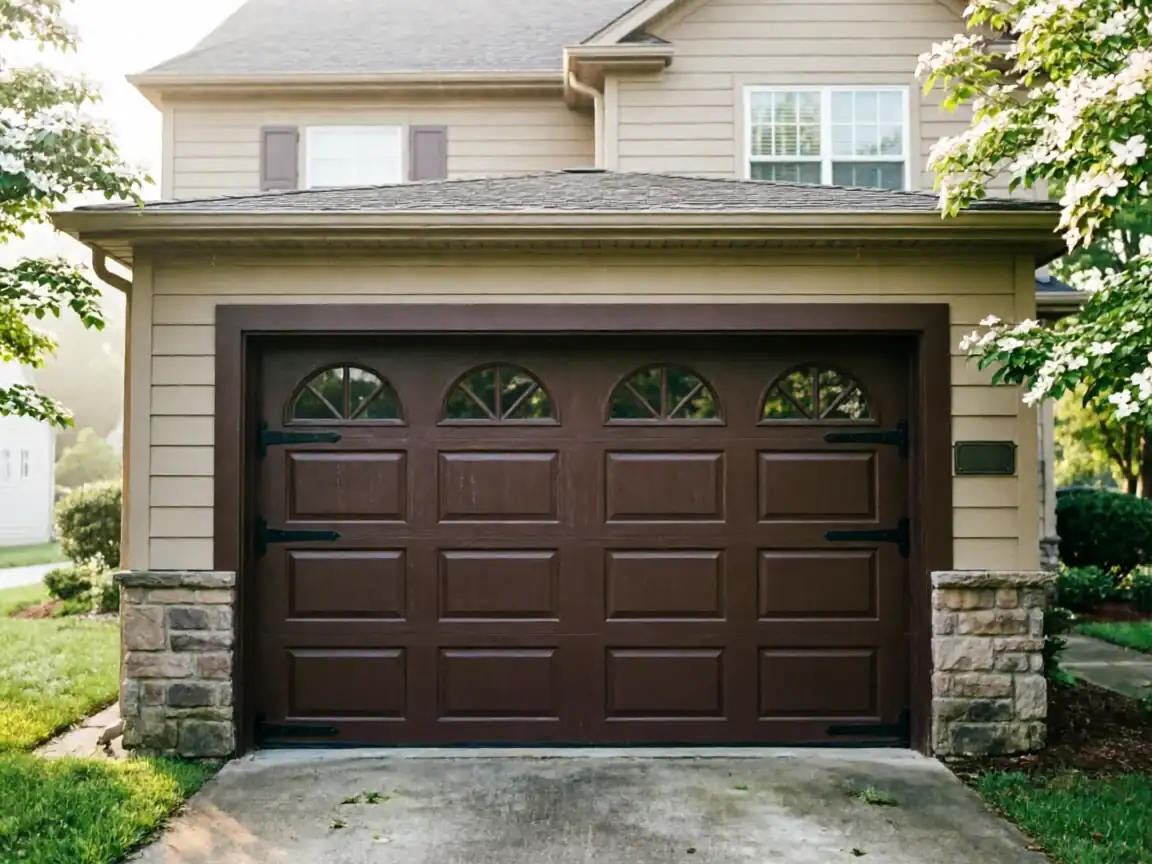
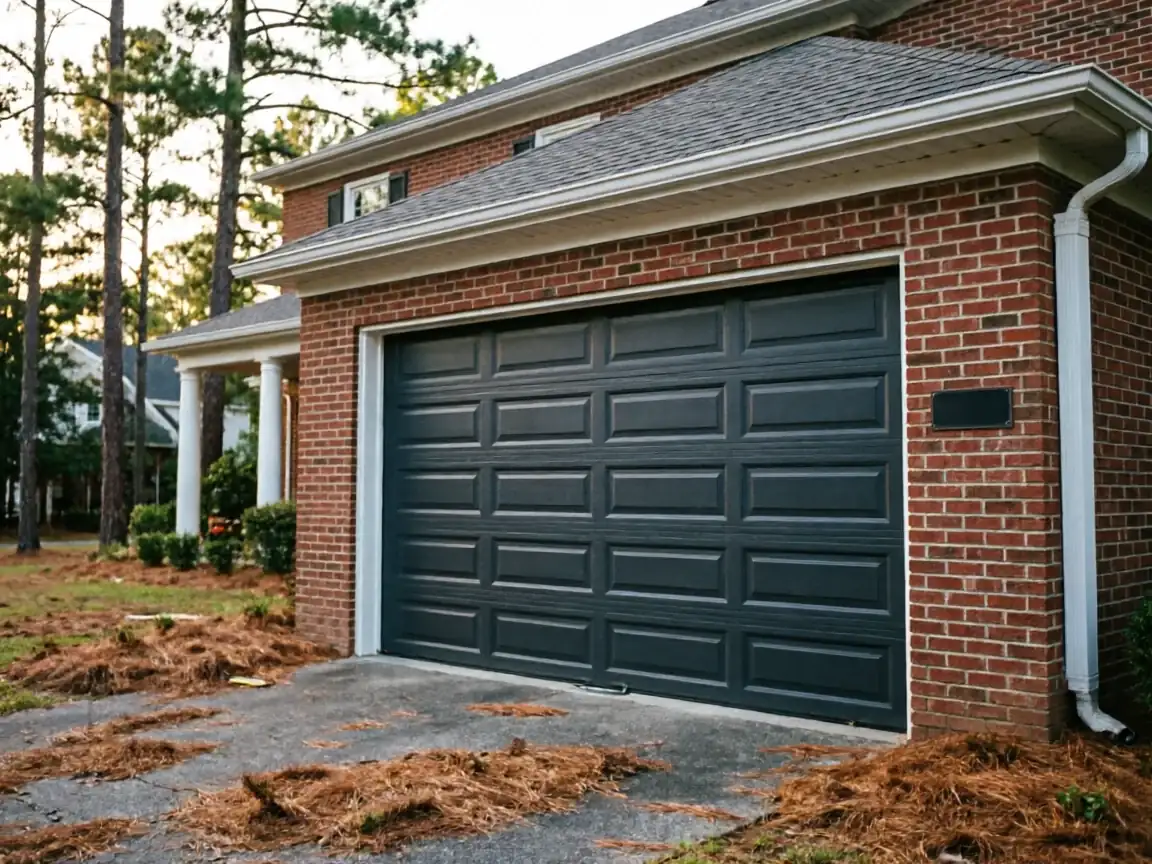
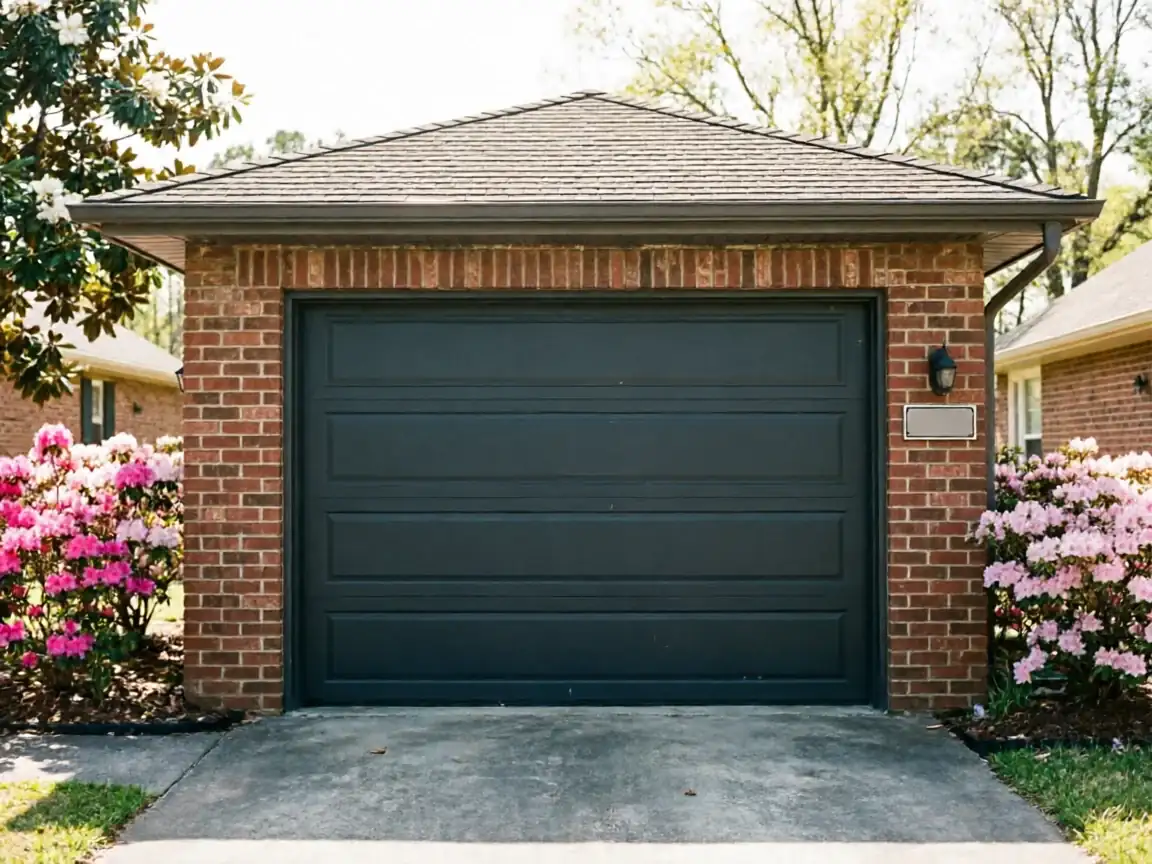
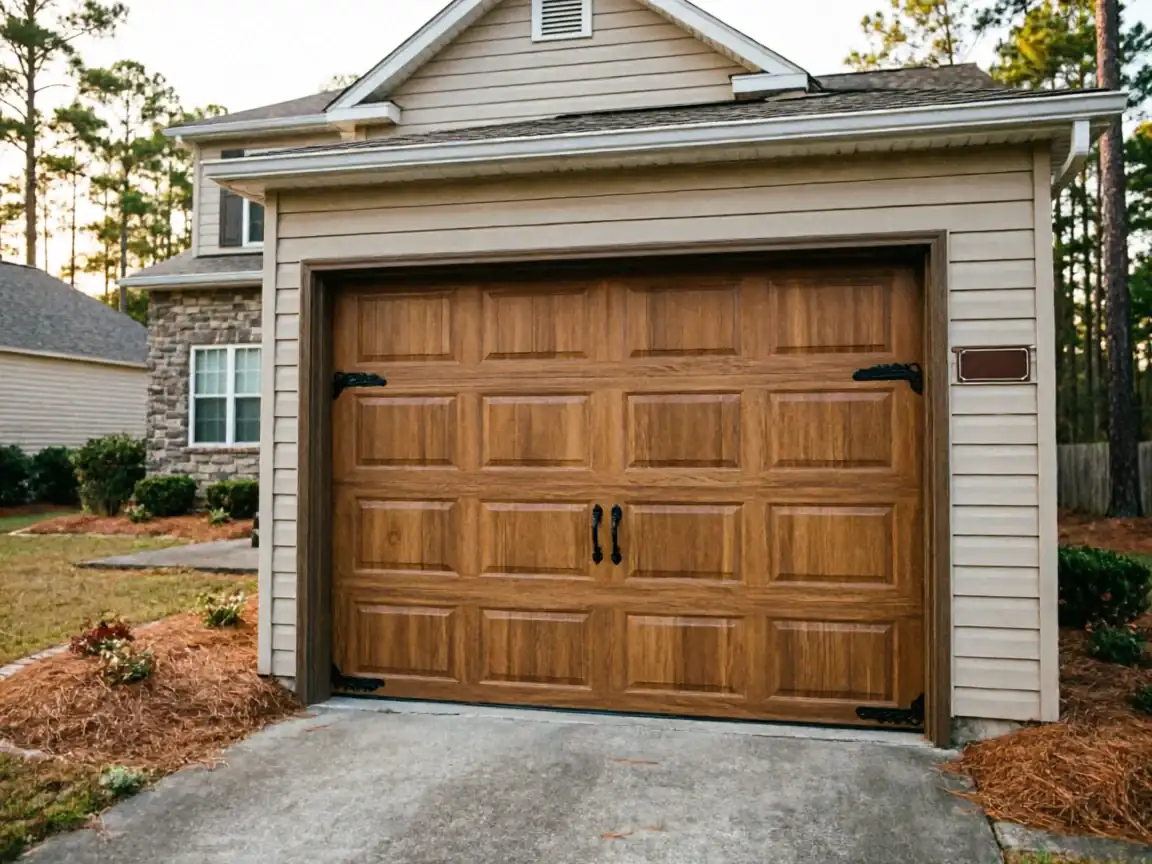
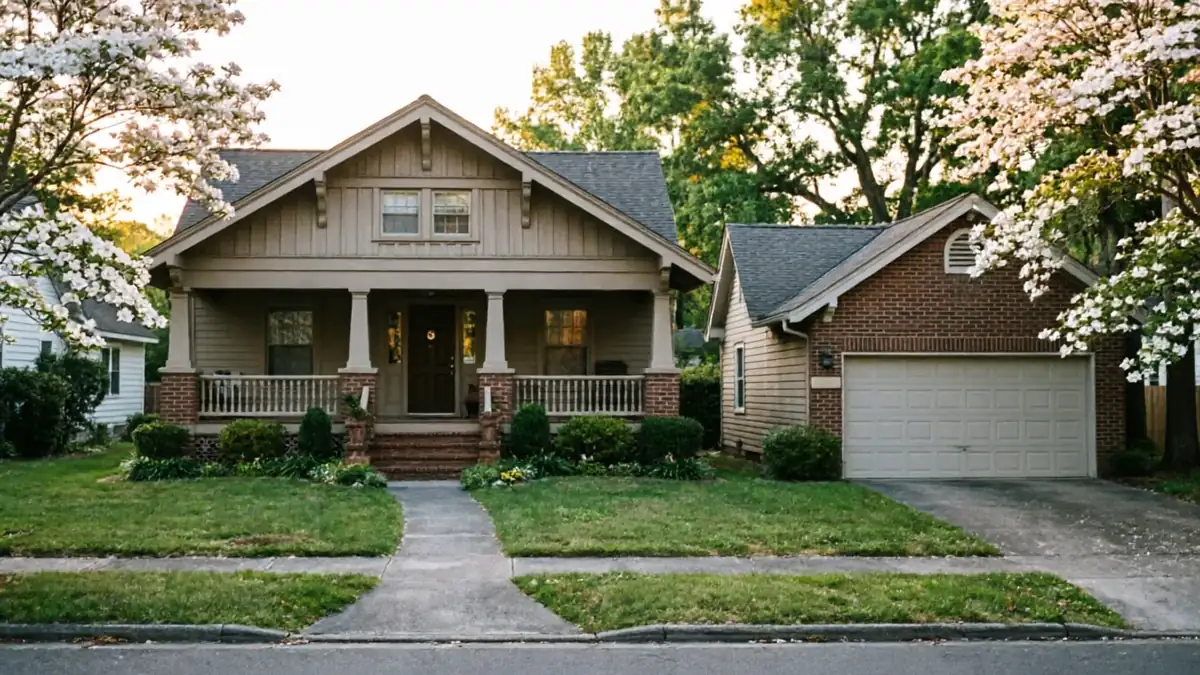
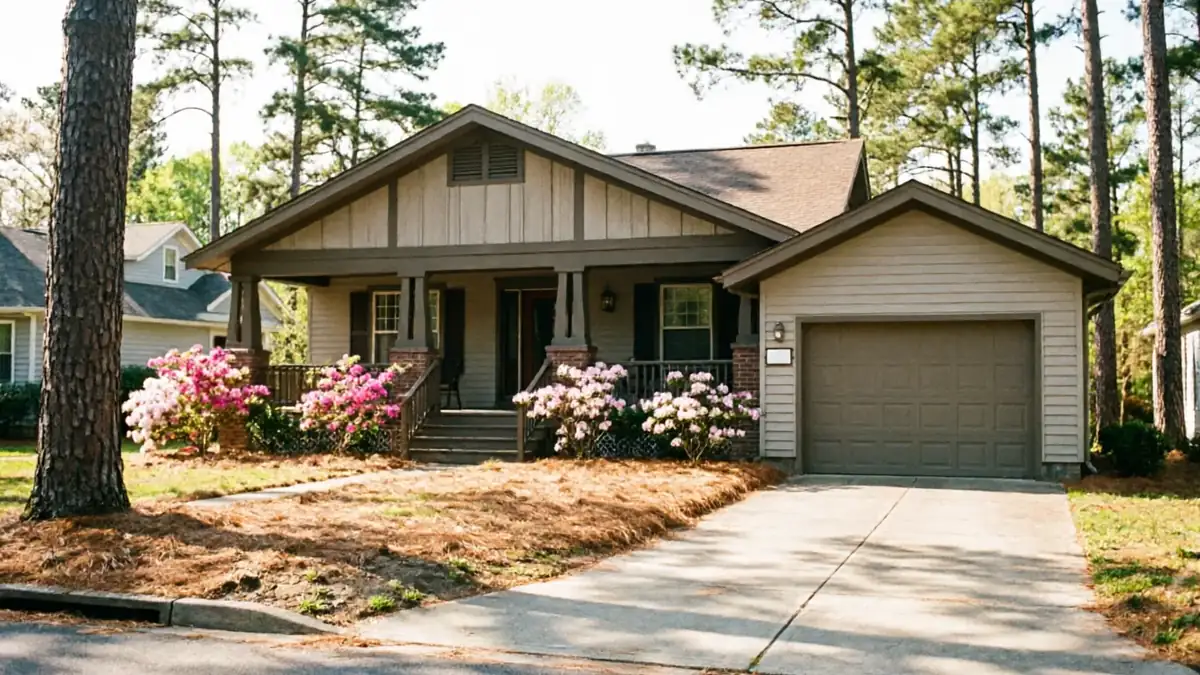
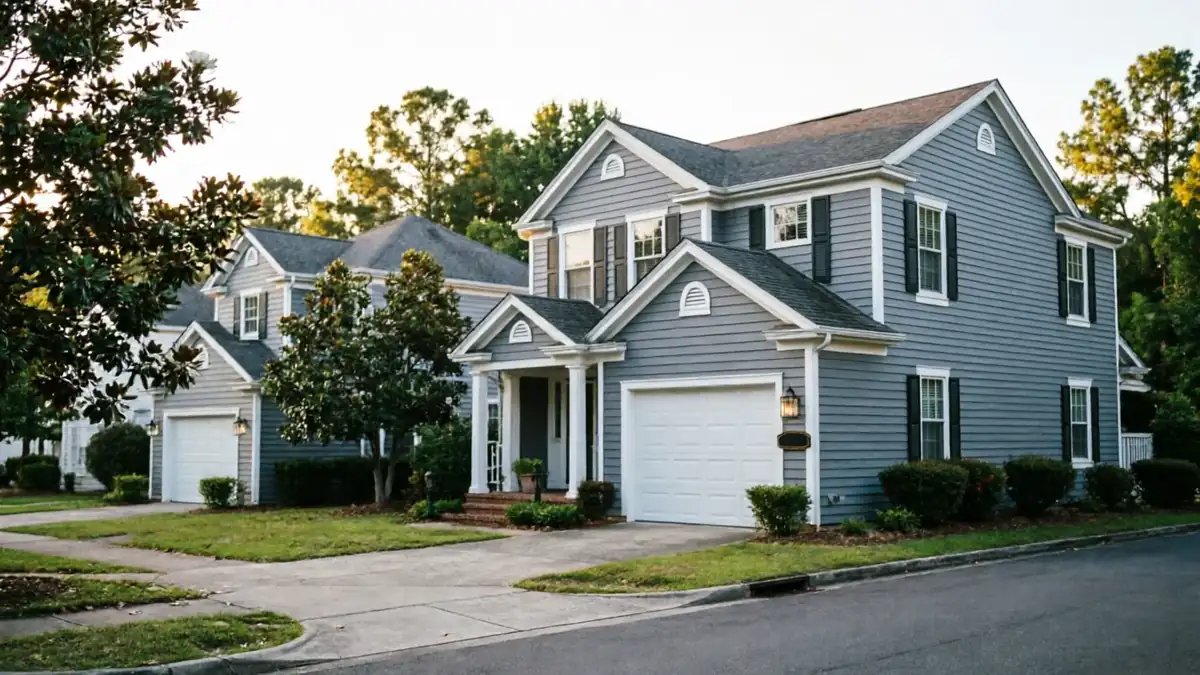
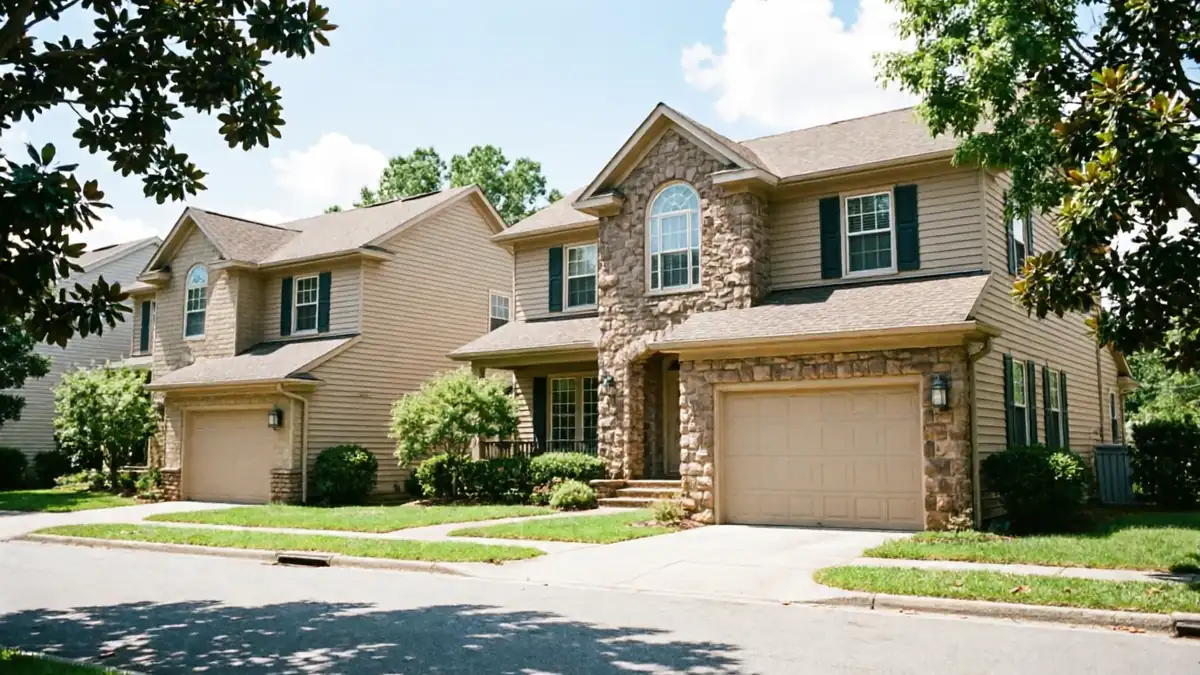
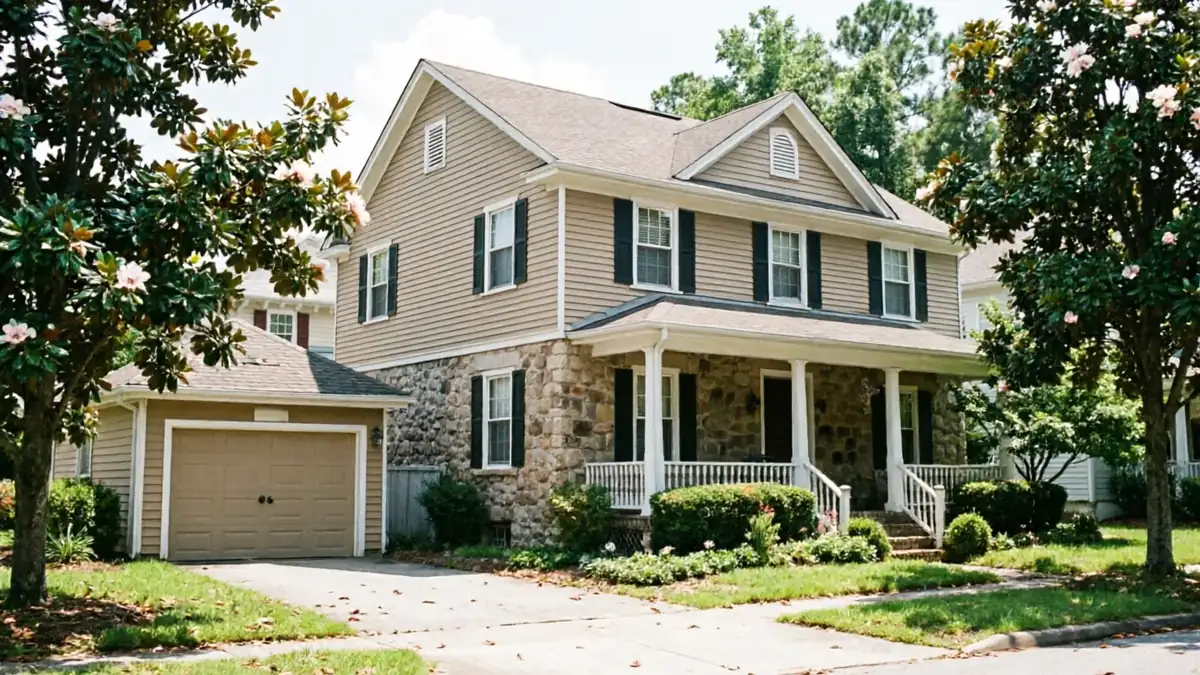
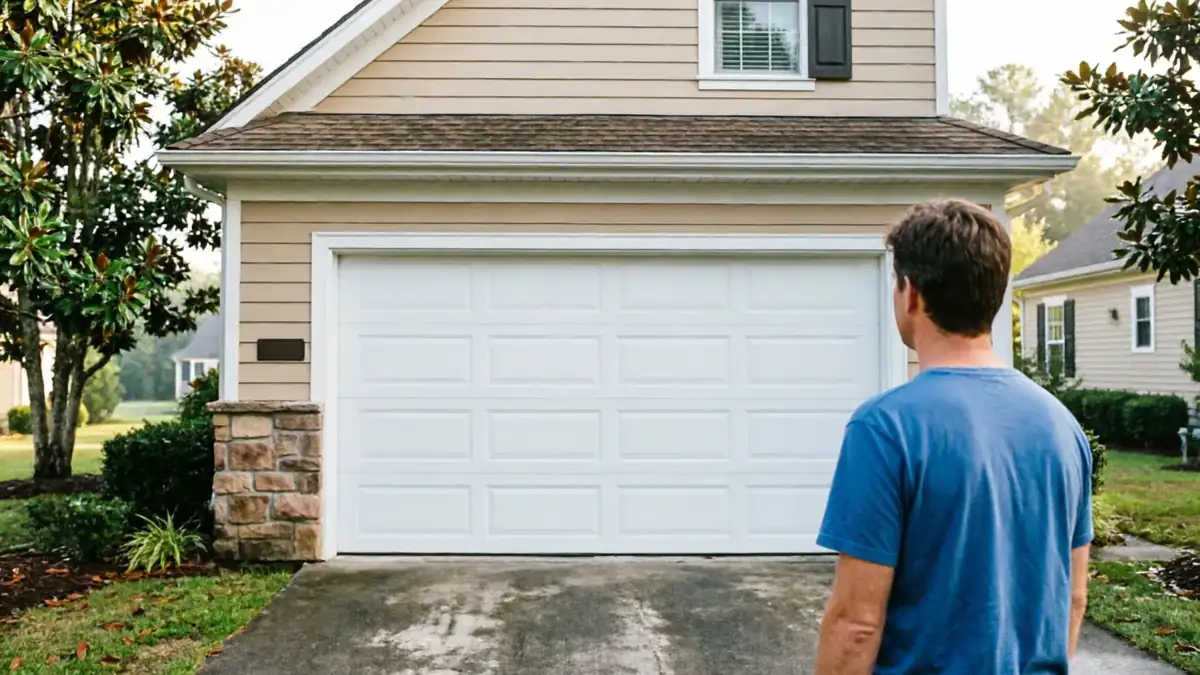
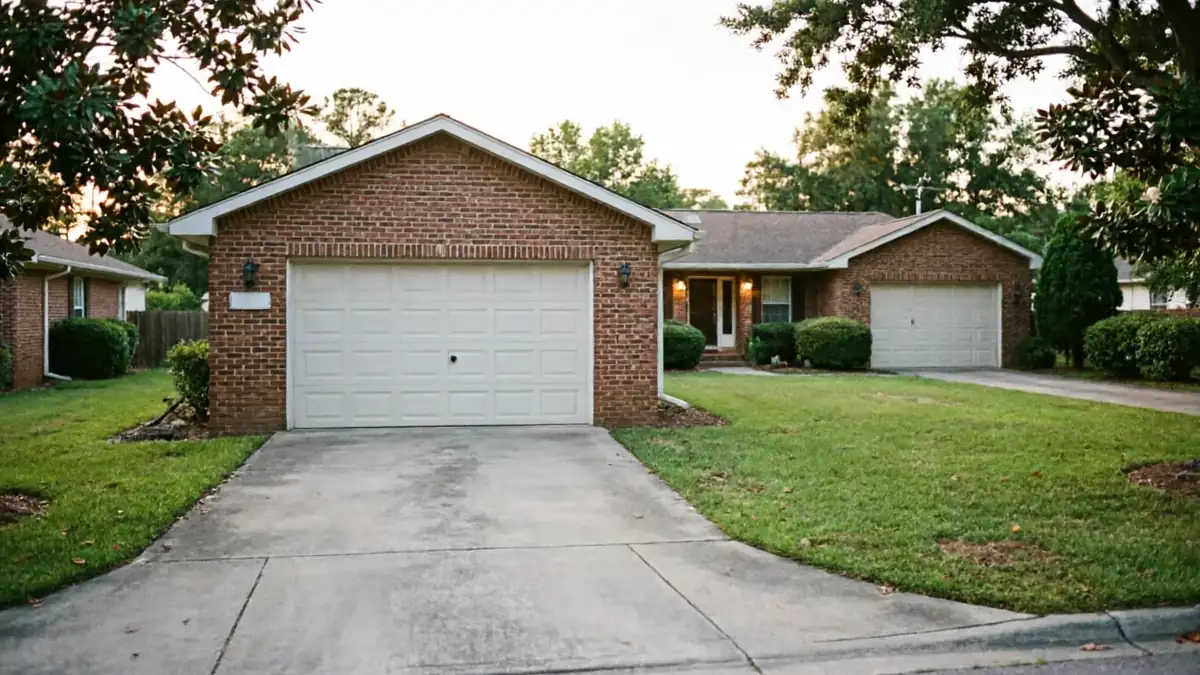
Radcliff's housing stock skews newer than a lot of what we see across the wider Elizabethtown service area. The typical house here went up around 1983, which puts it well past the mid-1970s median for the region as a whole. That eight-year gap isn't trivial for garage doors. A house built in 1983 usually came with a factory-installed steel sectional door and an extension or torsion spring setup that's a generation past what you'd find on a 1960s or early-70s build. You won't find as many of the old one-piece tilt-up doors here that we still run into in older pockets of the area. What you will find is more double-car garages, wider tracks, and openers that have usually been replaced once or twice already since the house was built. None of this means doors here don't fail - springs wear out on any schedule, newer or old - but the failure patterns and the parts on hand tend to be more standard, which actually makes most jobs quicker to source and fix.
Timing on This Area
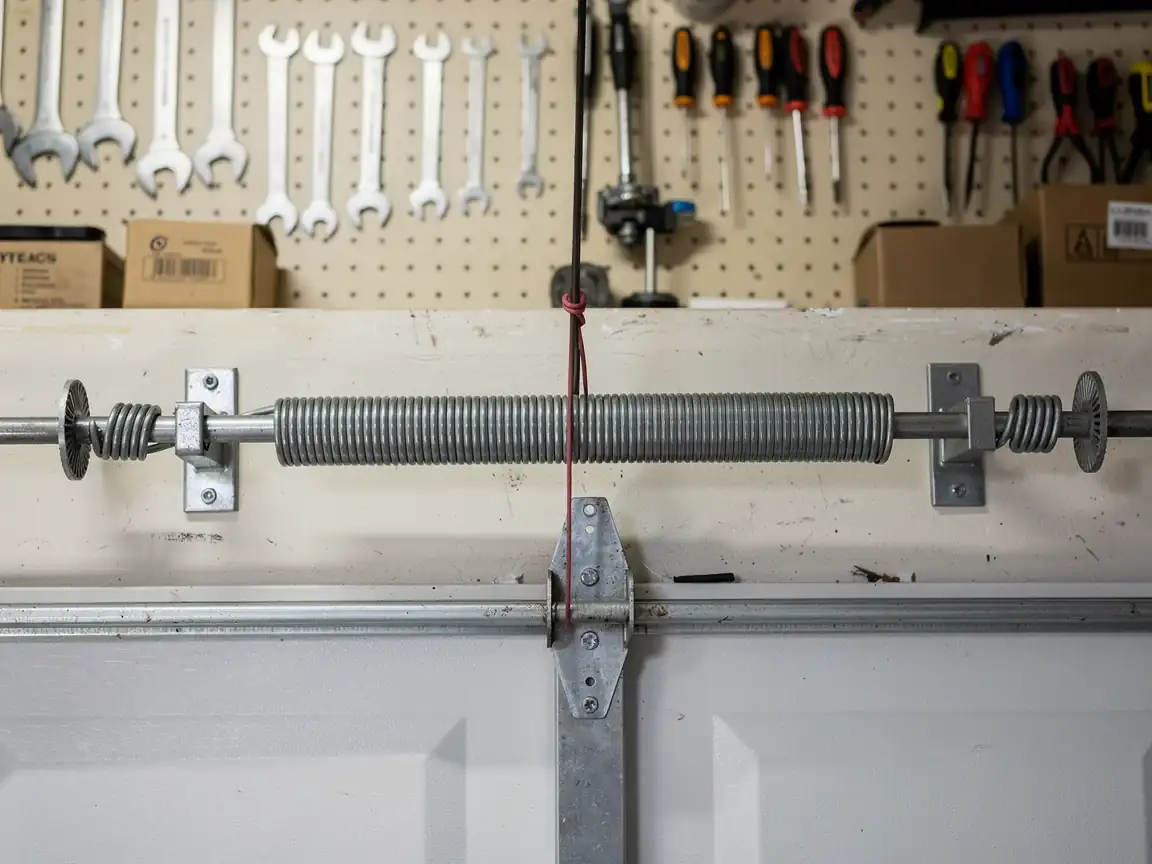
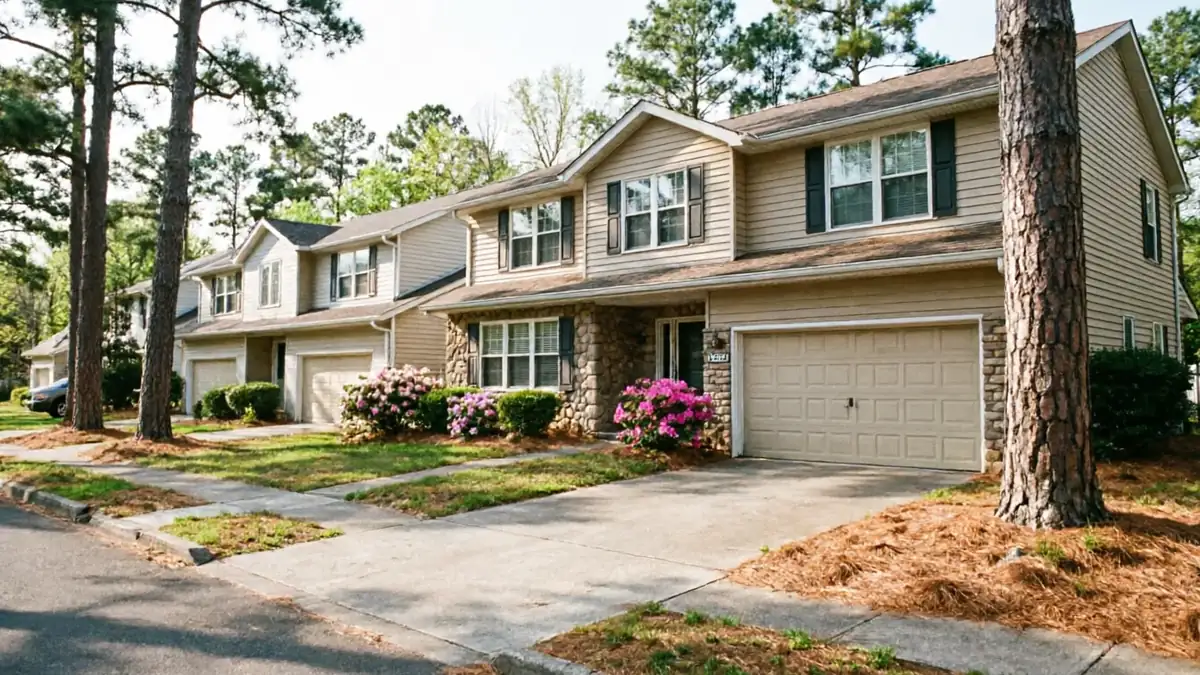
With roughly 8,945 households in Radcliff, you've got a fair number of garages built within a tighter window than the broader service area's 1957-2001 spread. A narrower build window means the housing is more uniform - more subdivisions built out in waves rather than a patchwork of decades. That matters for us because when a torsion spring fails in a house built in 1983, odds are decent several of the neighboring houses on that street have the same door, same spring size, same drum setup. It's less guesswork than on a street where one house was built in 1962 and the one next to it in 1995. The area's median household income sits at $60,976, a bit above the wider region's $55,375, and we mention that only because it tends to track with how often people replace an aging opener versus patch it one more time - a judgment call we help homeowners make rather than push one way.
What We Do Most in This Area
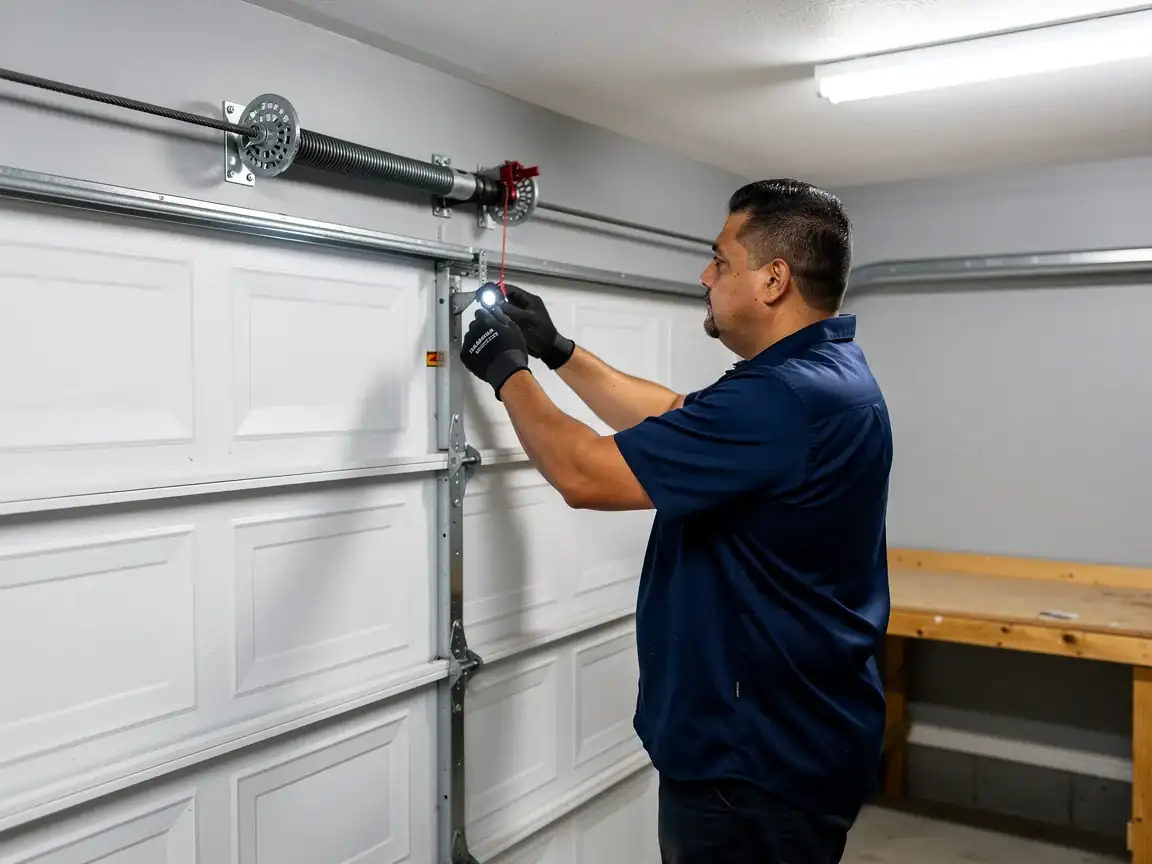
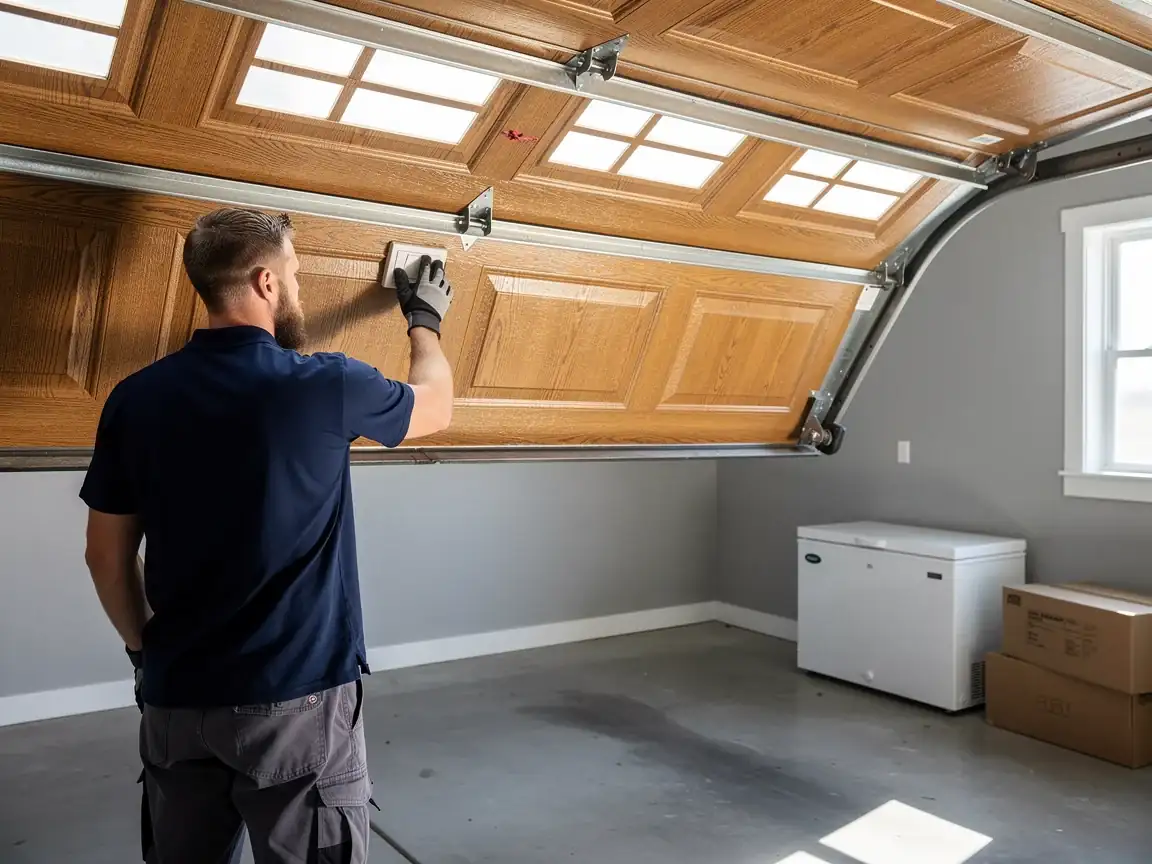
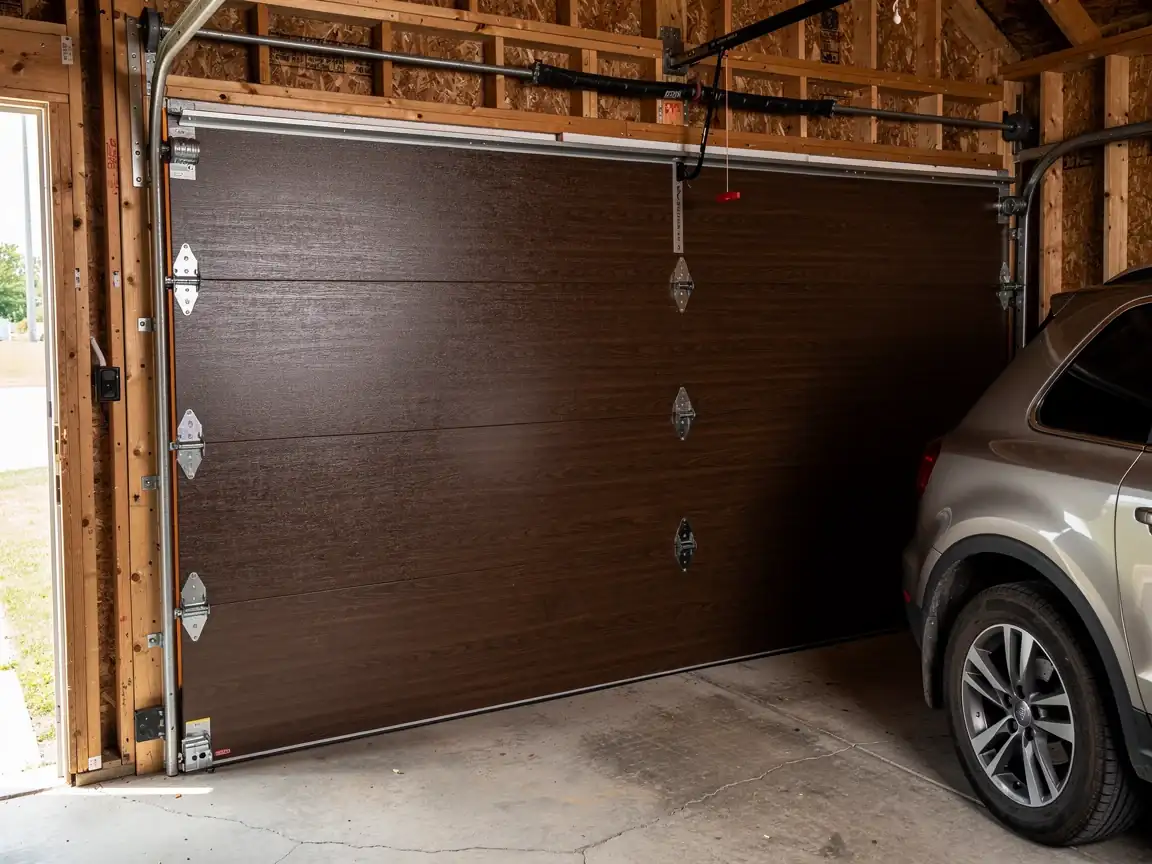
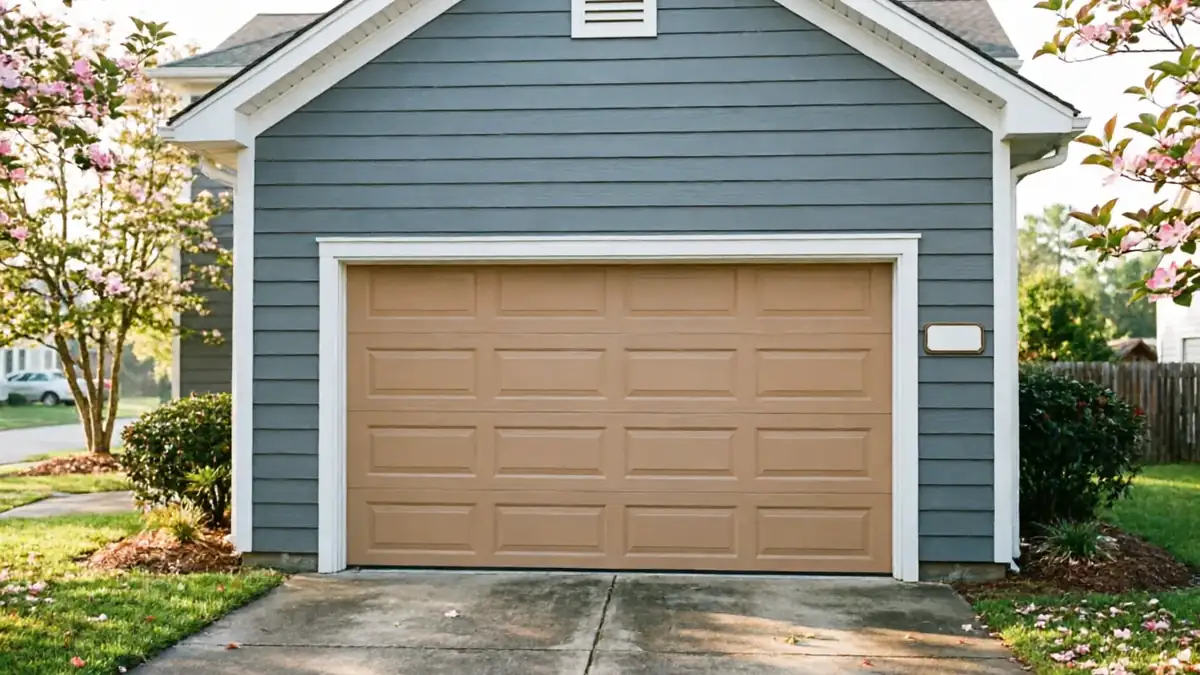
We travel the 9 miles out from Elizabethtown for the calls you'd expect from this kind of housing stock: broken torsion springs on double doors, opener failures on units that have likely already been replaced once since the house was built, and track or roller wear that shows up as grinding or a door that sticks partway up. We also get calls for cable replacement and panel damage - dents and cracks from a backed-into door are common on any age of house. We don't try to match every existing panel on a sectional door if the manufacturer no longer makes that exact profile; sometimes a close match is the real answer, not a perfect one, and we'll tell you that up front rather than promise something we can't deliver.