How Long You Are Without the Door
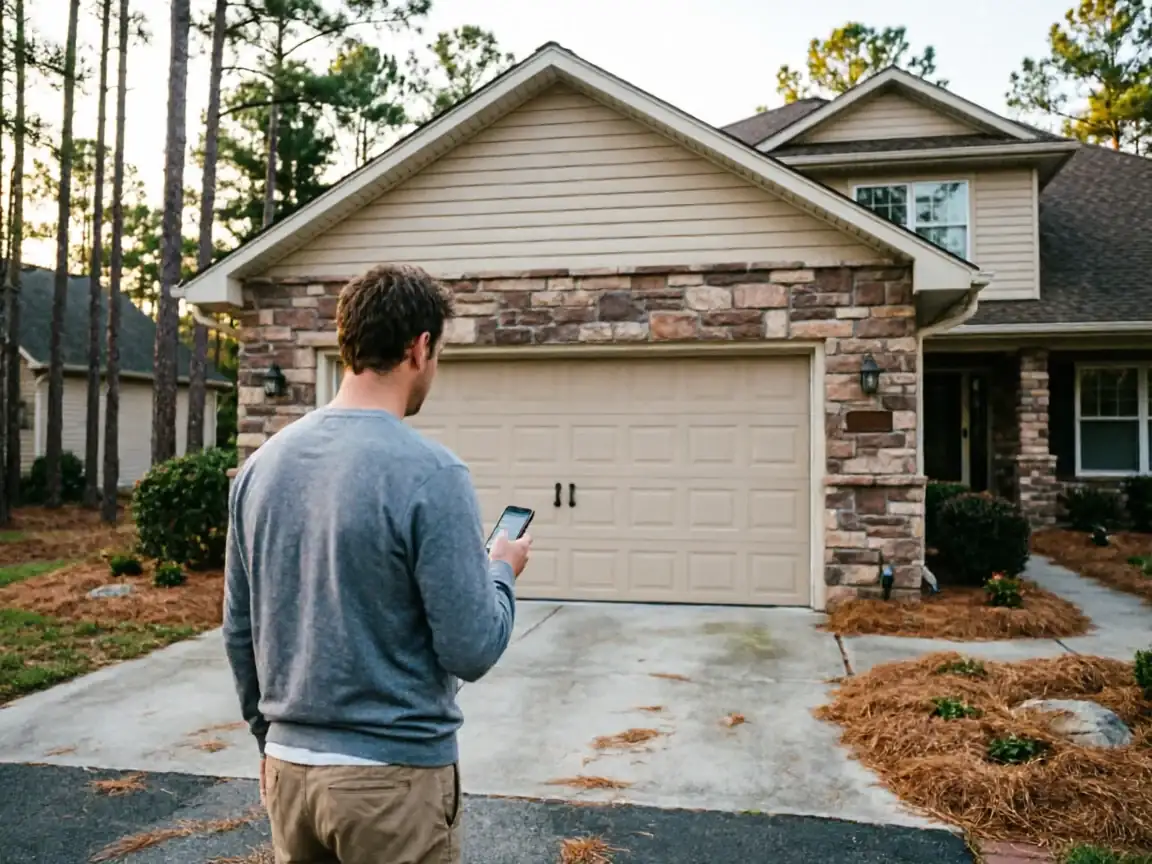
Radcliff sits nine miles from our shop in Elizabethtown, which is the number that actually decides how a repair call here plays out. It's not a same-block job - the truck has to cover that stretch of road before anyone touches your spring or opener, so we build the day around clusters of Radcliff calls rather than treating each one as a one-off. If you call and we've got another job on this side of the county, we'll usually tell you straight that we're stacking visits to keep the drive worth making, instead of promising you a window we can't hit.
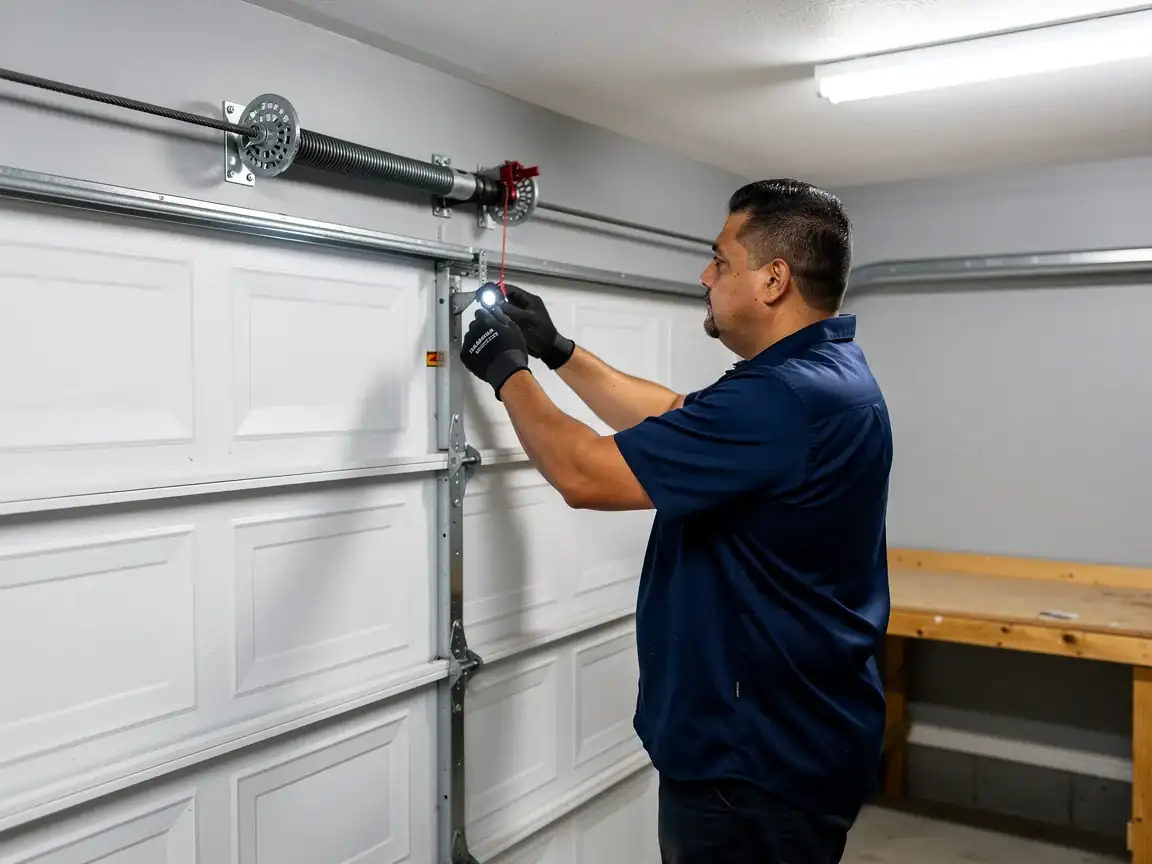
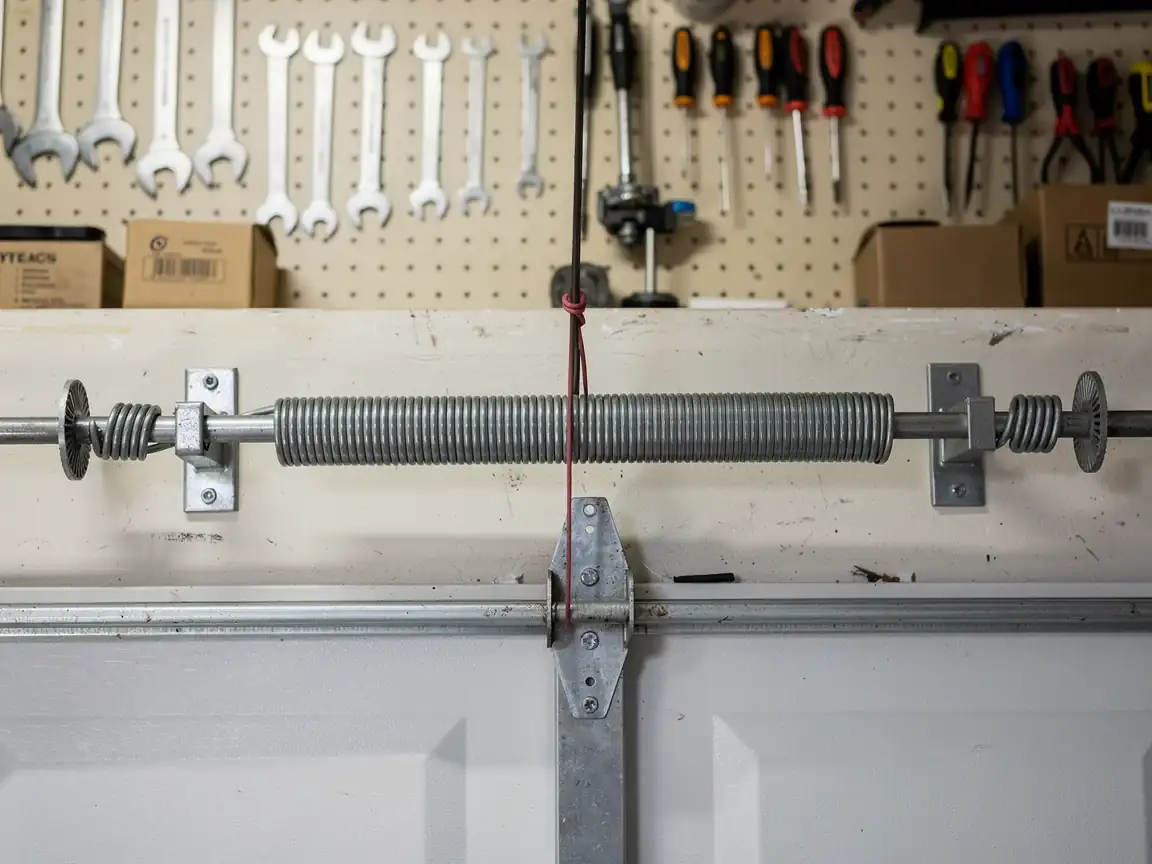
That nine miles also means we're not going to run out twice in one day to fix a problem piecemeal. If a torsion spring snaps and the cable's frayed too, we want to see both on the same trip and quote the whole repair up front, because a second drive back out here costs time neither of us wants to pay for. Tell us what's happening with the door when you call - stuck halfway, won't close, grinding noise - so we can load the right spring size and bearing stock before we leave Elizabethtown, not guess once we're standing in your driveway.
What You Pay
We don't have a Radcliff-specific price list to quote you, and we're not going to invent one. What we can tell you is what shapes the bill: the door's age, the hardware it was built with, and whether the fix is a spring or cable versus a full panel or opener swap. A lot of Radcliff's housing dates to the early 1980s, which means doors and openers that are often newer than what we see on older streets in Elizabethtown - fewer of the original 1960s torsion setups that need obsolete parts sourced special.
The area's median household income runs a bit higher than the wider Elizabethtown service territory, and that doesn't change what a spring costs, but it does mean we see more owners opt for opener replacement over a patch job when a unit's on its last legs - the math works out differently for people who'd rather not call us back in two years. We'll always give you the repair option alongside the replacement option and let you pick, rather than pushing the bigger ticket.
Booking a Visit
Call ahead rather than hoping we're driving past
Since the shop is based in Elizabethtown, Radcliff isn't a stop we make on a loop, it's a trip we schedule. Have the door's approximate age handy if you know it, and whether the opener is a chain-drive or belt-drive if you can see it from underneath. That alone tells us a lot before the truck leaves.
We book around the Elizabethtown-Radcliff corridor in blocks where we can
So if your problem isn't urgent - a slow-closing door, a noisy roller - it helps to say so, because it lets us slot you in with another call on the same run instead of asking you to wait for a dedicated trip. If a spring's gone and the car's trapped inside, say that too; that's the kind of call that moves up the list regardless of what else is booked that day.
What Causes It Around Here
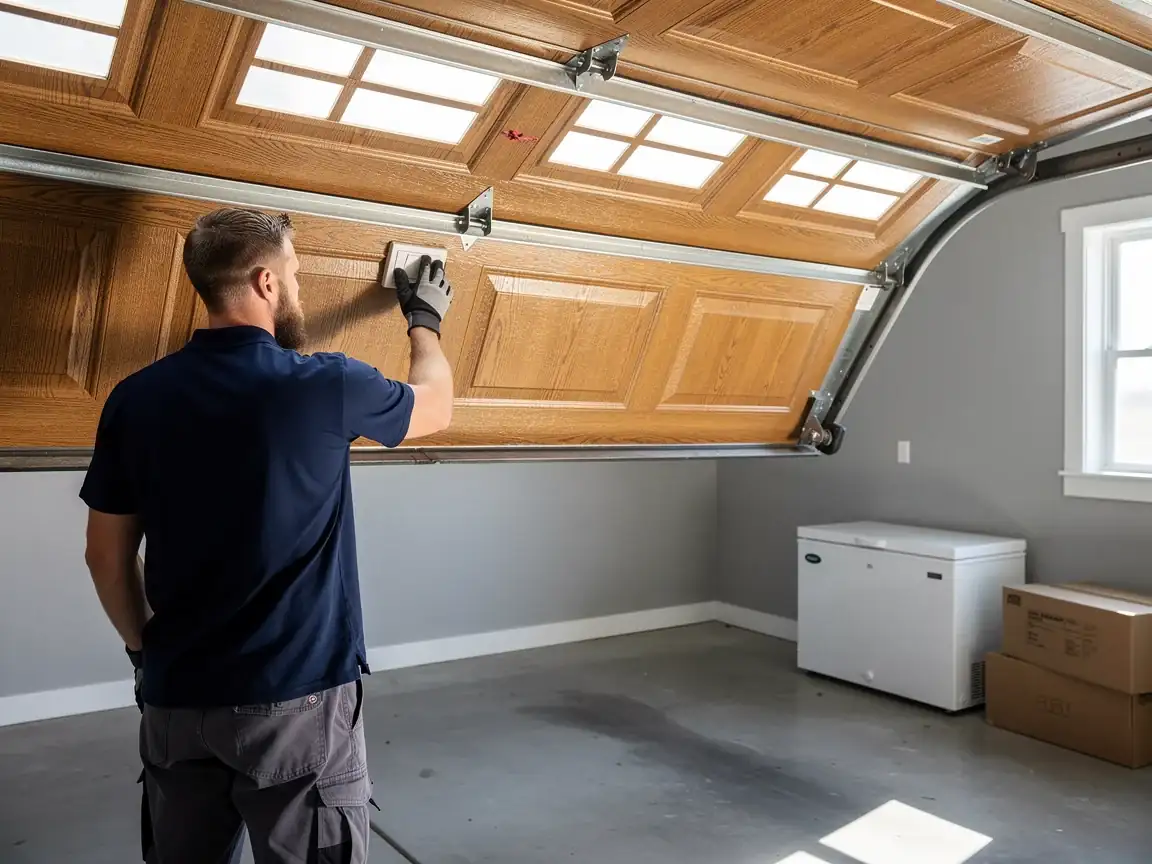
Radcliff's housing stock centers on a median build year of 1983, which puts a lot of doors and openers into their third or fourth decade - old enough for springs to be near the end of their cycle, openers to be on original motors, but generally past the one-piece, side-mounted torsion setups that show up on Elizabethtown's older blocks. That means Radcliff service calls skew more toward worn rollers, drive-belt stretch, and tired safety sensors than toward the obsolete hardware problems we chase down on 1960s-era doors elsewhere in the territory.
The area sits in the same cold, moderate climate band as the rest of the Elizabethtown service area, so winter still does its share of damage - torsion springs lose tension faster in sustained cold, and steel panels contract enough to throw an opener's limit settings off. We see more of that in January calls than any other month. What we don't see as often here is the rotted wood jamb or sagging original track that comes with genuinely old housing - Radcliff's stock is young enough that those are the exception, not the rule.