What the Weather Here Does to It
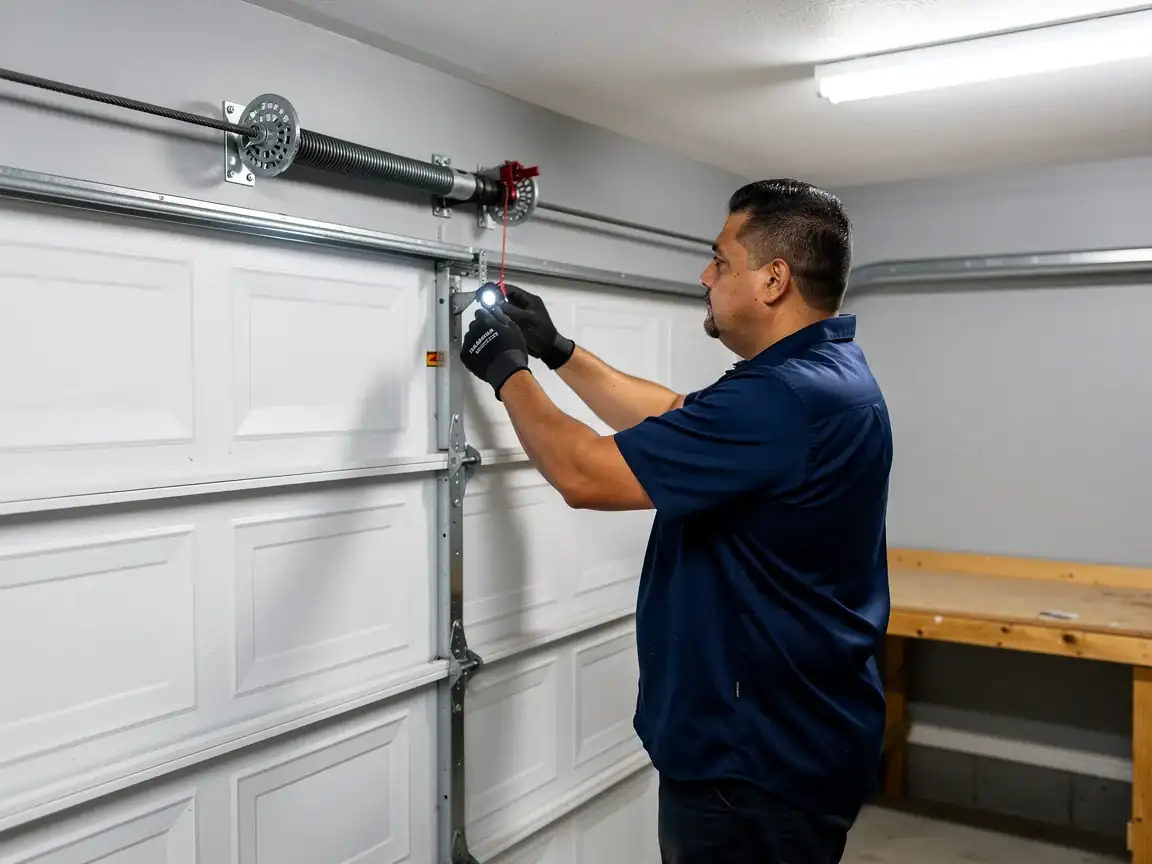
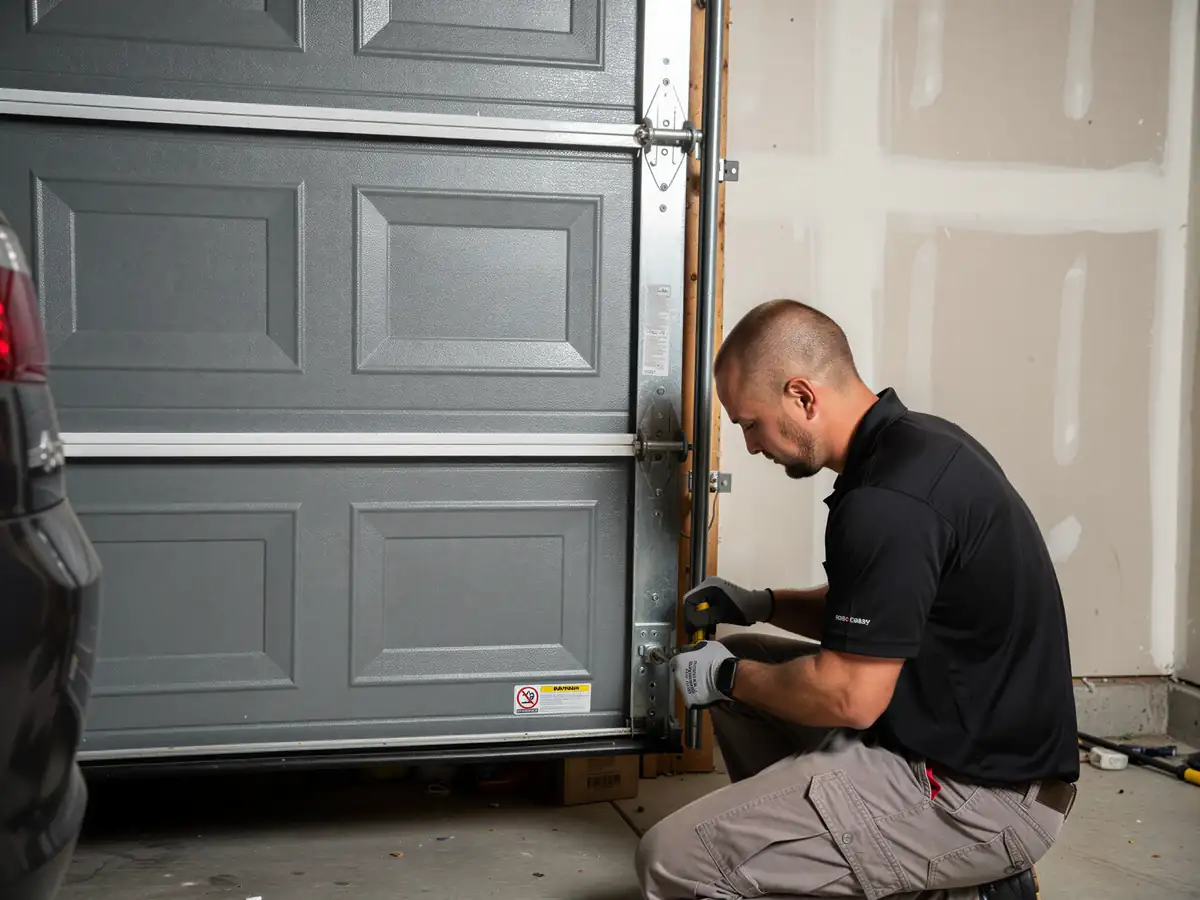
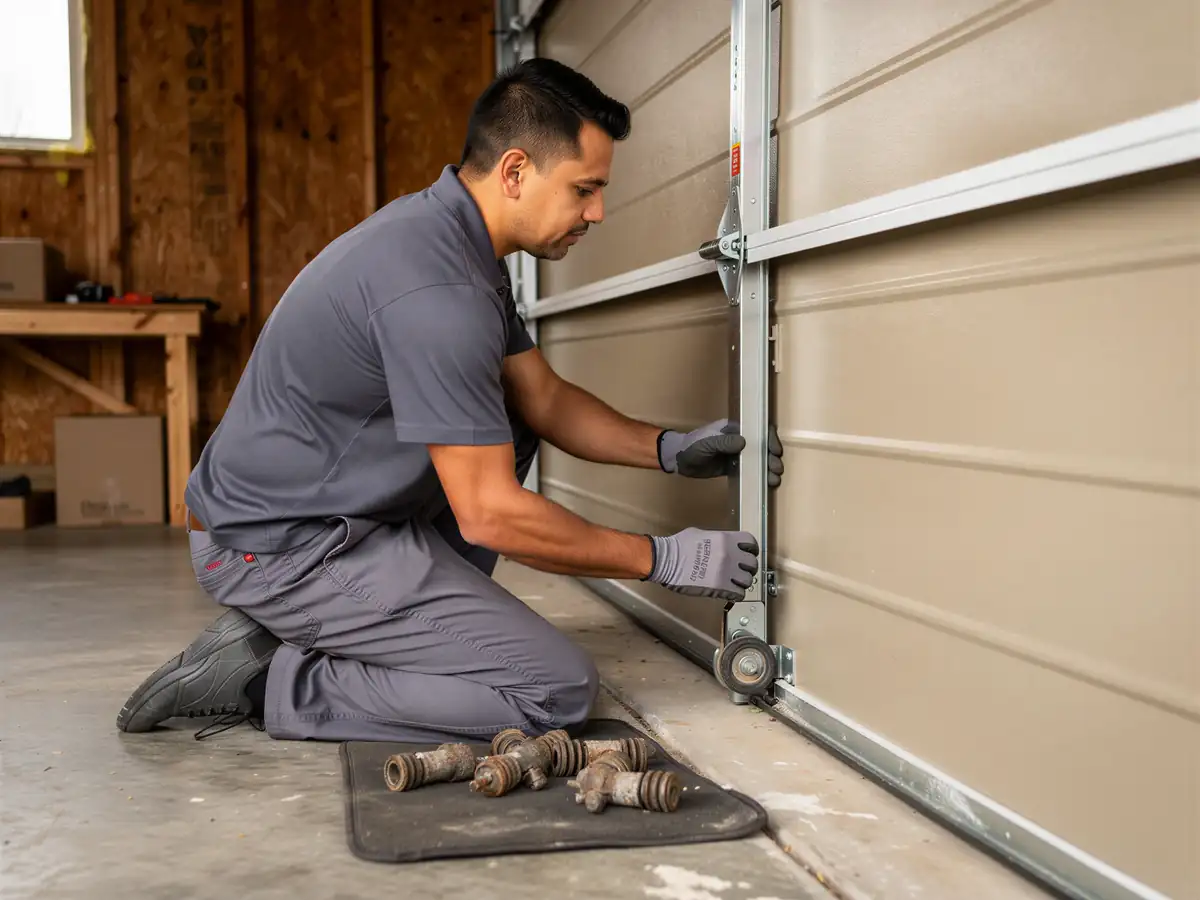
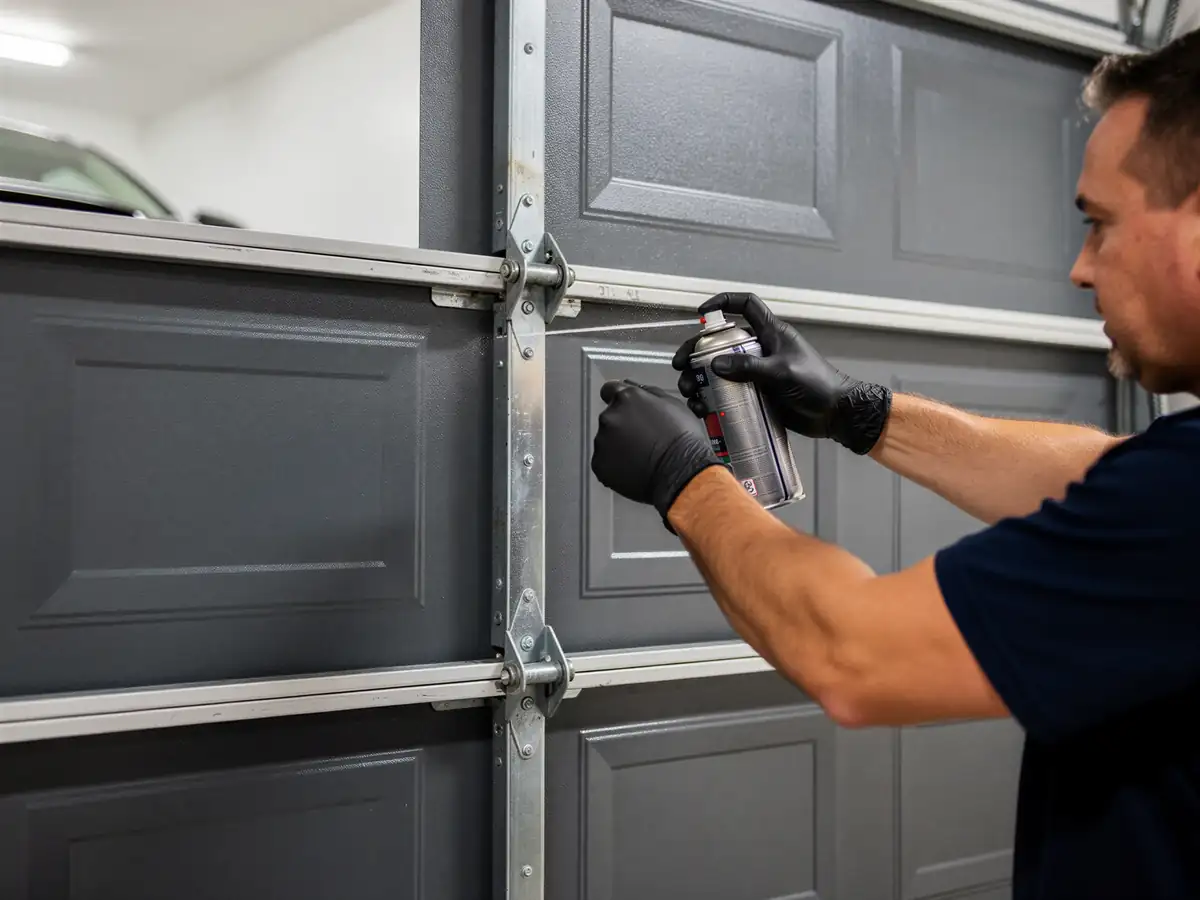
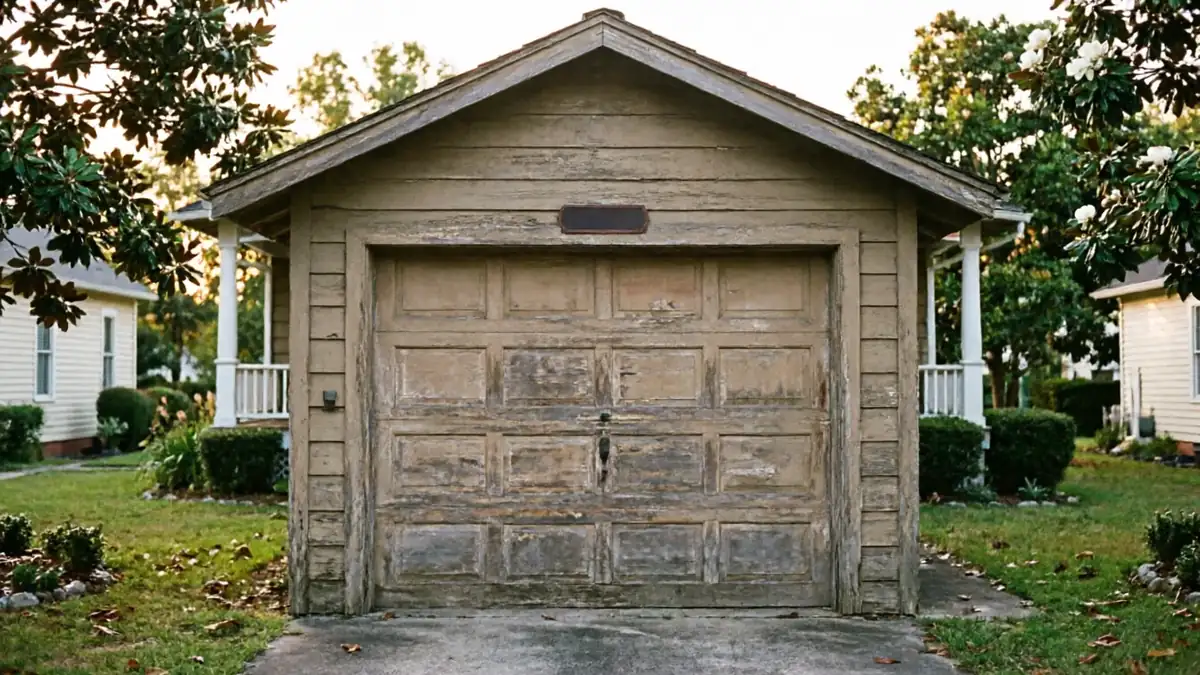
This area sits in a cold, moderate climate band, which means the door on your house works through real freeze-thaw cycles every winter, not just the occasional cold snap. That cycle is hard on steel panels and on the hardware holding them. Moisture gets into seams, freezes, expands, and loosens fasteners you can't see from the driveway. It's also hard on torsion springs - cold steel is stiffer and more prone to snapping under load than warm steel, which is why we see more spring failures in January than in July. None of this is dramatic on its own. It's slow. A door that's been through forty-plus winters of that cycle has usually lost some squareness in the frame even if the panels still look fine. If your house was built anywhere in the 1957 to 2001 range that makes up most of this area's housing stock, your door has likely seen several decades of this freeze-thaw wear, and that matters more than how the paint looks. The honest limit here: we can't tell you how many winters a specific door has left without looking at the track alignment and spring wear in person. Cosmetic condition and mechanical condition are not the same thing.
The Common Mistake
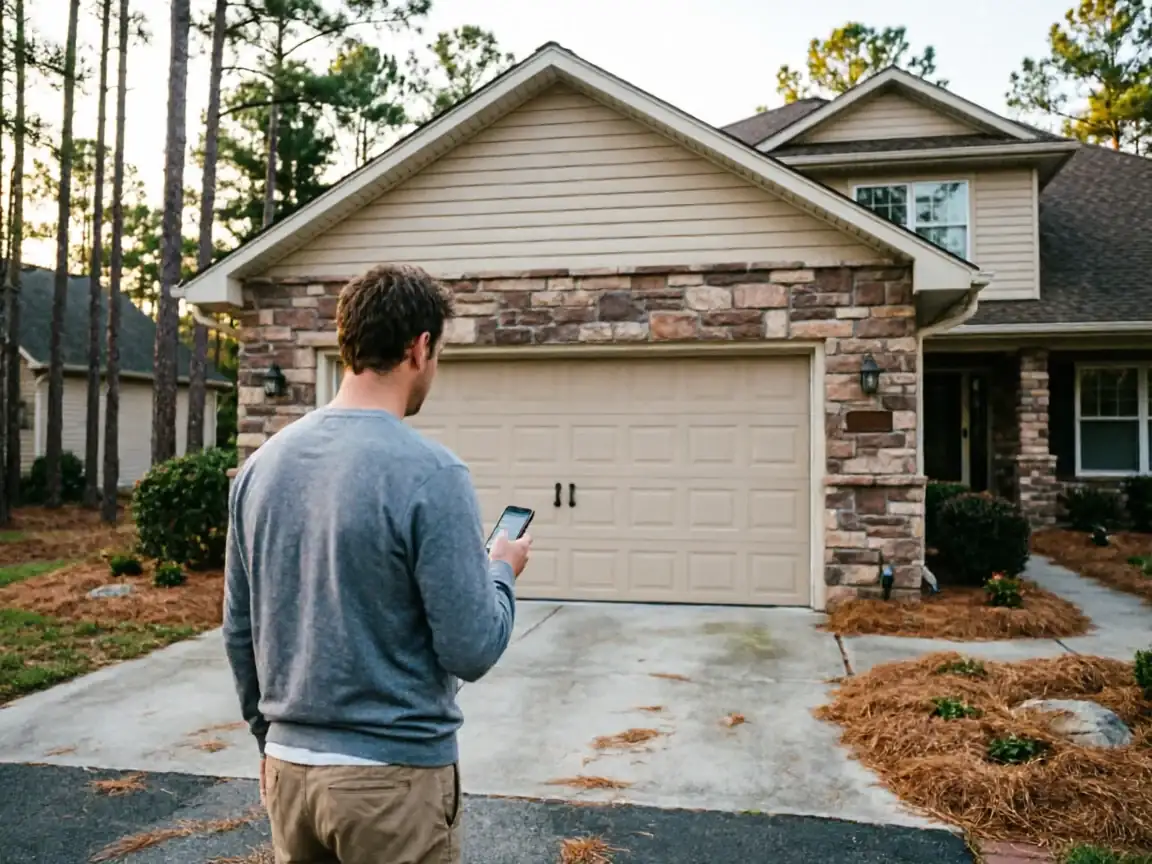
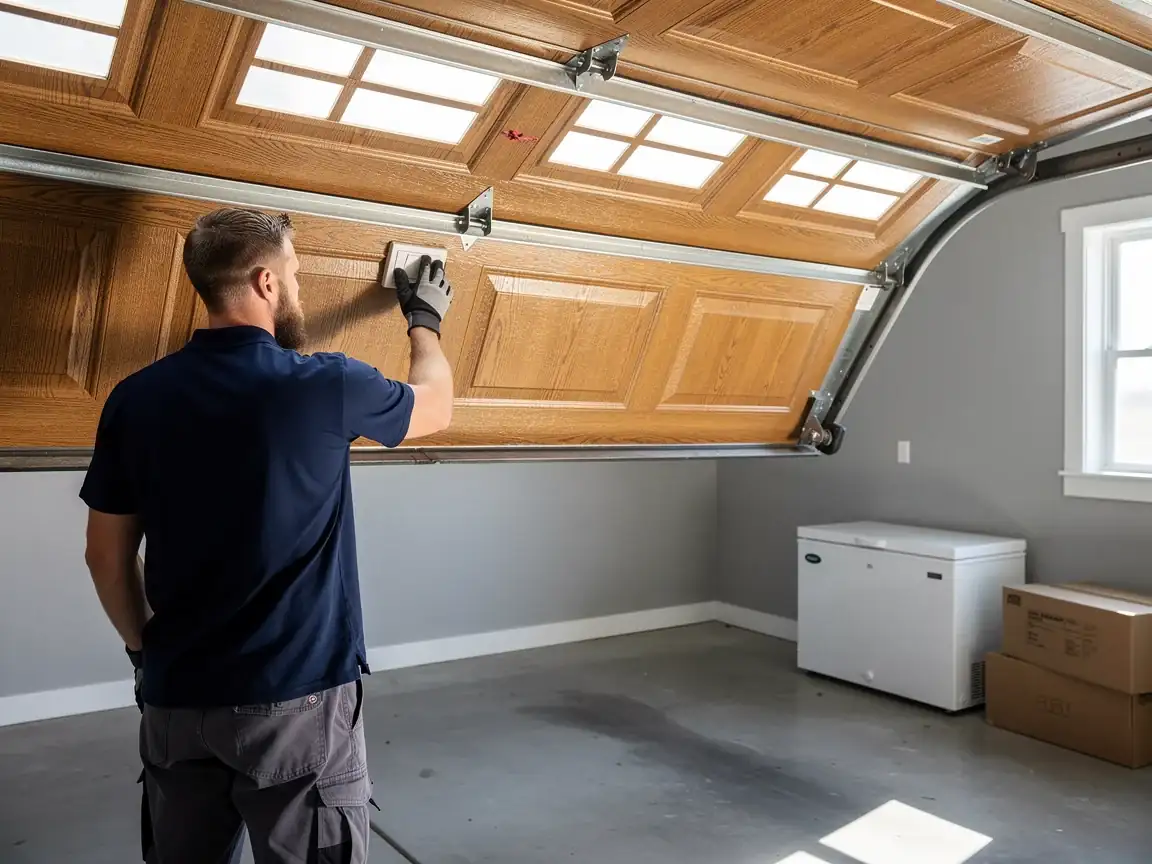
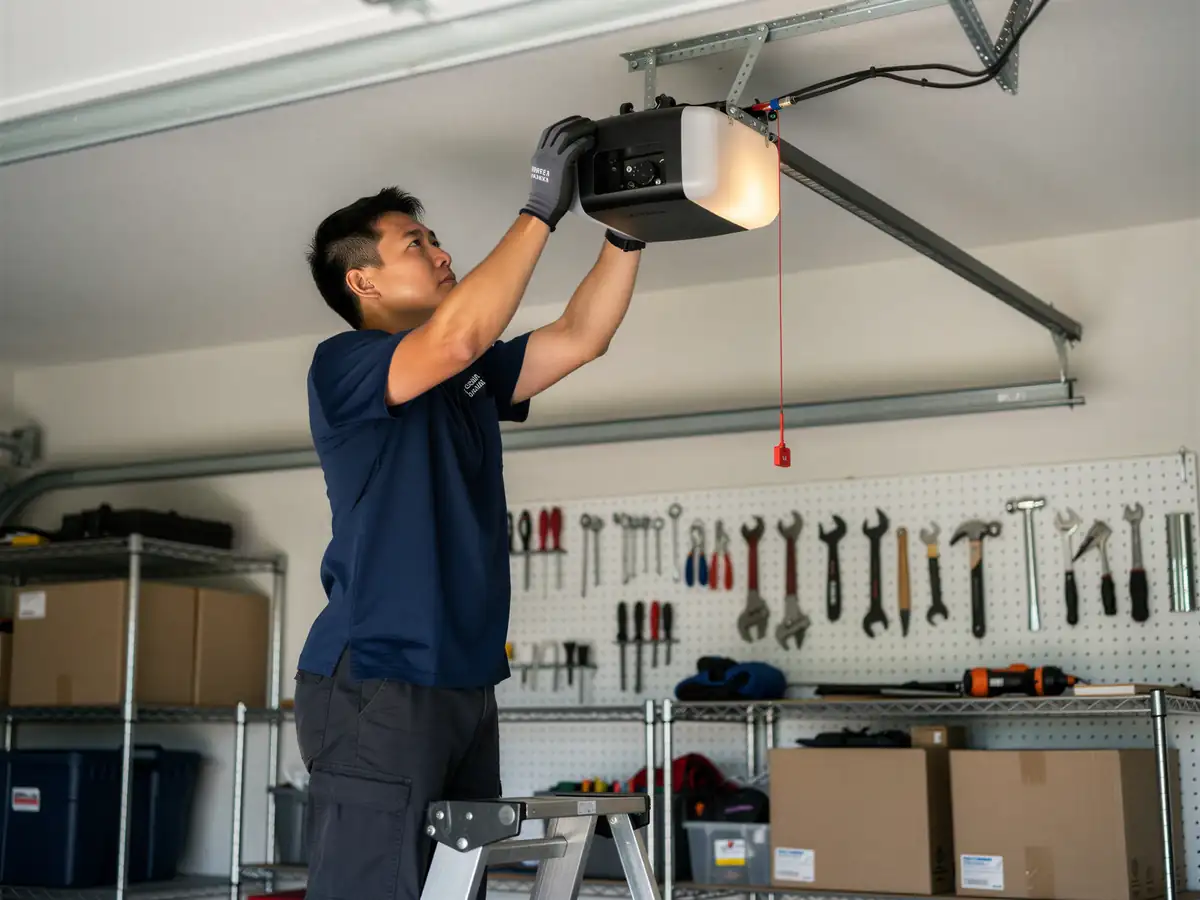
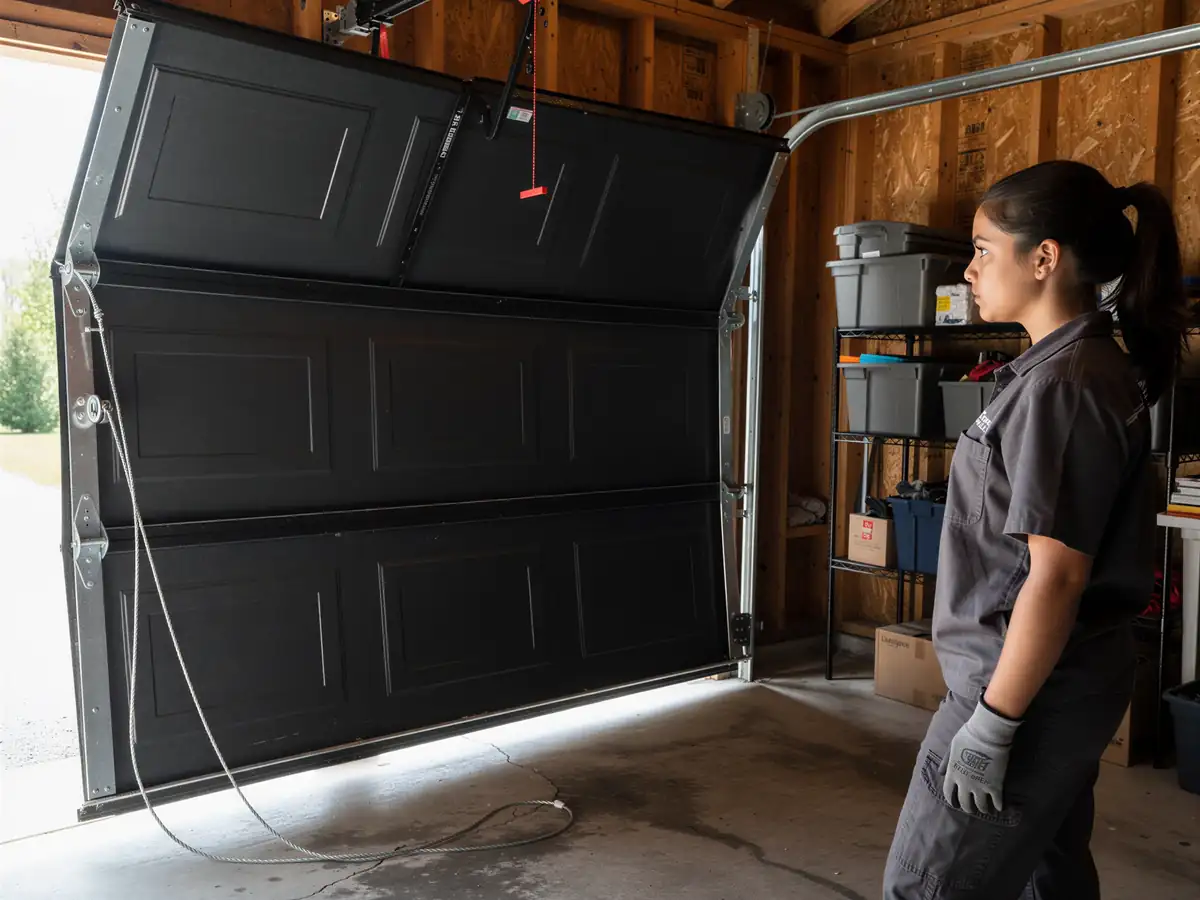
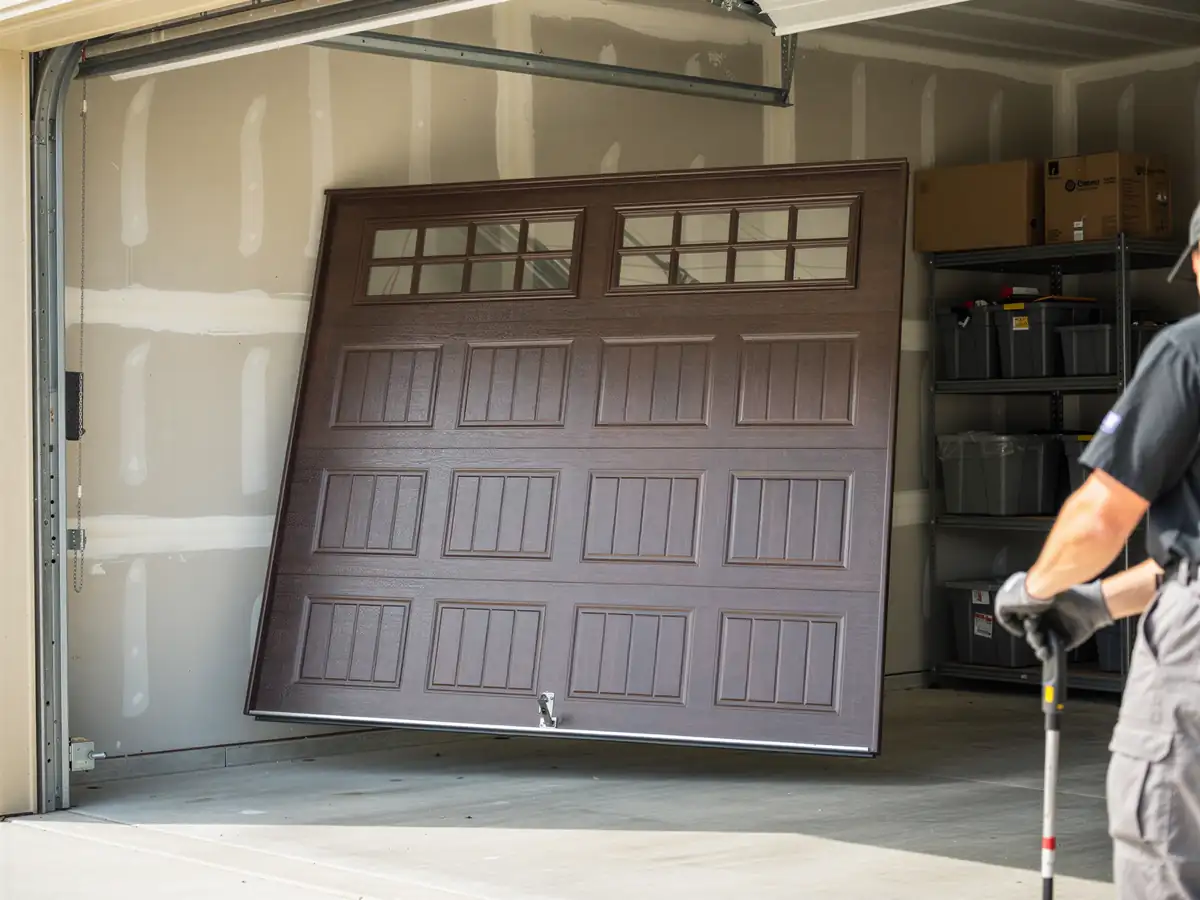
The mistake we see most is judging the door by the opener. Homeowners replace a noisy or slow opener, the door seems to run fine for a few months, and they assume the whole system is sound. But the opener is the easiest part to swap and the least likely part to tell you anything about the springs, cables, or rollers underneath it. Across the eight areas we work in, where most of the housing stock is 1960s and 70s construction, the doors themselves are frequently original to the house or close to it. An opener installed five years ago can be bolted to a track and spring setup that's fifty years old and already past the end of its reasonable service life. The second version of this mistake is waiting for a dramatic failure - a spring that snaps loudly, a cable that frays and lets go - before calling anyone. By that point you're often choosing between an emergency repair and a full replacement under worse conditions than if you'd called when the door first started sagging on one side or closing unevenly. Early unevenness is the signal worth acting on, not the loud failure.
What You Pay
We don't have a flat number to give you here, because what you pay depends on what's actually wrong and how old the hardware underneath the visible problem is. What we can tell you is how to think about it. With median household income across the area at $55,375 and roughly 5,889 owner-occupied houses in the service area, we see a wide range of what people are willing to put into an aging door - some want the cheapest fix that gets them through another winter, others want to be done with repairs for good. Both are reasonable decisions. The honest answer is that a single repair on a sound, newer door is almost always worth it. A repair on a door original to a house from the 1960s or 70s, especially one that's already had a spring or cable fail once, is worth less with each additional call, because you're paying labor against a door that's going to need the next thing fixed soon after. We'll tell you straight when we think you're better off putting that money toward a new door instead of another patch.