Serving Elizabethtown, KY & nearby
(270) 203-4611
Elizabethtown, KY

Cold Weather and Old Springs: What's Really Going On

Elizabethtown's 1960s-70s housing stock and cold winters put real strain on torsion springs. Here's what breaks, why, and what a repair actually costs here.

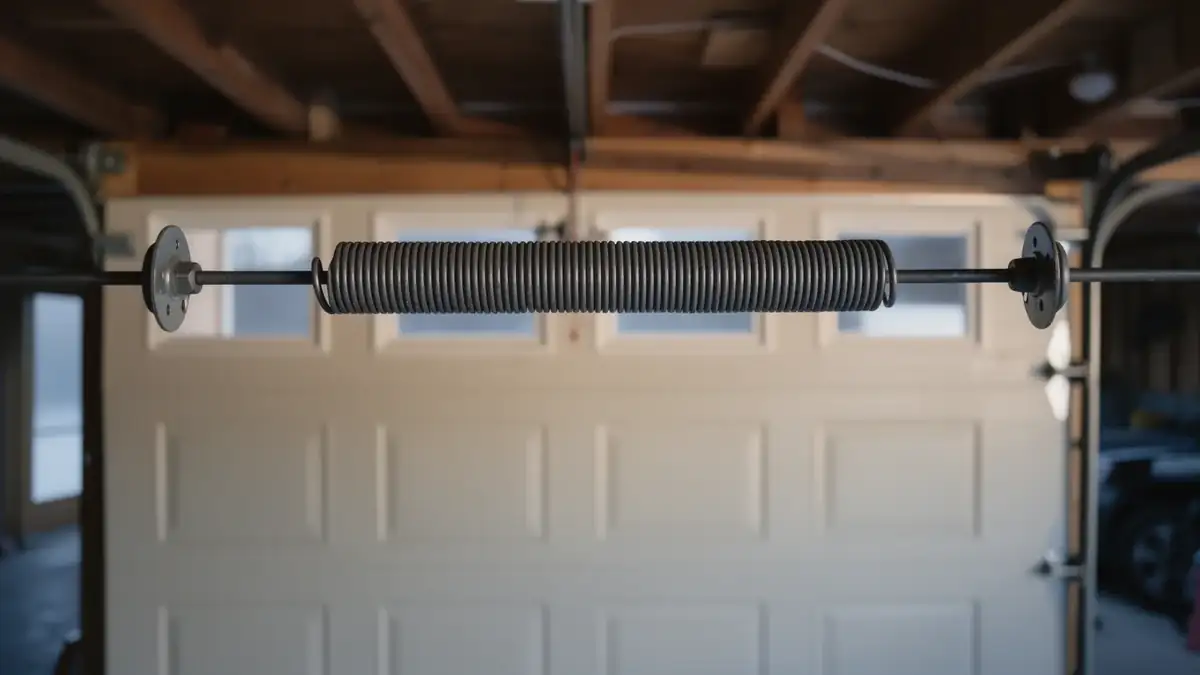
A torsion spring is mounted above a closed white garage door.

What the Weather Here Does to It

Elizabethtown sits in a cold-moderate climate band, which means winter isn't brutal every day, but it swings hard enough, often enough, to matter. Steel contracts when it's cold. A torsion spring that's been winding and unwinding for twenty or thirty years has already lost some of its temper, and a sharp overnight drop is exactly the kind of stress that finds the weak point in metal that's tired. That's why you get a run of spring calls the same week every time the temperature falls off a cliff - it's not coincidence, it's a lot of springs all reaching the same age and the same cold morning at once.

It isn't just the spring either. Cold makes grease in the rollers and bearings stiffen up, which means the opener motor works harder to pull the same door, which puts more load back on that same aging spring. One cold morning doesn't cause the break by itself. It's the last straw on a part that's been losing strength for years. Which is why the fix that actually holds isn't always the fix people expect - replacing the spring alone, instead of babying it with lubricant, is usually the one that gets you through the next winter instead of back on the phone in February.

The Common Mistake

The mistake we see most is someone hearing a bang, finding the door stuck shut, and assuming the opener motor died. It didn't. A broken spring takes all the lifting weight off the motor's shoulders and puts it on nothing - the door is just dead weight now, and the opener isn't built to lift a thirty-year-old door on its own. People force the issue by hitting the wall button again and again, which burns out the motor or strips the gear that was actually fine an hour earlier.

The second mistake is specific to houses built in the 1960s and 70s, which is most of the housing stock around here. Those doors were often installed with hardware sized for a lighter door than what's hanging on the track now, after decades of paint, insulation kits, and replacement panels added weight nobody accounted for. Swapping in a spring rated for the original door, instead of the door as it actually sits today, gets you a spring that fails again in a year or two - sometimes sooner. Matching the spring to the door's current weight, not its factory spec sheet, is the part that actually matters.

What Is Going On

  1. Houses in this area were mostly built between 1957 and 2001

    With the median landing around 1975, and that spread holds across the eight communities in our service area - Radcliff, Vine Grove, Sonora, Lebanon Junction, Hodgenville, Fort Knox, Upton, and West Point. A door installed when a house went up in the mid-70s has had fifty winters to work through its springs, cables, and rollers, whether or not anyone's touched it since.

  2. What that means in practice is two different jobs on two different doors

    A house from the late 90s might just need a spring and a tune-up. A house from the 60s or early 70s might have the original track, original hinges, and hardware that nobody stocks anymore in the exact size - which can turn a spring call into a conversation about whether the whole door's due. We'll tell you straight if that's where you're headed instead of patching something that'll just fail again next winter. That's not us trying to sell a bigger job - it's just what thirty-year-old hardware looks like once you're under it.

What You Pay

We don't have a flat number to quote here, because what a spring job costs depends on the door's weight, whether it's a single spring or a pair, and whether the drums, cables, or bearings are shot alongside it - and we're not going to make up a price range we can't stand behind. What we can tell you is how the area shapes the decision: with a median household income of $55,375 across our service area, most of the calls we get are people who want the door fixed right the first time, not replaced on a whim, and that's usually the right instinct.

Across the 16,726 households and 5,889 owner-occupied houses we serve, the spring jobs cluster around the same handful of door sizes and ages, which is part of why we can usually tell you on the phone whether you're looking at a repair or a bigger conversation. The one thing we won't do is quote a number before we've seen the door - anyone who does that over the phone is guessing, and a guess on a torsion spring is how people end up paying twice.
How it works

From “it’s stuck” to “it’s fixed”

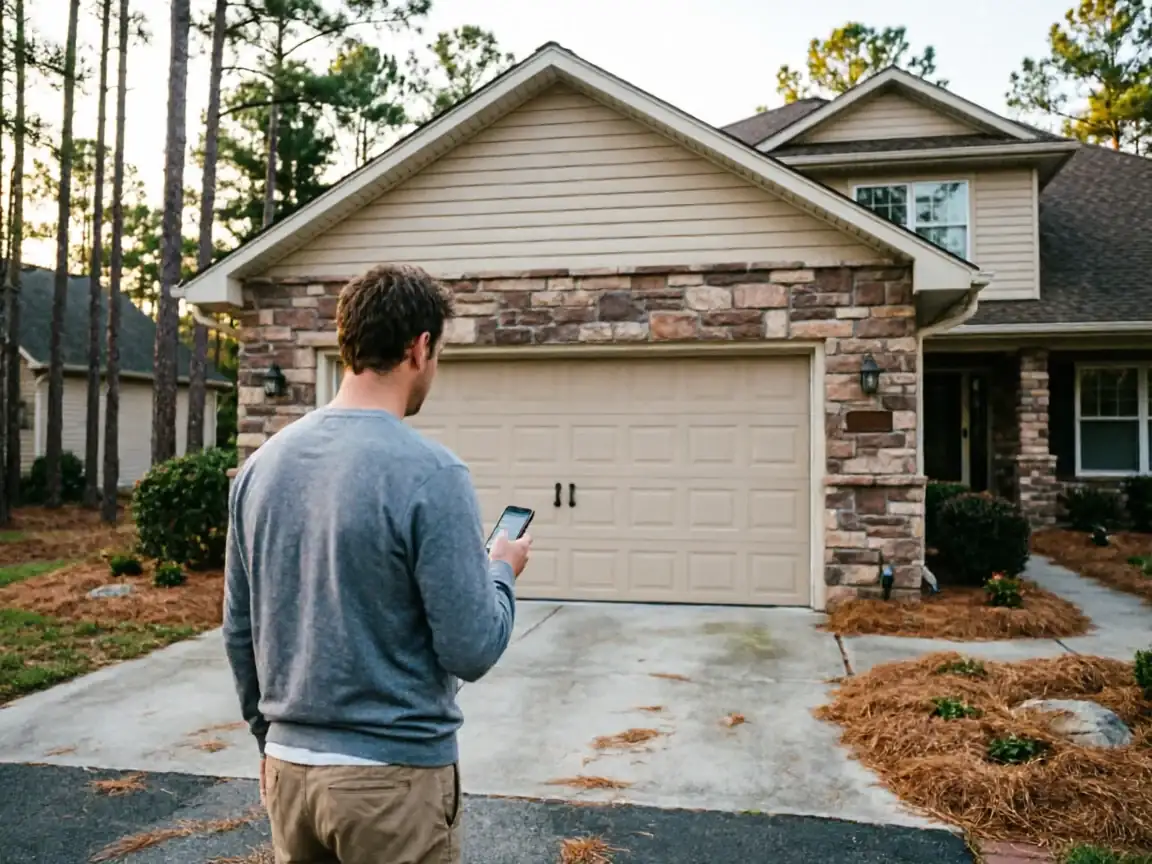
A man stands in a driveway, looking at his phone in front of a garage door.

Tell us what’s wrong

Describe the symptom - won’t open, loud bang, opener runs but the door won’t move.

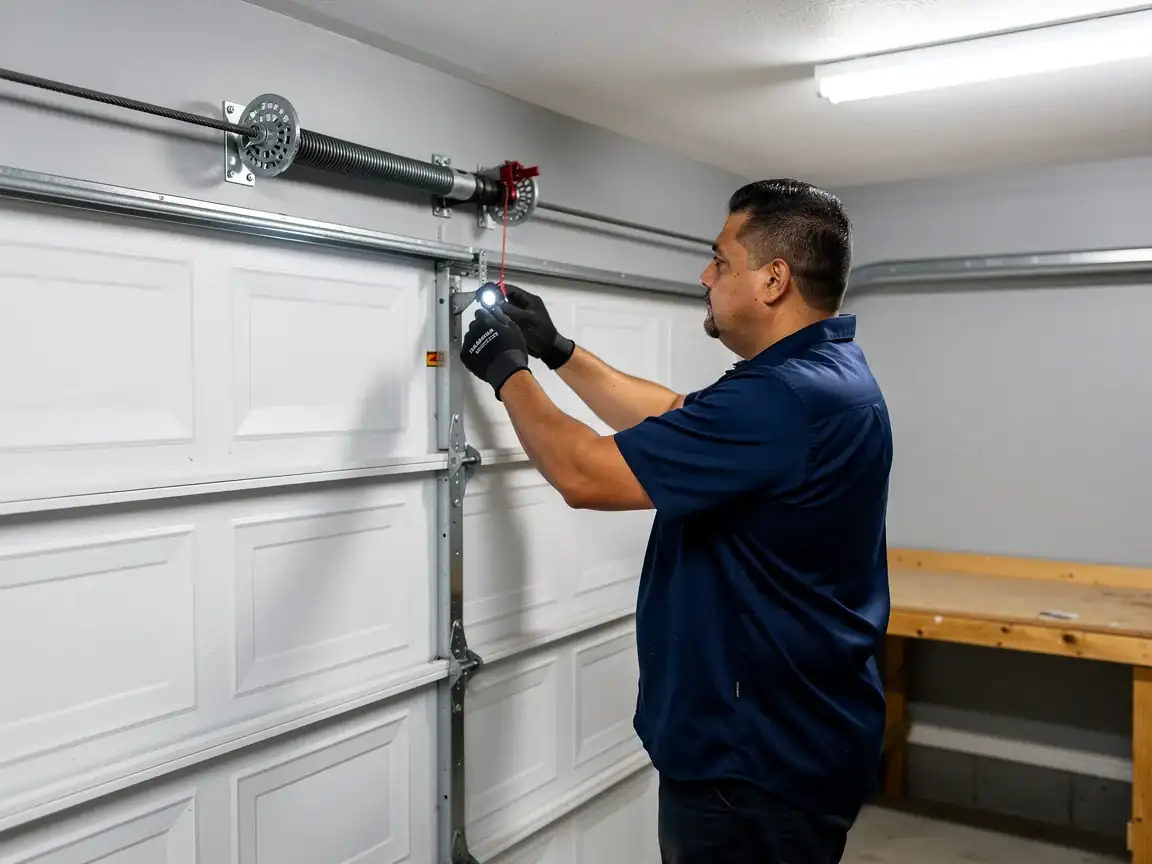
A technician inspects the garage door torsion spring with a flashlight.

On-site diagnosis

A technician tests the door under power and by hand and finds what actually failed.

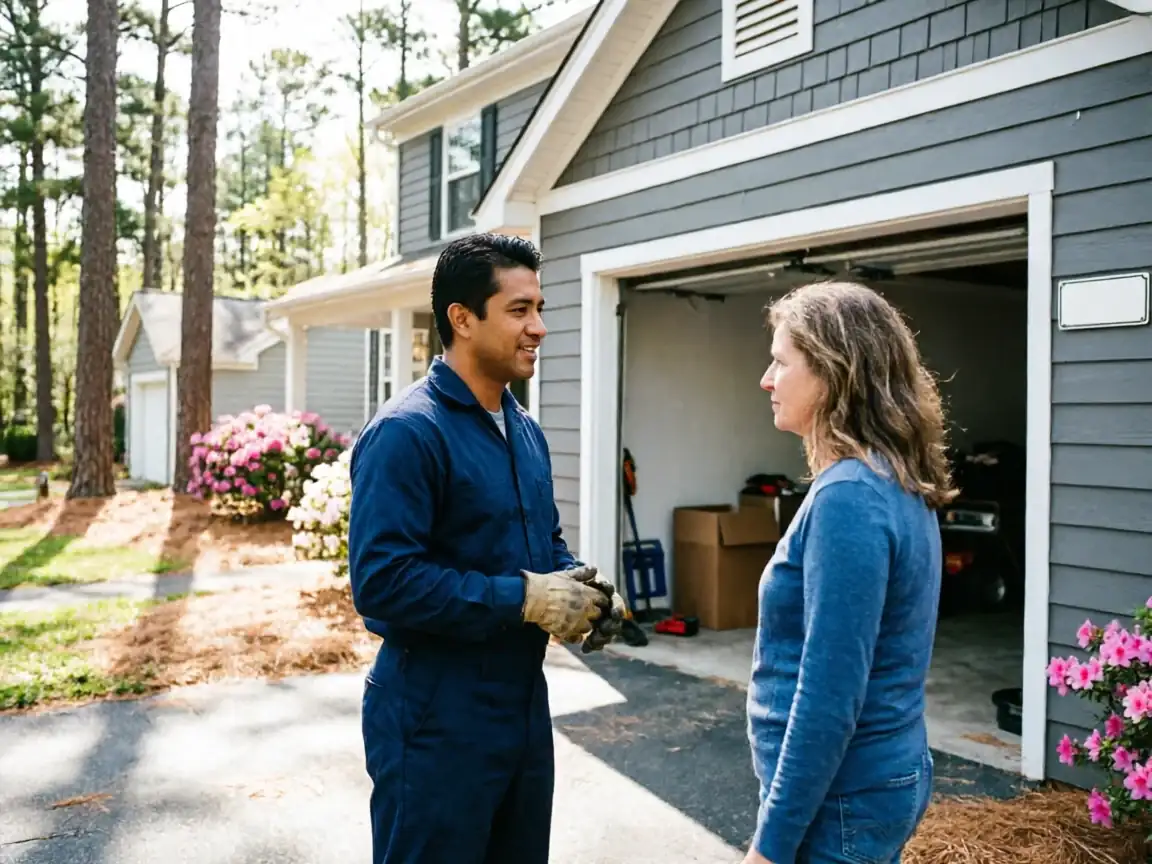
A technician in a blue uniform talks to a woman in front of an open garage.

Clear, up-front plan

You get the fix that’s needed and what drives the cost - before any work starts.

A technician in a blue shirt is working on a brown garage door.

Repaired & tested

The repair is done, the door is set true and tested, and the work area left clean.

Not sure which repair your door needs in Elizabethtown, KY? Describe what it’s doing - every job starts with a diagnosis.

How we work

What to expect

Diagnosis first

Every visit starts by finding what actually failed - not a pre-written parts list.

The right part for the door

Springs and openers matched to the door’s weight and age, so the fix holds up.

Straight answers

When a repair makes more sense than a replacement - or the reverse - you hear it plainly.

Clean, careful work

Tension released safely, hardware set true, the door tested under power before we leave.

What we do

Garage Door Services

Repair and installation work for Elizabethtown homes and businesses.

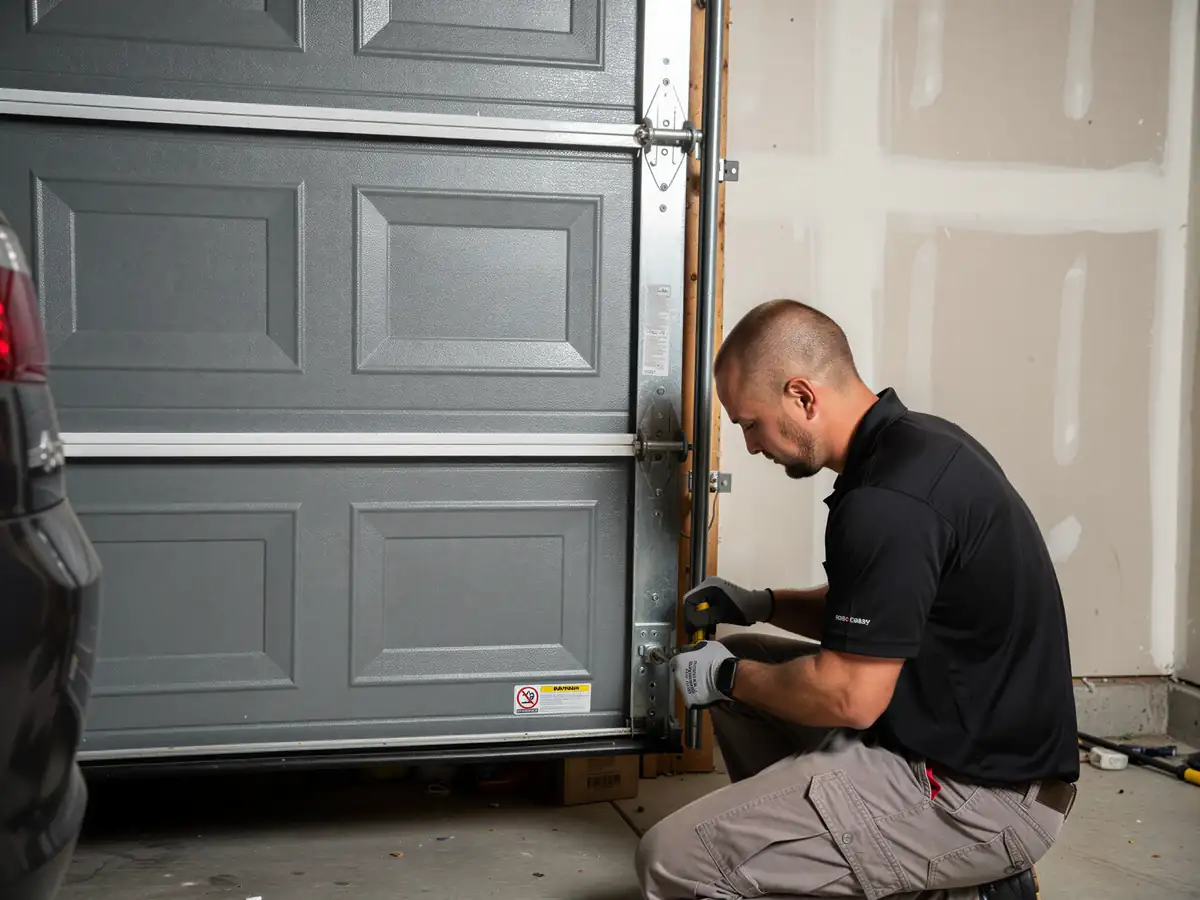
A technician in a black shirt and gray pants works on a gray garage door.

Garage Door Repair

Broken torsion spring or a door that won't budge? We fix the spring and hardware failures common in Elizabethtown's 1960s-70s housing stock, cold-weather breaks included.

Learn more
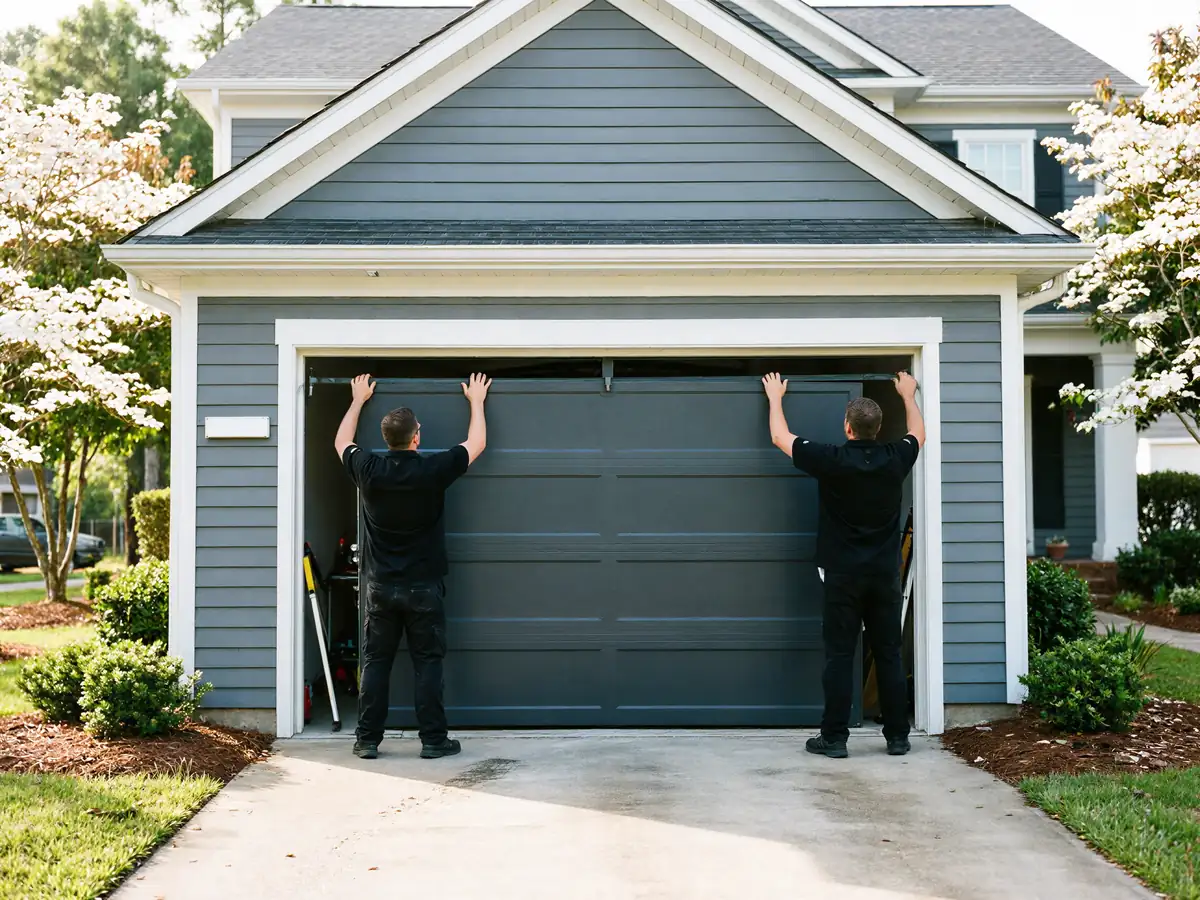
Two technicians install a dark gray garage door on a gray house.

Garage Door Installation

Most Elizabethtown garage doors date to the 1960s-70s building boom. See why that original stock is failing now and what a proper replacement install involves.

Learn more
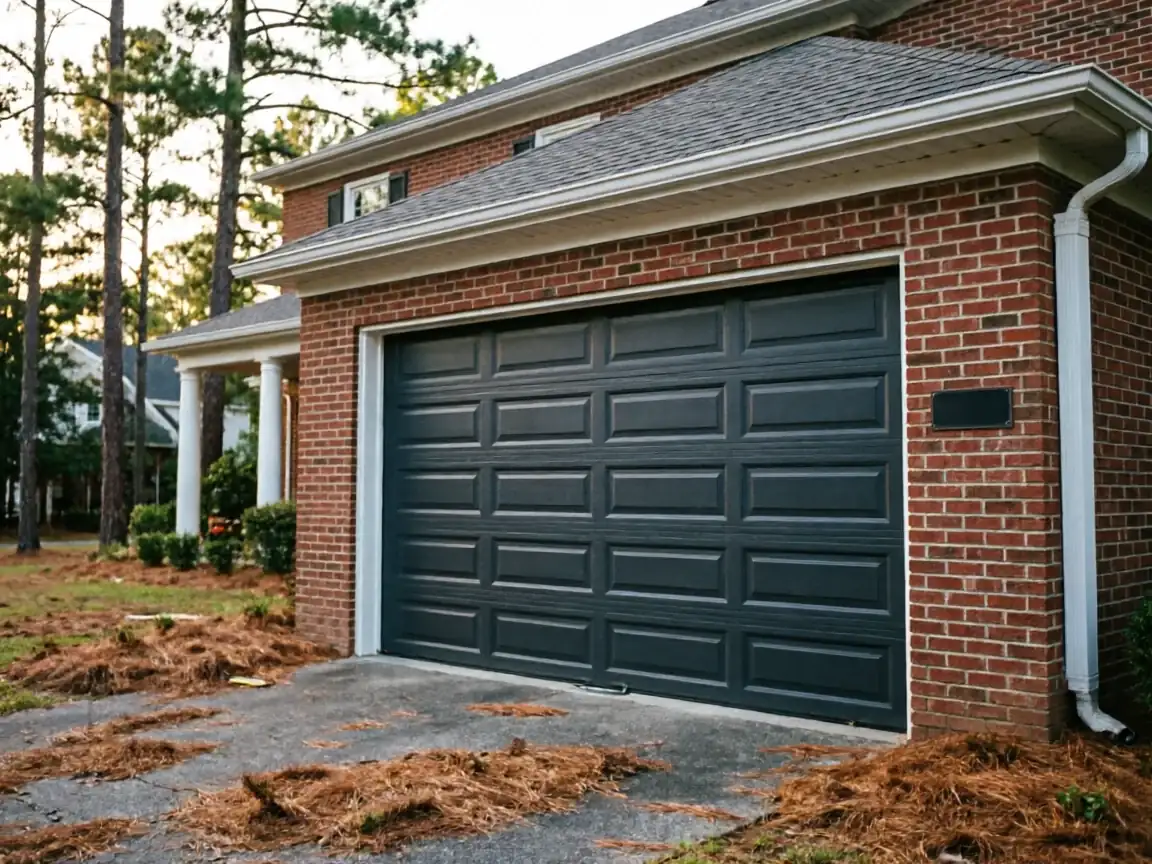
A dark gray garage door on a brick house with pine straw on the driveway.

Garage Door Service

Torsion springs on Elizabethtown garages fail early because of the area's 1960s-70s housing stock and cold winters. Here's what that looks like and what fixing it involves.

Learn more
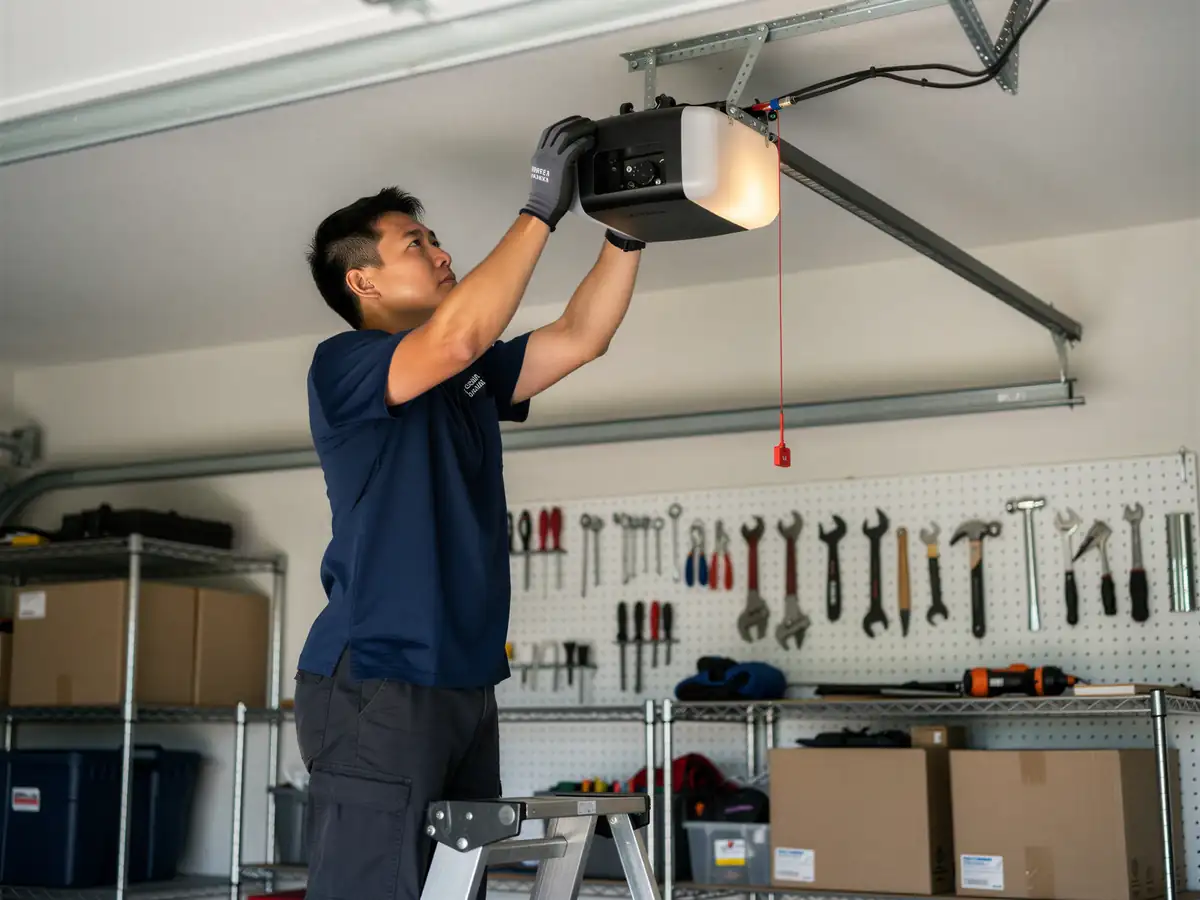
A technician on a ladder installs a garage door opener.

Opener Installation

Replacing or installing a garage door opener in Elizabethtown, KY homes built between 1957 and 2001 means matching the opener to older track and spring setups.

Learn more
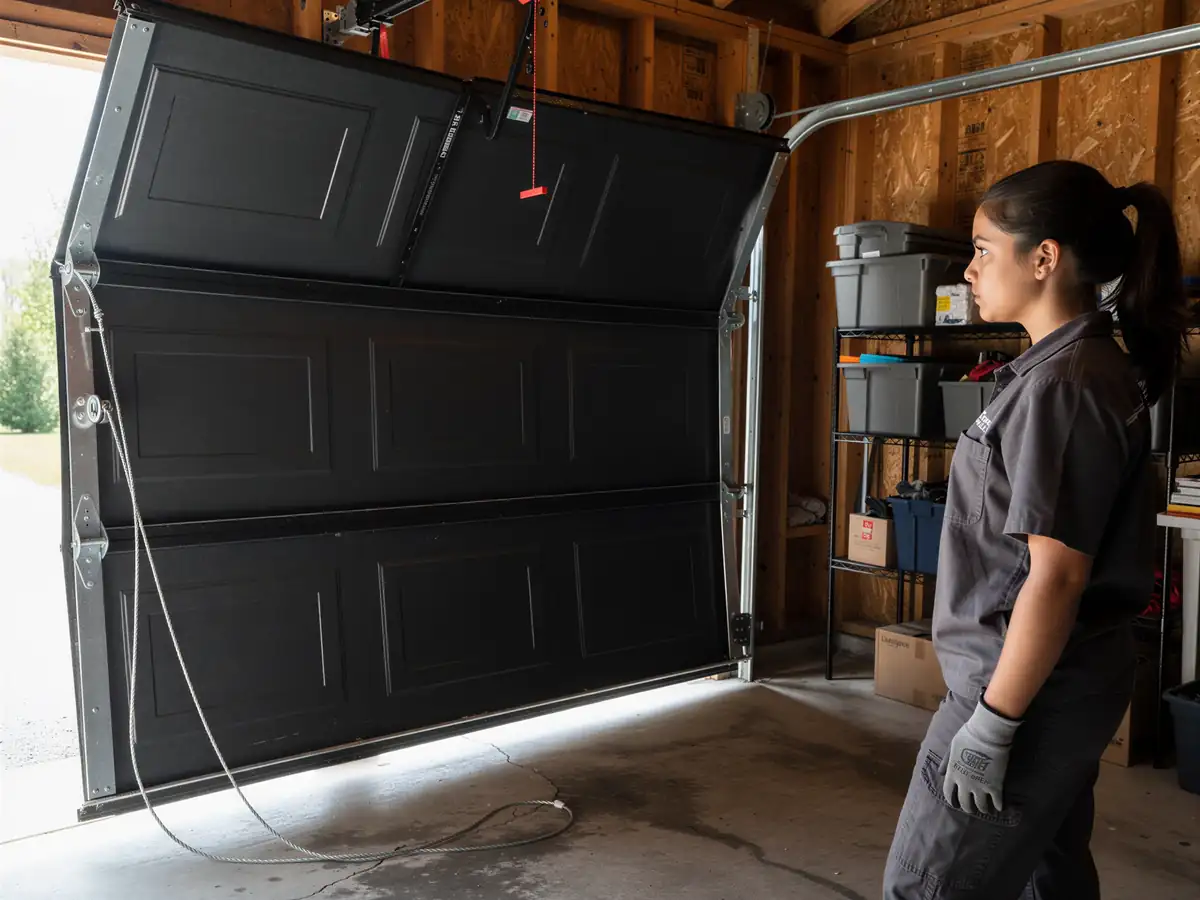
A technician stands in a garage looking at a black garage door that is partially open.

Cable Repair

Broken or frayed garage door cables are common in Elizabethtown's 1960s-70s housing stock. See what causes it, what to check yourself, and what a proper repair involves.

Learn more
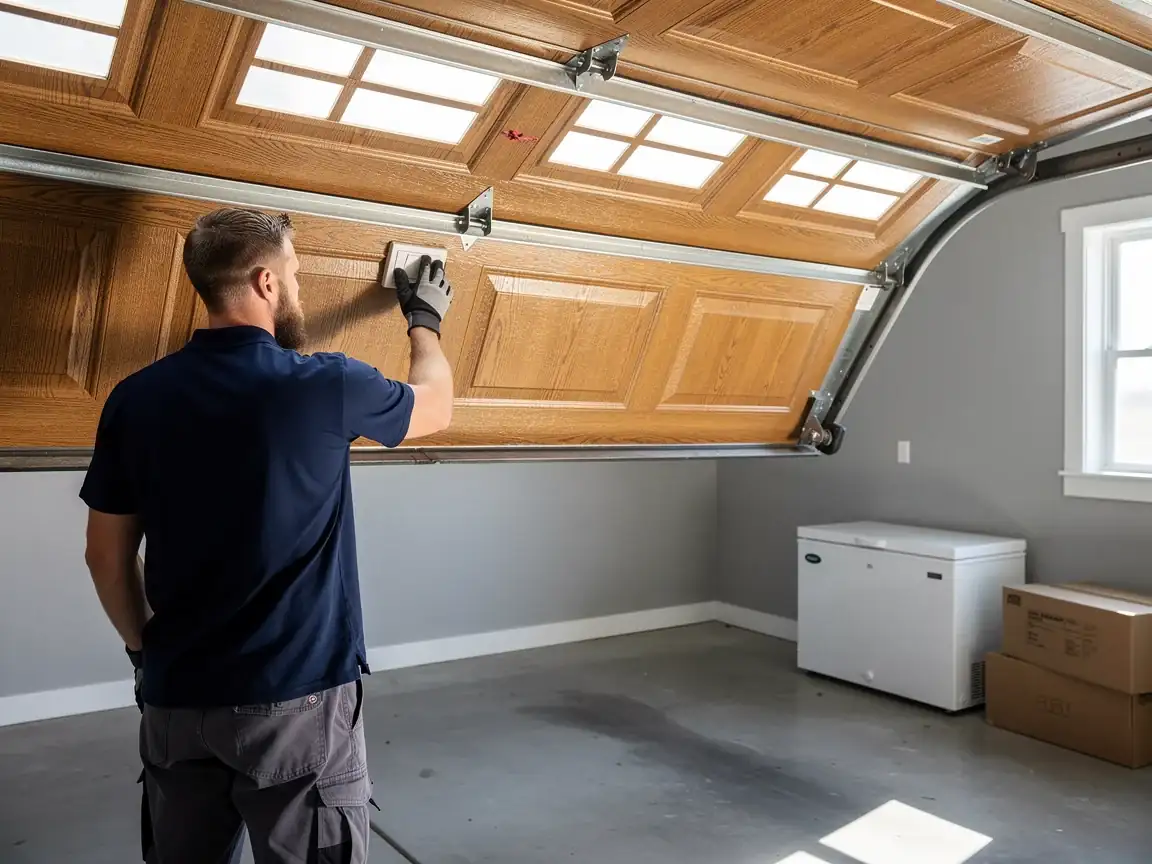
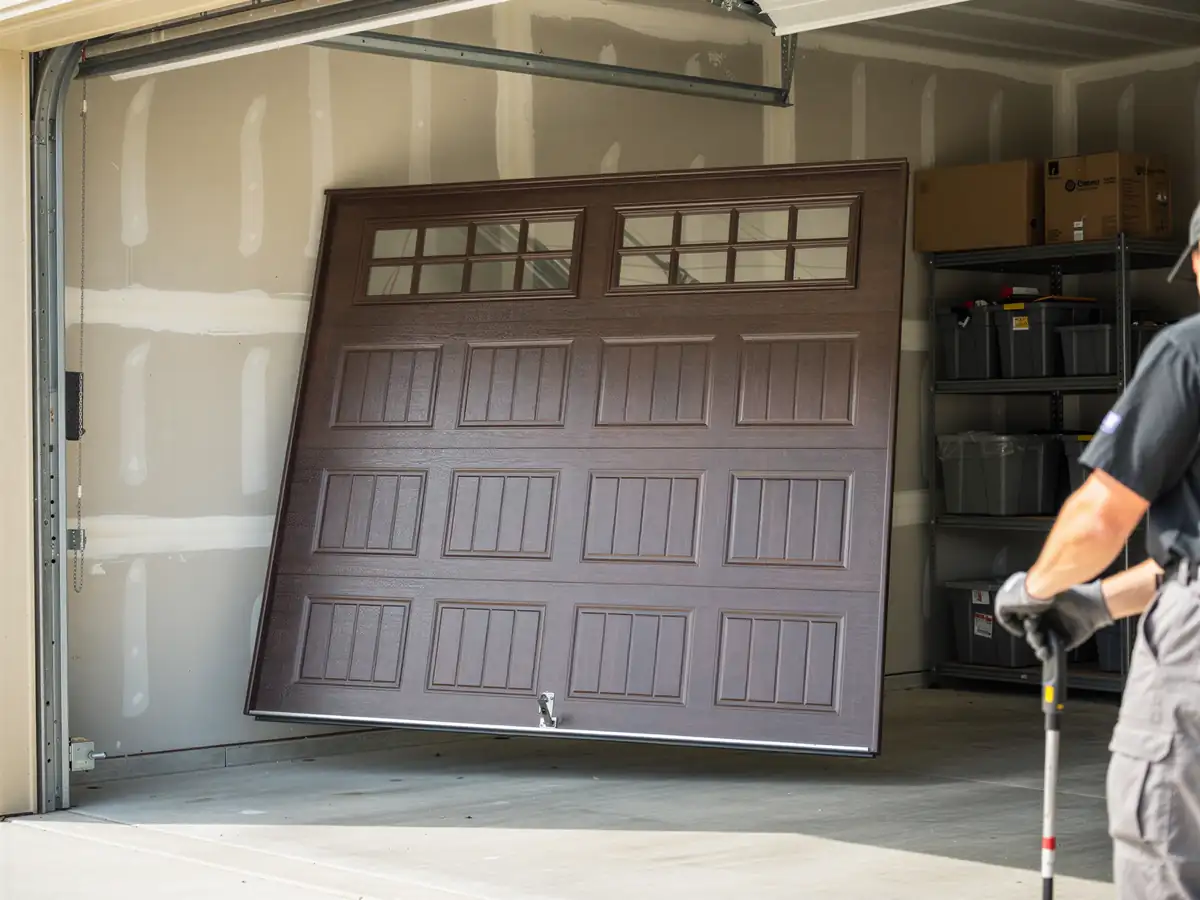
A technician stands in a garage with a brown garage door leaning against the wall.

Off-Track Repair

Door jumped the track in Elizabethtown? See why 1960s-70s rollers and cold-weather steel tracks fail here, what you can safely check, and what a real fix takes.

Learn more
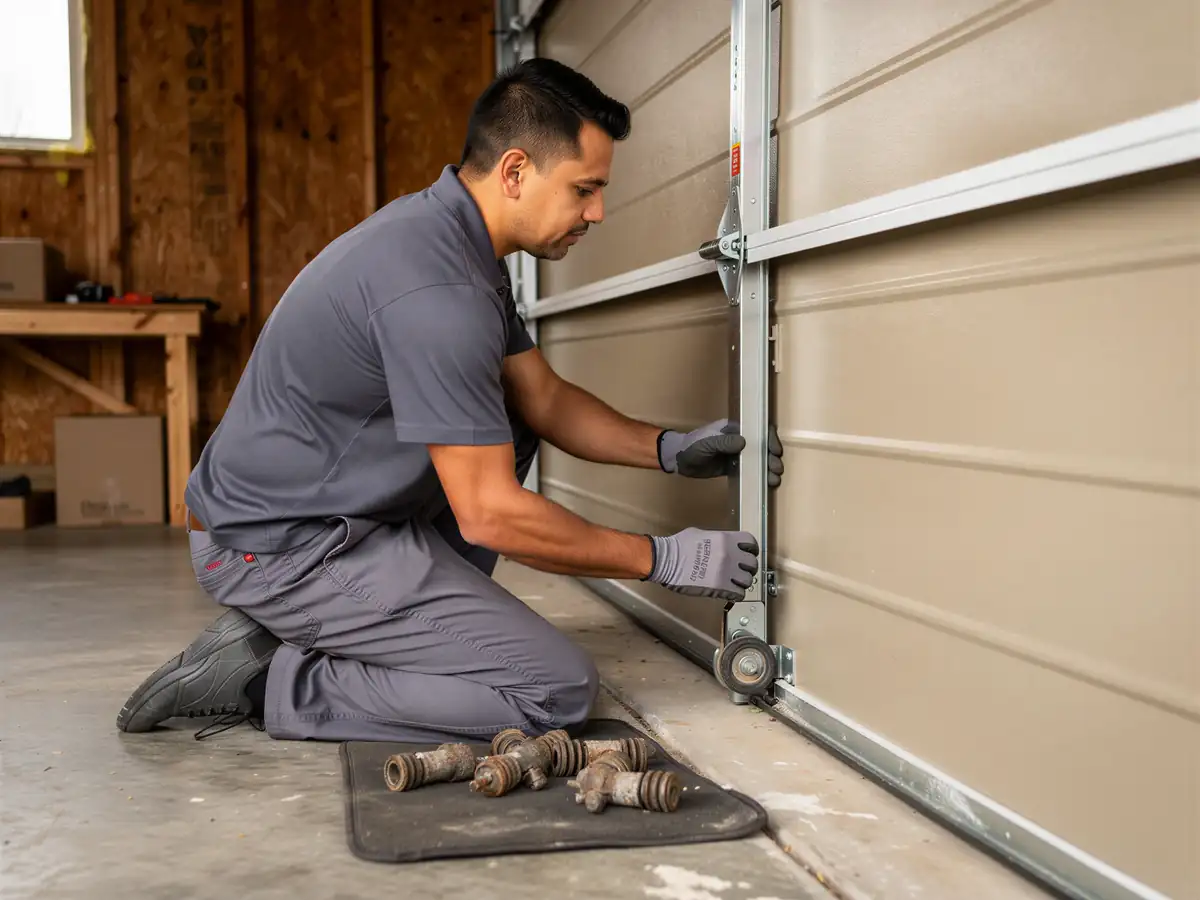
A technician kneels, adjusting a garage door roller on a tan garage door.

Roller Replacement

Grinding, catching, or jumping garage door rollers in Elizabethtown, KY homes built from the 1960s on. Here's what causes it and what fixing it right takes.

Learn more
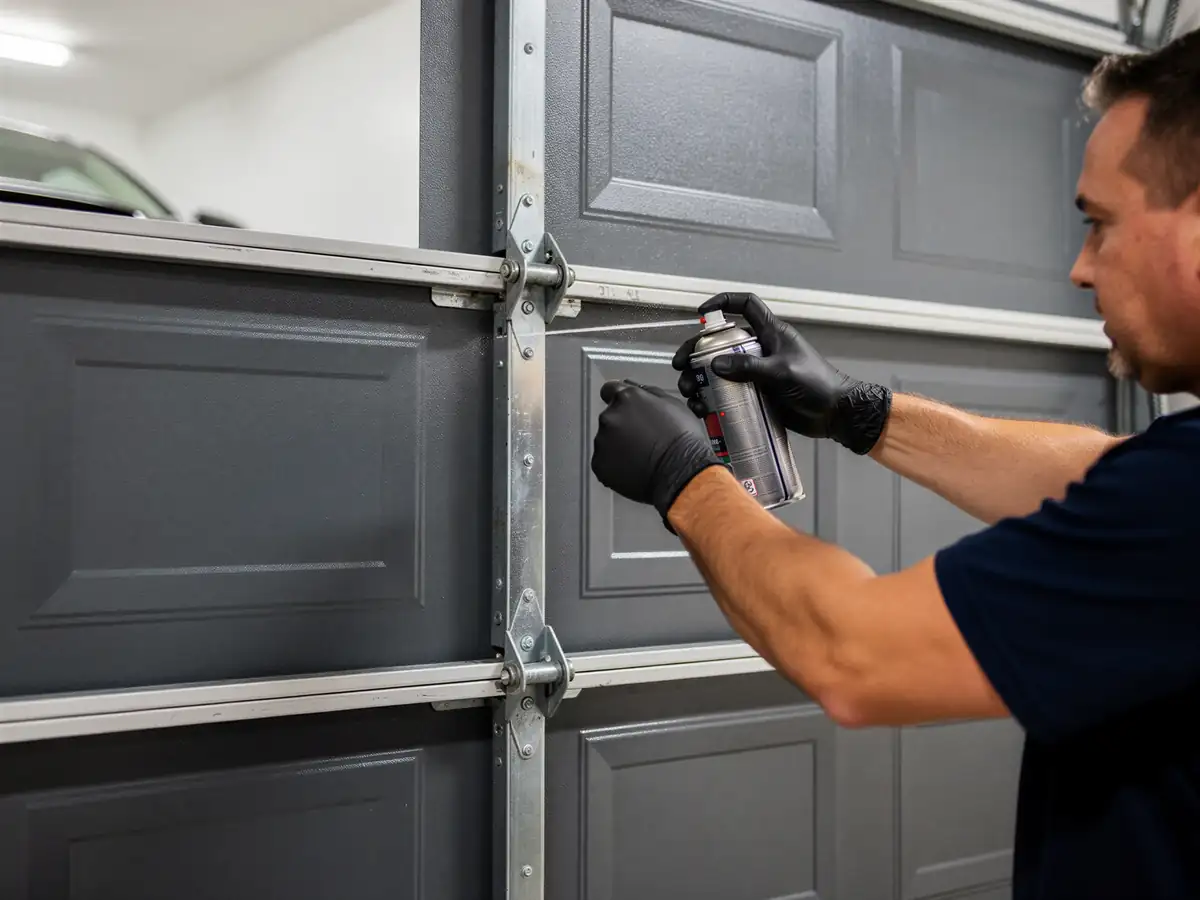
A technician in black gloves sprays lubricant on a gray garage door hinge.

Maintenance

Garage door maintenance for Elizabethtown homes built 1957-2001, where original hardware and cold-season freeze-thaw cycles wear springs and rollers faster than owners expect.

Learn more
Questions

Frequently asked

Straight answers about garage door repair in Elizabethtown. Still unsure? Ask us directly.

01Why did my spring break overnight with no warning?

Torsion springs weaken gradually from thousands of cycles, but the actual break usually happens on a cold morning because contracted steel is less forgiving under load. There's rarely a warning sound days before - the spring holds until it doesn't. If your door's original to a house built in the 60s or 70s, age alone puts it in the zone where a cold snap can be the trigger.

02Can I drive my car out if the spring breaks with it in the garage?

If the door's already up when the spring goes, lower it manually and don't use the opener again until it's fixed - a broken spring means the door can drop fast and uncontrolled. If it's already down and stuck, don't force it open with the opener. Call before you move the car; we'd rather talk you through it than have you under a dead-weight door.

03Do I need a new door or just a new spring?

Usually just the spring, matched to the door's current weight rather than its factory rating. But on houses from the 1960s and early 70s with original track and hardware, we sometimes find enough wear elsewhere that a full replacement makes more sense than chasing one part at a time. We'll tell you which situation you're in before we start any work.

Ready to get your garage door sorted?

Tell us what it’s doing and where you are in Elizabethtown - we’ll take it from there.

Request a QuoteCall