Doing It Yourself
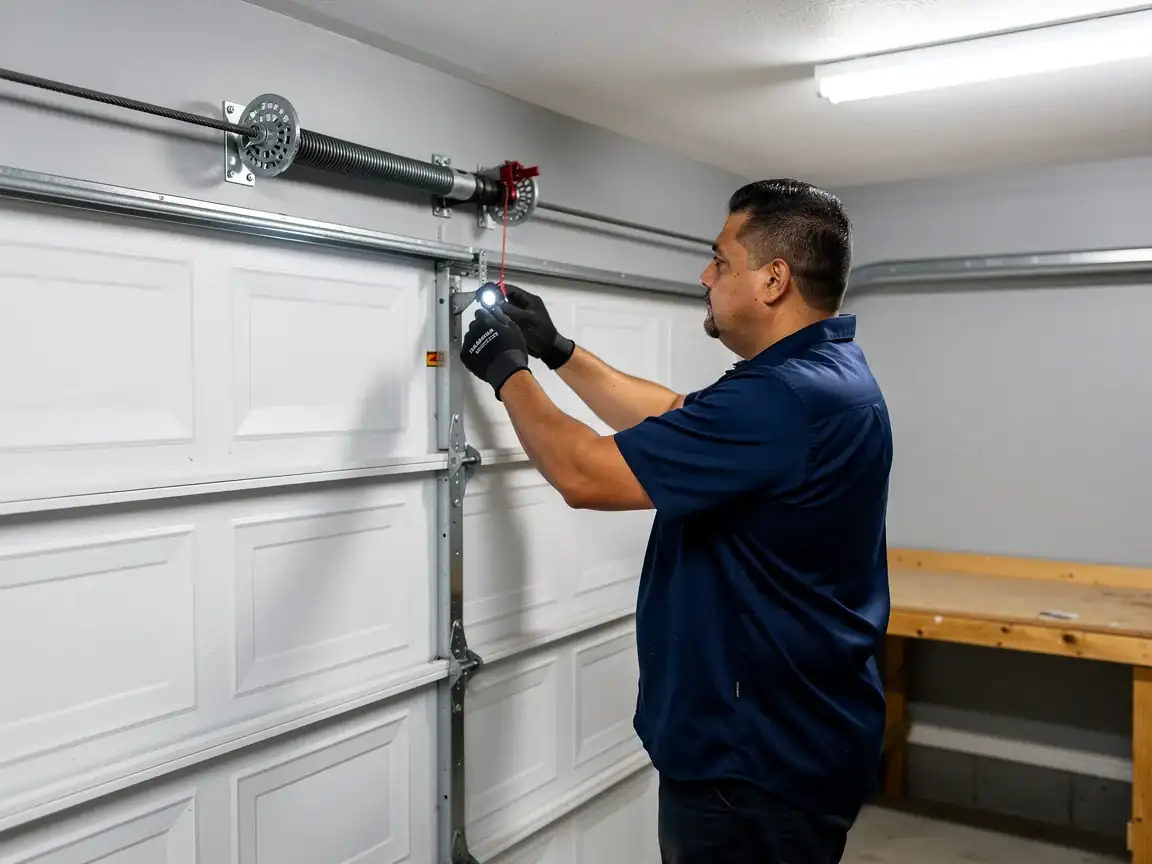
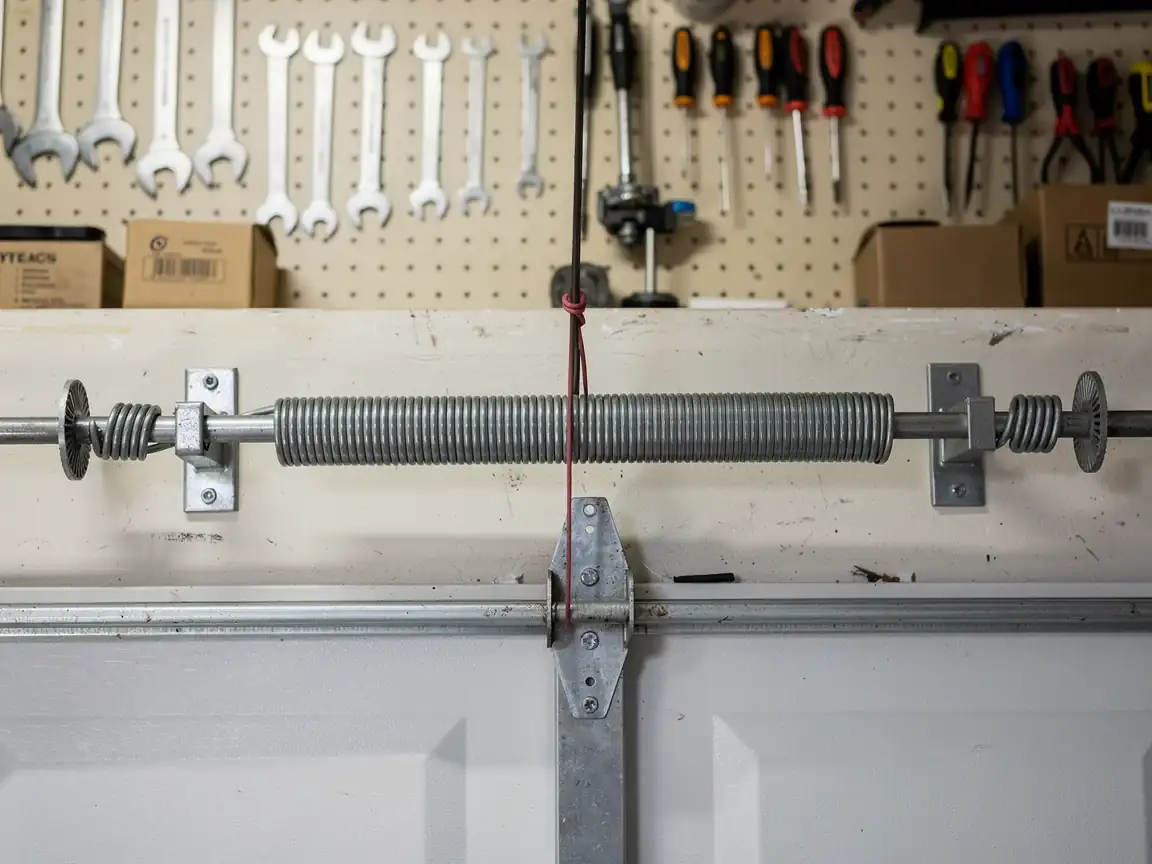
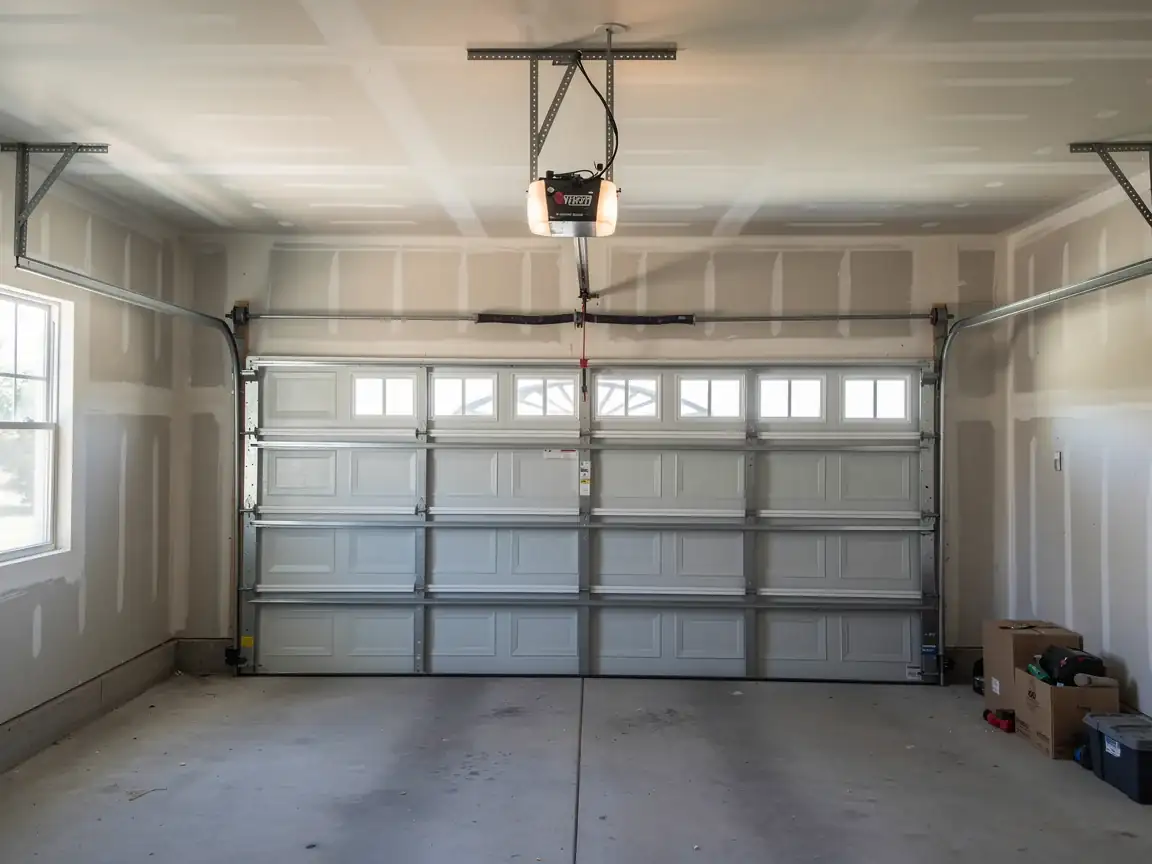
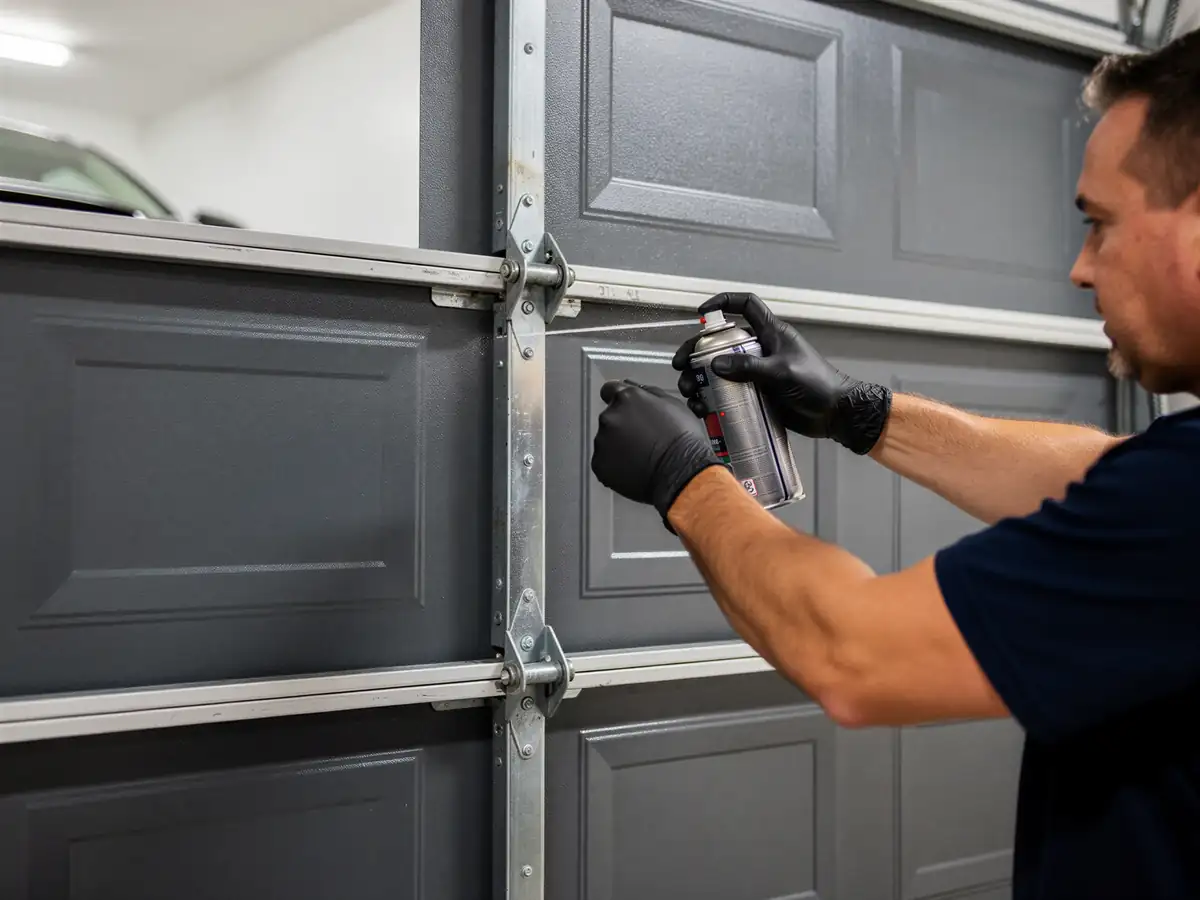
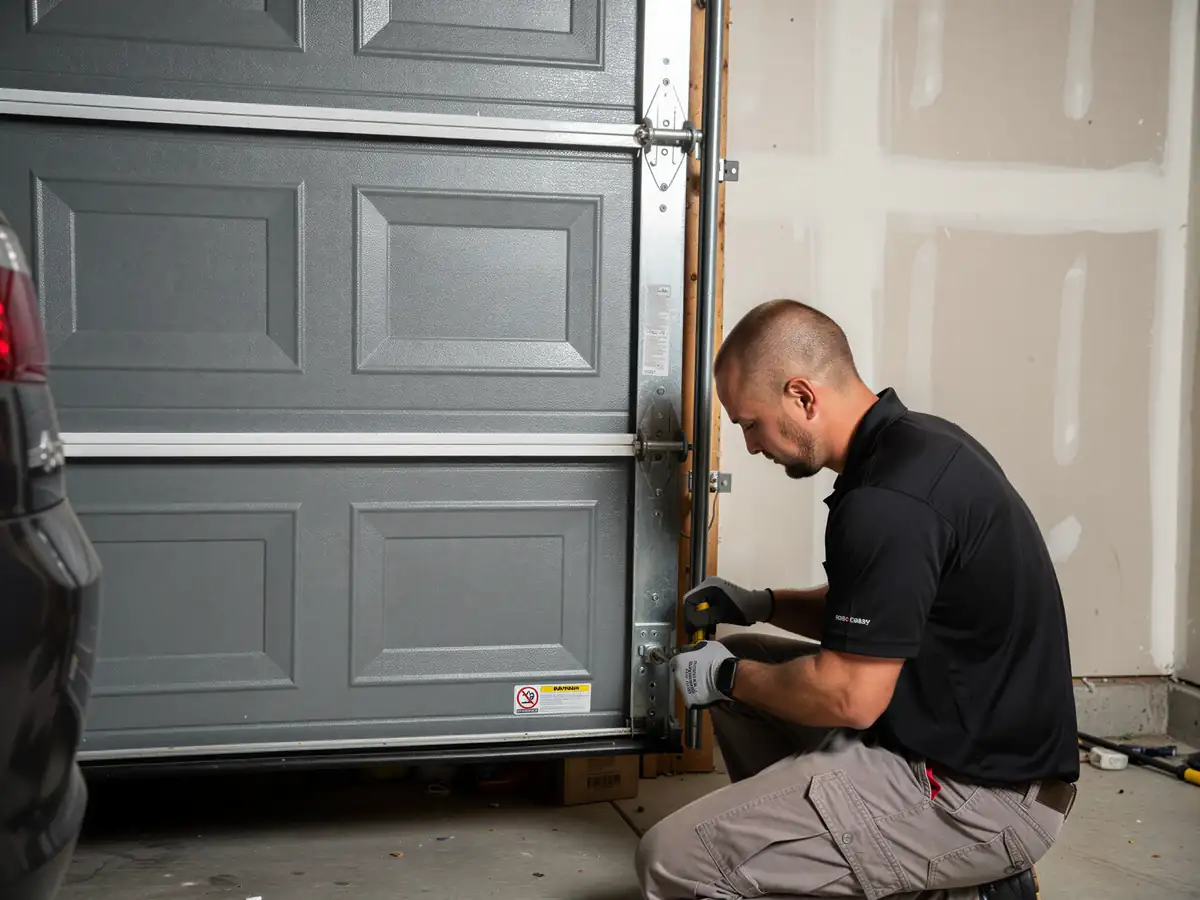
A torsion spring holds a lot of stored energy, and the bar it sits on will take a finger or worse if it lets go while you're near it. We're not going to walk you through winding one here. What you can safely check: does the door move freely by hand with the opener disconnected, is the break visible as a gap in the coil, and are the cables still wound tight on the drums. If the spring is split, call it in and stay clear of the bar. If the door is just slow or noisy but still closes, that's usually rollers or hinges, and a homeowner with a ladder and some white lithium grease can often buy time before it gets worse. What we don't recommend is reusing a spring that's original to a house built in the 1960s or 70s - metal fatigue doesn't announce itself until it fails.
What You Are Seeing
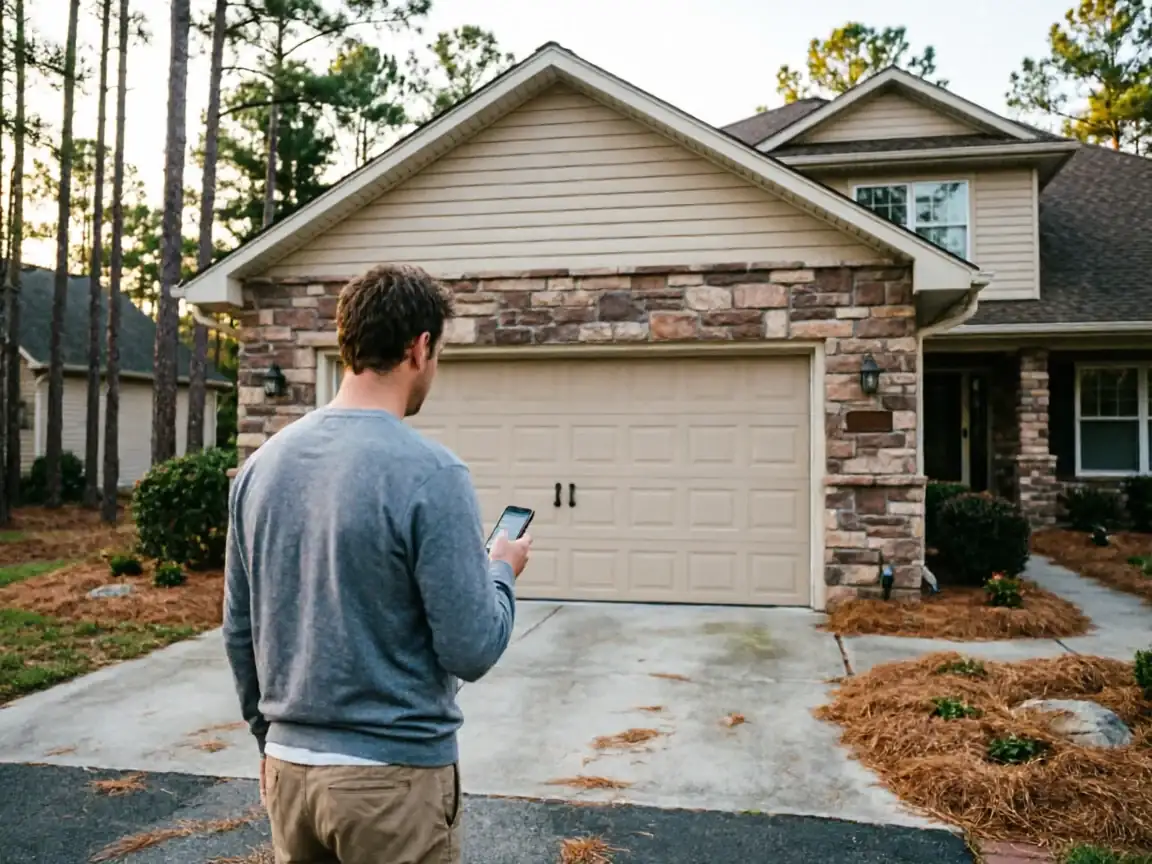
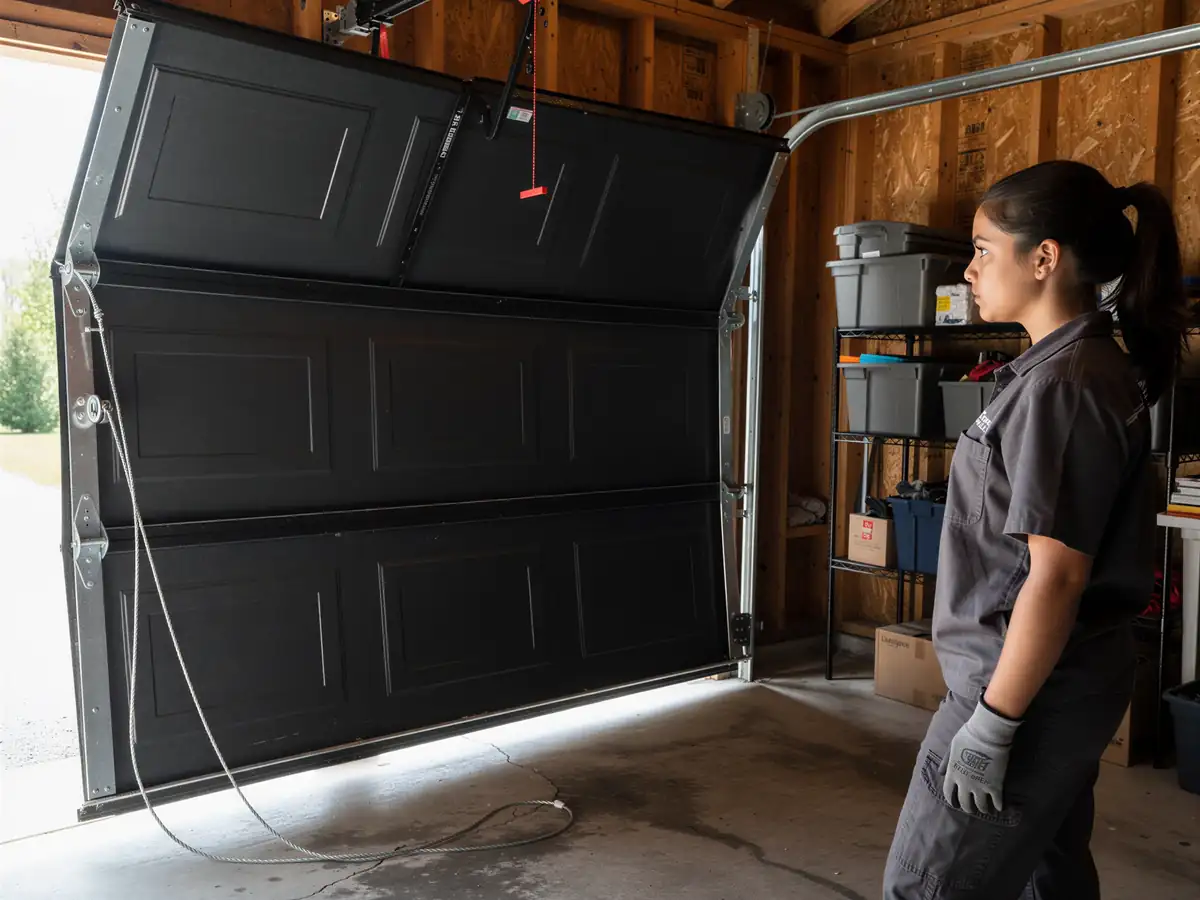
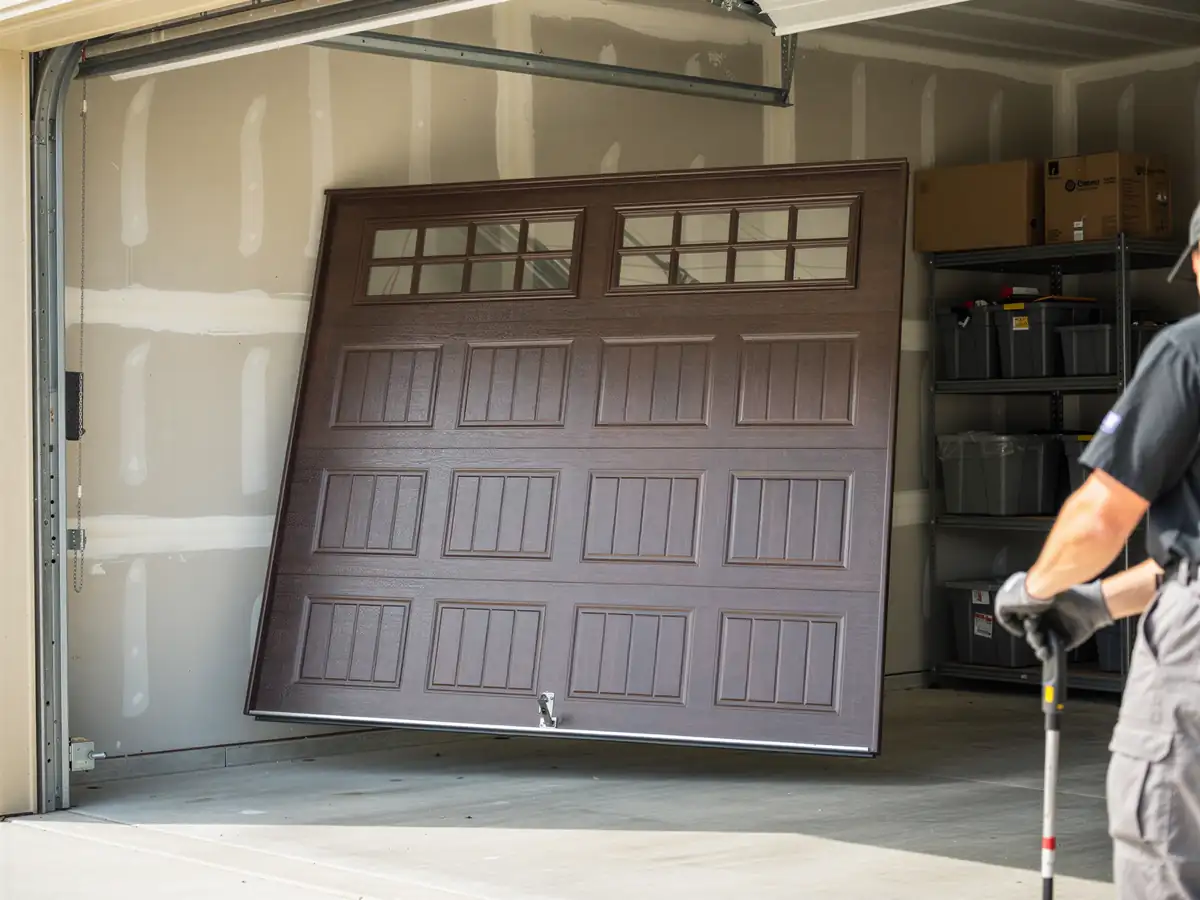
The most common call we get is a door that won't open at all, with the opener running but the door not moving, or a loud bang from the garage followed by the door refusing to budge. That bang is almost always a torsion spring letting go. You'll see one half of the coil separated from the other, usually right at a factory weld or a spot that's been rusting quietly for years. Less dramatic but just as common: a door that's gotten heavy and slow, closing crooked, or cables that look frayed near the bottom bracket. On older systems with a single spring instead of a two-spring setup, the failure is more sudden because there's no backup holding the door's weight when it goes.
What the Repair Takes
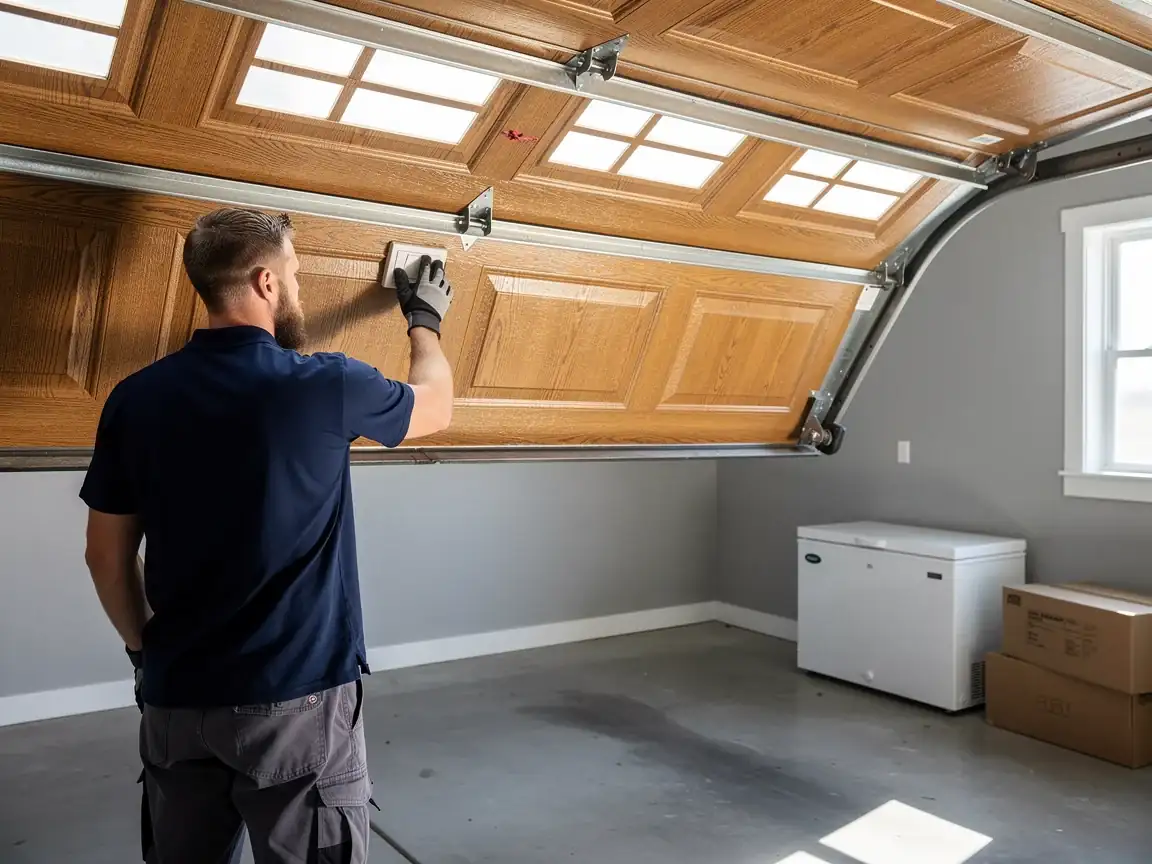
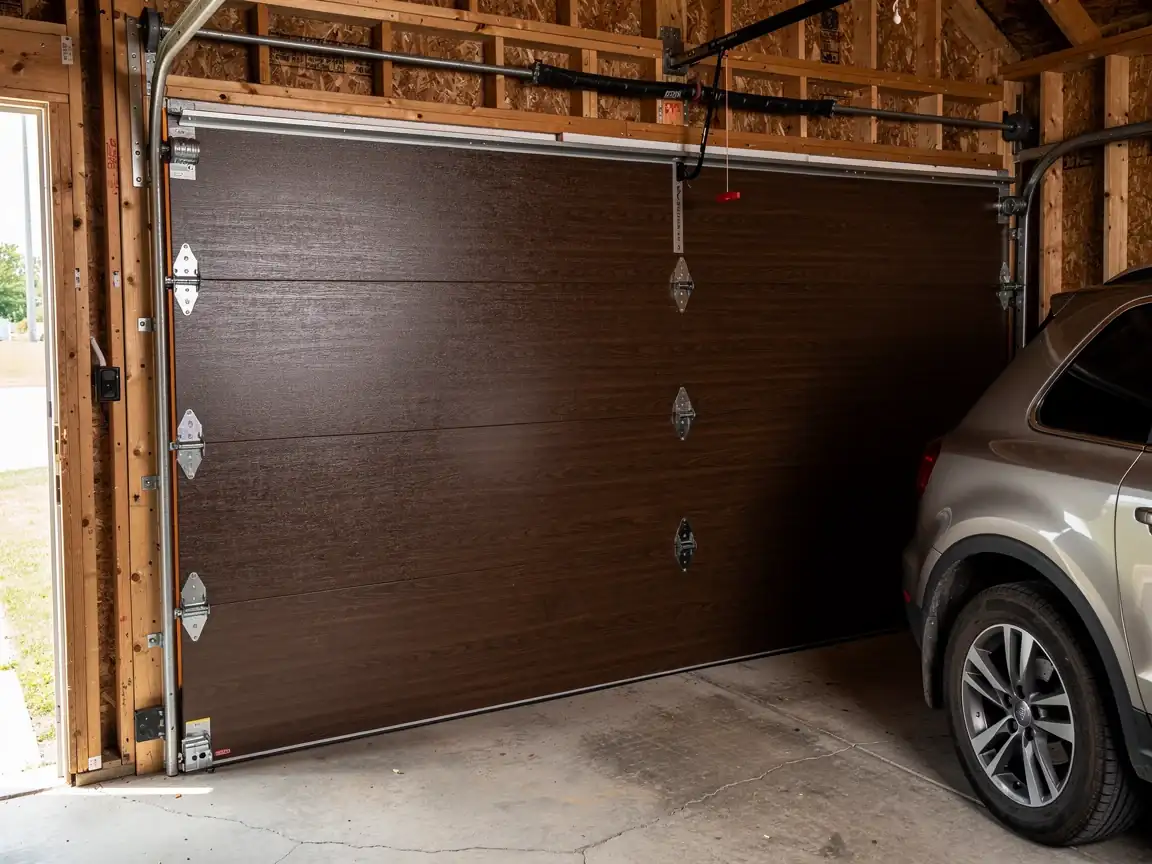
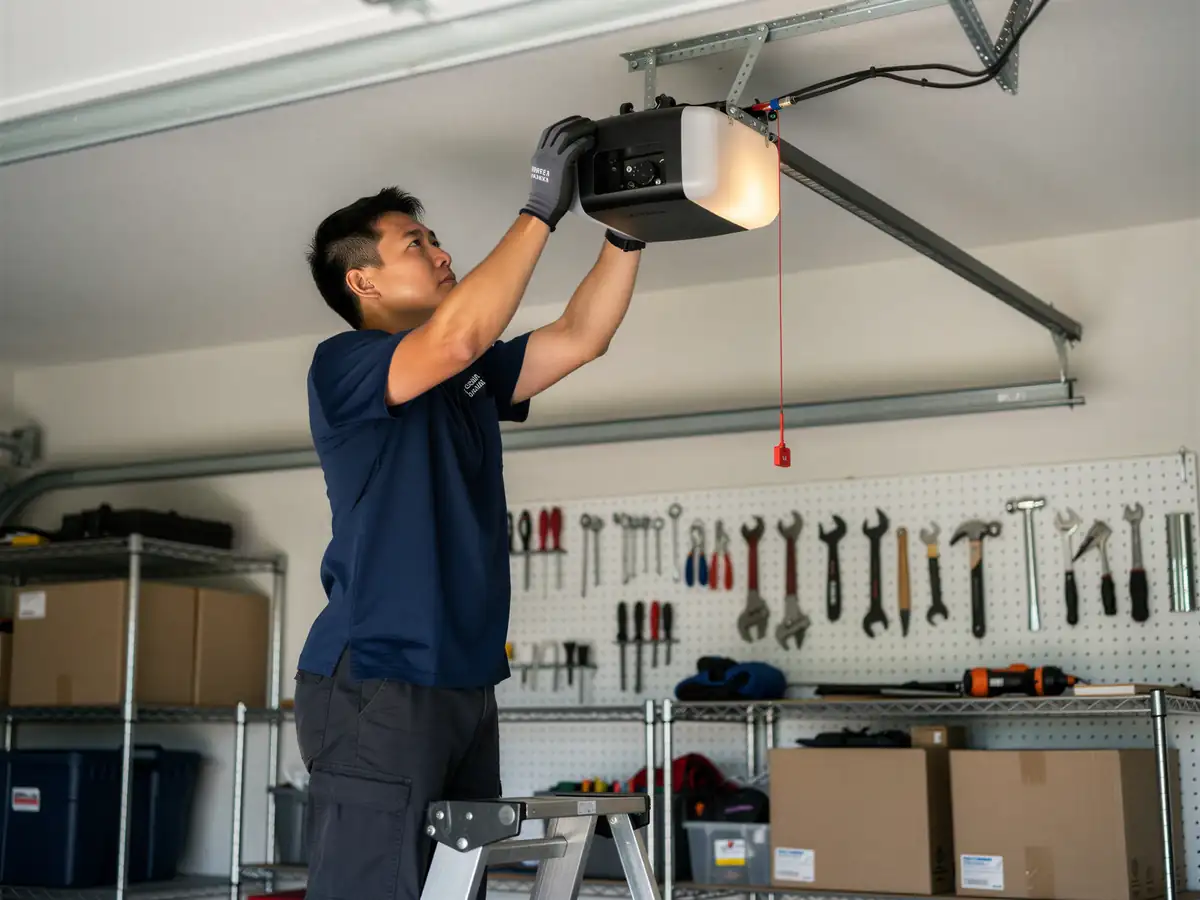
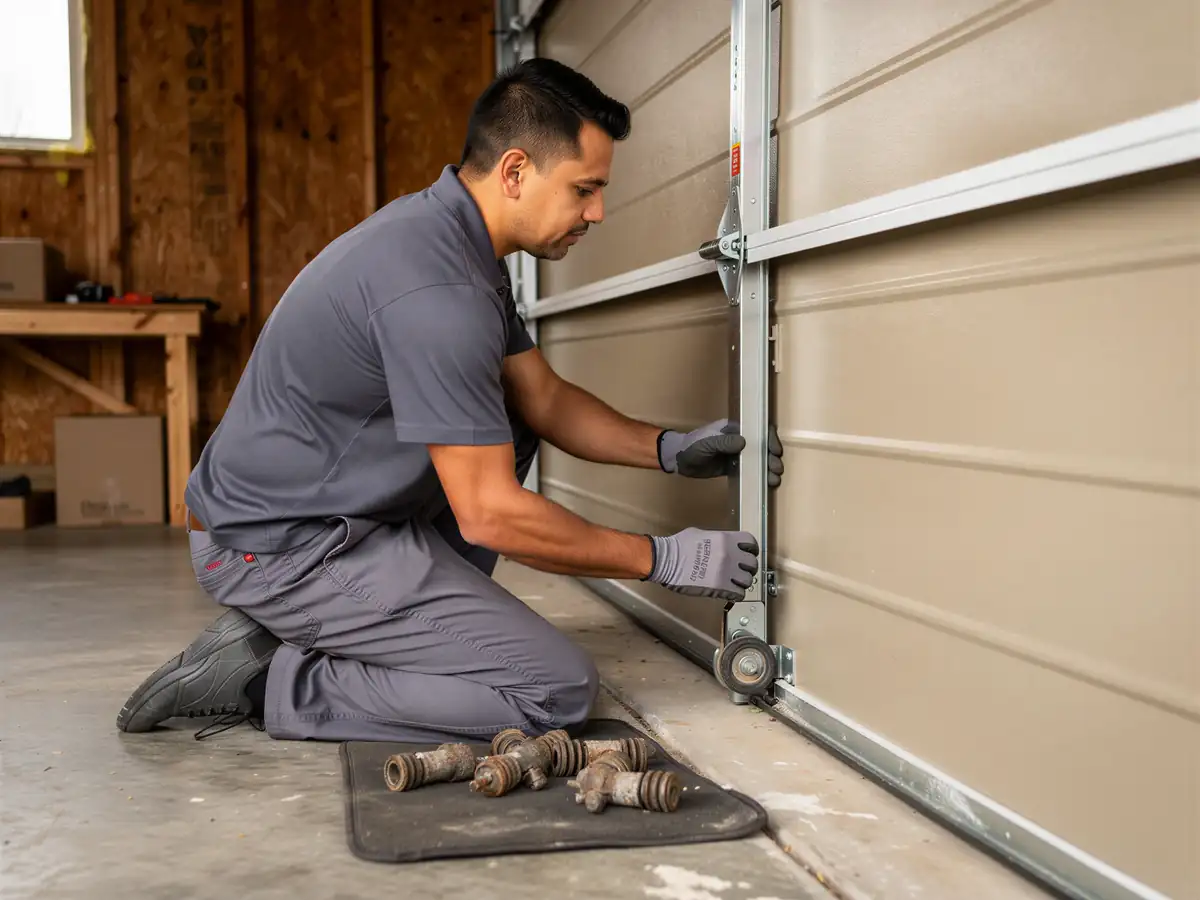
A standard torsion spring replacement is a same-visit job - we match the spring to your door's weight and the drum size on your shaft, not just swap in whatever's close. If your door only has one spring and it's an older system, we'll usually recommend upgrading to a two-spring setup so the door doesn't free-fall if a second spring ever fails. Cables, rollers, and end bearings often get replaced at the same time if they're original, since they wear on the same timeline as the spring and opening the system back up later costs more than doing it once. Where we draw the line: if the door panels themselves are rusted through or the track is bent beyond adjustment, patching the spring won't fix the real problem, and we'll tell you that instead of billing you twice.