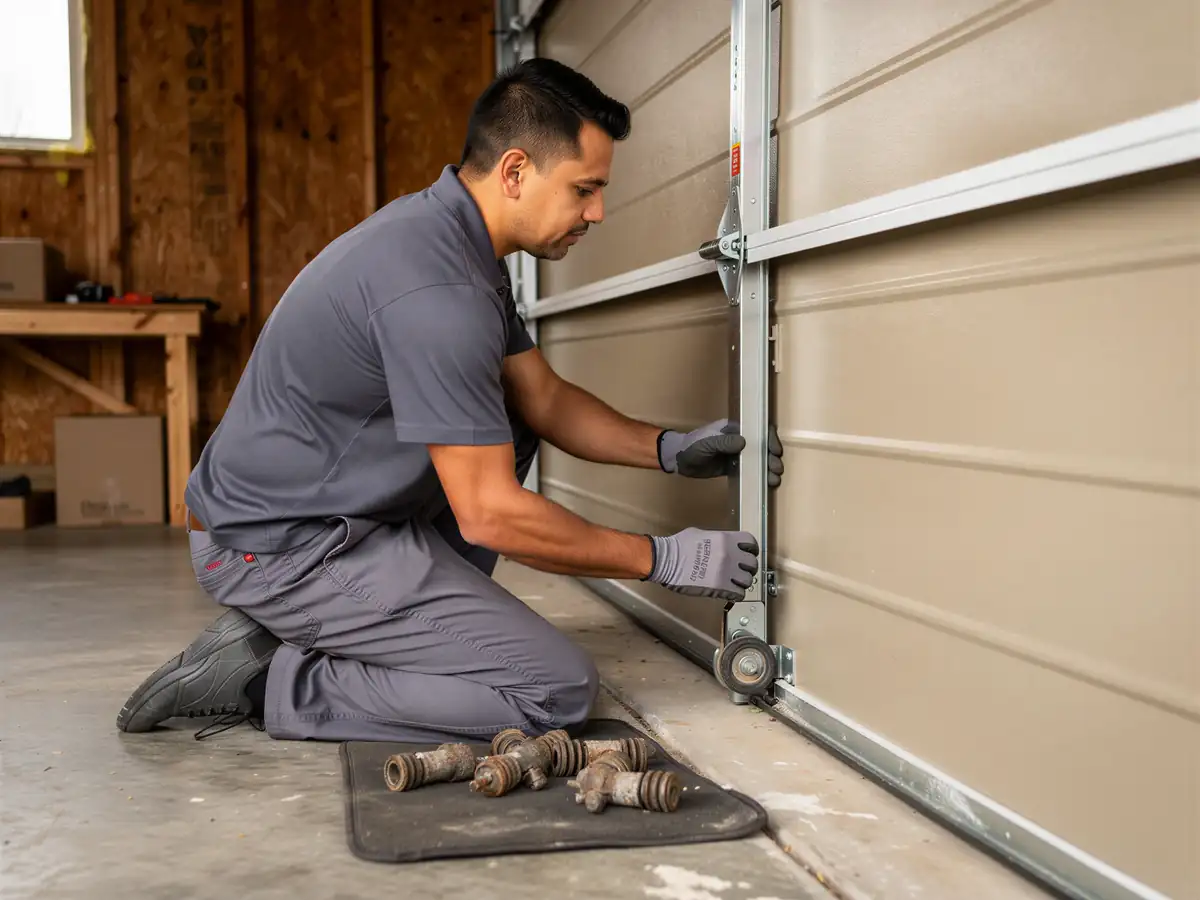
Doing It Yourself
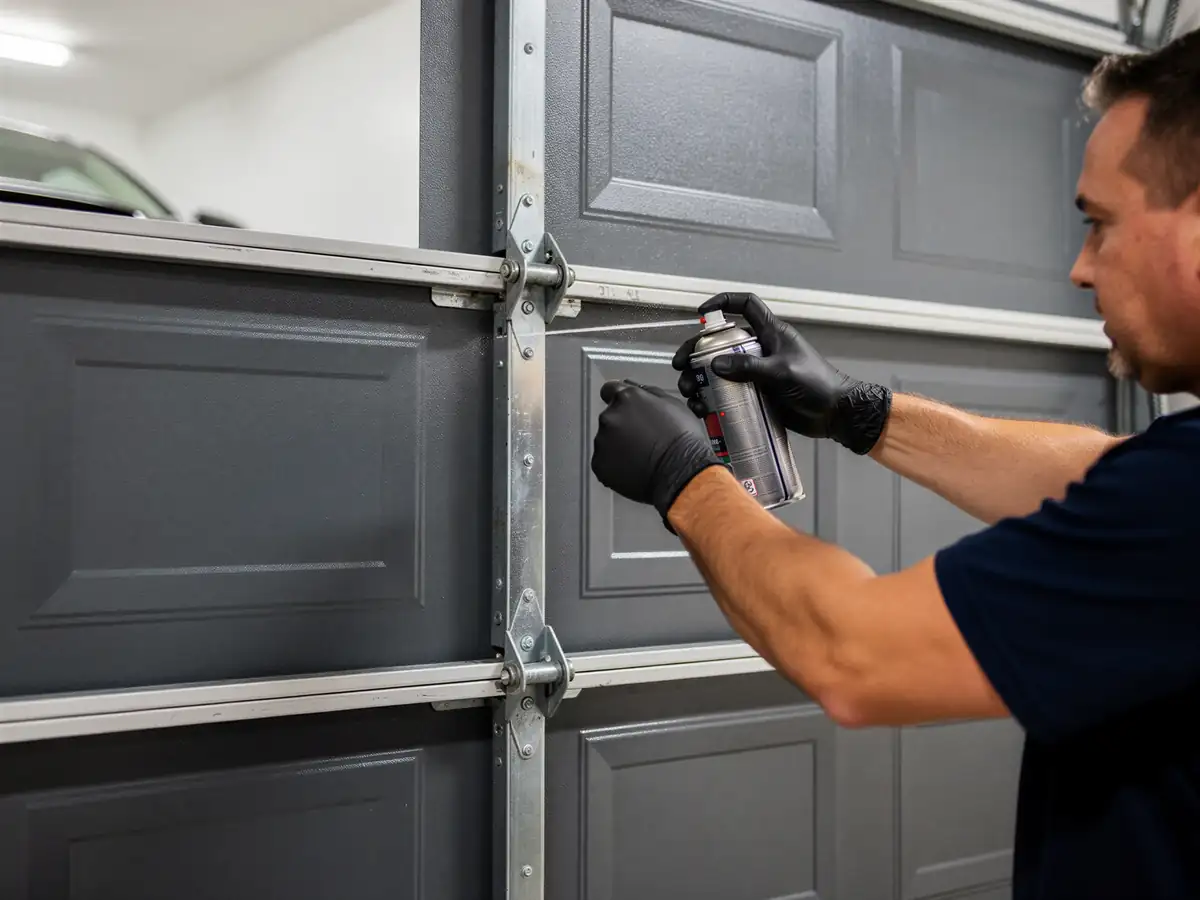
A little maintenance goes a long way with rollers, and most of it is safe to do yourself. Wipe down the track with a rag, check for chips or flat spots on the rollers, and run a light coat of white lithium grease on the roller stems and bearings a couple times a year. If a roller is cracked or the stem is bent, that's a sign it's near the end, not something grease will fix.
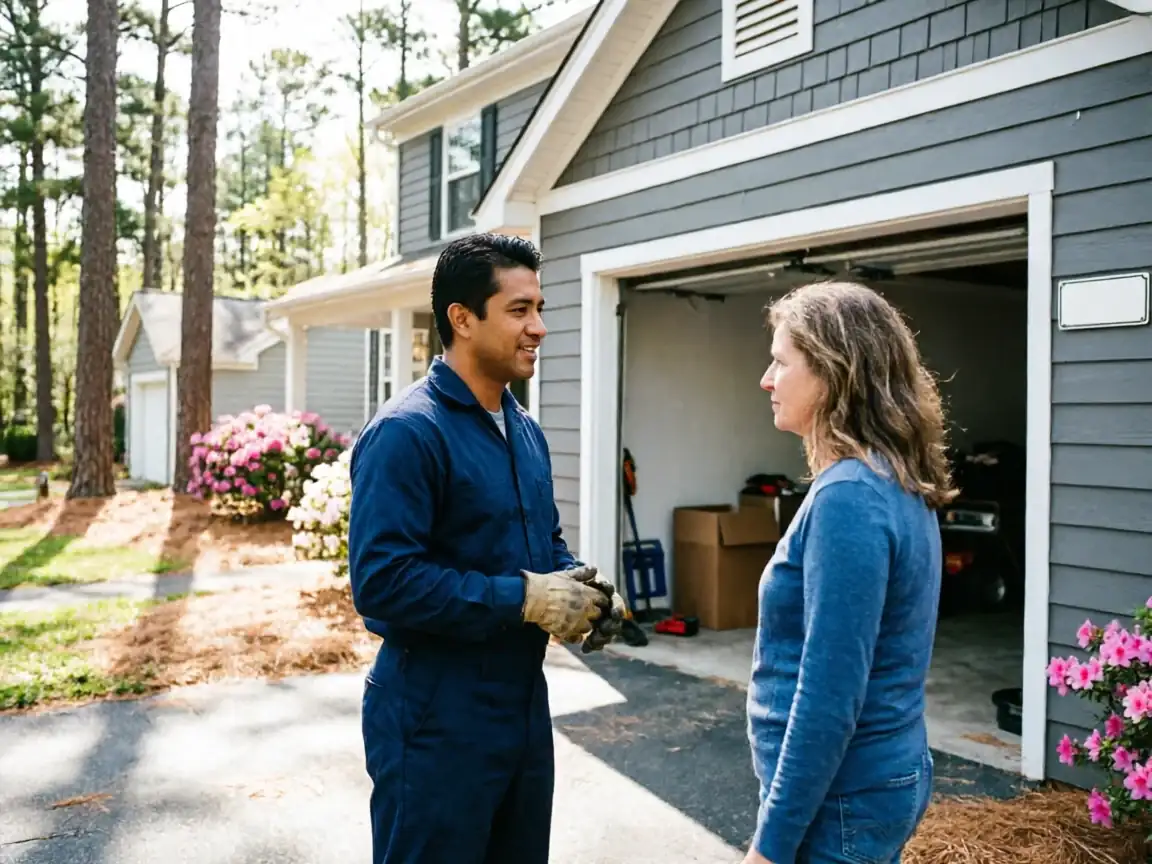
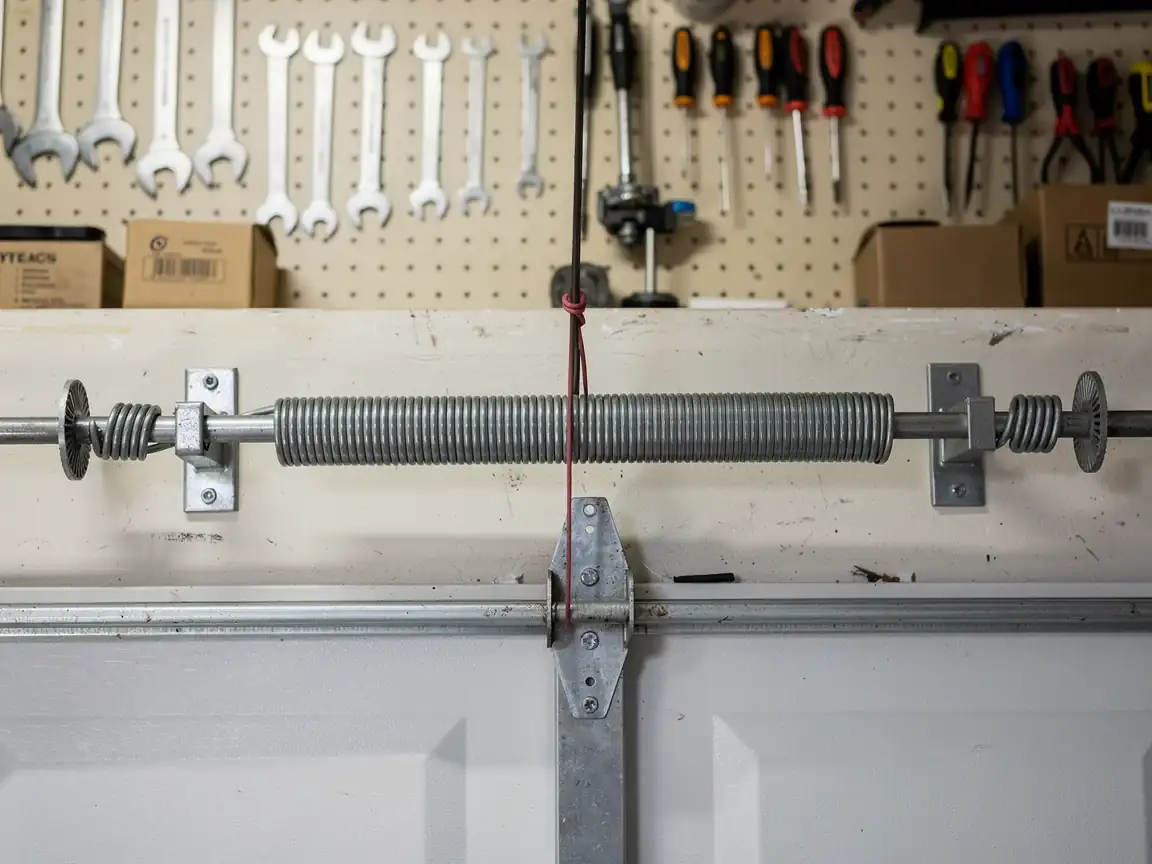
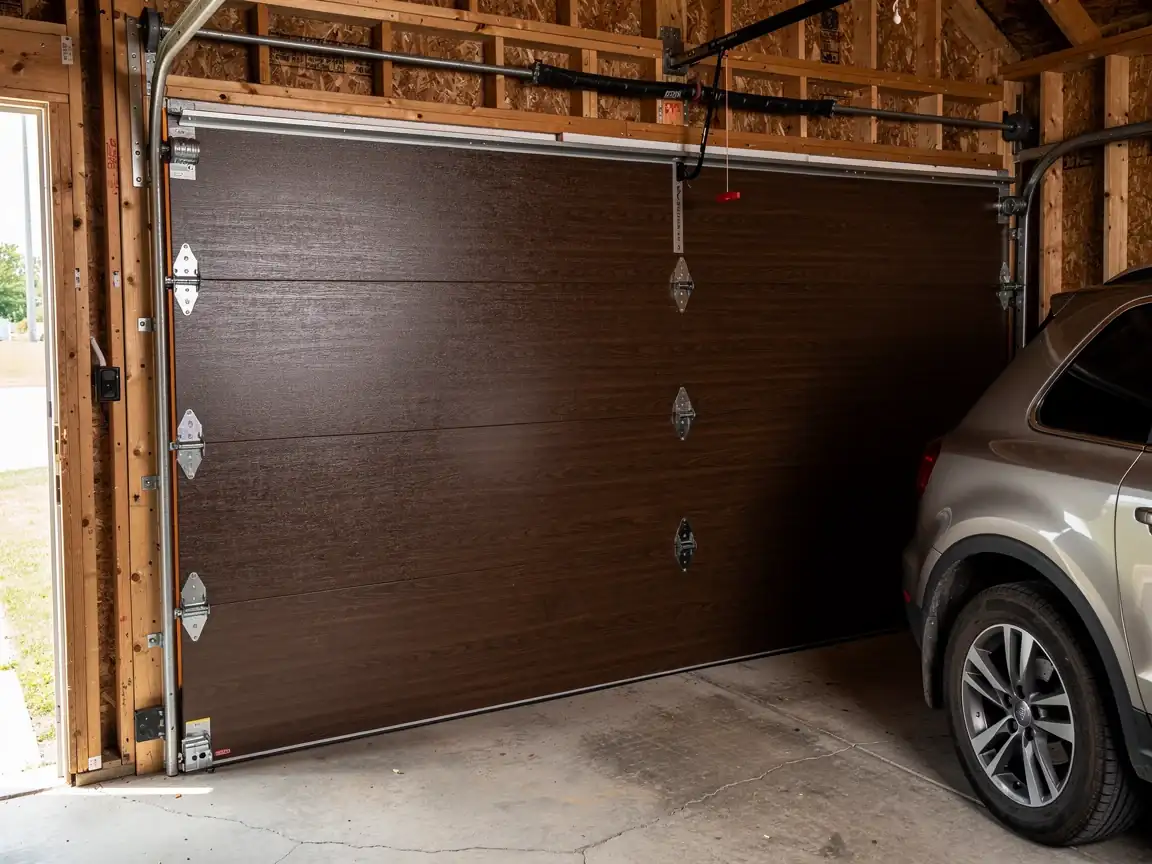
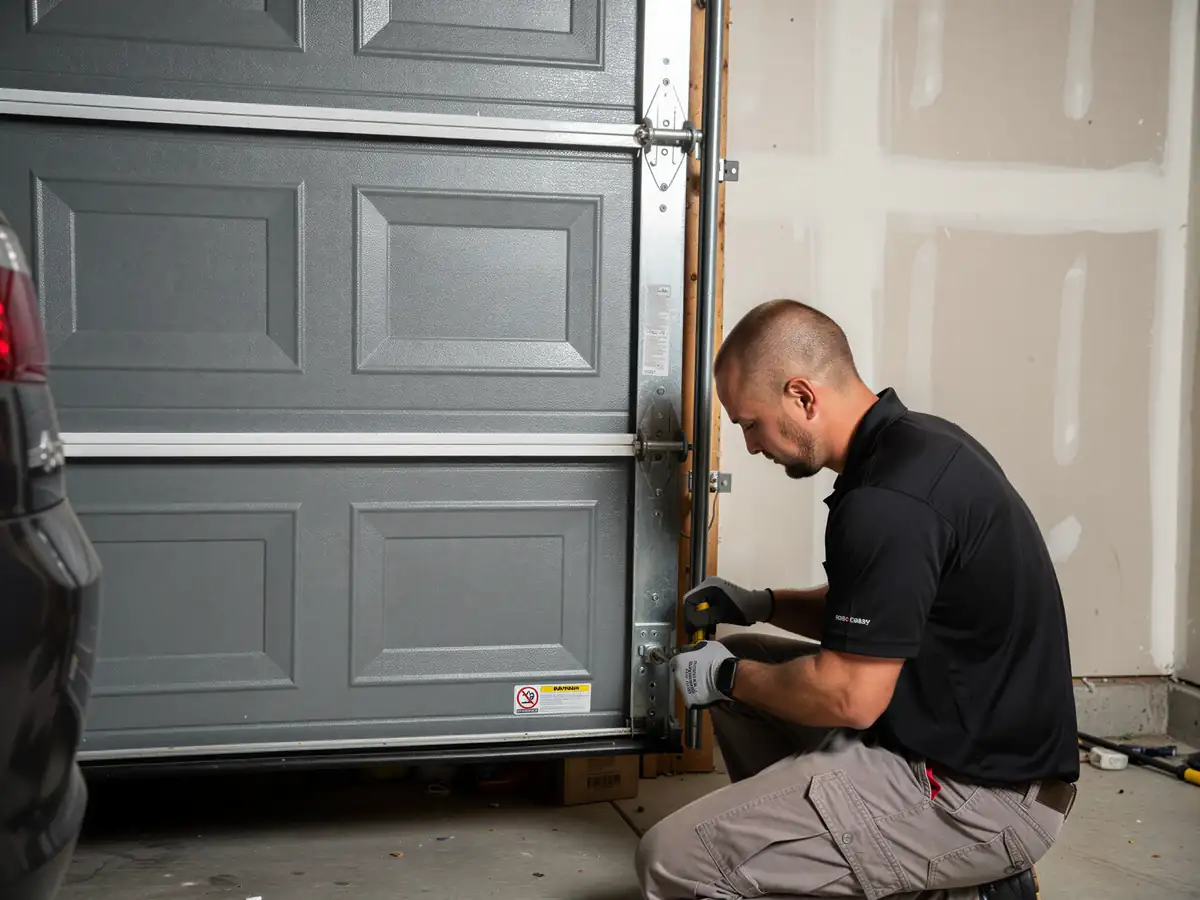
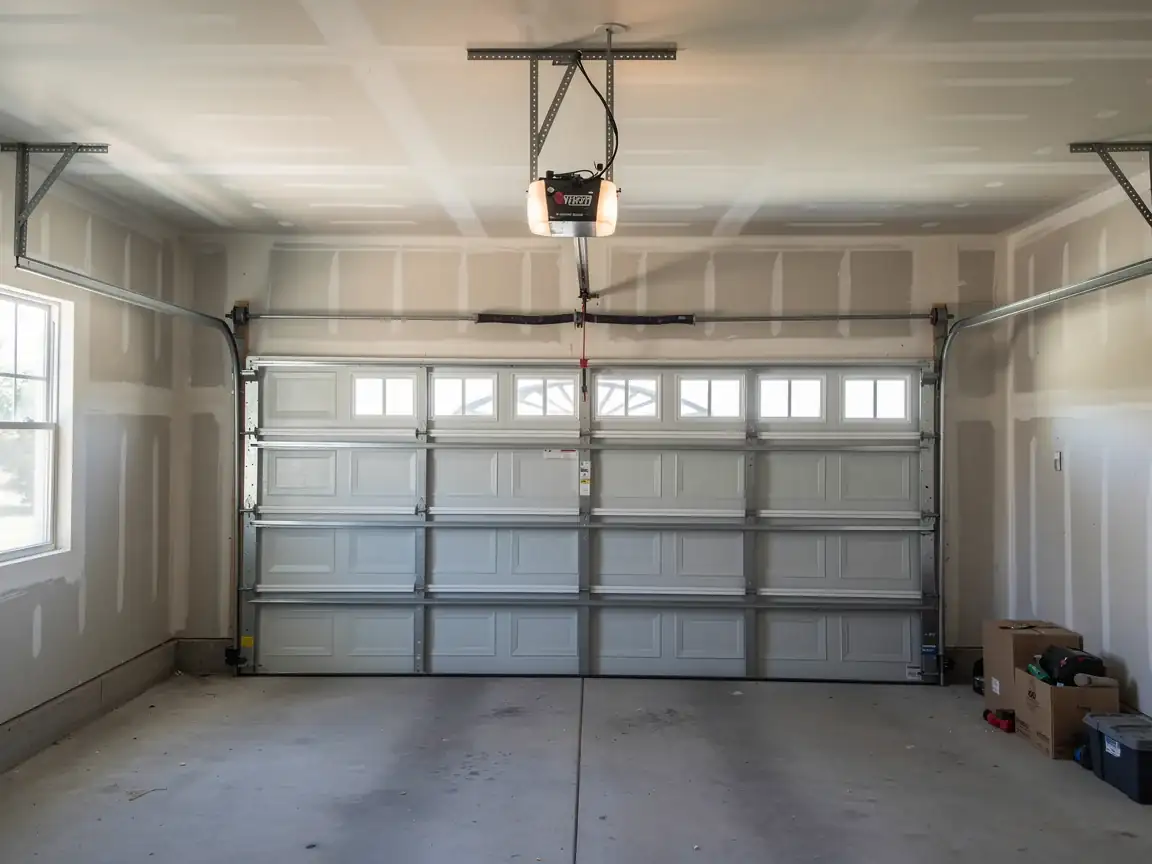
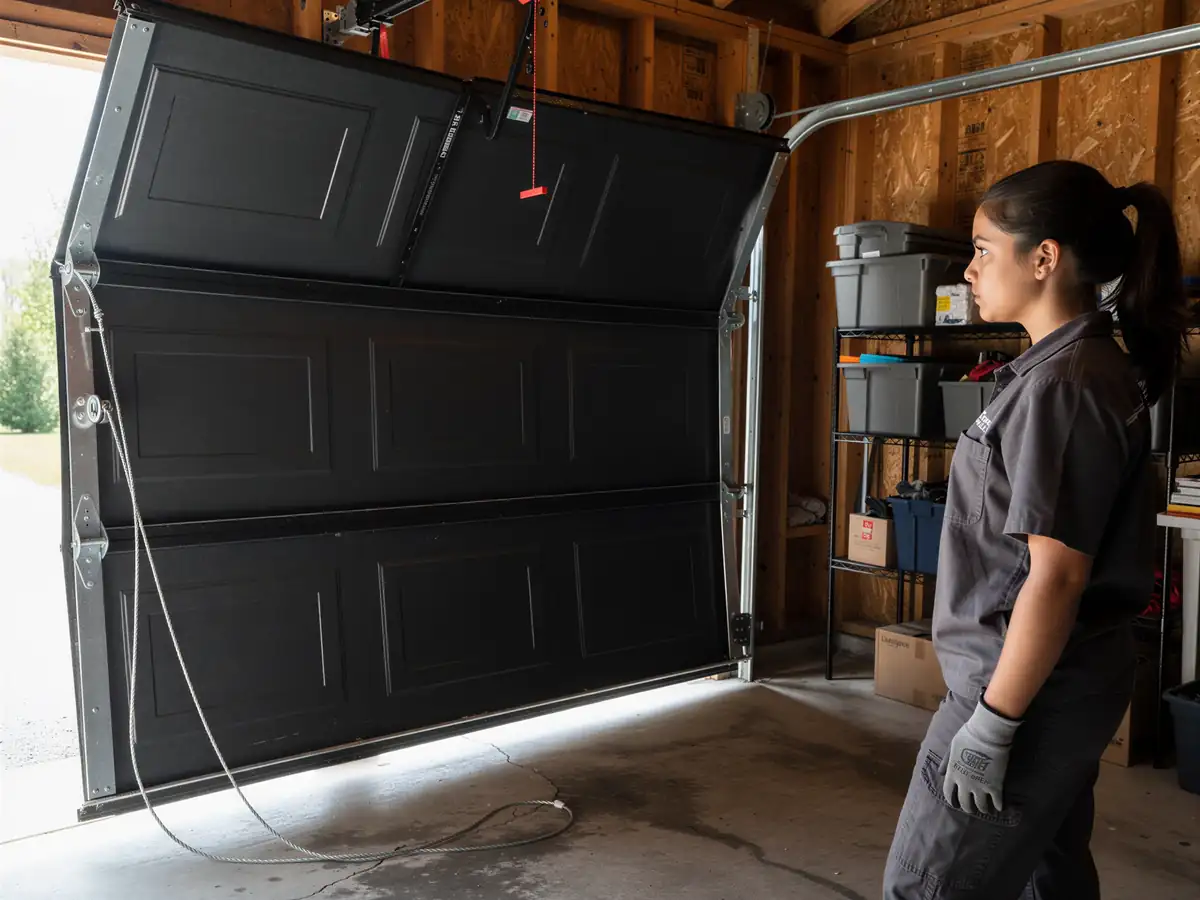
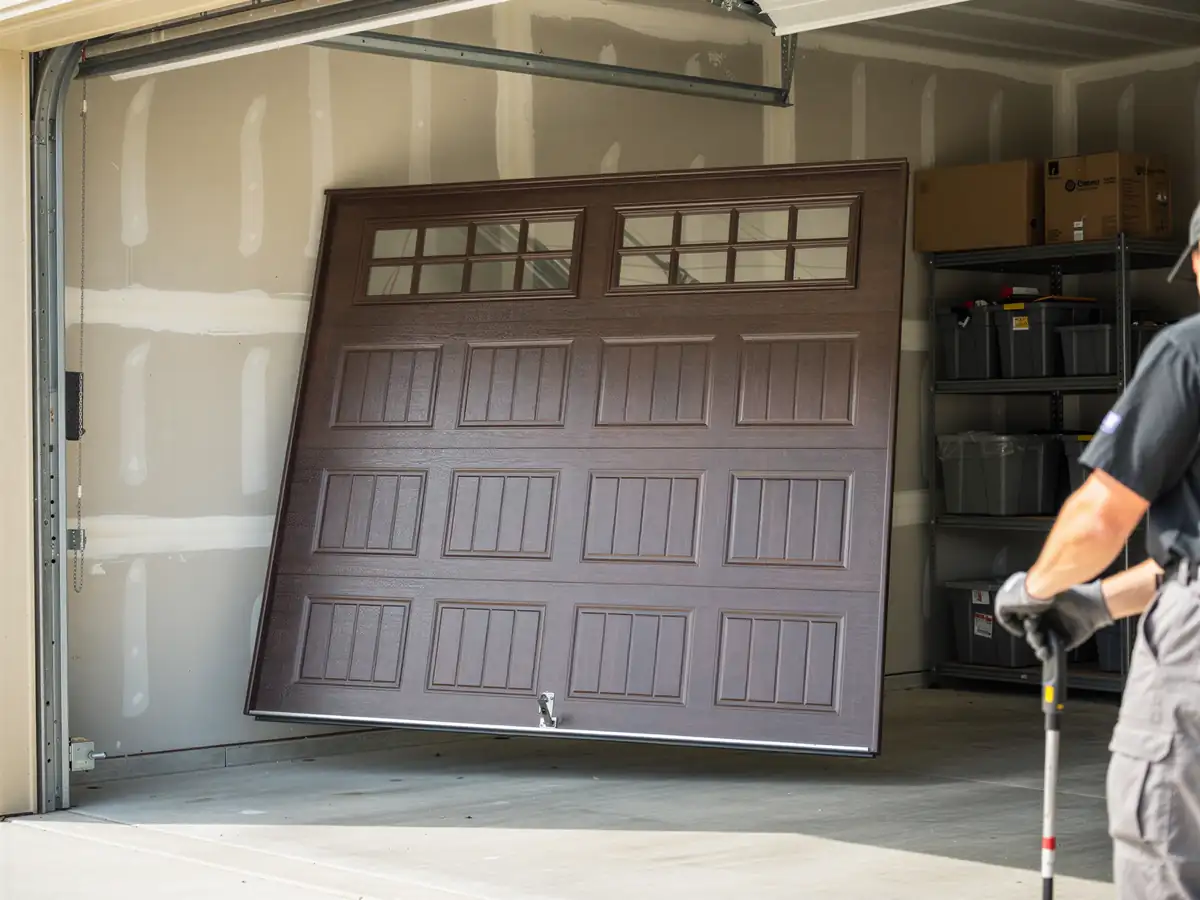
What you shouldn't do yourself is pull the door off track to swap rollers on a door with a wound torsion spring overhead. That spring holds real tension, and the bottom bracket on either side of the door is under cable load too. We cover homeowners from Radcliff and Vine Grove out to Fort Knox and West Point, and the calls we get after a DIY roller job gone wrong almost always involve someone working near that spring without knowing it was still loaded. If the door comes off track, is binding hard, or won't move at all, that's the point to stop and call.
What You Are Seeing
Roller trouble usually shows up as noise first: a grinding or rattling sound as the door travels, worse at the top or bottom of the run where the curve in the track puts more side load on the roller. Some owners notice the door catching or hesitating partway through its travel, or jumping slightly at one spot every time.
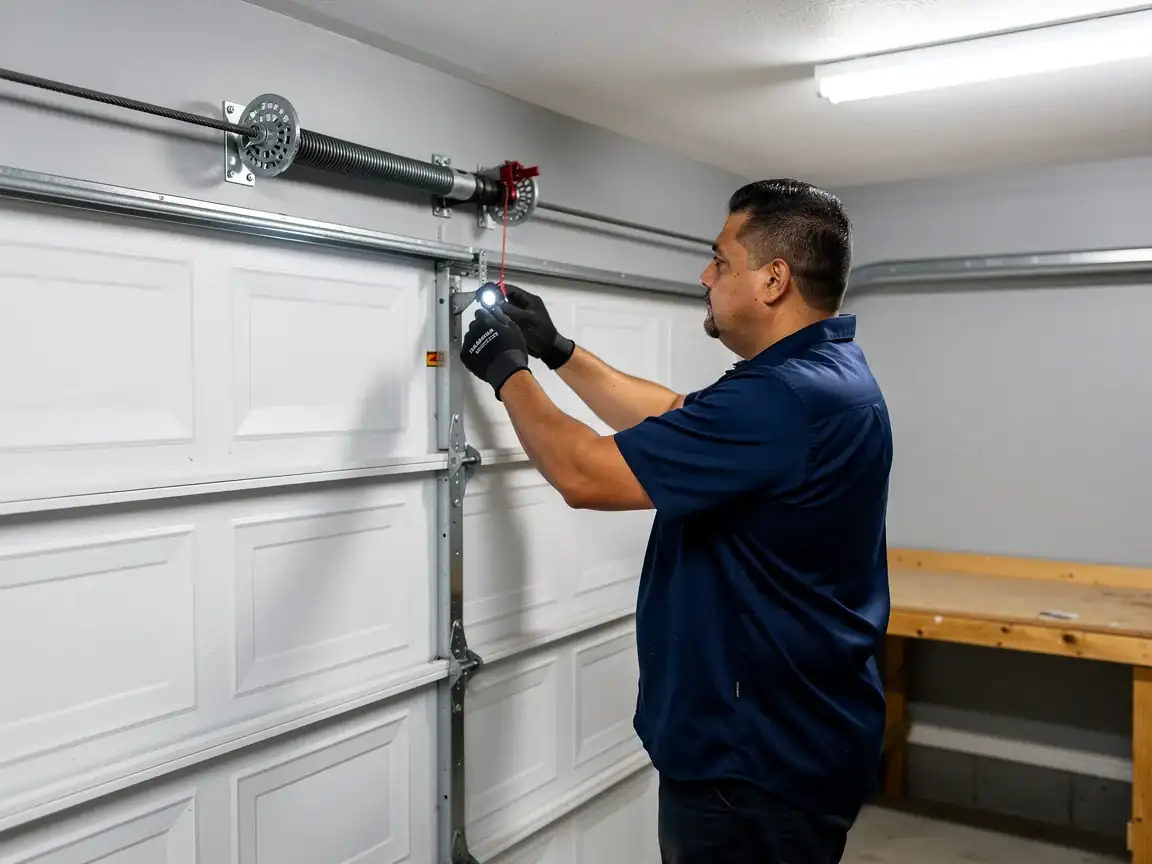
Look at the rollers themselves if you can get a flashlight on them. Worn ones look shiny and grooved where the wheel has flattened on one side, or the nylon has split and is shedding small plastic chips near the track. Steel rollers on older doors show pitting and rust rather than cracking. If one side of the door travels rougher than the other, it's often because the rollers on that side are more worn, not because the opener is failing.
What Causes It Around Here
Housing across Elizabethtown and the surrounding service area was built mostly between 1957 and 2001
With the bulk of it going up in the 1960s and 70s across the eight areas we cover. That means a lot of garage doors out there are still running the original steel rollers and steel track that came with the house, and steel-on-steel wears a lot faster than sealed nylon.
The climate plays into it too
This area sits in a cold-moderate band, so grease inside the roller bearing thickens in winter and the bearing stiffens, then loosens and runs thin again in summer heat. That freeze-thaw cycle on the grease, repeated every year since a house was built, is what eventually cracks nylon rollers and pits steel ones. It's a slower failure than a snapped spring, which is why a lot of owners live with the grinding noise for months before calling.
What the Repair Takes
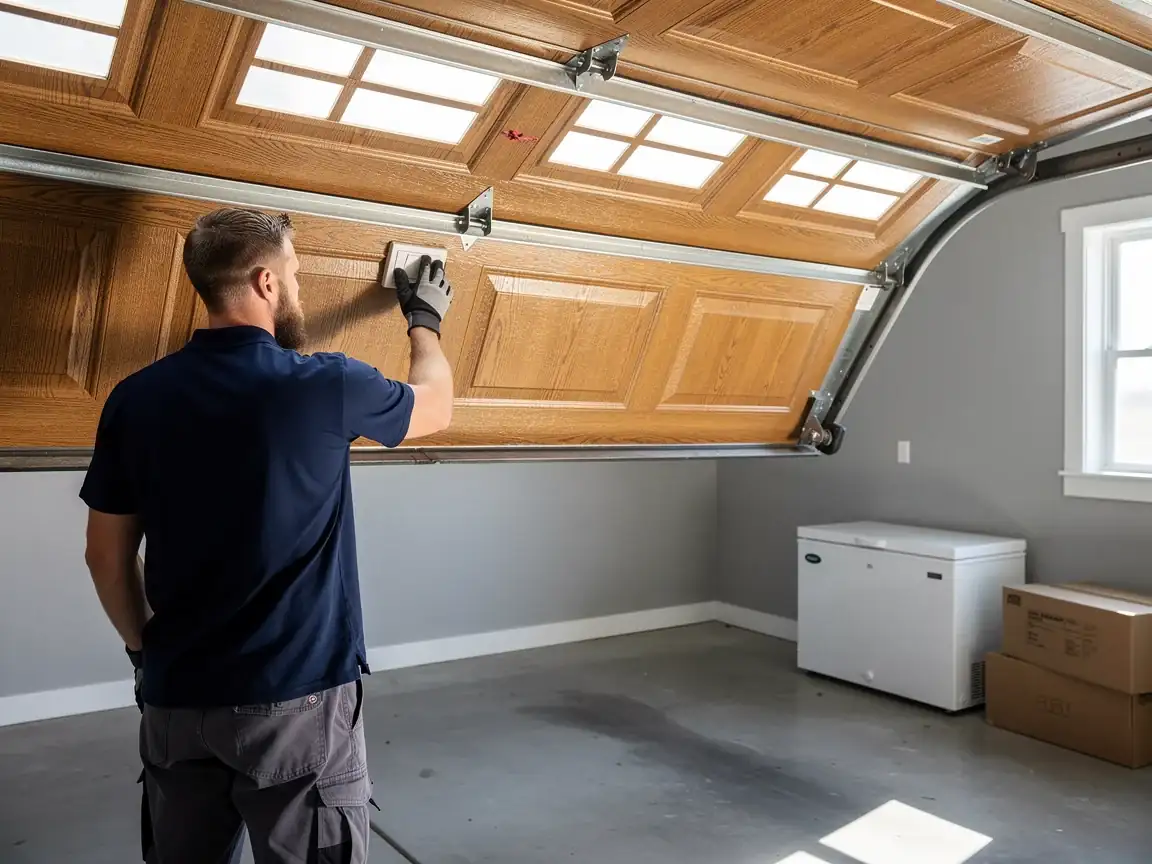
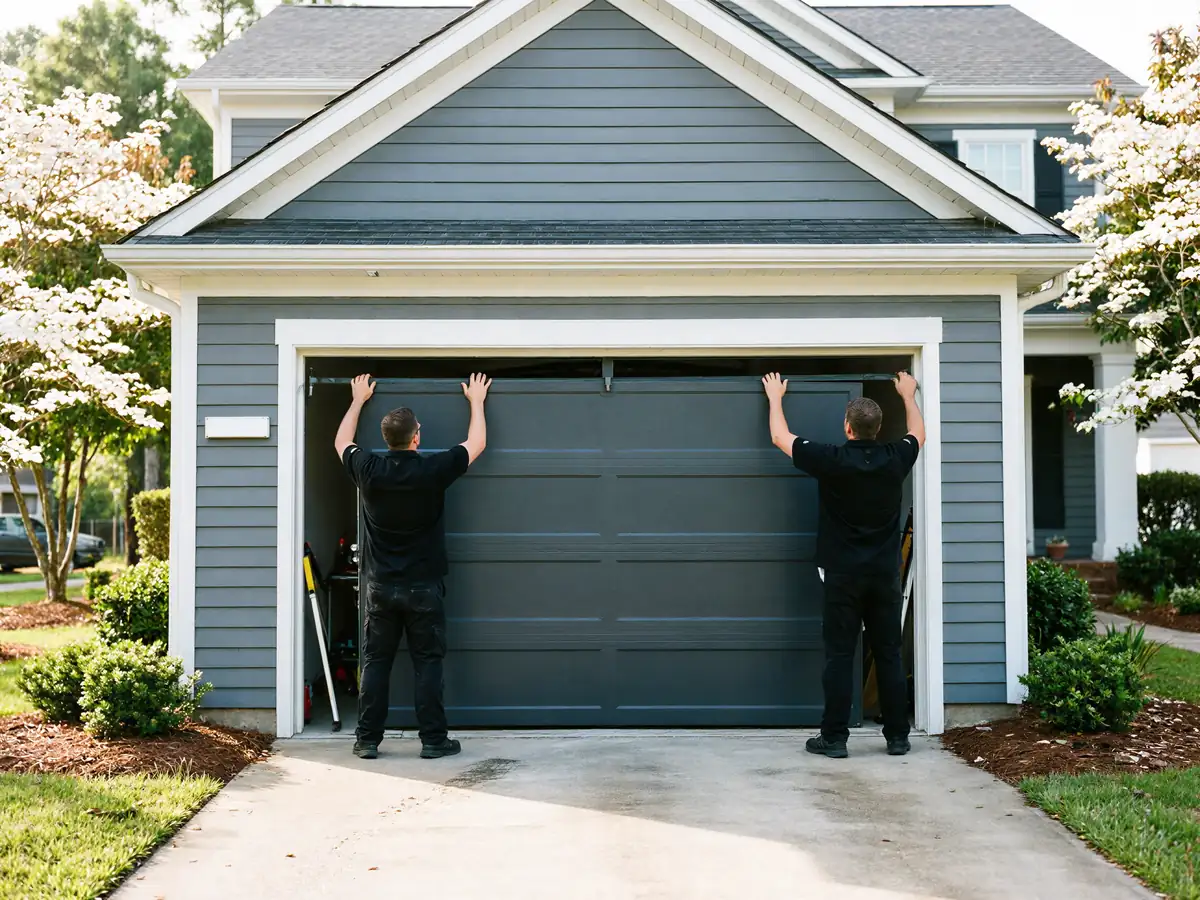
A roller replacement job means pulling the old rollers out of the hinges and bottom brackets one at a time, usually with the door supported so the track doesn't shift, and setting new ones in. On most doors built in that 1960s-70s stretch, that's ten rollers across the panels. We typically move a door from steel rollers to sealed nylon rollers, since sealed nylon doesn't need the same grease cycle and holds up better through the seasonal temperature swings here.
While the door's apart, we check track alignment, since rollers that wore unevenly often did so because the track had drifted out of plumb. Realigning the track at the same time is part of doing the job right, not an upsell. With a median household income of $55,375 across this service area, most owners are better served replacing the full set at once rather than paying a separate trip charge every time one more roller fails.