Doing It Yourself
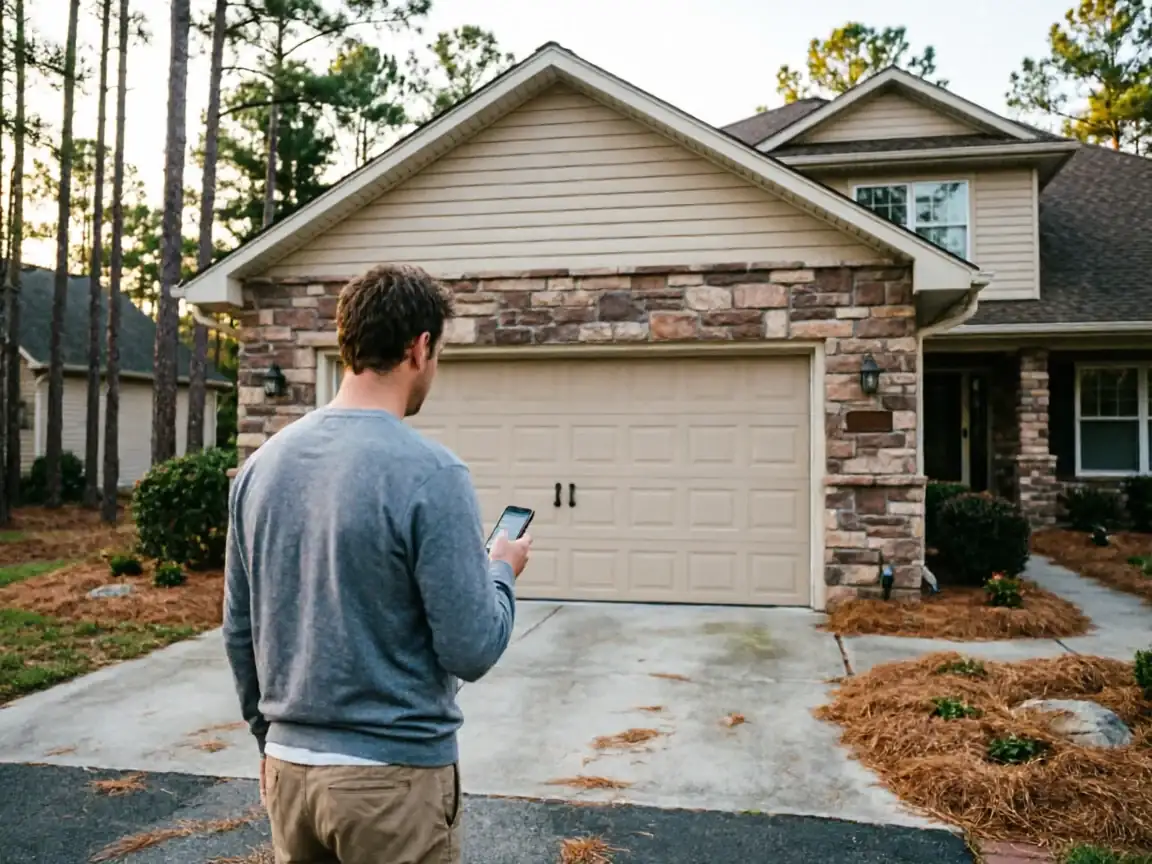
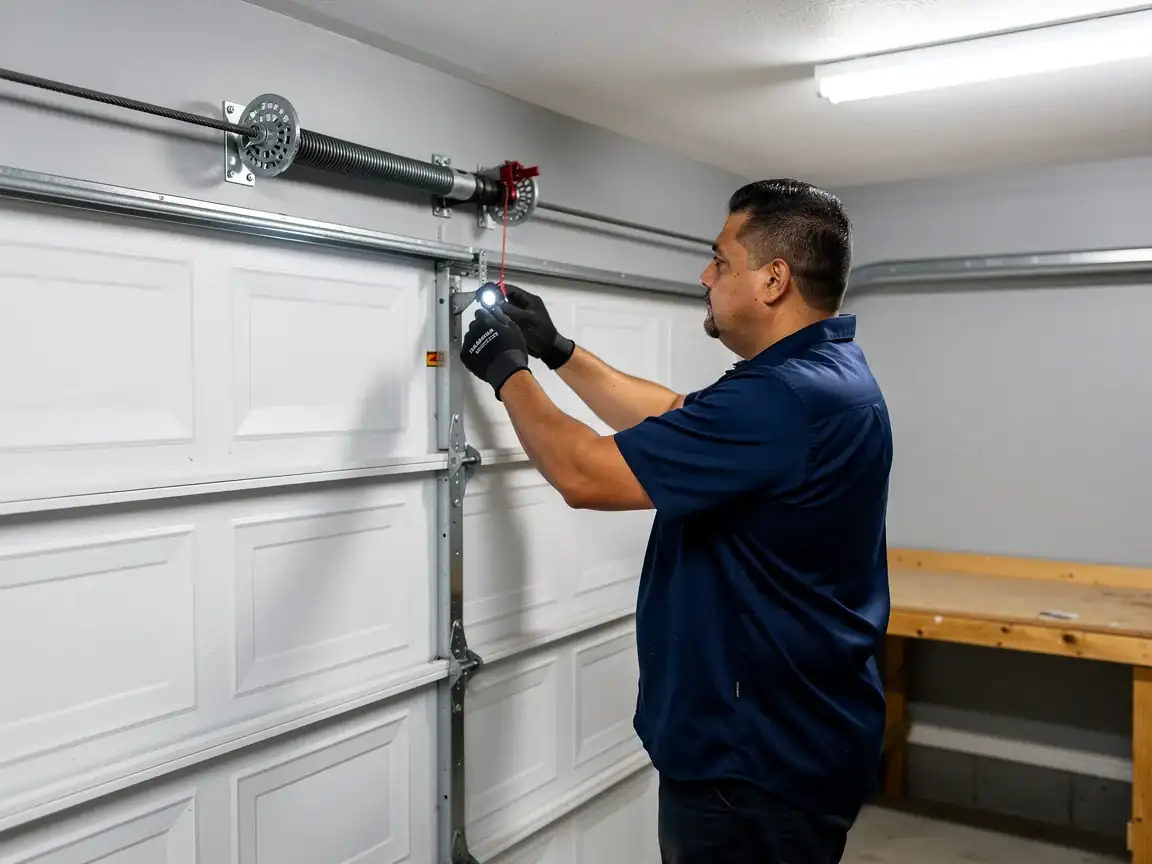
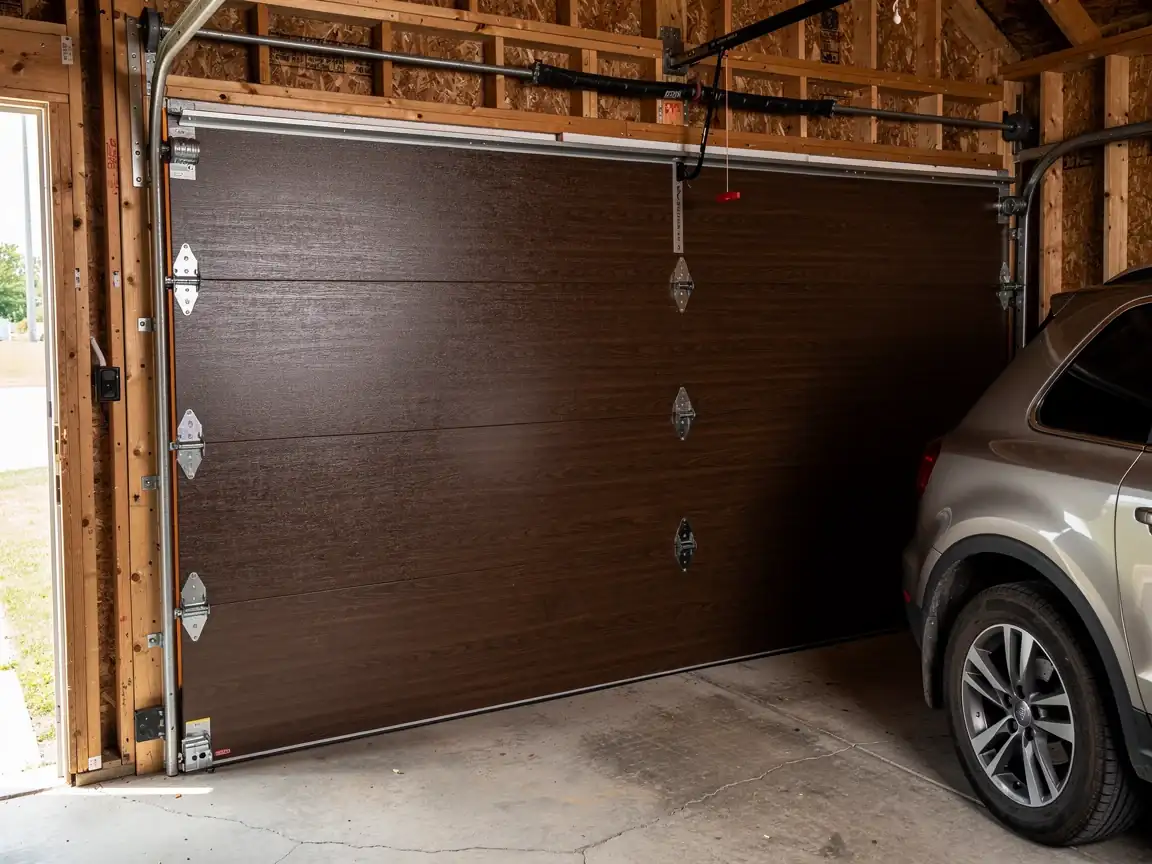
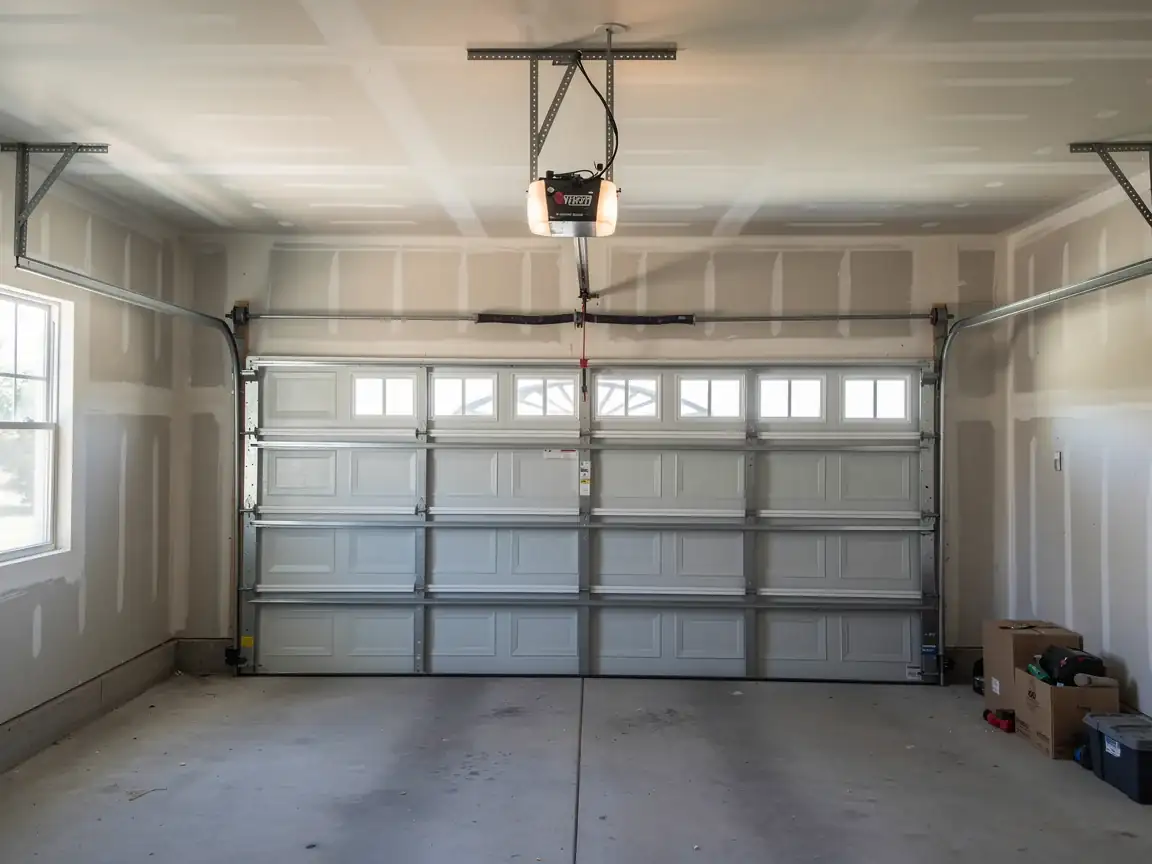
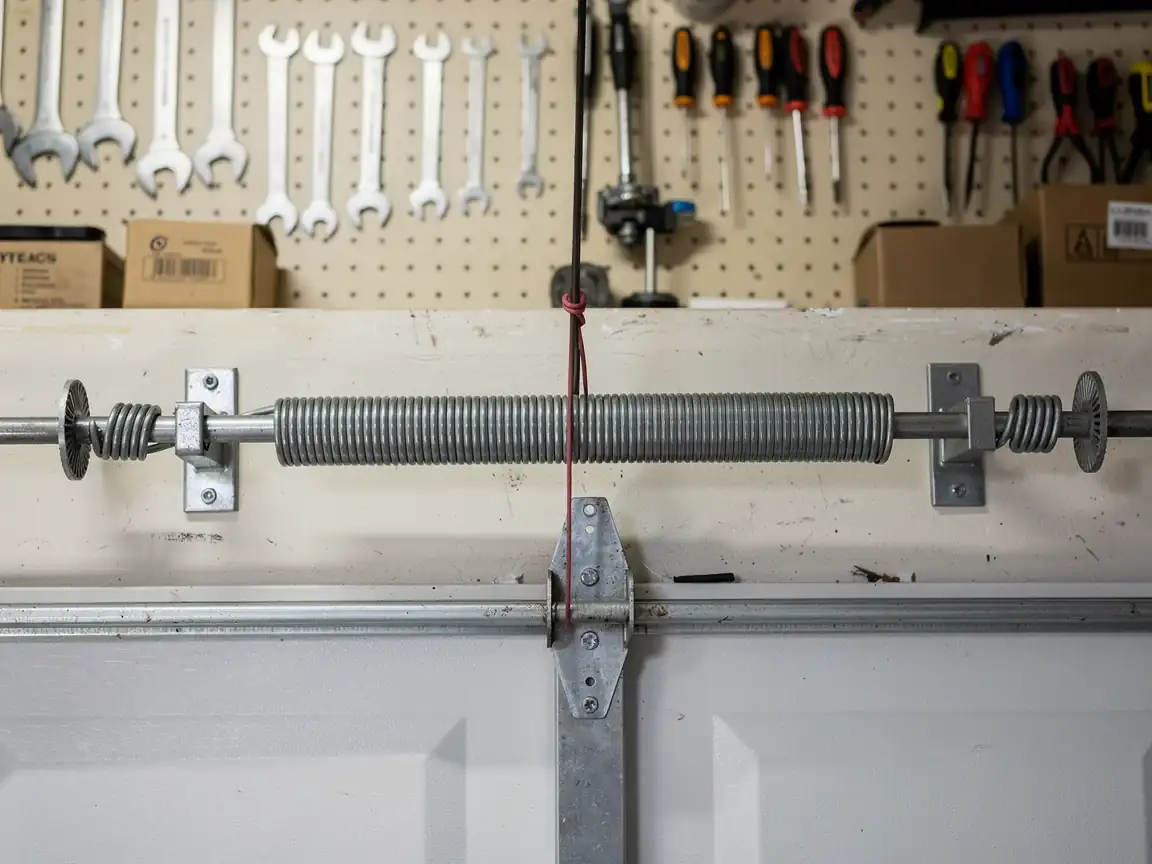
A torsion spring sits above the door under more tension than most people expect, and it's the one part of a garage door job we tell homeowners to leave alone. Loosening the winding cone on a spring that's holding back 150 to 300 pounds of door weight has put people in the ER, and we're not going to walk you through it here. What you can do yourself: check whether the door is lifting unevenly, listen for a loud bang (that's usually the spring snapping, not the opener), and look at the spring itself for a visible gap in the coil. If you see a gap, stop opening the door by the opener - the opener isn't built to lift the door's full weight and will burn out trying. We've also seen folks disconnect the opener and try to lift the door by hand to 'test' it, which is fine as a diagnostic step but tells you nothing about which spring is bad if you've got a two-spring torsion bar, which most doors around here do. Call it in at that point. There's no shame in it - this is one of the few repairs where the tool you're missing isn't skill, it's a winding bar and someone who's done it enough times not to flinch.
What You Are Seeing
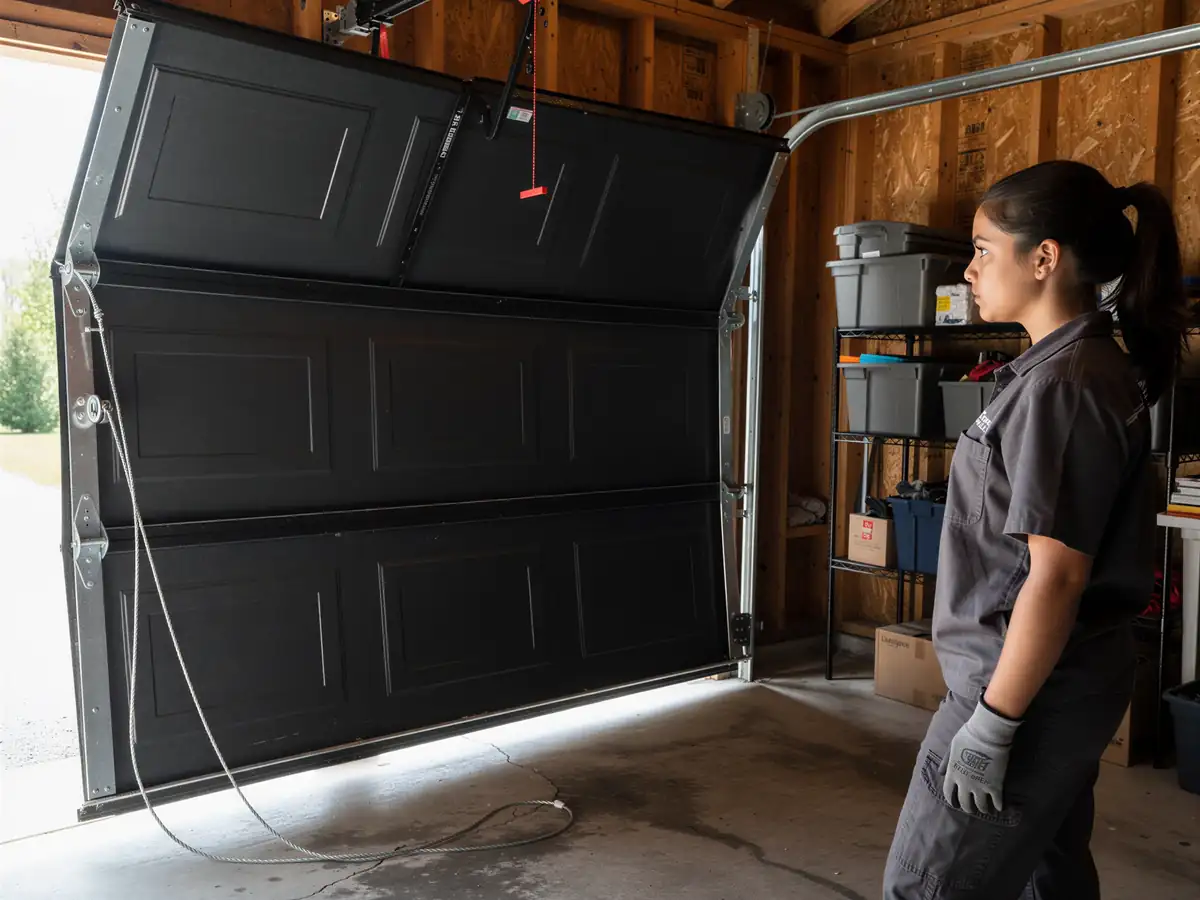
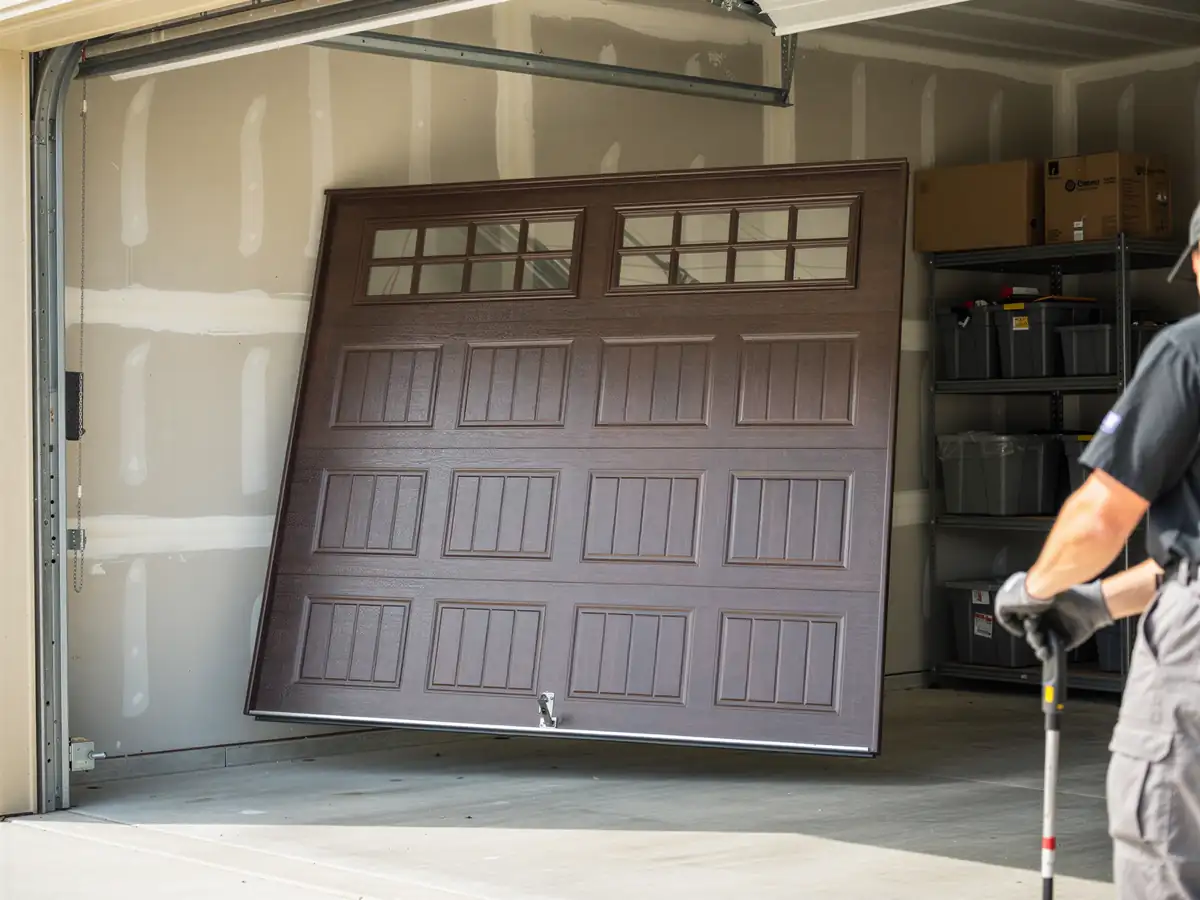
The door feels heavy the second the opener loses its grip - sometimes it won't lift past a foot or two before the opener motor strains and reverses. Other times the door comes down hard and fast instead of settling, because there's nothing left to control the descent. If you look up at the spring itself, a broken torsion spring usually shows a clean gap between two sections of coil, sometimes with the ends twisted apart. On older torsion setups in this area, you'll also see rust at the coil before it ever breaks - a sign the spring has been working harder than it should for a while. A less obvious sign: the door closes unevenly, one side dropping faster than the other, which usually means one spring on a two-spring bar has already gone while the other is still holding. None of these are opener problems even though the opener is what people blame first. The opener's job is to move a door that's already balanced by the springs. When a spring goes, the opener is working against gravity and nothing else, and it will tell you that pretty quickly by stalling, reversing, or just not moving the door at all.
What the Repair Takes
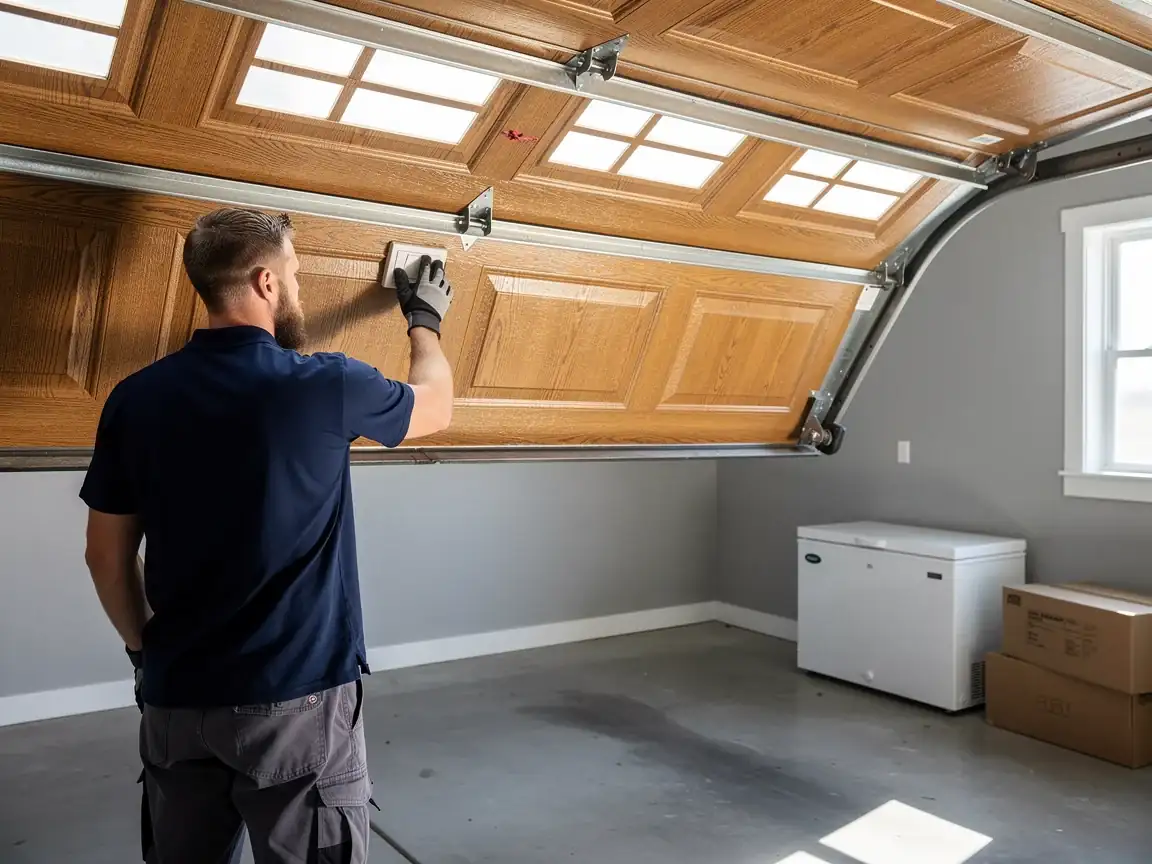
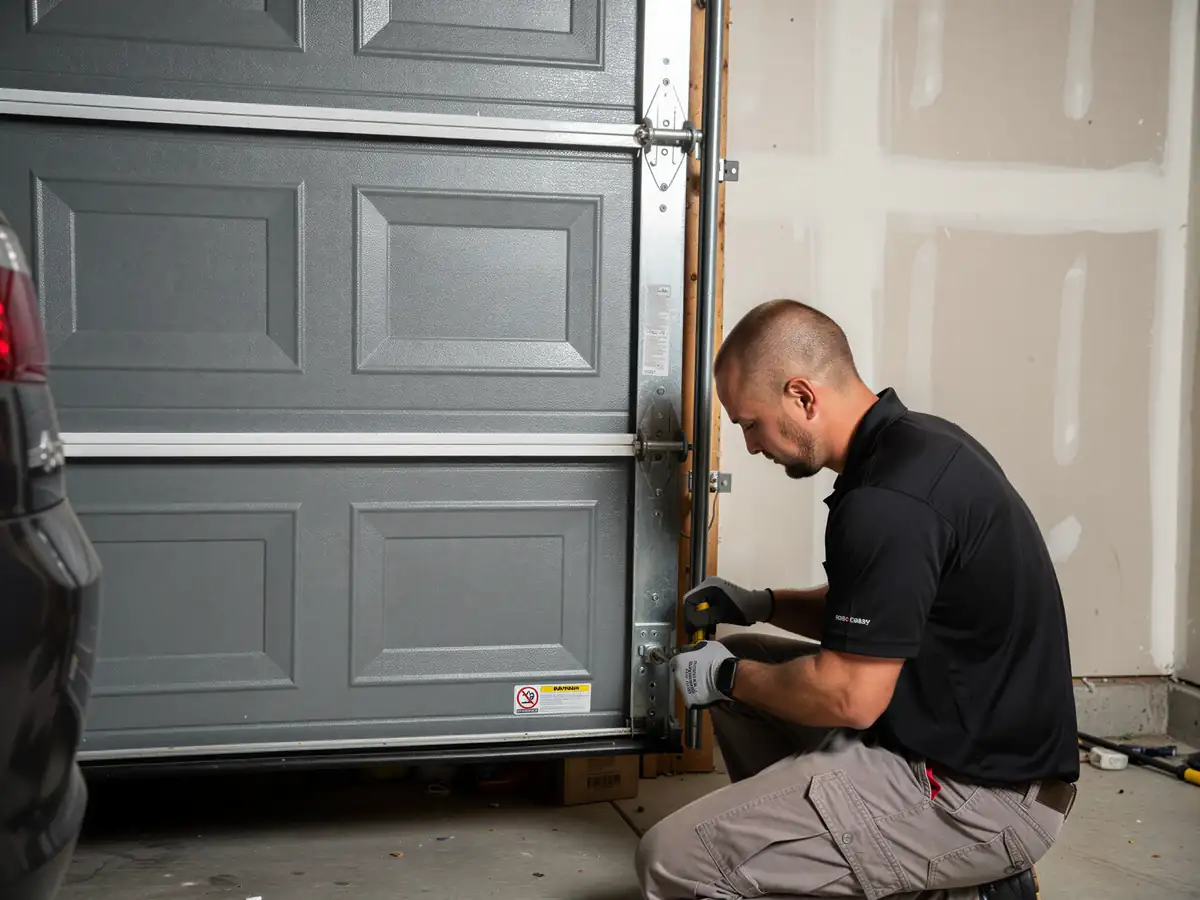
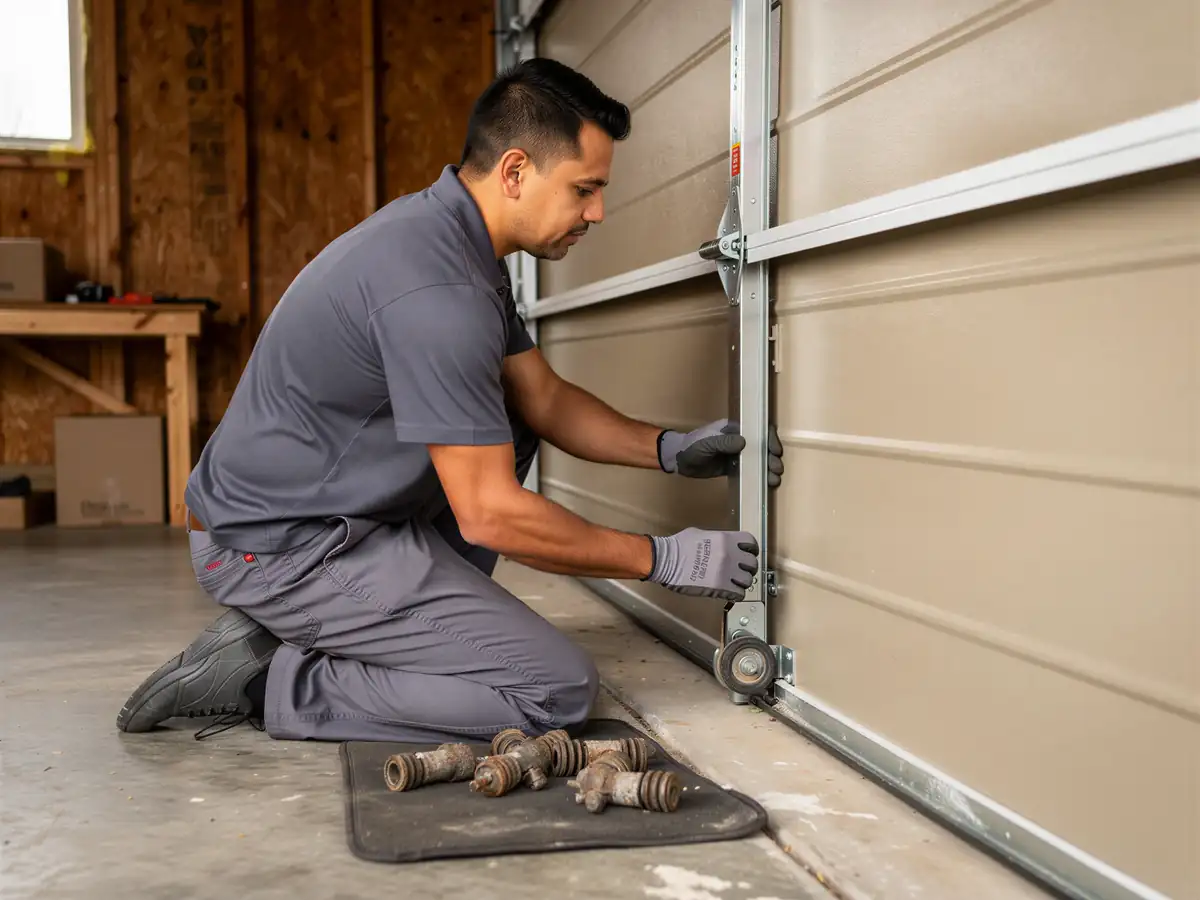
A spring replacement means removing the old spring from the torsion tube, matching the new spring's wire size and wind direction to the door's actual weight, and winding it back to the correct number of turns - get any one of those wrong and the door comes down crooked or lifts wrong a month later. On a two-spring door we replace both sides even if only one has broken, because the surviving spring is usually close behind it in age and cycle count. At a median household income of $55,375 for the area, most Elizabethtown owners choose spring replacement over a full door swap when the door panels themselves are still sound - replacement only makes sense when the track, hinges, or panels are failing alongside the spring. One honest limit: if your torsion bar or drum is the older style that's no longer made, matching parts can take longer than a same-day spring swap, and we'll tell you that up front rather than make the job look faster than it is.