Serving Elizabethtown, KY & nearby
(270) 203-4611
Elizabethtown, KY

What Cold Winters and Older Openers Mean for Elizabethtown Garage Doors

Power cuts and cold snaps hit older Elizabethtown garage door openers hard; see what 1960s-70s housing stock and local winters mean for repairs and cost.

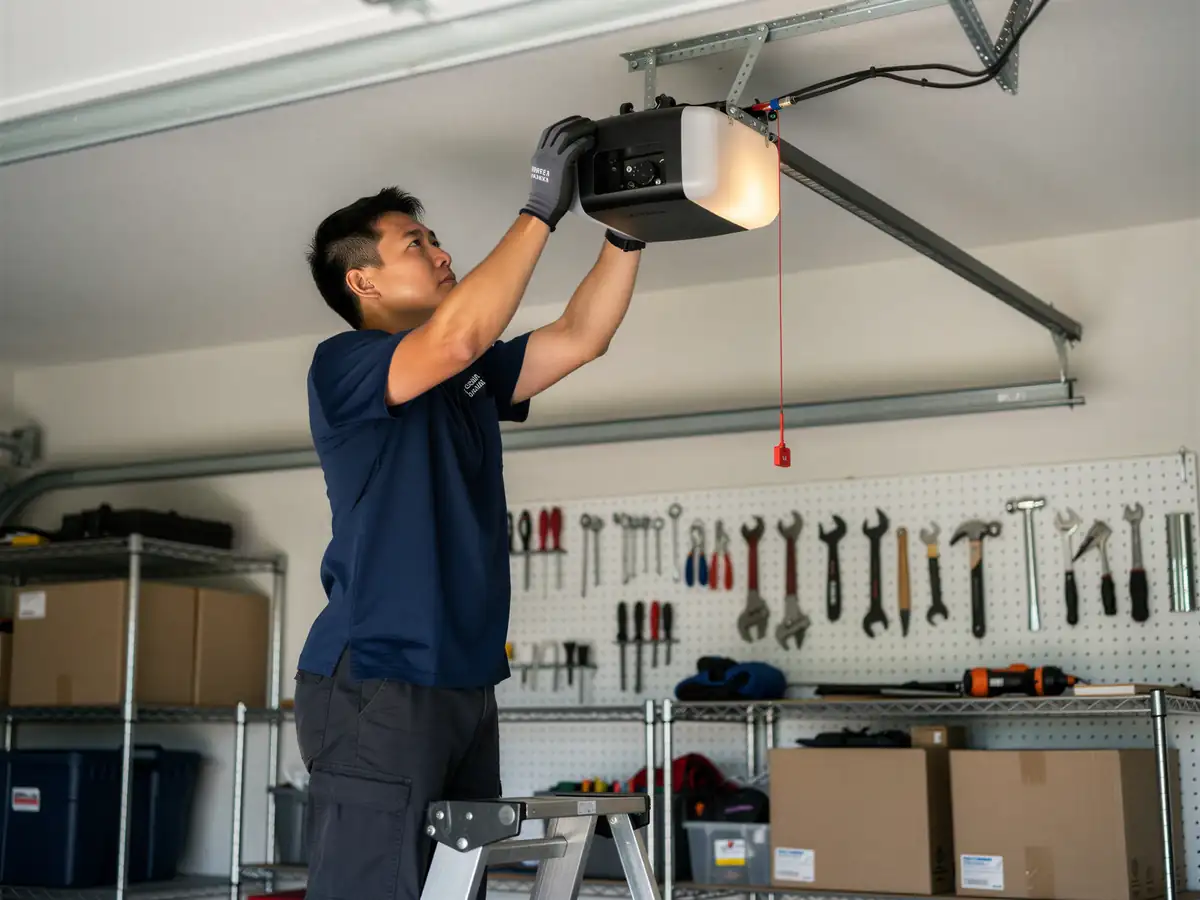
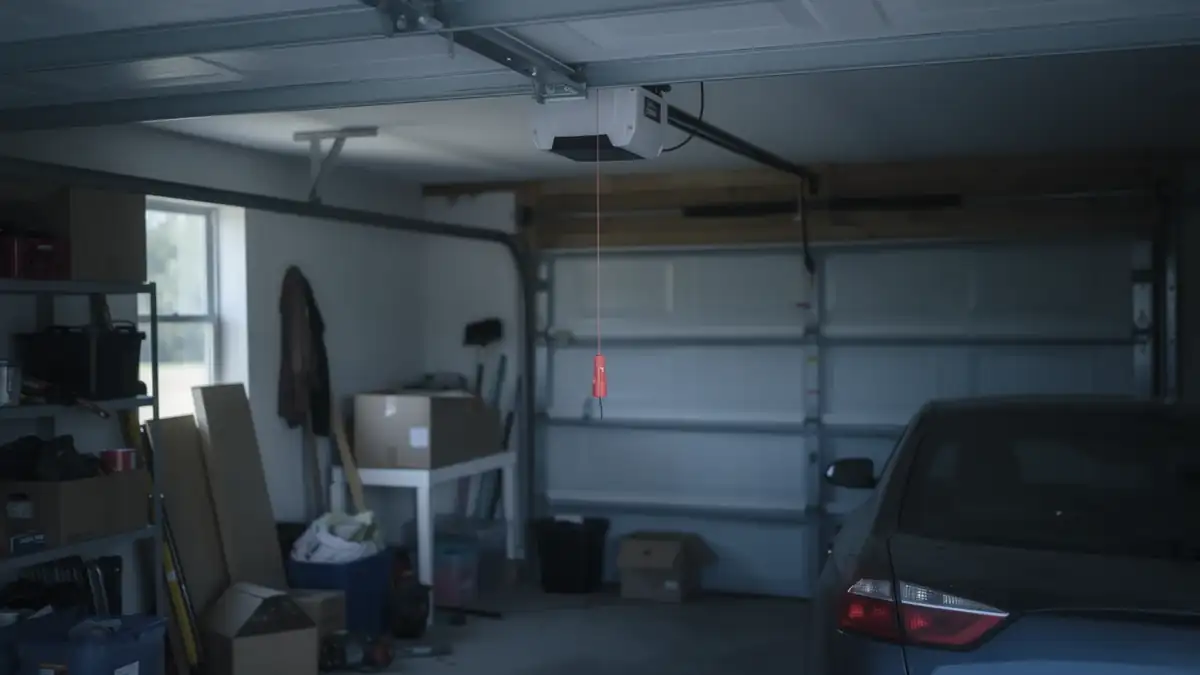
A garage door opener is mounted to the ceiling with a red emergency release cord.

What the Weather Here Does to It

Elizabethtown sits in a cold-moderate climate band, which doesn't mean brutal winters, but it does mean real freeze-thaw swings, year after year, on equipment that was never built to handle them gracefully. Most houses in this area went up between 1957 and 2001, with the heaviest concentration from the 1960s and '70s spread across the eight named neighborhoods that make up the service area. That matters because the opener in a lot of those garages is either original or close to it, and old gear grease thickens in the cold the same way old motor oil does. The chain or belt drags, the motor works harder to pull it, and a unit that was already tired starts skipping or stalling right when a storm knocks the power out and you need the door to move. This area stretches toward towns like Radcliff and Vine Grove, both about nine miles off, and out past Sonora and Lebanon Junction a bit further, which is to say the cold doesn't stop at any particular street. I can't tell you how long a given outage will last or whether this winter will be worse than last. What I can tell you is that an opener built for a house from the '60s or '70s wasn't designed with today's power reliability or battery backup in mind, and that gap shows up every cold season.

The Common Mistake

The mistake I see most is an owner assuming a dead opener means a broken opener. Half the calls I'd expect from a cold morning after a power blip are actually a tripped breaker, a reset button nobody knows exists, or a logic board that lost its programming when the power cut out mid-cycle. Houses built in the 1960s and '70s, which is most of the stock in this service area, often have garage circuits that were added on, not original, and those circuits are the first to drop when a line surges back on after an outage. So before anyone assumes the motor burned out, it's worth checking whether the door even has power at all. The second common mistake is treating every rattle or hesitation as an emergency repair. On a door and opener combination that's been running since the house was built, some slowdown in the cold is just what aging hardware does, and it doesn't always mean imminent failure. It can mean the grease needs attention, or the rollers are worn, long before it means the motor is dying. Jumping straight to opener replacement without ruling out the simple stuff wastes money on a house where the budget usually has to stretch, given a median household income of $55,375 across this area's roughly 16,726 households.

What Is Going On

Here's the mechanical reality. An opener's motor, capacitor, and logic board all react to cold the same general way: resistance goes up, and components that were marginal in summer heat start failing in winter cold. In a house built anywhere from 1957 through the early 2000s, which covers nearly all of this area's stock, the opener has usually been swapped at least once, but the wiring behind it and the breaker feeding it often haven't. When the power comes back on hard after an outage, that's the weak link, not usually the new opener itself. On the door side, the torsion spring and cables don't care about electricity, but the cold still stiffens the lubricant on rollers and track, which makes the opener's motor pull against more resistance than it was built for. Across the 16,726 households and 5,889 owner-occupied houses in this service area, the opener sitting in most garages is more likely to be original to a 1970s build than something installed in the last decade. That's not a criticism of any one house, it's just the math of when this area was built out. The honest limitation here: I can't diagnose a specific unit over the phone or from a web page. A dead opener after a storm could be the board, the capacitor, the breaker, or nothing mechanical at all, and the only way to know is to look at it.

What You Pay

I'm not going to put a number here that I can't back up, because a repair quote depends on what's actually wrong, and I haven't seen the opener. What I can say is that the decision usually comes down to one question: is this a part failure on an otherwise sound opener, or is the whole unit old enough that fixing one thing just means the next thing goes next winter. Given that most of the openers in this service area are tied to houses built in the 1960s and '70s, a lot of them are old enough that a repair bill and a replacement bill start to look closer together than people expect. With a median household income of $55,375 across the area, most owners I'd expect to hear from want a straight answer on repair versus replacement before committing to either, not a sales pitch toward the bigger job. A capacitor or logic board swap on an opener that's otherwise fine is a different conversation than a motor that's seized from years of cold-weather strain. Either way, the fair way to answer the money question is to look at the actual unit first, not to quote a number that applies to every house in town regardless of its age or its wiring.
How it works

From “it’s stuck” to “it’s fixed”

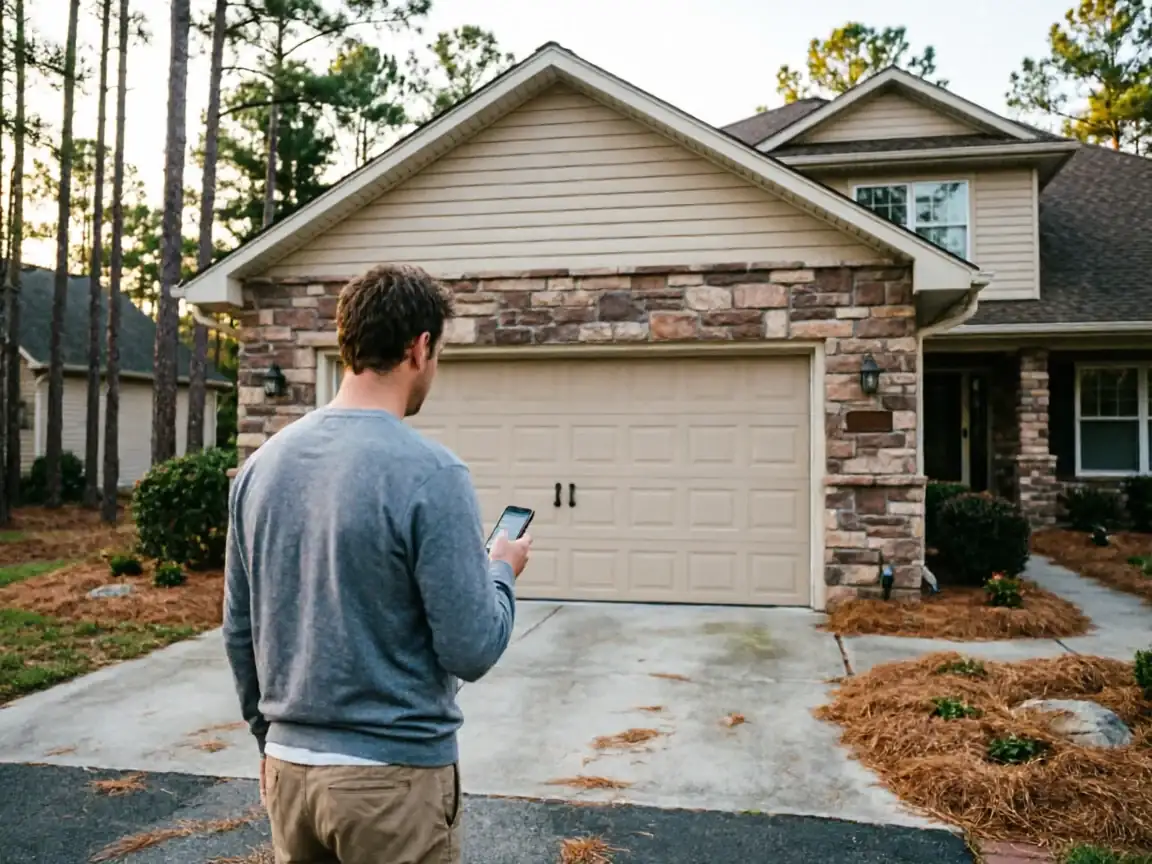
A man stands in a driveway, looking at his phone in front of a garage door.

Tell us what’s wrong

Describe the symptom - won’t open, loud bang, opener runs but the door won’t move.

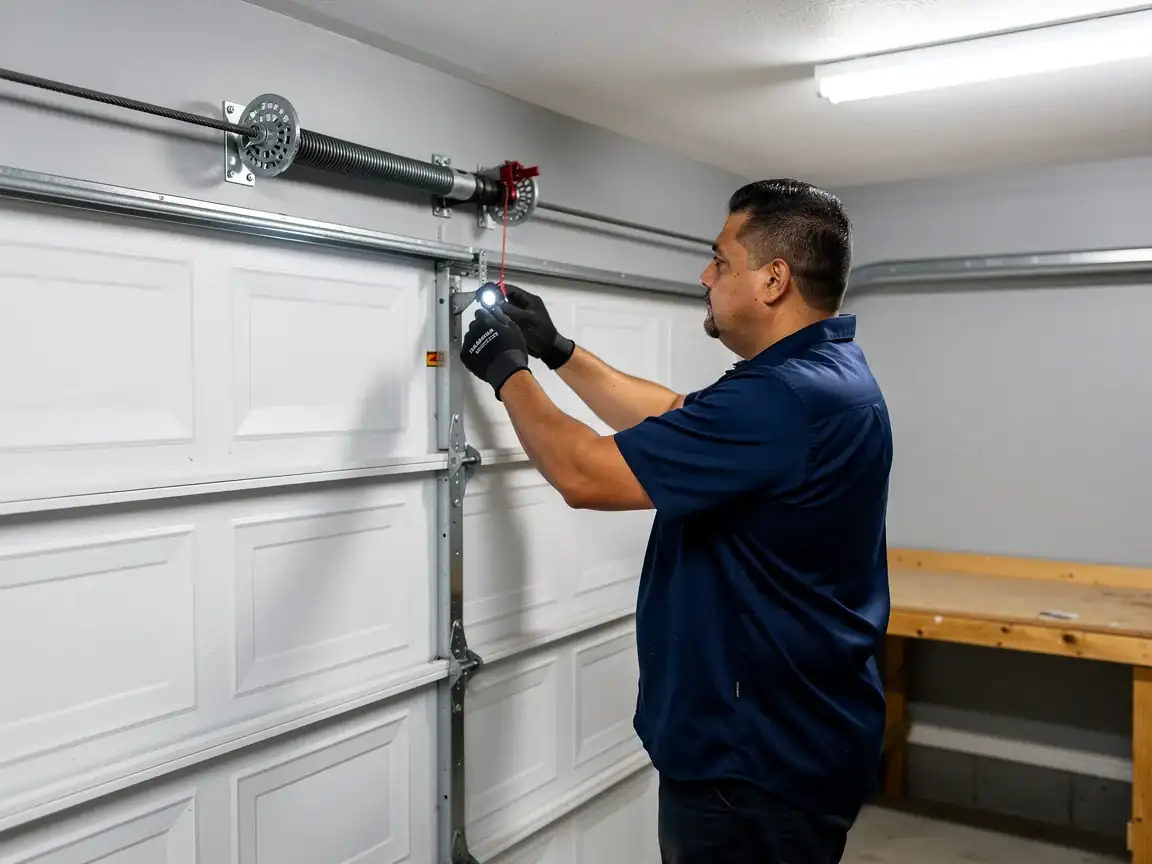
A technician inspects the garage door torsion spring with a flashlight.

On-site diagnosis

A technician tests the door under power and by hand and finds what actually failed.

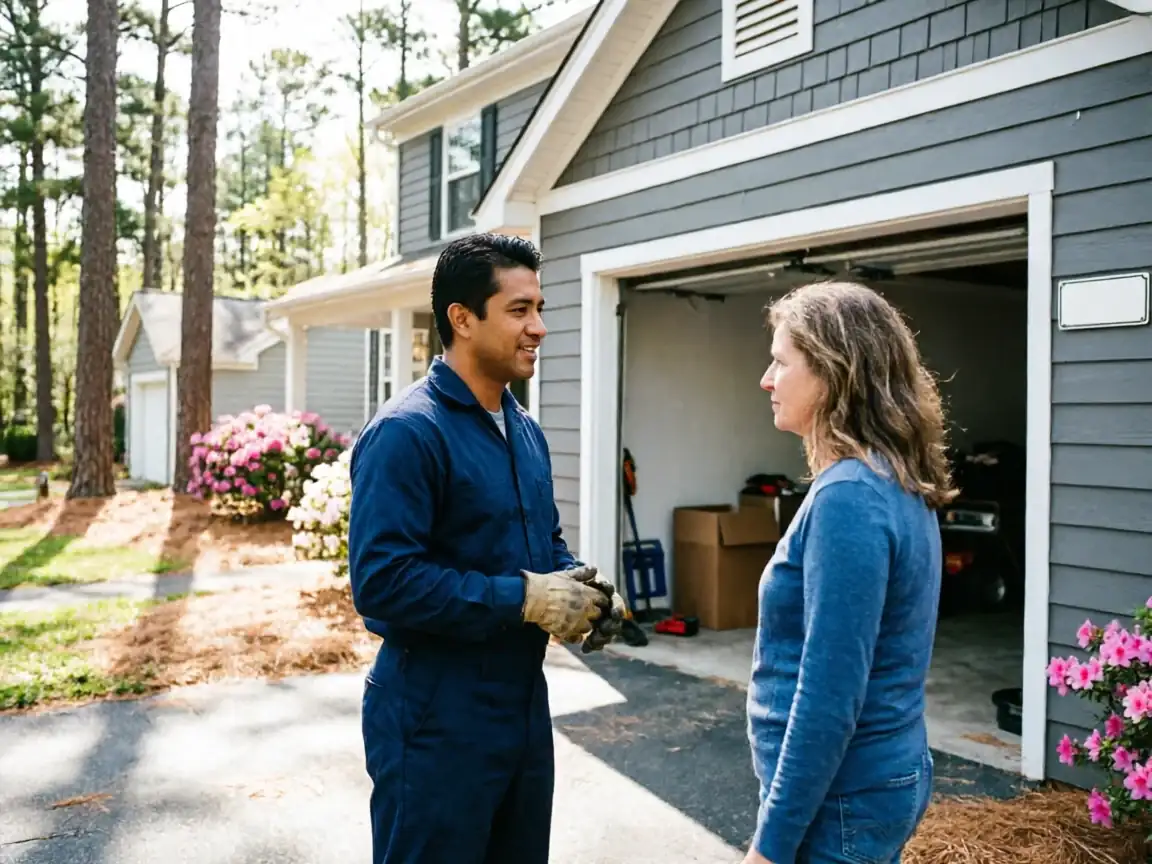
A technician in a blue uniform talks to a woman in front of an open garage.

Clear, up-front plan

You get the fix that’s needed and what drives the cost - before any work starts.

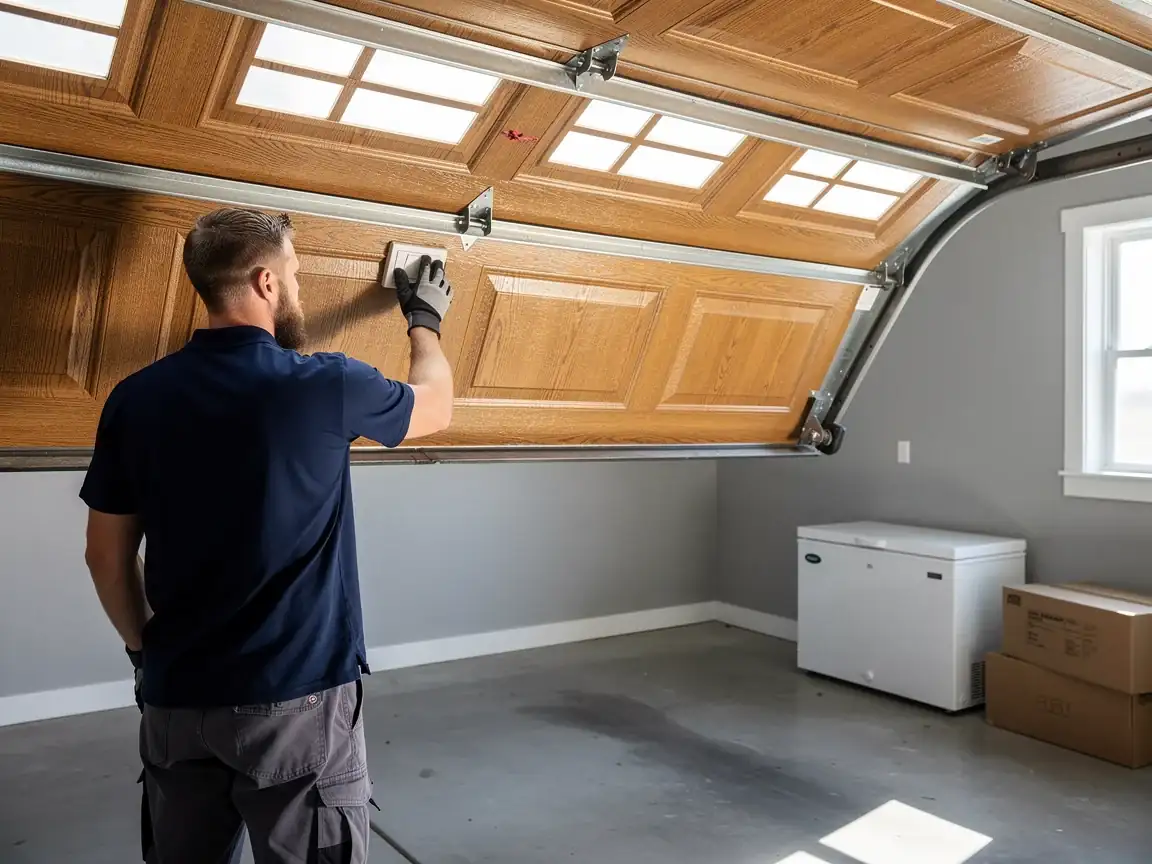
A technician in a blue shirt is working on a brown garage door.

Repaired & tested

The repair is done, the door is set true and tested, and the work area left clean.

Not sure which repair your door needs in Elizabethtown, KY? Describe what it’s doing - every job starts with a diagnosis.

How we work

What to expect

Diagnosis first

Every visit starts by finding what actually failed - not a pre-written parts list.

The right part for the door

Springs and openers matched to the door’s weight and age, so the fix holds up.

Straight answers

When a repair makes more sense than a replacement - or the reverse - you hear it plainly.

Clean, careful work

Tension released safely, hardware set true, the door tested under power before we leave.

What we do

Garage Door Services

Repair and installation work for Elizabethtown homes and businesses.

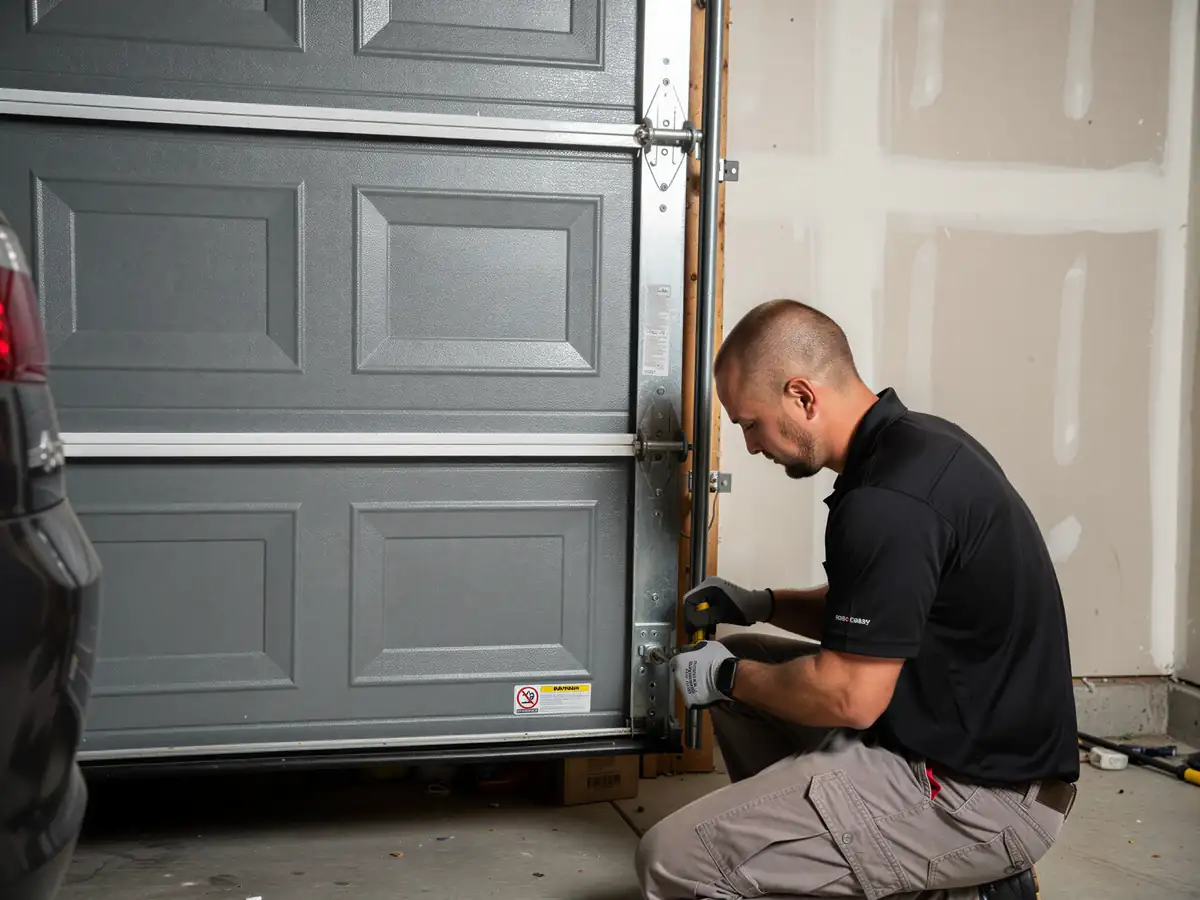
A technician in a black shirt and gray pants works on a gray garage door.

Garage Door Repair

Broken torsion spring or a door that won't budge? We fix the spring and hardware failures common in Elizabethtown's 1960s-70s housing stock, cold-weather breaks included.

Learn more
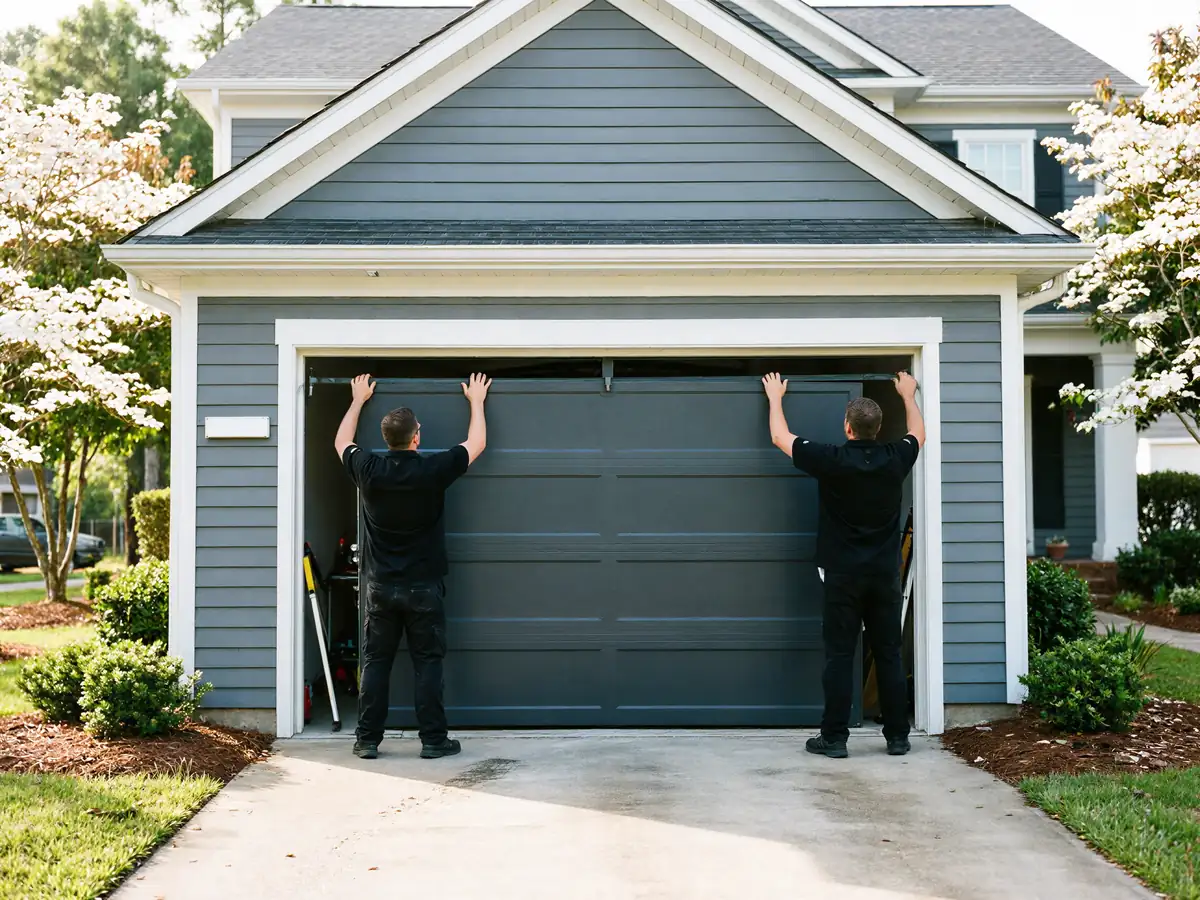
Two technicians install a dark gray garage door on a gray house.

Garage Door Installation

Most Elizabethtown garage doors date to the 1960s-70s building boom. See why that original stock is failing now and what a proper replacement install involves.

Learn more
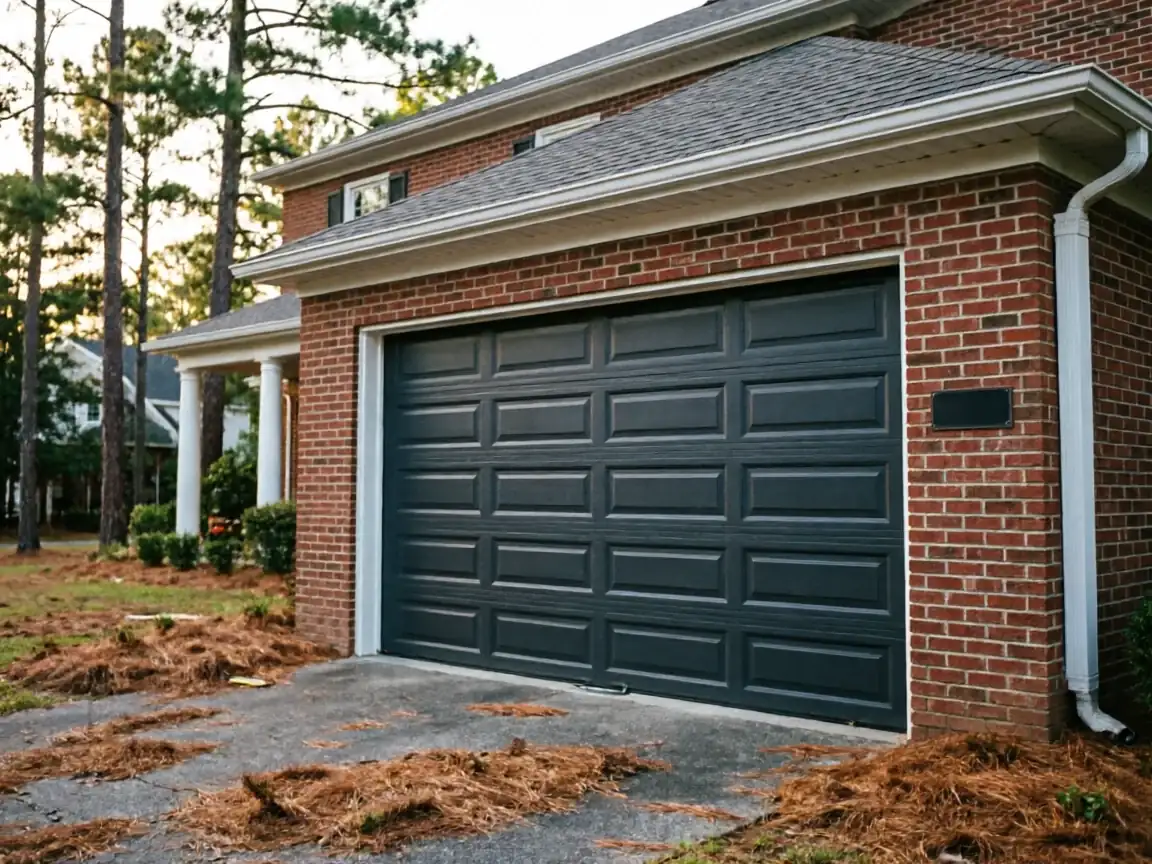
A dark gray garage door on a brick house with pine straw on the driveway.

Garage Door Service

Torsion springs on Elizabethtown garages fail early because of the area's 1960s-70s housing stock and cold winters. Here's what that looks like and what fixing it involves.

Learn more
A technician on a ladder installs a garage door opener.

Opener Installation

Replacing or installing a garage door opener in Elizabethtown, KY homes built between 1957 and 2001 means matching the opener to older track and spring setups.

Learn more
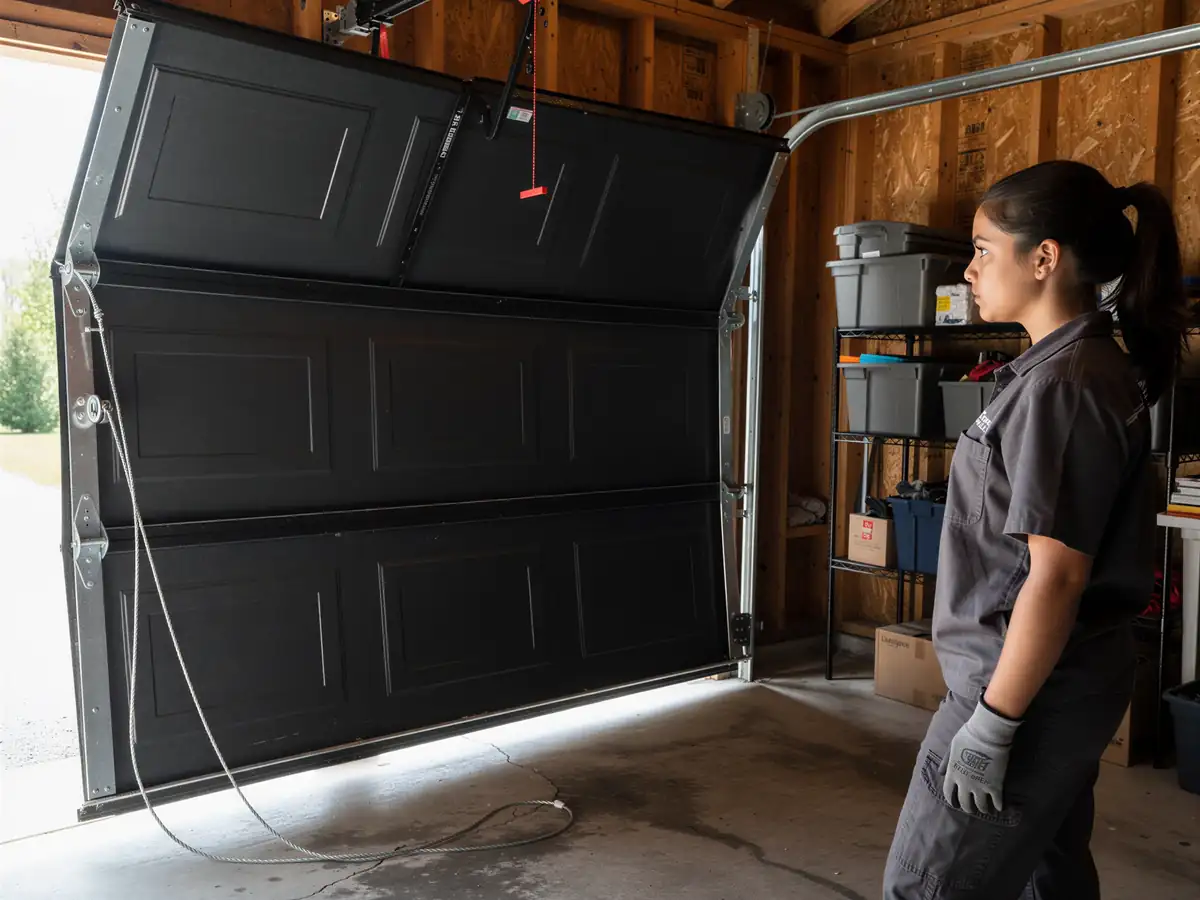
A technician stands in a garage looking at a black garage door that is partially open.

Cable Repair

Broken or frayed garage door cables are common in Elizabethtown's 1960s-70s housing stock. See what causes it, what to check yourself, and what a proper repair involves.

Learn more
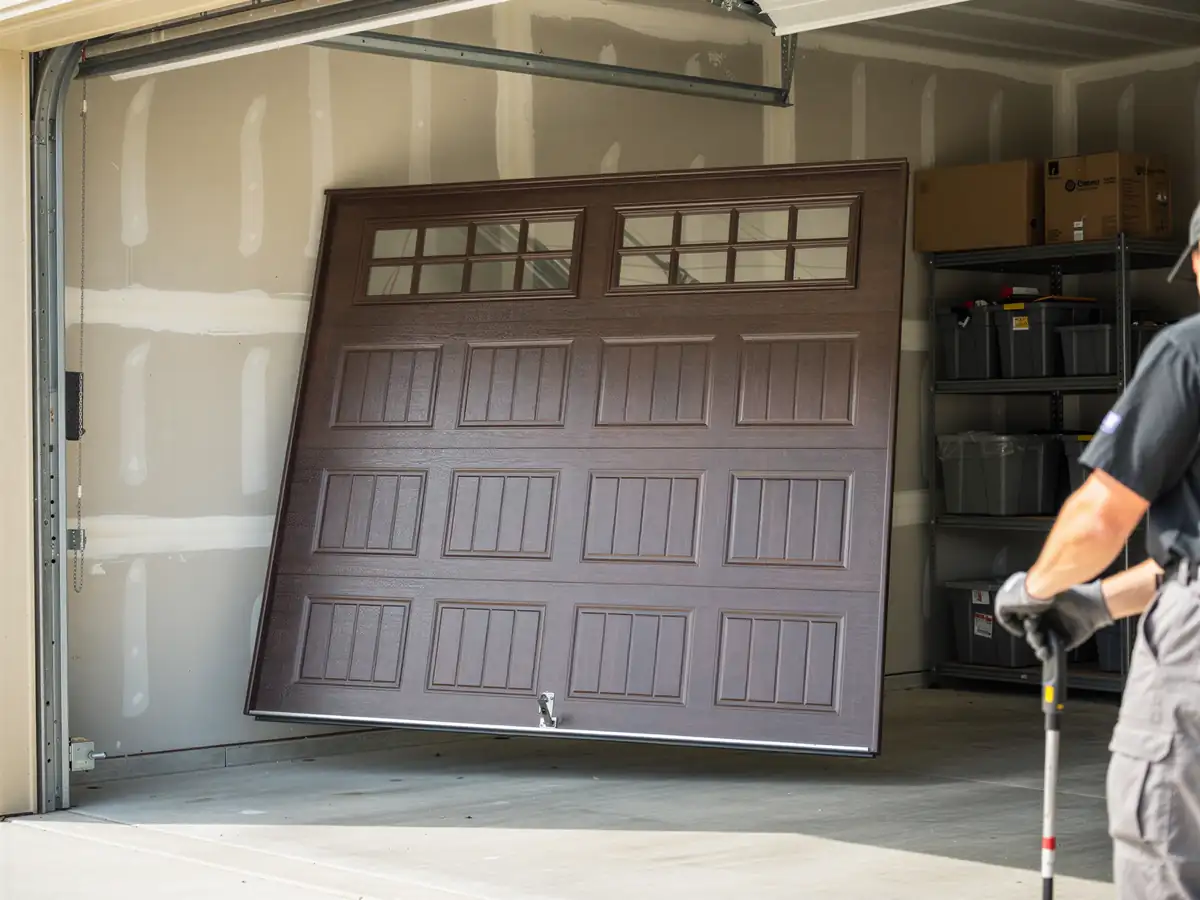
A technician stands in a garage with a brown garage door leaning against the wall.

Off-Track Repair

Door jumped the track in Elizabethtown? See why 1960s-70s rollers and cold-weather steel tracks fail here, what you can safely check, and what a real fix takes.

Learn more
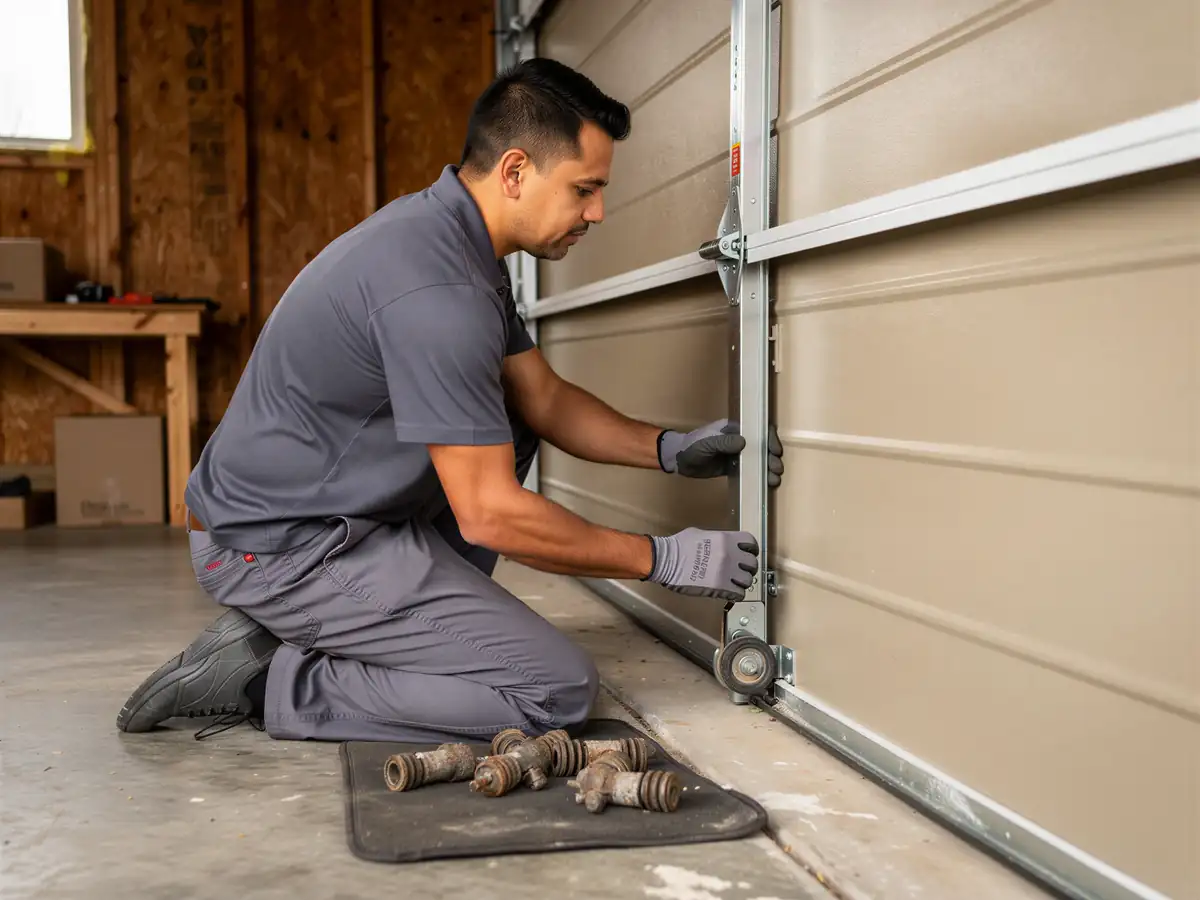
A technician kneels, adjusting a garage door roller on a tan garage door.

Roller Replacement

Grinding, catching, or jumping garage door rollers in Elizabethtown, KY homes built from the 1960s on. Here's what causes it and what fixing it right takes.

Learn more
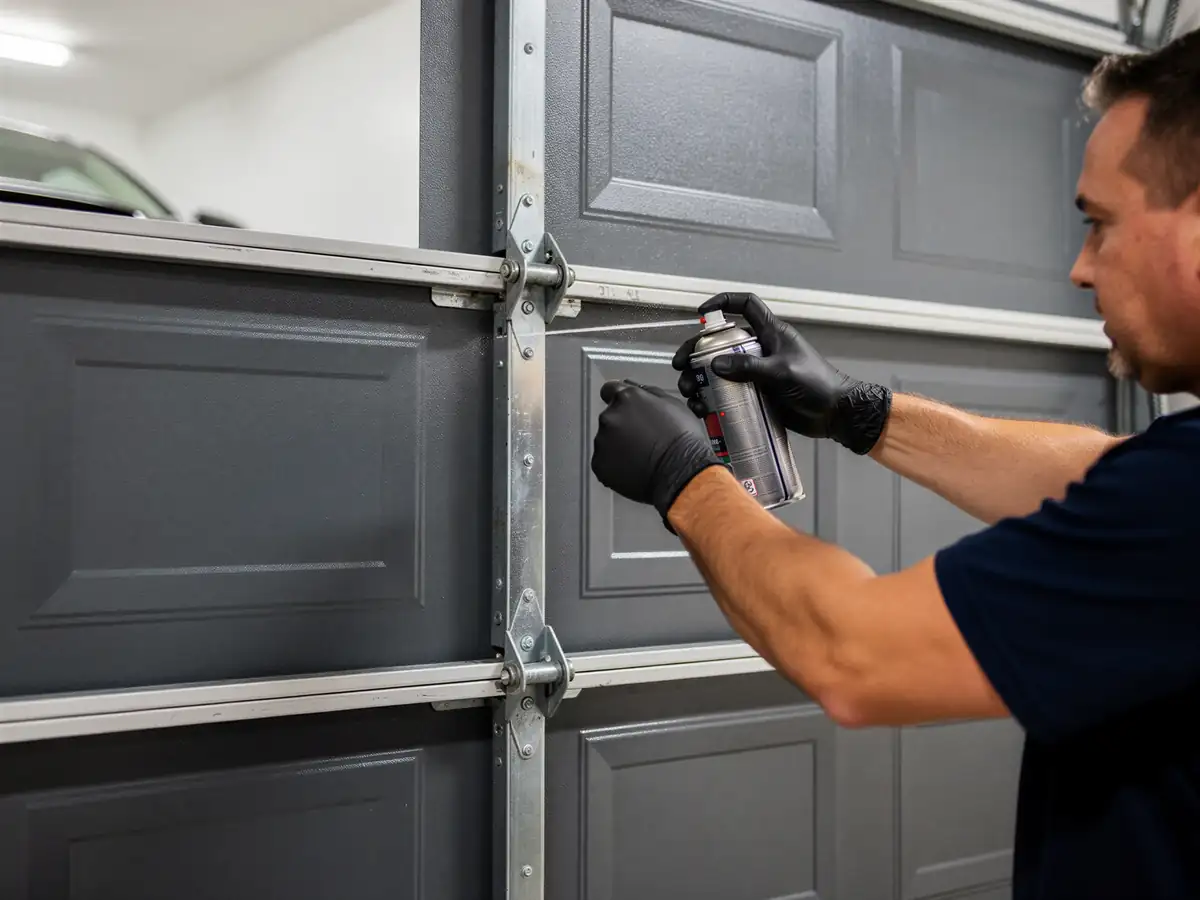
A technician in black gloves sprays lubricant on a gray garage door hinge.

Maintenance

Garage door maintenance for Elizabethtown homes built 1957-2001, where original hardware and cold-season freeze-thaw cycles wear springs and rollers faster than owners expect.

Learn more
Questions

Frequently asked

Straight answers about garage door repair in Elizabethtown. Still unsure? Ask us directly.

01Why does my opener stop working right after a winter power outage?

Often it's not the opener motor at all. Older circuits feeding garages in houses from the 1960s and '70s can trip or lose programming when power surges back on. Check the breaker and look for a reset or learn button before assuming the unit itself failed.

02Is it normal for my opener to slow down in cold weather?

Some slowdown is normal on an aging unit; grease on rollers and track thickens in the cold and makes the motor work harder. It's not automatically a sign of failure, but it's worth having looked at before it turns into a stalled motor.

03My house is from the 1970s and still has the original opener. Should I replace it?

Age alone isn't a reason to replace it if it's still running the door reliably. The better test is whether repairs are becoming frequent or whether a part failure would leave you without a working door for days. A look at the actual unit answers that better than its birth year.

04Can you tell me what a repair will cost before you come out?

Not honestly, no. A capacitor swap and a seized motor replacement are very different jobs with different costs, and the only way to know which one you've got is to have it looked at in person.

Ready to get your garage door sorted?

Tell us what it’s doing and where you are in Elizabethtown - we’ll take it from there.

Request a QuoteCall