Doing It Yourself
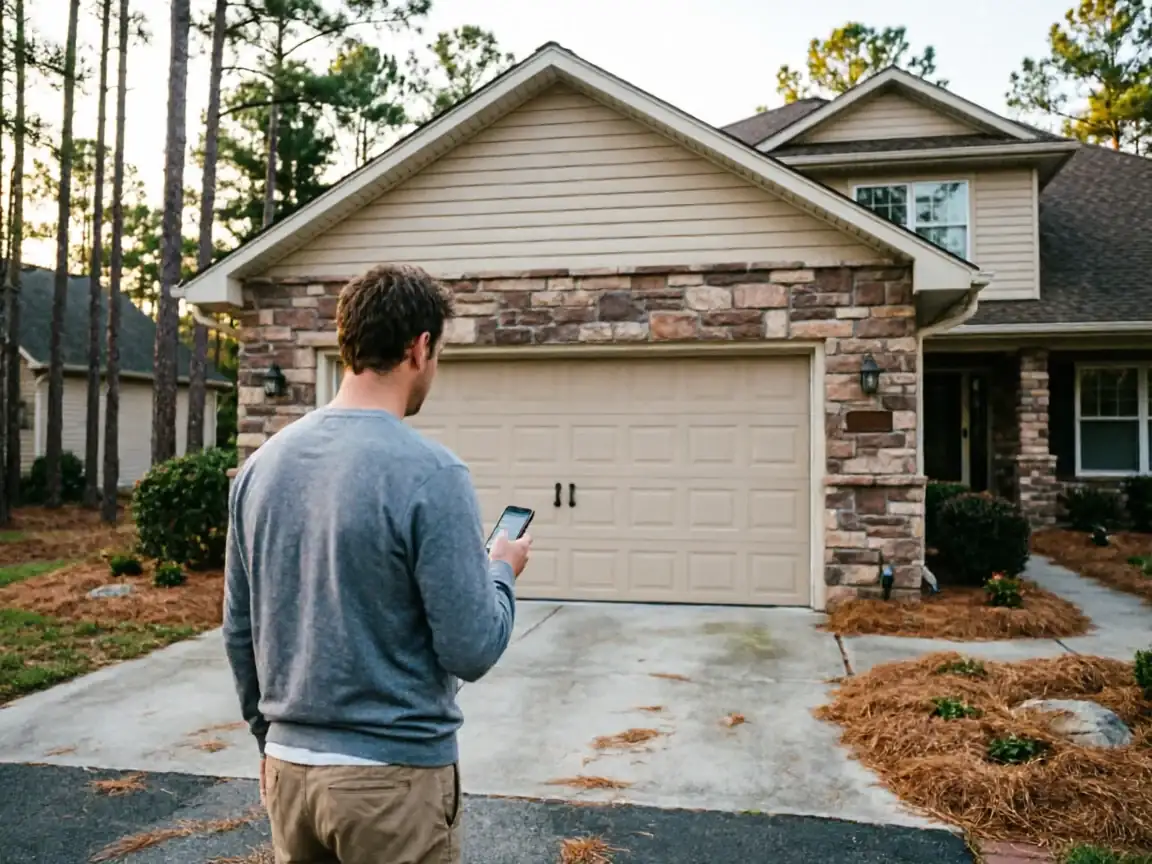
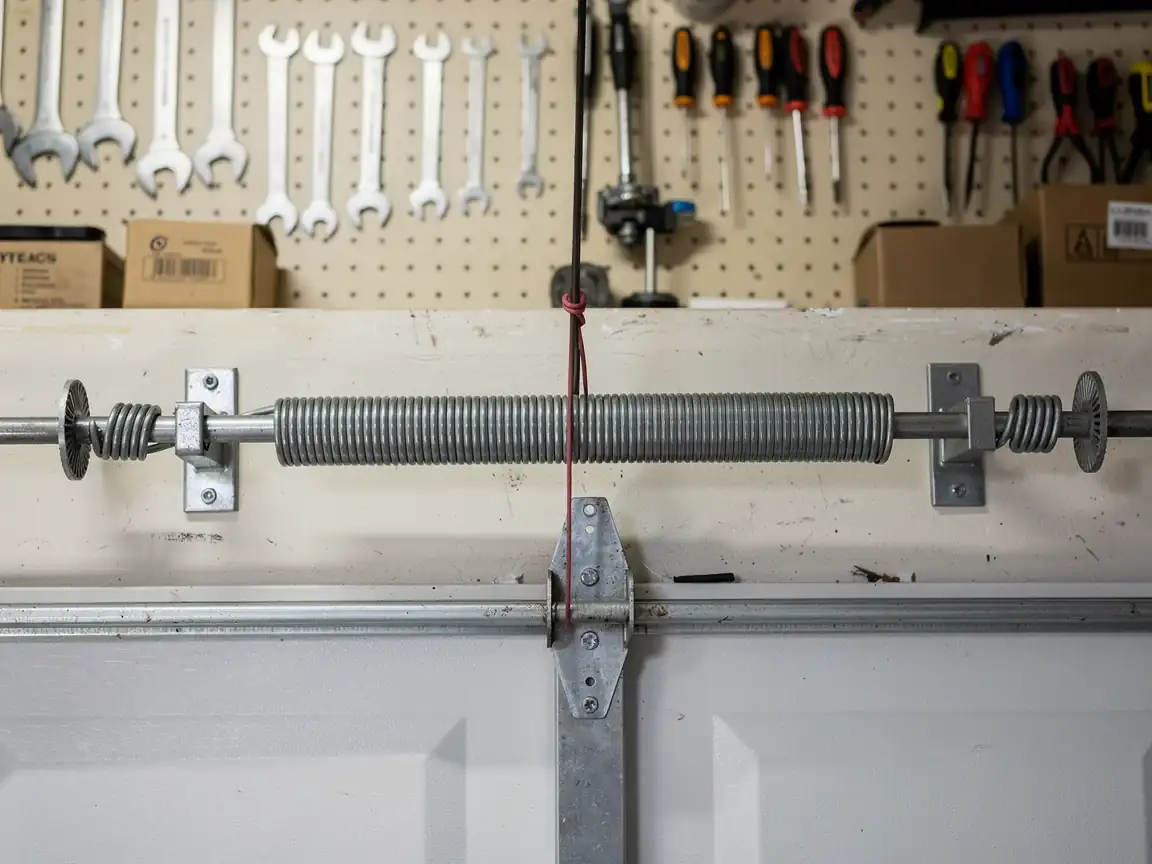
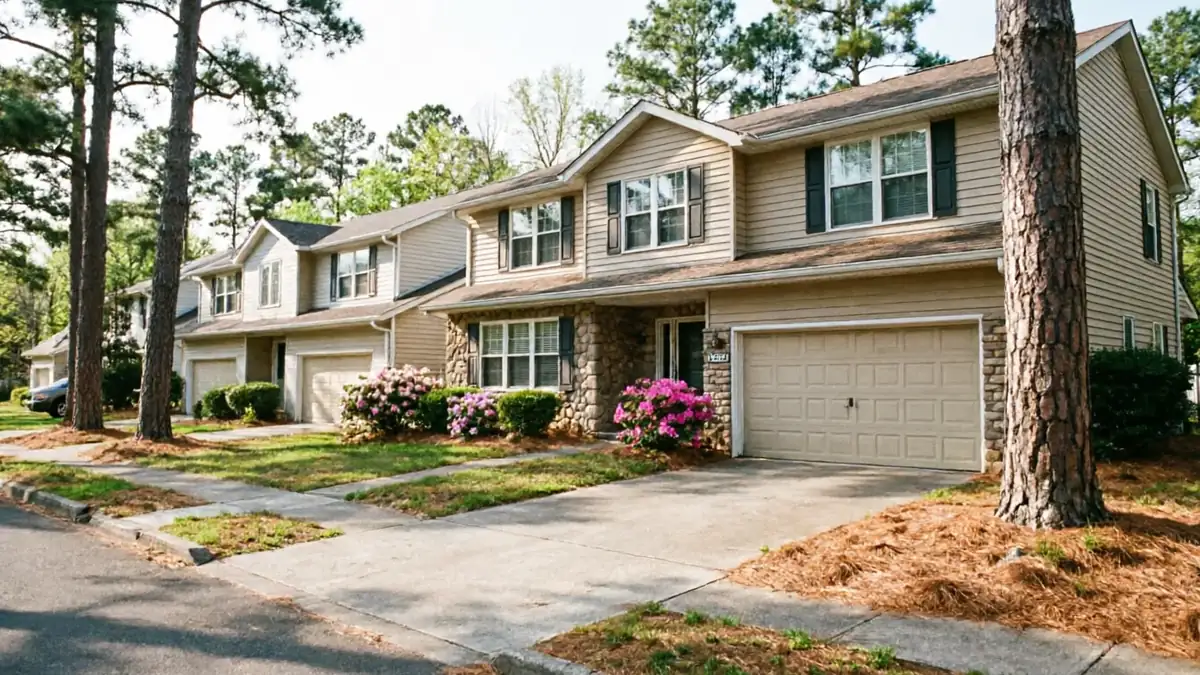
Swapping a garage door yourself is possible if you're comfortable with torsion springs under load, track alignment, and getting a 150-plus pound panel assembly square in the opening. Most of the trouble we see from DIY installs isn't the door itself - it's the opening. Houses built here between 1957 and 2001, with the bulk going up through the 1960s and 70s, often have openings that settled or were framed slightly out of square decades ago. A new door kit assumes a true opening, and if yours isn't, the door binds on one side or the weatherstripping never seals right. You can rent a jack, buy a kit, and do the math on springs. What's harder to get right without experience is diagnosing whether the jamb itself needs shimming before the door goes in at all. If you're not sure the opening is square, that's the one thing worth paying someone to check first, even if you install the door yourself.
What You Are Seeing
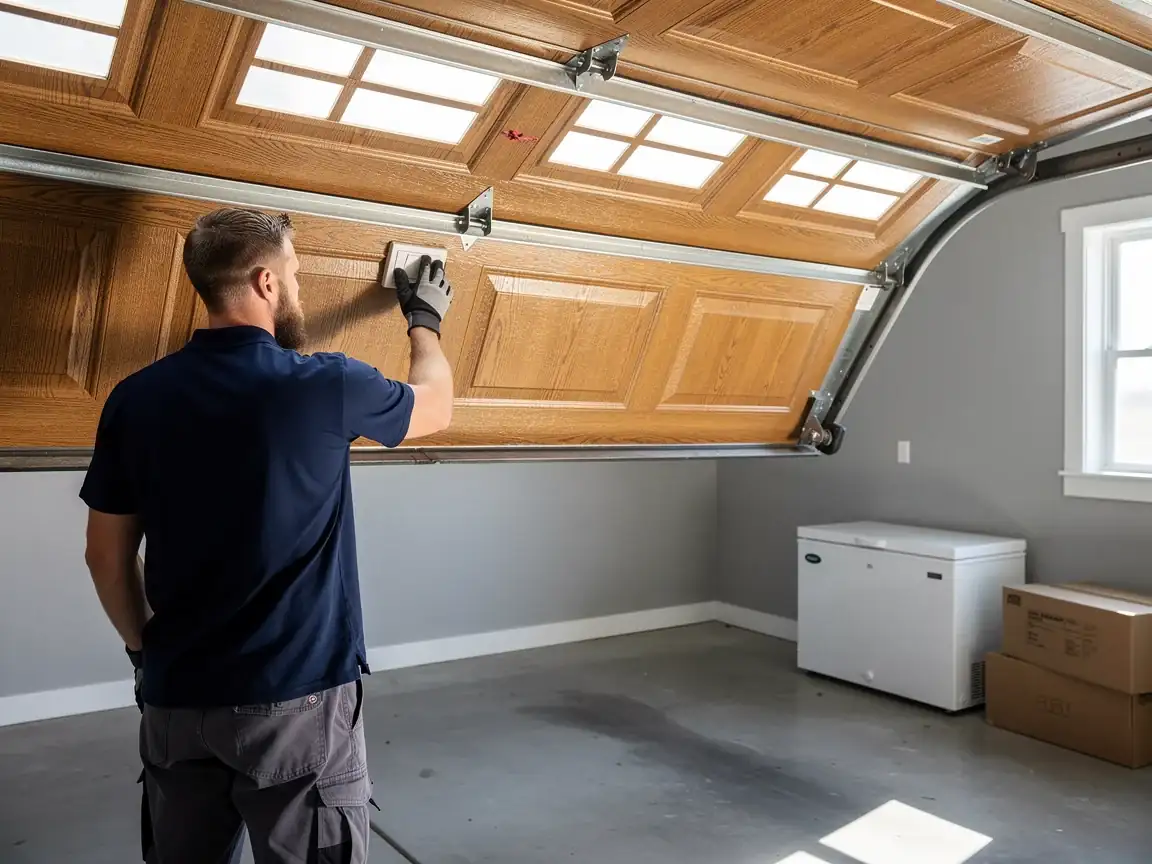
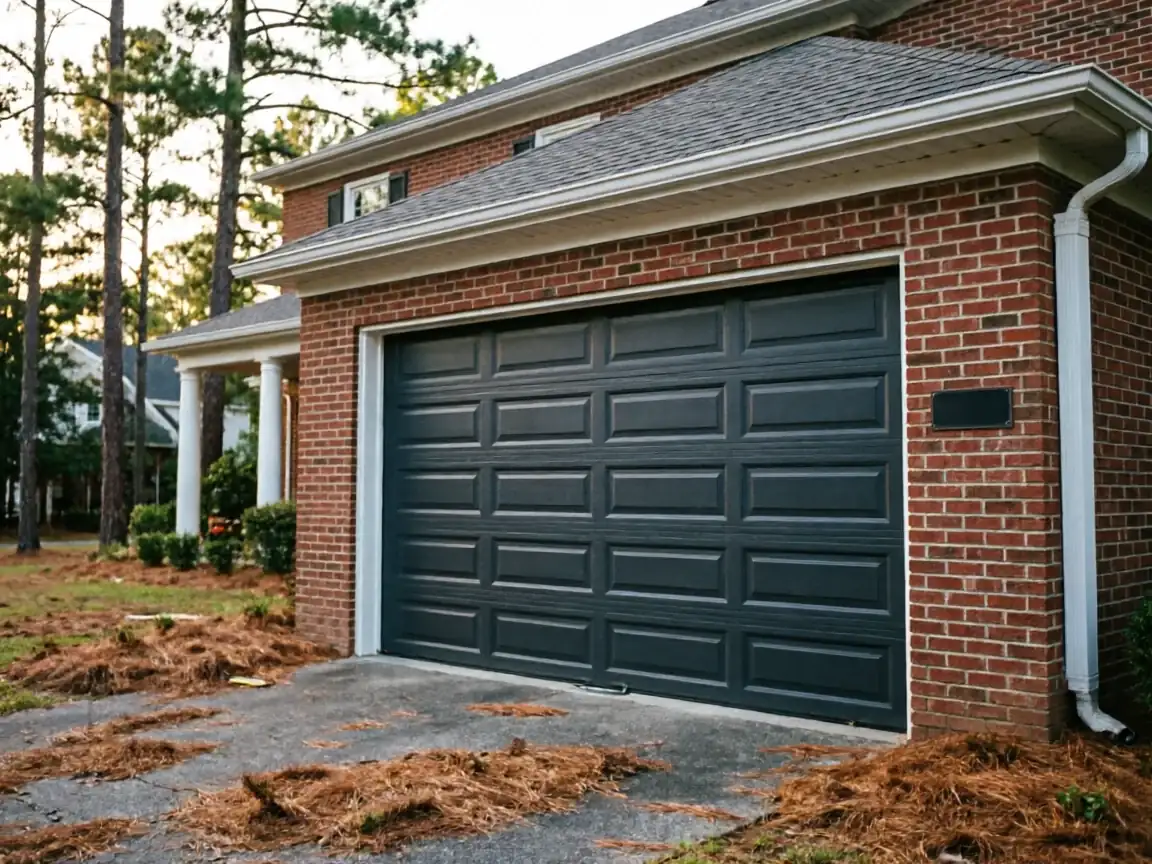
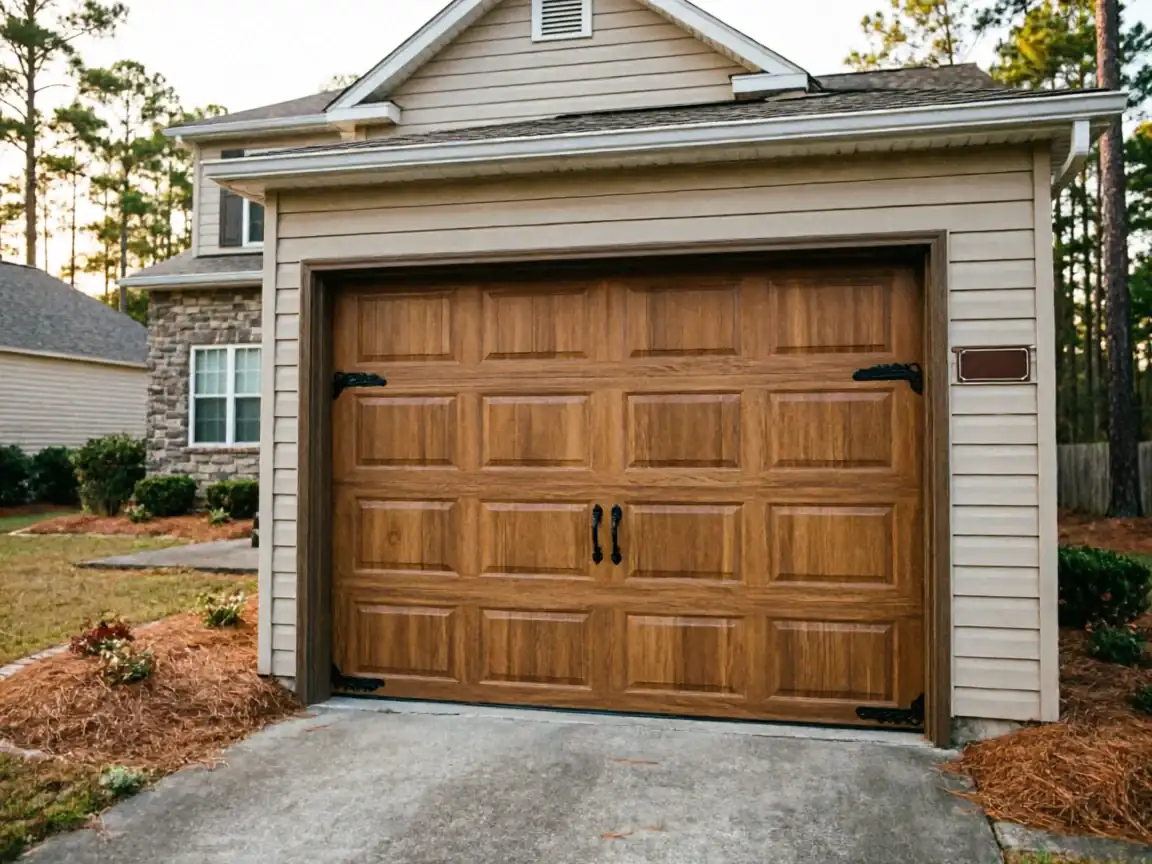
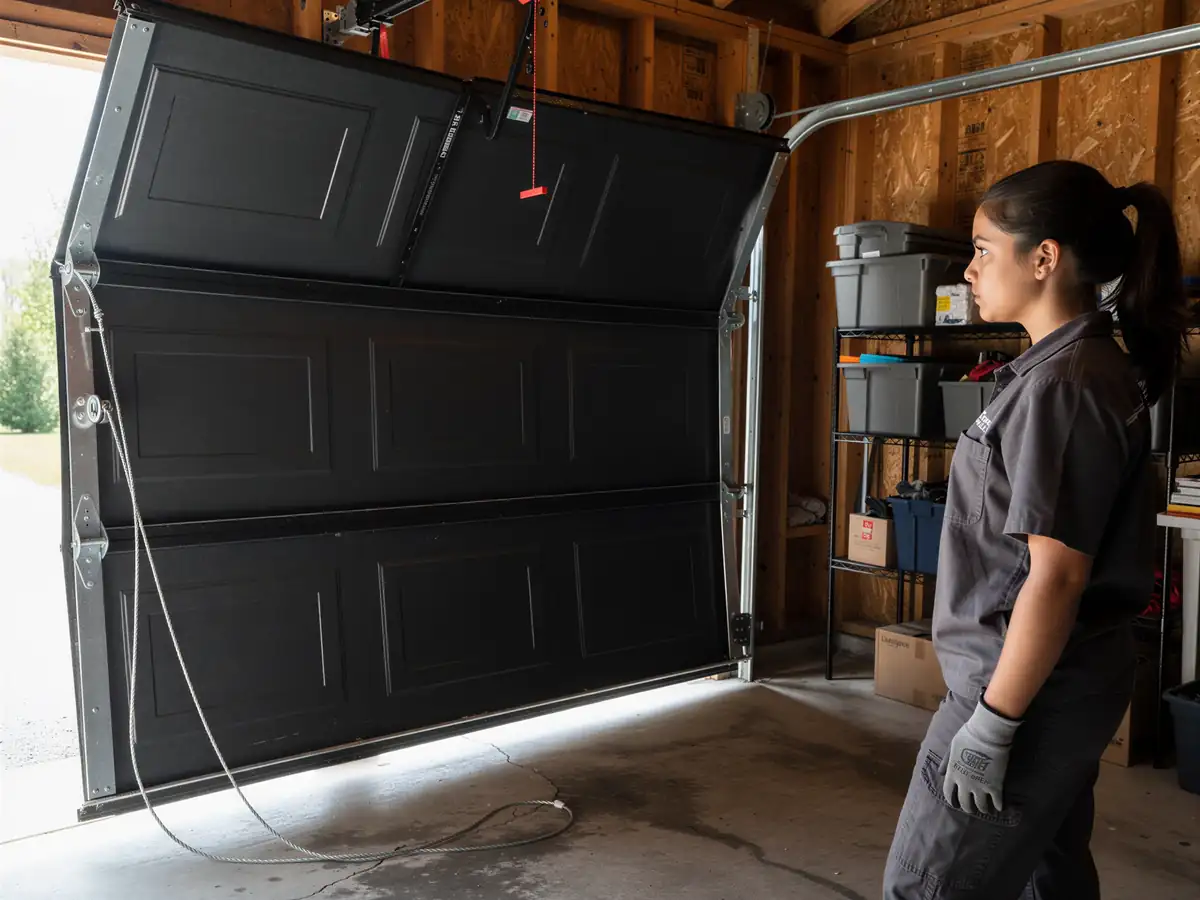
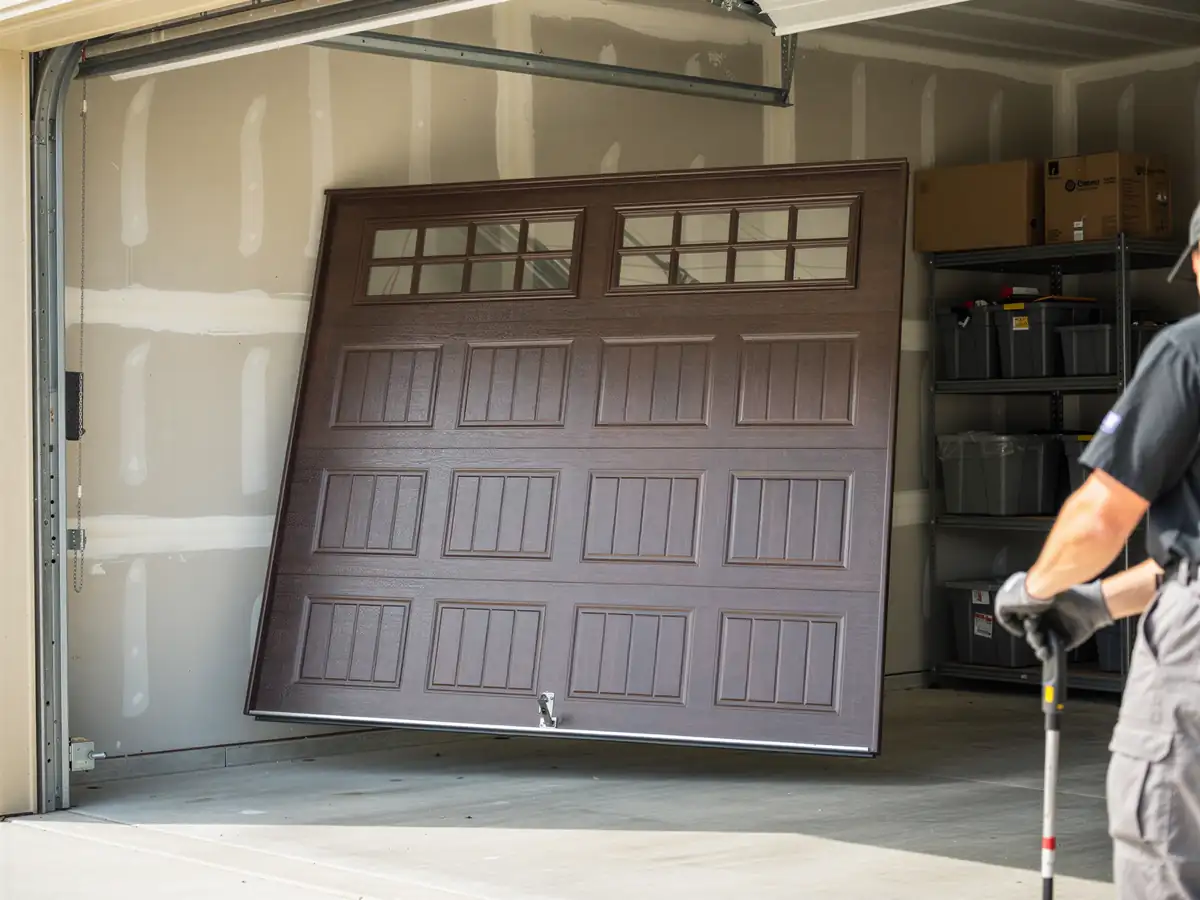
If you're searching for installation rather than repair, you're probably looking at a door that's done more than one thing wrong: a panel that's bowed, a section that's rusted through at the bottom, or an opener straining because the door itself is heavier than it should be after years of swelling and warping. In the older sections of town - the 1960s and 70s tract housing that makes up most of the local stock - the original doors were single-layer steel or wood, with no foam core. After forty-plus years in a cold climate, that material doesn't flex evenly anymore. You'll see daylight at the corners, a door that drops crooked on the track, or hardware mounts that have pulled loose from wood that's dried and shrunk. None of that is a one-part fix. That's a replacement conversation.
What the Repair Takes
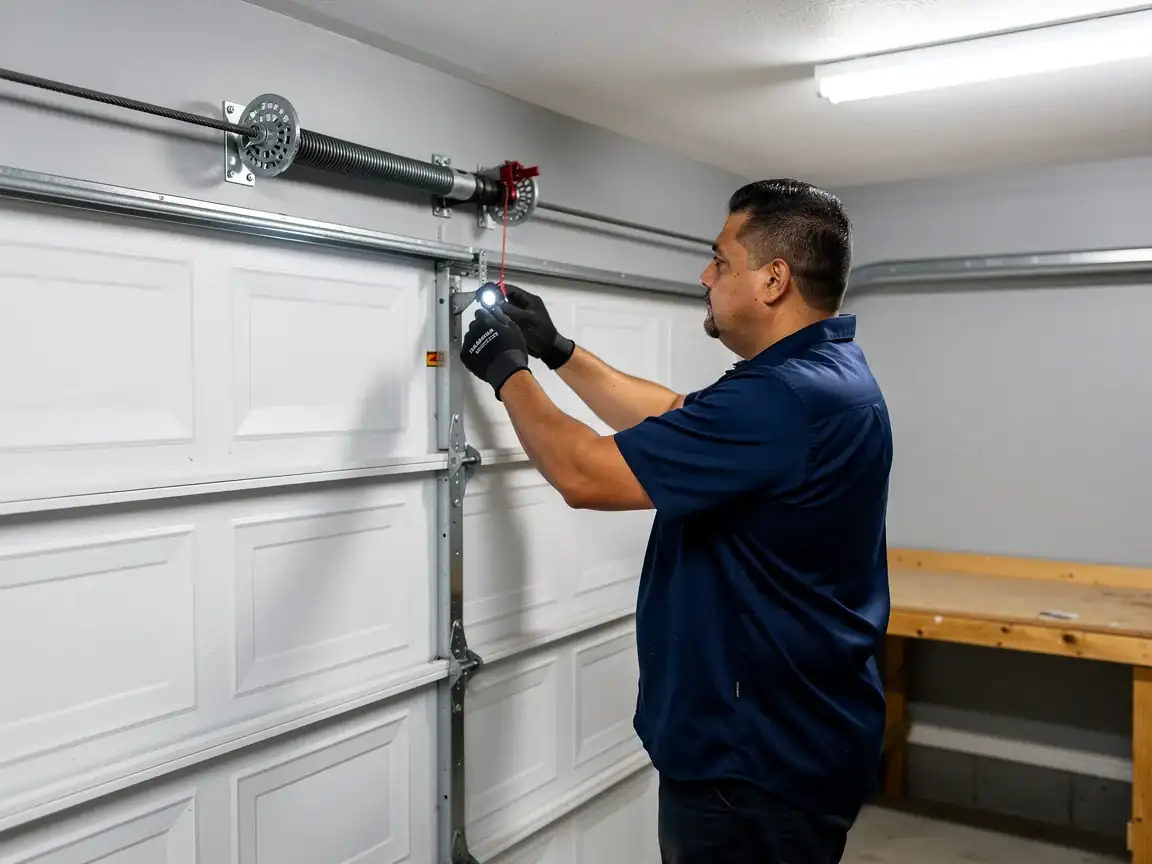
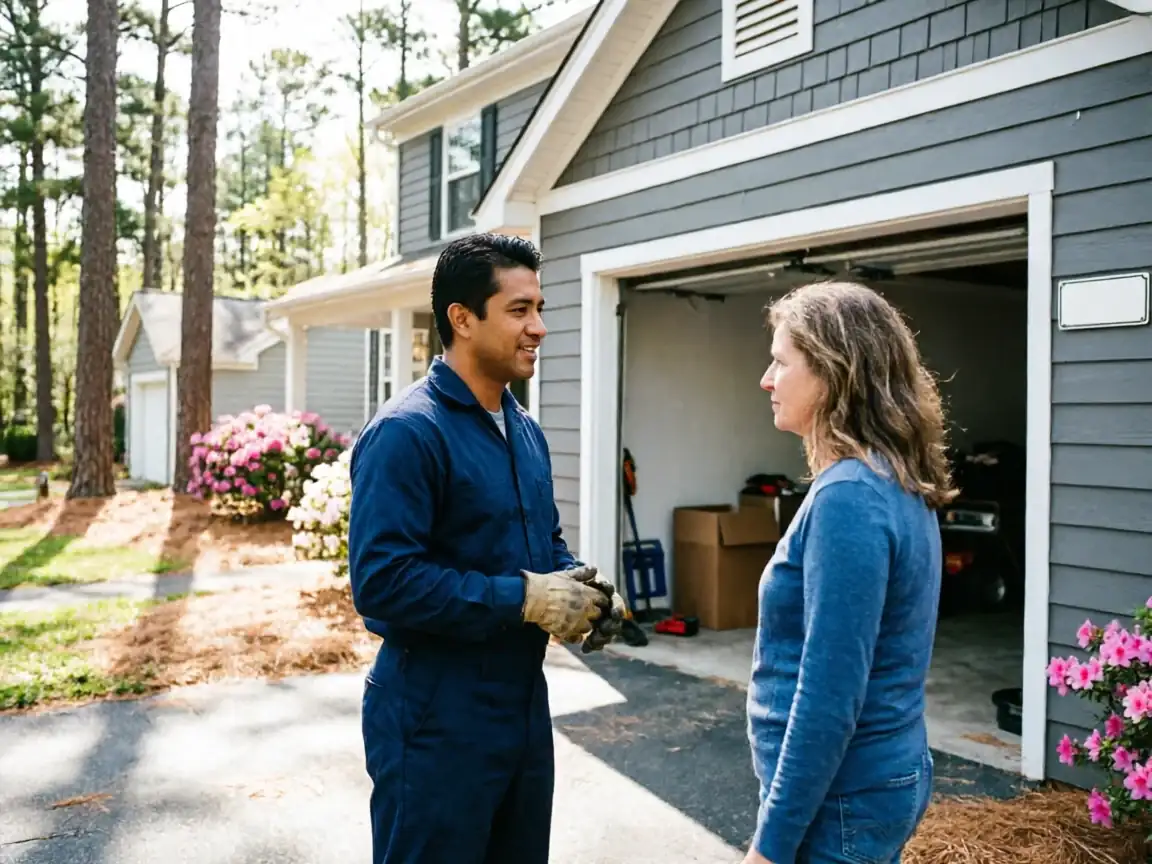
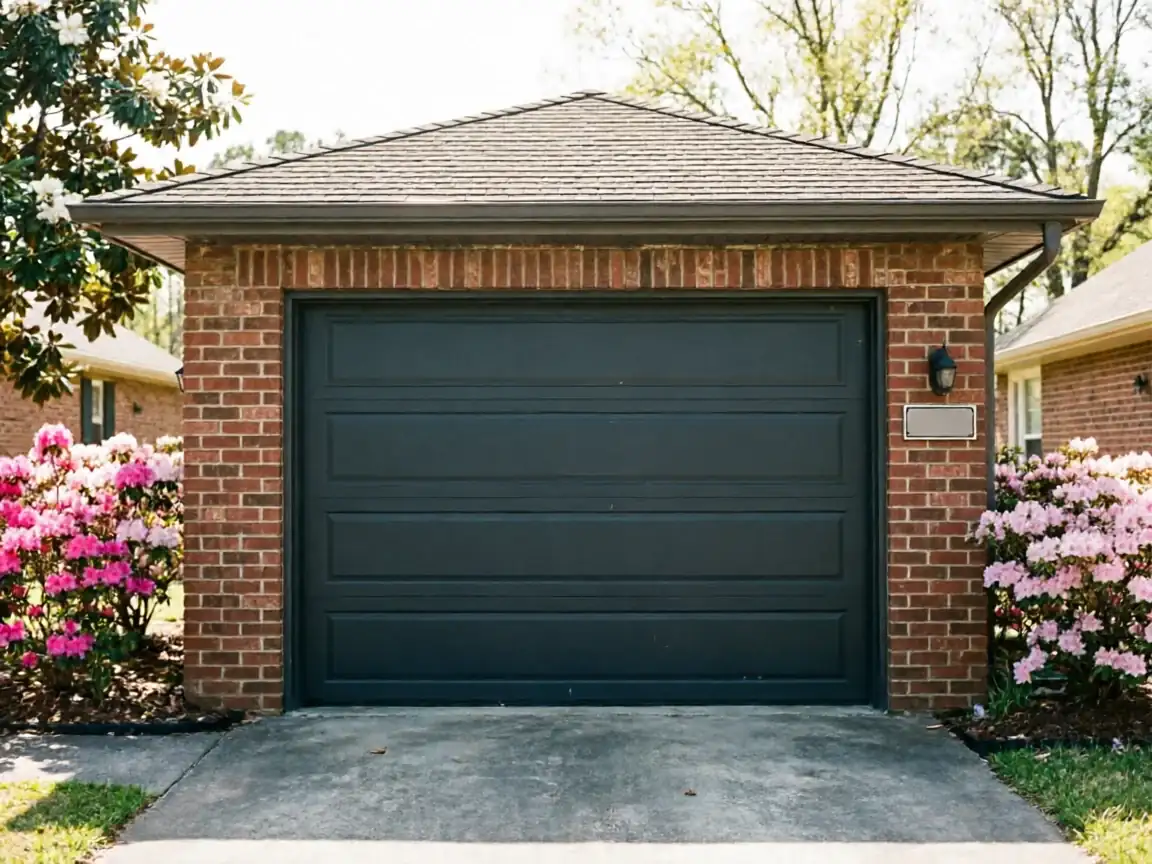
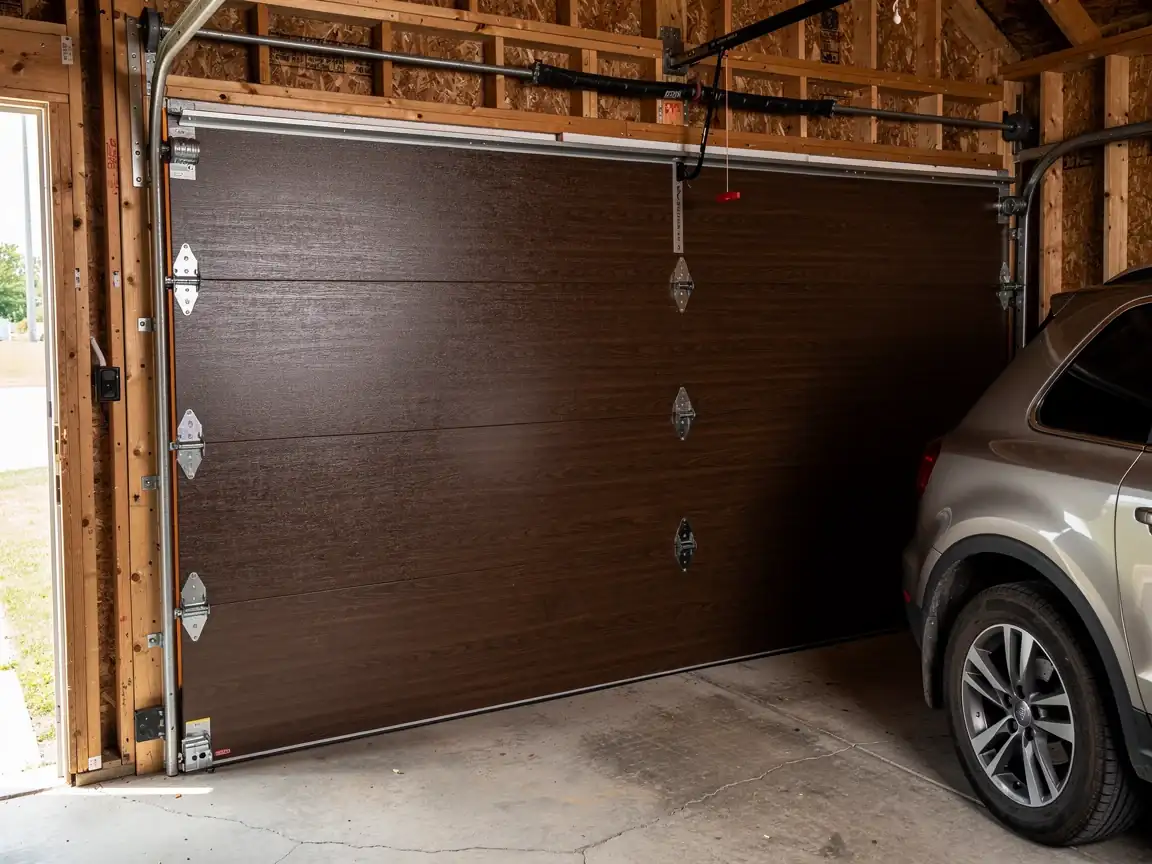
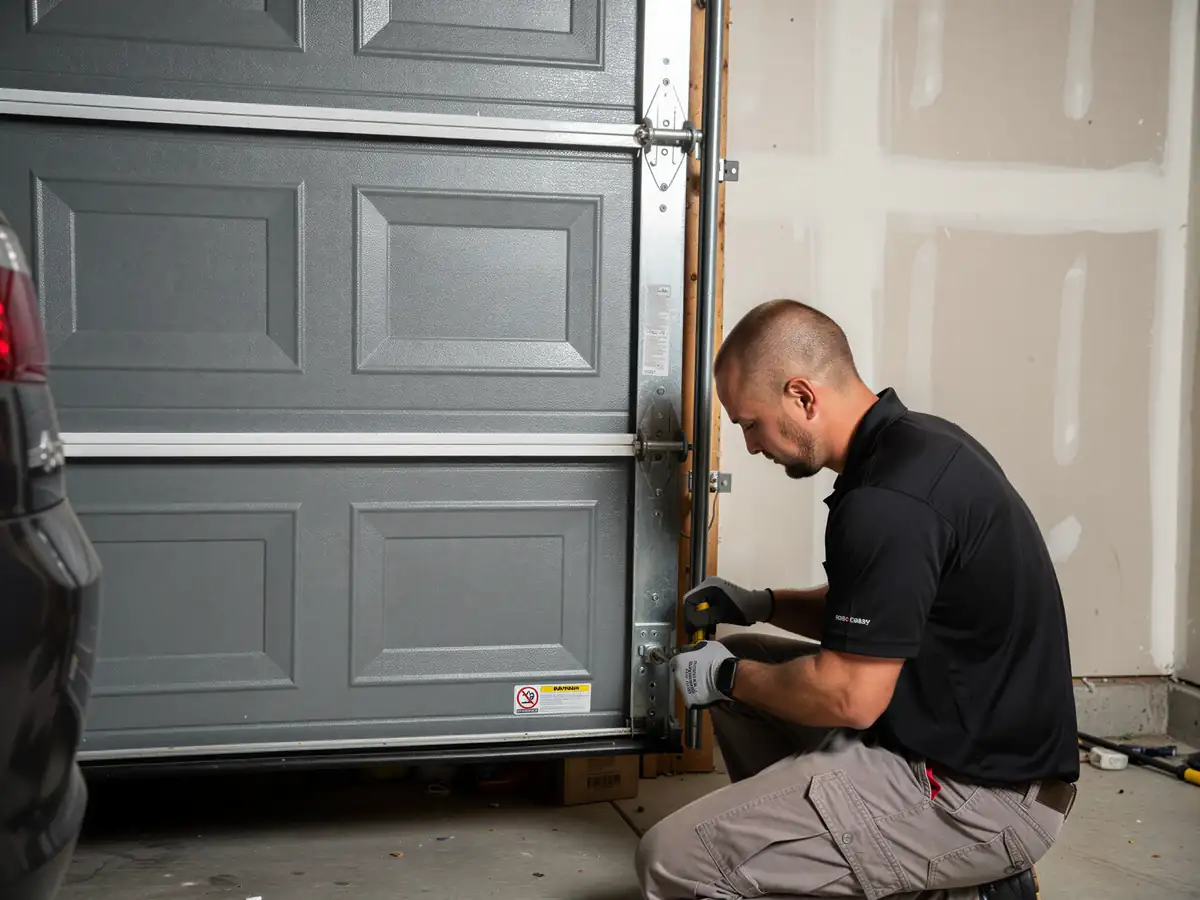
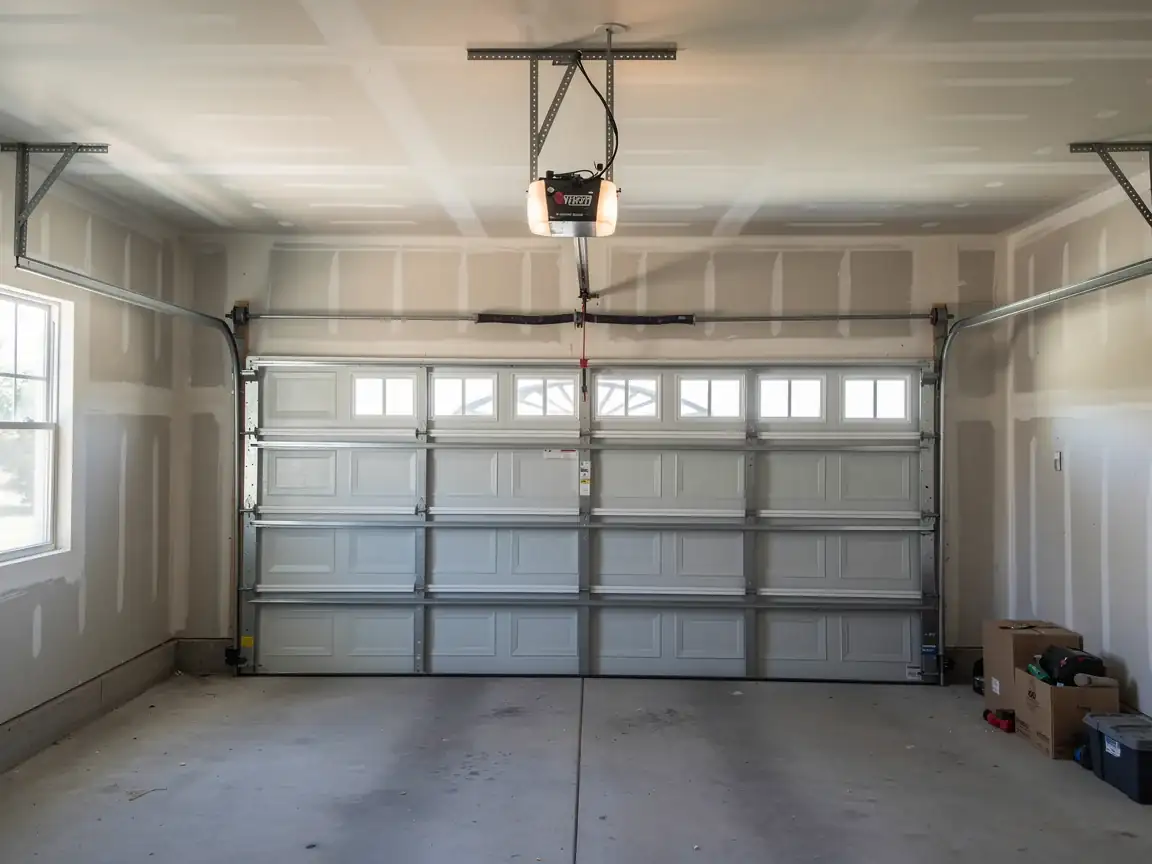
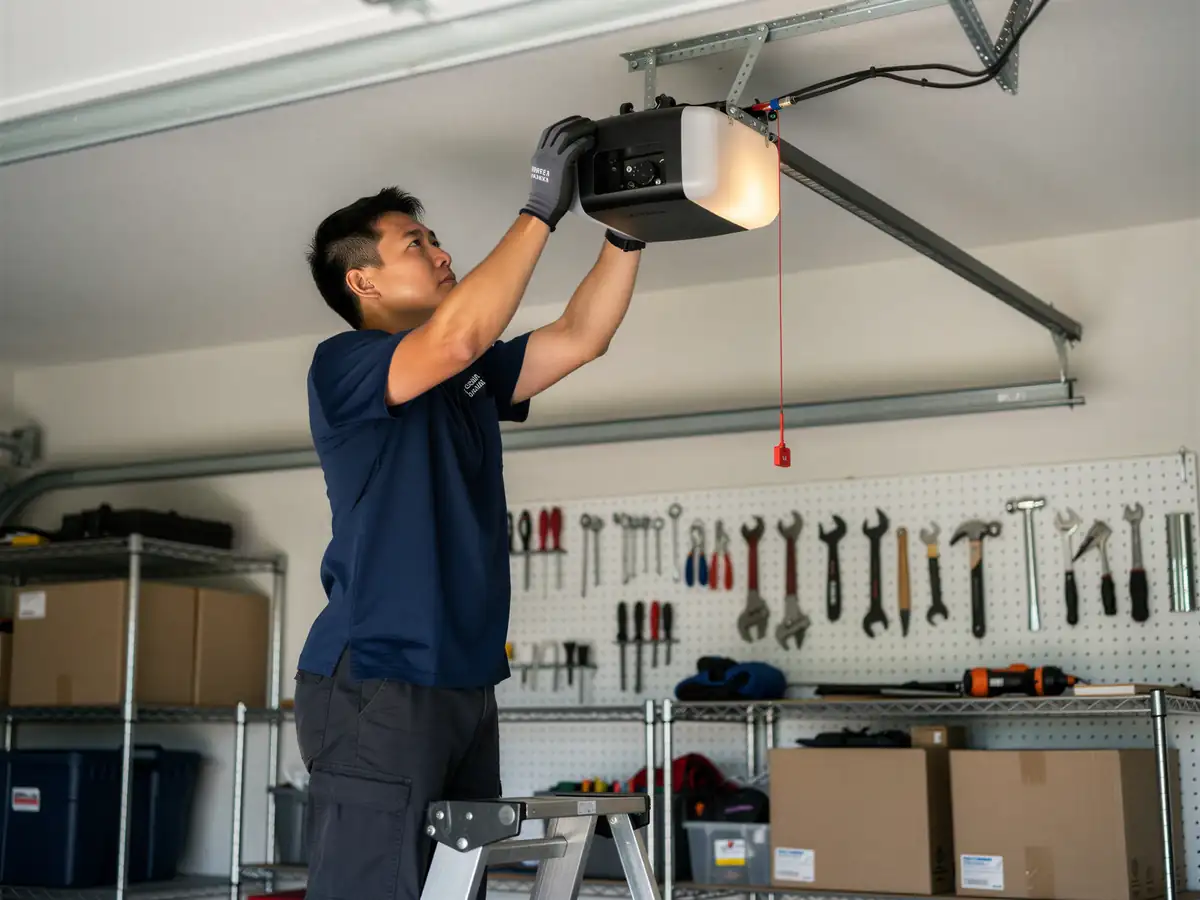
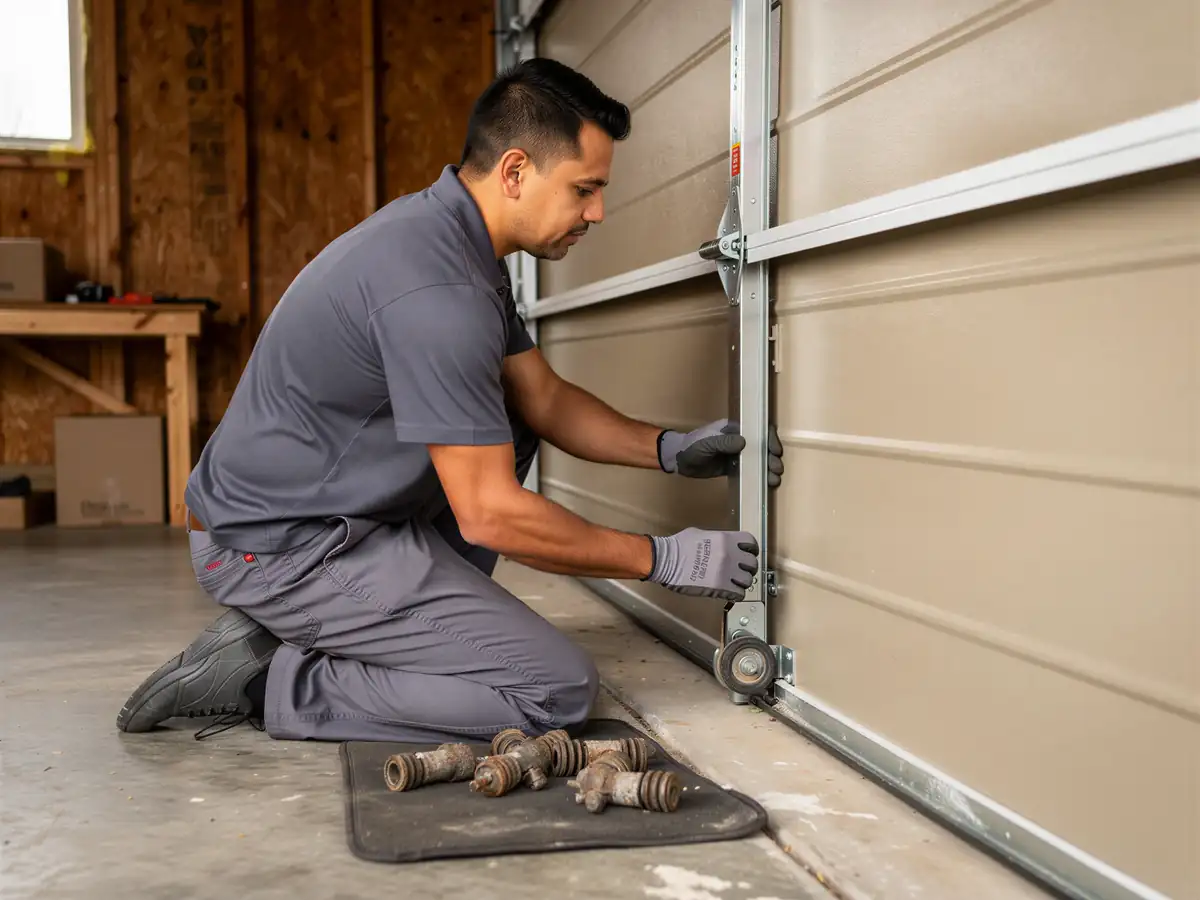
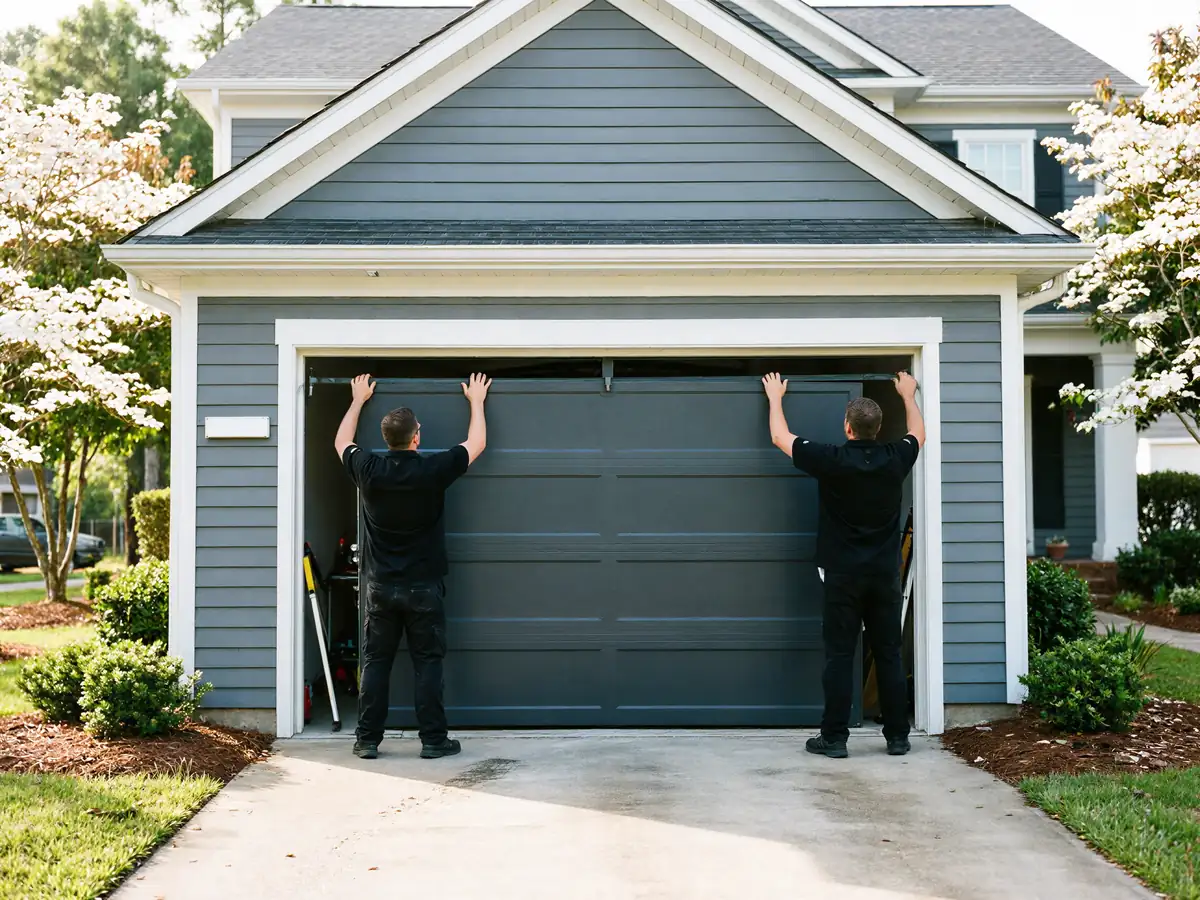
A full installation is a day's work in most cases: old door and track out, opening checked and shimmed if needed, new track and hardware set, new door hung and balanced, opener reconnected and the travel limits reset. If the jamb needs real carpentry work because of settling, that adds time and isn't something we do ourselves - we'll tell you straight if that's the case rather than force a door into a bad opening. Lead time on specific door styles or insulated panel options can run longer than the install itself, so if you've got a particular look in mind, ask about ordering time before you lock in a date. We serve households across the area out to places like Radcliff and Vine Grove, both about 9 miles out, and as far as Fort Knox and Upton, so timing an install around your schedule and the supplier's is part of the quote conversation, not an afterthought.