What Was Built Here
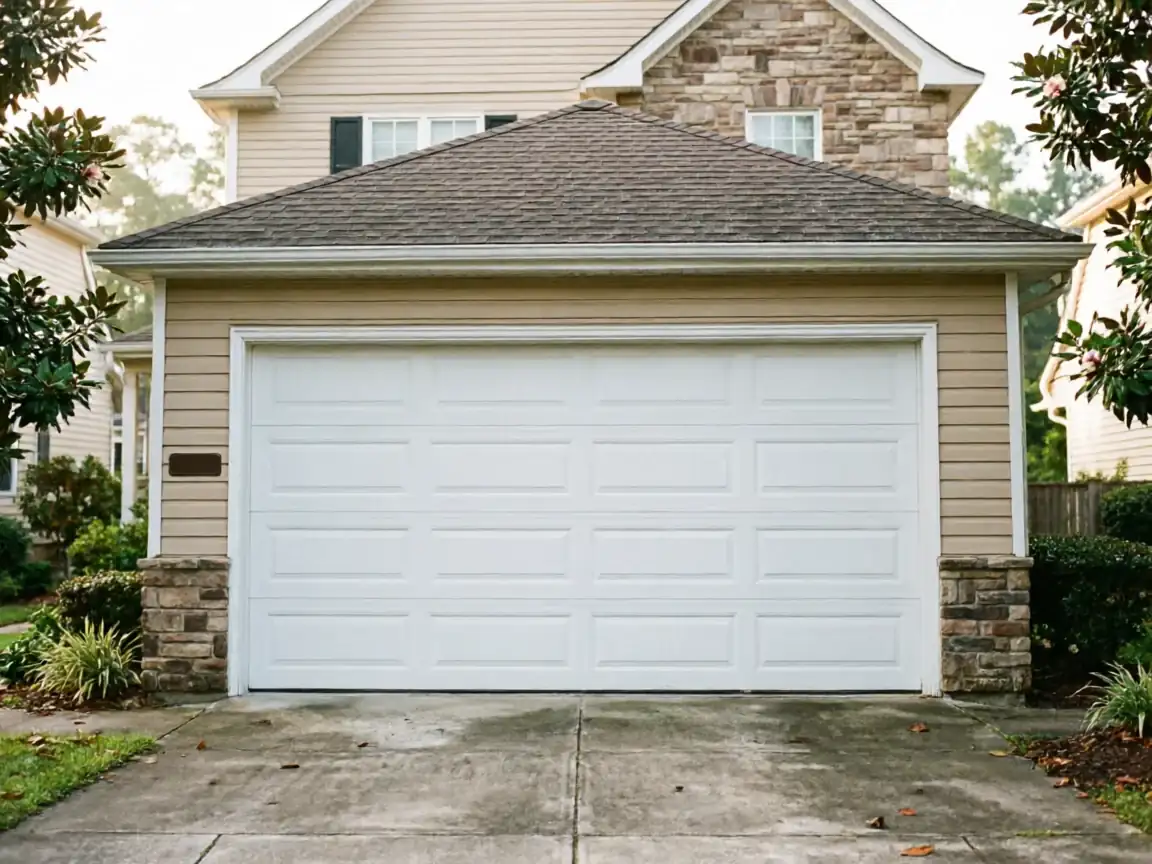
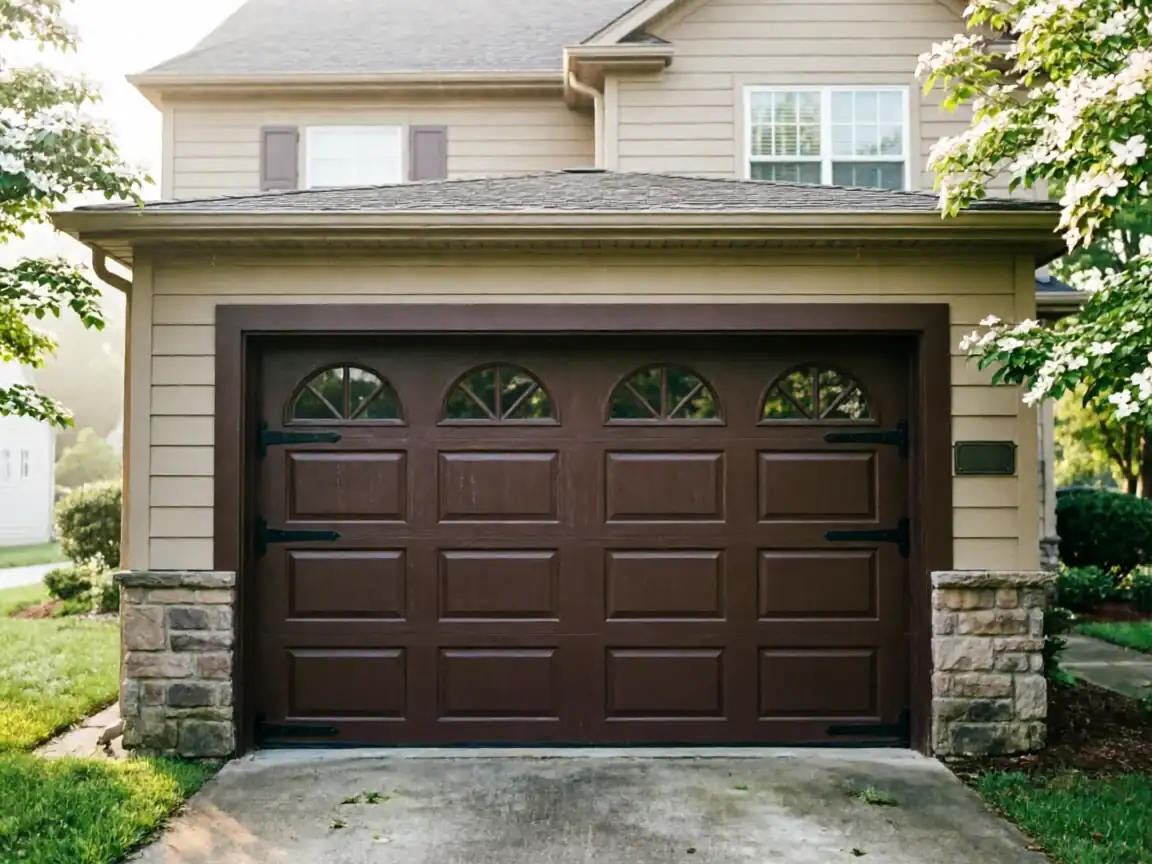
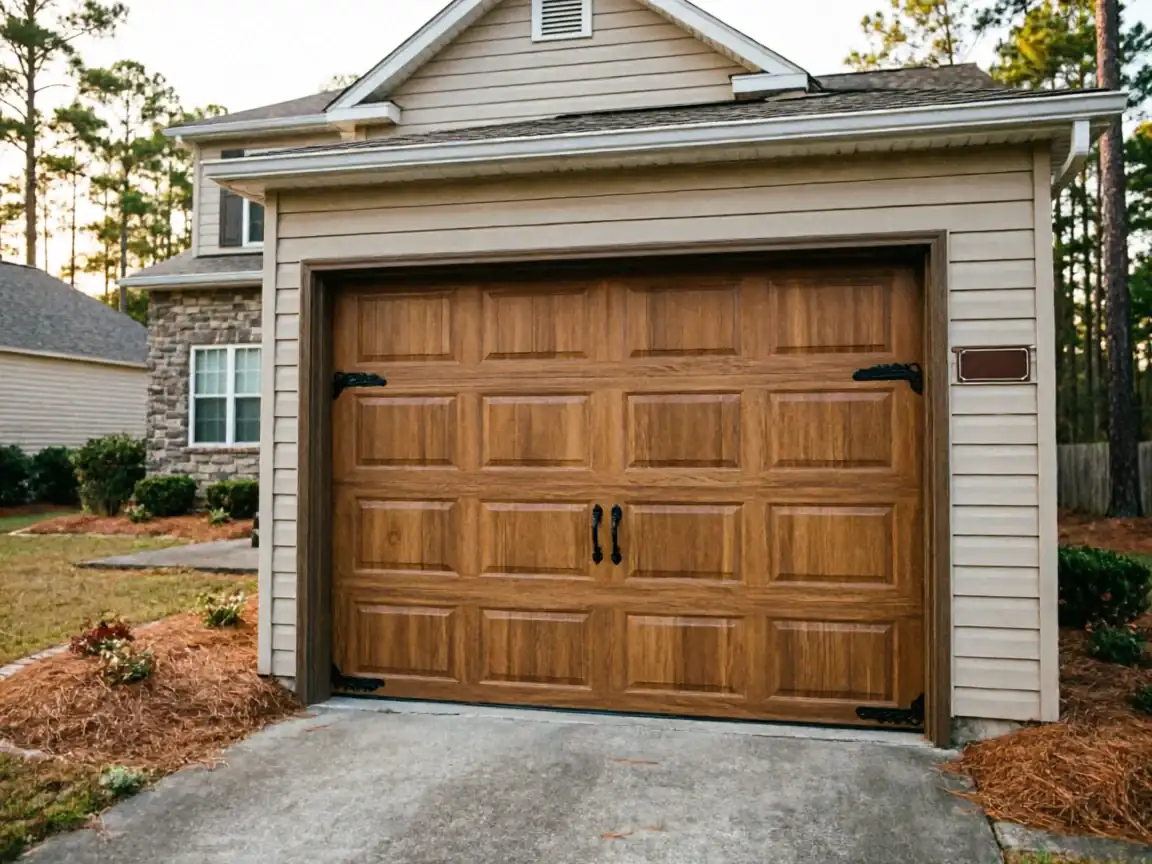
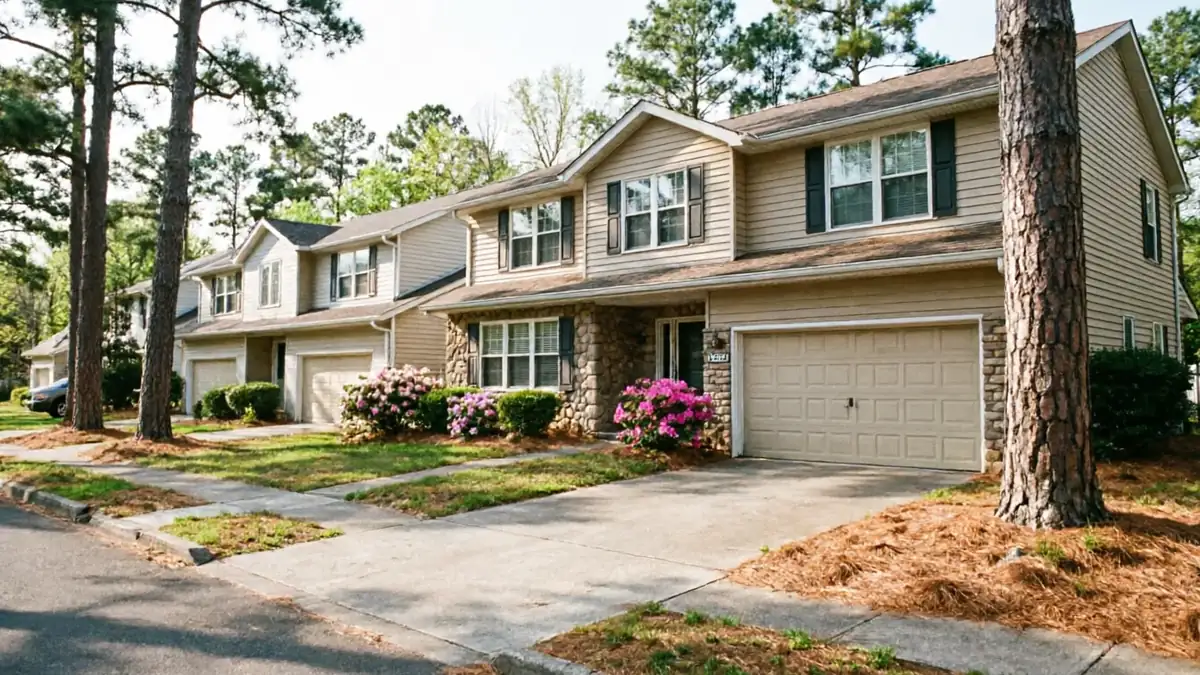
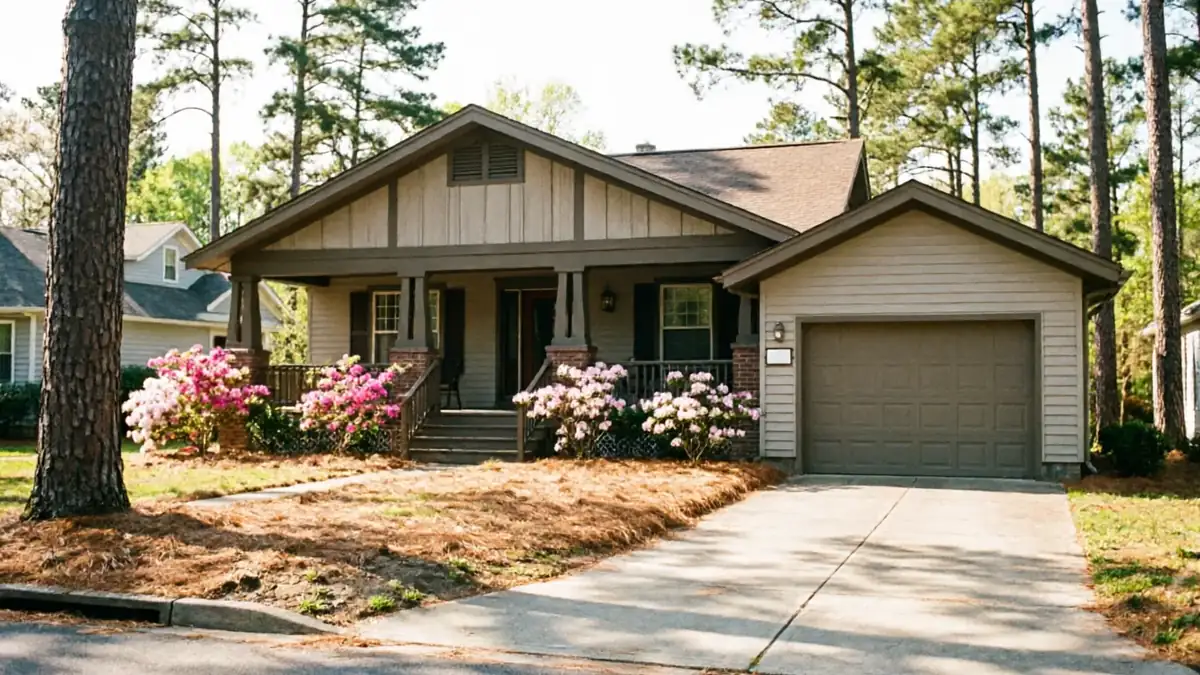
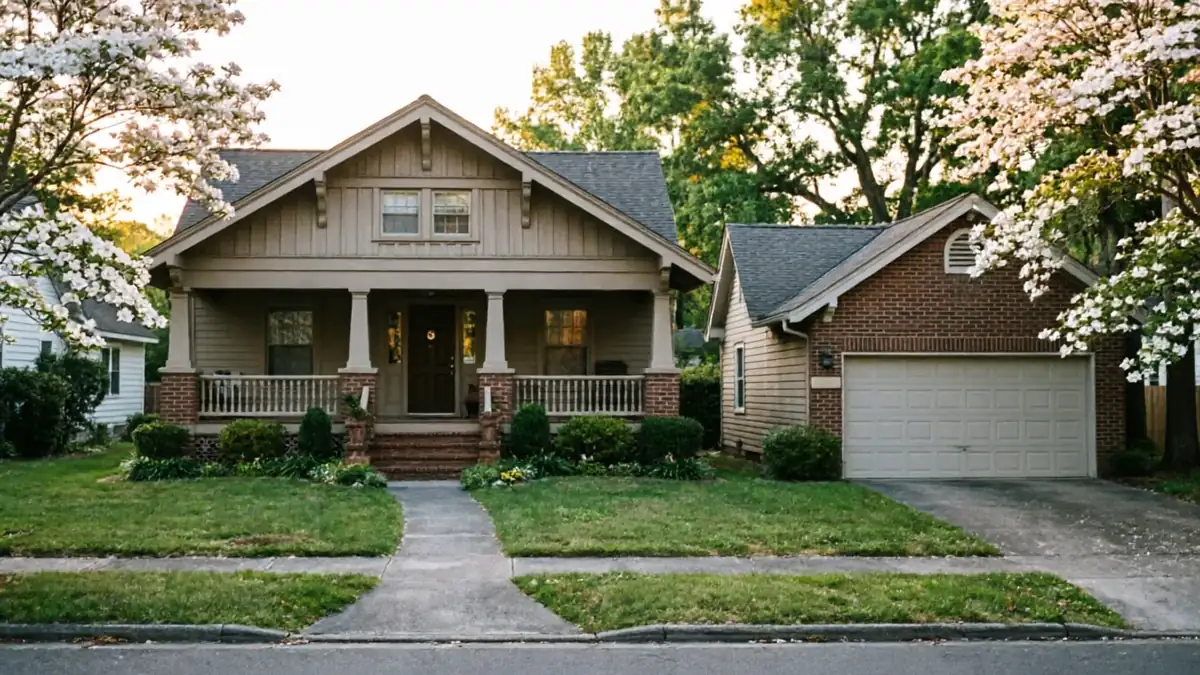
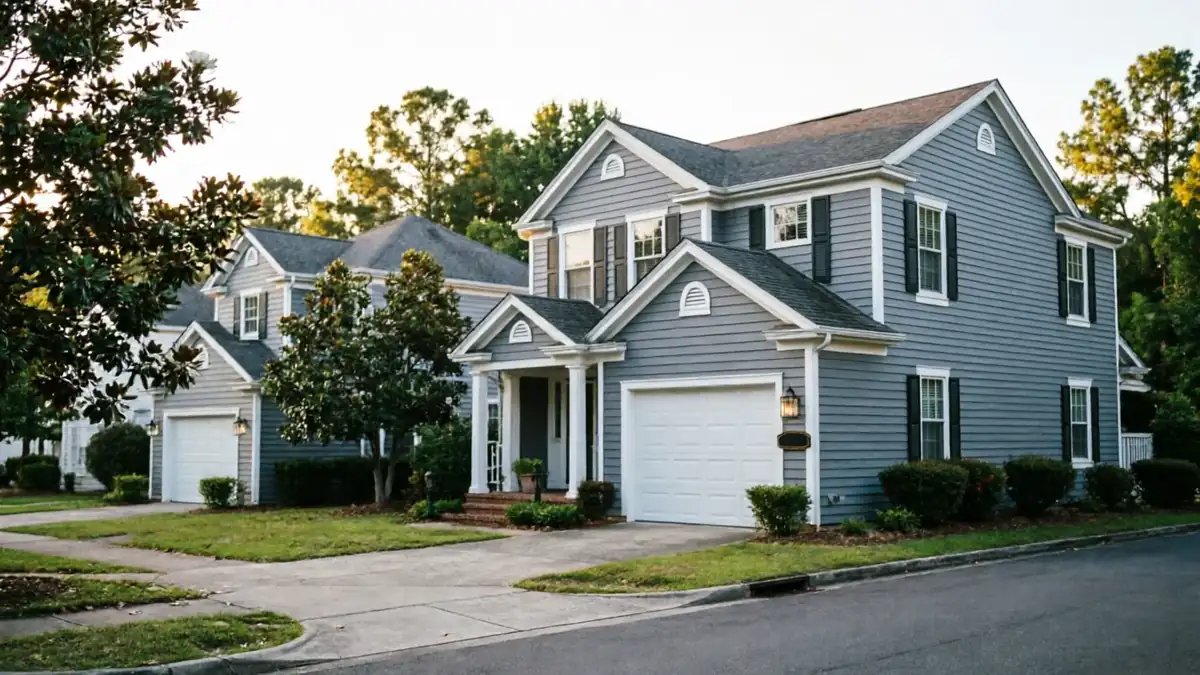
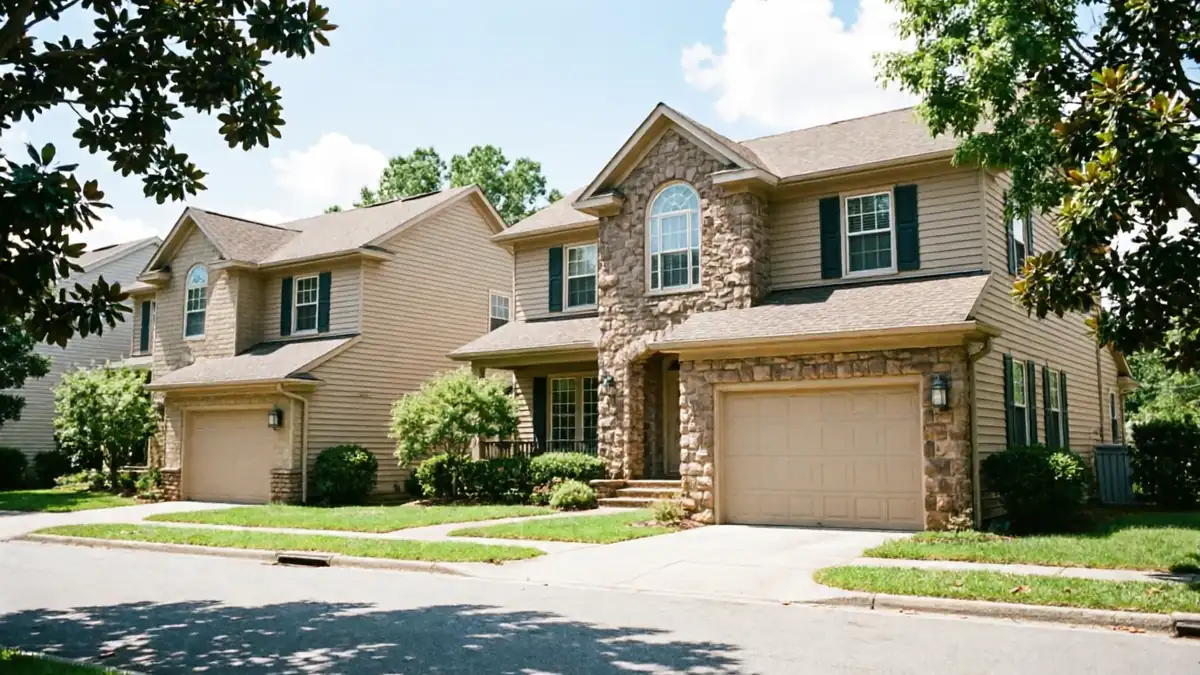
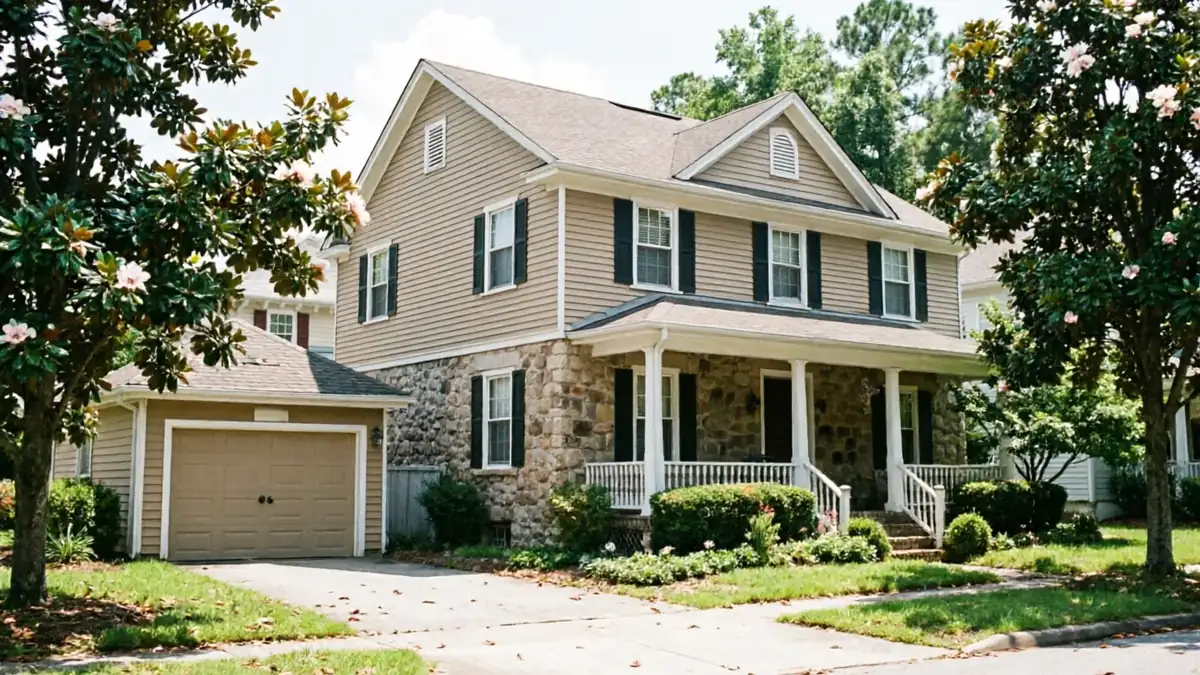
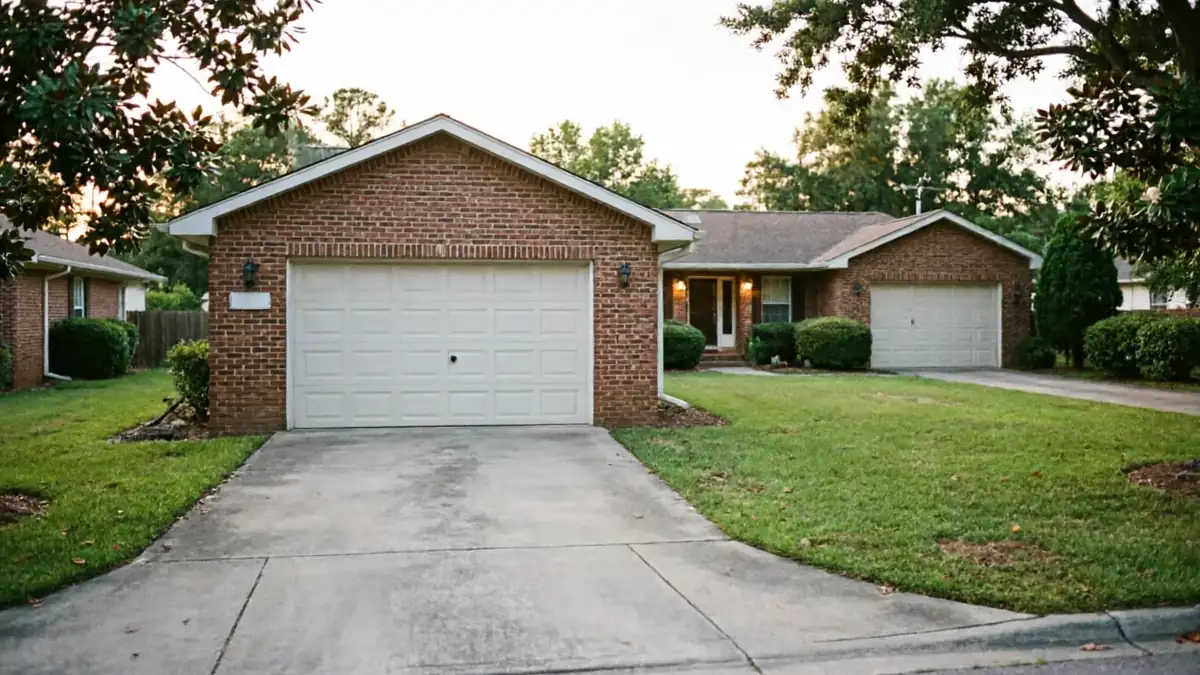
Hodgenville's housing sits around a median build year of 1968, which puts a good share of the garage doors we see here a full decade earlier than what we run into closer to Elizabethtown, where the broader service area's stock skews toward 1975 and later. Across the whole territory we cover, from Radcliff to West Point, the mix runs 1957 through 2001, but Hodgenville leans hard toward the older end of that range. A door installed in 1968 was almost never replaced on the same schedule as a 1985 build - different spring tension, different track width, different everything. With roughly 1,149 households in this area, that's a lot of garages still running on hardware from before steel panel doors became the standard choice.
Timing on This Area
We come out to Hodgenville from Elizabethtown, 13 miles up the road, which is a bit farther than some of the other spots we cover, like Vine Grove or Radcliff at 9 miles. It's not a detour we treat as an afterthought, but it does mean we're not sitting in town waiting for a call the way a shop with a local depot might. We plan the trip, bring what a late-1960s door is likely to need based on what the job calls for, and go from there. If a part turns out to be something we don't carry on the truck, that can mean a short wait on a second visit - we'd rather tell you that up front than pretend every job wraps in one stop.
What We Do Most in This Area
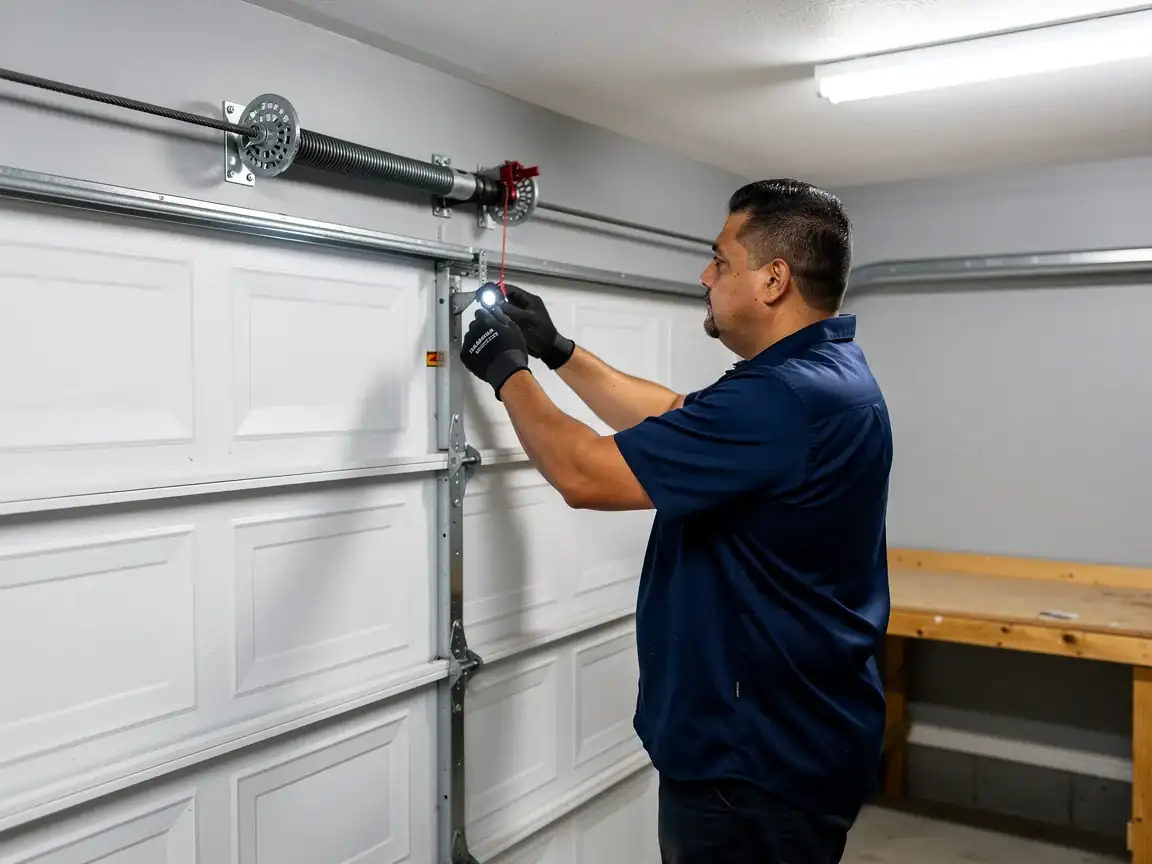
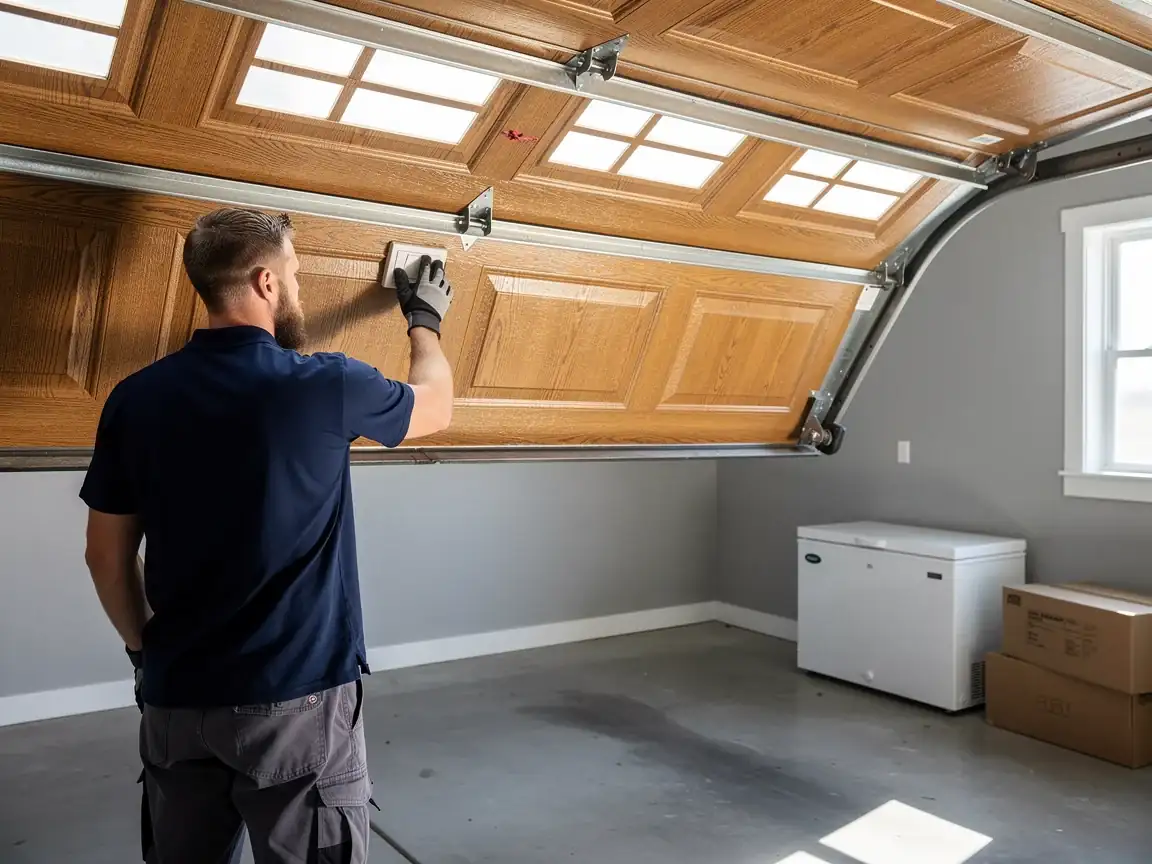
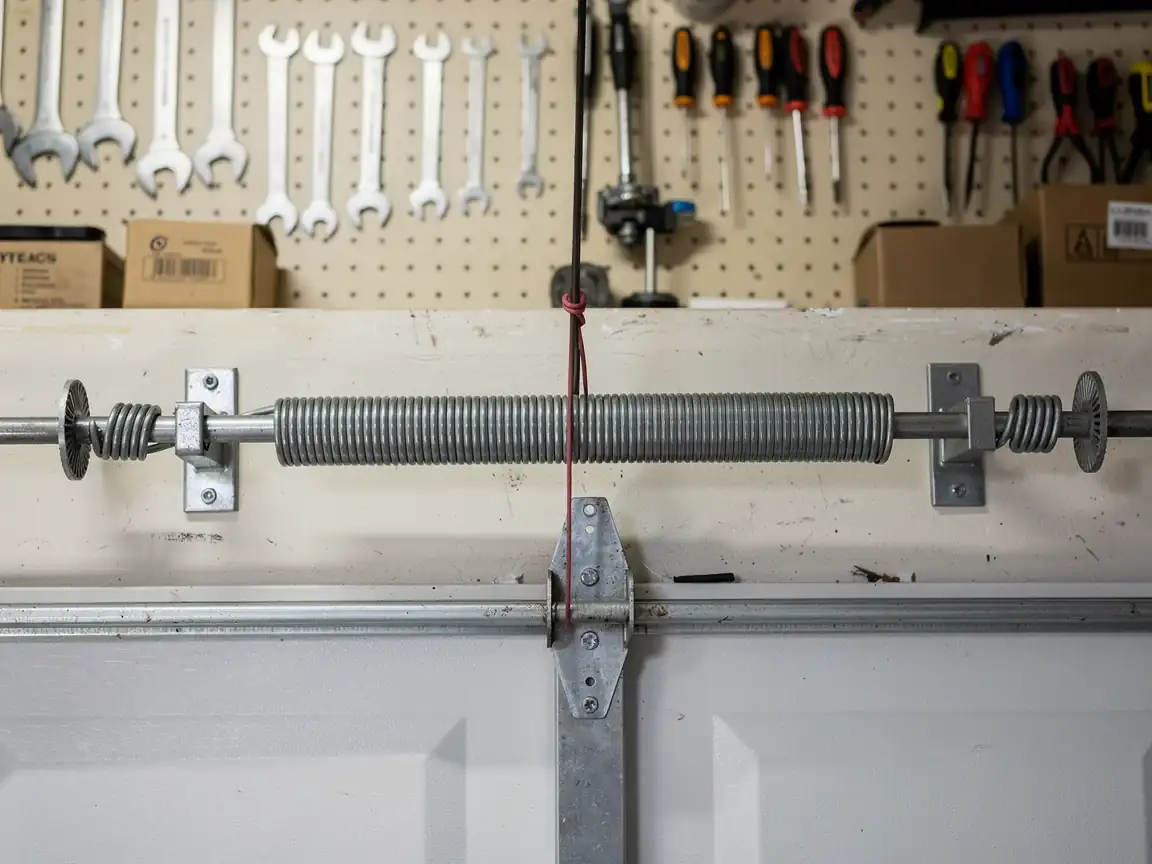
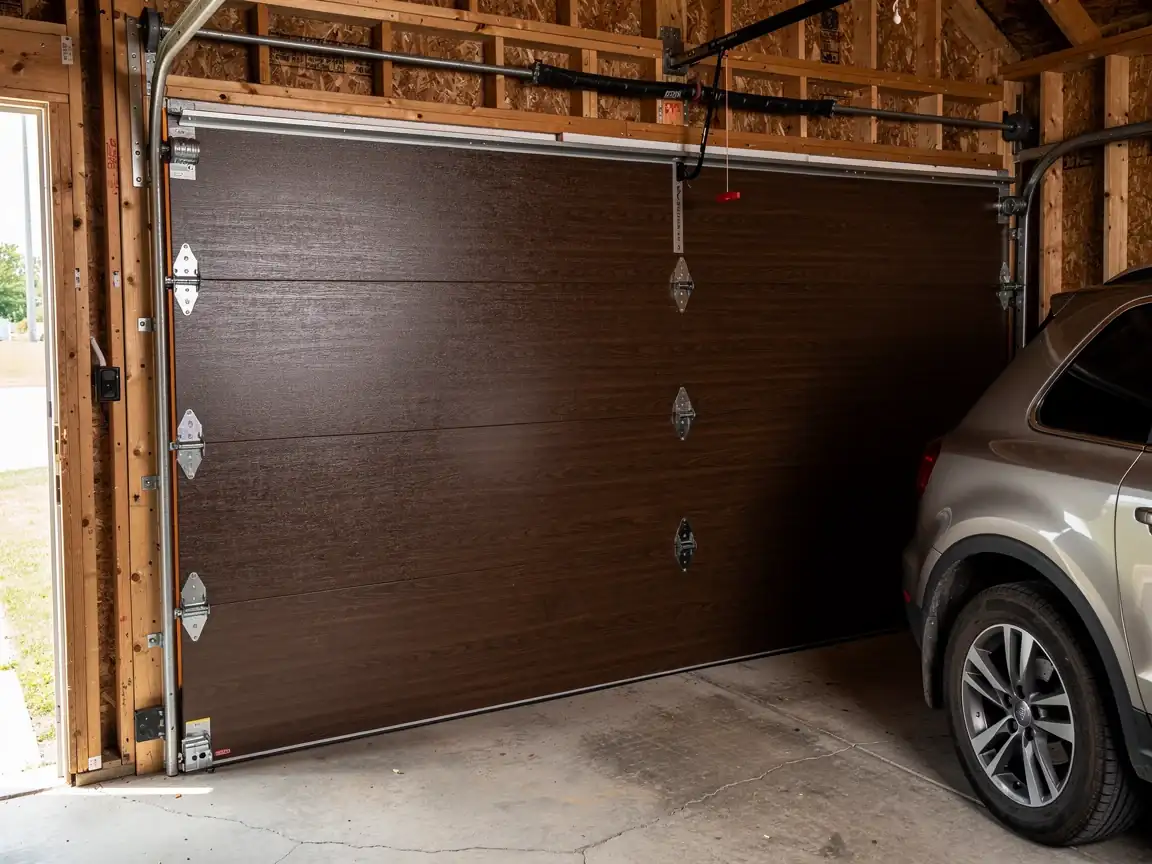
In Hodgenville, most of our calls are extension spring replacement, roller and track work on older steel doors, and opener swaps where the original unit has finally quit after running well past what it was built for. We also get calls on panel damage where a door this old just isn't worth patching anymore - at some point a 50-plus-year-old door costs more to keep alive piece by piece than it does to replace outright, and we'll tell you when we think that's the case rather than stringing out repairs. With median household income here around $58,750, we try to give straight answers on repair versus replacement instead of defaulting to the bigger job.