Serving Elizabethtown, KY & nearby
(270) 203-4611
Elizabethtown, KY

Garage Door Repair for Hodgenville's 1968-Era Homes

Hodgenville homes mostly went up around 1968, often with extension-spring doors and side hardware. Elizabethtown Garage Door Pros drives the 13 miles to fix them.

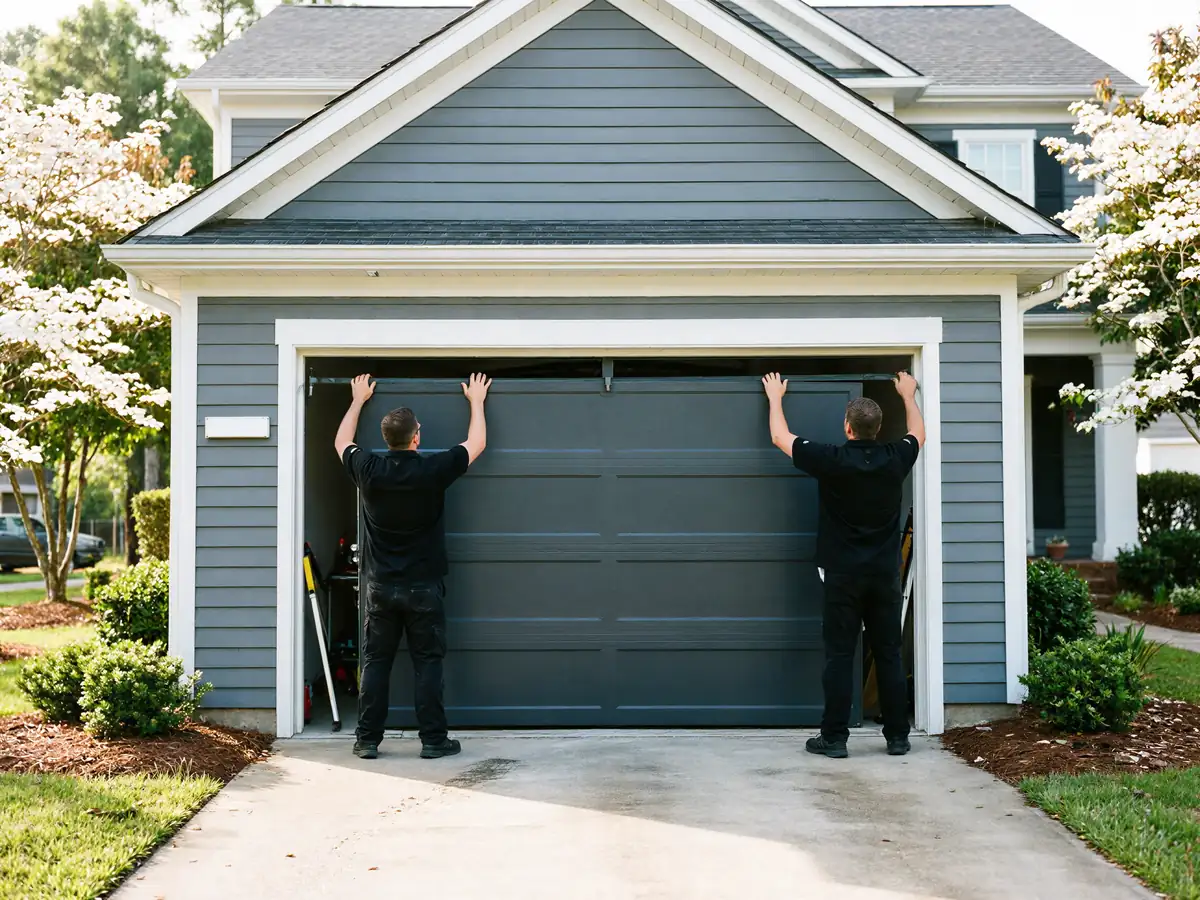
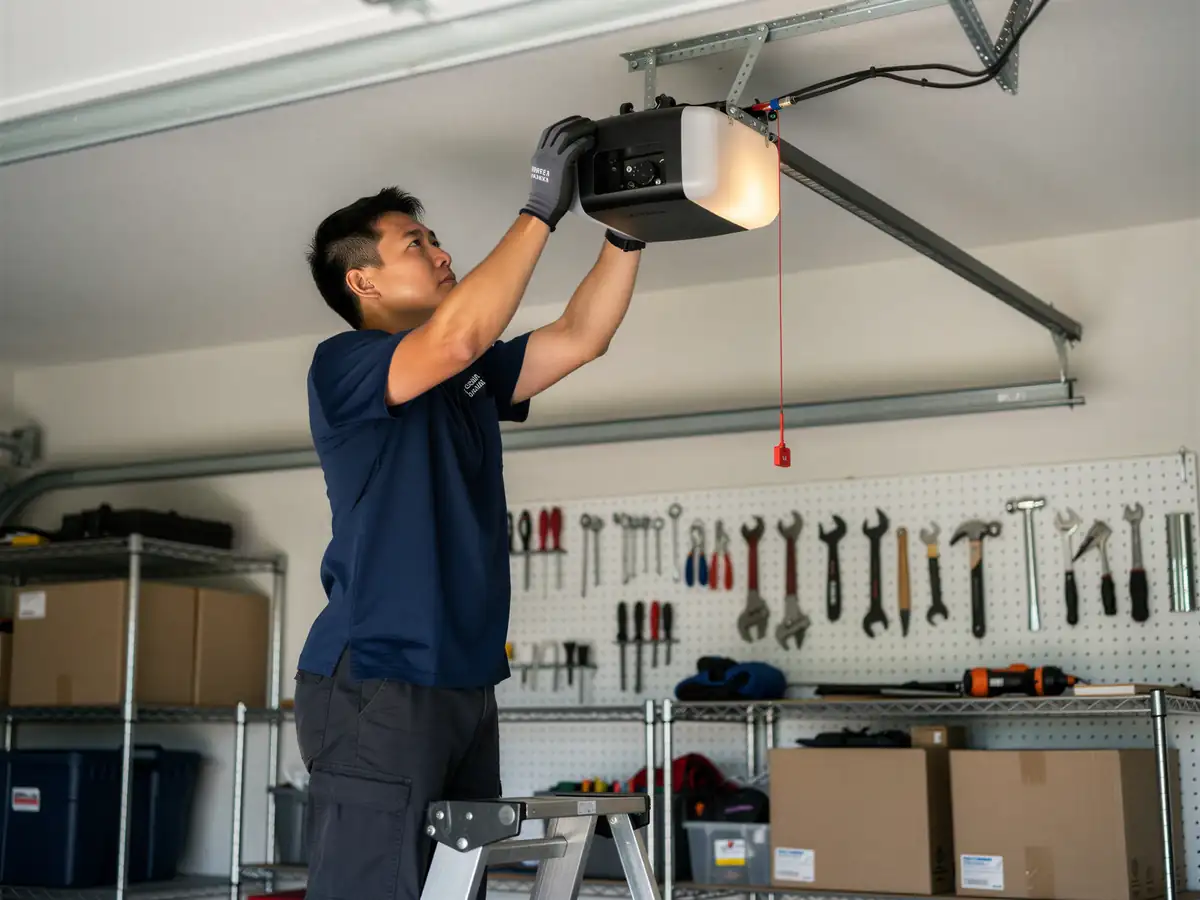
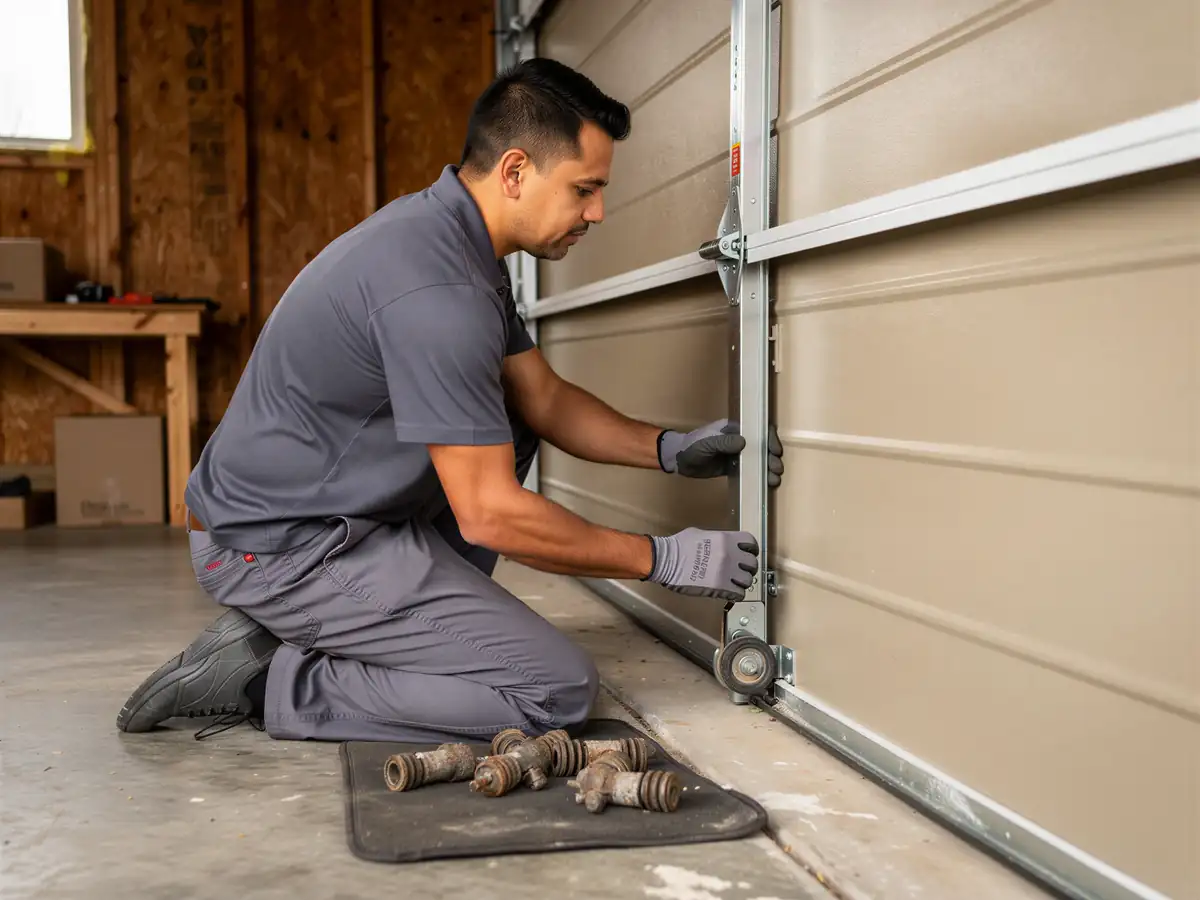
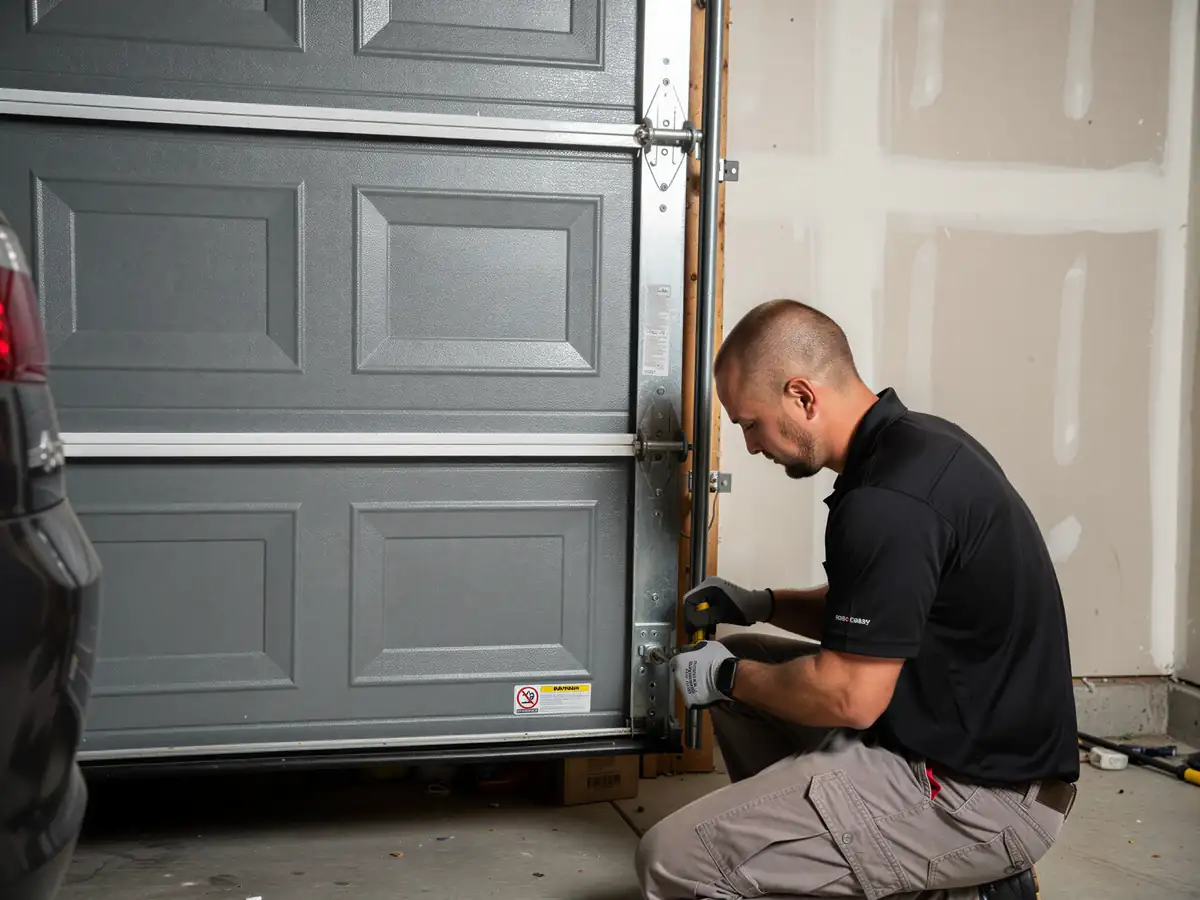
A technician in a black shirt and gray pants works on a gray garage door.
Elizabethtown, KY
8 services
5 service areas
Diagnosis first, then the fix

Booking a Visit

We run out of Elizabethtown, about 13 miles from Hodgenville, so there's no local branch to drive past and no walk-in counter here. That doesn't change what we bring or how we work it; it just means you're booking a truck that's coming from town, not one already parked around the corner. When you call, tell us what the door is doing and, if you know it, roughly when the house was built. A lot of Hodgenville's housing went up around 1968, and that one detail tells us more about what's likely wrong than almost anything else you could say. We'd rather ask a question up front than show up guessing. If the job turns out to need a part we don't carry on the truck that day, we'll say so plainly instead of padding the visit.

What Is on the Truck

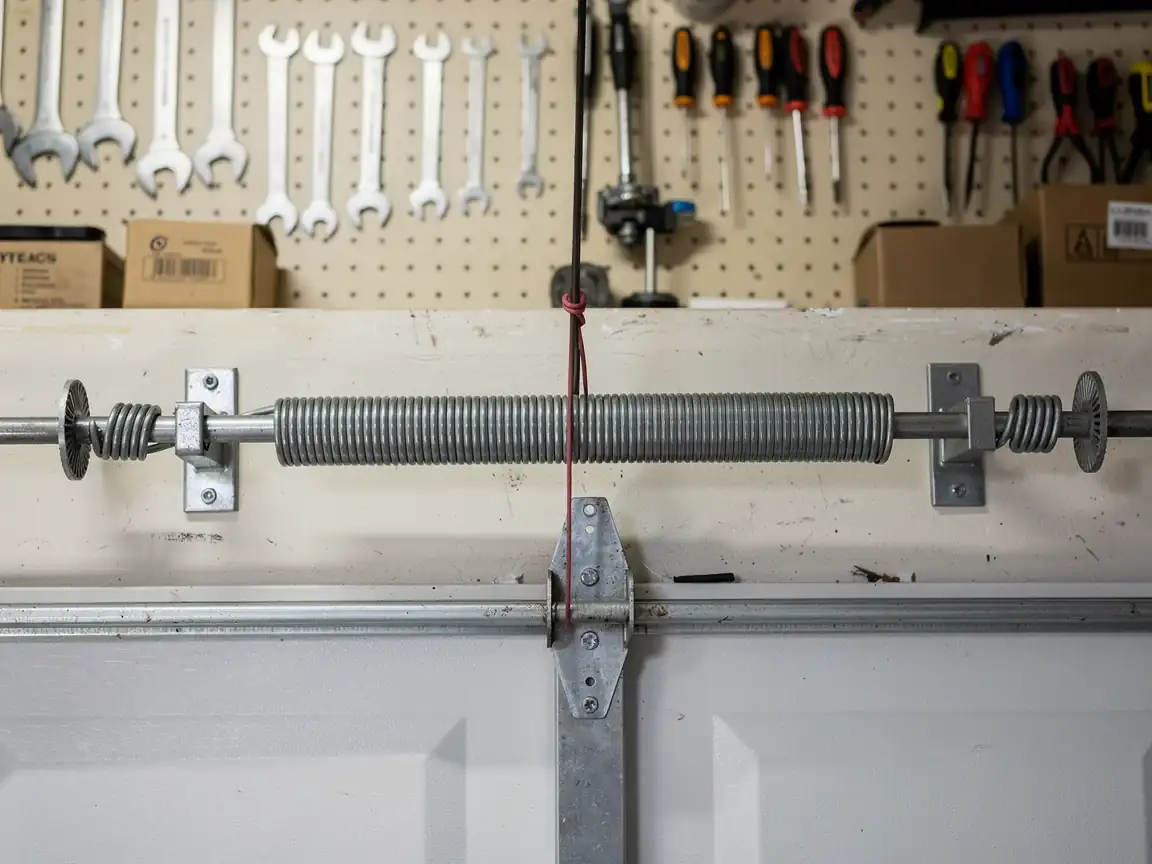
Because so much of Hodgenville was built around 1968, we stock extension springs and the open-coil hardware that went with doors from that stretch, not just the torsion springs and center-mounted shafts that became standard later. That means side-mounted spring pairs, pulley wheels, and the older style of lift cable, along with the newer torsion parts for houses that have already been converted or replaced. We carry rollers in both nylon and steel, several widths of track, and a stock of safety cables, which a lot of original 1968 installs never had because they weren't required yet. We don't carry every custom panel on the truck - some of the older single-piece doors from that era were sized or styled in ways nothing current matches off the shelf, and those jobs sometimes mean a short wait on a special order.

What the Repair Takes

On a door with the hardware typical of a 1968 build, the repair usually starts with figuring out whether the springs are extension or have already been swapped to torsion at some point - a lot of these houses have had one update along the way, and not always a documented one. If it's still running original side-mounted extension springs, replacing both as a pair and adding a safety cable if one isn't there is the standard move, since one spring going means the other is close behind. Track alignment is worth checking on these older frames too; steel track from that era can be bent from decades of use in ways that look fine until the door binds. We won't quote a time here since it depends on what we find once the door is open, but we'll tell you before we start what we expect and what could change it.

What You Are Seeing

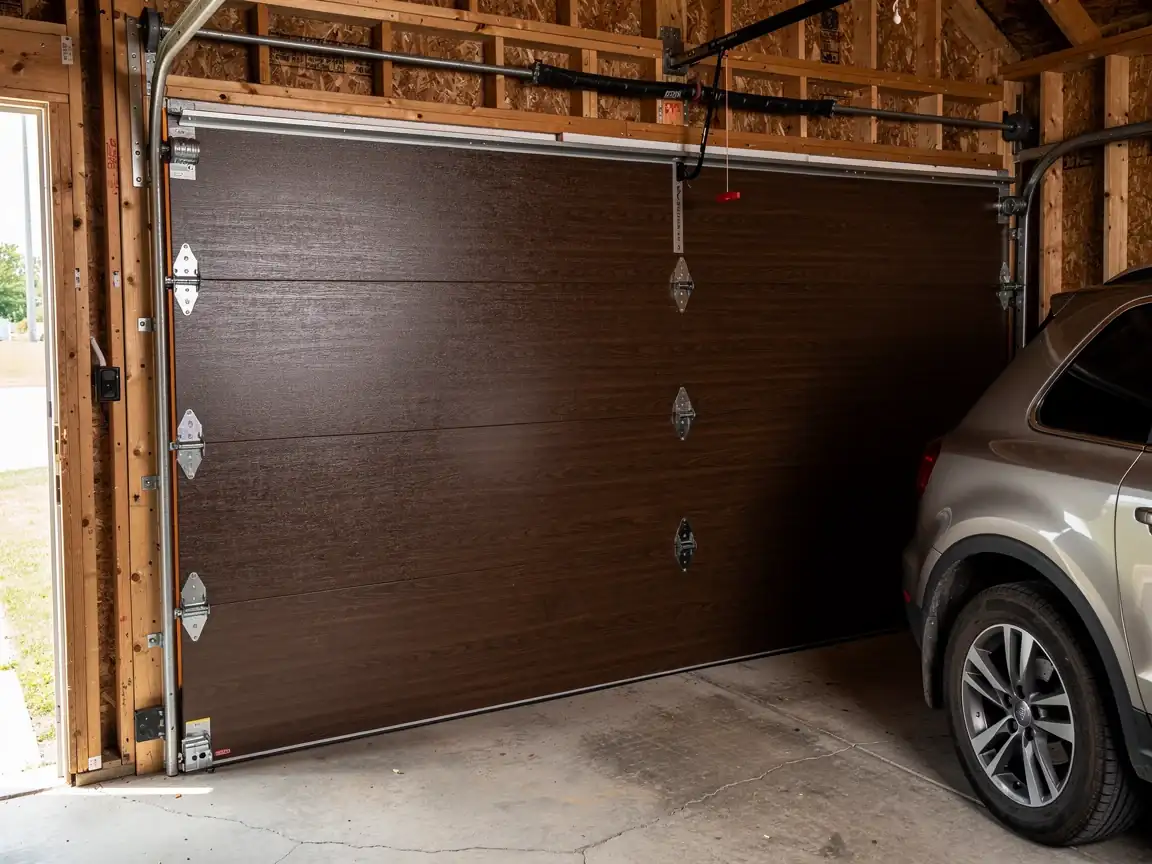
If your door is original or close to it, the most common complaint we hear is a door that slams the last foot of travel instead of settling - a sign an extension spring has lost tension or snapped. Another is a door that's hard to lift by hand, which on a house this age often means both springs are tired, not just one. Frayed or kinked cable near the bottom bracket shows up a lot on doors that have never had the cable replaced since install. If you hear a loud bang from the garage and then the door won't move right, that's almost always a spring letting go, and on the older side-mount setups without a safety cable, the broken spring can whip - don't go in and try to move the door yourself until it's been looked at.

What Causes It Around Here

This area sits in a cold, moderate climate band, and that matters more for older hardware than people expect. Steel springs and cable lose tension and corrode faster with repeated freeze-thaw cycling, and a lot of the extension-spring setups from 1968-era builds were never galvanized the way parts are now. Wood jambs and door frames from that period also shift slightly with seasonal moisture, which throws off track alignment over the decades even on a door that's otherwise sound. None of this means the door was built wrong - it means it was built to a 1968 standard, and that standard didn't anticipate 50-plus years of seasonal swings without a mid-life hardware update.
Doing It Yourself

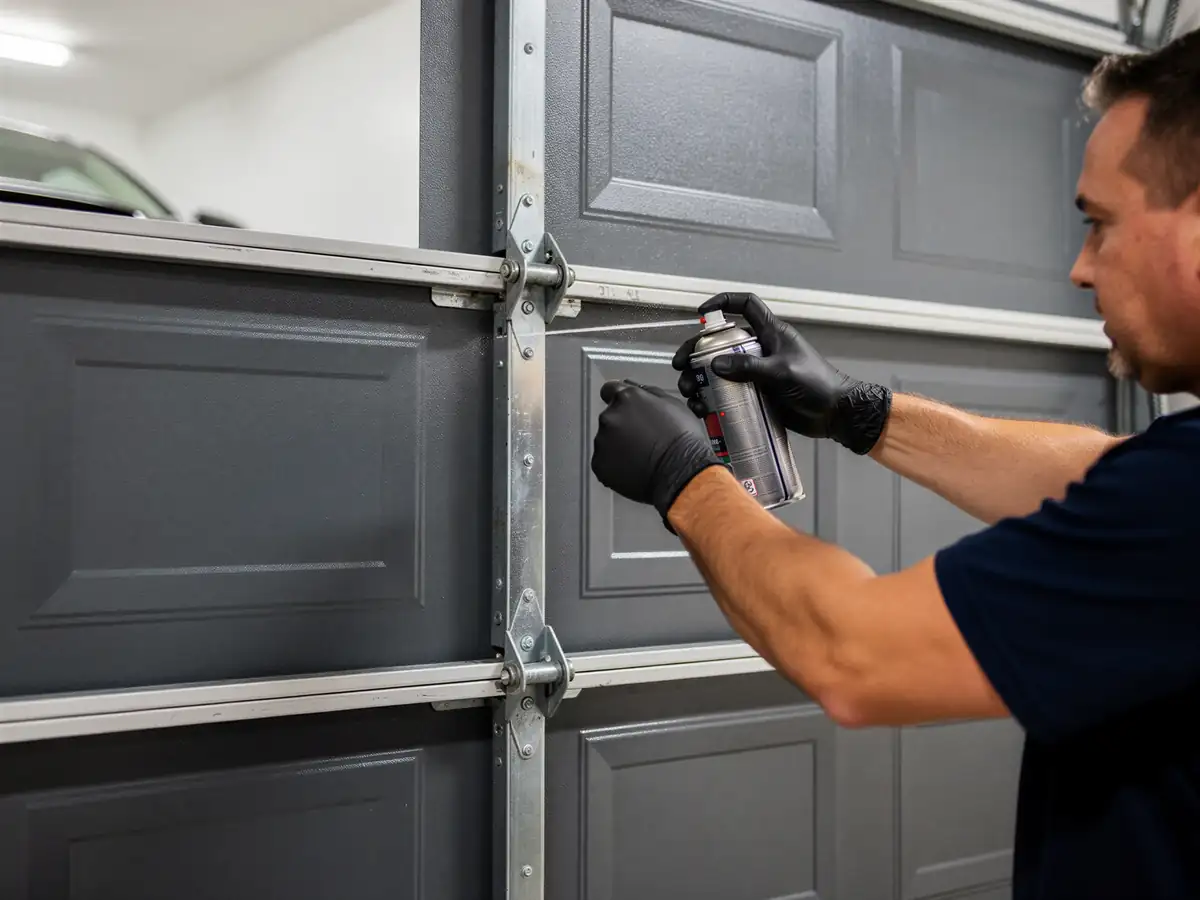
Lubricating rollers and hinges, tightening loose bolts on the track brackets, and clearing debris from the track are all fine to do yourself and worth doing a couple times a year, especially with the freeze-thaw cycling this area sees. What we won't walk you through over the phone is spring work. Extension springs under tension, especially older ones without a safety cable, can cause real injury if they let go while you're near them, and a door this age may have hardware that's been quietly deteriorating for years without looking it. If the door is sagging on one side or a panel is cracked, replacing the whole door is sometimes the more honest answer than patching it - we'll tell you when we think that's the case instead of running up a repair bill on a door that's past its useful life.

How it works

From “it’s stuck” to “it’s fixed”

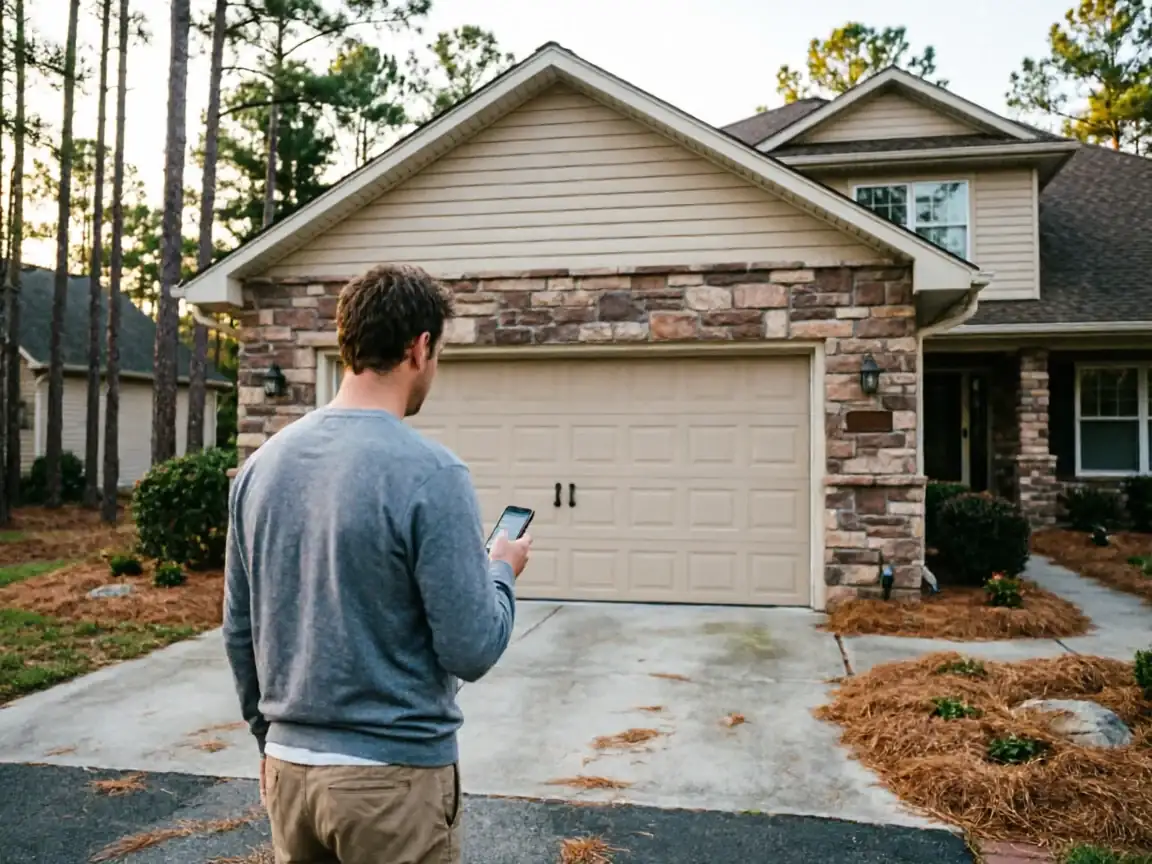
A man stands in a driveway, looking at his phone in front of a garage door.

Tell us what’s wrong

Describe the symptom - won’t open, loud bang, opener runs but the door won’t move.

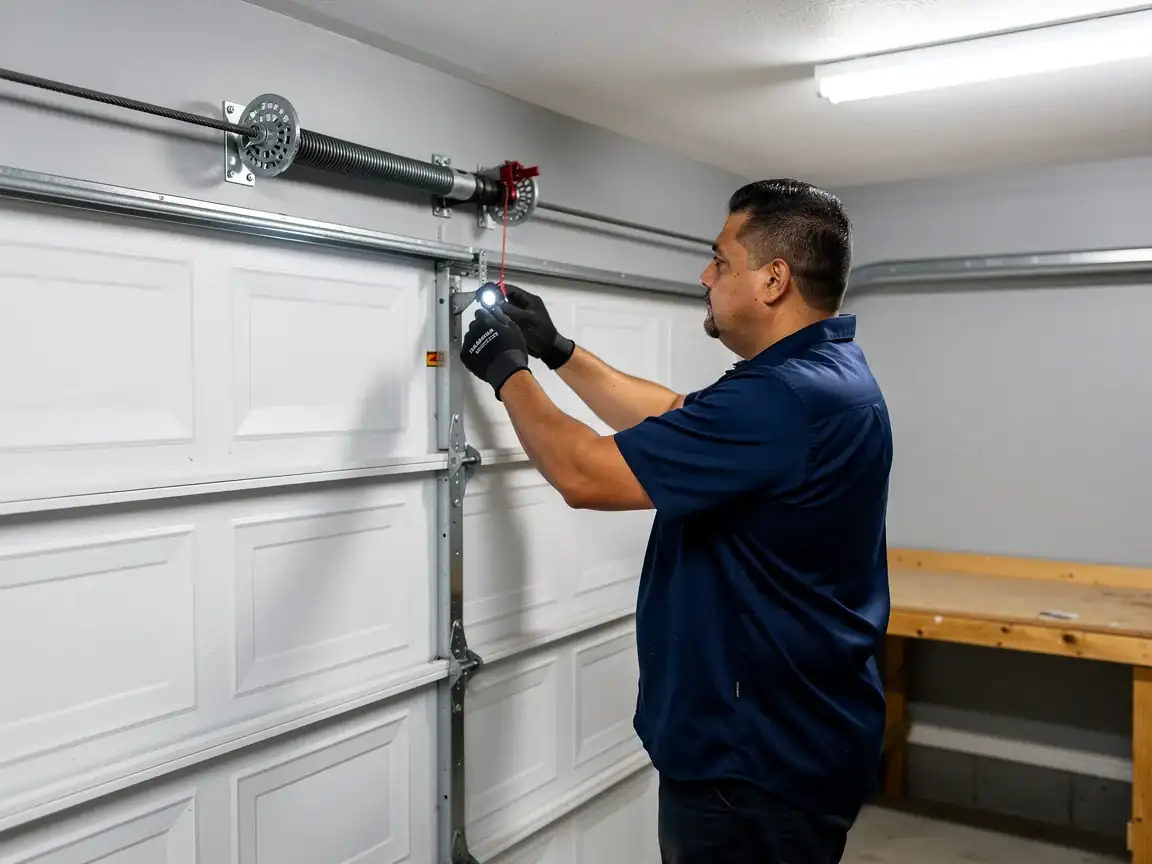
A technician inspects the garage door torsion spring with a flashlight.

On-site diagnosis

A technician tests the door under power and by hand and finds what actually failed.

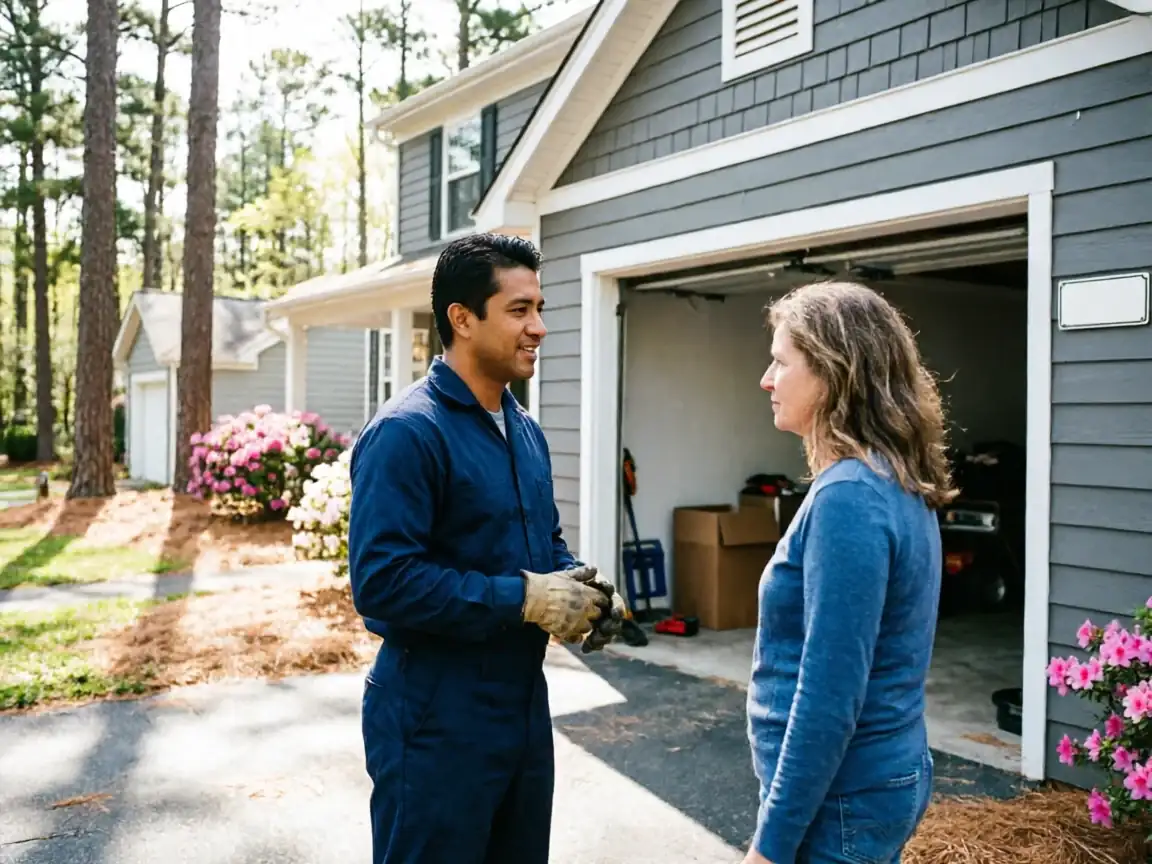
A technician in a blue uniform talks to a woman in front of an open garage.

Clear, up-front plan

You get the fix that’s needed and what drives the cost - before any work starts.

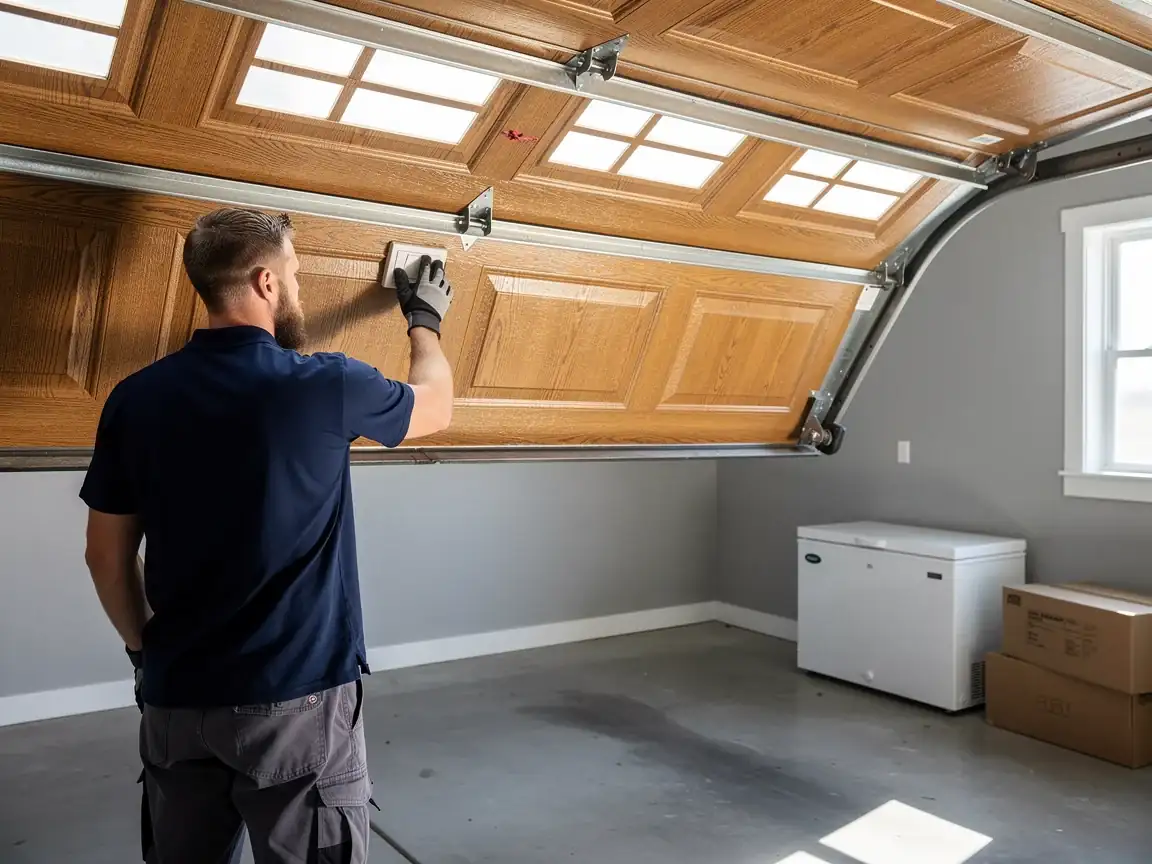
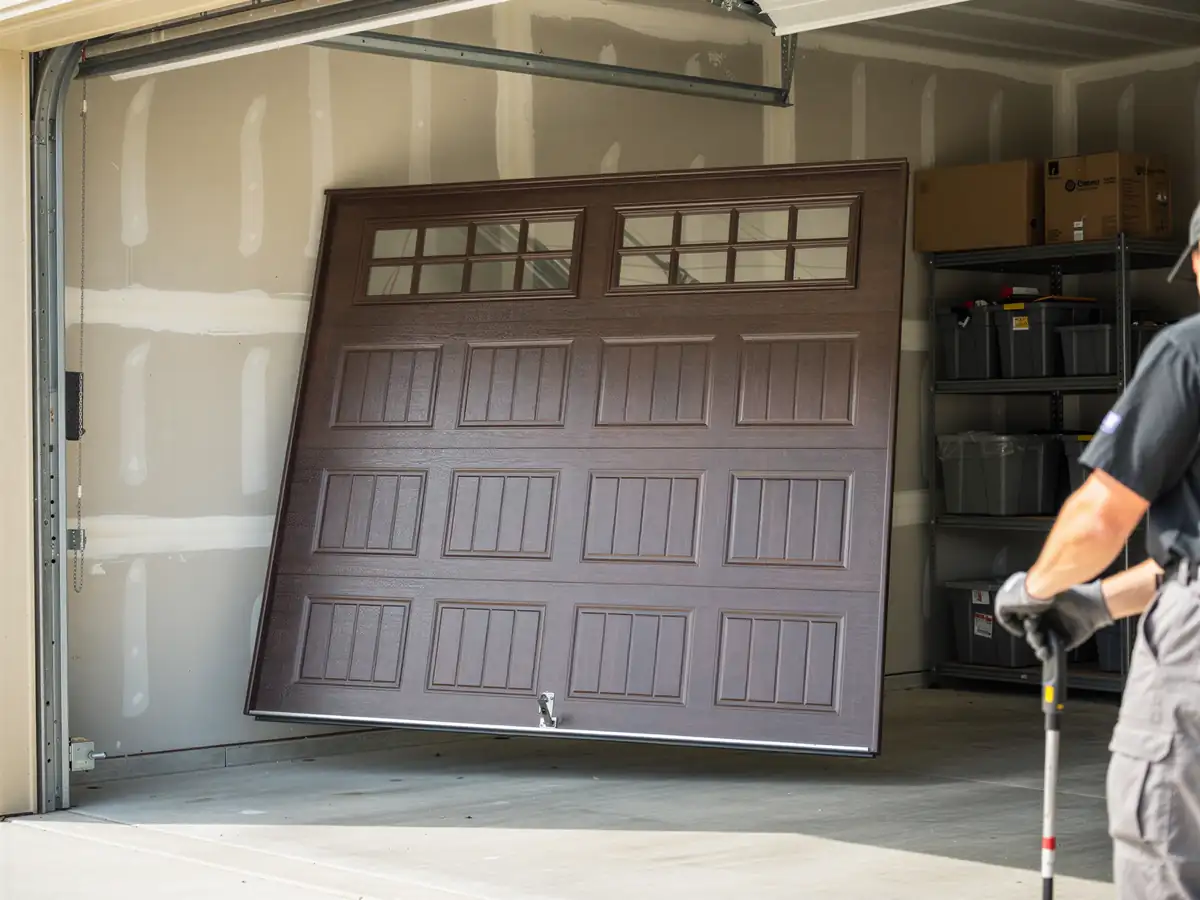
A technician in a blue shirt is working on a brown garage door.

Repaired & tested

The repair is done, the door is set true and tested, and the work area left clean.

Not sure which repair your door needs in Elizabethtown, KY? Describe what it’s doing - every job starts with a diagnosis.

How we work

What to expect

Diagnosis first

Every visit starts by finding what actually failed - not a pre-written parts list.

The right part for the door

Springs and openers matched to the door’s weight and age, so the fix holds up.

Straight answers

When a repair makes more sense than a replacement - or the reverse - you hear it plainly.

Clean, careful work

Tension released safely, hardware set true, the door tested under power before we leave.

29,678Residents in Elizabethtown
8Garage door services
5Neighborhoods & suburbs
KYServing Elizabethtown, KY
Questions

Frequently asked

Straight answers about garage door repair in Elizabethtown. Still unsure? Ask us directly.

01Why does the hardware on my Hodgenville house look different from newer doors?

Most houses in this area went up around 1968, before torsion springs mounted on a center shaft became the standard setup. A lot of original doors here used extension springs mounted on either side of the track, often without the safety cable that's standard practice now.

02How far out is Hodgenville from your shop?

We come out of Elizabethtown, about 13 miles away. There's no local branch in Hodgenville, so every visit is a truck driving in, but that doesn't change what parts we bring or how the repair is handled once we're there.

03Should I replace both springs or just the broken one?

If your door still has the original extension-spring pair typical of a 1968-era install, we replace both even if only one failed. They wear at close to the same rate, and leaving the old one in means a second call soon after.

04Is my door missing a safety cable?

A lot of original installs from the 1960s didn't include one, since it wasn't required at the time. If your extension springs don't have a cable running through them, we'll usually recommend adding one when we're already doing spring work.

Ready to get your garage door sorted?

Tell us what it’s doing and where you are in Elizabethtown - we’ll take it from there.

Request a QuoteCall