Booking a Visit
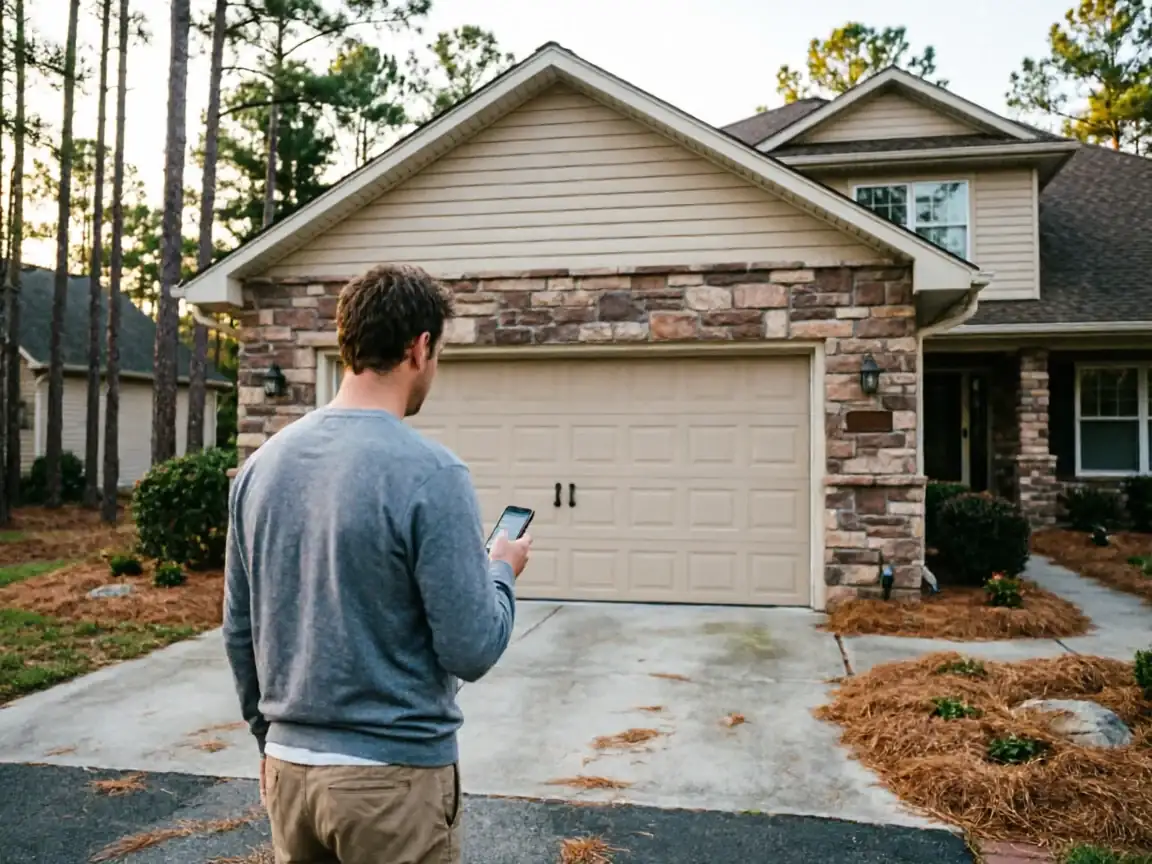
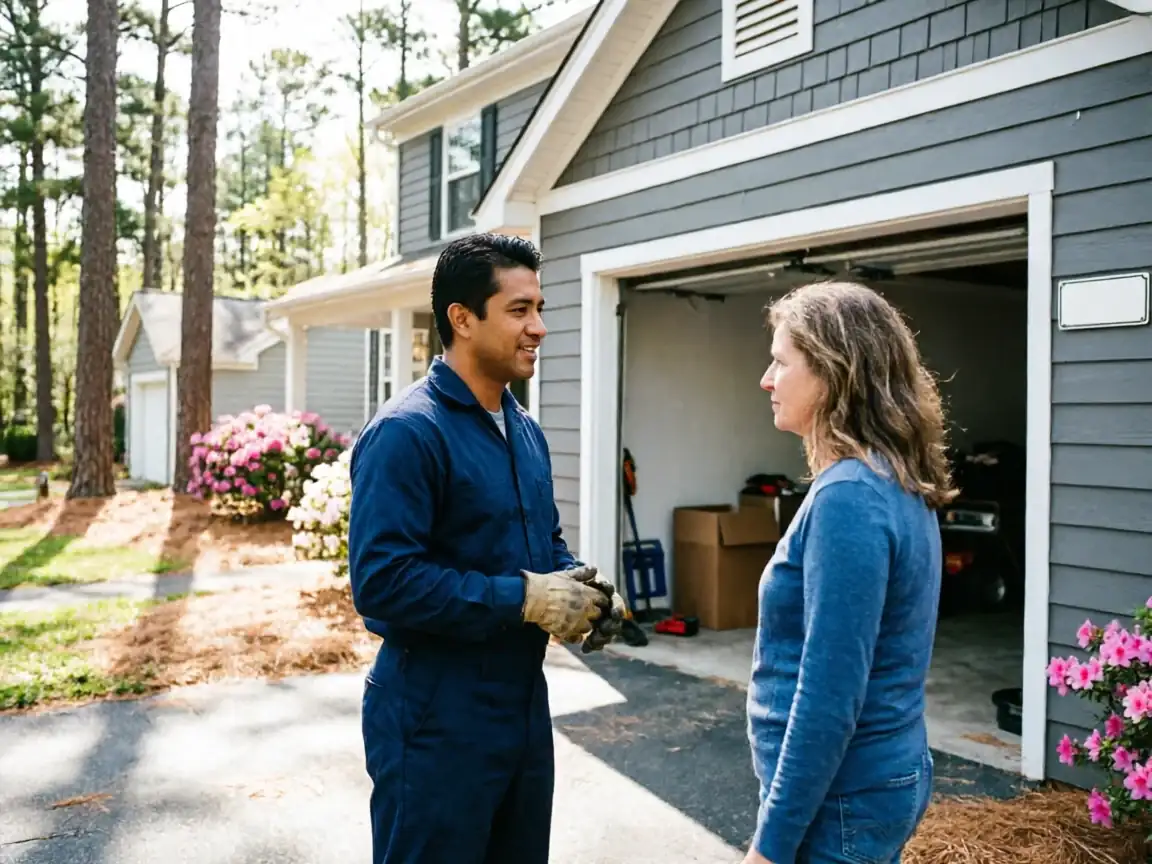
Hodgenville sits about 13 miles from Elizabethtown, and that's the drive our truck makes to get to your door - there's no branch or depot in town, so every visit starts with that trip. What that means for you is simple: have the make and rough age of your opener and door ready when you call, and clear the driveway so the truck can park close. We don't carry a crew stationed in Hodgenville, so we can't promise a same-hour slot the way a local outfit might, but we do run jobs out this way on a regular schedule. A snapped cable on a double door isn't a wait-it-out problem - the door can come down crooked or jam the track, so it's worth getting on the schedule rather than trying to force the door open yourself in the meantime.money note: at a median household income of $58,750, Hodgenville runs ahead of the broader Elizabethtown service area's $55,375, and that's part of why a straight cable swap, not a full door replacement, is usually the right call here - the repair cost makes sense against the income level, where a full replacement often doesn't pencil out until the door itself is failing.
What Is on the Truck
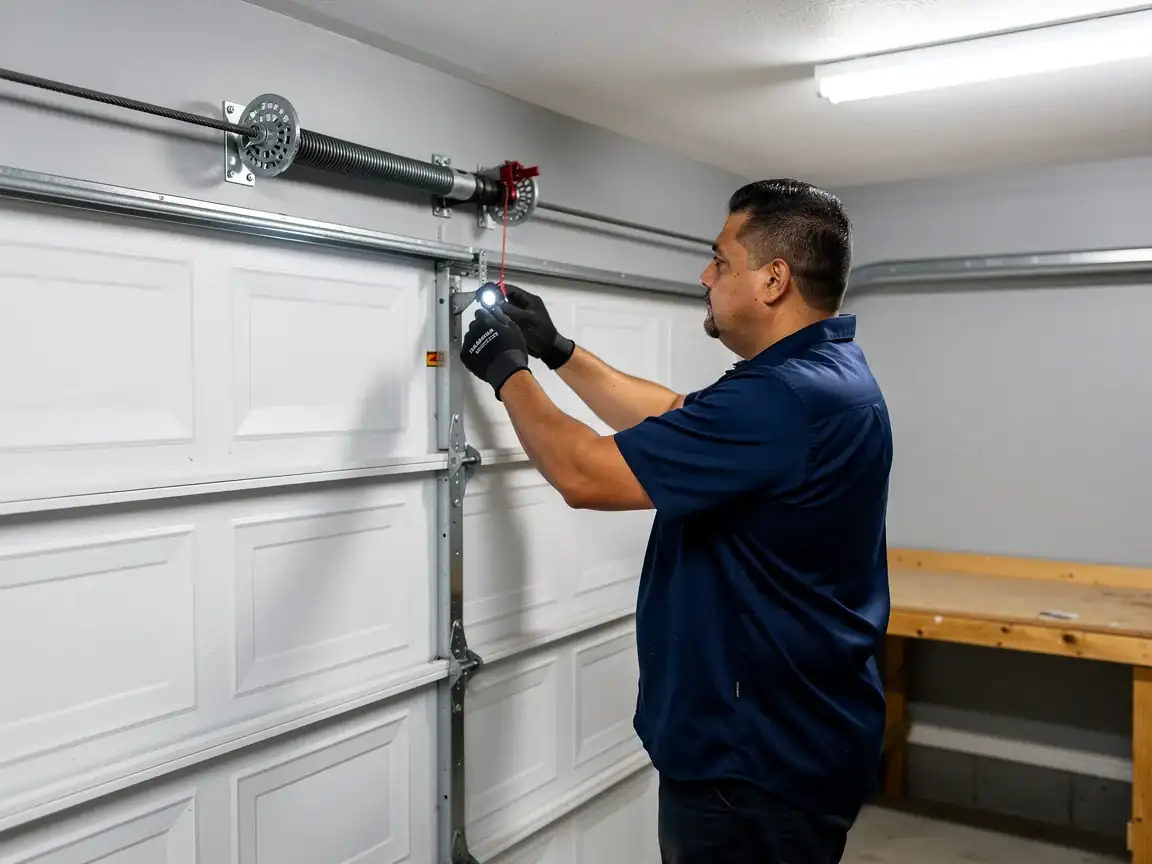
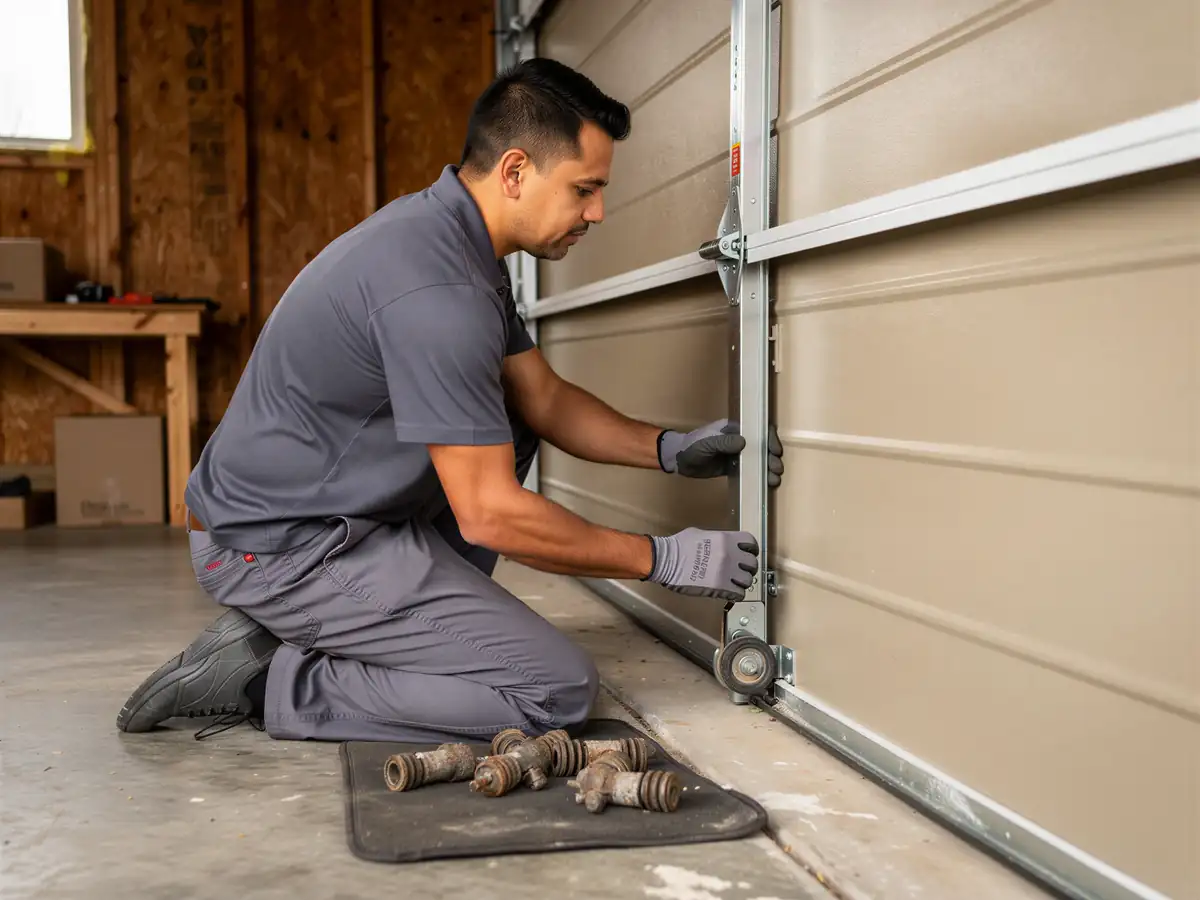
For a cable job we carry galvanized aircraft cable in the common gauges, replacement drums, and the fittings that match older extension and torsion setups alike, since Hodgenville's housing stock runs mostly 1960s builds with a median year around 1968. That matters because a house from that era often still has its original drum-and-cable hardware, or a mismatched replacement from a prior repair, and we need parts that fit what's actually on the door, not just what's newest. We stock standard-length cables for single and double doors sized for that generation of construction. What we don't carry on the truck is specialty hardware for oversized commercial doors or anything outside standard residential sizing - if your door falls outside that, we'll need to order the part first, which adds a day or two before we can finish the job.
What You Are Seeing
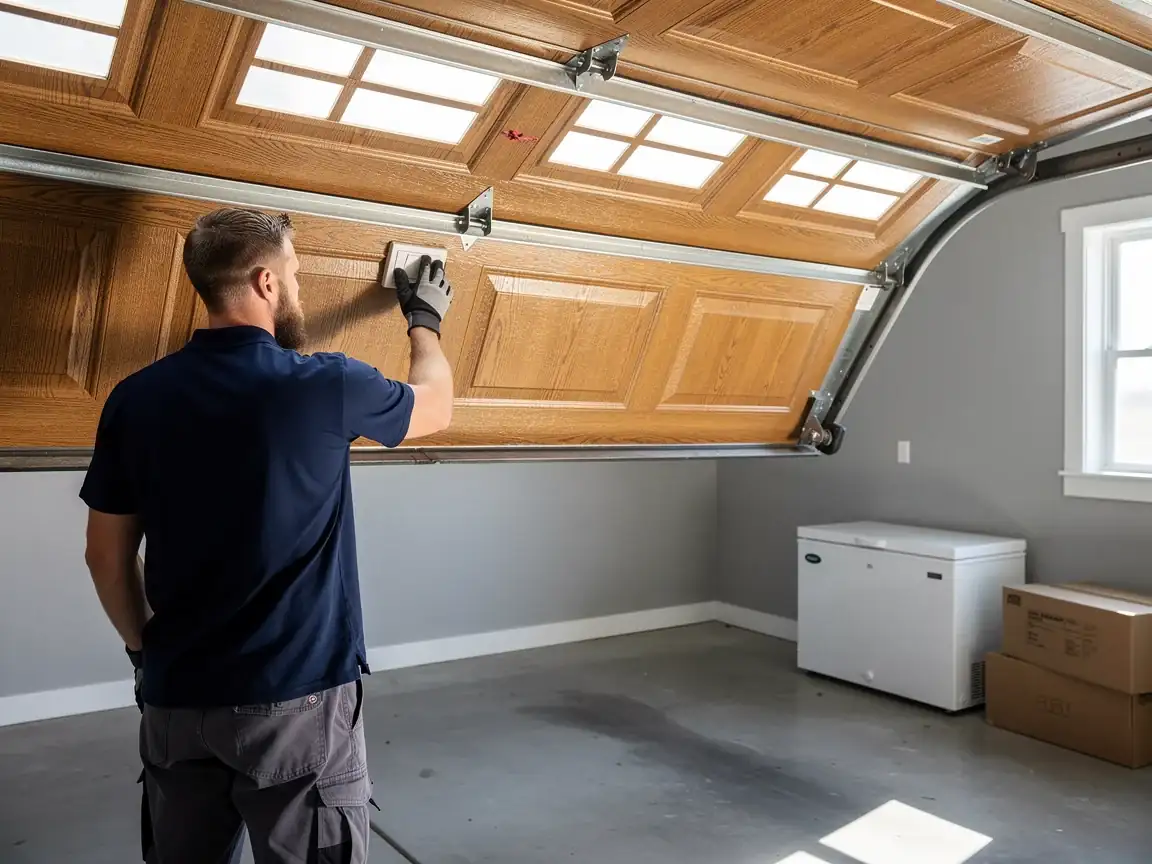
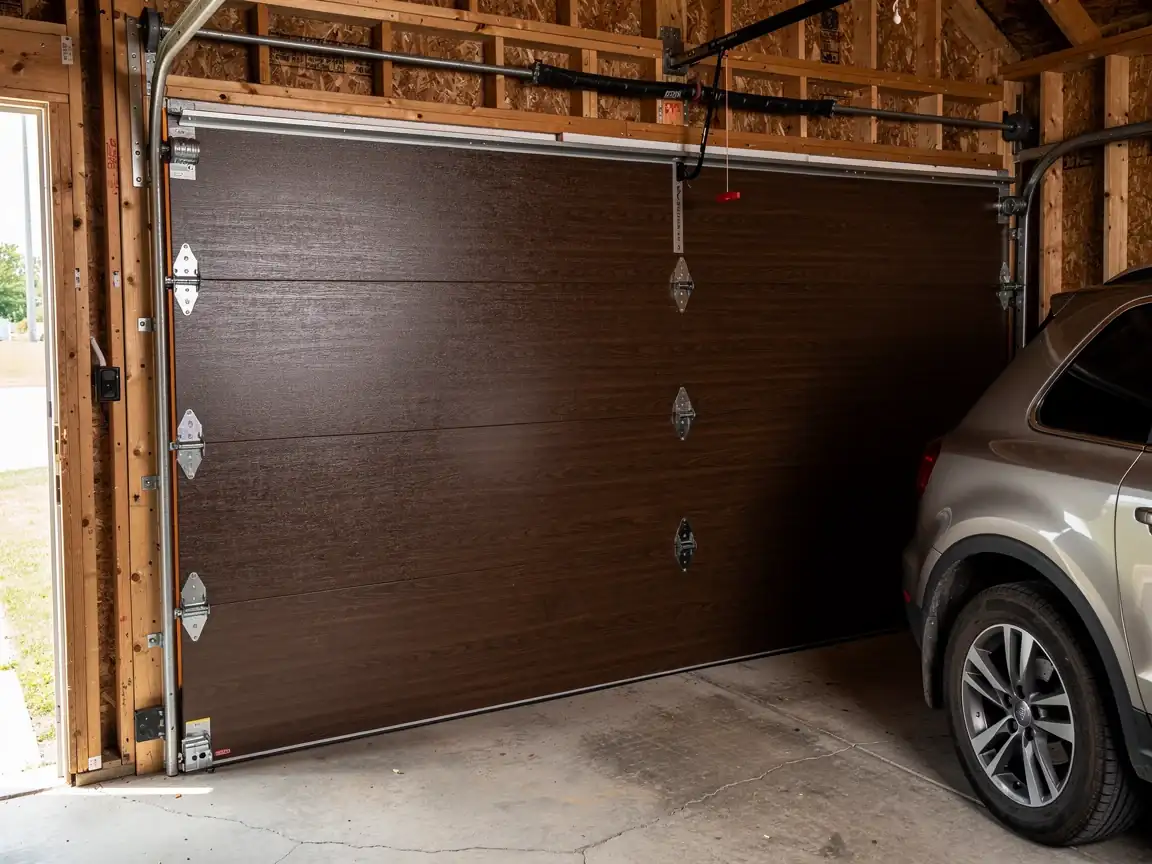
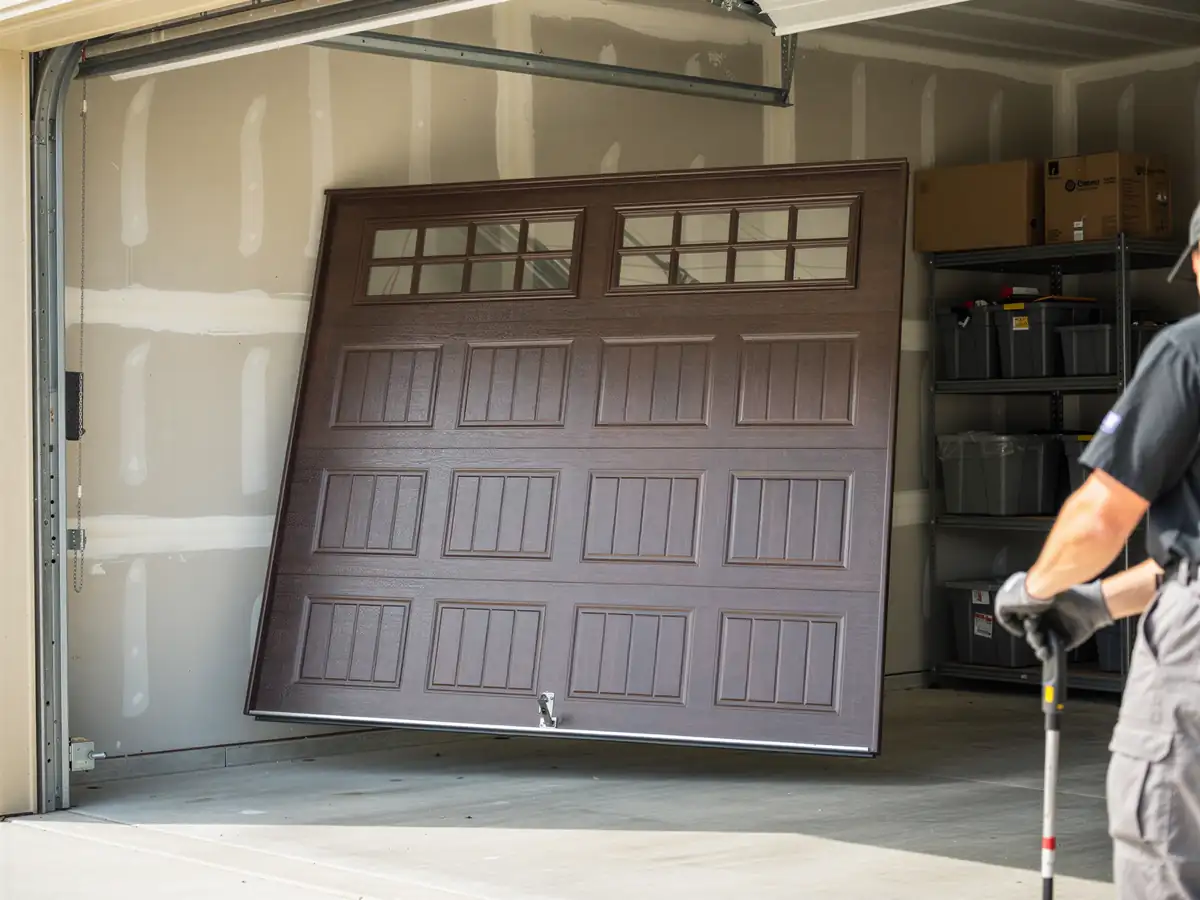
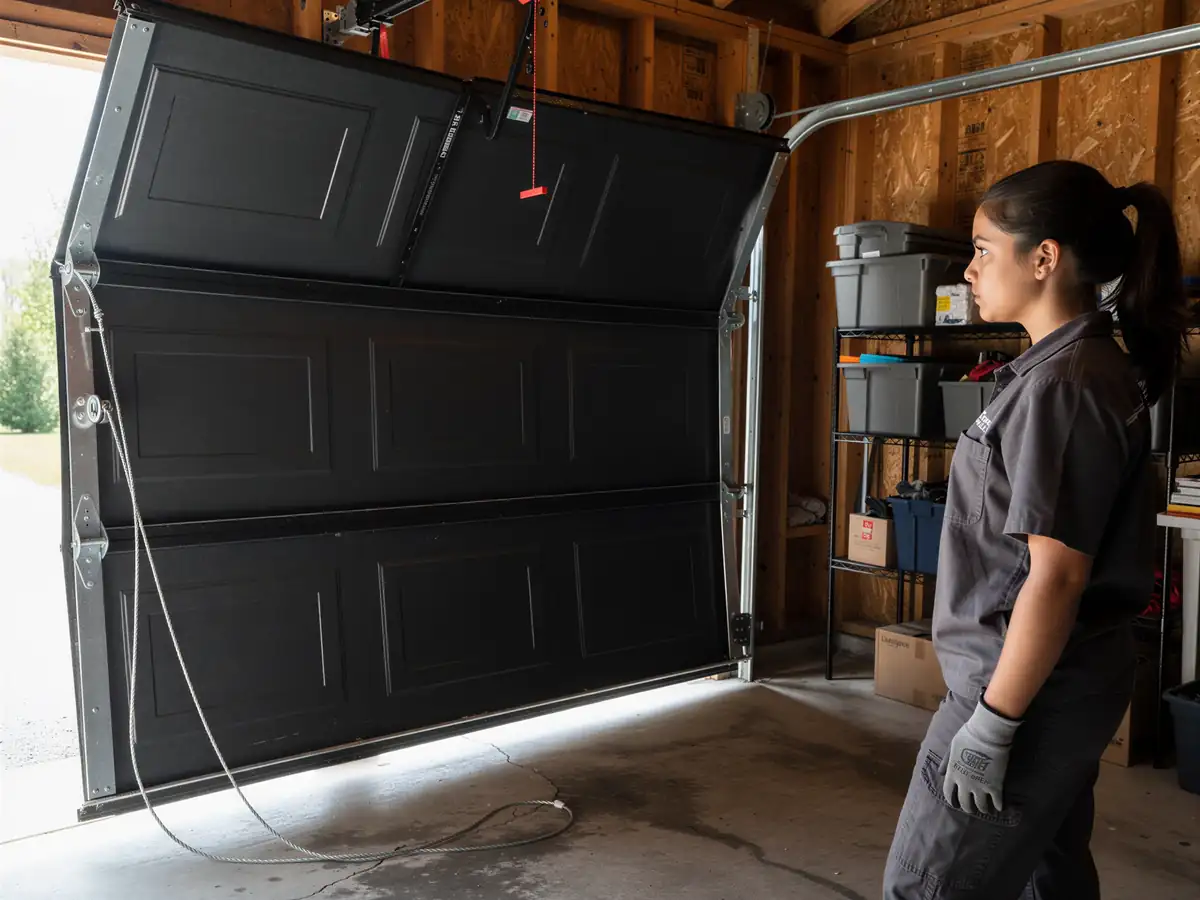
A cable that's starting to go usually shows itself before it snaps: one corner of the door hangs lower than the other, the door looks tilted when it's halfway up, or you hear a scraping sound near the bottom corner as it moves. Once a cable actually breaks, the door typically drops hard on one side, sometimes jamming sideways in the track, and the opener will often strain or reverse without finishing the cycle. Frayed strands near the bottom bracket are the clearest warning sign if you can see them safely from outside the door's travel path - don't reach in to check while the door is up. If your door won't move at all and one side looks visibly lower than the other, that's consistent with a cable failure rather than an opener problem, and running the opener anyway can bend the track or crack a panel.
What Causes It Around Here
Hodgenville's housing centers on a median build year of 1968, which puts a lot of original garage door hardware at well over fifty years of service if nobody's touched it. Steel aircraft cable doesn't fail from one bad day - it fatigues from repeated flexing over the drum, and in a cold-moderate climate the cable also goes through yearly cycles of contraction in winter and expansion in summer that most owners never notice until a strand finally lets go. Across the roughly 1,149 households in Hodgenville, a lot of doors are still running the hardware they were built with, which means the cable, the drum, and the springs are all aging together. Rust at the bottom bracket, where water collects after rain, is the other common starting point - it eats into the cable from the inside of a strand before it shows on the surface.