Booking a Visit
Hodgenville sits about 13 miles from our shop in Elizabethtown, and roller jobs here are a regular part of the route, not a special trip. When you call, tell us the door's width and whether it's steel or still the original wood-panel style - a lot of houses in this area haven't swapped either one out since they were built. We bring stock rollers sized for the common widths on this side of the county, so most calls turn into a single visit rather than a return trip for parts. If your opener is newer than the door itself, mention that too, since roller drag can look like an opener problem when it's really just worn wheels dragging on bent track.
What Is on the Truck
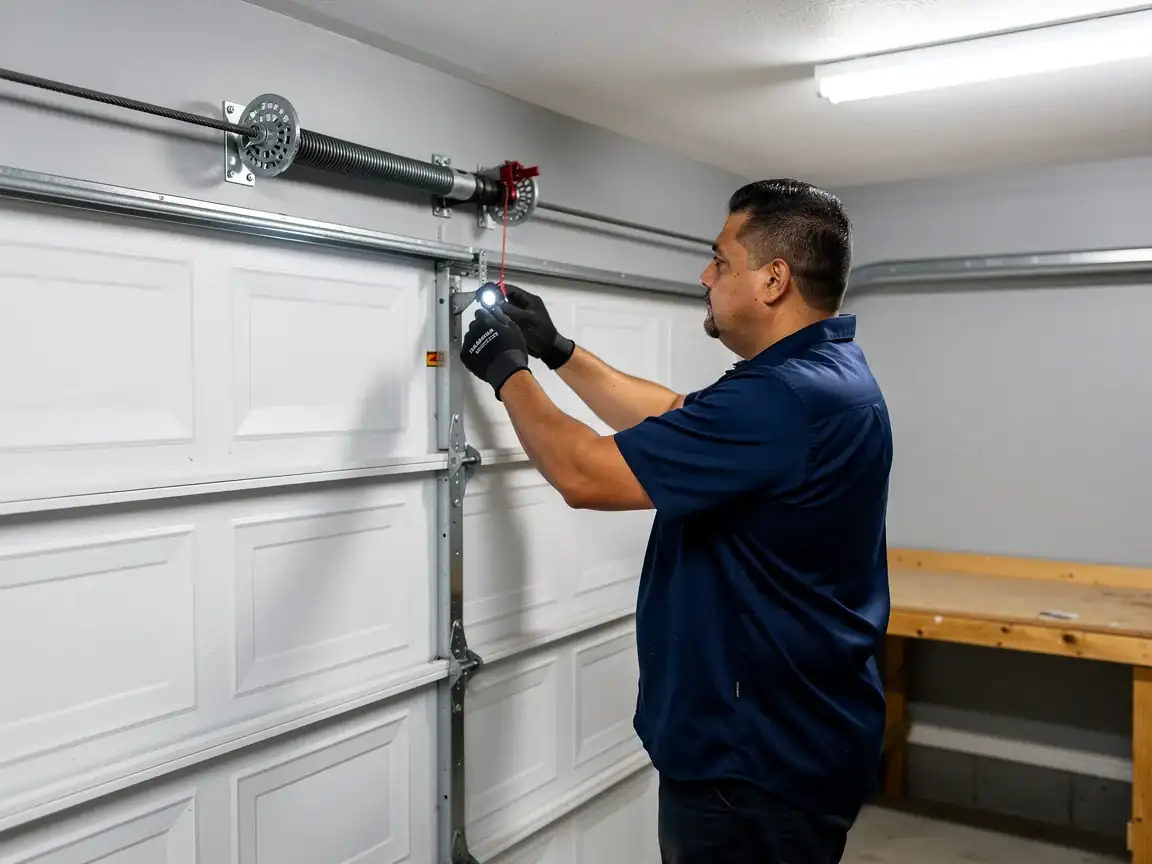
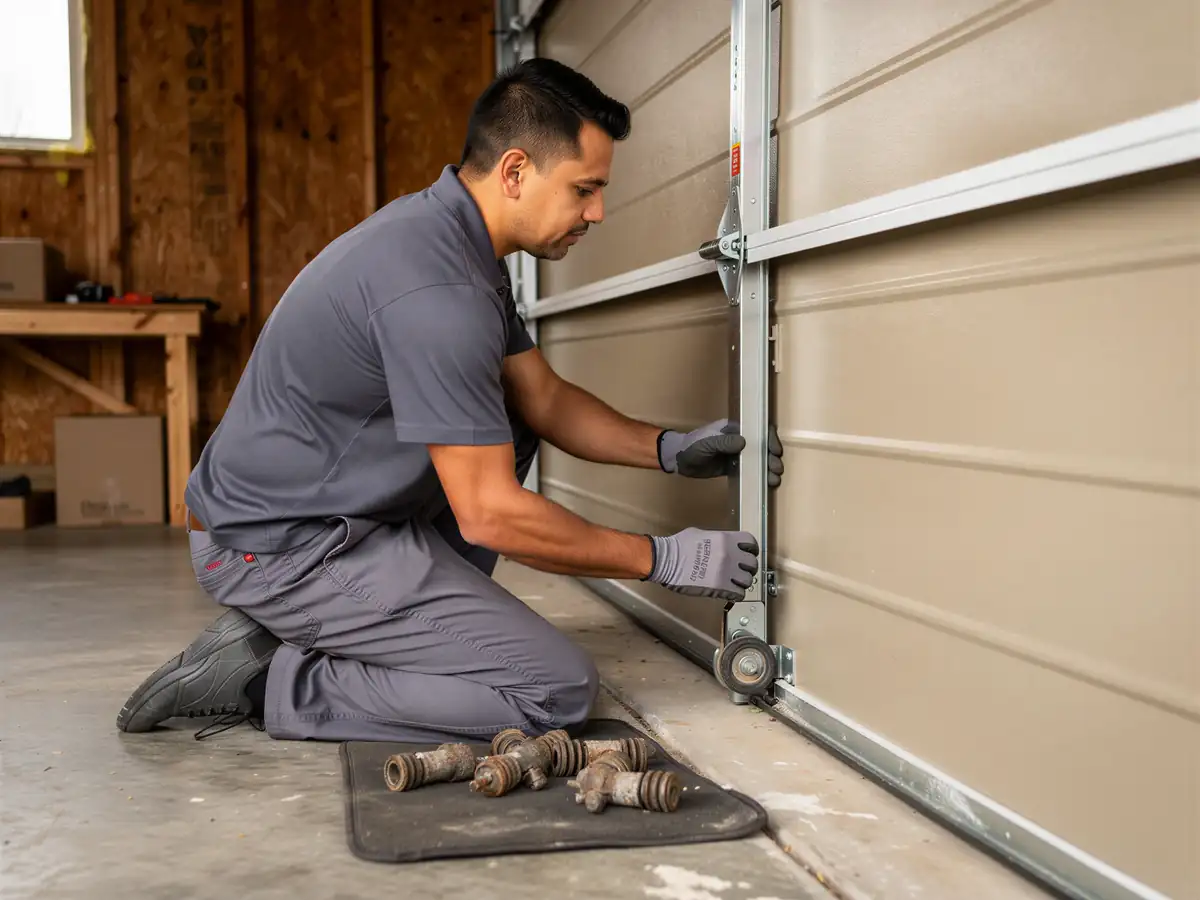
For Hodgenville calls we carry nylon rollers with sealed bearings in the stem sizes that fit doors from the 1960s and 70s production runs, plus a run of galvanized steel rollers for owners who want the older style matched exactly. We also carry replacement stems, since the roller shaft wears a groove into old track faster than the wheel itself does in houses where the track hasn't been swapped since the door went in. Track sections, end bearing plates, and lift cable come along too, because once you're inside a door this age, the roller is rarely the only worn part.
What You Are Seeing
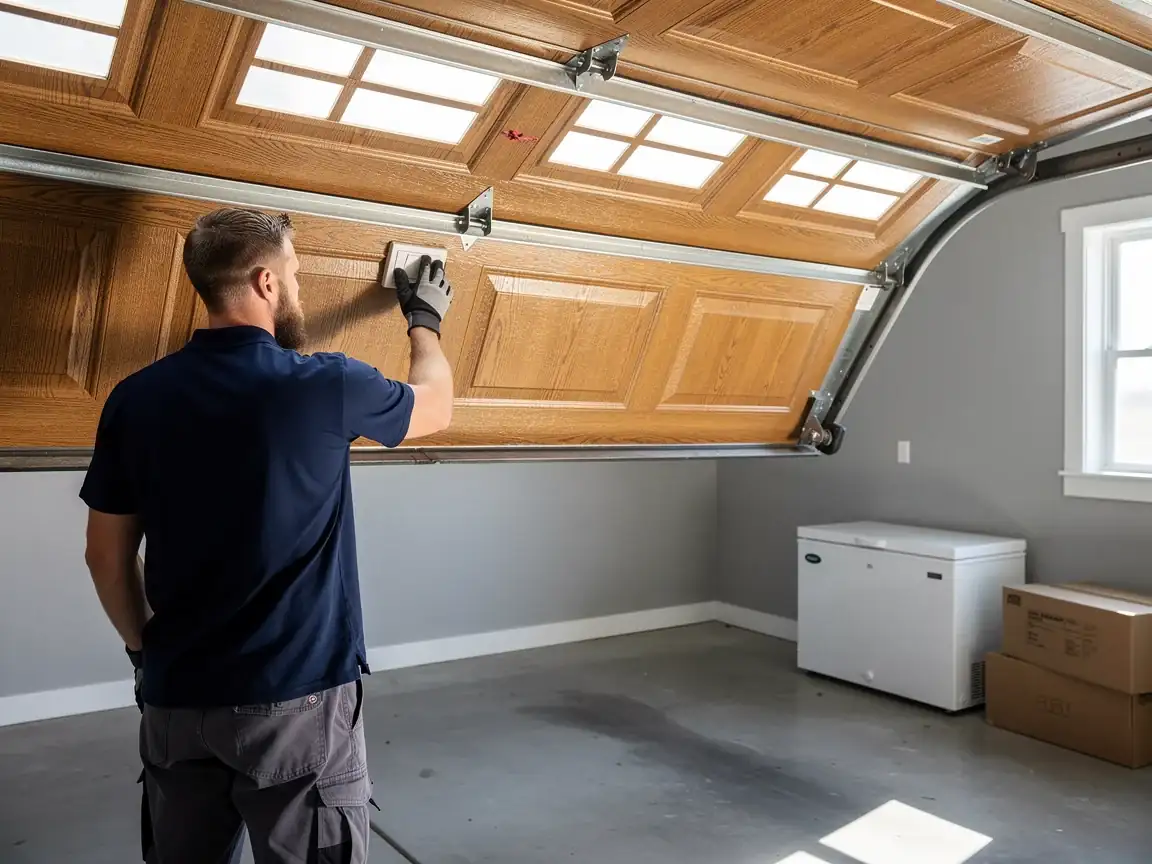
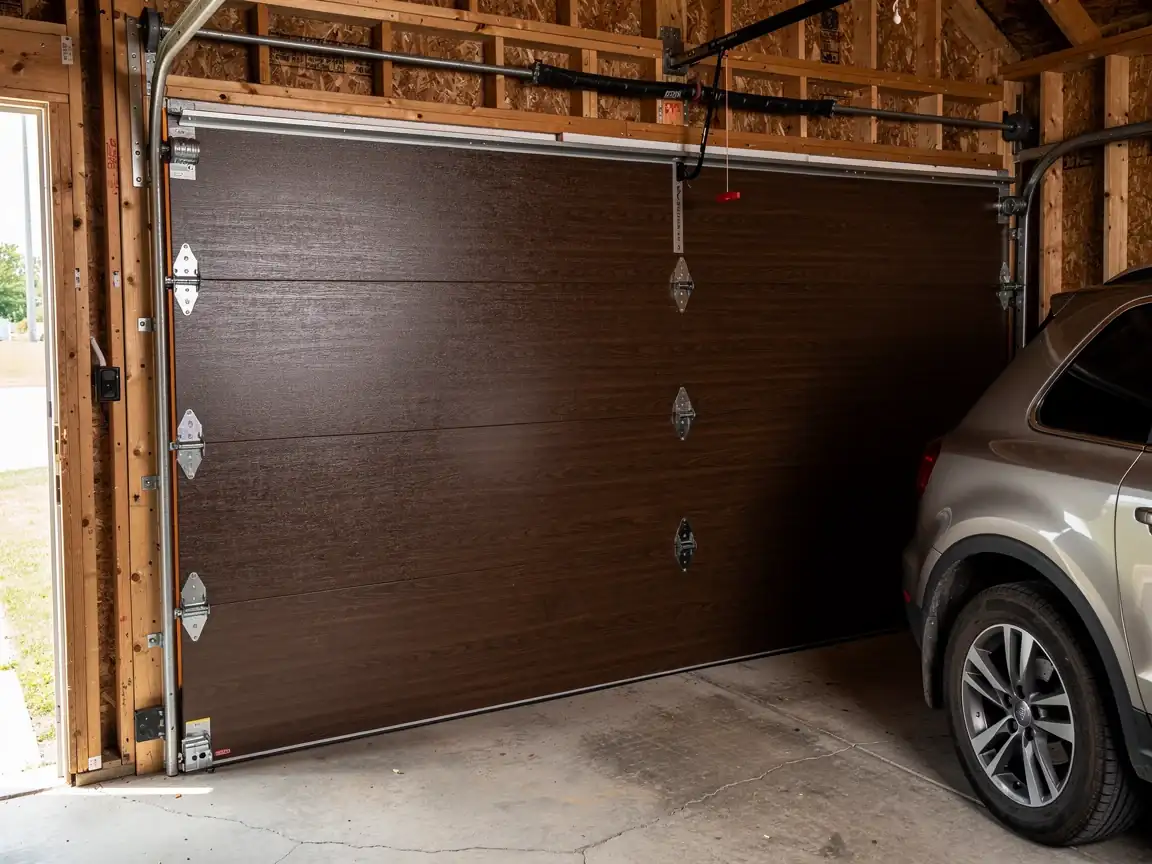
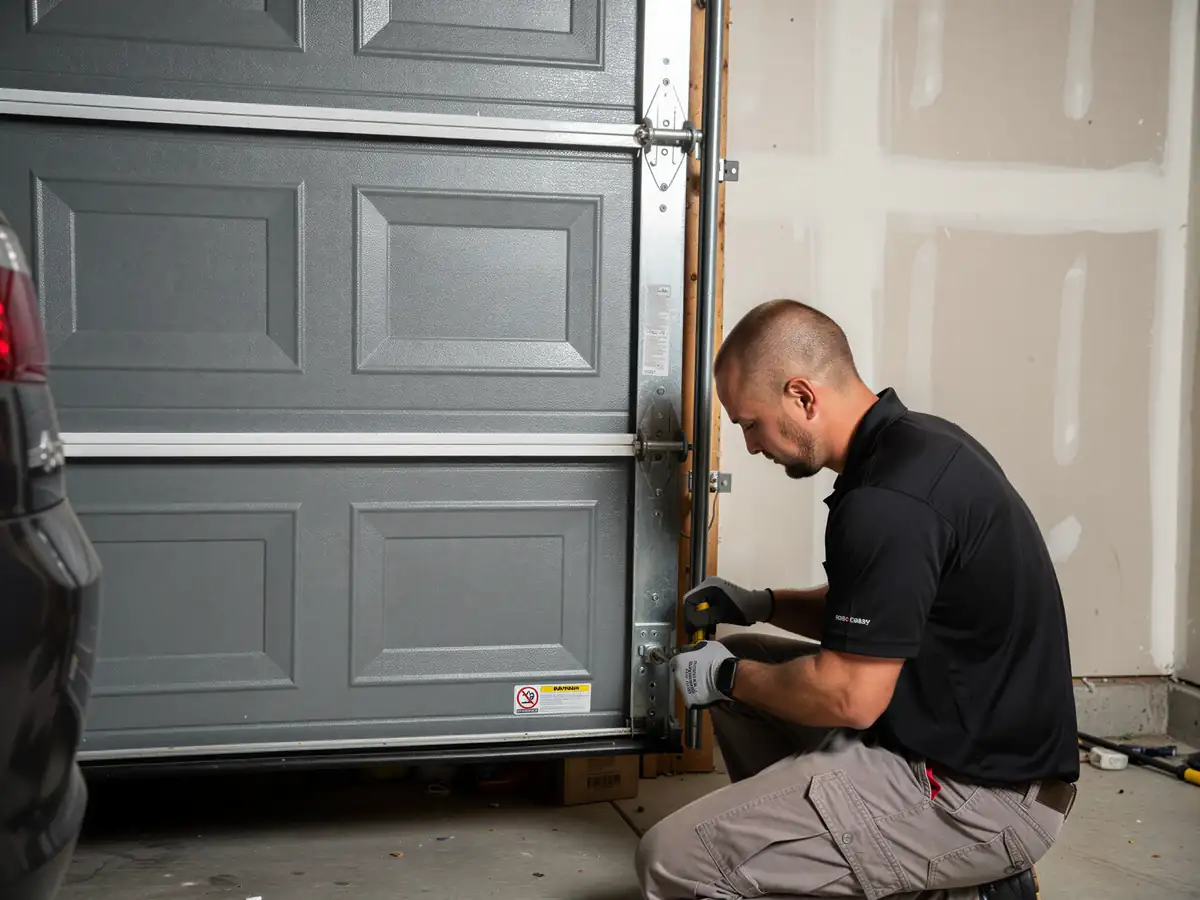
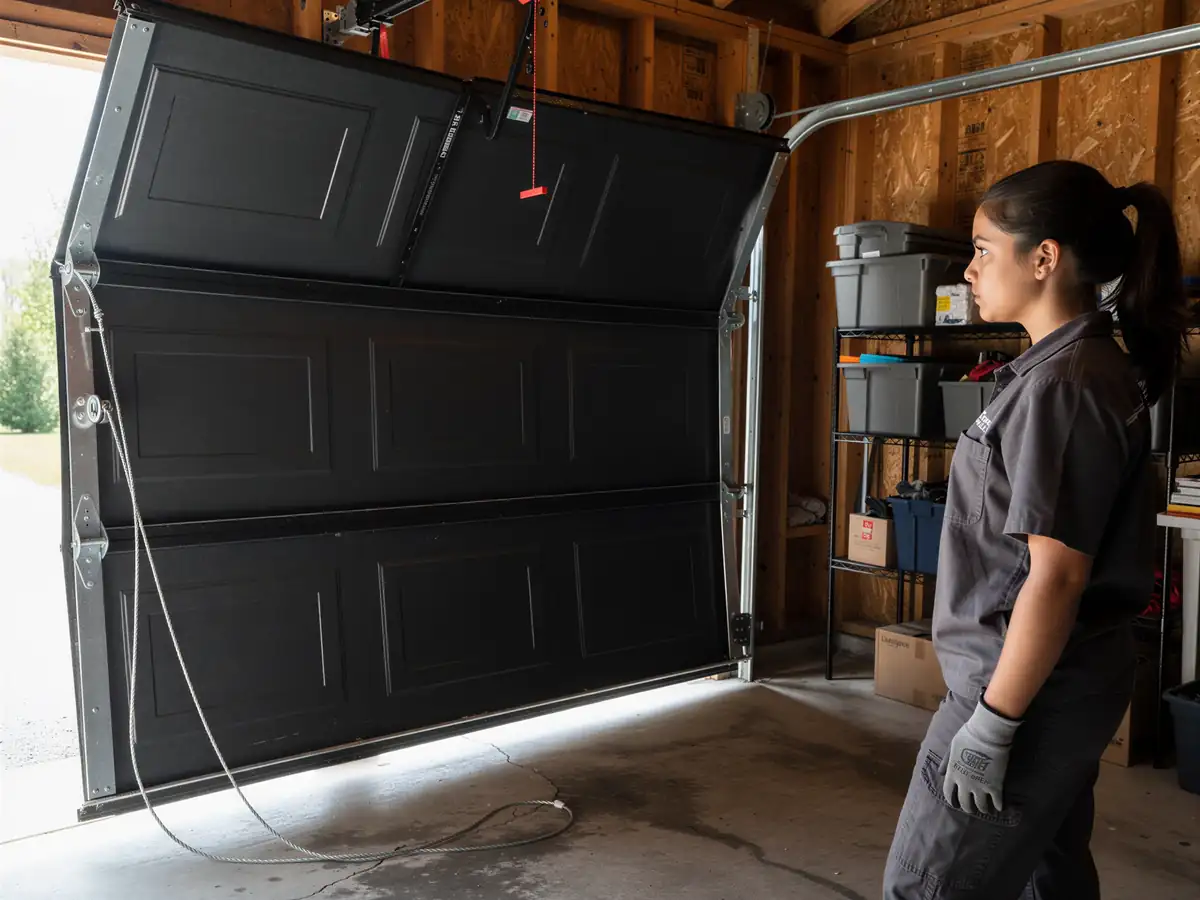
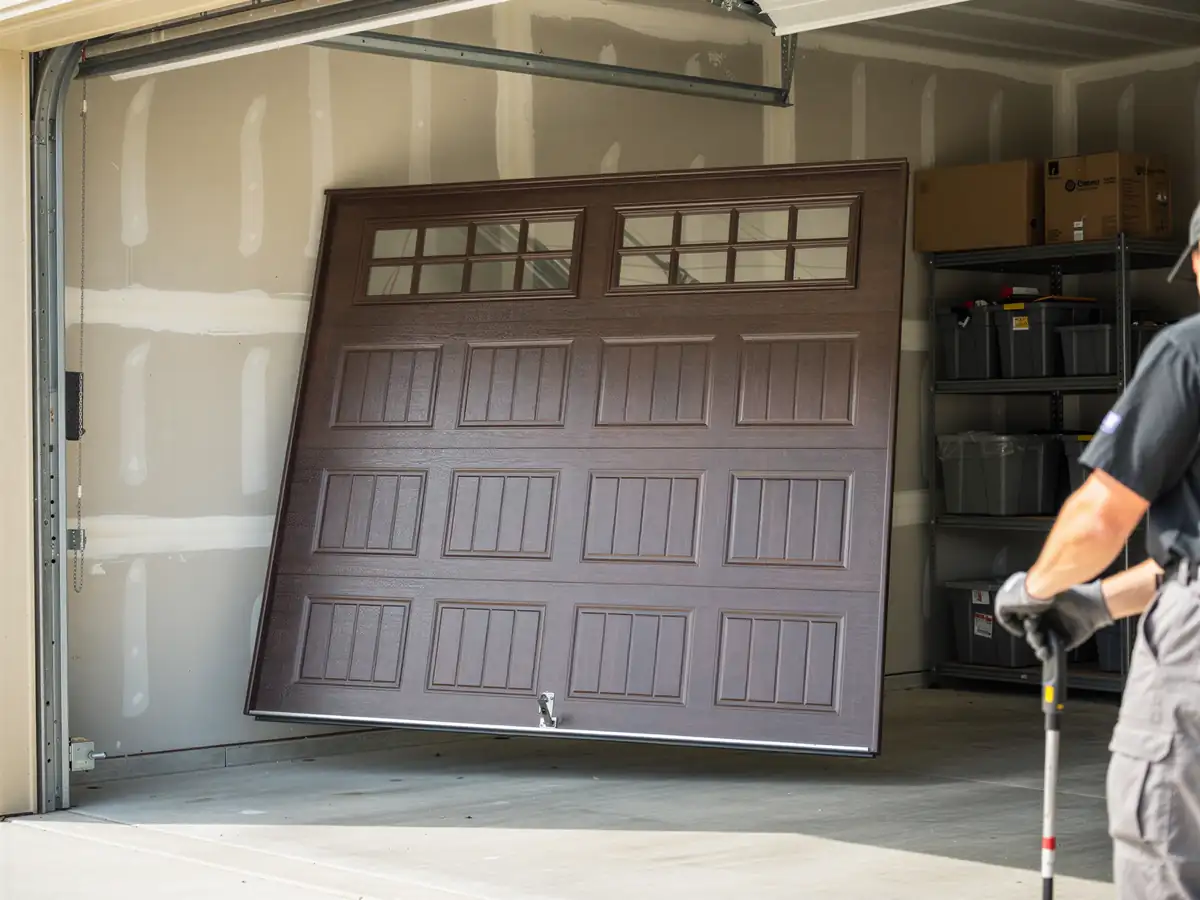
The usual sign is a grinding or popping sound as the door travels, worse at the top or bottom of the run where the roller takes the most load reversing direction. On doors from this era you'll often see the wheel itself worn into an oval rather than a circle, or the stem bent where it meets the hinge. If the door hangs crooked in the opening, check for a roller that's jumped the track rather than assuming the opener is losing power. A door that shudders right as it closes, rather than smoothly settling, almost always means the bottom roller on one side has given out and the door is dragging on the track lip instead of rolling through it.
What Causes It Around Here
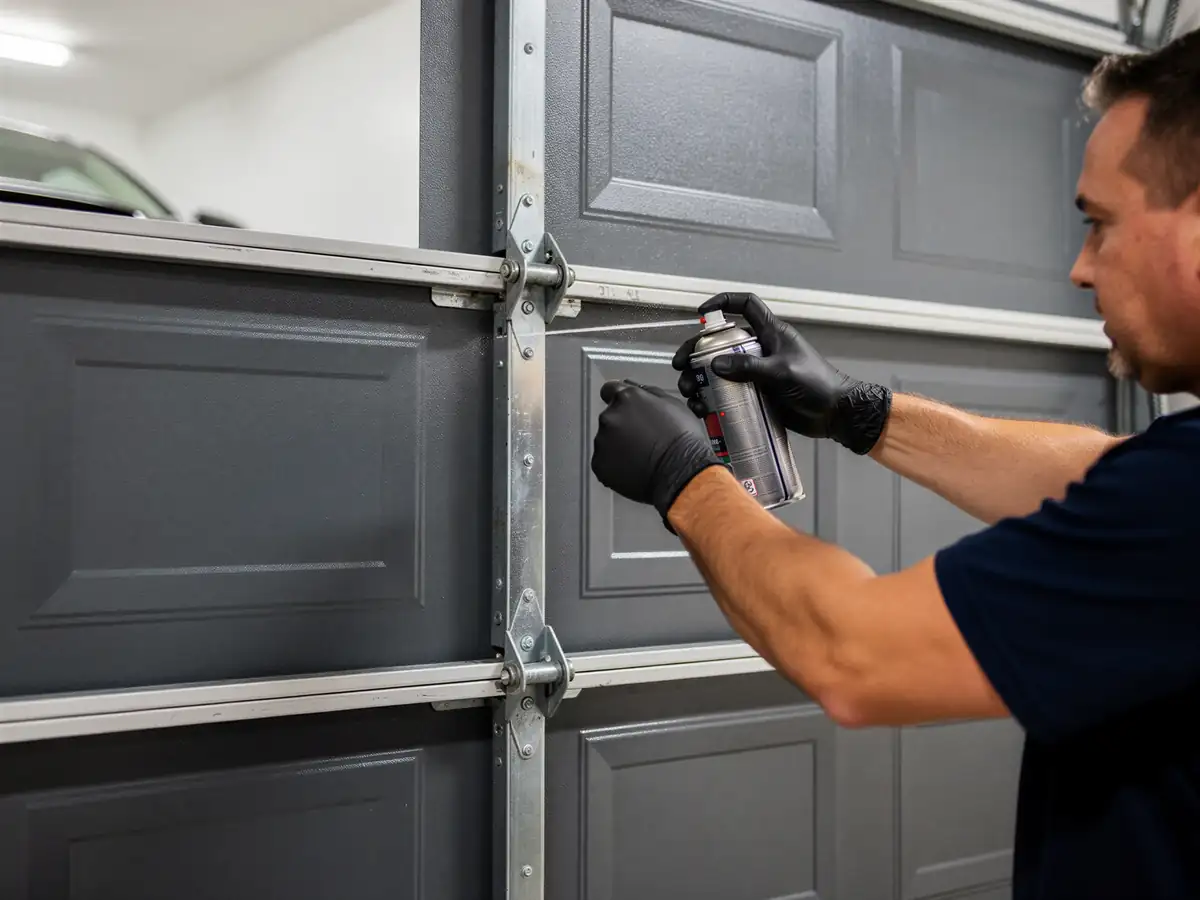
Hodgenville sits in the same cold-moderate climate band as the rest of the county, and that matters for rollers more than people expect. The freeze-thaw swing through late winter puts moisture into the track, and steel rollers without sealed bearings pick up rust pitting that turns a smooth wheel into a grinding one within a season or two. Original doors on houses built around 1968 were never fitted with sealed-bearing rollers - that hardware wasn't standard yet - so if your roller hasn't been touched since the house was built, you're running on 50-plus-year-old steel wheels through decades of winter cycling. Garage doors that don't get driven in and out daily, common on a quieter residential street, also sit longer between uses, which lets rust set up on a stationary wheel rather than wearing it down evenly.