Serving Elizabethtown, KY & nearby
(270) 203-4611
Elizabethtown, KY

New Garage Door Installation for Hodgenville's 1968-Era Houses

New garage door installation for Hodgenville homes, most built around 1968 on narrow tracks and single-layer steel. Scheduled from our Elizabethtown shop, 13 miles out.

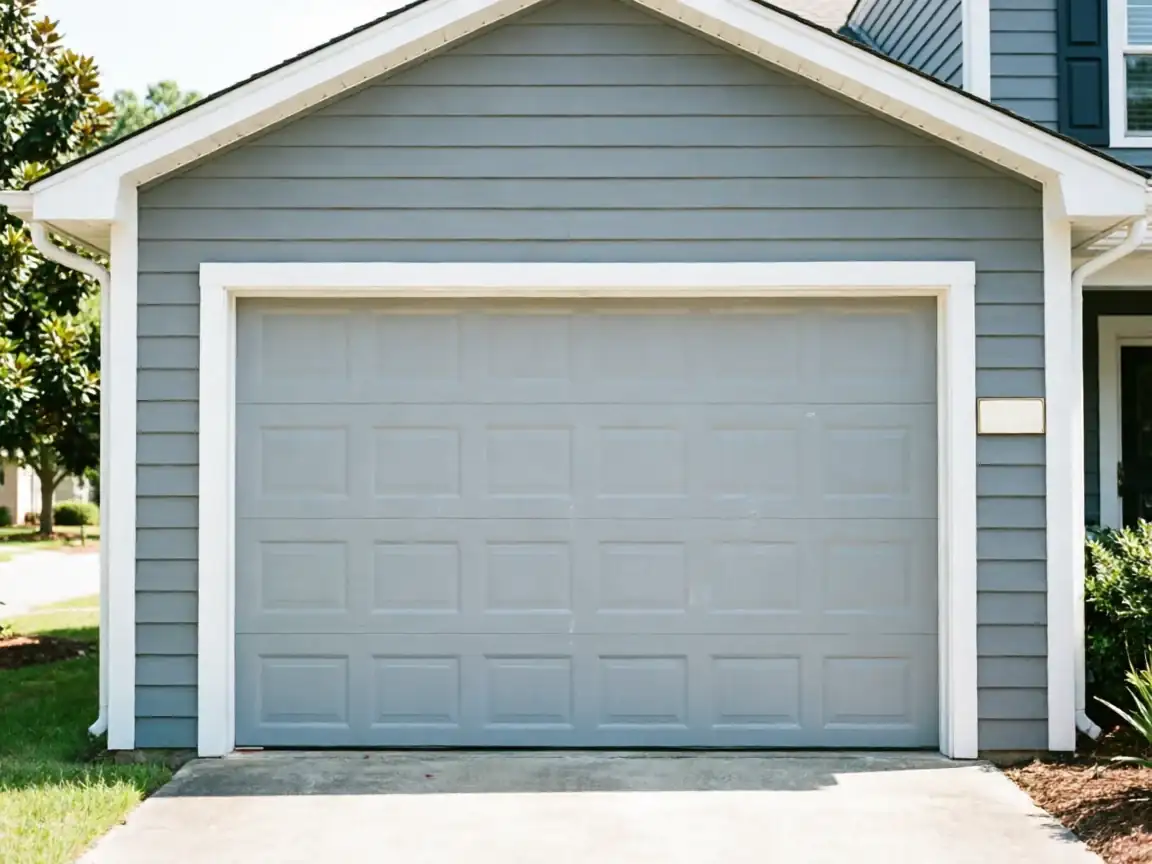
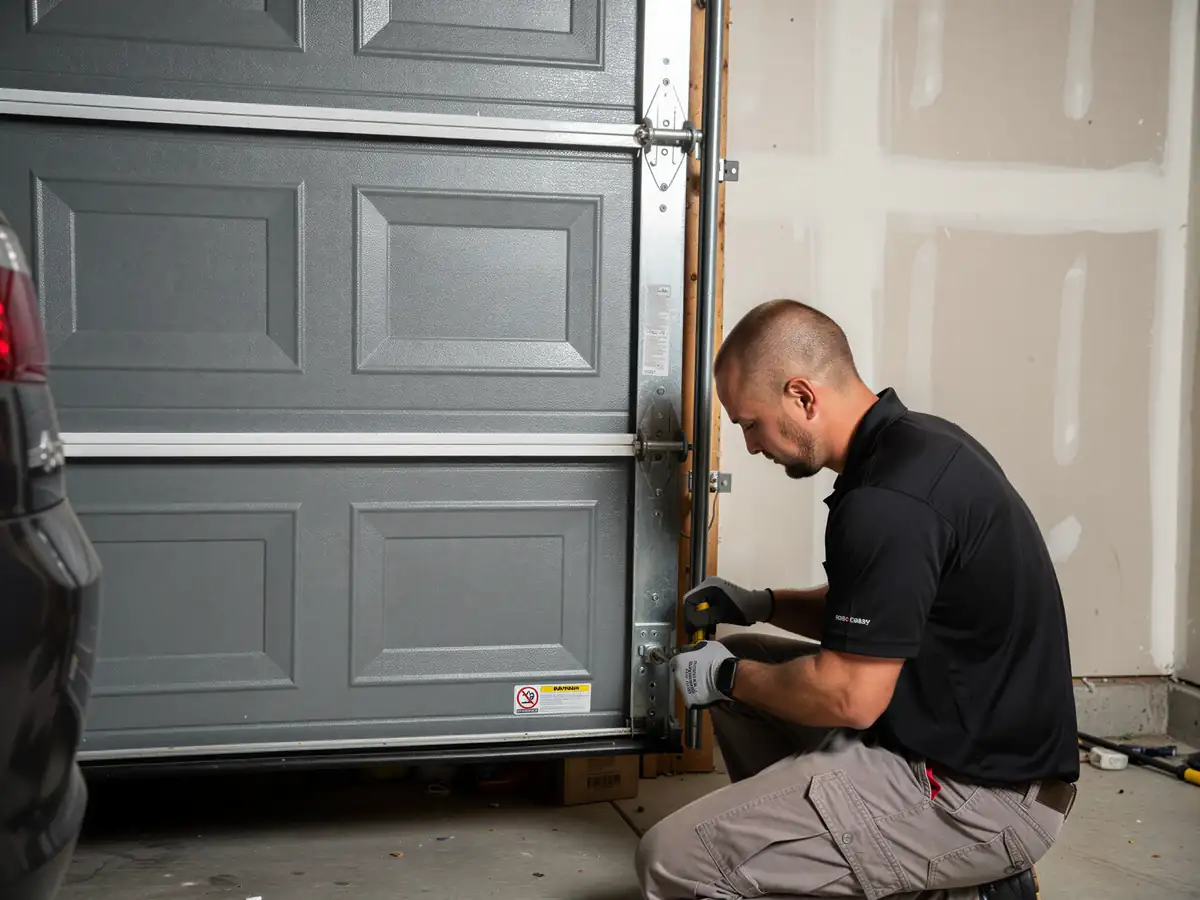
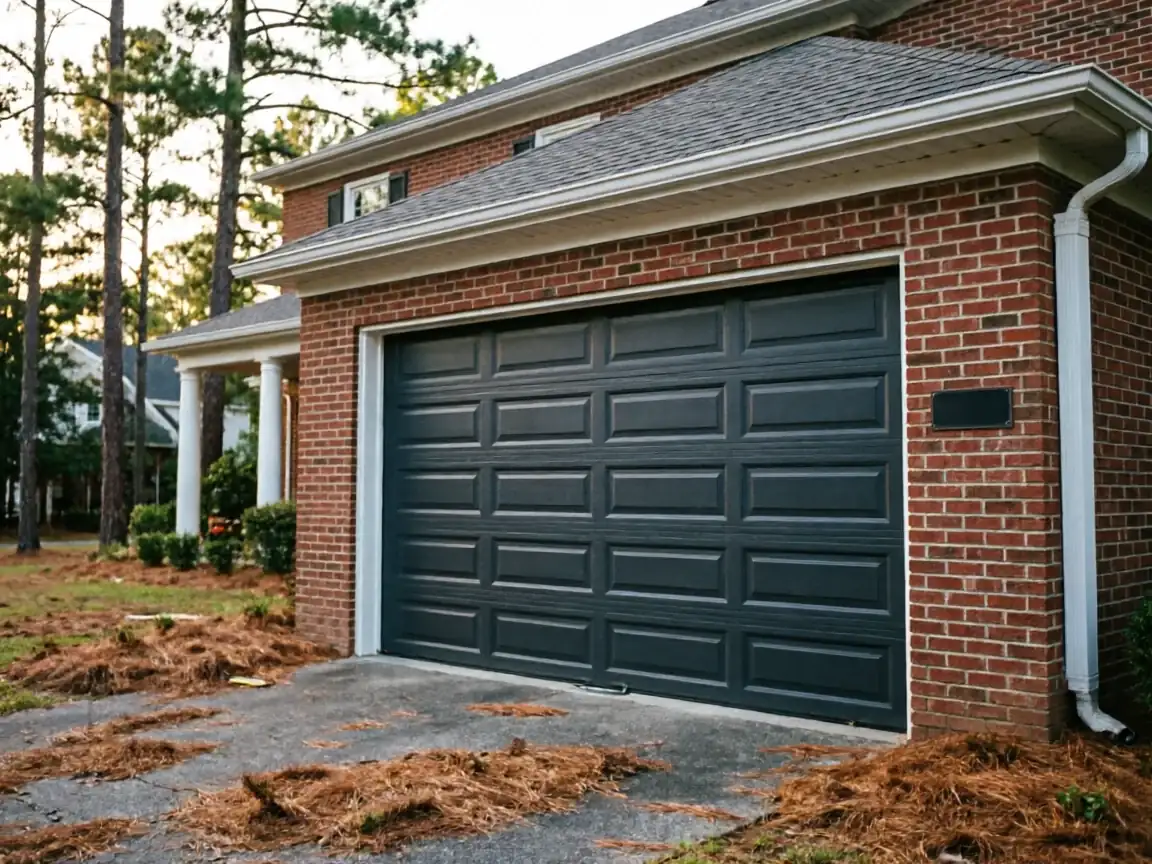
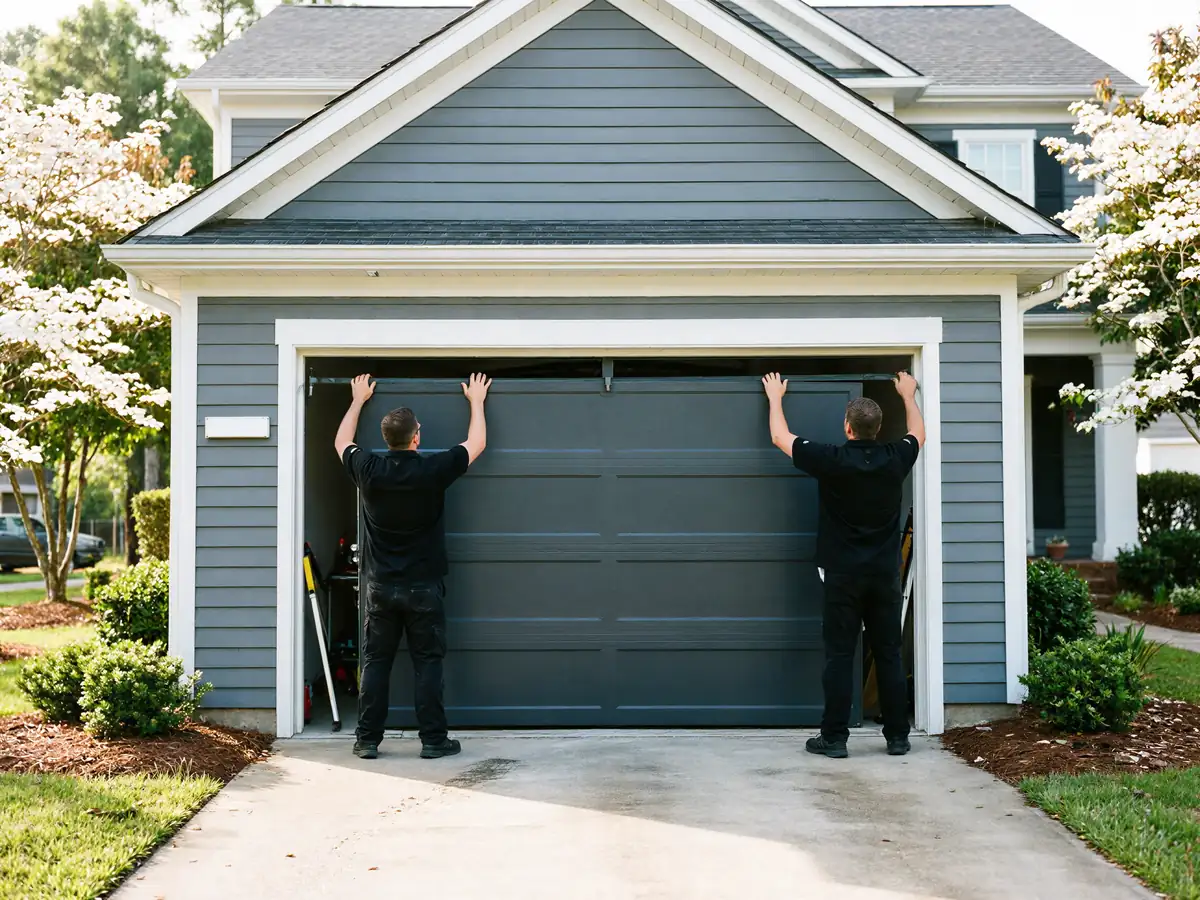
Two technicians install a dark gray garage door on a gray house.
Elizabethtown, KY
8 services
5 service areas
Diagnosis first, then the fix

Booking a Visit

Hodgenville is a small town, 1,149 households by the count we work from, which means we're not driving past three jobs a day here the way we might closer to Elizabethtown. We come out from our Elizabethtown shop, 13 miles each way, so installs here get scheduled as a block rather than squeezed in same-day. That's not a complaint, it's just how the route works when the town is this size. When you call, tell us the door's rough opening width and whether the opener is staying or getting replaced along with the door. If you know the house was built anywhere near 1968, mention that too. It tells us before we arrive whether we're likely dealing with a standard 16-by-7 opening or something narrower that was common on houses from that stretch. We'll give you a firm date for the install once we've seen measurements or photos, not before. A door order that needs a custom width or a non-standard track height adds lead time we can't shorten by promising it away.

What Is on the Truck

For a straightforward swap we carry standard steel sections in common widths, torsion springs sized to the door weight, new rollers, cable, and track hardware. What we don't carry as stock is every custom size. A lot of the garage openings on houses from the 1957-2001 run across this county were framed before anyone standardized on today's sizes, and Hodgenville's own stock, centered around 1968, falls right in that window. If your opening measures out as non-standard, the door itself gets special ordered, and that's a lead time we don't control, not a truck problem. Insulated panel options, windowed sections, and heavier-gauge steel all come from the same order process. What we do bring same-day is everything needed to remove the old door cleanly, including springs that are usually original to a door that age and need to be handled as dead weight, not reused parts. We don't try to save hardware that's outlived its rating just to save you money on the invoice; worn track and a tired spring go in the truck, not back on the wall.

What the Repair Takes

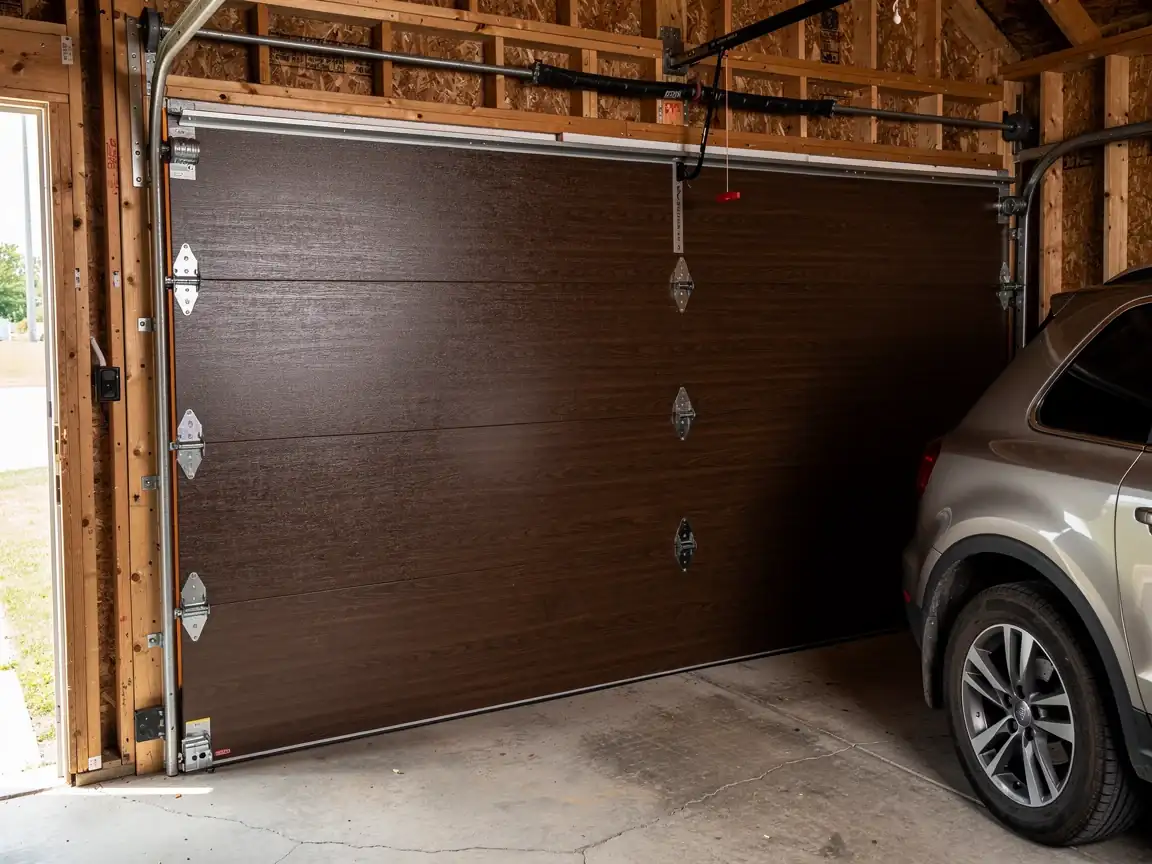
A full install on a standard-size opening, old door off and new one hung, is most of a day's work. Houses built around 1968 add a step that newer construction doesn't need: the jamb and header are often slightly out of square after fifty-plus years of settling, so the track gets shimmed and re-leveled rather than bolted straight to old marks. Skip that step and you get a door that binds on one side within a year. If the opener is staying, we test it against the new door's weight and balance before we leave, because a door built with insulated panels can weigh noticeably more than the single-layer steel it's replacing, and an undersized opener will burn out trying to lift it. If the opener's old enough to be original to the house, we'll say so plainly and let you decide whether to replace it now or wait. We don't push a second sale onto a first appointment if the opener's still doing its job.

What You Are Seeing

On a lot of the 1968-era doors still running in Hodgenville, the tell is daylight. Look at the bottom corners when the door's shut: if you can see a sliver of outside light, the panel has warped enough that the seal can't close the gap anymore, and that's a replacement conversation, not a repair one. Rust bubbling through the paint on the bottom two panels, especially on doors facing weather, is the same story, that's the steel thinning from the inside out. A door that shudders or drops partway when the opener lifts it is usually a spring near the end of its life, which is a repair call rather than a full install, so it's worth having someone look before you commit to replacing the whole door. What doesn't call for a new door: cosmetic dents, a noisy roller, or a panel that's scuffed but still flat and sealing. Replacing a door that's structurally fine because it looks dated is your call to make, but it's not one we'll push.

What Causes It Around Here

The climate here runs cold with moderate swings through the winter, and on a door built in the late 1960s that means fifty-some years of the bottom seal freezing, thawing, and cracking a little more each cycle. Single-layer steel doors from that era, which make up a good share of what's still on these houses, don't have the insulation layer that keeps condensation off the inside face, so you see rust starting from the inside of the panel before it shows outside. Wood doors from the same build years, less common but still around, swell in damp months and bind in the track, which looks like a hardware problem but is really the panel itself changing shape. None of this is unique to one house, it's what happens to a door that's been doing its job since before most of the current owners bought the place. The fix isn't always full replacement, but on a door old enough, repair parts for the original hardware are often the thing that's hard to source, not the labor.
Doing It Yourself

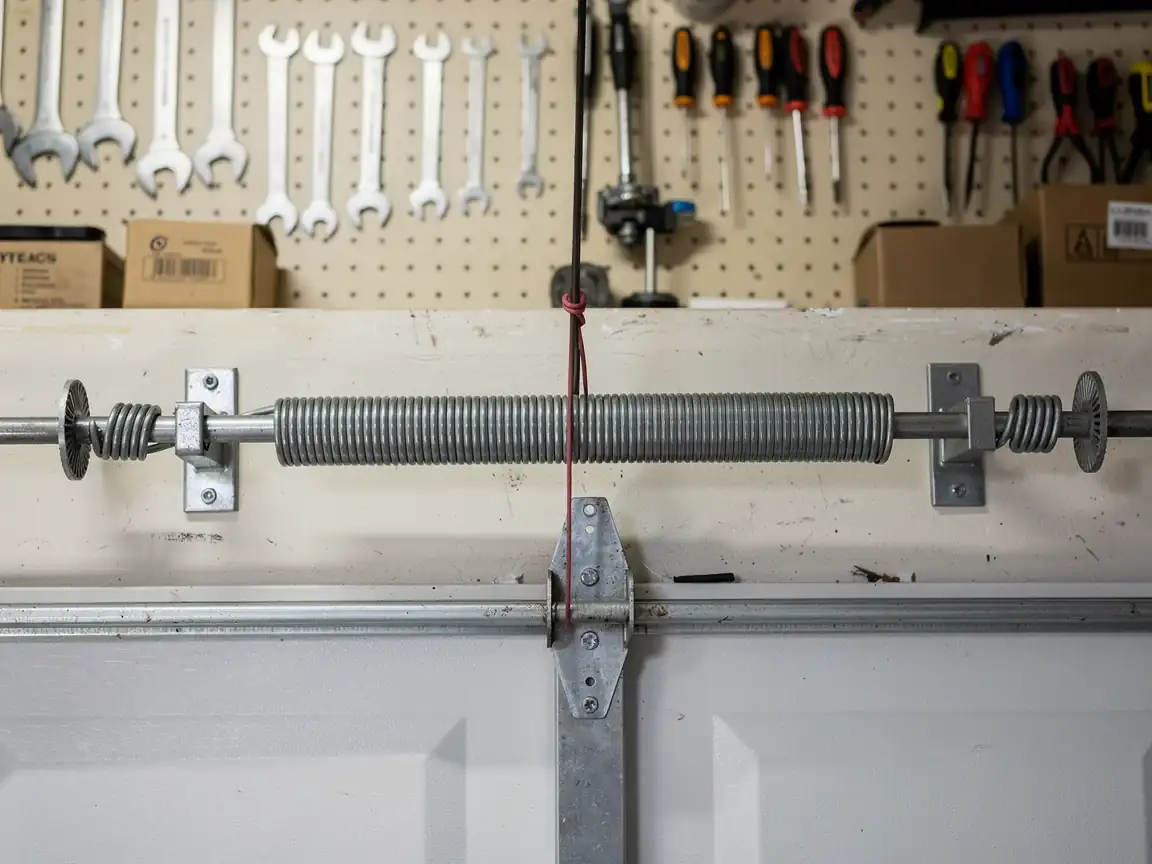
Swapping panels or rollers on a standard modern door is reasonable DIY territory if you're comfortable with a ladder and a drill. What we'd stop you on is the torsion spring, full stop, on any door, any age, this isn't a Hodgenville-specific caution, it's true everywhere, but it matters more here because so many of the springs still in service are original to 1960s and 70s doors and are wound tighter than people expect from the outside. A spring under tension that lets go while you're working on it can break fingers or worse. The other thing that trips people up on older houses is the framing: if the opening's slightly out of square, which is common on a house from this build window, a door kit measured for a square opening won't hang right no matter how carefully you follow the instructions. If you get partway into a DIY install and the door won't sit flush, that's usually the frame, not your work, and it's a good point to call in a second set of hands rather than force it.

How it works

From “it’s stuck” to “it’s fixed”

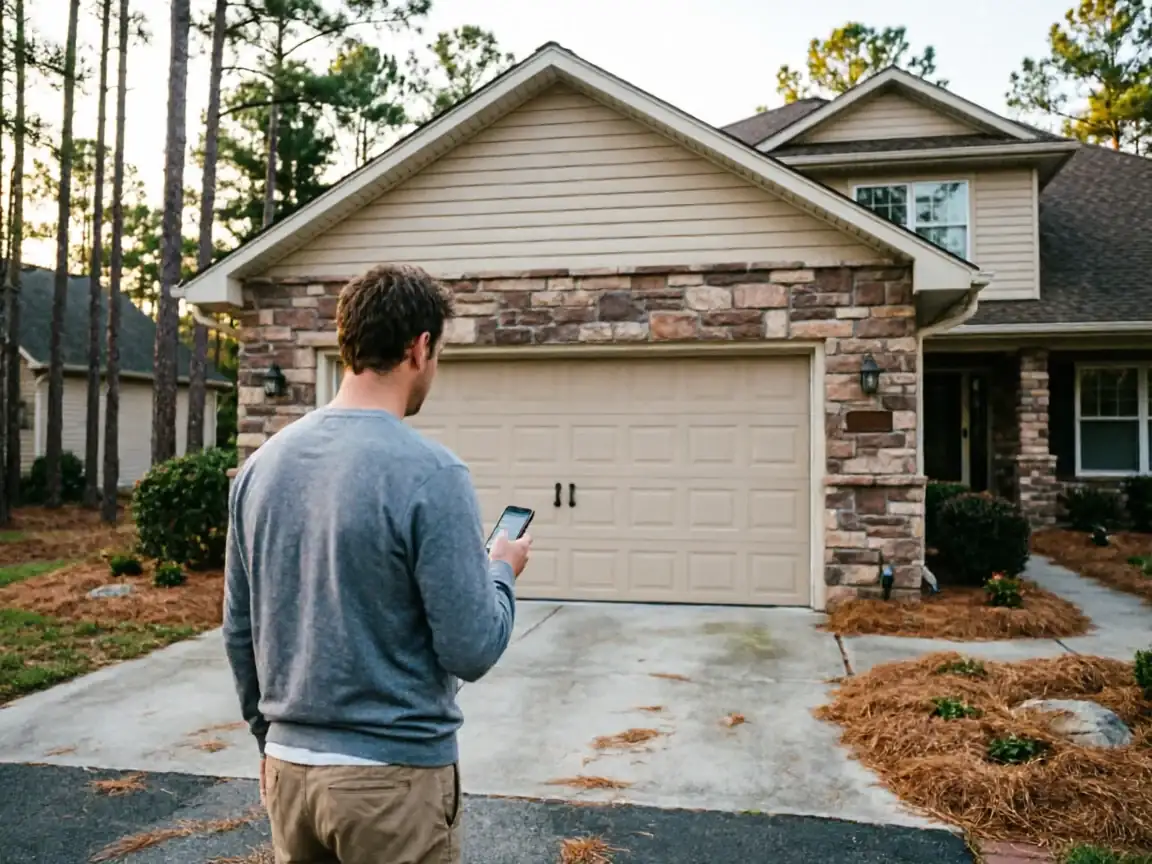
A man stands in a driveway, looking at his phone in front of a garage door.

Tell us what’s wrong

Describe the symptom - won’t open, loud bang, opener runs but the door won’t move.

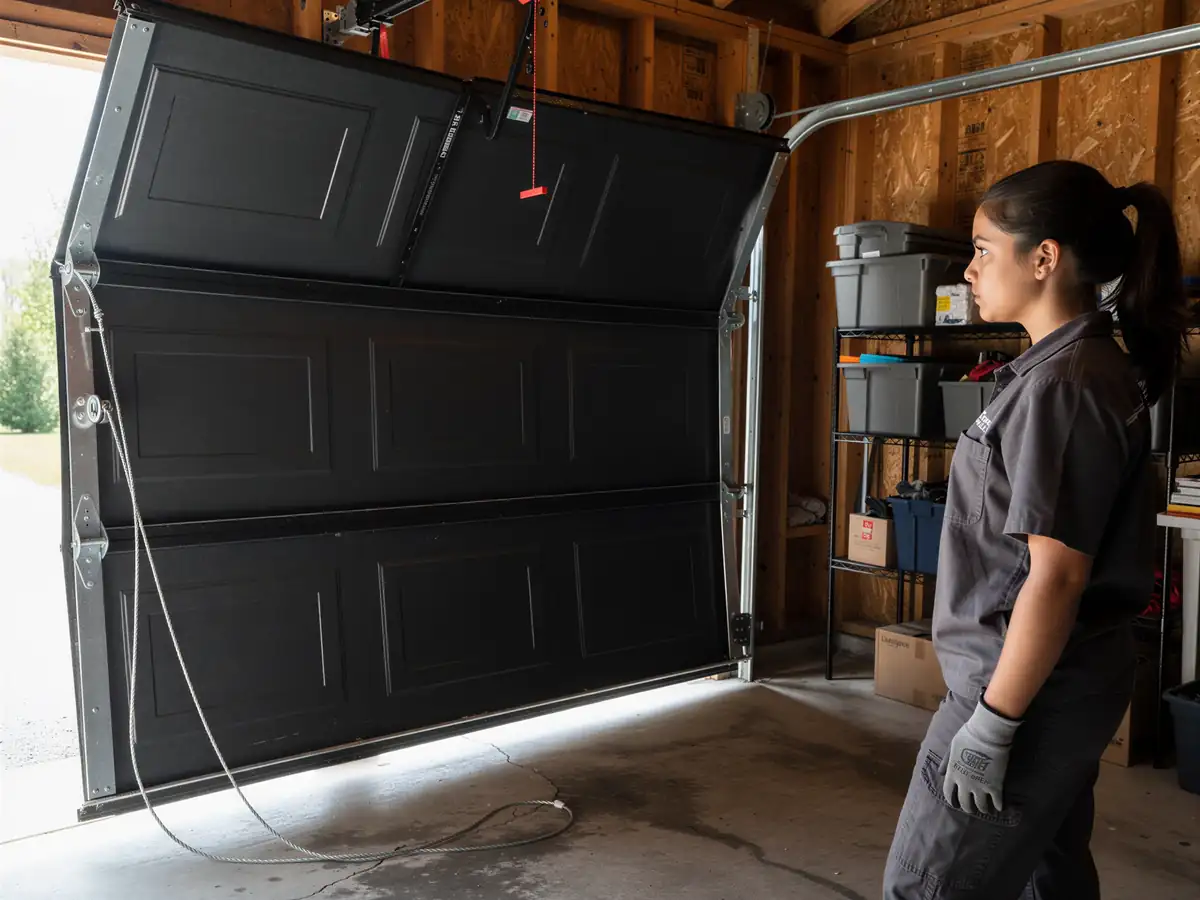
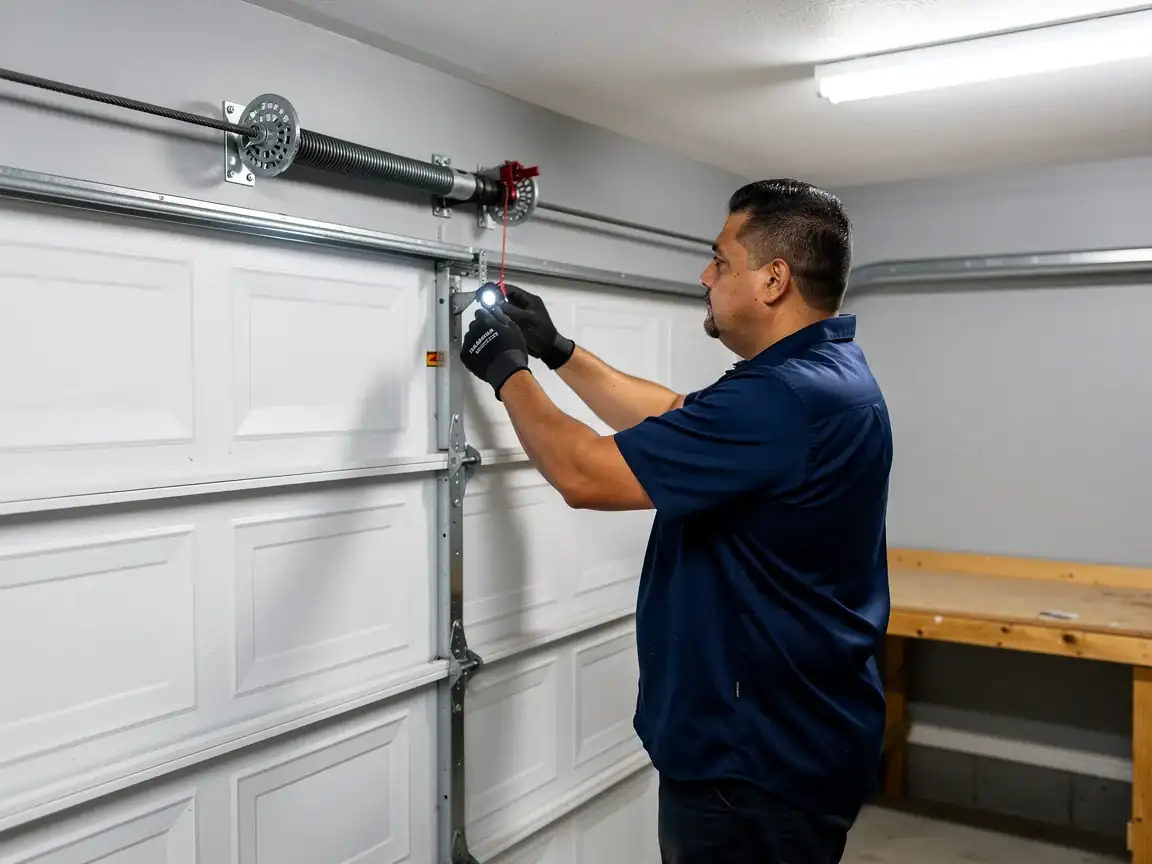
A technician inspects the garage door torsion spring with a flashlight.

On-site diagnosis

A technician tests the door under power and by hand and finds what actually failed.

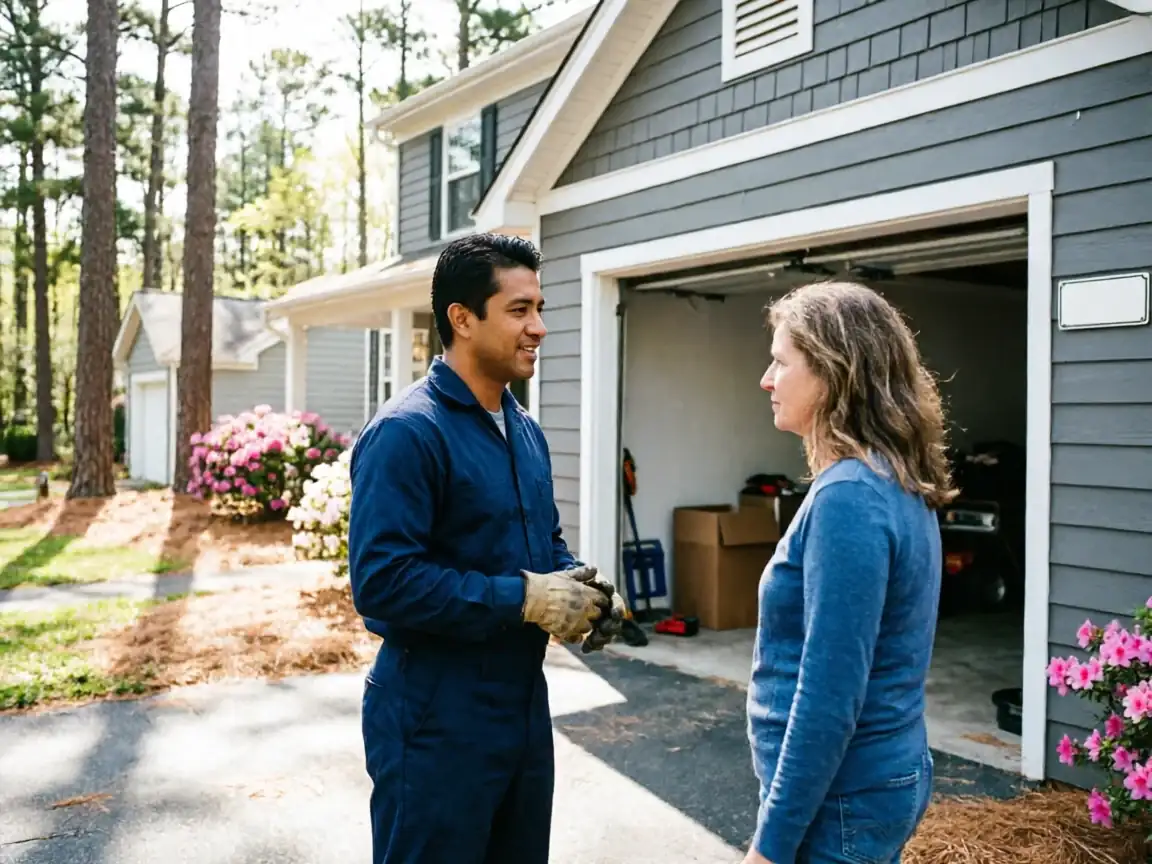
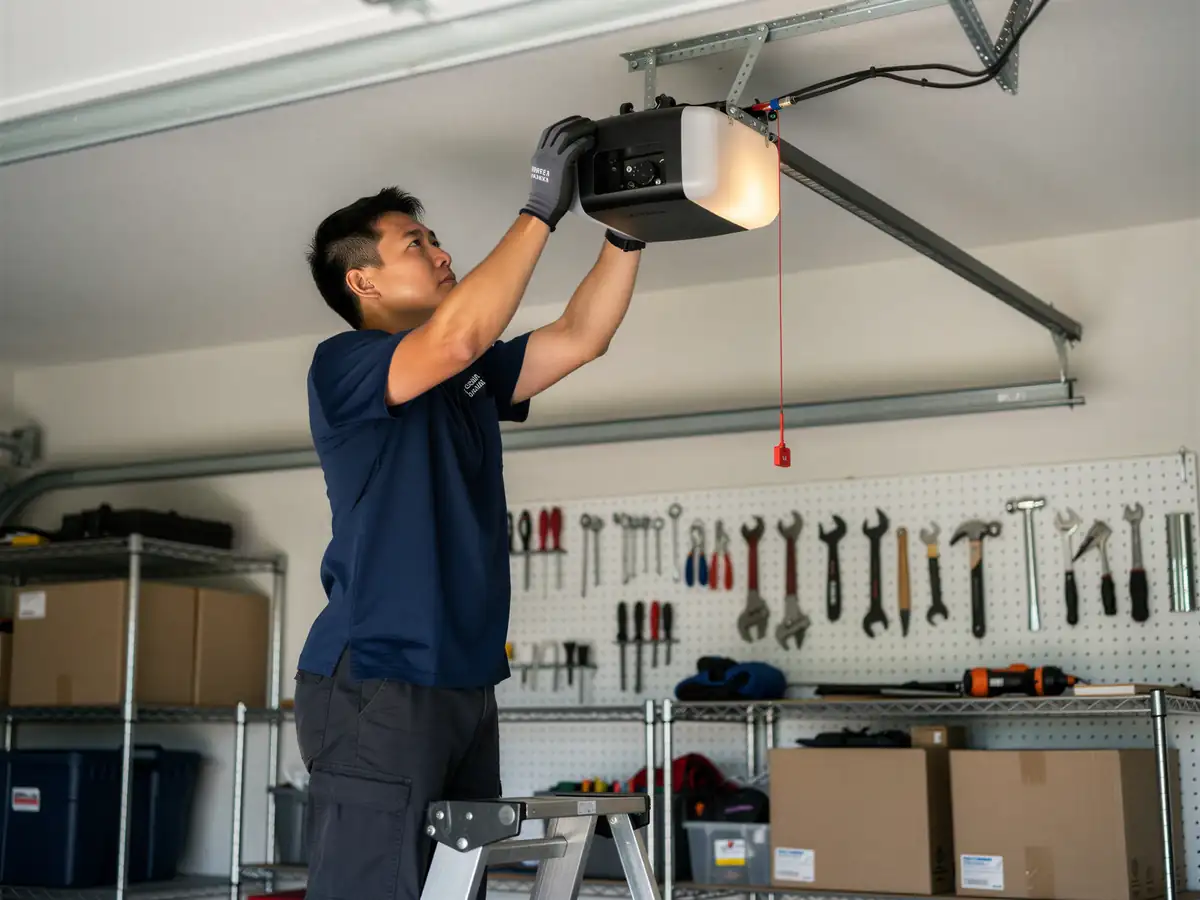
A technician in a blue uniform talks to a woman in front of an open garage.

Clear, up-front plan

You get the fix that’s needed and what drives the cost - before any work starts.

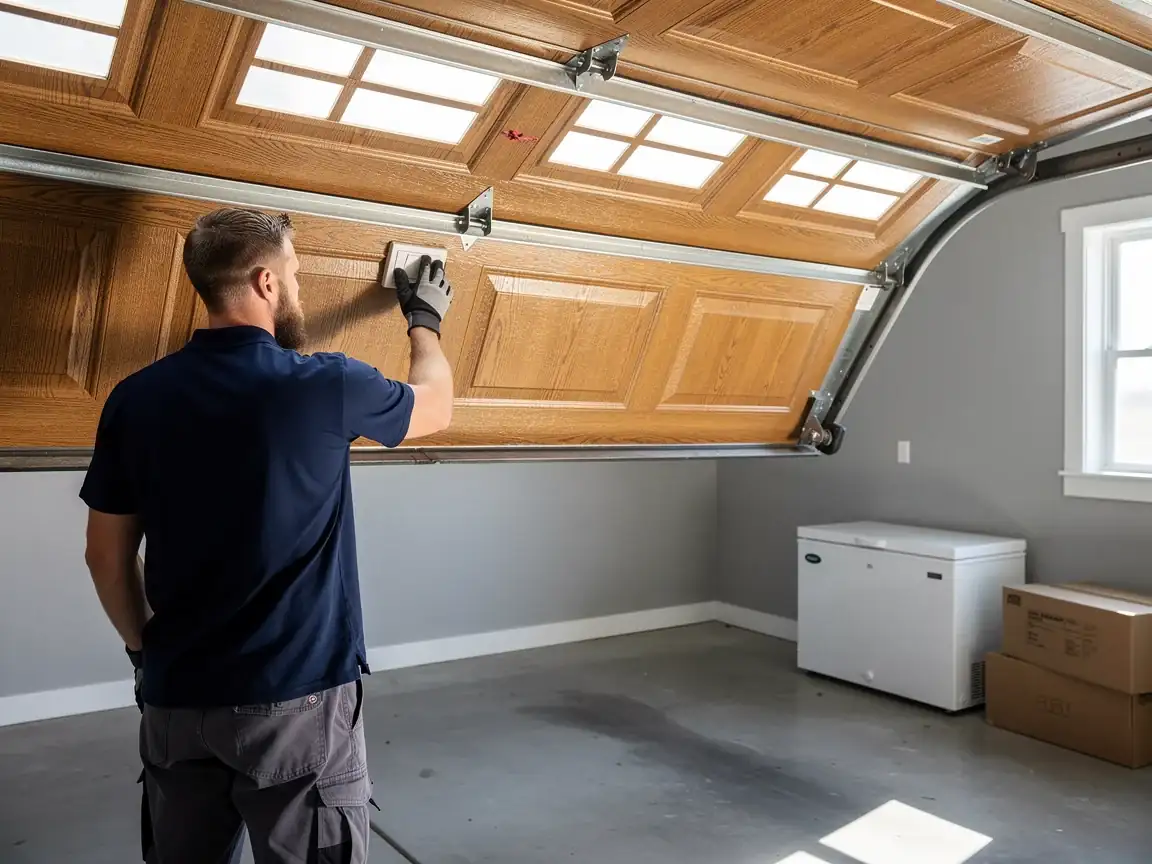
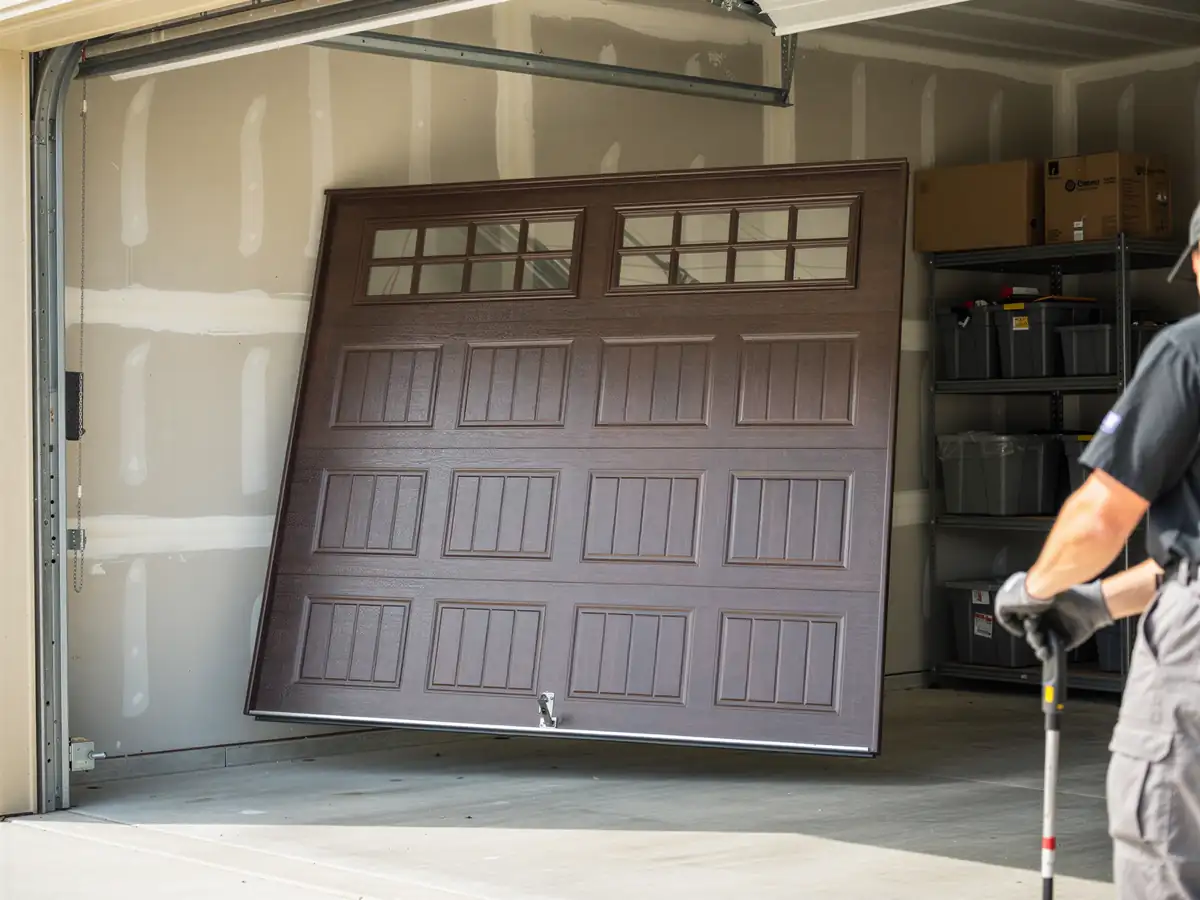
A technician in a blue shirt is working on a brown garage door.

Repaired & tested

The repair is done, the door is set true and tested, and the work area left clean.

Not sure which repair your door needs in Elizabethtown, KY? Describe what it’s doing - every job starts with a diagnosis.

How we work

What to expect

Diagnosis first

Every visit starts by finding what actually failed - not a pre-written parts list.

The right part for the door

Springs and openers matched to the door’s weight and age, so the fix holds up.

Straight answers

When a repair makes more sense than a replacement - or the reverse - you hear it plainly.

Clean, careful work

Tension released safely, hardware set true, the door tested under power before we leave.

29,678Residents in Elizabethtown
8Garage door services
5Neighborhoods & suburbs
KYServing Elizabethtown, KY
Questions

Frequently asked

Straight answers about garage door repair in Elizabethtown. Still unsure? Ask us directly.

01How old are most garage doors in Hodgenville likely to be?

Housing in this part of the county runs from 1957 to 2001, and Hodgenville's own stock centers around 1968. That puts a lot of original garage doors well past typical service life, usually single-layer steel on narrower tracks than you'd see installed today.

02Do you have a shop in Hodgenville?

No. We run out of Elizabethtown, about 13 miles away, and schedule Hodgenville installs from there. There's no local branch, so visits are planned rather than same-day walk-ins.

03Will a new door fit my old opening without extra work?

Often yes, but houses built around 1968 sometimes have openings that have shifted slightly out of square over the decades. We check before ordering, since a door sized for a perfectly square opening won't hang right without shimming the track to match.

04Is it worth replacing the opener when I replace the door?

Depends on the opener's age and the new door's weight. An insulated door weighs more than the single-layer steel common on older Hodgenville houses, and an undersized opener will strain. We test the pairing before we leave rather than assume.

Ready to get your garage door sorted?

Tell us what it’s doing and where you are in Elizabethtown - we’ll take it from there.

Request a QuoteCall