How Long You Are Without the Door
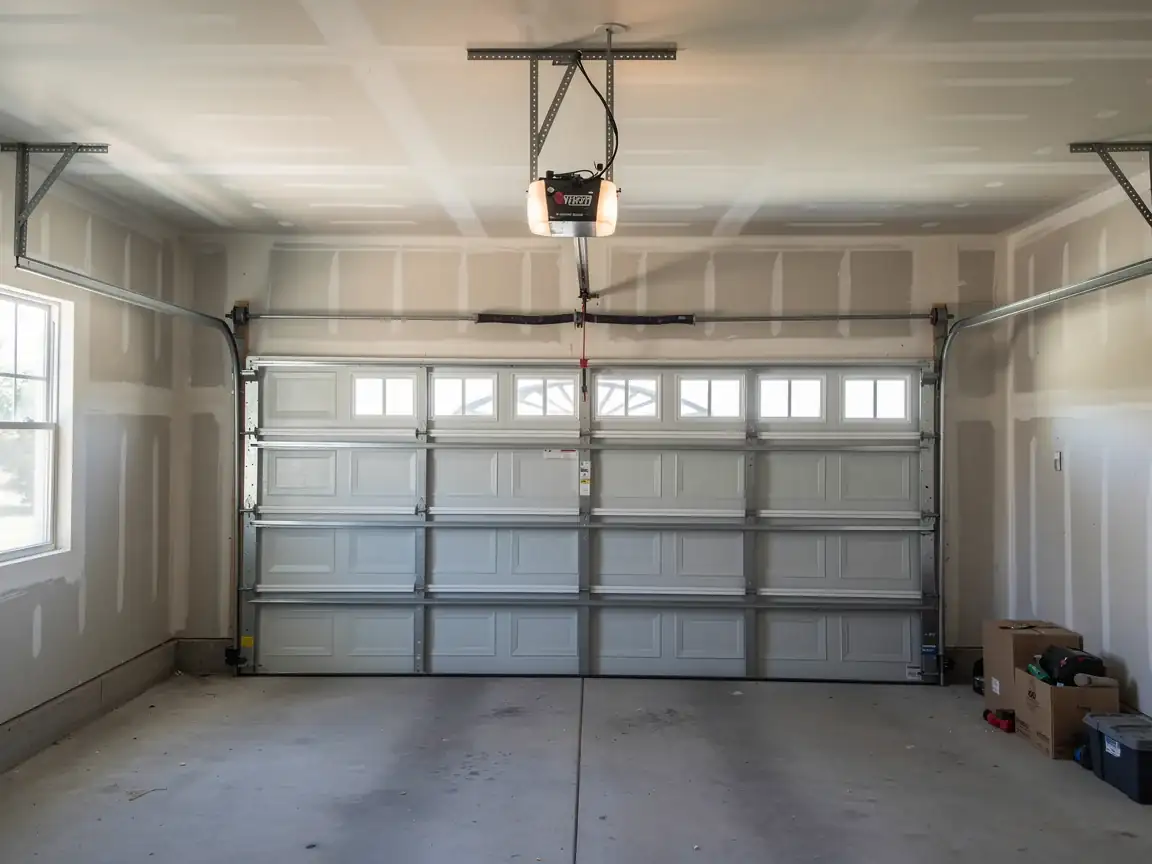
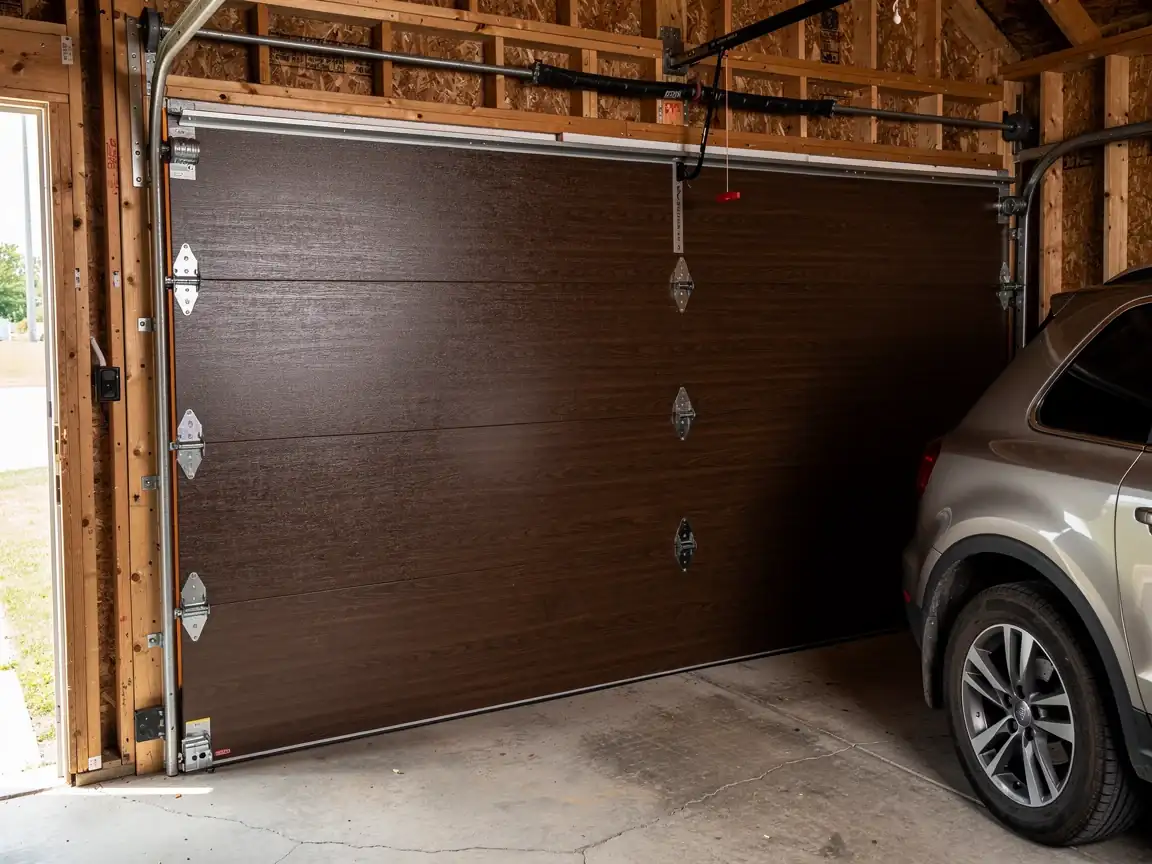
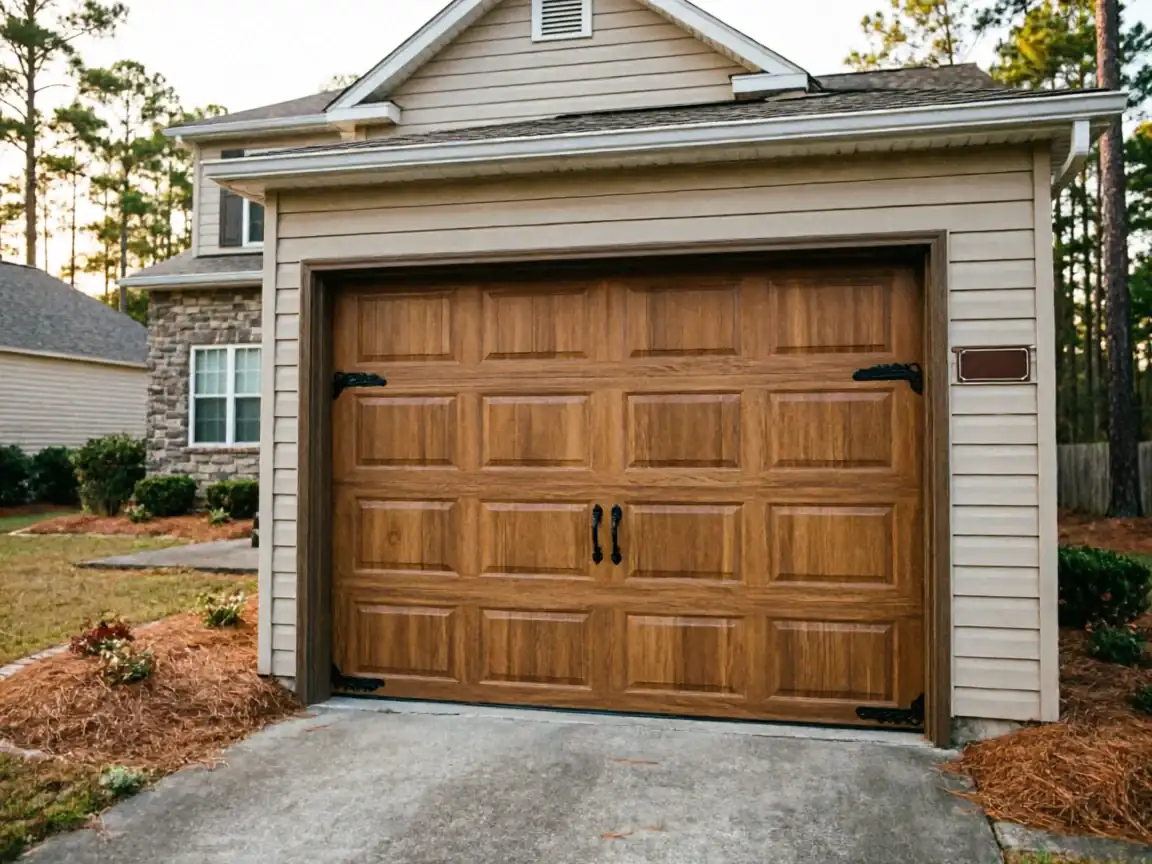
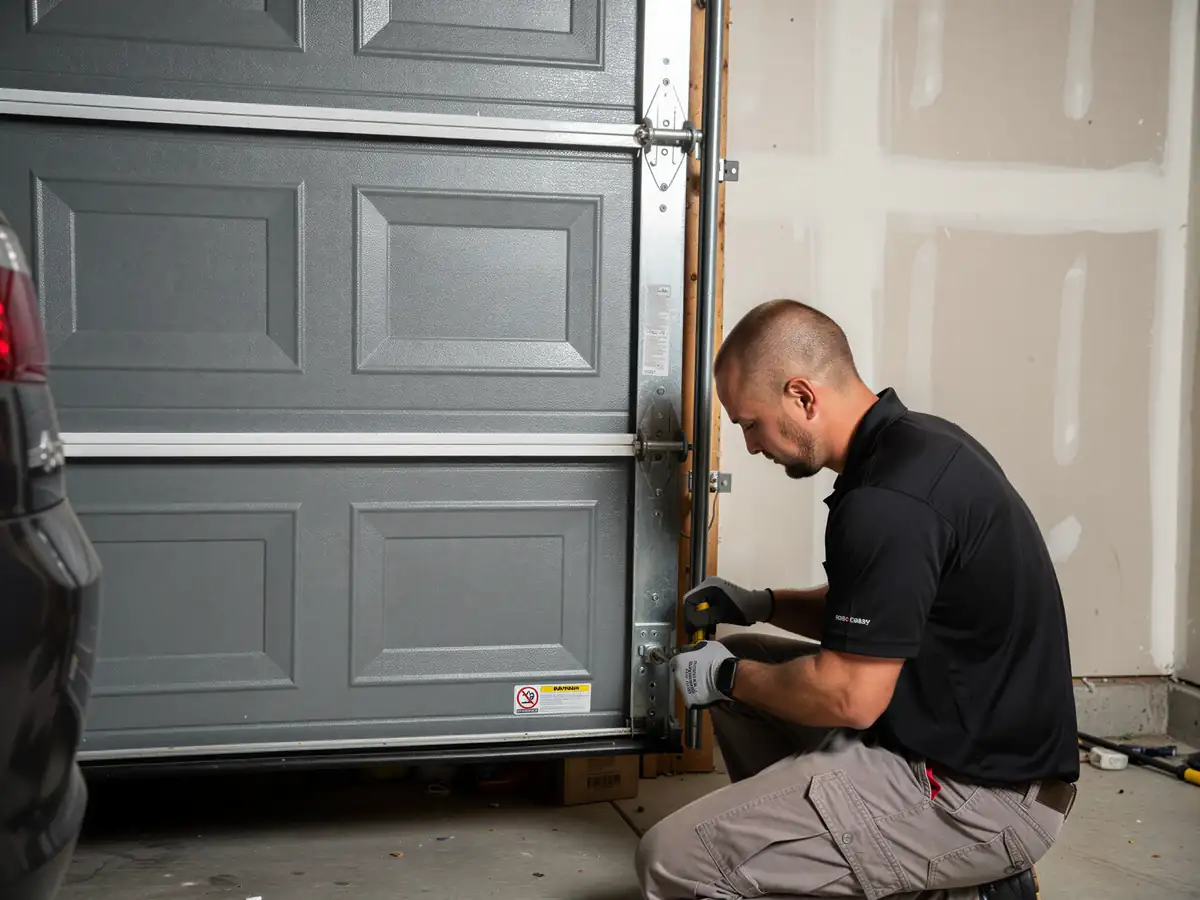
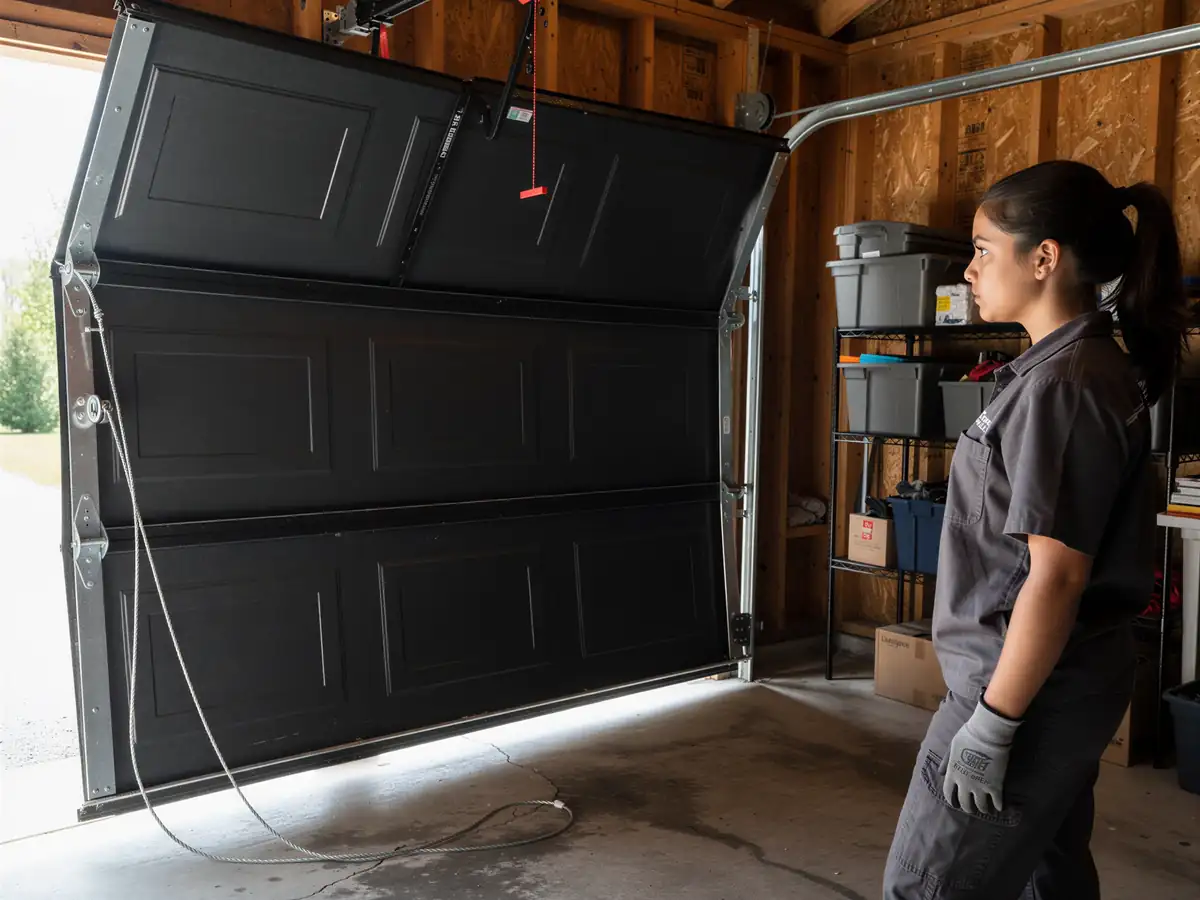
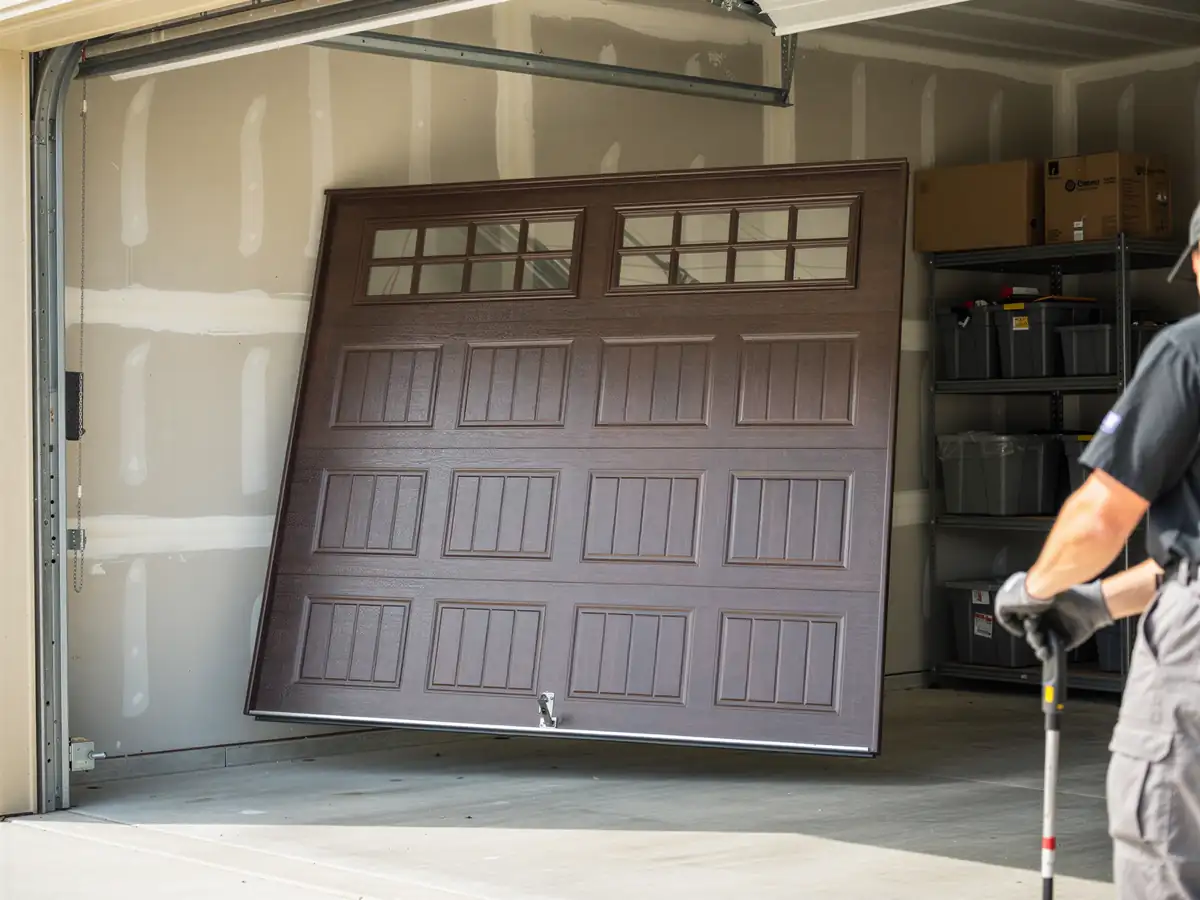
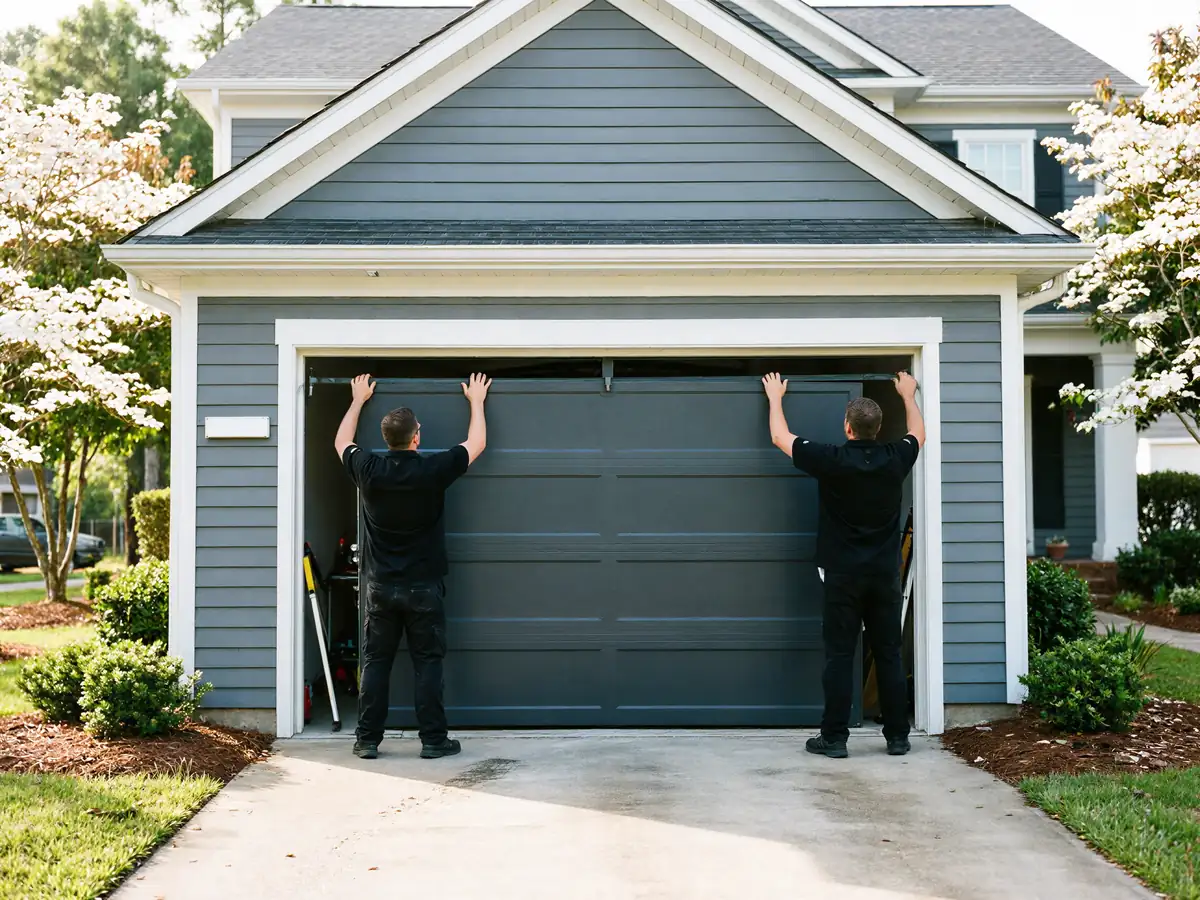
A full install, start to finish, usually runs a single day once the door and track are on the truck. What stretches that out is the gap between your call and the appointment, not the work itself. We're based in Elizabethtown, about 9 miles from Radcliff, so we build drive time into the schedule rather than pretending we're around the corner. If your old door failed and won't close, that's a different call than a planned replacement - tell us which one it is, because a door stuck open or shut gets moved up ahead of a scheduled swap. Most Radcliff houses went up around 1983, newer than a lot of the county's stock, so we're less often pulling a door off hardware that's been failing quietly for a decade and more often replacing a door that's simply worn out or was never matched to the opening well. That tends to mean less surprise once the old door is off the track, and fewer mid-job trips back to the shop for a part nobody expected to need. Expect us to measure the opening and check headroom before we quote anything - framing from the early '80s isn't identical across every house in the area, and we'd rather catch a tight spot before the door shows up than after.
What You Pay
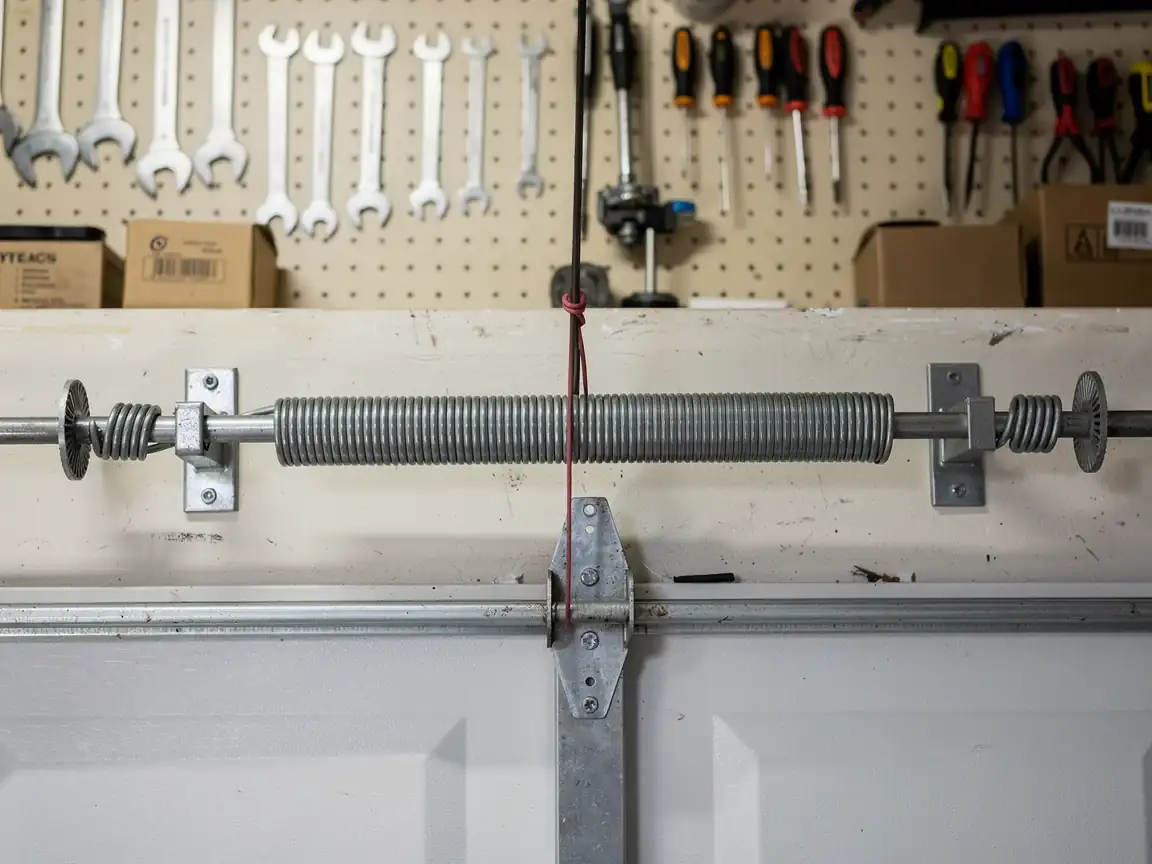
Median household income in Radcliff is $60,976, higher than some of the other areas we cover out of Elizabethtown, and that matters for the repair-or-replace call. On a 1983-built door, a cracked panel or a spring that's given out is usually worth fixing rather than replacing the whole unit - the door's not old enough that parts are a problem. Where replacement starts making more sense is when the opener, the track, and the panels are all original and all showing wear at once, because at that point you're paying labor three separate times instead of once. At this income level, a new door is a real purchase but not usually a stretch-it decision, which is why we'd rather give you a straight number up front than talk you into financing a repair that would've held for another few years. One honest limit: we quote off a measured opening, not a phone description, so the number you get on the call is a range until we've seen the space.
What Causes It Around Here
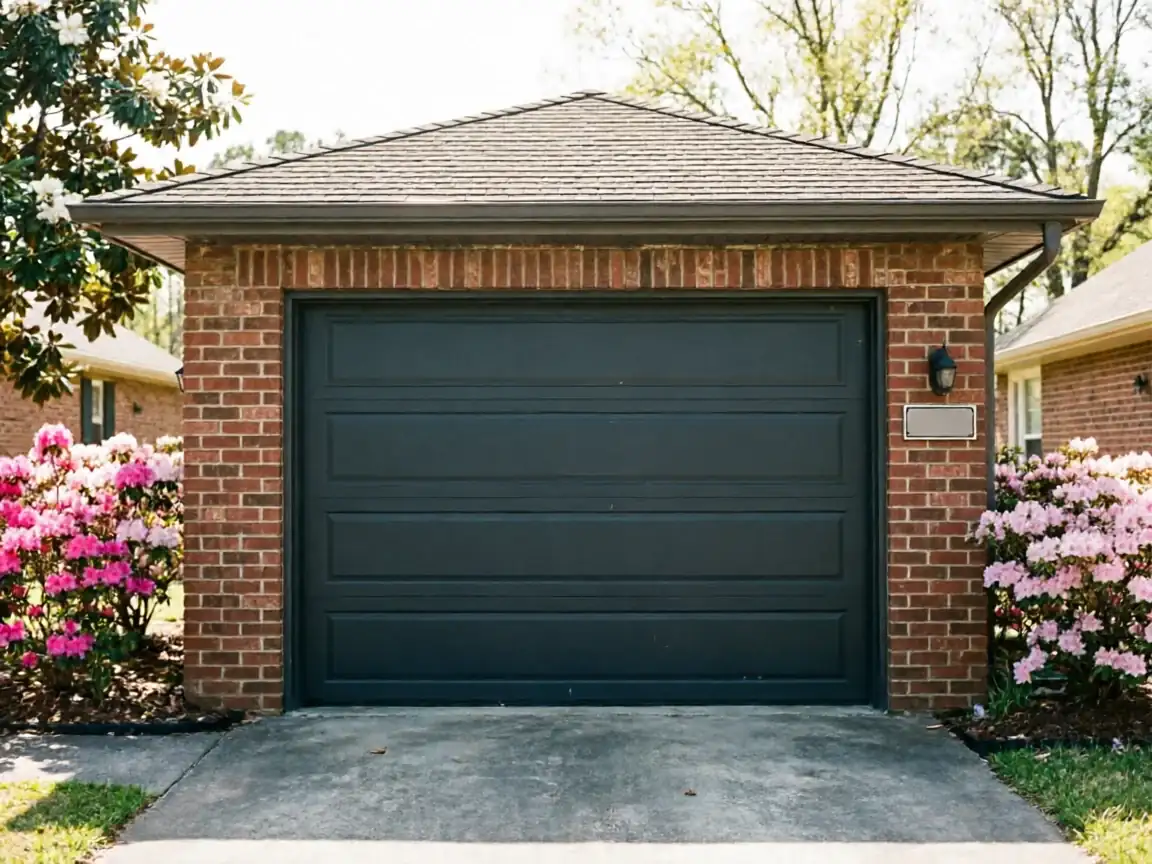
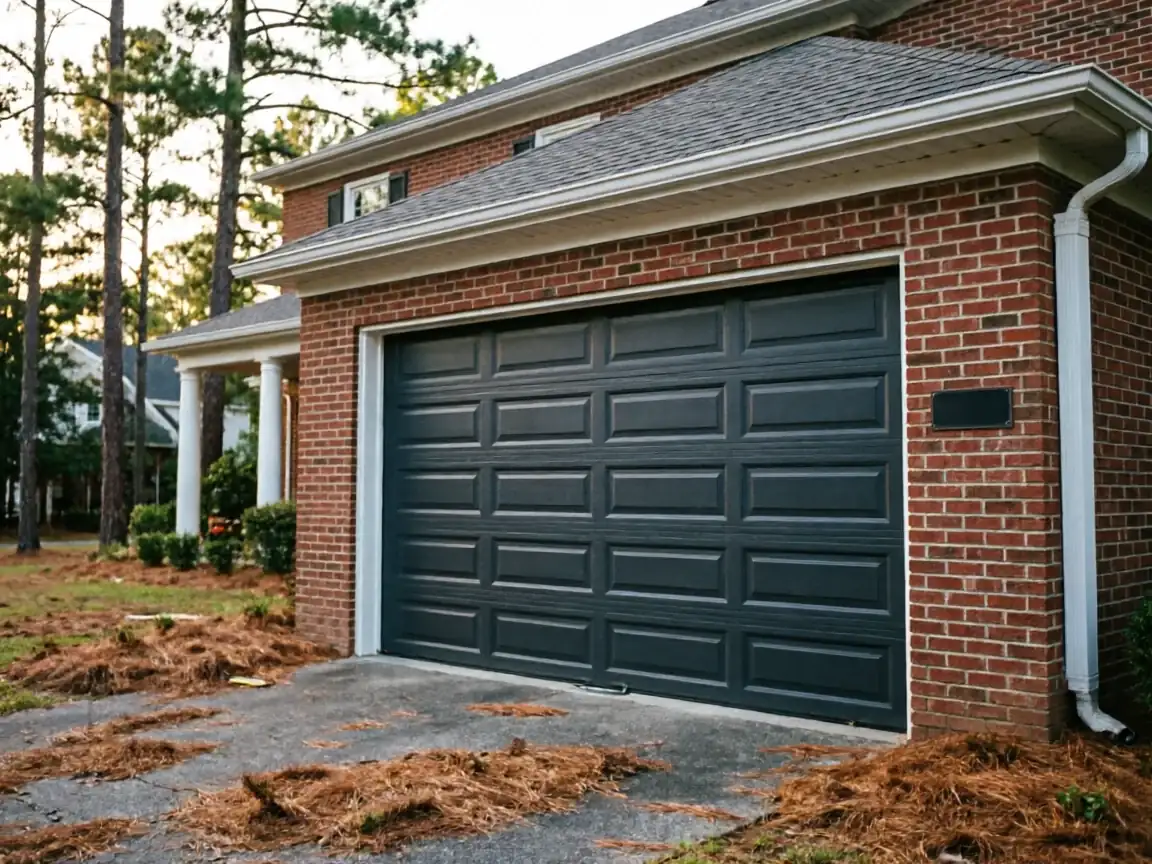
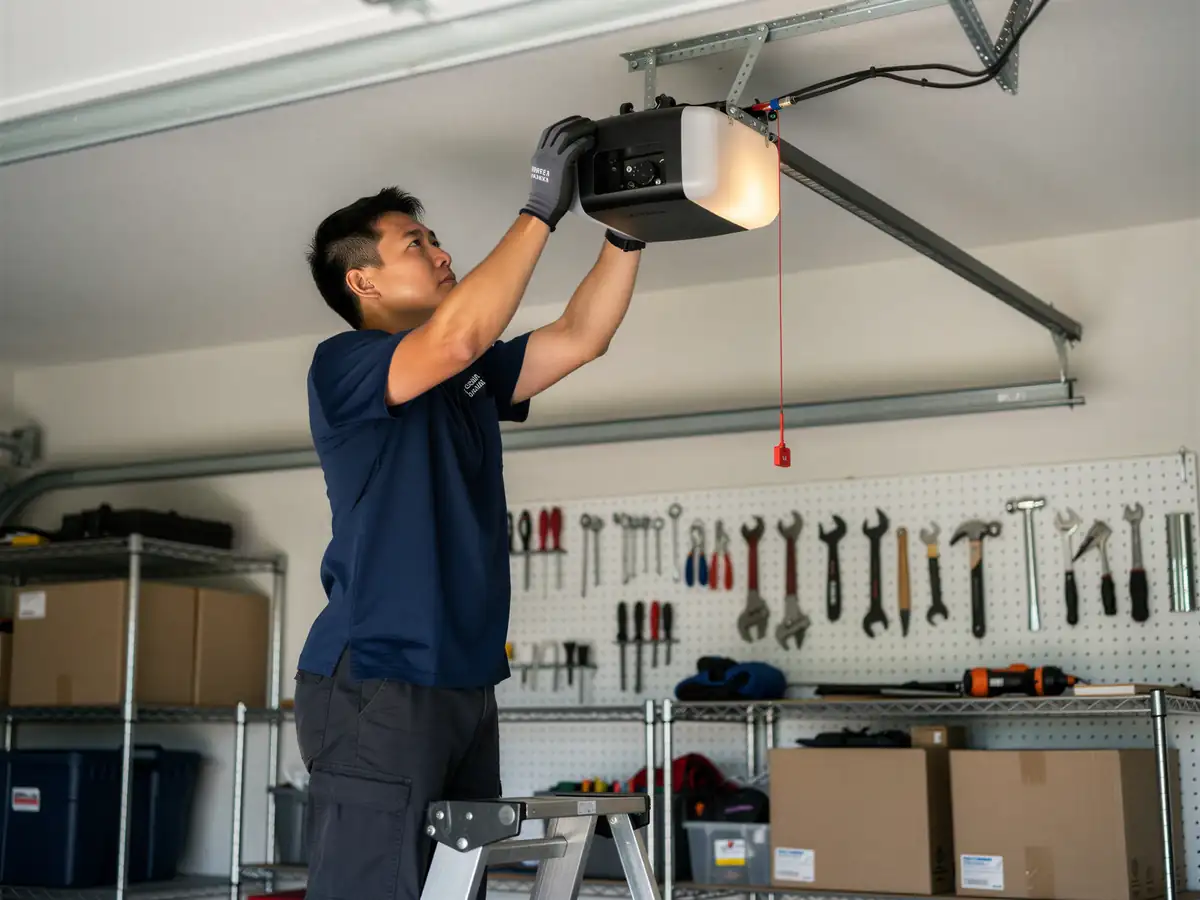
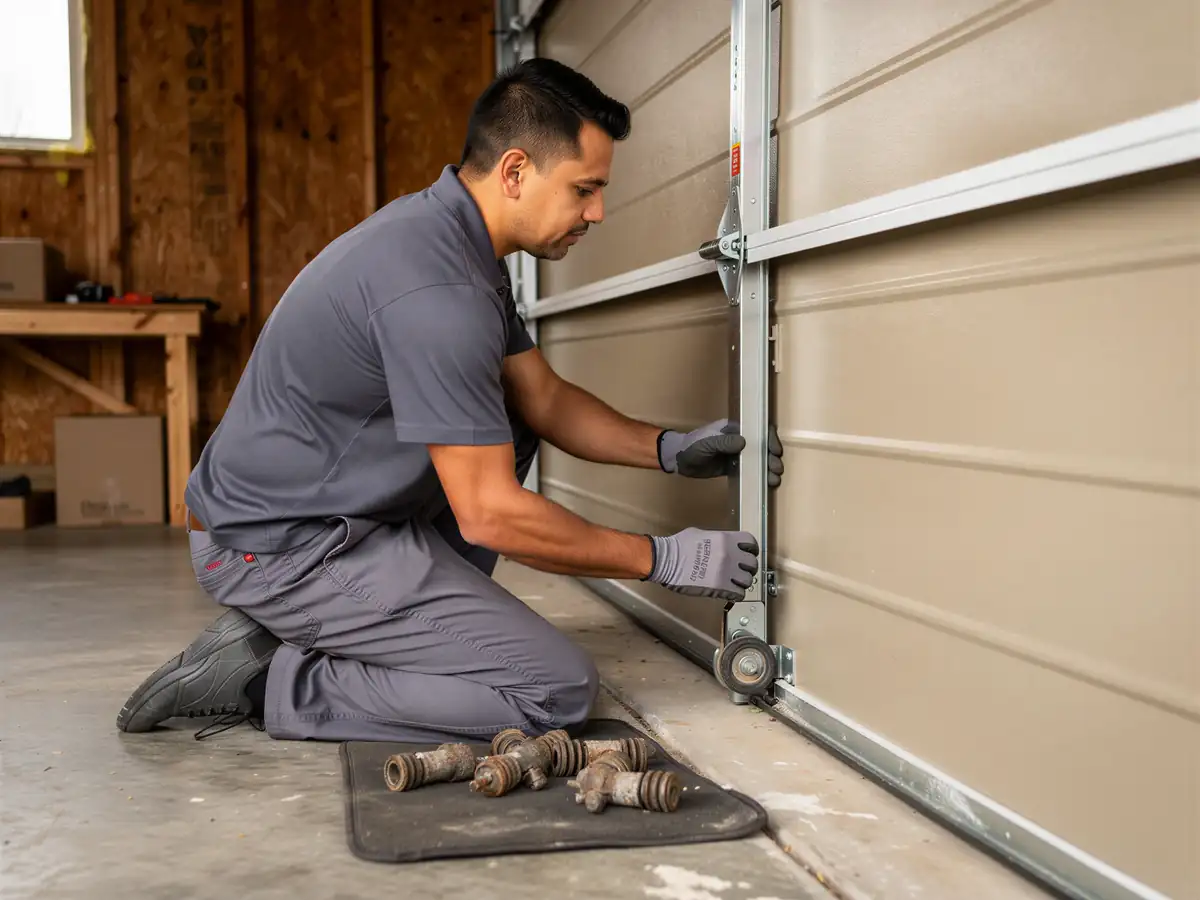
With most Radcliff homes dating to around 1983, the doors we're pulling out are usually second-generation already - not the original 1983 door, but a replacement from sometime in the last 20 years that's now reached the end of its own run. That's a different job than working on housing stock from the 1960s, where we're sometimes fighting original hardware nobody makes anymore. The region sits in a cold-moderate climate band, so winterized weatherstripping and an opener rated for cold starts matter here the same as anywhere in the service area - it's not a Radcliff-specific condition, but it does affect what we spec on every install, including these. Across the roughly 8,945 households in this part of the service area, the failure pattern we see most is a worn opener paired with a door that's structurally fine, which is why we check the door and the opener as two separate questions rather than assuming one replacement fixes both.