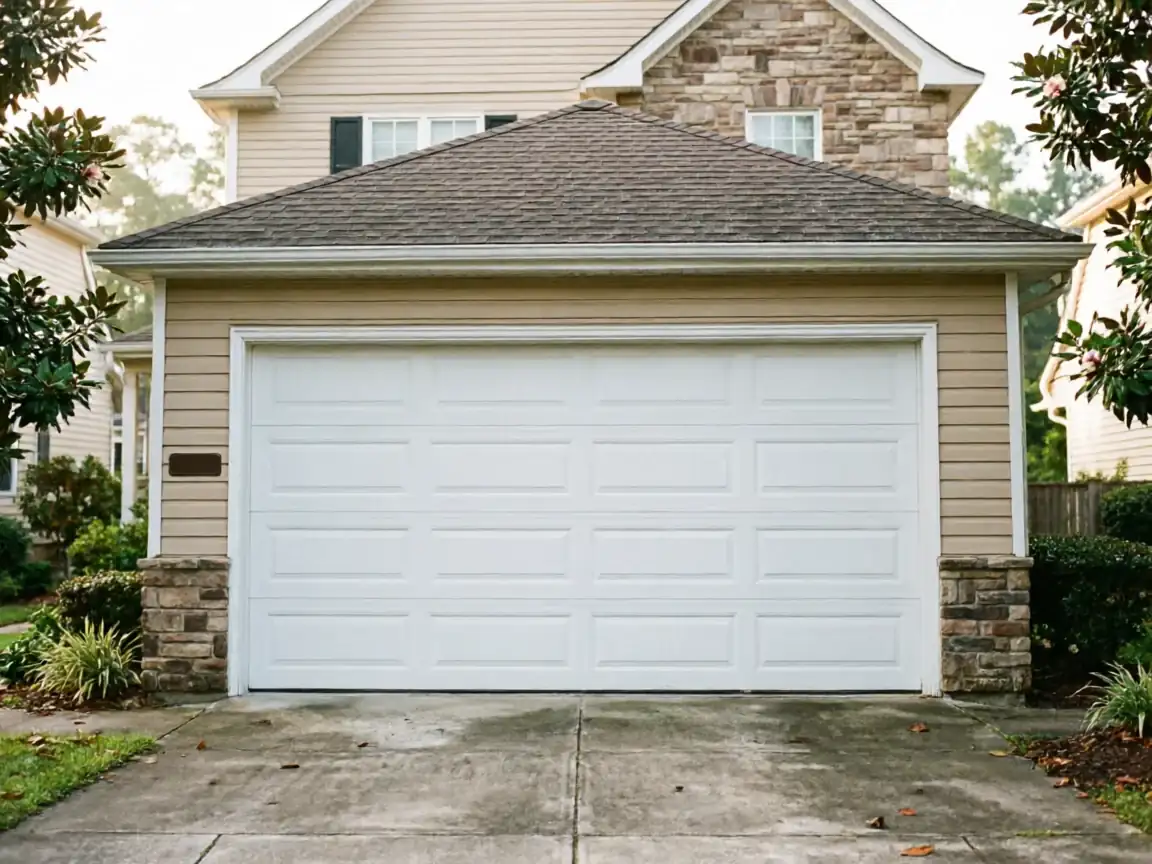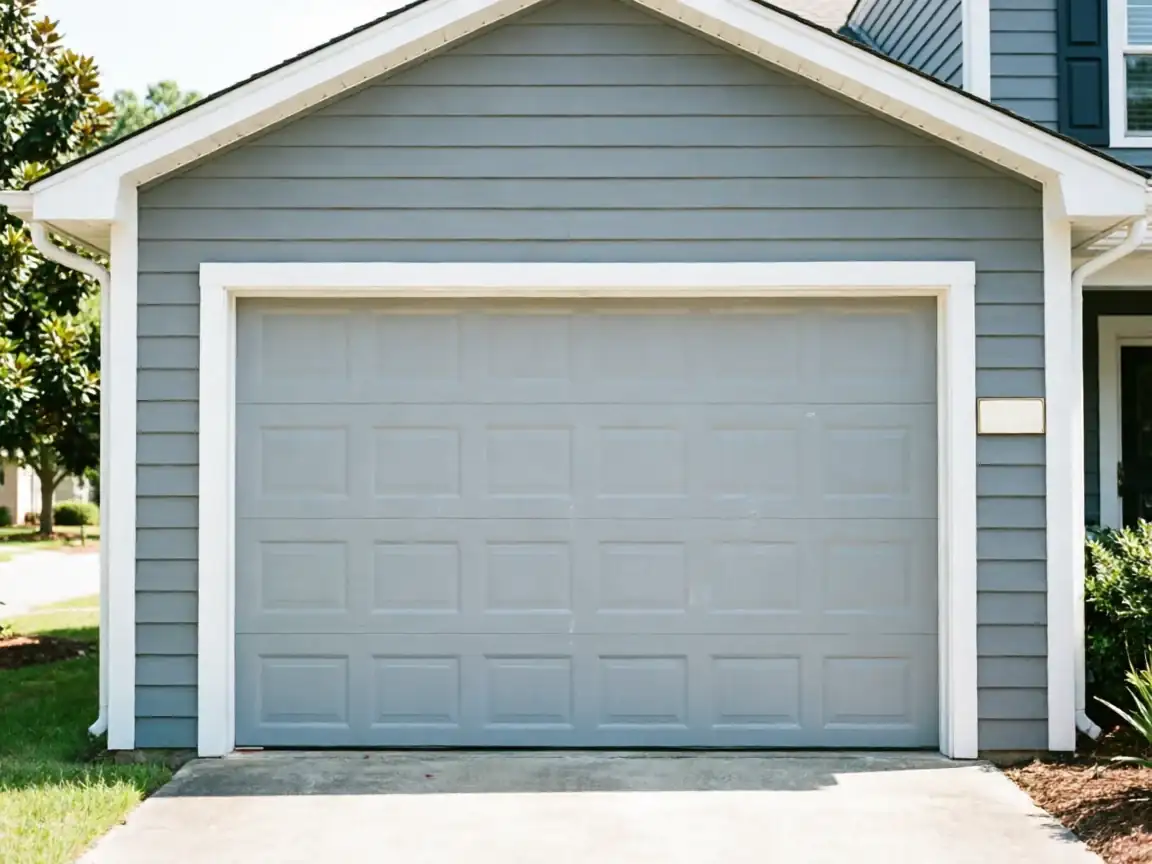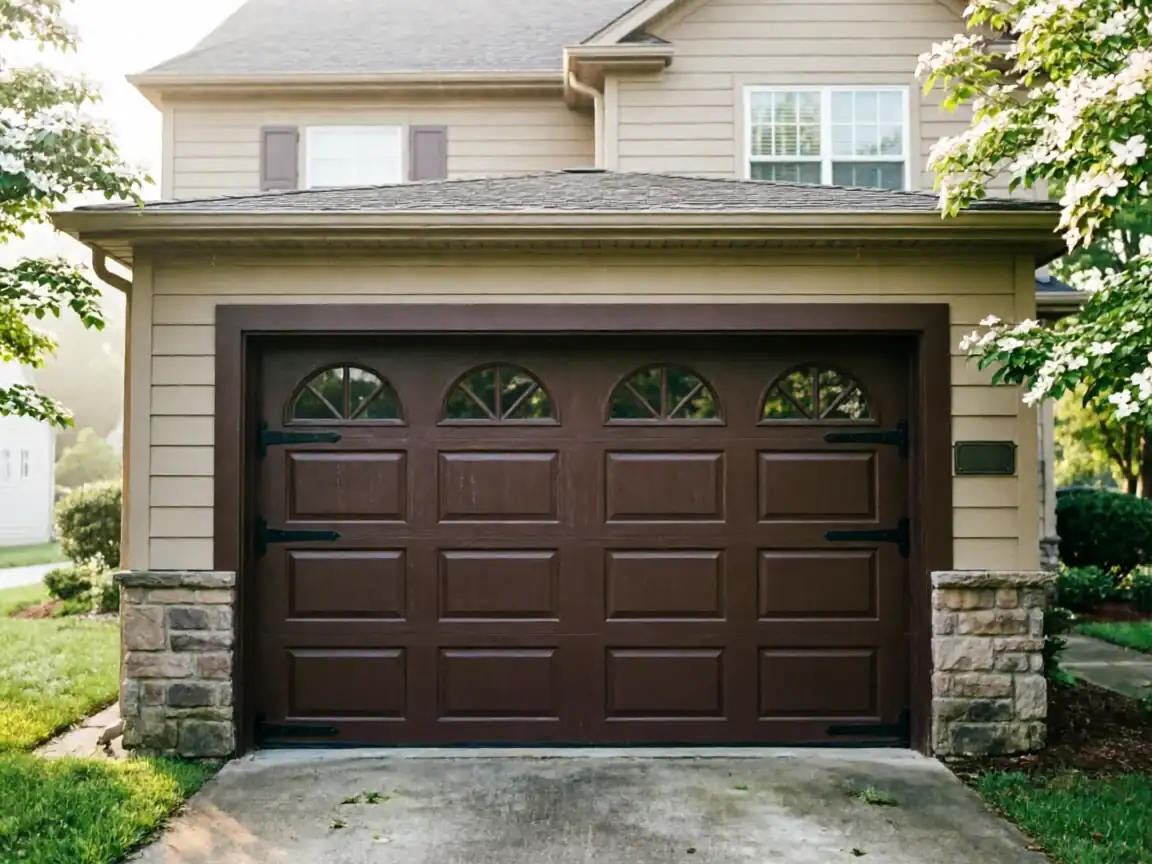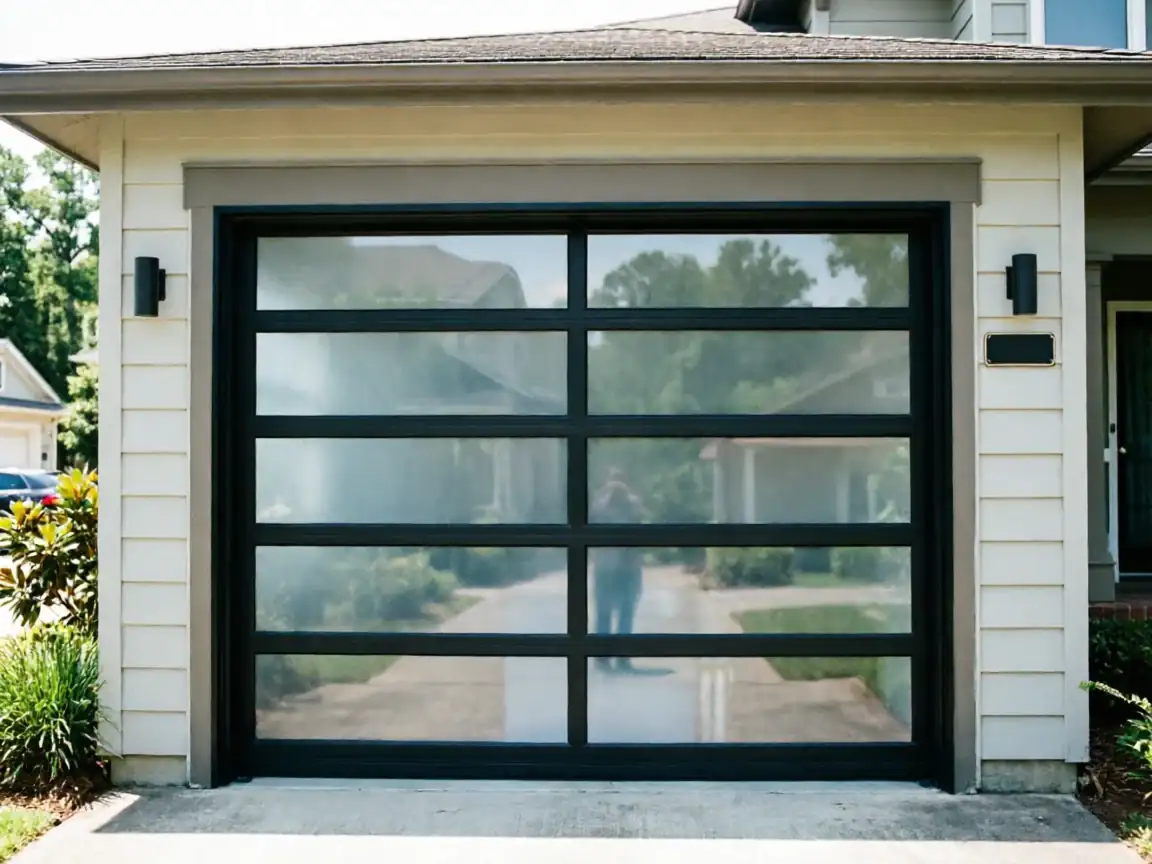
How Long You Are Without the Door
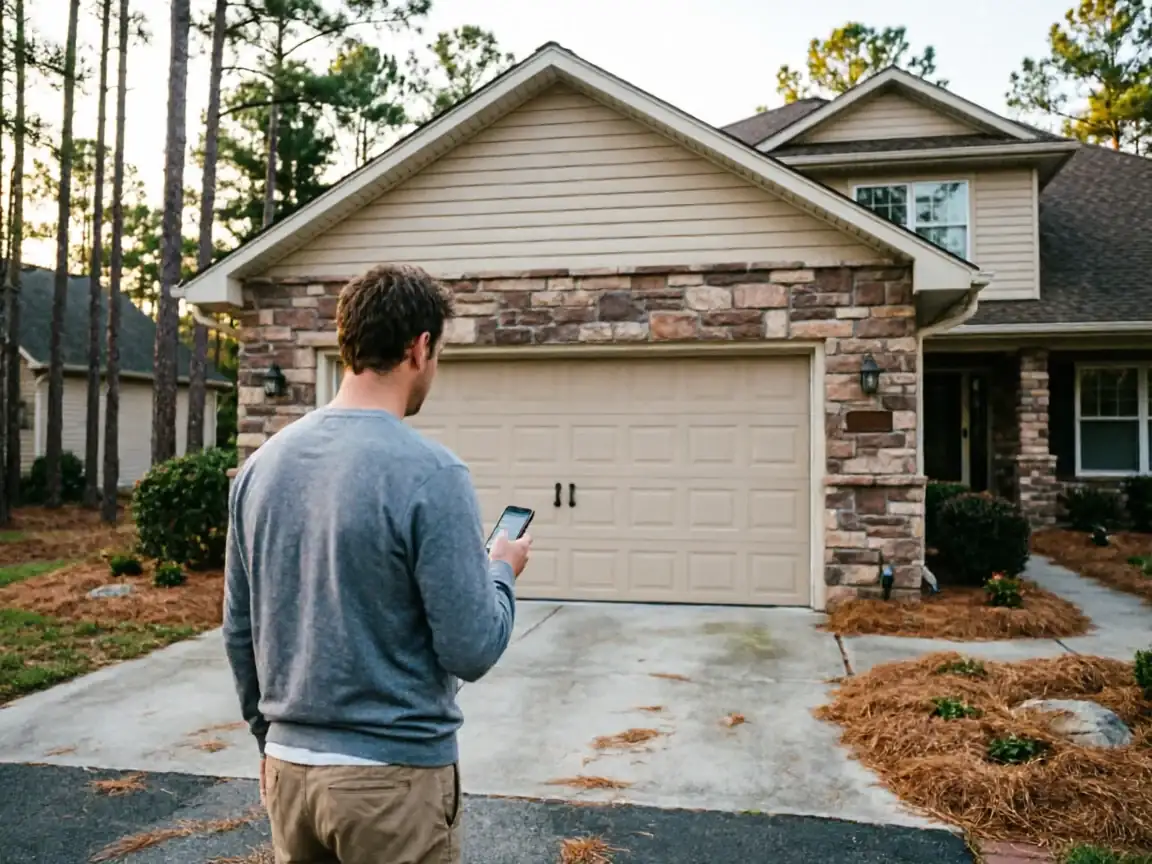
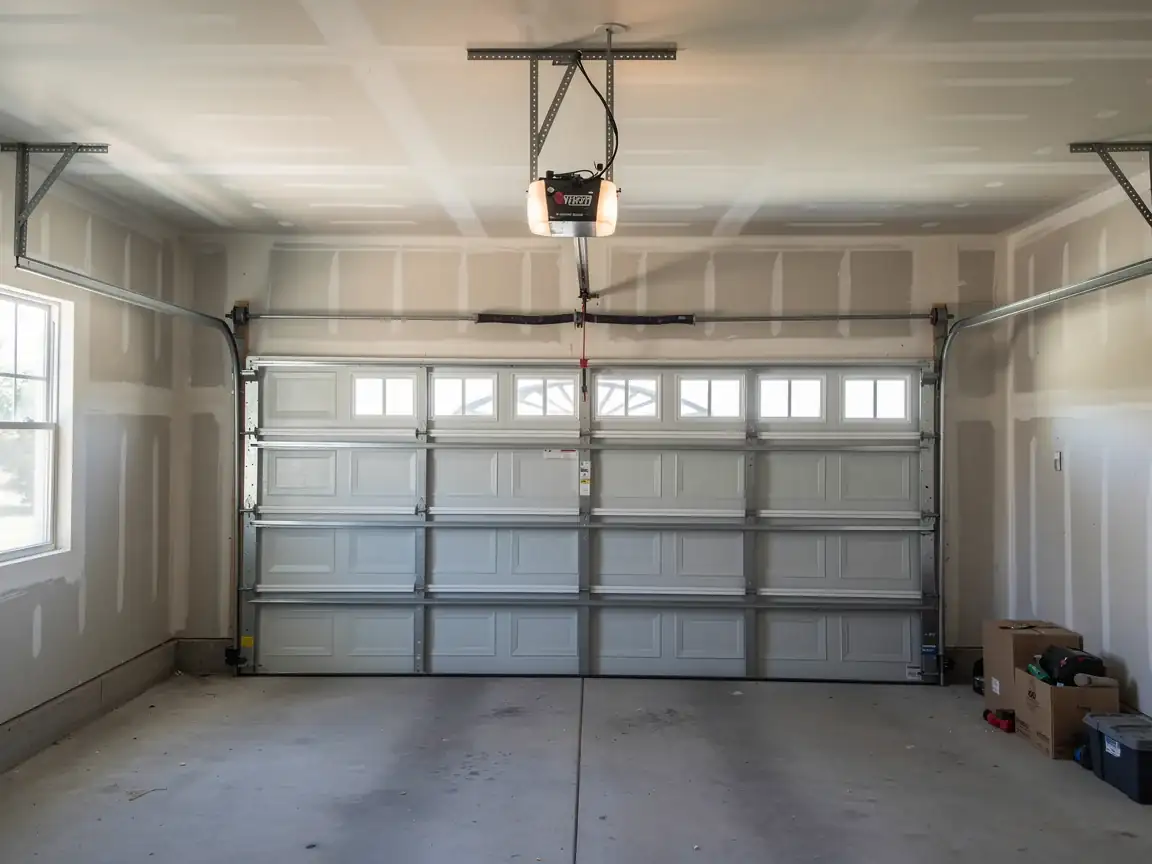
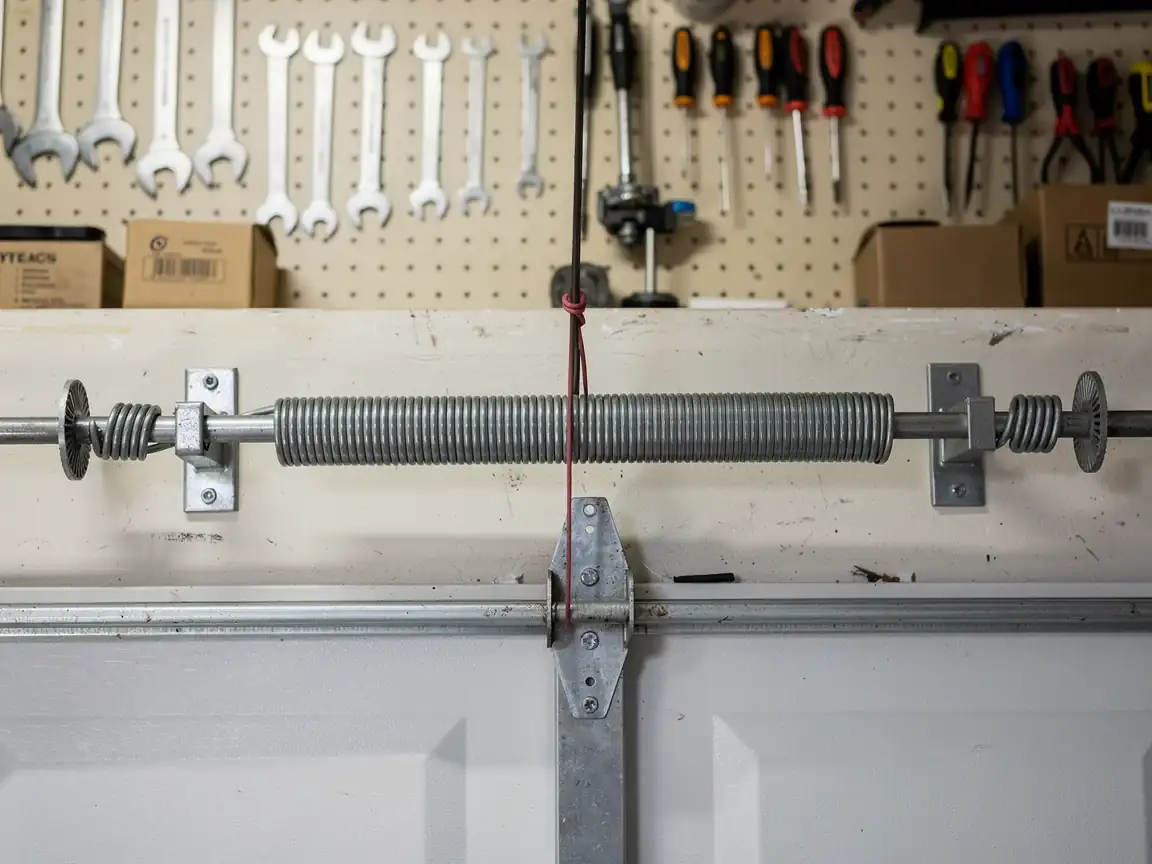
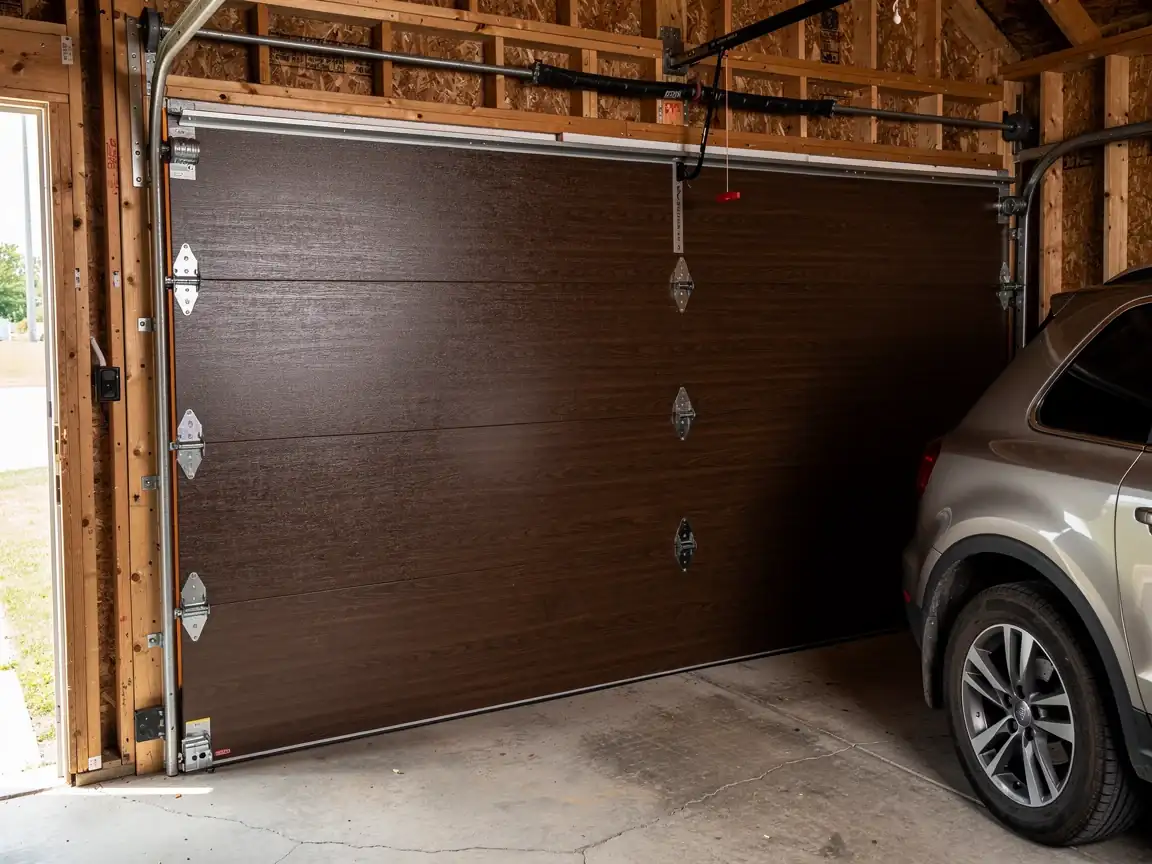
Most houses in Radcliff went up around 1983, which puts the original door hardware well past its working life right now. That's later than the bulk of the wider Elizabethtown service area, where the housing stock runs 1957 to 2001 with a median closer to 1975 and the mix skews toward 1960s and 70s construction. A door from the early 80s usually came with galvanized track, steel rollers, and either an extension-spring setup or an early torsion system - none of it built to last 40-plus years without the springs losing tension and the track picking up surface rust.
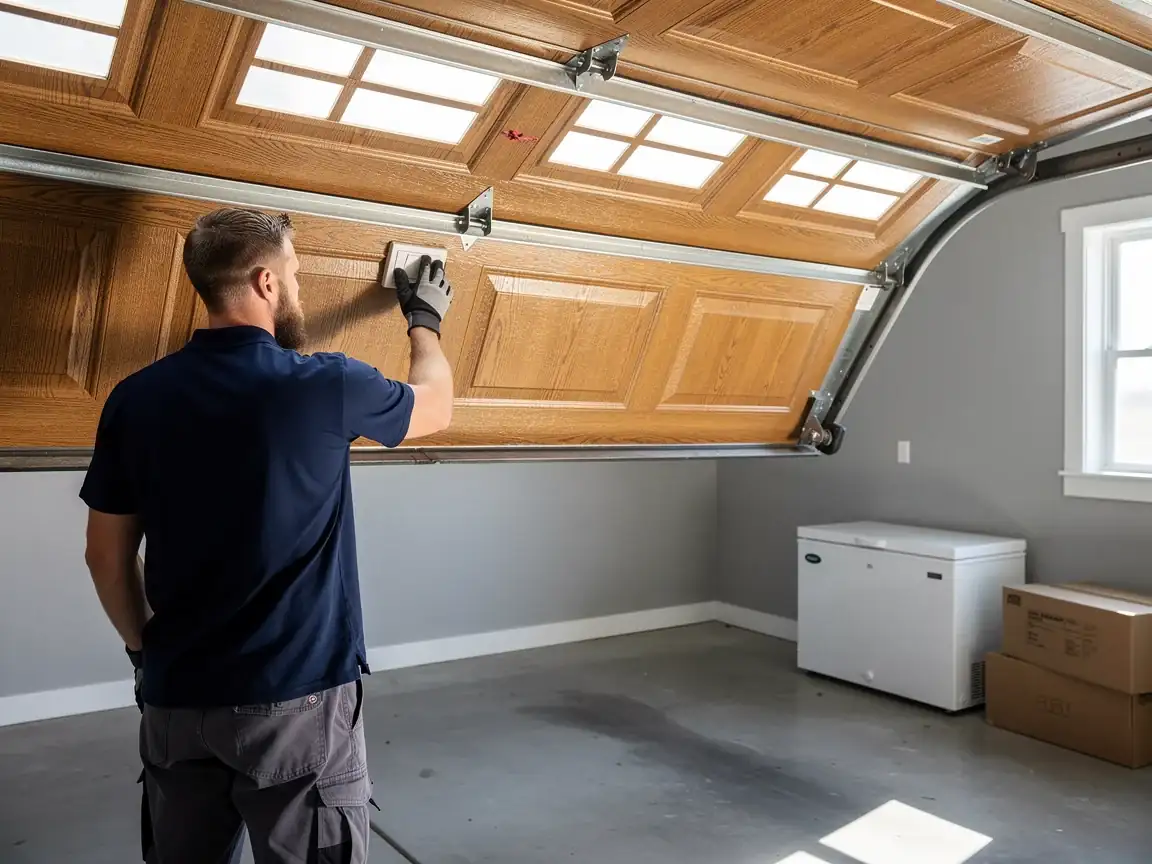
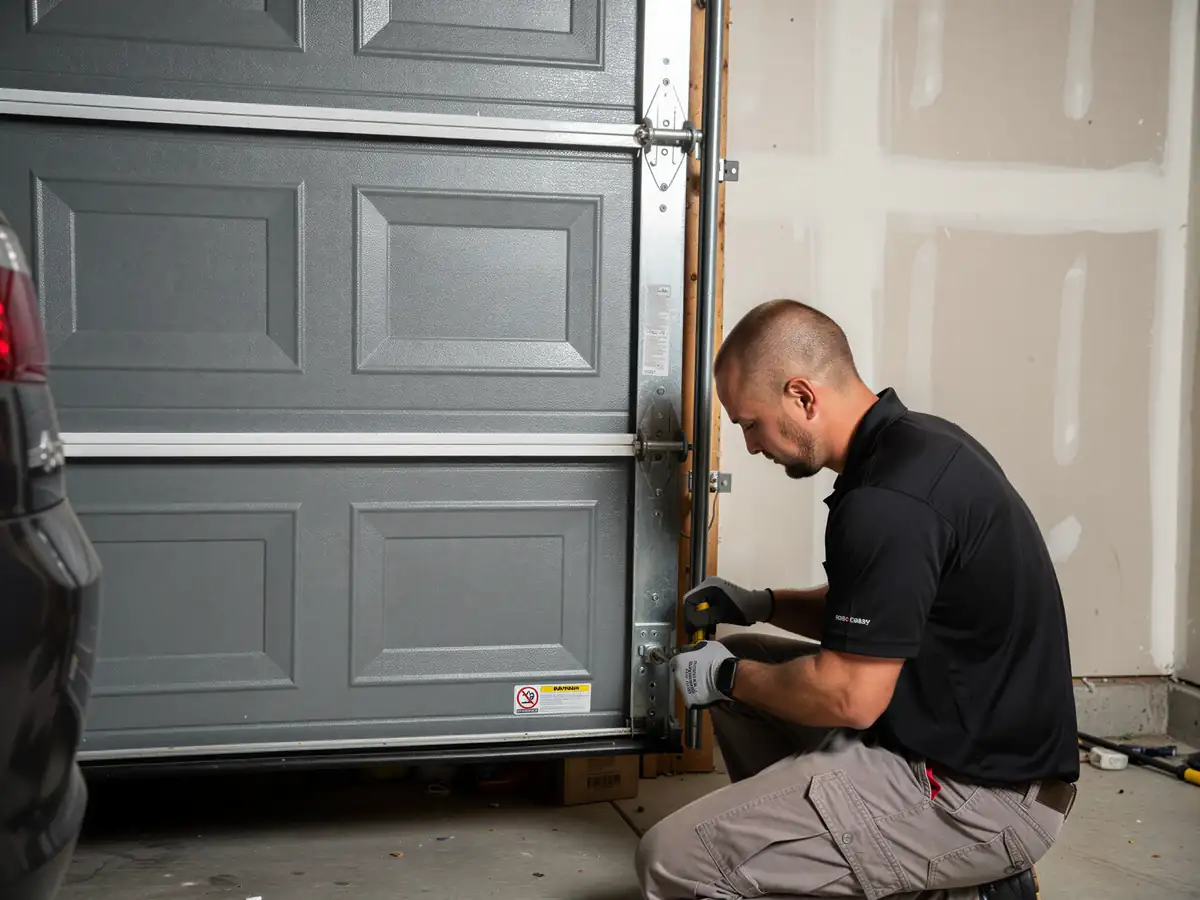
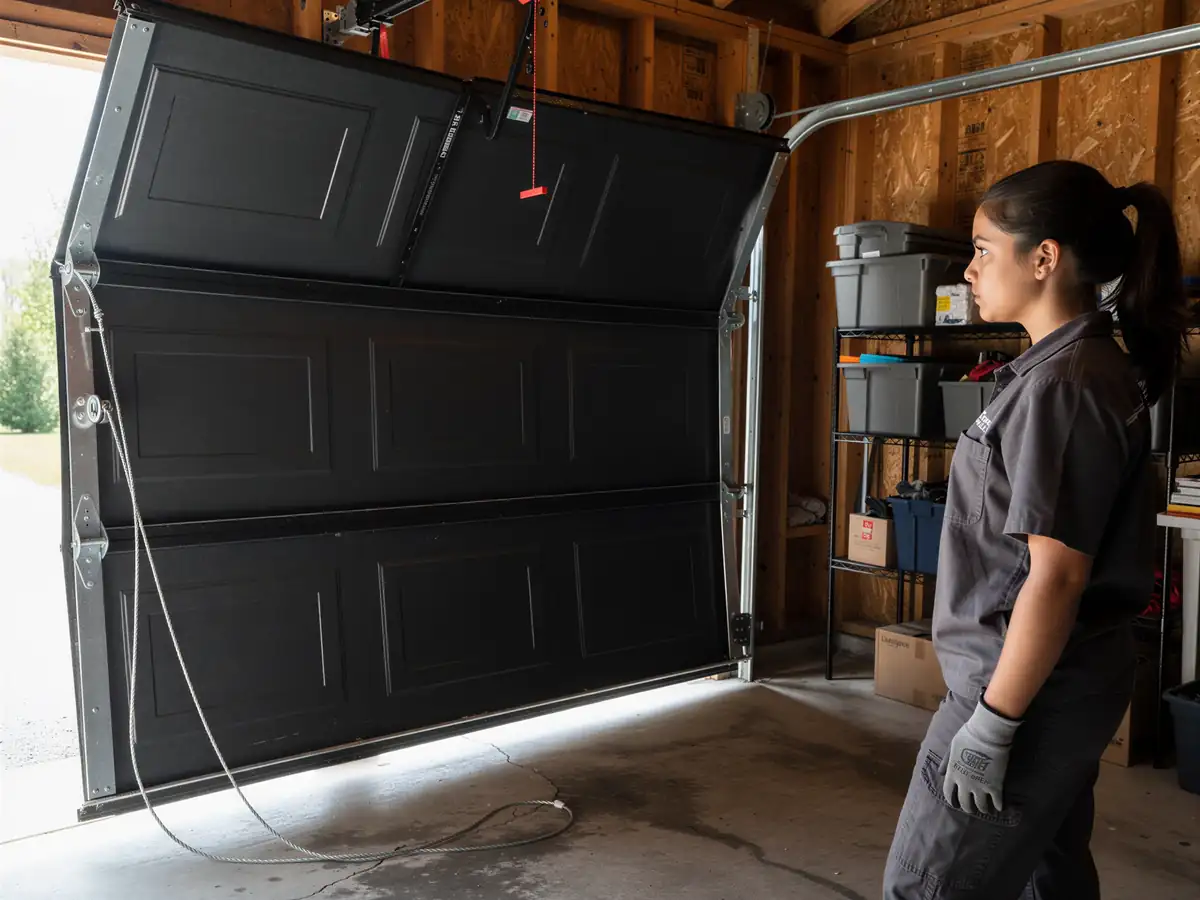
How long you're stuck without a working door depends on what's actually failed. A worn roller or a stretched cable is a same-visit fix once we're on site. A spring that's lost its temper or an opener whose gears have stripped usually means a second trip if the part isn't something we carry on the truck already - we come from Elizabethtown, there's no branch in Radcliff, so a part that has to be ordered adds a day or two rather than an hour. We'll tell you straight which category your door falls into before we start, not after.
What You Pay
We don't publish flat prices here because what a maintenance visit costs depends on what the door needs, and that varies more in Radcliff than you'd expect for a town this size. Median household income in Radcliff runs $60,976, noticeably higher than the $55,375 median across the broader service area, and that tracks with what we see on site - more owners catching a stiff spring or a noisy opener early, before it turns into a full spring failure or a motor that needs replacing outright.
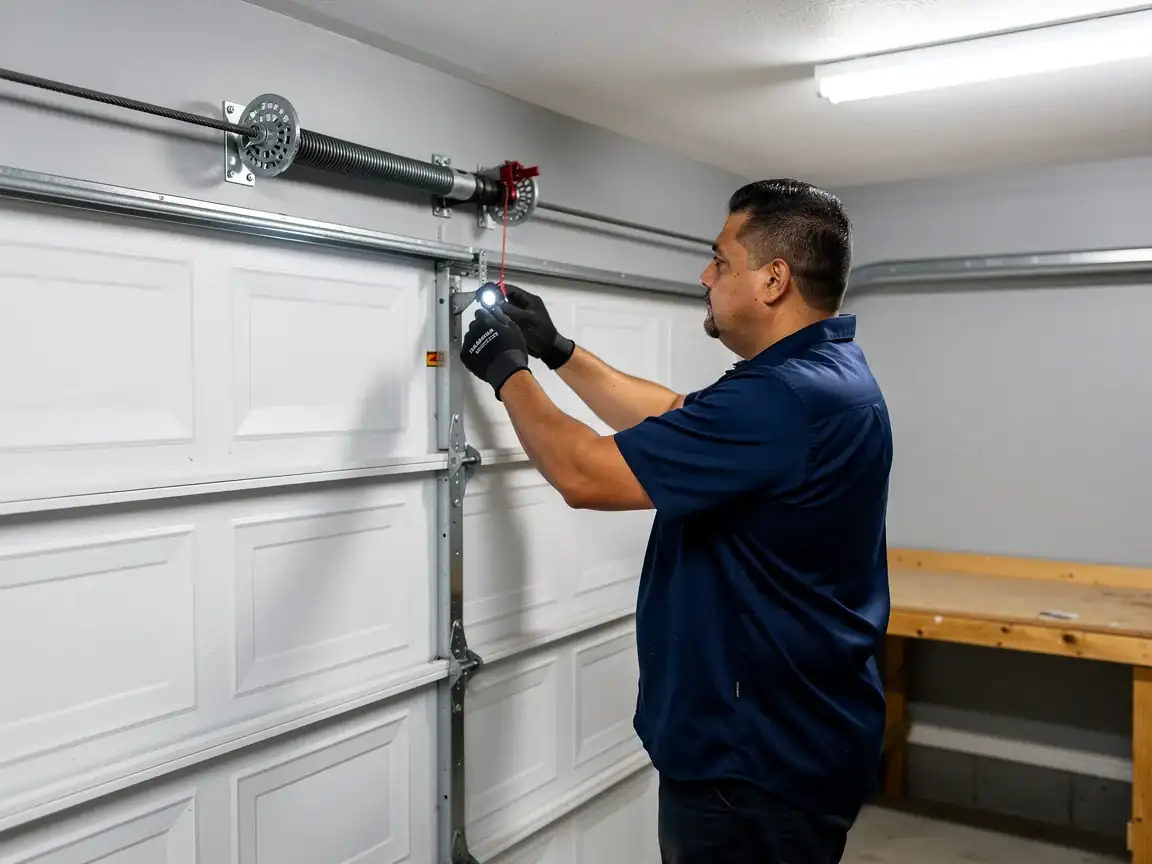
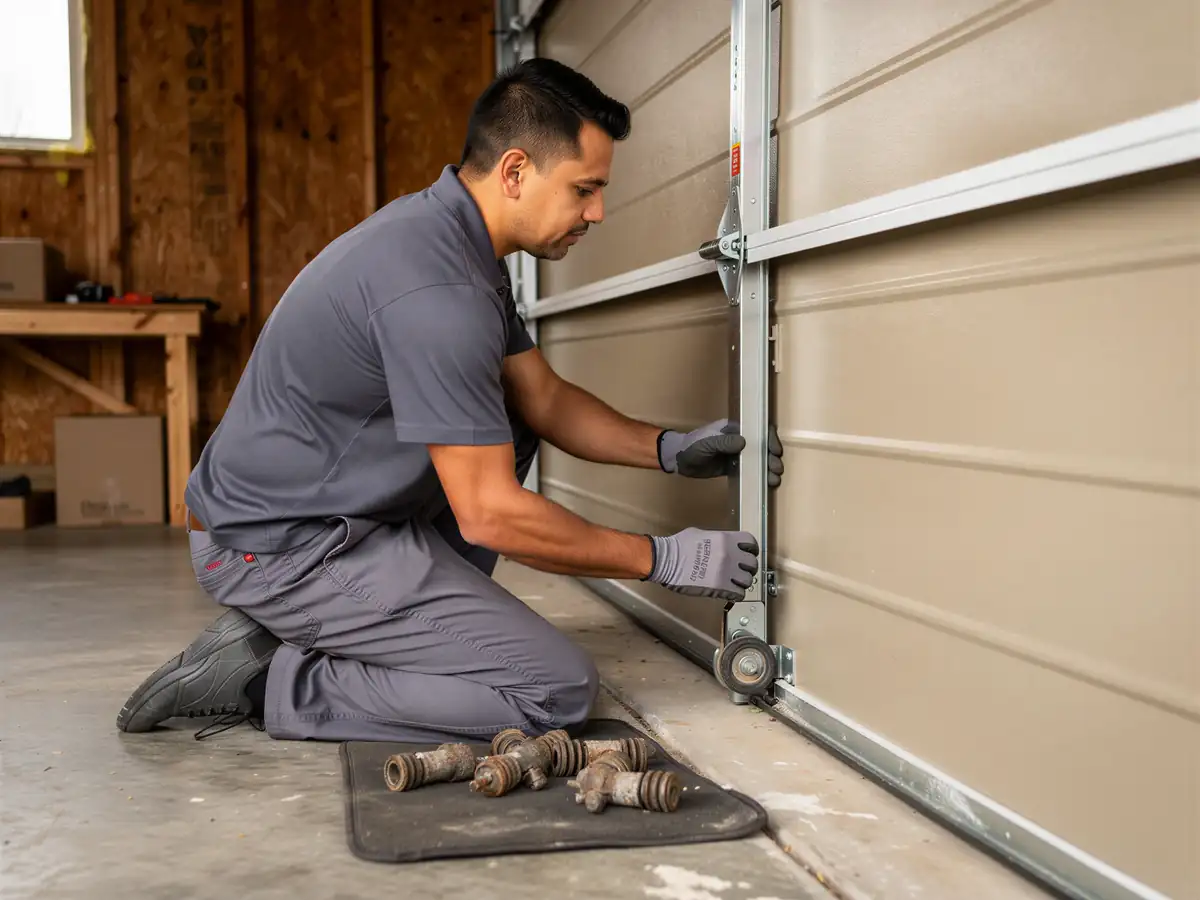
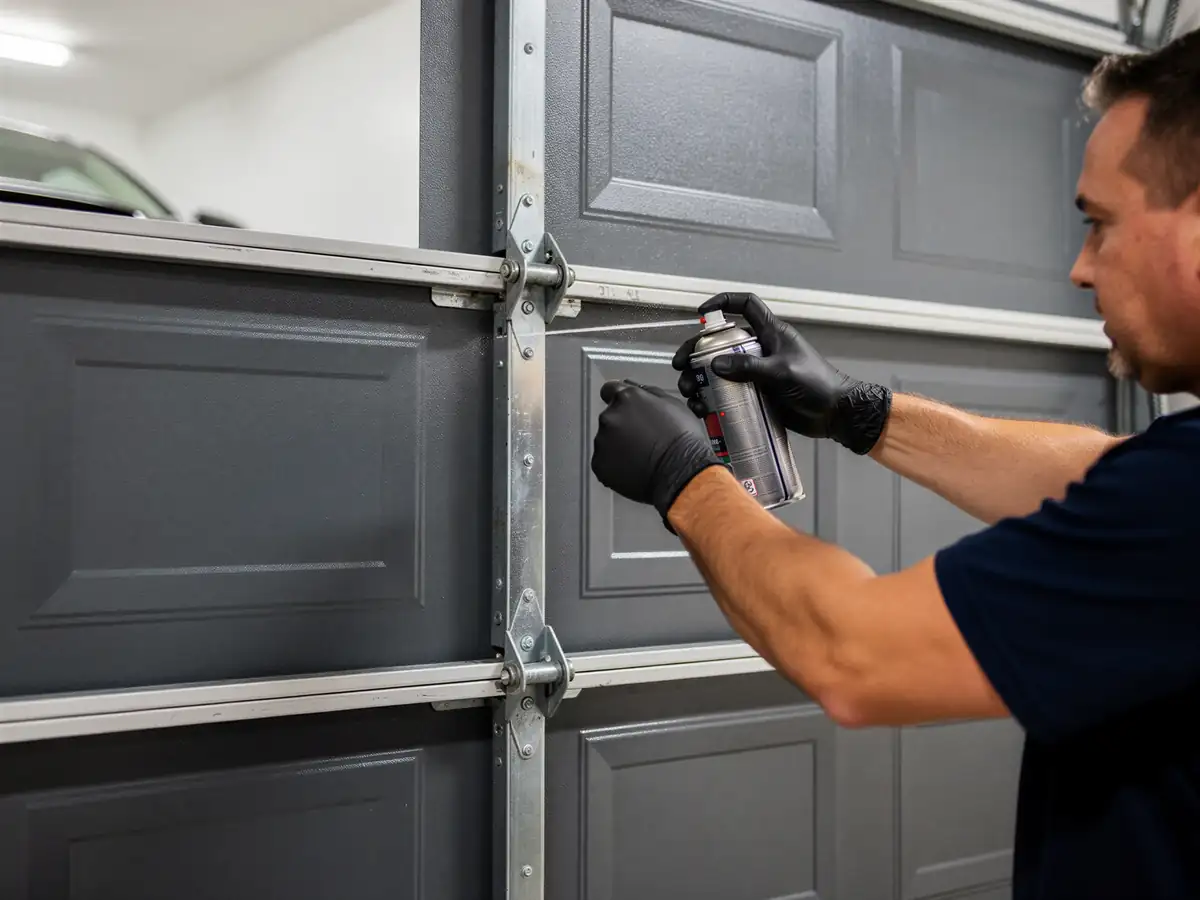
A basic maintenance visit - lubrication, hardware tightening, balance check, track inspection - costs less than waiting until a cable snaps or a spring breaks under load, because at that point you're paying for parts and emergency labor instead of ten minutes of adjustment. Beyond that we're not going to quote a number we don't have in front of us; every door's hardware, size, and condition changes the bill. Ask for a number on the call and we'll give you one before anyone drives out.
Booking a Visit
Radcliff sits about 9 miles from our shop in Elizabethtown
And we route maintenance visits out there on a scheduled basis rather than treating every call as an emergency run. If your door is still working but making noise, sticking, or closing unevenly, that's exactly the kind of call that fits a planned visit instead of a same-day scramble.
- 9 miles
If something's already broken
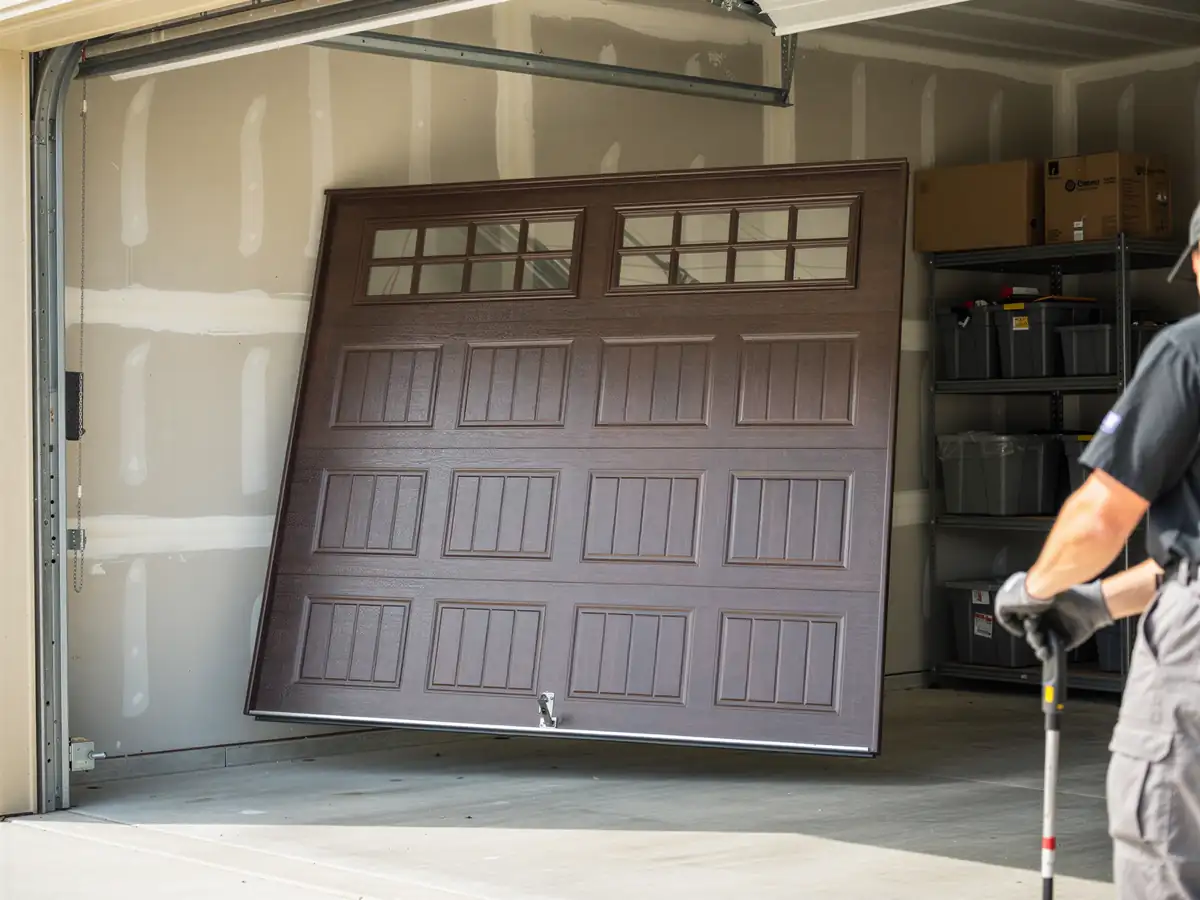
A spring has gone, the door won't move, a cable has snapped - that's a repair call, not a maintenance one, and it goes on our Radcliff repair page instead. If you're outside Radcliff proper but still in the Elizabethtown area, the general maintenance page covers the rest of our coverage: garage door maintenance across the Elizabethtown service area. Either way, tell us the age of the house and what the door is doing - or not doing - and we'll tell you which visit you need.
What Causes It Around Here
The climate here is cold and moderate, which over a Kentucky winter means repeated freeze-thaw cycles rather than one hard freeze that stays put. That cycling is what eats galvanized track coating on a door from the early 80s - condensation forms on cold steel, sits there overnight, and slowly works rust into seams the coating was supposed to protect. On a newer door this isn't an issue yet; on a 40-year-old Radcliff door, it's usually already started.
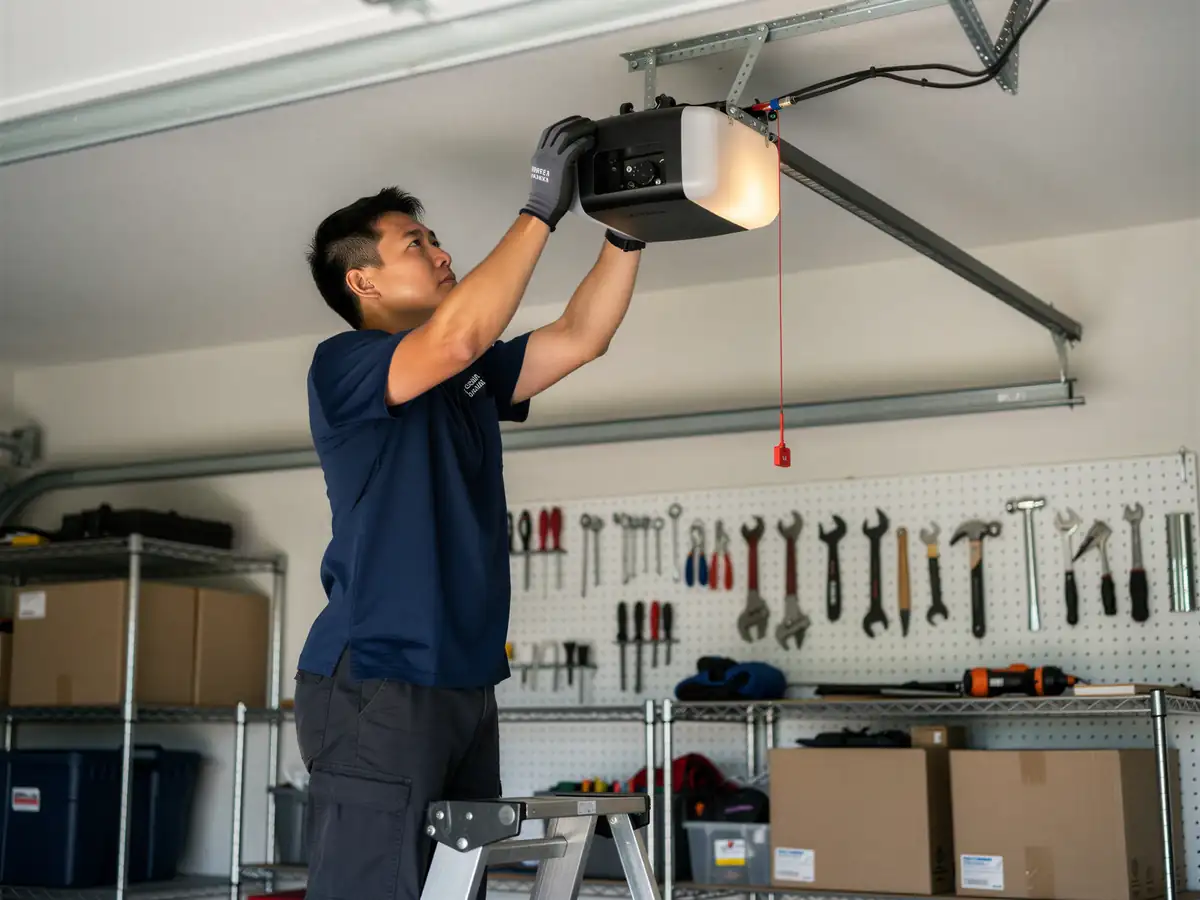
The other recurring issue is the opener generation that matches 1983-era houses. A lot of these homes still run original or first-replacement chain-drive openers, and the motor capacitors and drive gears in units from that era are reaching the point where they fail without warning rather than giving you a slow decline to notice. Combine that with springs that were sized for a lighter door and have been cycling for decades, and the two most common Radcliff calls - a dead opener and a spring that's lost tension - both trace back to the same build era.