How Long You Are Without the Door
Radcliff is not a handful of houses on a back road. There are close to 8,945 households here, out of roughly 16,726 across the whole territory Elizabethtown Garage Door Pros covers. A town that size doesn't produce one-off oddball calls - it produces the same handful of failures over and over, because most of the housing went up in the same stretch of years.
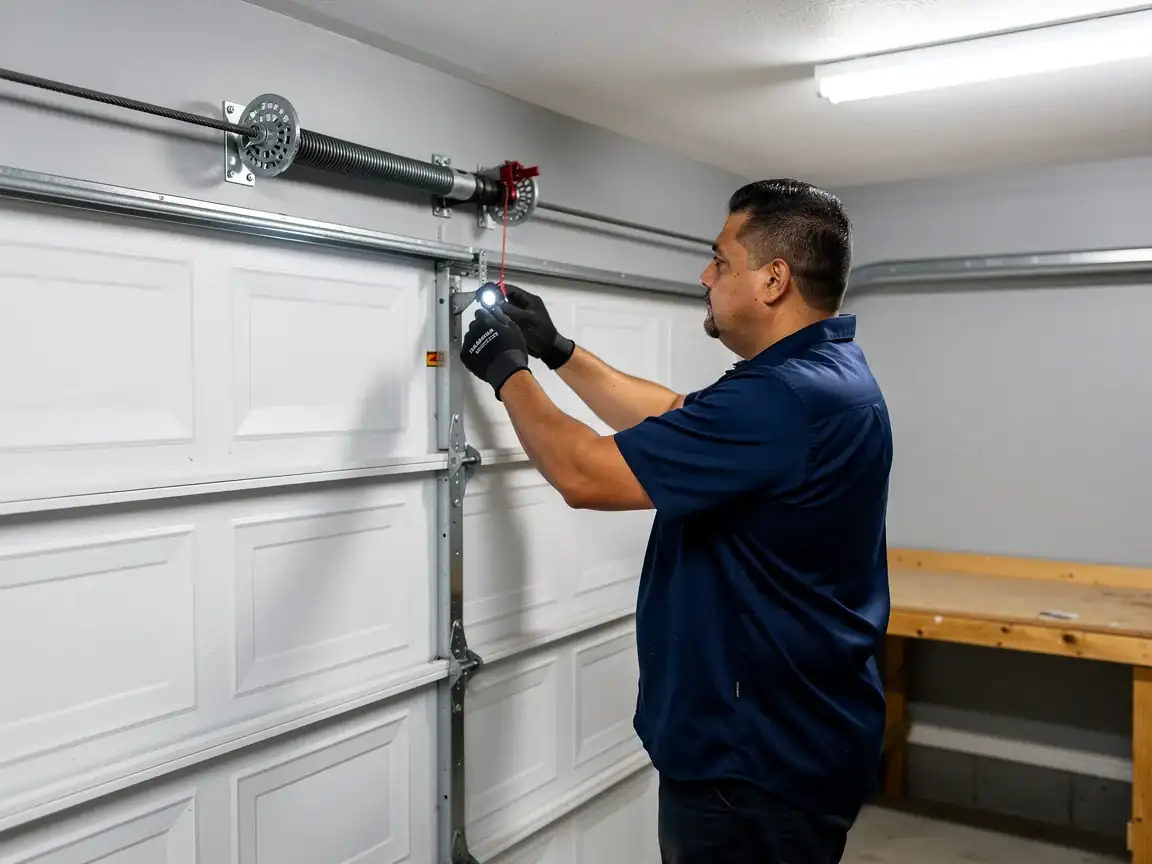
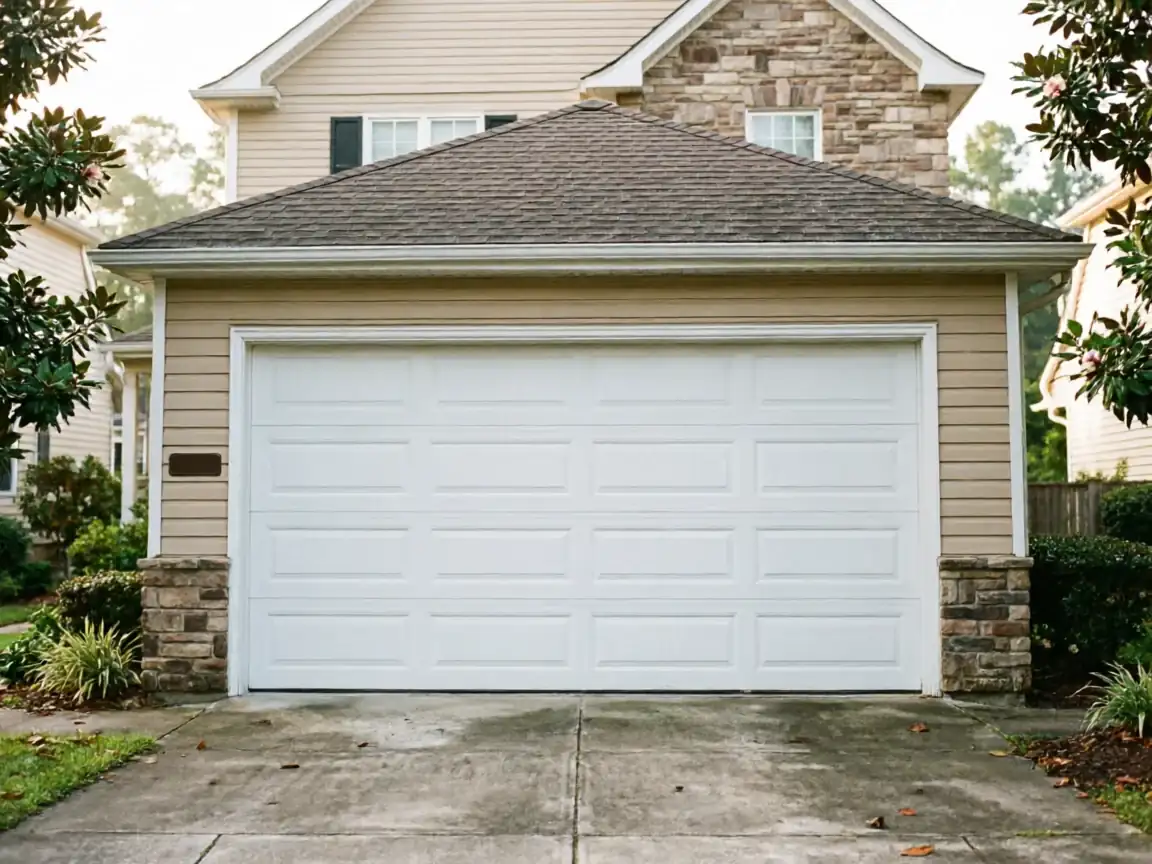
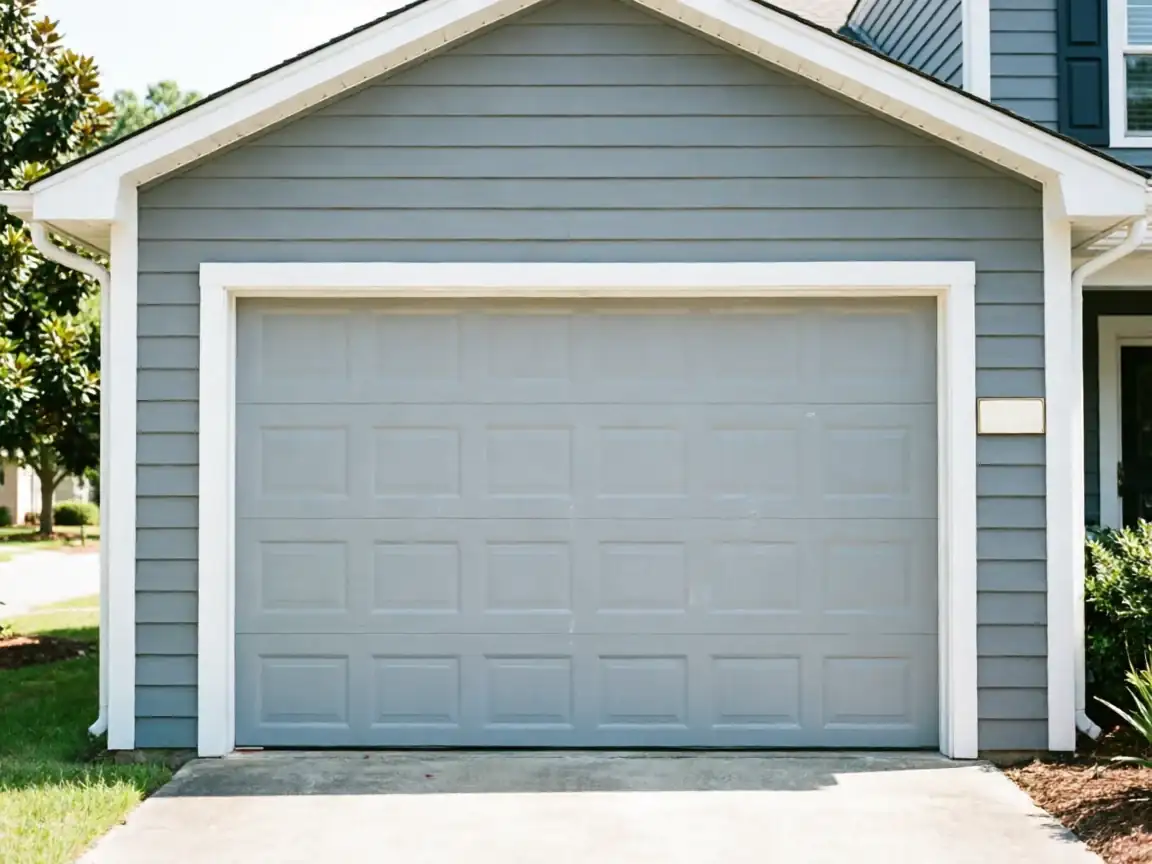
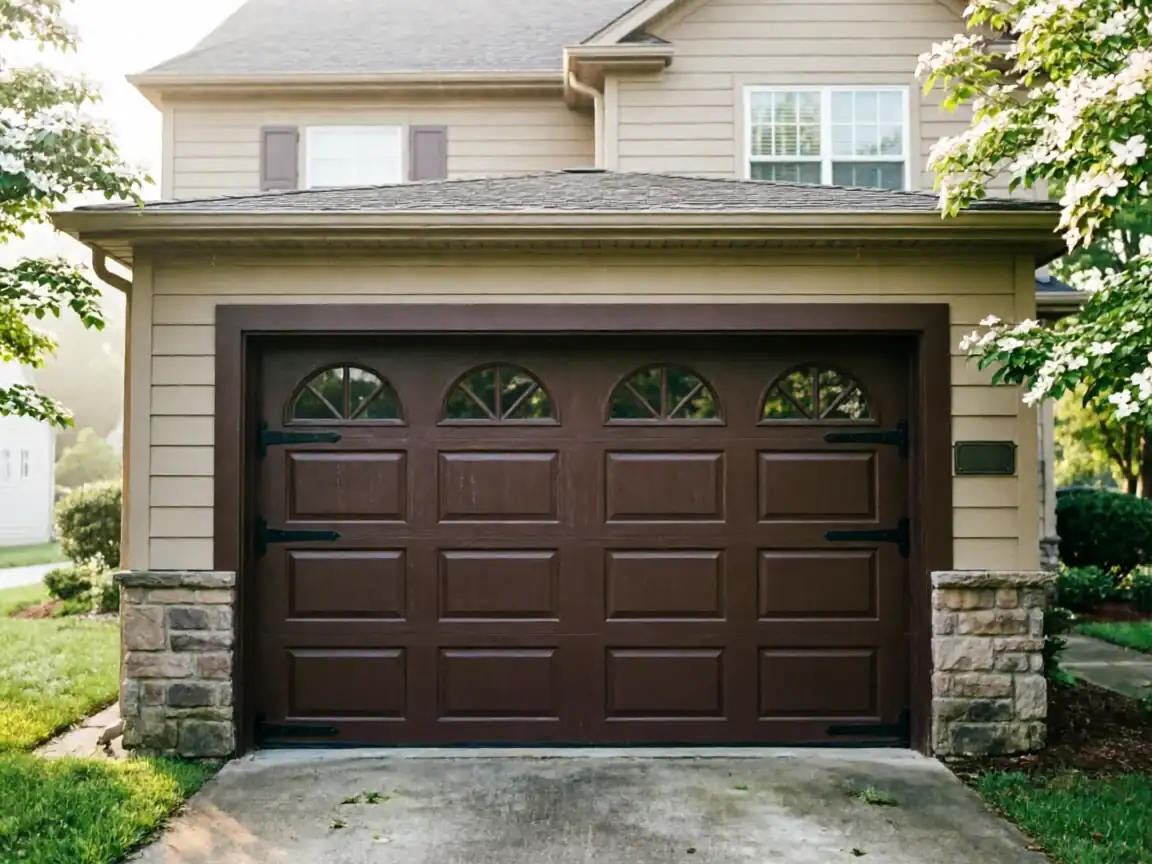
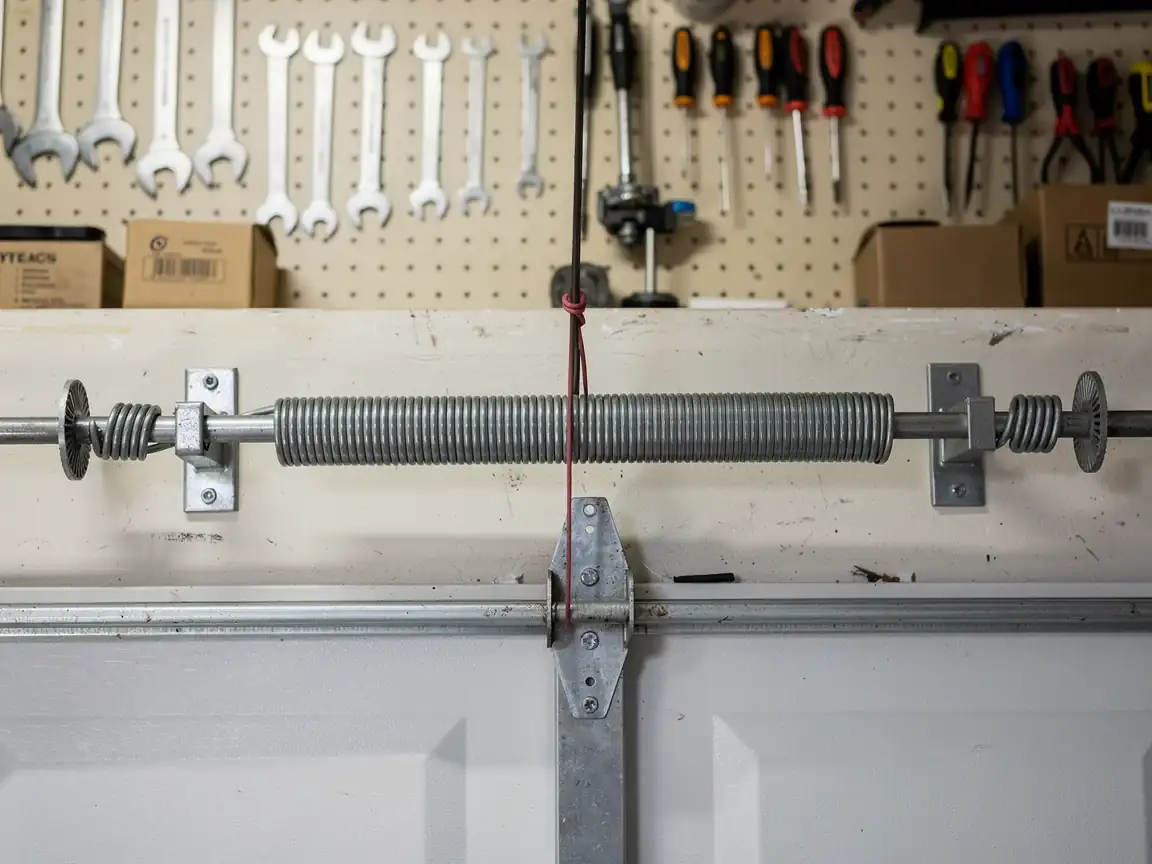
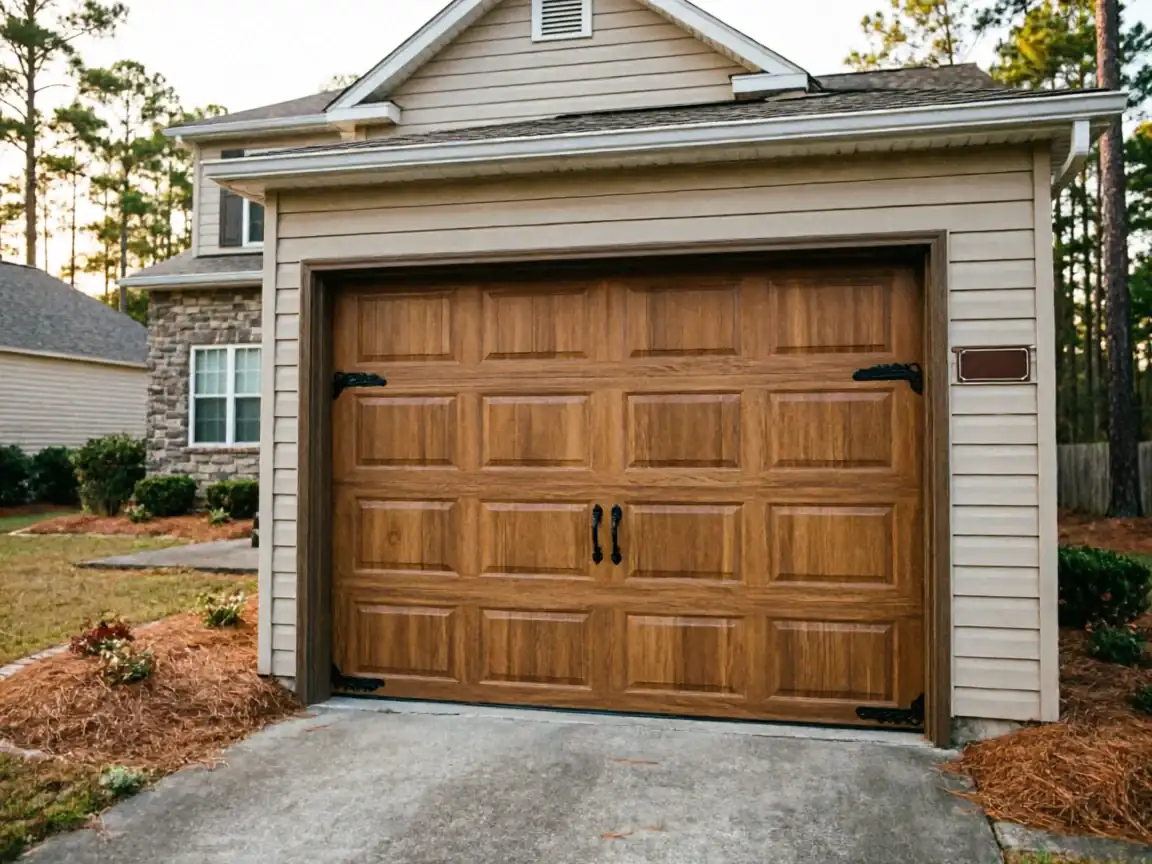
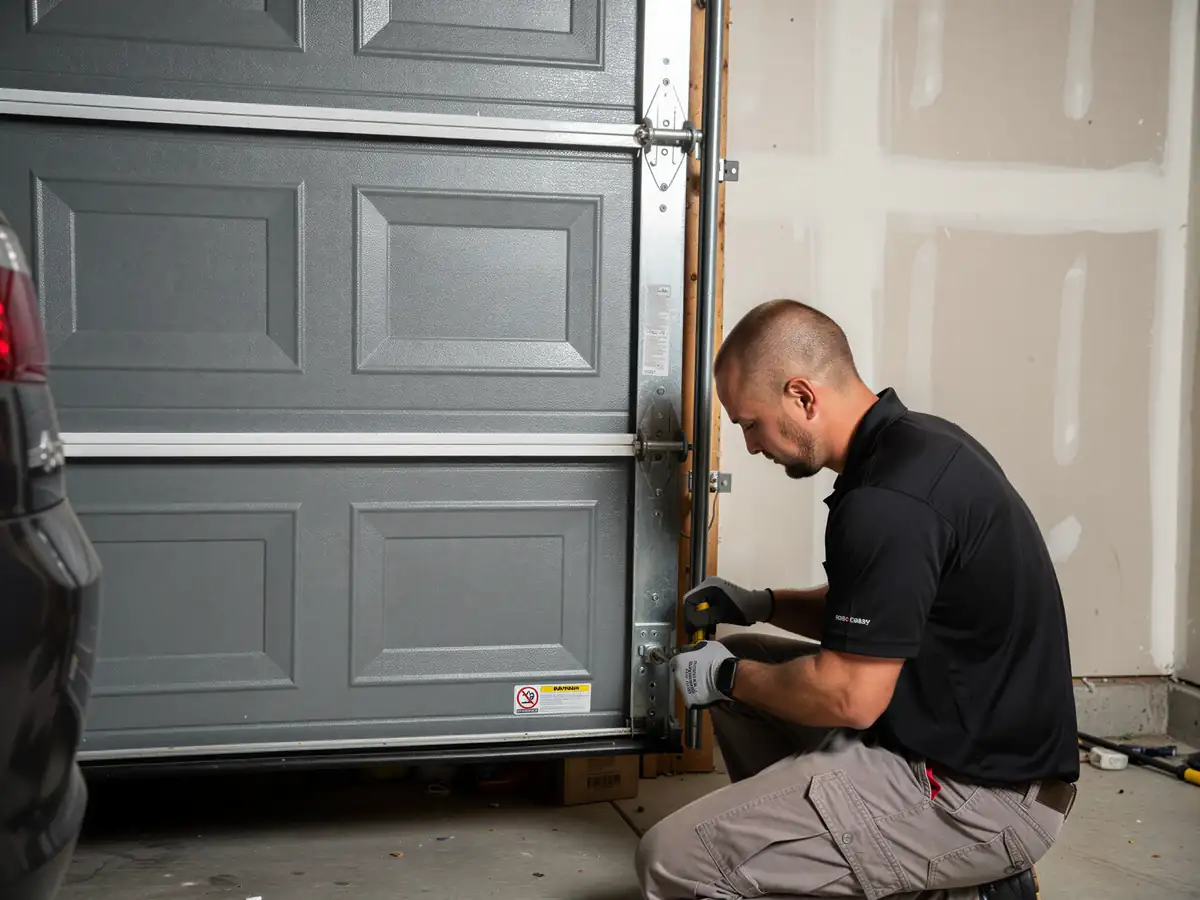
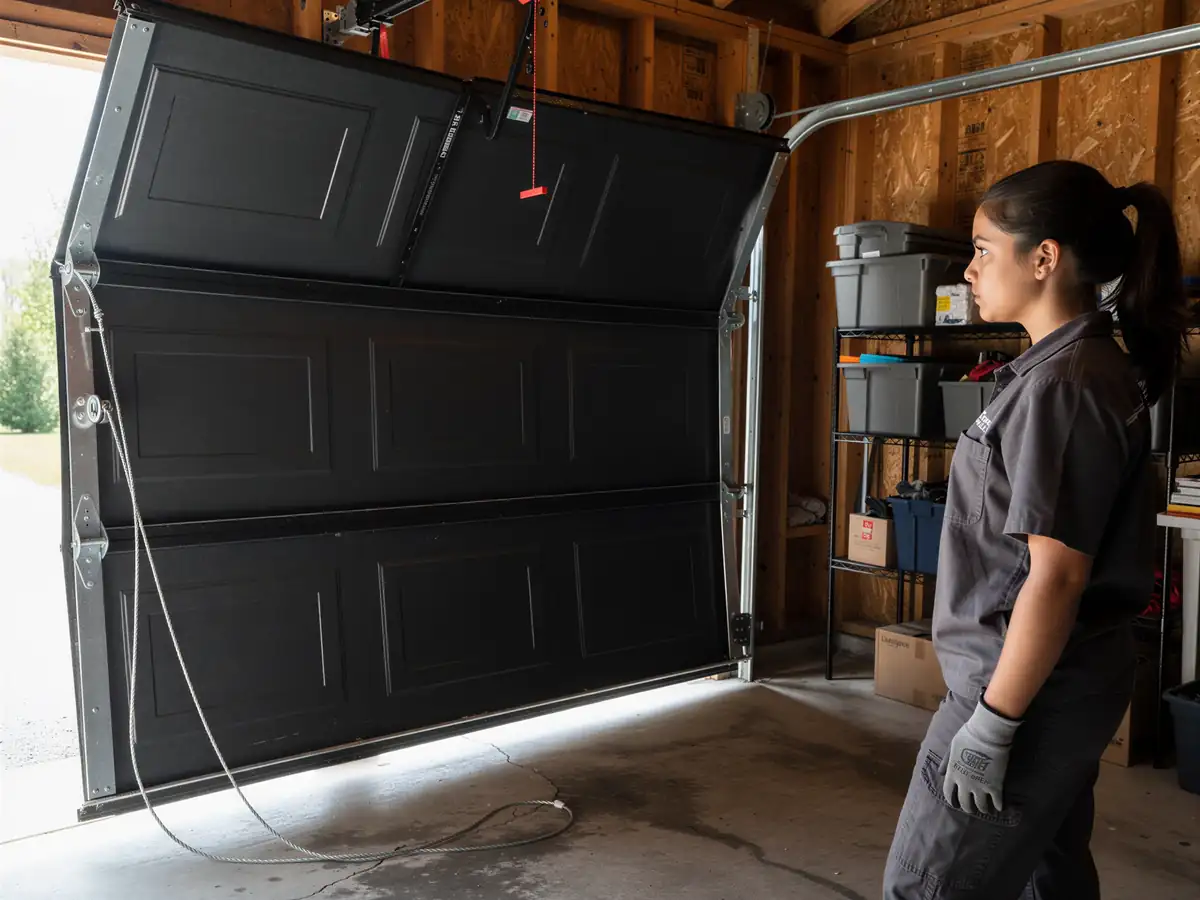
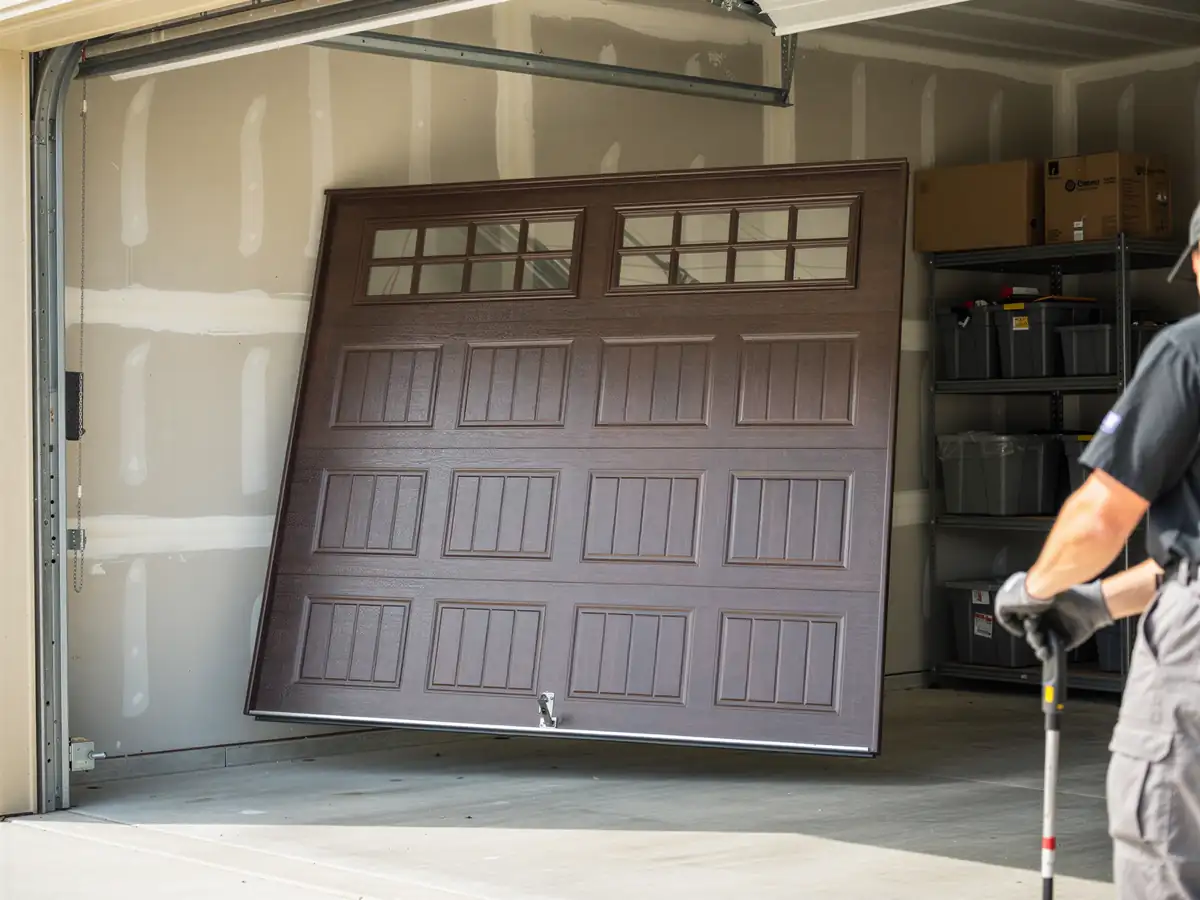
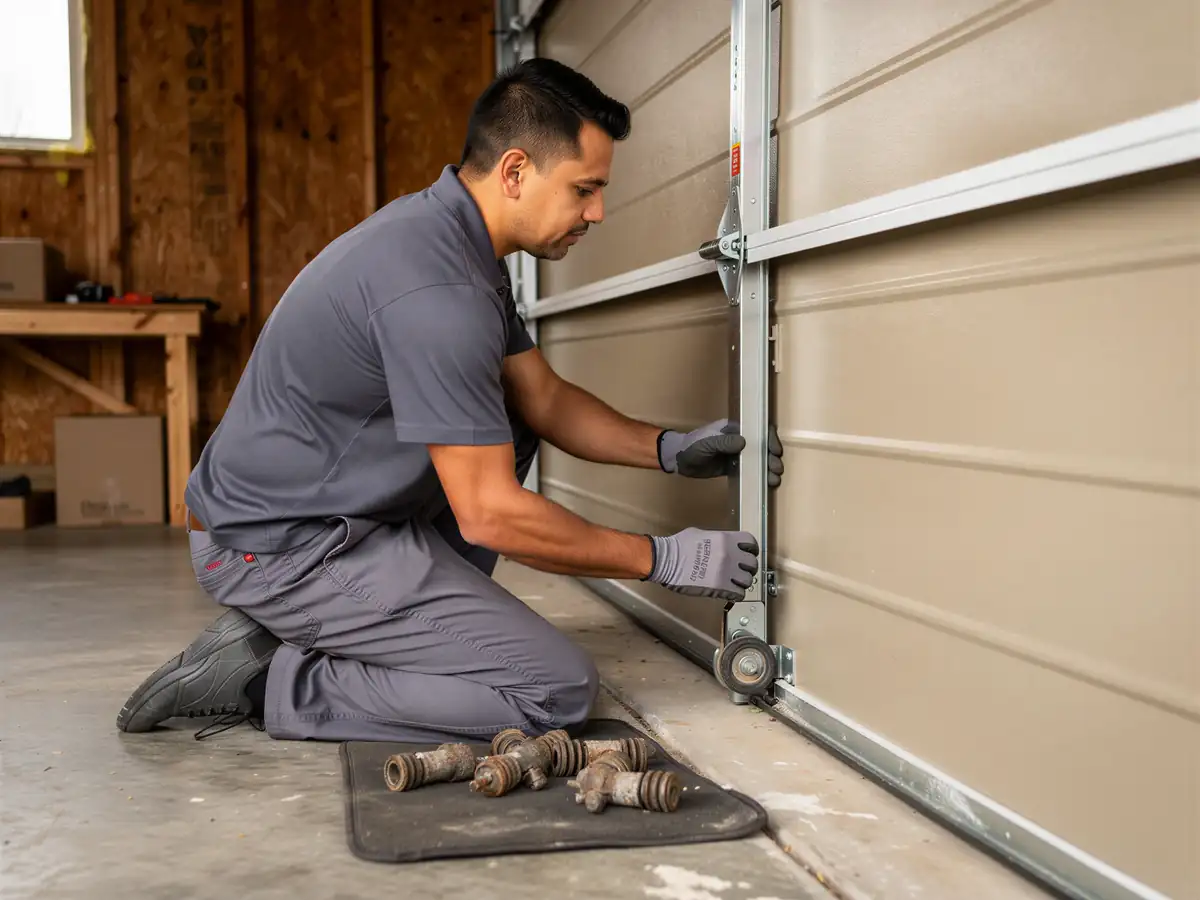
The median year built in Radcliff is 1983, which is newer than the broader service area's median of 1975. That gap matters more than it sounds. A door from 1983 is usually a steel sectional on extension or torsion springs, not the older wood-panel, hardware-store door you'll find more often on the pre-1975 side of the territory. The springs on a door that age have usually been cycled past their rated life, and that's the single most common call: a spring that let go, or one that's about to.
We don't keep a truck sitting in Radcliff. The crew comes from Elizabethtown, and that drive is part of how a visit gets scheduled - not a same-day guarantee we can make here.
What You Pay
We're not going to list a number here that doesn't belong to this job. A broken torsion spring on a single door costs differently than a full opener swap, and we don't have a published Radcliff price to point to - pricing depends on the door size, the spring type, and what's actually failed, and a tech has to look at it to quote it straight.
What we can tell you is what the local numbers suggest about the kind of job you're likely facing. Median household income in Radcliff runs $60,976, a few thousand higher than the $55,375 median across the wider service area. That doesn't change what a spring costs, but it does mean more Radcliff homeowners are replacing an opener outright rather than patching an old chain-drive unit - newer doors here tend to get newer openers put on them when something finally fails.
The honest limitation: if your door is original to a 1983-era build and the track is rusted or the panel's bent, a repair quote might cost you close to what replacement would, and we'll say so rather than patch something that's going to call us back in six months.
Booking a Visit
Radcliff sits about 9 miles from Elizabethtown
Which puts it closer to the shop than Sonora, Lebanon Junction, Hodgenville, or Fort Knox - all of which run 12 to 14 miles out. That's not a reason to expect a faster window than those towns get, since we're not posting response times we can't back up, but it is the honest geography behind why Radcliff gets a visit scheduled the way it does: a tech drives out from Elizabethtown, not from a branch office in town.
When you call, have the door's approximate age handy if you know it
For most Radcliff homes that's somewhere after 1983 - and tell us whether it's stuck open, stuck shut, or making noise but still moving. That's usually enough to figure out whether it's a spring, a cable, or an opener problem before anyone gets in the truck.
If you want the repair page specific to this town, it's here: /radcliff-garage-door-repair/
For the full rundown of what the company handles across the territory, that's covered on /garage-door-service-elizabethtown-ky, not repeated on this page.
What Causes It Around Here
The territory sits in a cold-moderate climate band, which means winter cold snaps and summer heat both put stress on steel panels and the springs holding the door up - contraction in January, sag in August. That's true across the whole service area, but what makes Radcliff specifically worth noting is the housing age: a median build year of 1983 puts a lot of doors right in the window where original torsion springs, rated for a set number of cycles, are reaching or past the end of that life.
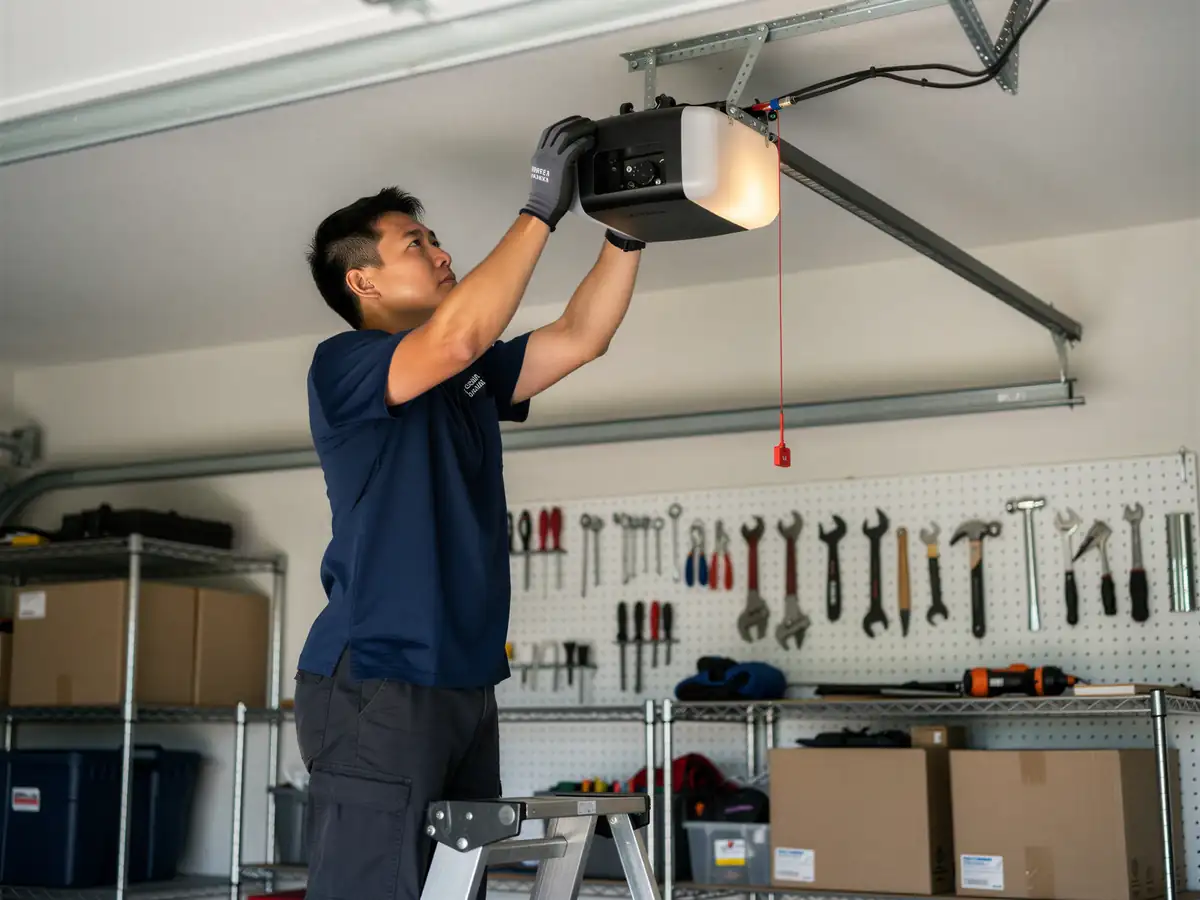
The second pattern we see tied to that build era is opener age. Doors from the early-to-mid 1980s often got their first opener added a few years after the house was built, which means a lot of Radcliff garages are running openers from the late '80s or '90s - older logic boards, worn-out drive gears, safety sensors that were added later as a retrofit rather than built in. When one of those openers finally quits, it's rarely a quick fuse-swap; it's usually time for a new unit.
We don't do cosmetic touch-up work on doors that are structurally sound otherwise - if the panel's just scuffed, that's not a call we need to make.