What the Repair Takes
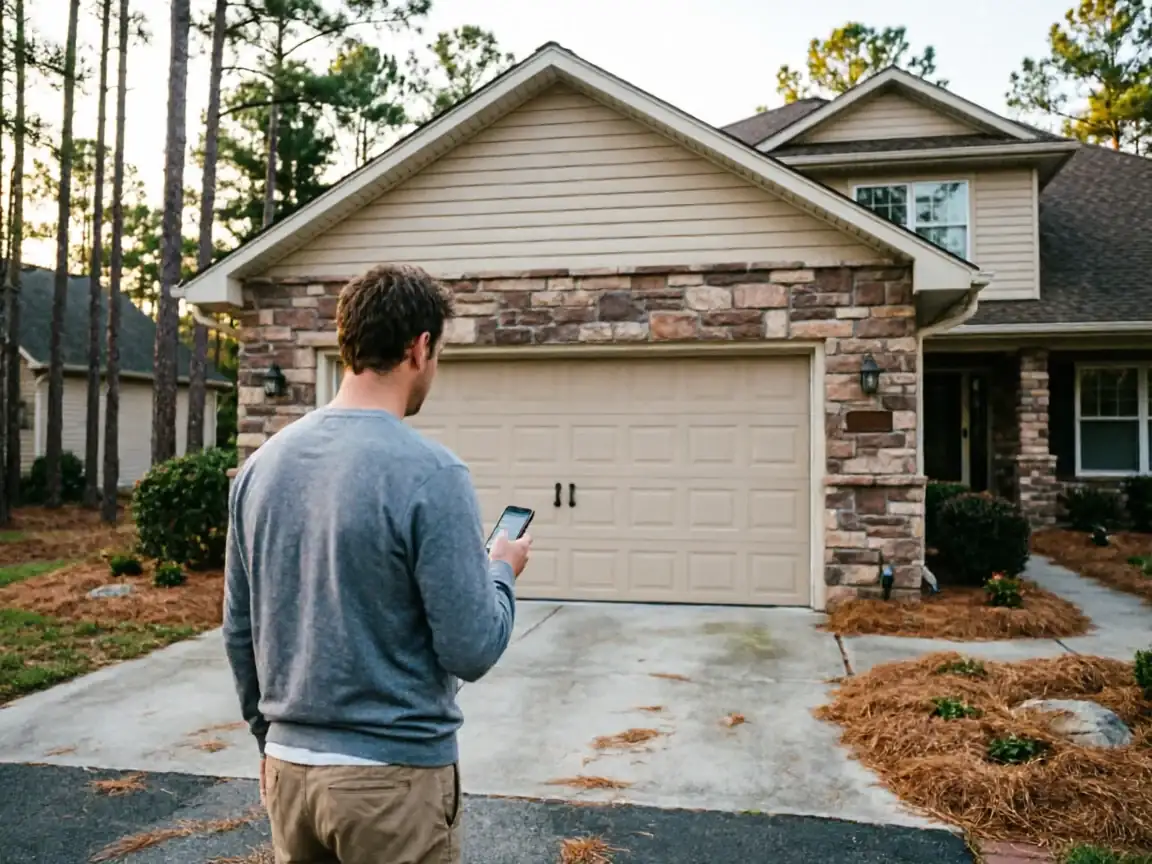
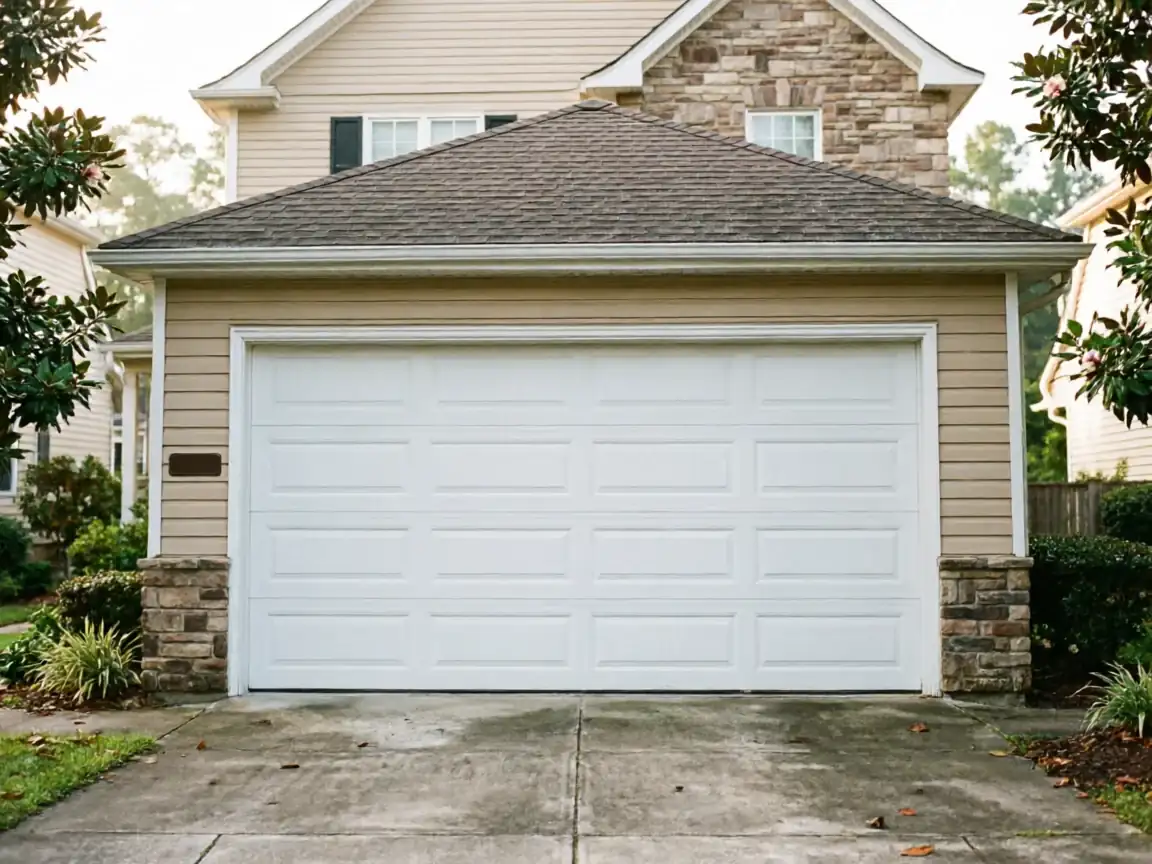
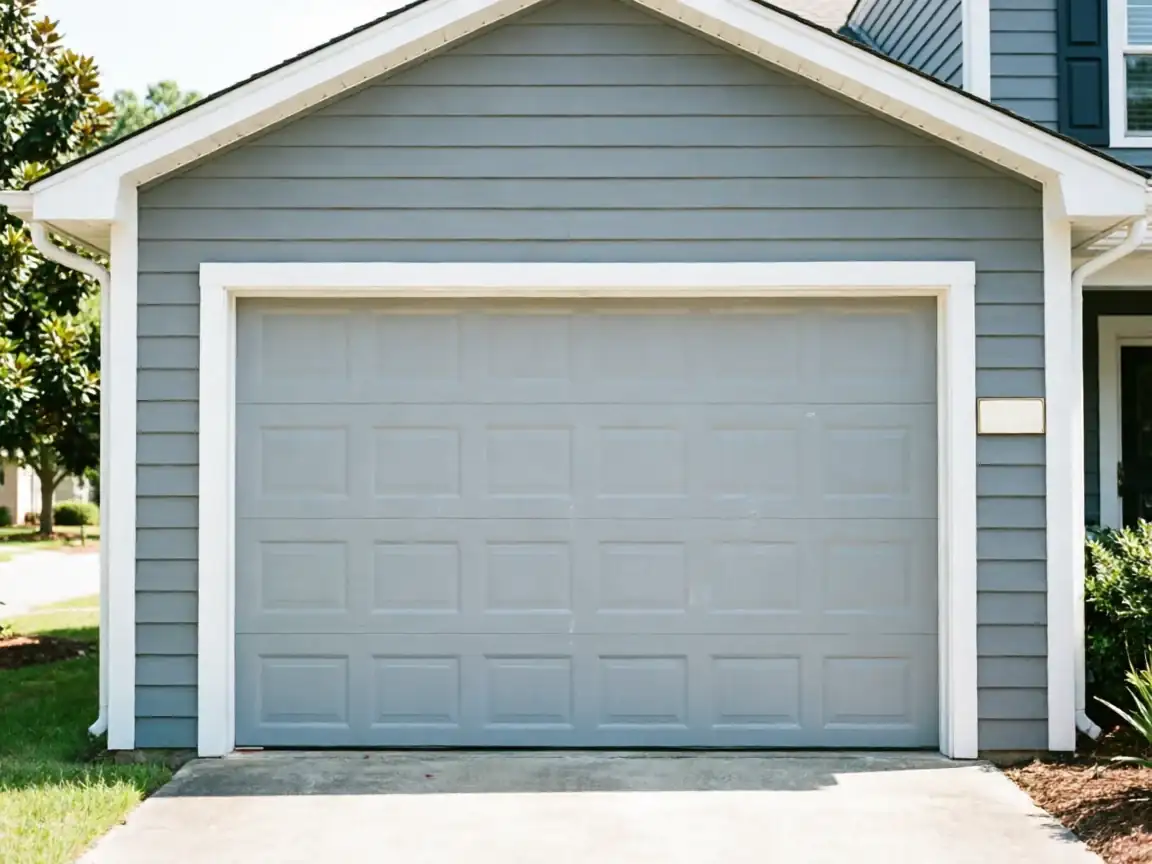
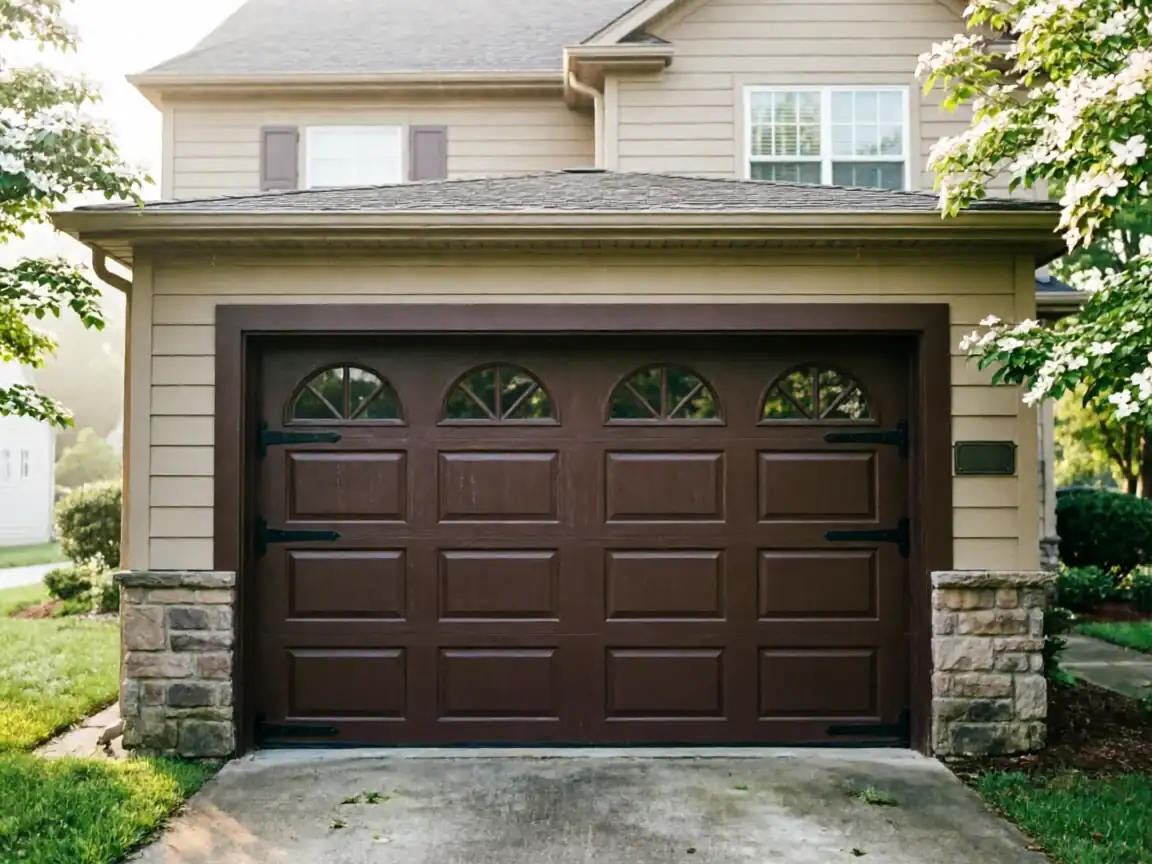
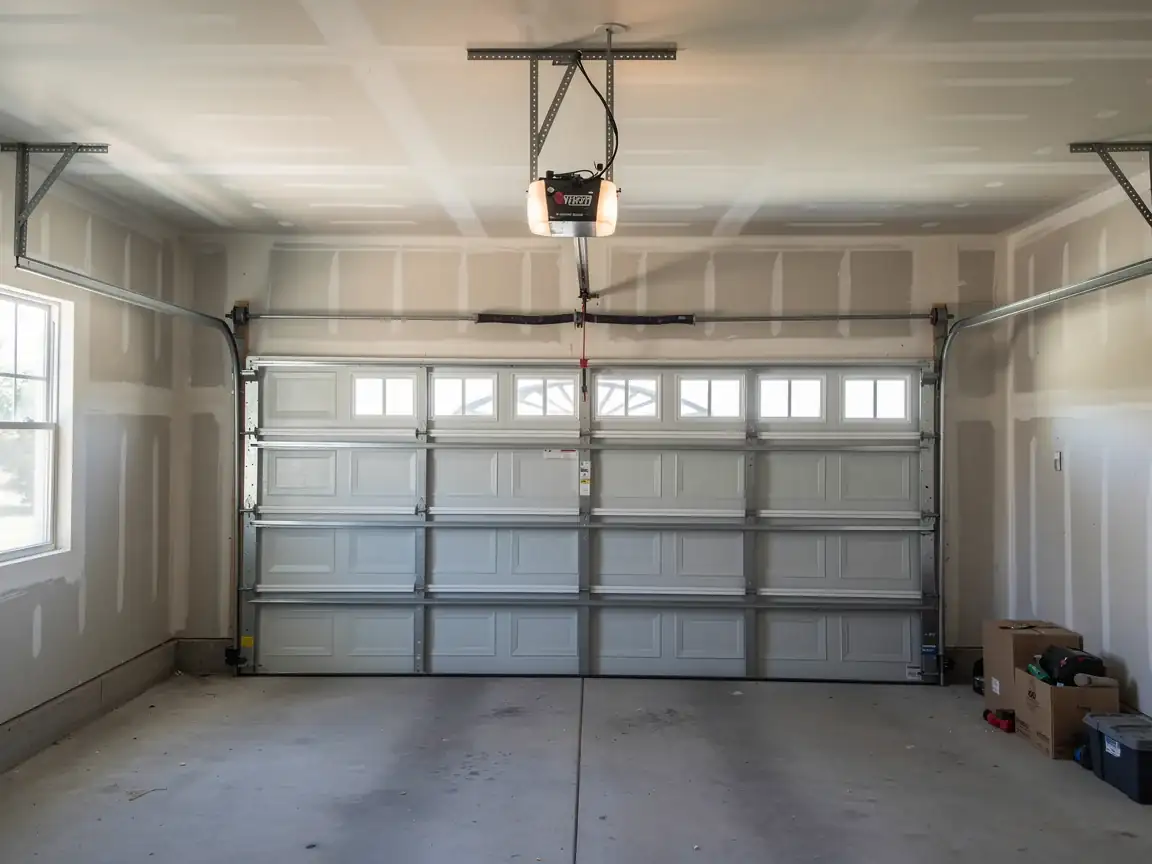
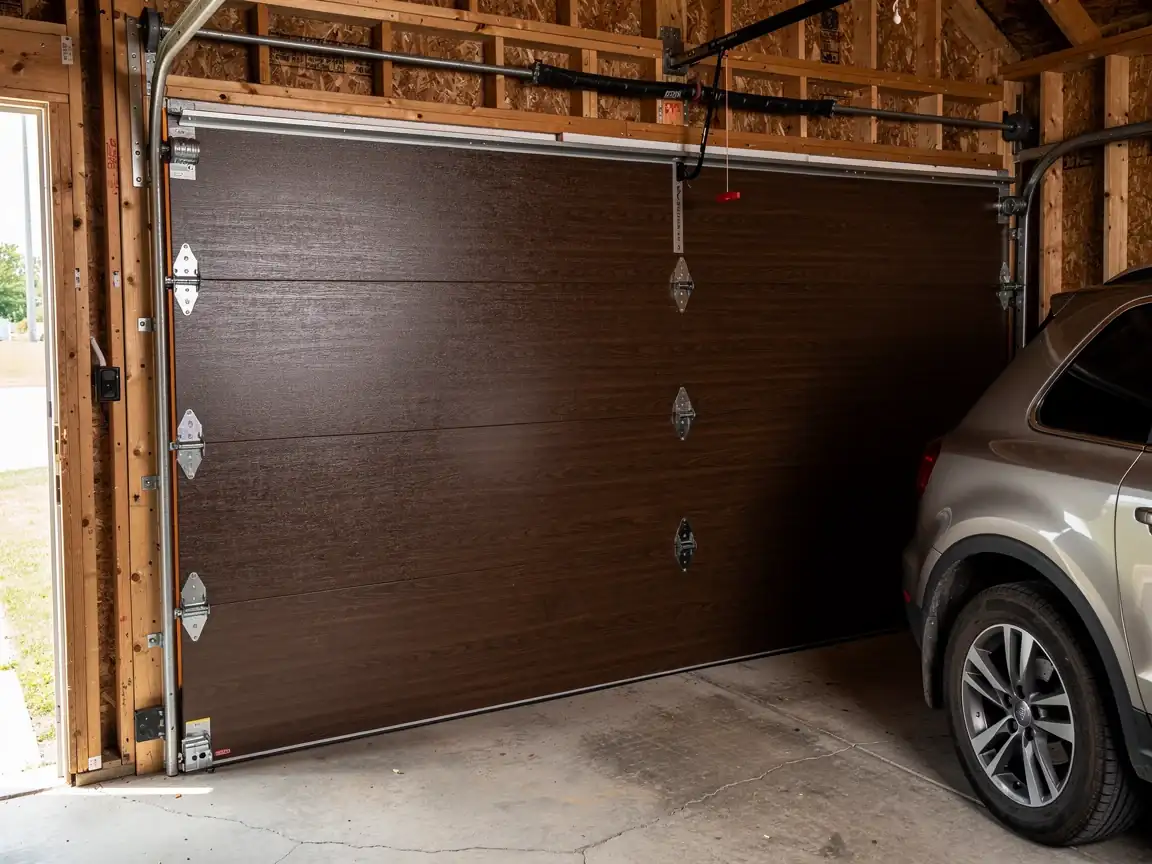
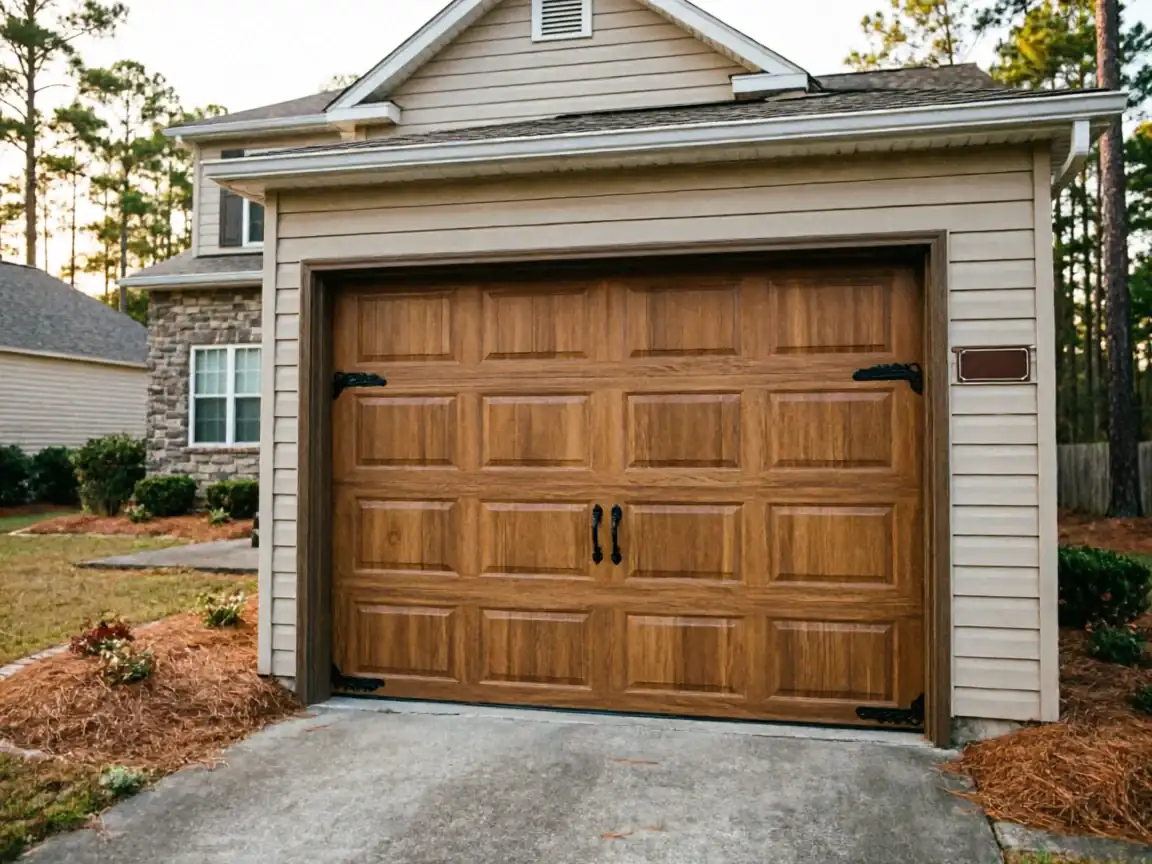
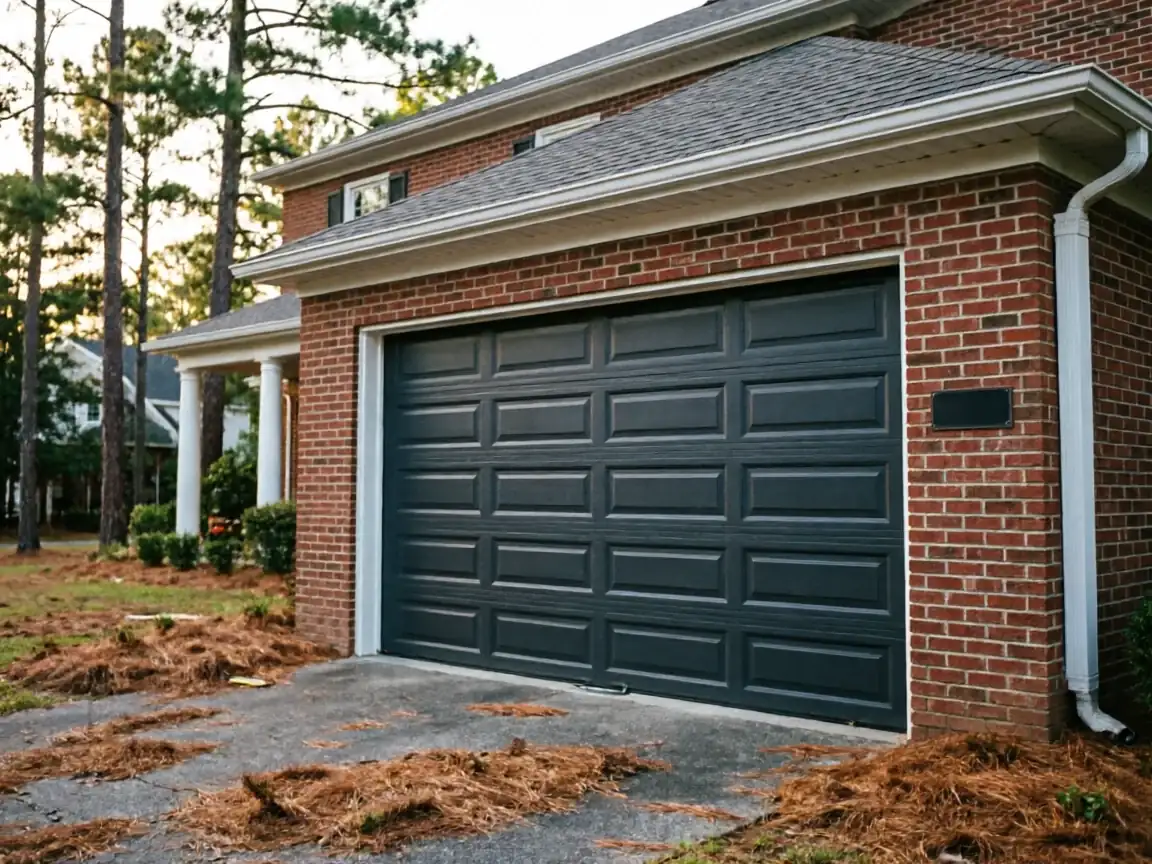
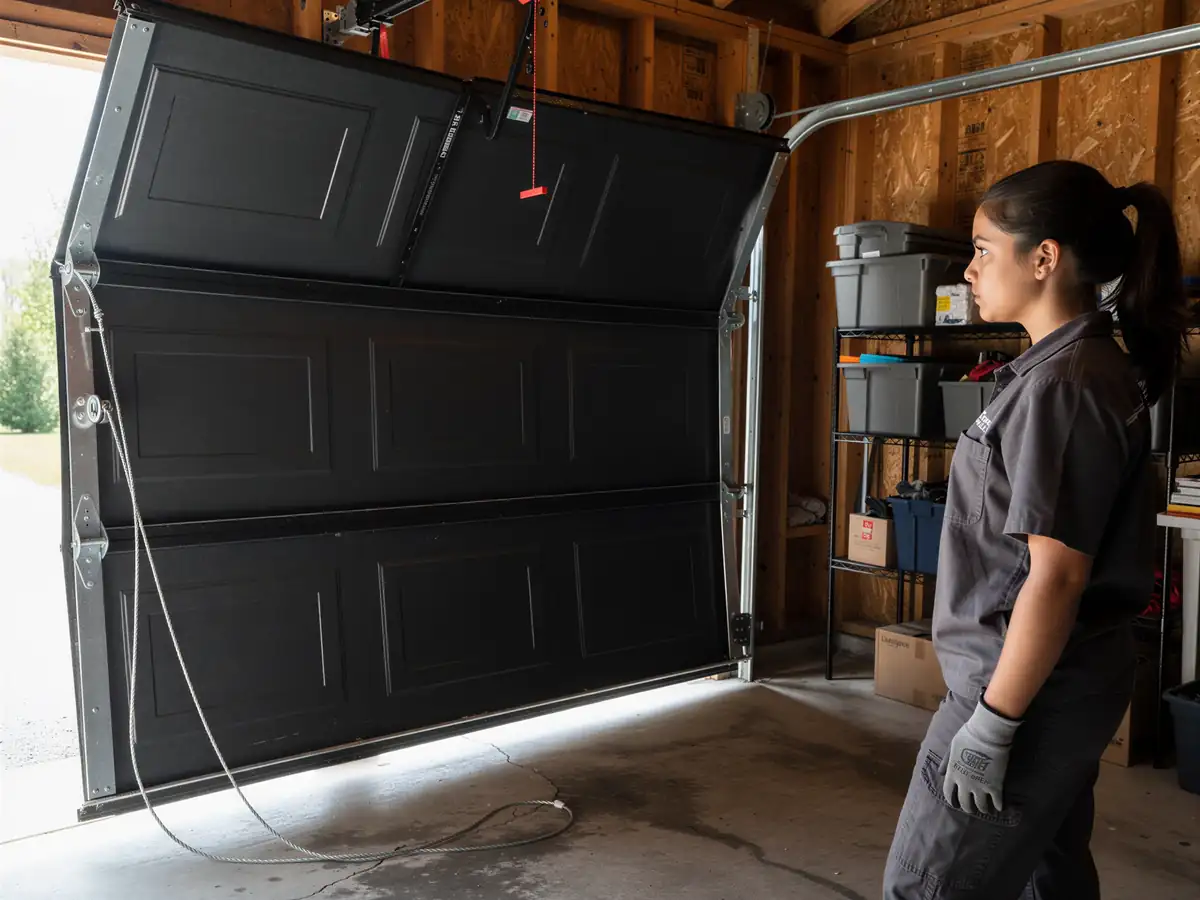
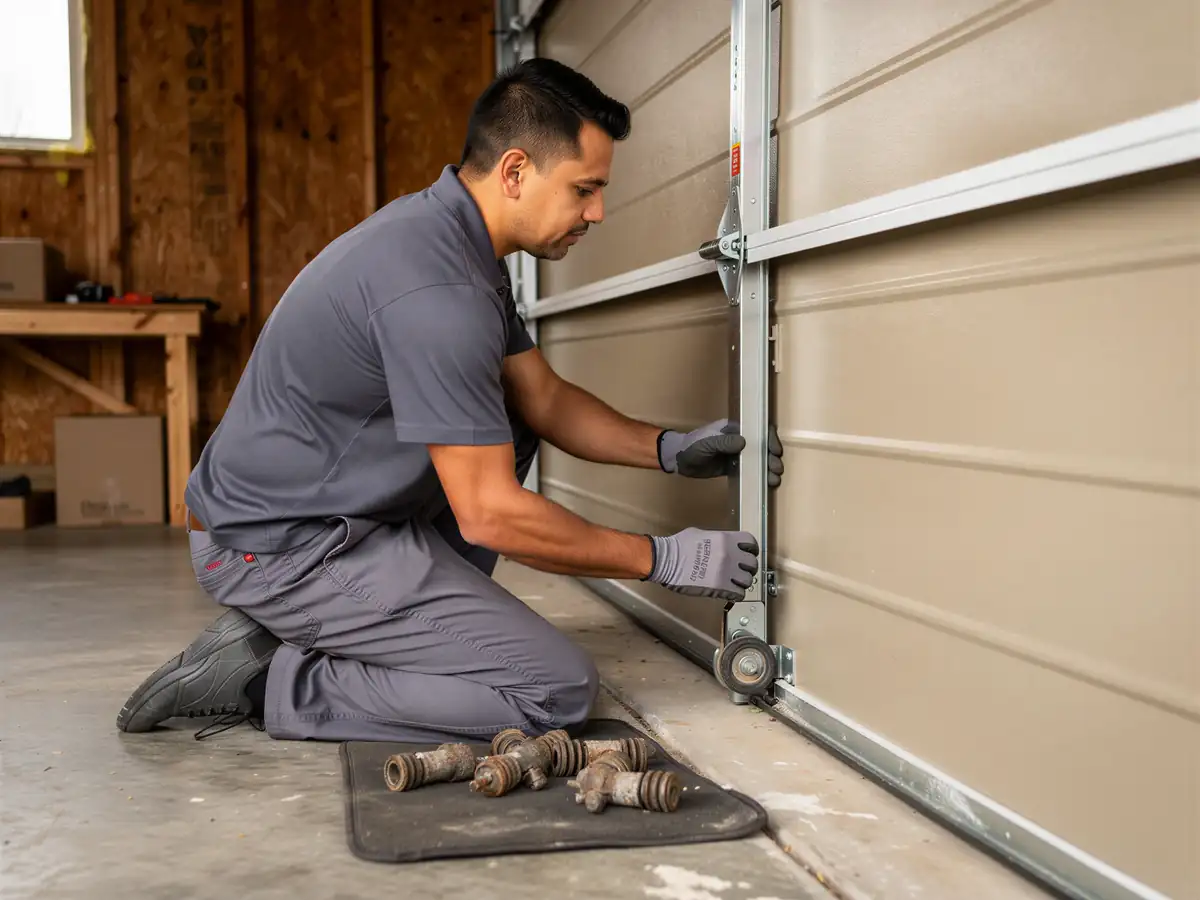
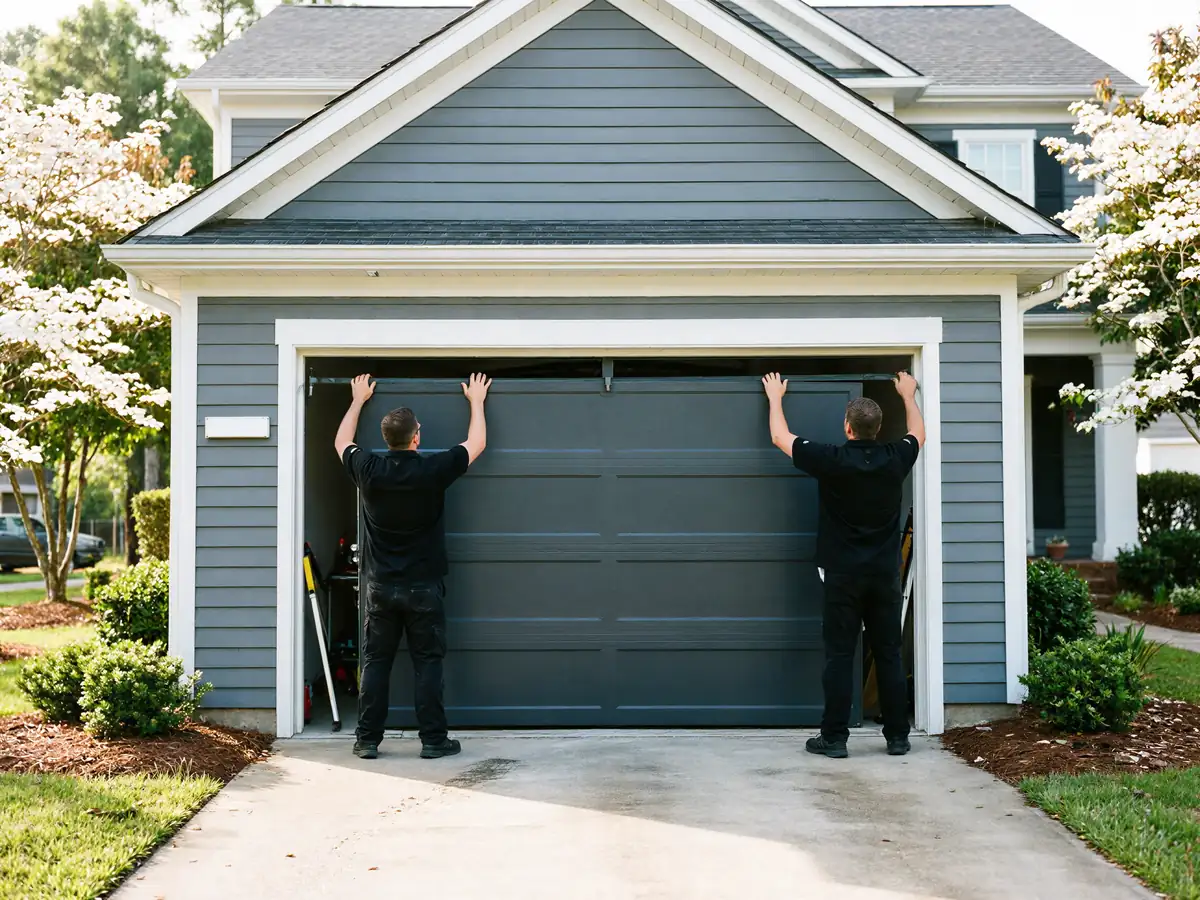
Before you talk about what's broken, you have to look at what's actually on the house. Fort Knox homes run a median build year of 1977, which puts most of the neighborhood squarely in that first wave of steel sectional doors - plain galvanized panels, no foam core, bolted to tracks sized for a 7-foot single or a 16x7 double opening. These were builder-grade doors, meant to last twenty years, not fifty. A straight swap-in of a modern insulated steel door usually fits the existing framing, but the old track brackets and jamb hardware are often undersized for today's heavier panels, so part of the job is reinforcing what's there before the new door goes up. With 2,202 households in the area and a good share of them sitting on that same original frame, this isn't a one-off condition - it's the baseline.
What Causes It Around Here
The push toward replacement here isn't usually a dramatic failure - it's forty-plus years of a cold-climate winter cycle working on steel that was never insulated to begin with. Temperature swings between a warm garage interior and single-digit nights cause the panel seams to work loose, and condensation inside an uninsulated door speeds up rust at the bottom rail, right where water sits after a thaw. Fort Knox's median household income of $74,224 runs well above the broader service area's $55,375, and we see that reflected in the calls: fewer people patching a thirty-year-old door panel by panel, more people replacing the whole unit with an insulated model built for this climate band rather than chasing repairs on hardware that's past its design life.
Doing It Yourself
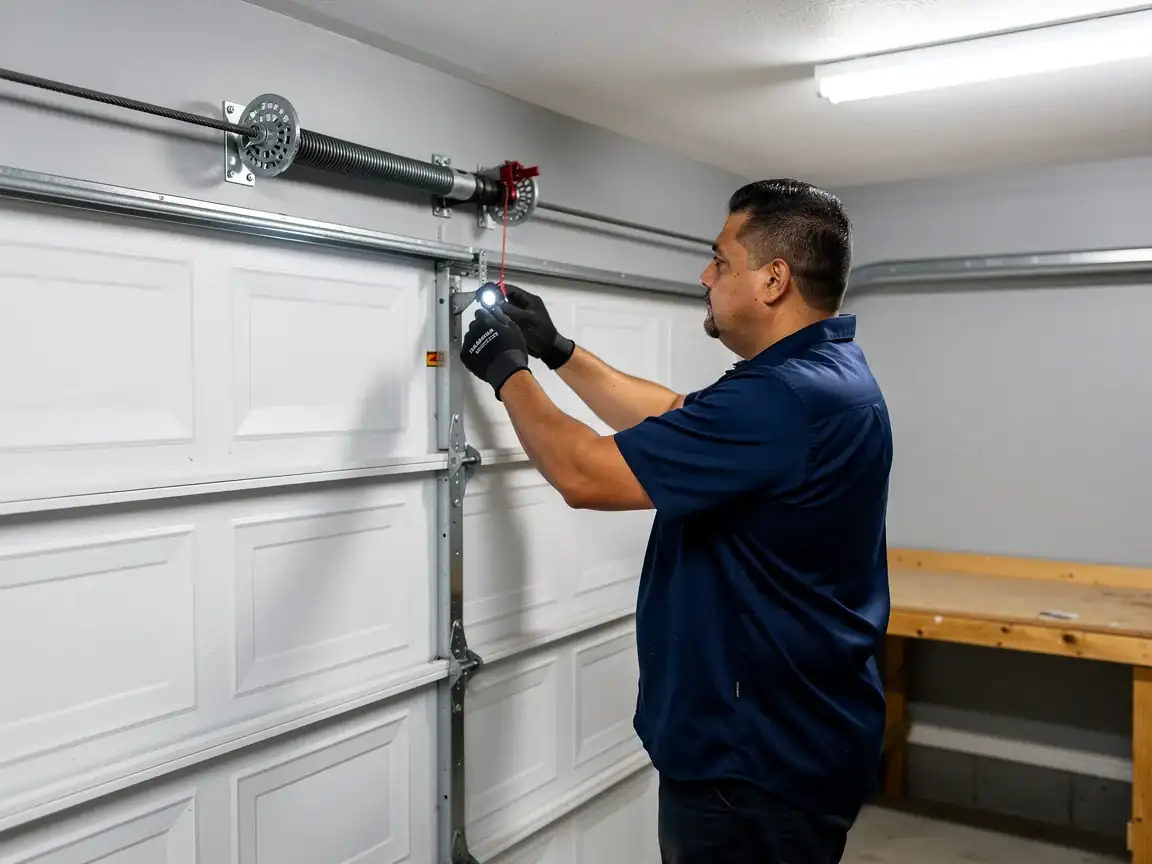
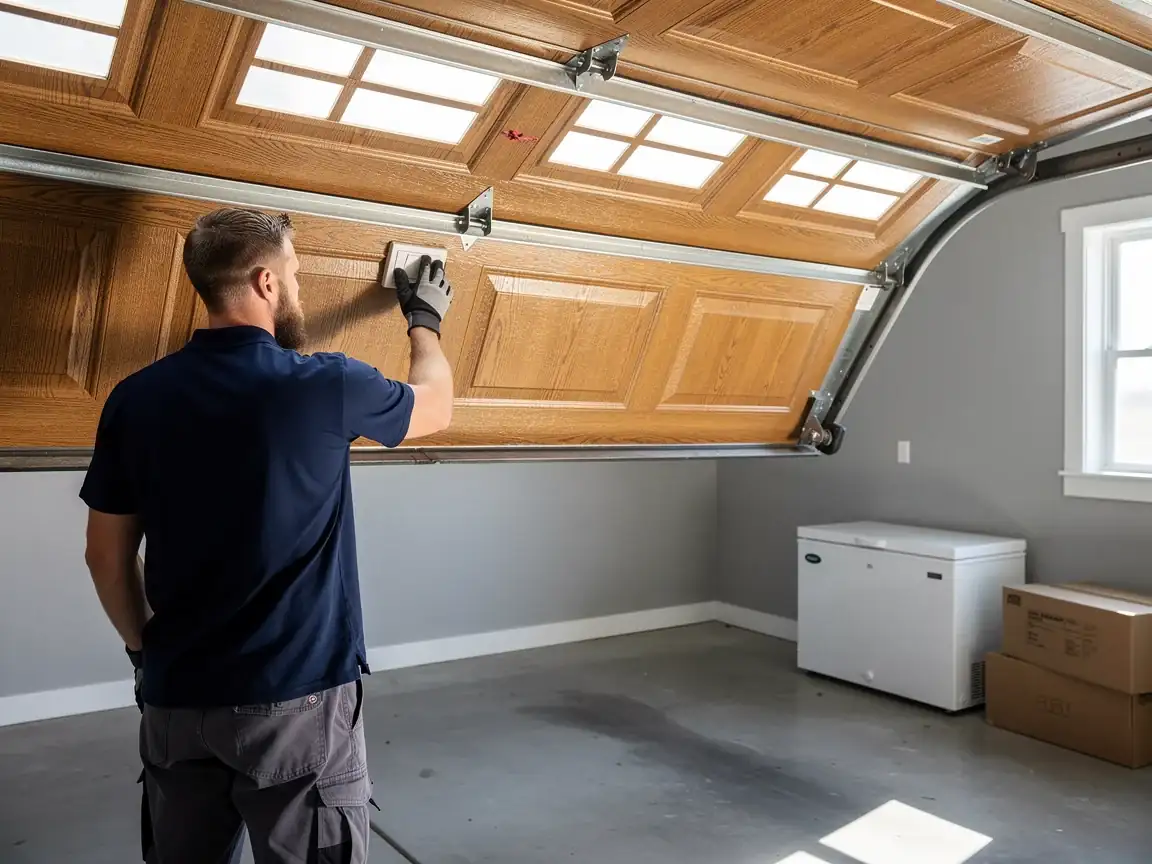
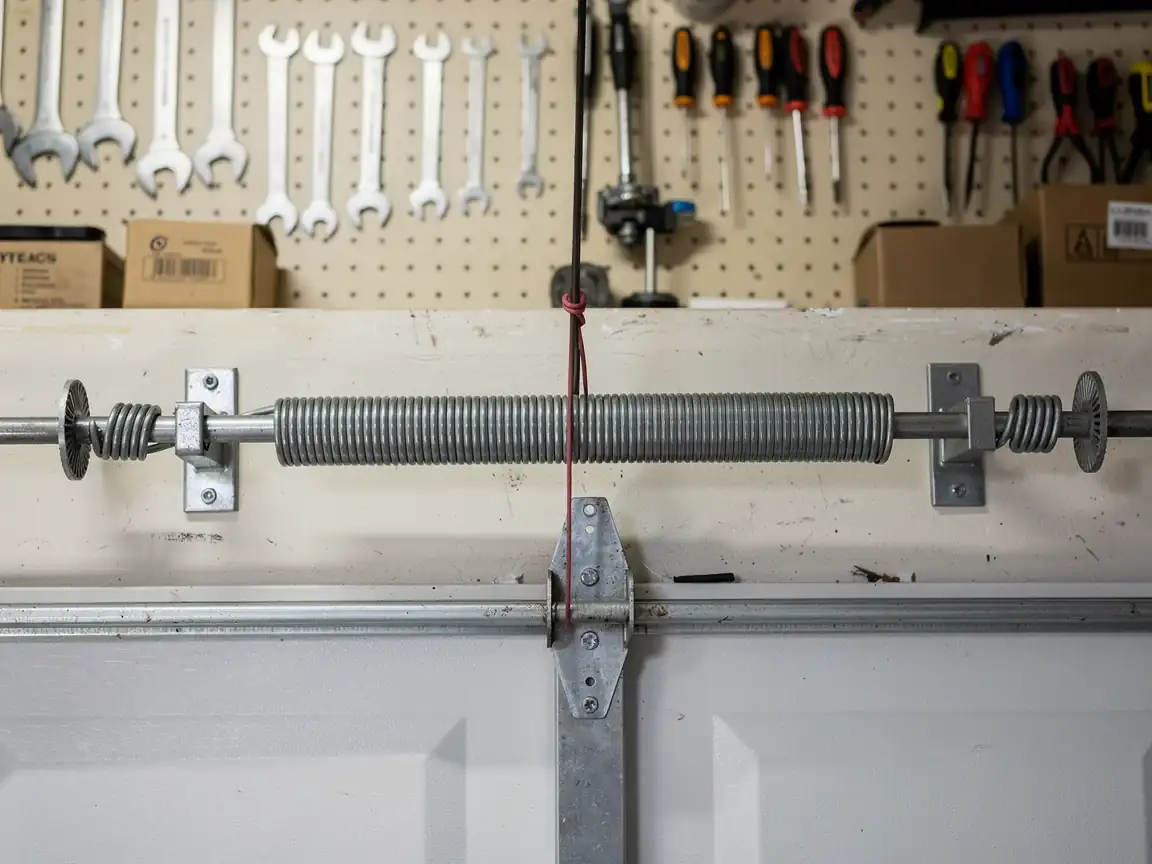
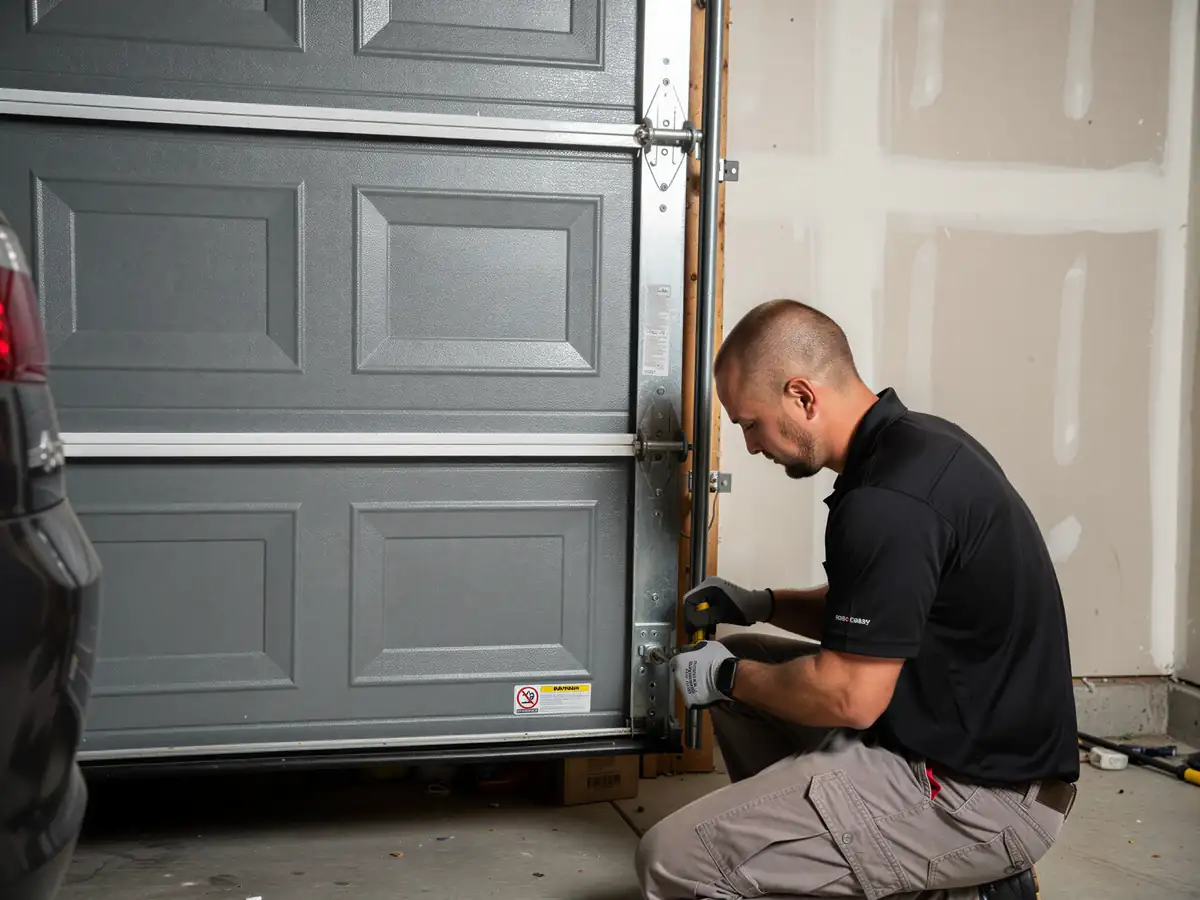
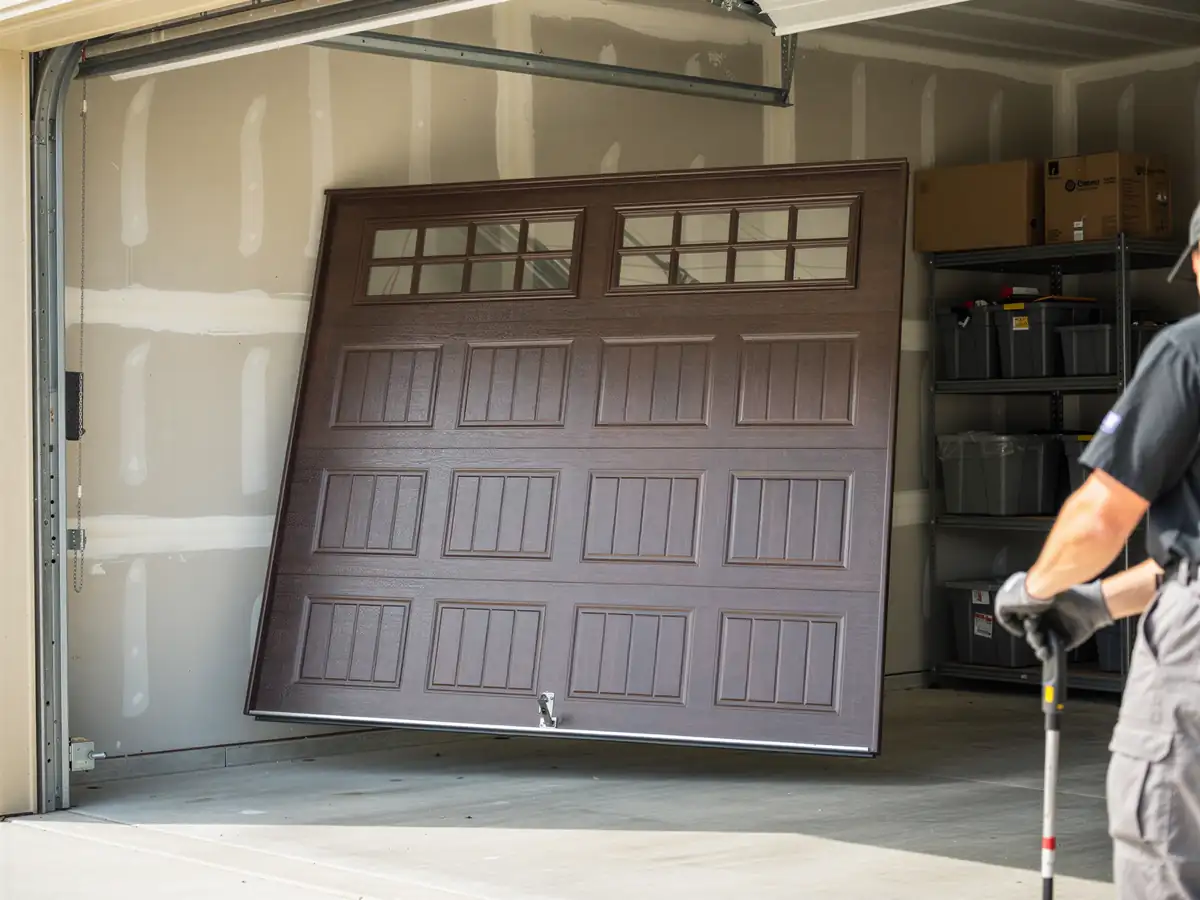
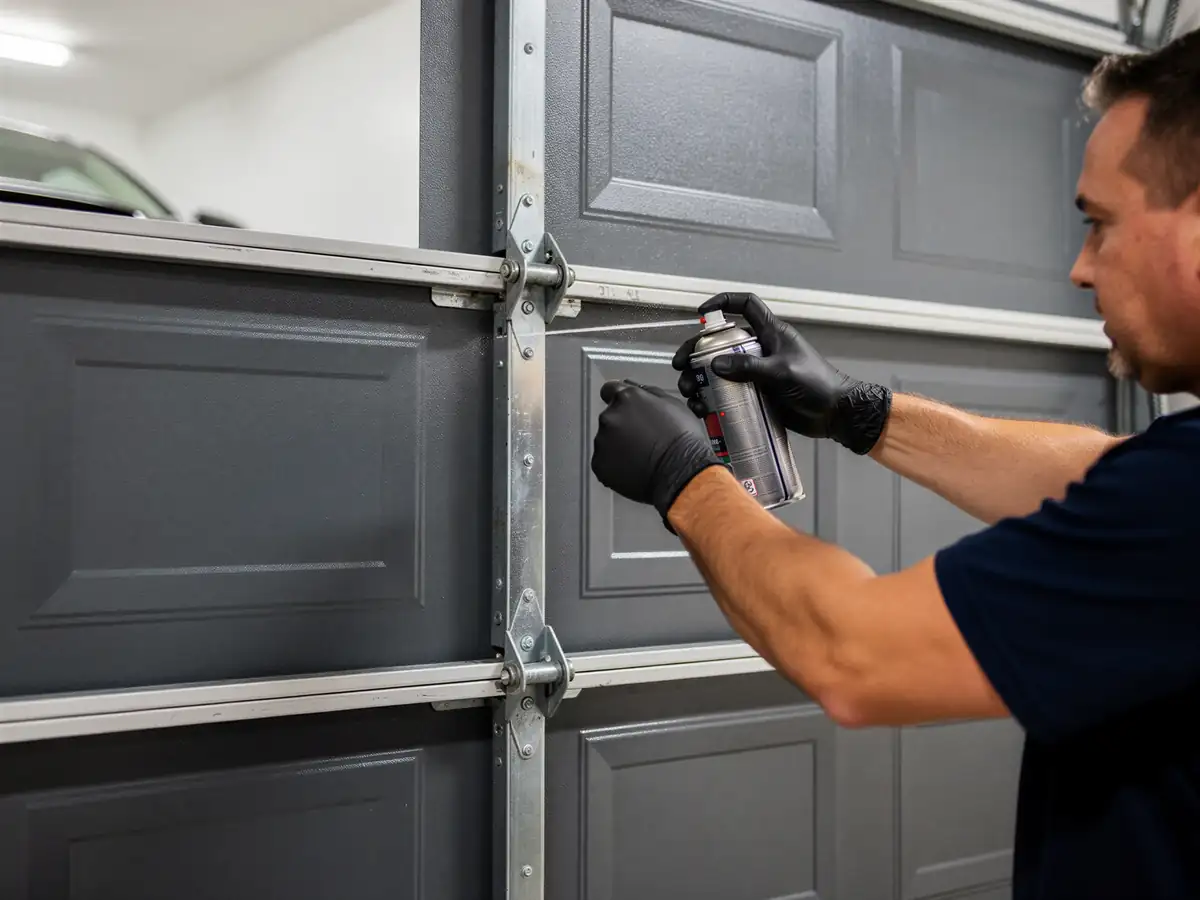
A new door is not a weekend bolt-on job, and on a house from this era, the reason is the hardware underneath, not the door itself. Removing a torsion-spring system under tension without the right bars is how people get hurt, and if your jamb brackets are original 1970s stock, they often need to come out and be reset to carry a heavier insulated panel safely. If you want to handle anything yourself, check the track alignment and the weatherstripping at the bottom rail first - those are safe to inspect without touching the spring system, and they'll tell you whether you're dealing with a full replacement or something smaller. For diagnosis before you commit to a new door, our repair page covers what to look for.