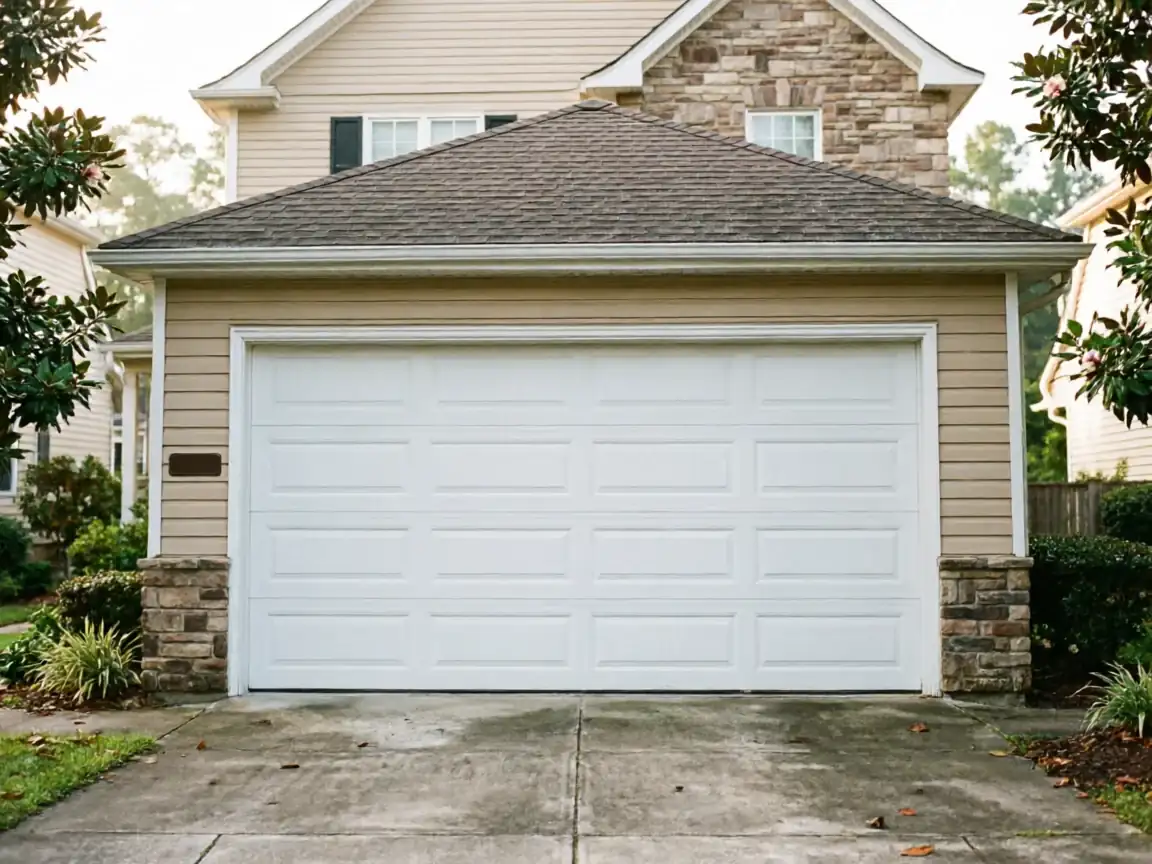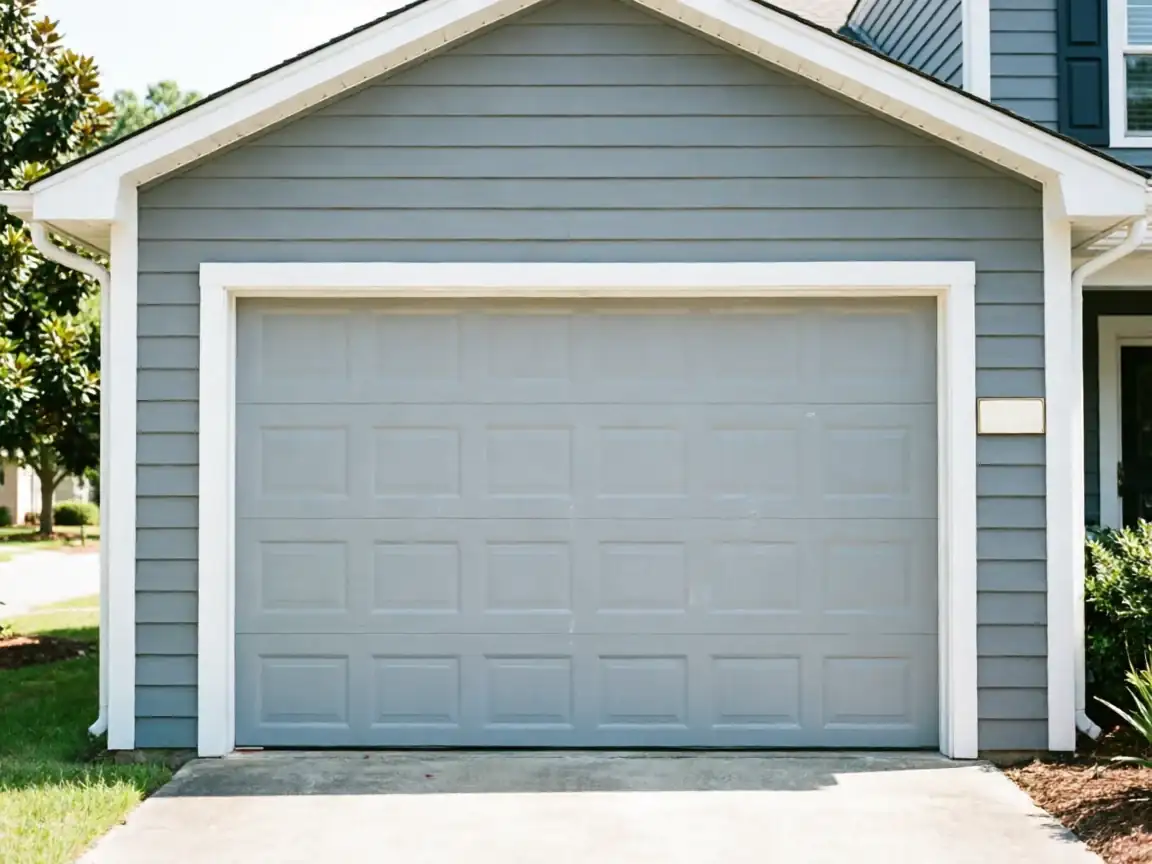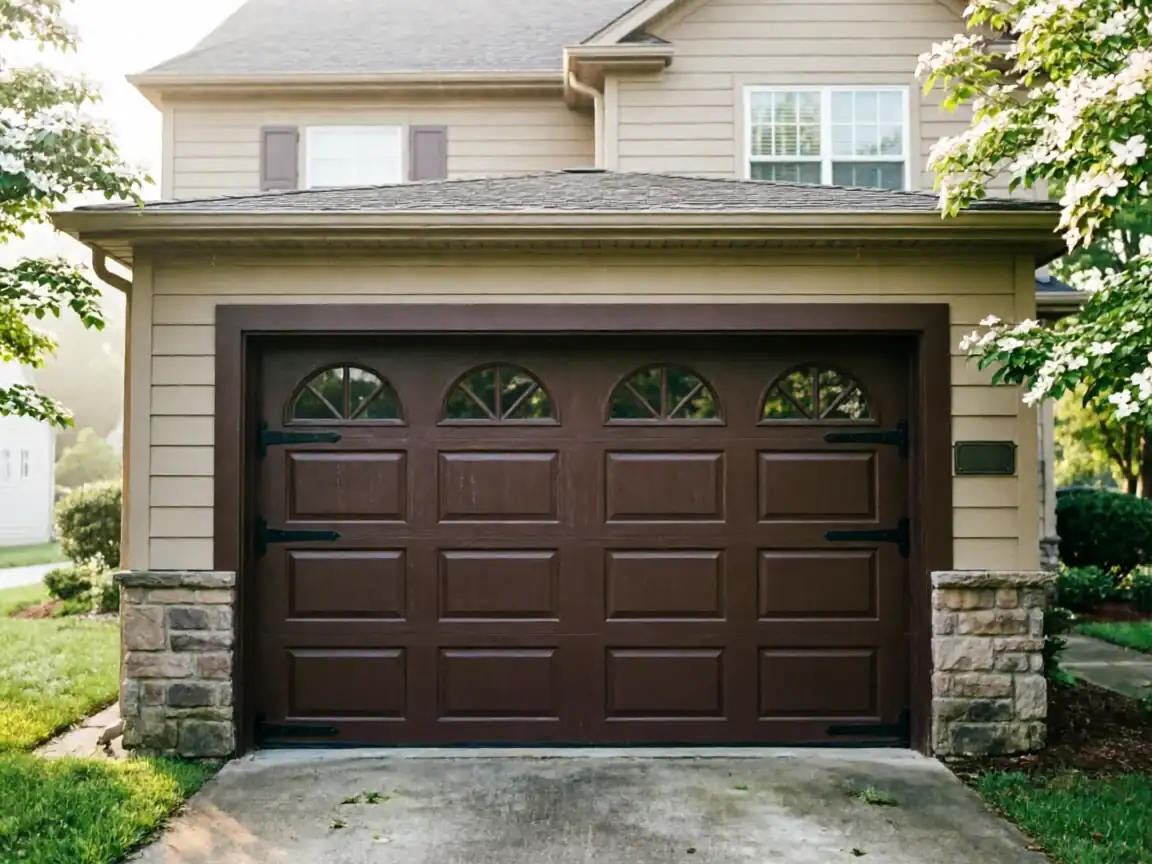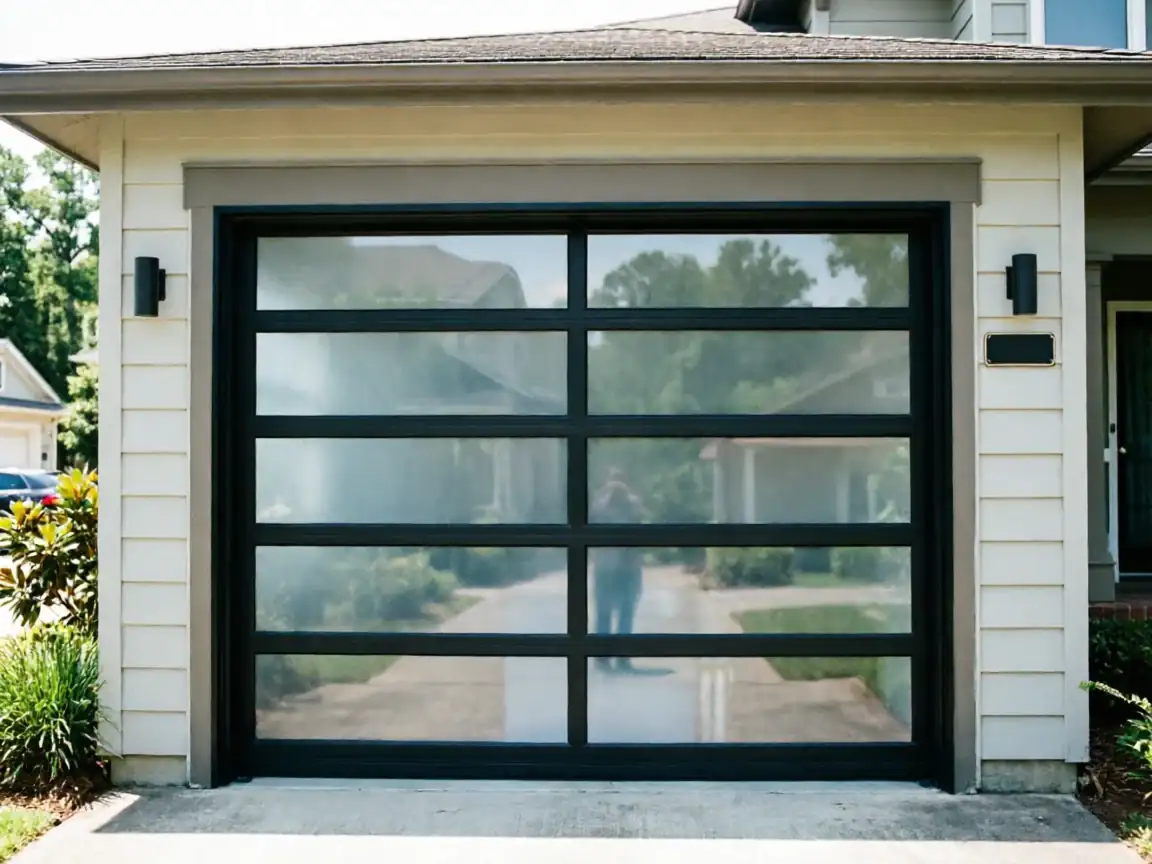
What the Repair Takes
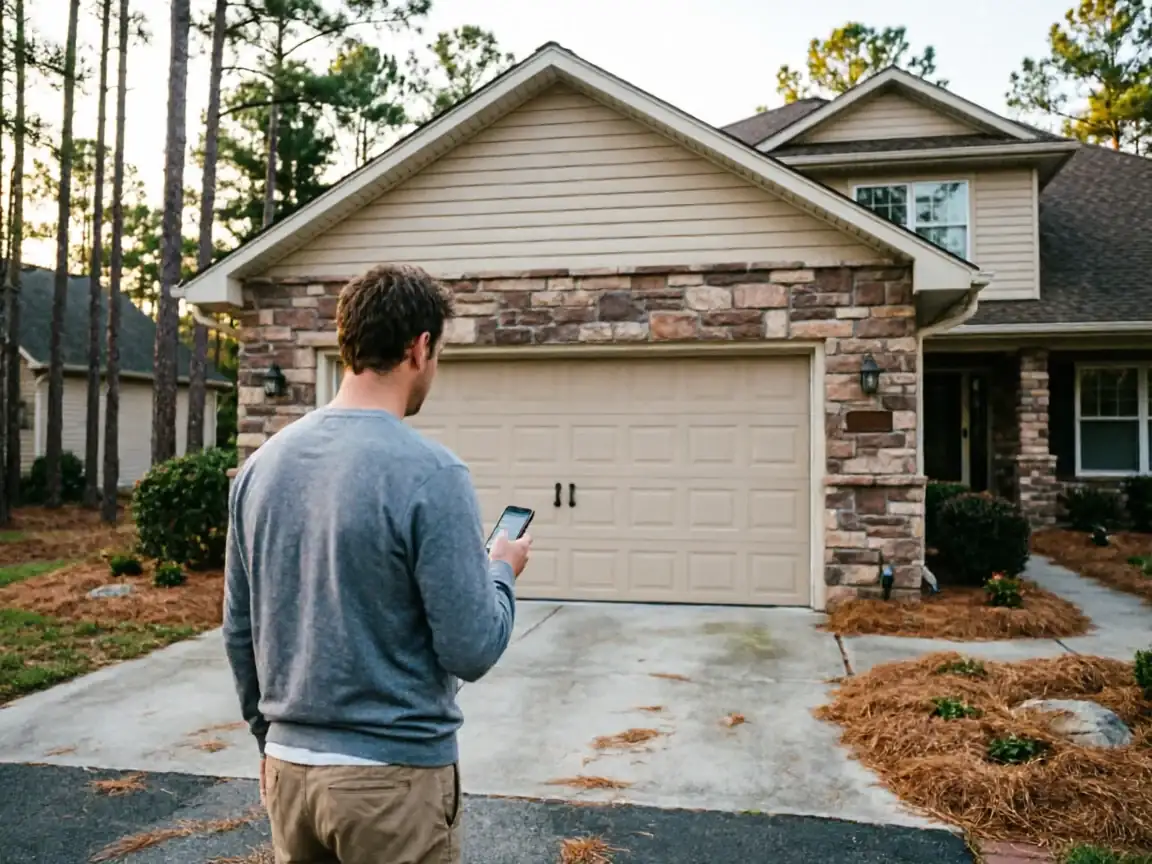
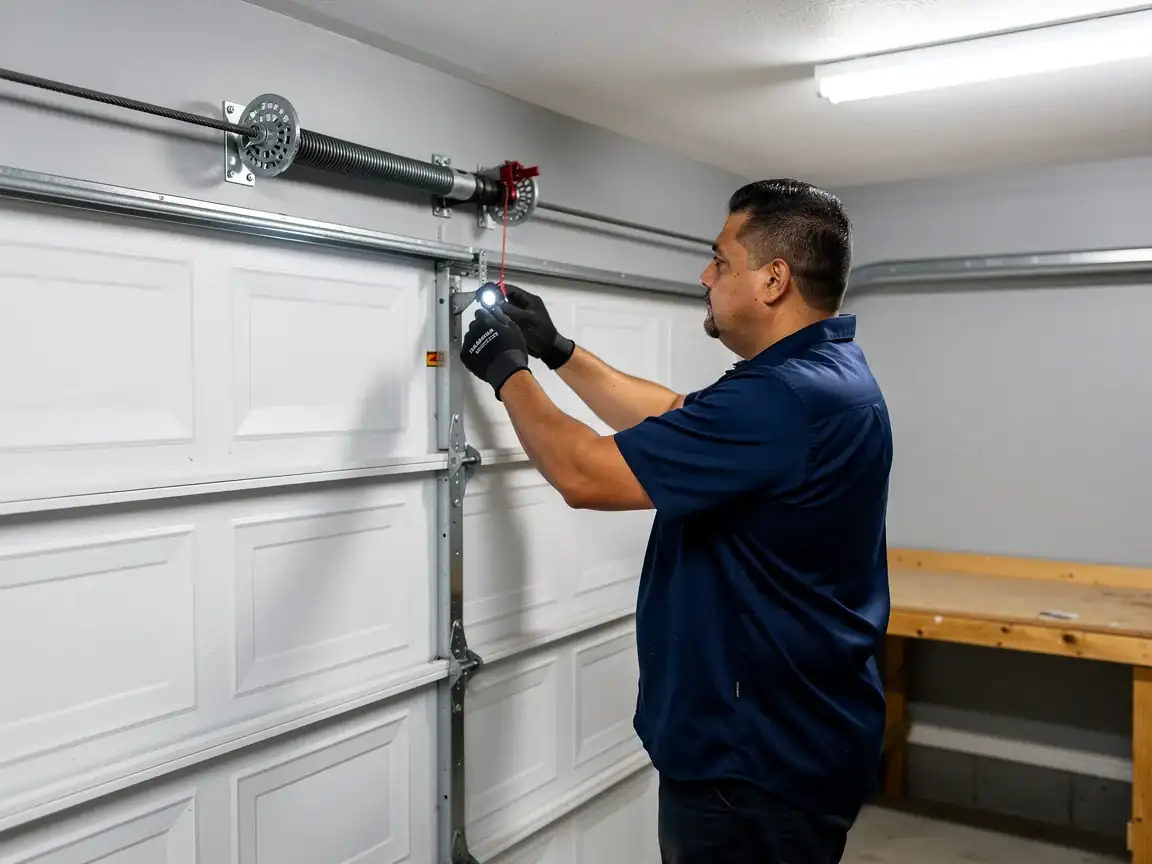
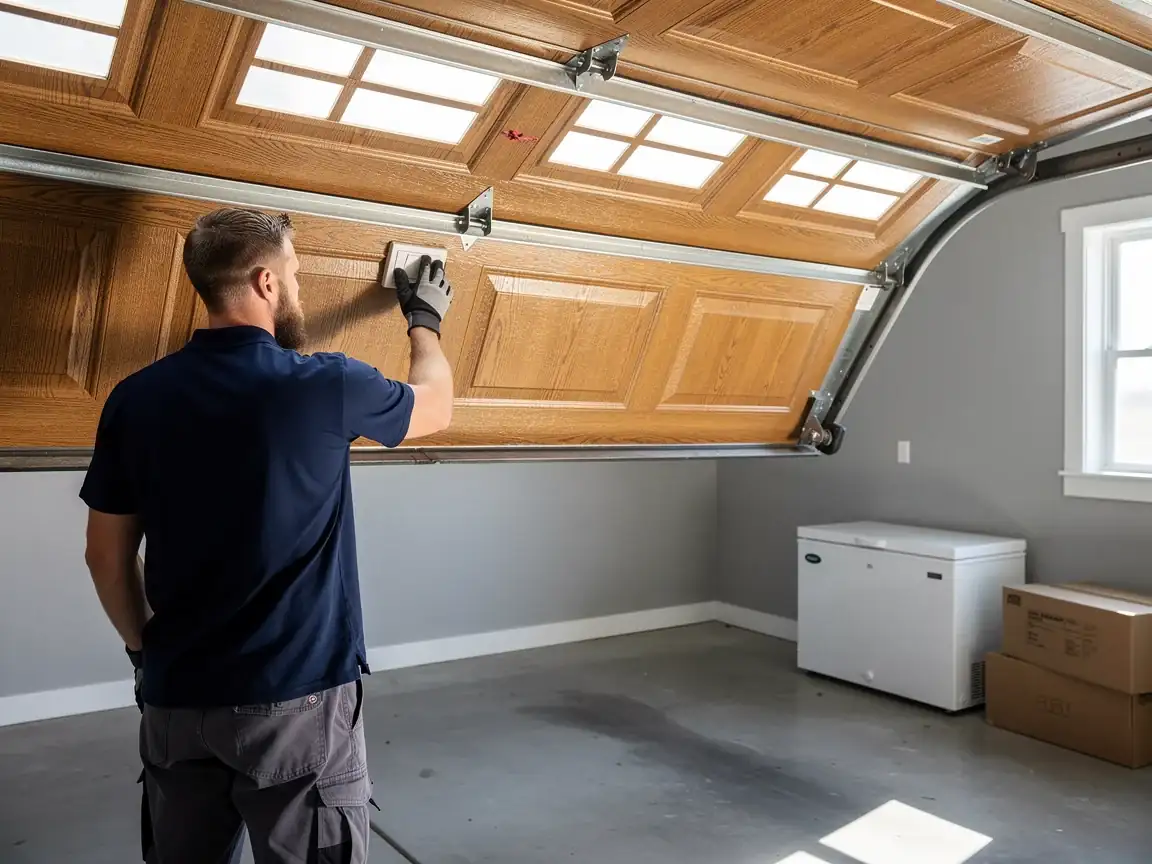
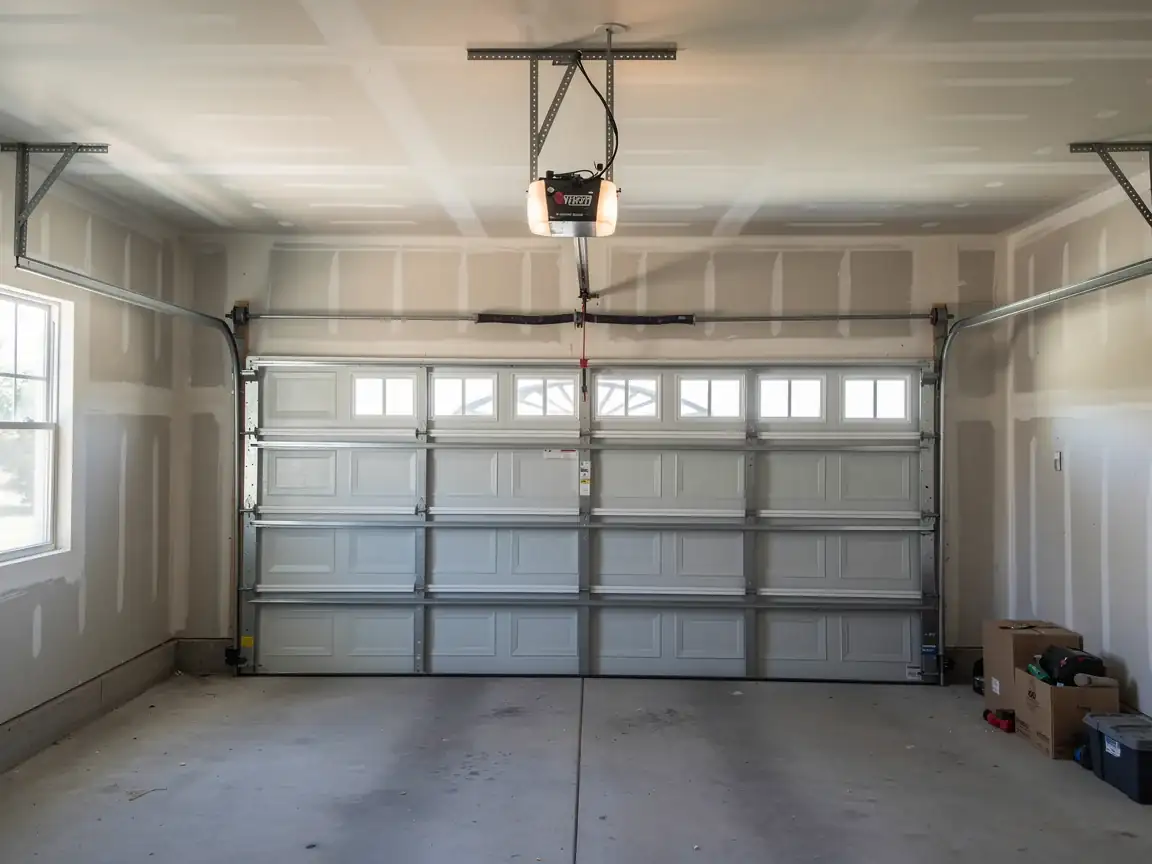
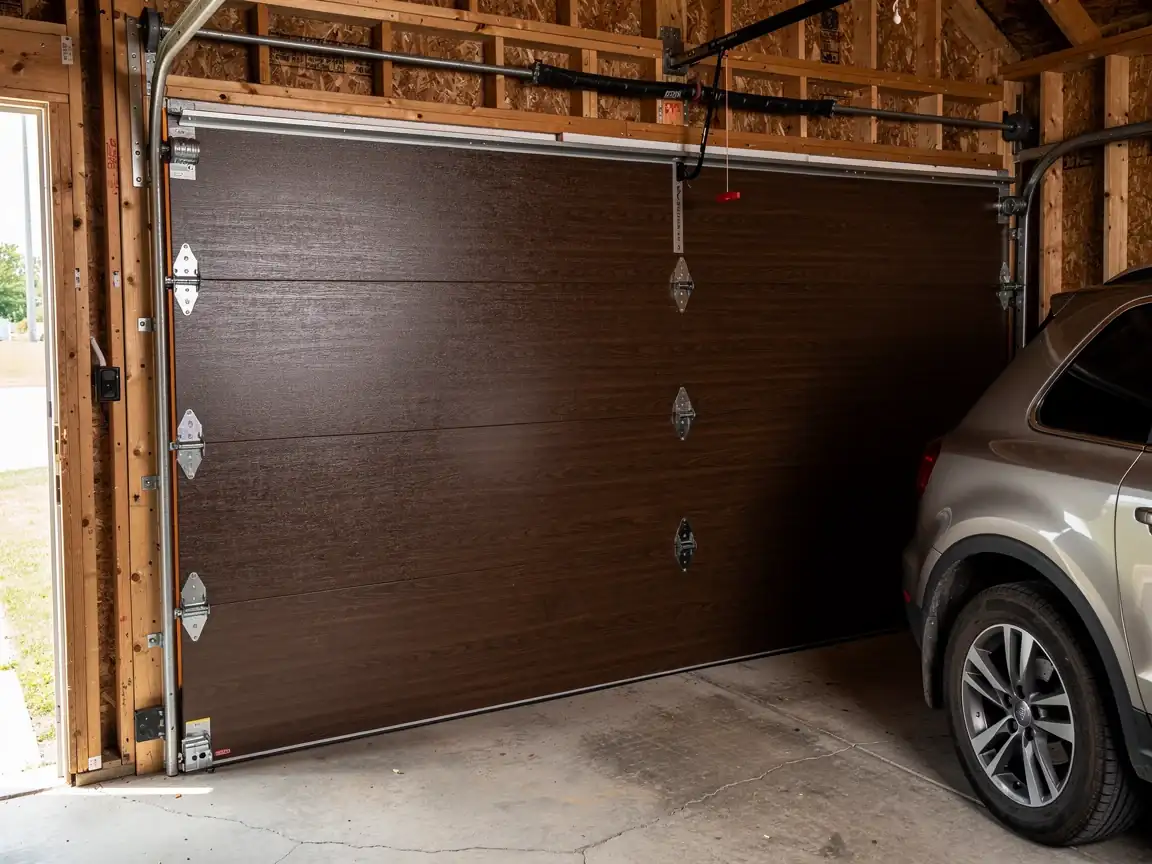
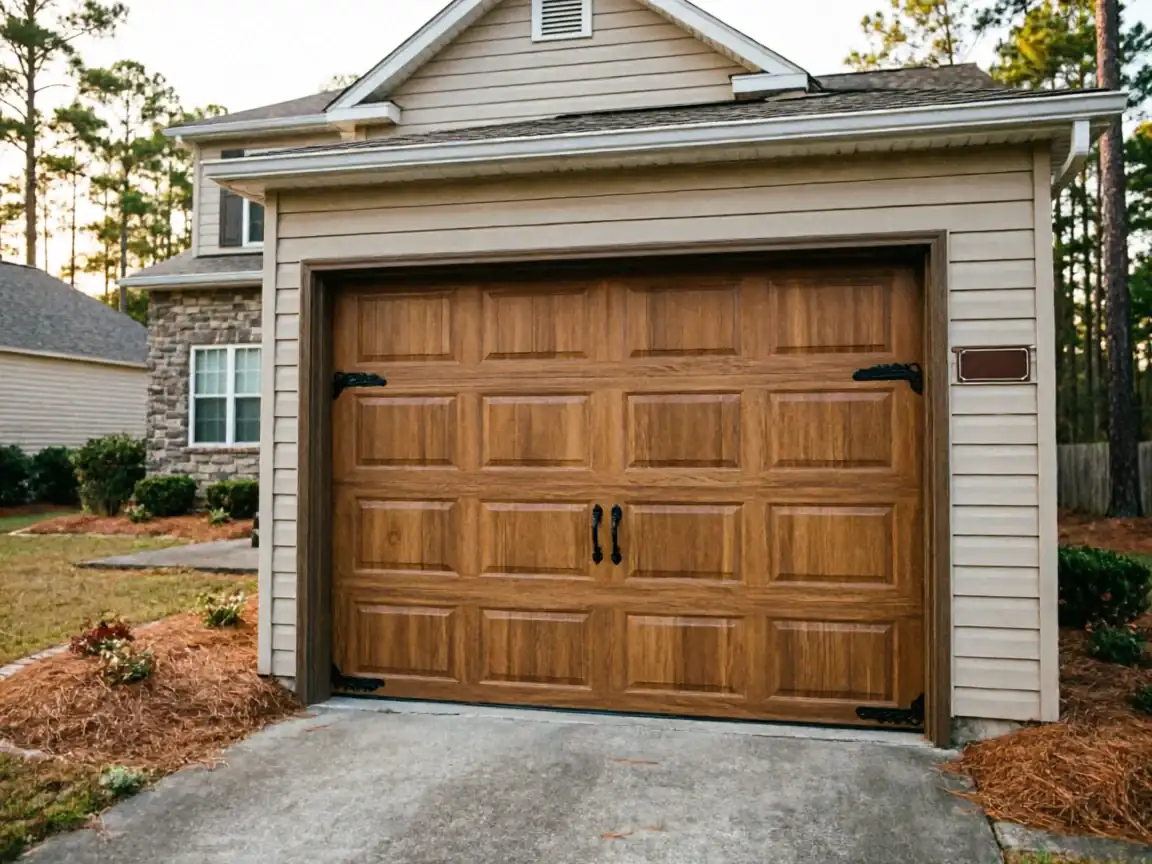
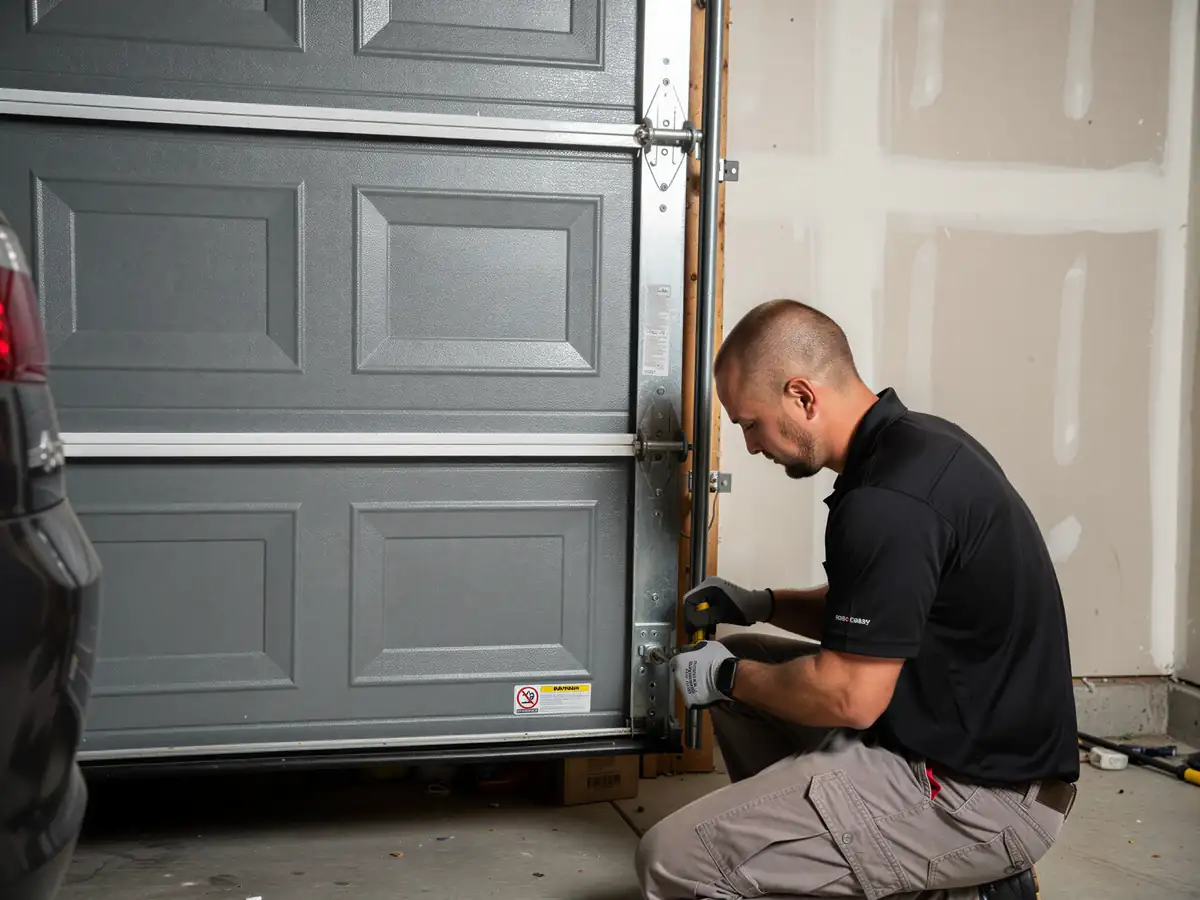
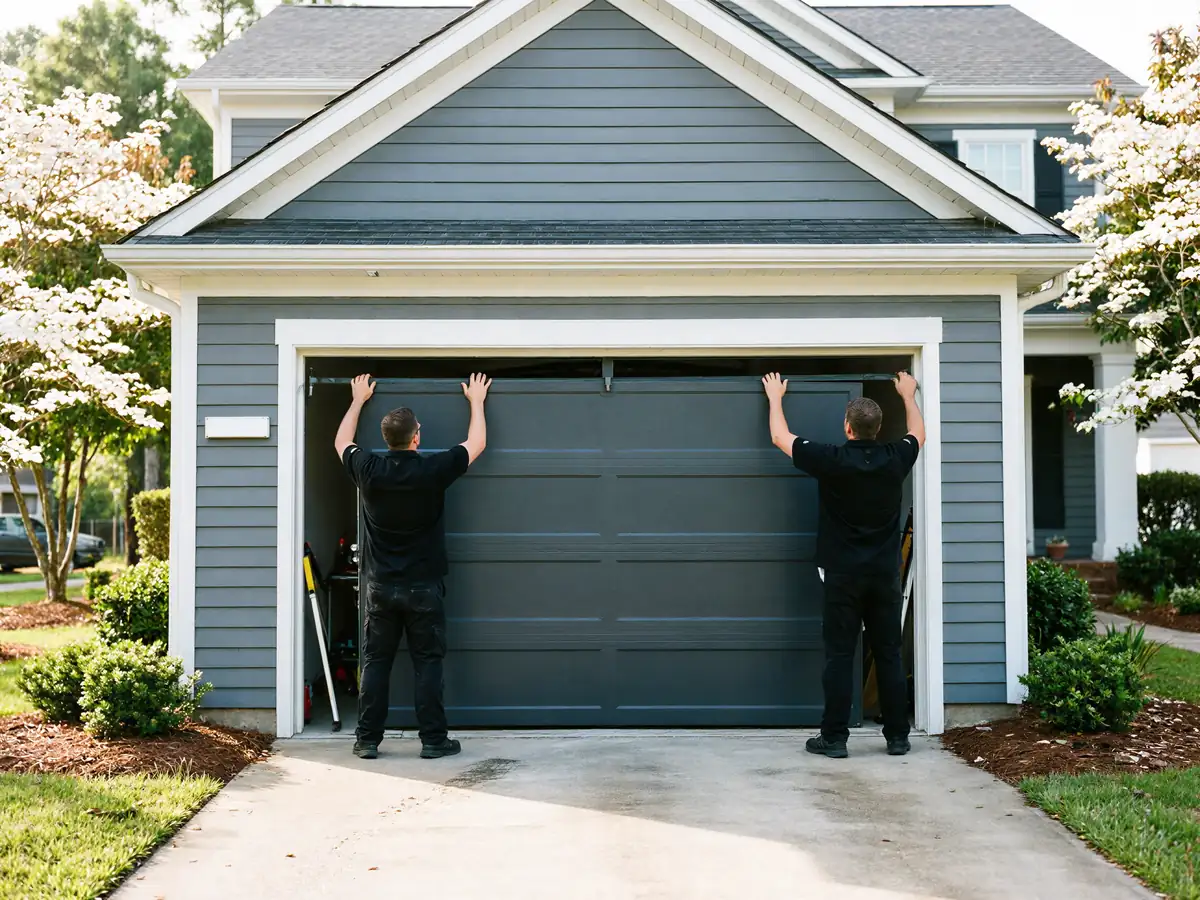
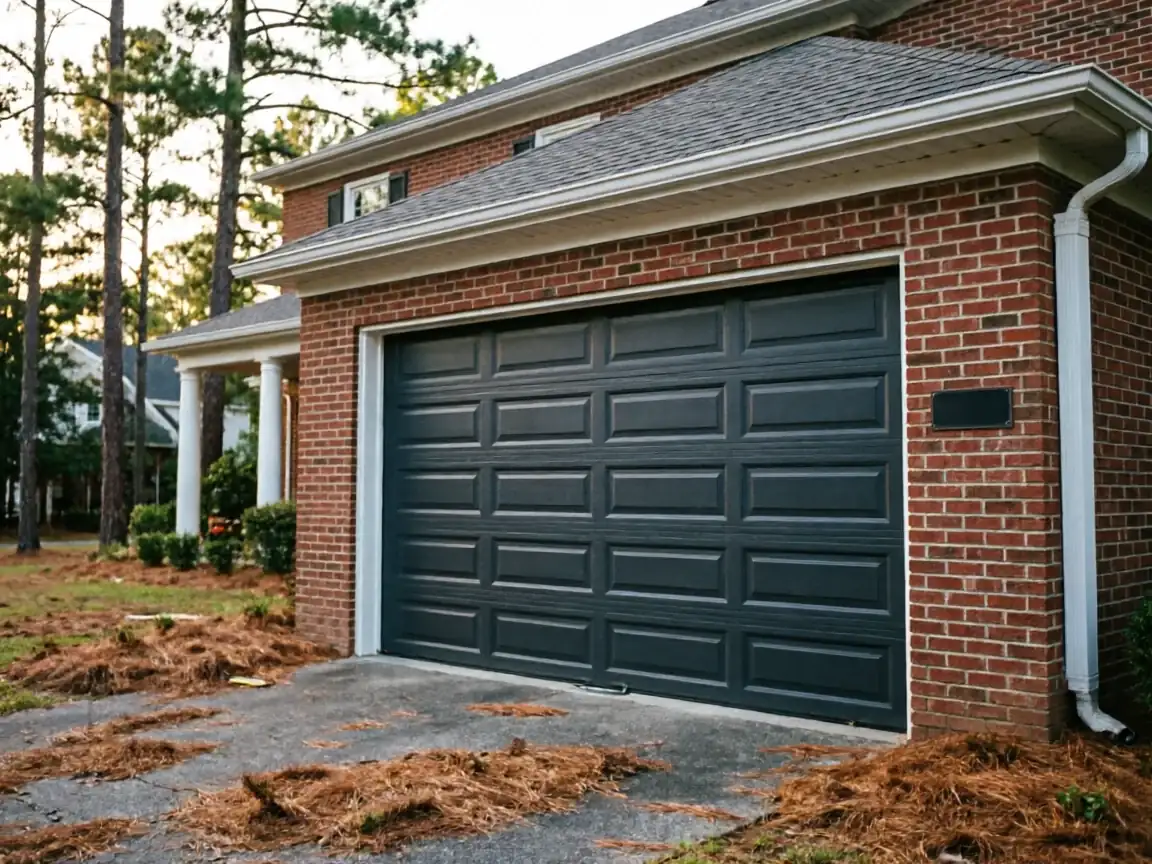
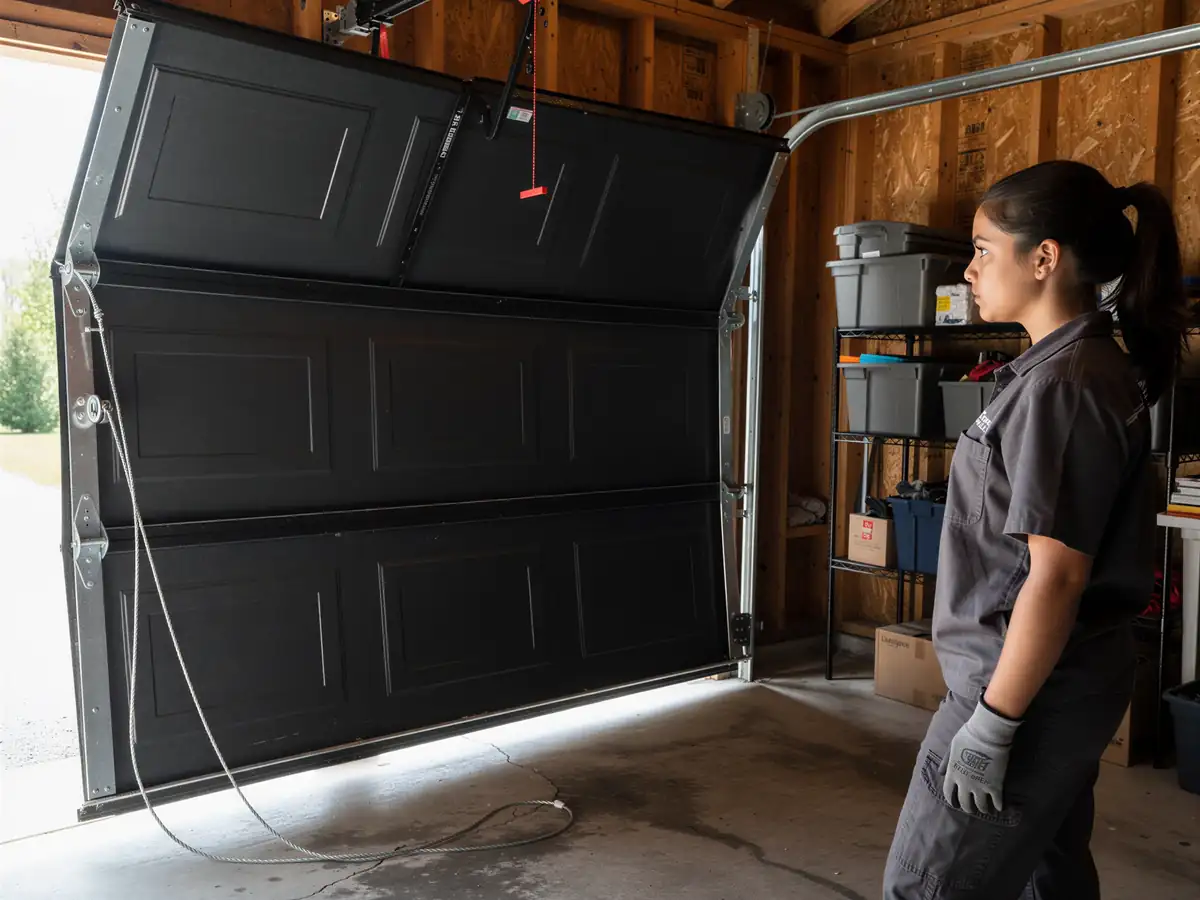
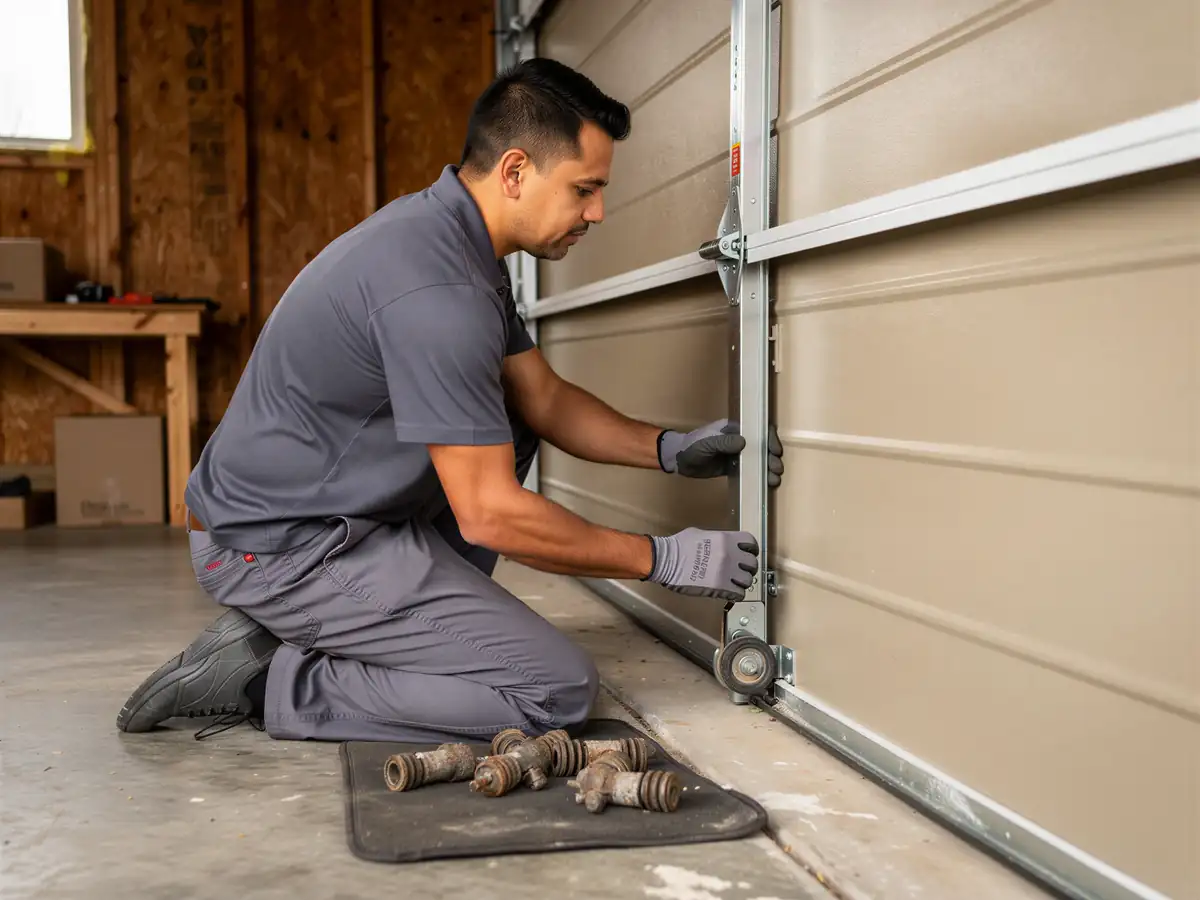
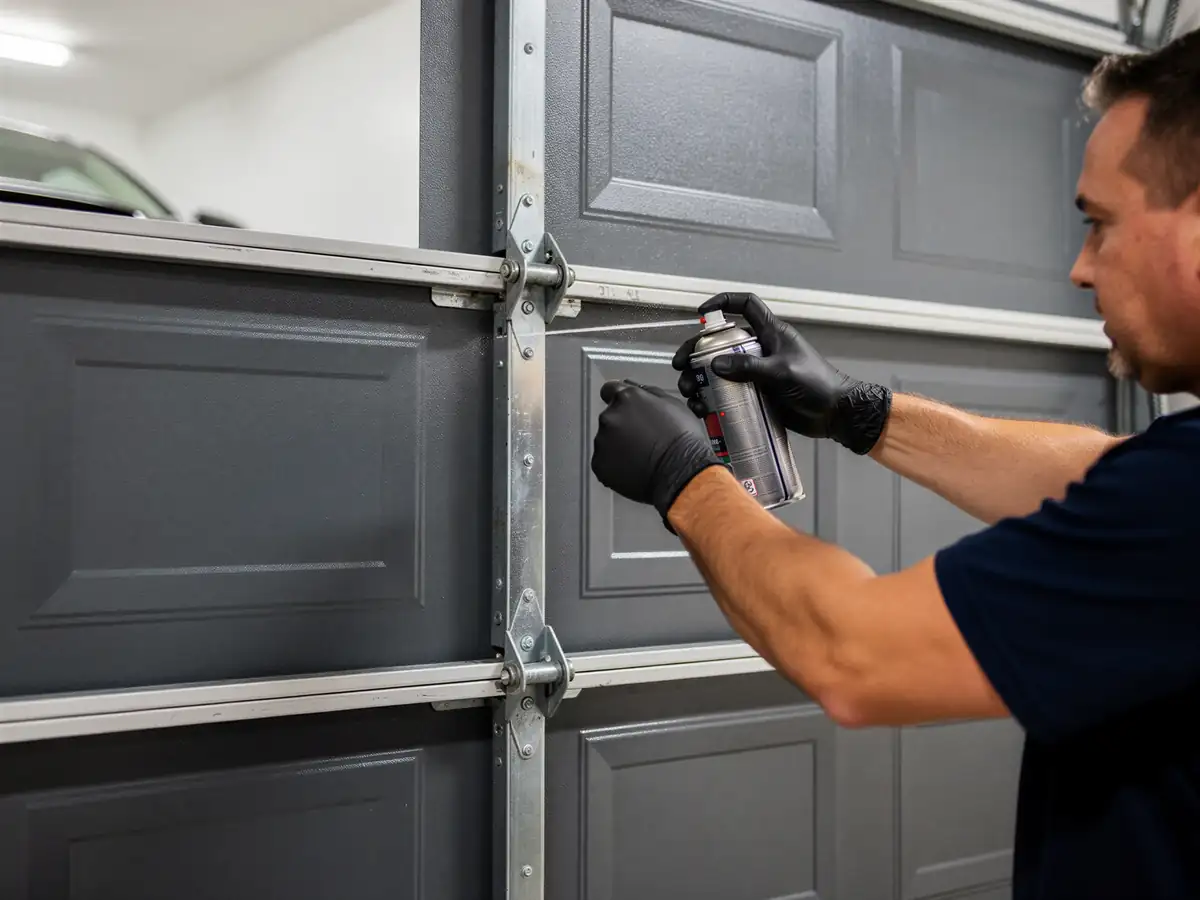
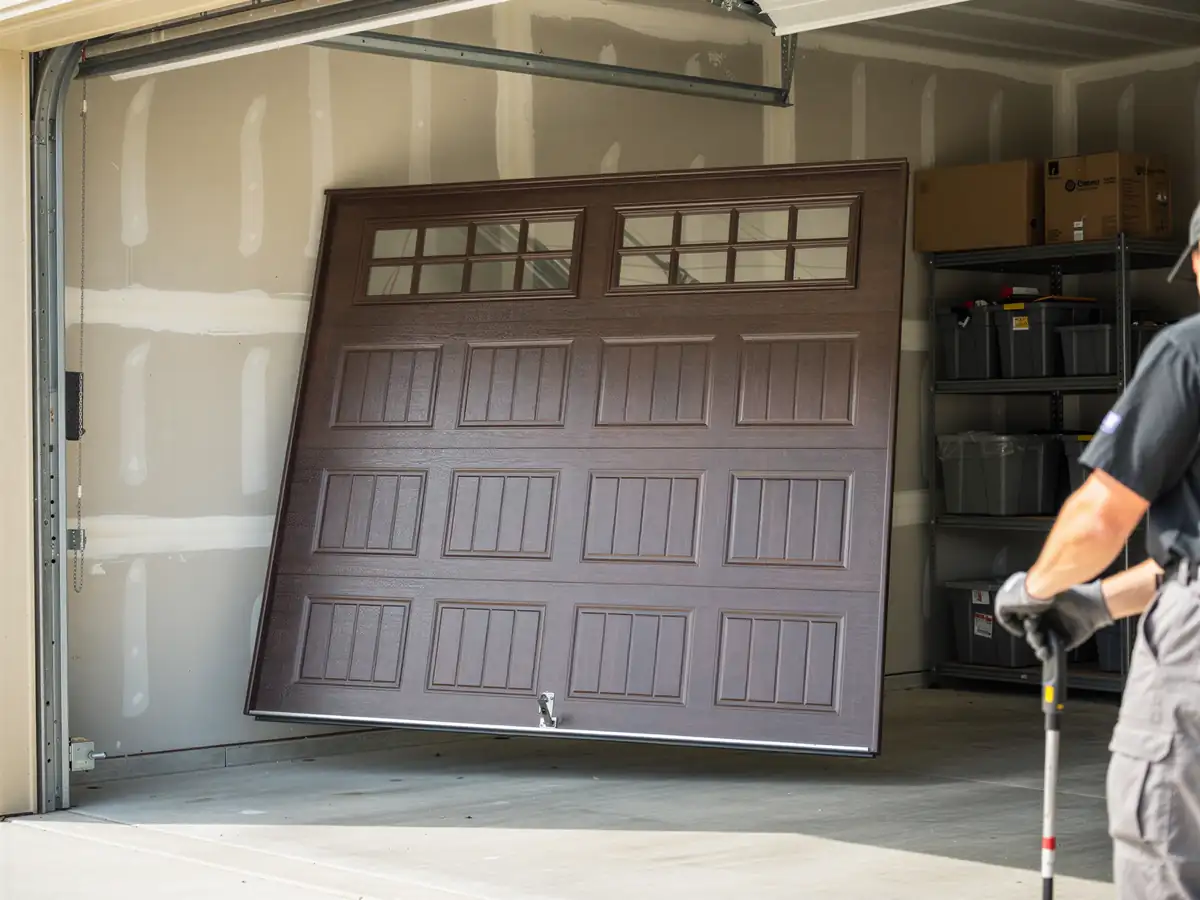
Fort Knox has 2,202 households, which makes it one of the smaller markets inside the broader service area of 16,726 households we cover out of Elizabethtown. That size matters for off-track work because the housing here doesn't vary much door to door - most of it went up around 1977, close to the service area's overall median build year of 1975, but still its own cluster rather than the mixed-era streets you find elsewhere. A door that's slipped a roller or come off one side of the track on a house from that era is usually dealing with original steel track that's been re-shimmed once or twice already, not a brand-new installation. The fix starts with figuring out whether the track itself bent, whether a hinge pulled loose from the panel, or whether a roller sheared off its stem. Those are three different repairs that all look the same from the driveway - a door hanging crooked or stuck half-open. On a double door especially, an off-track panel under spring tension is not something to force back by hand. The job is to release tension safely, square the track sections, reset or replace the roller and hinge hardware, and run the door through a full cycle before calling it done.
What Causes It Around Here
The region sits in a cold-moderate climate band, and the freeze-thaw swing each winter is the usual starting point. Ground shifts a little, a track bracket anchored into an aging header loosens, and the track pulls out of alignment by a quarter inch - enough for a roller to walk off the rail on the next open or close. On houses from the 1977 era, the original track brackets are often the same ones from installation, never upgraded, so they're the first thing to give. A second pattern we see is a roller or cable that's simply worn out after decades of cycles, and the door finally jumps track on a cold morning when the steel is stiffest. At a median household income of $74,224, higher than the wider area's $55,375, Fort Knox owners more often call in before the problem gets worse rather than keep forcing a sticking door - which usually means a smaller, cheaper fix if the track hasn't been bent hard against a stud or the opener hasn't kept hauling on a dropped panel. That second scenario - opener motor still trying to pull a door that's off its rail - is the one that turns a $150 fix into a cracked panel or a stripped opener gear.
Doing It Yourself
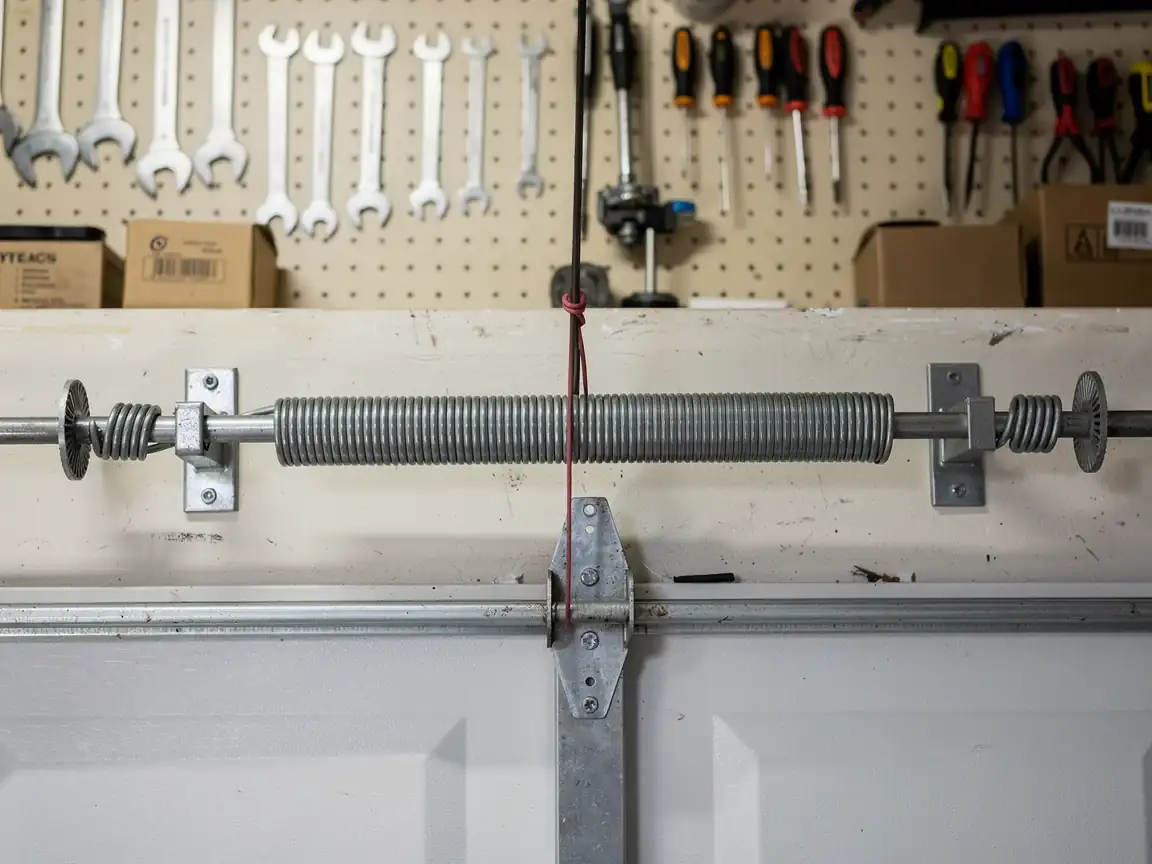
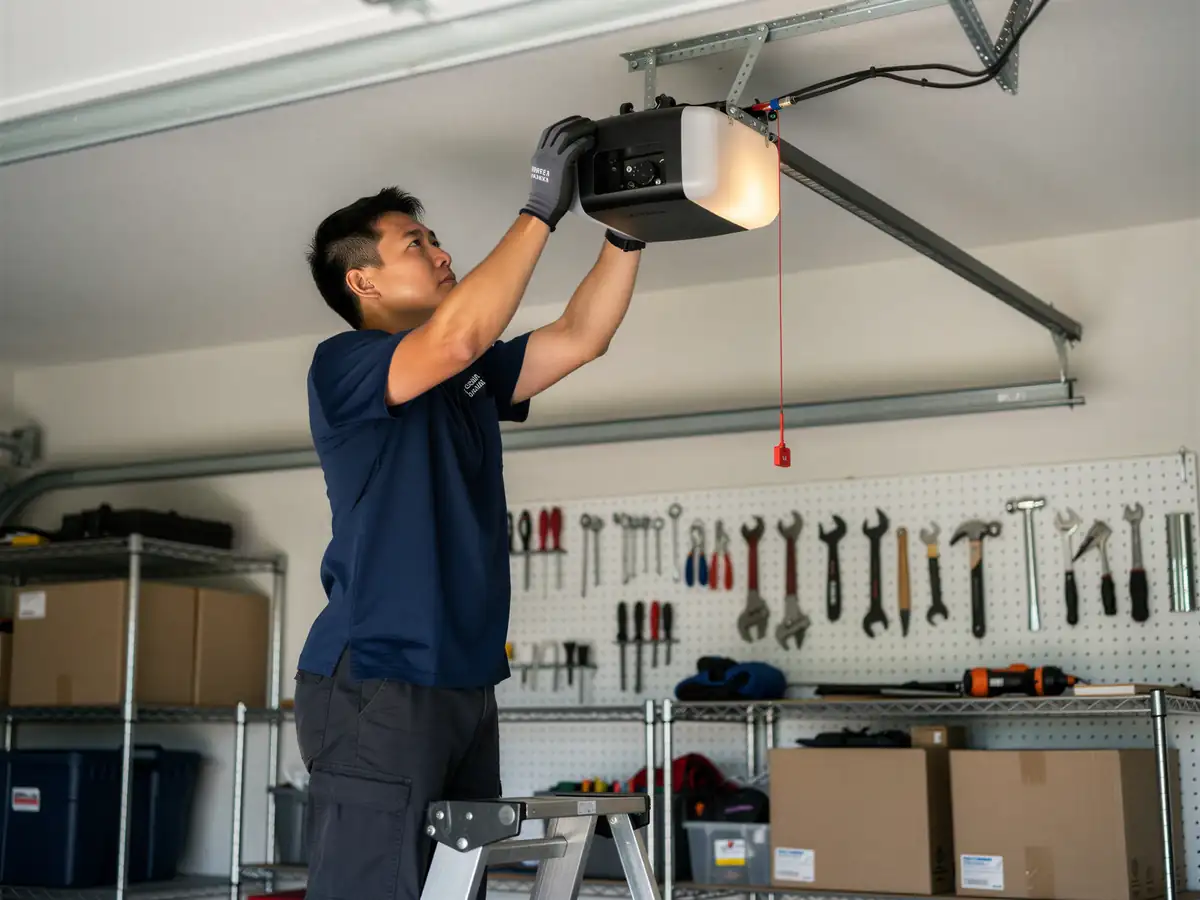
Don't try to muscle an off-track panel back onto its rail yourself, especially on a double door. The door weighs more than it looks like, the torsion spring above it is under real tension even when the door looks still, and a track that's been forced can crack a panel or send a roller flying. What you can safely do before calling: pull the emergency release cord so the opener stops trying to drag a door that's already off track, and don't run the opener again until someone's looked at it. If only one roller has walked a few inches off the rail and the door still looks mostly square, that's sometimes a five-minute fix - anything beyond that, where the track is visibly bent or the door is hanging at an angle, is not a job for a ladder and a pry bar.