What the Repair Takes
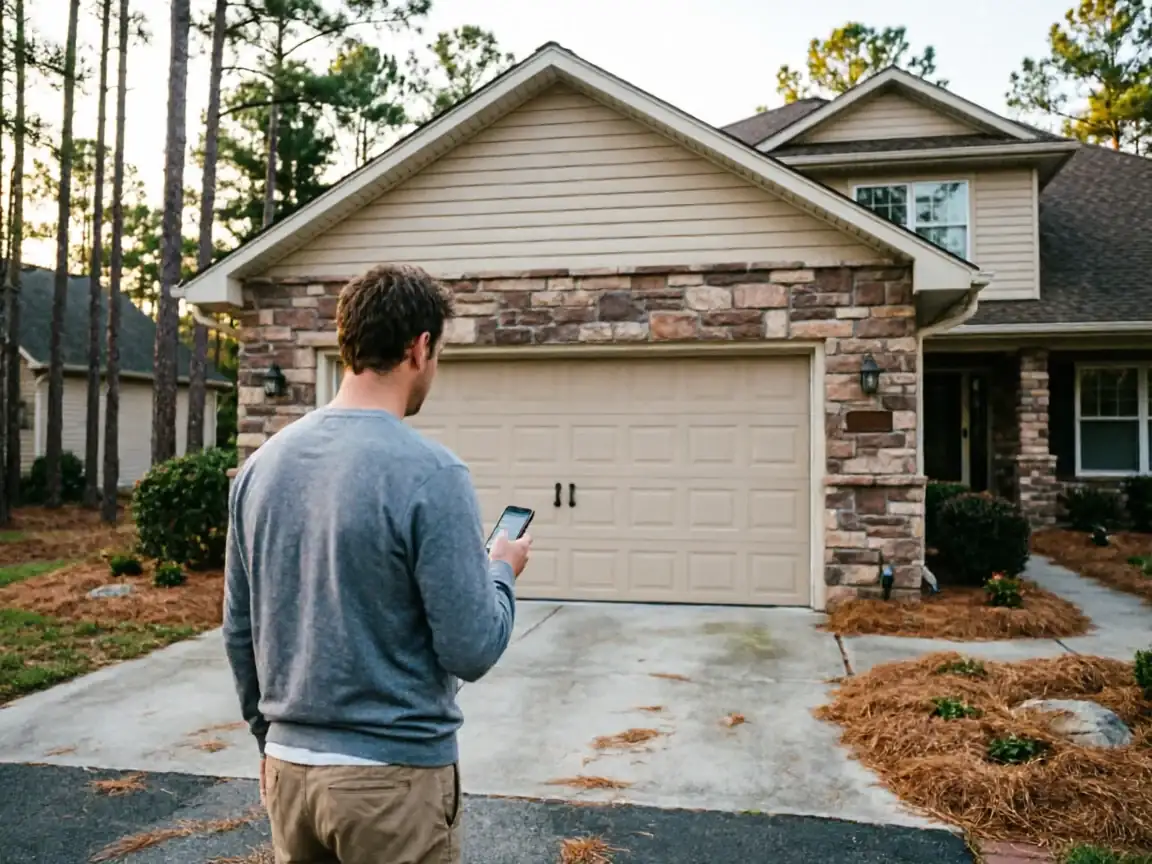
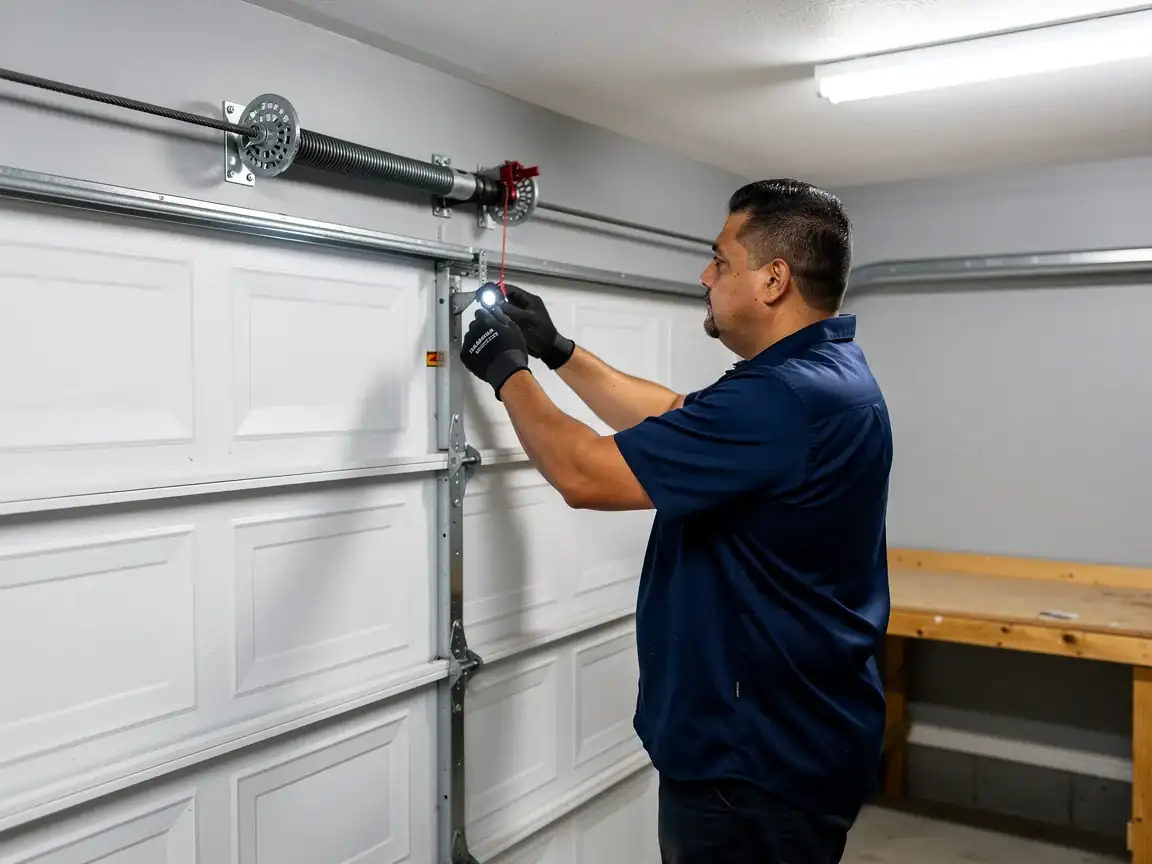
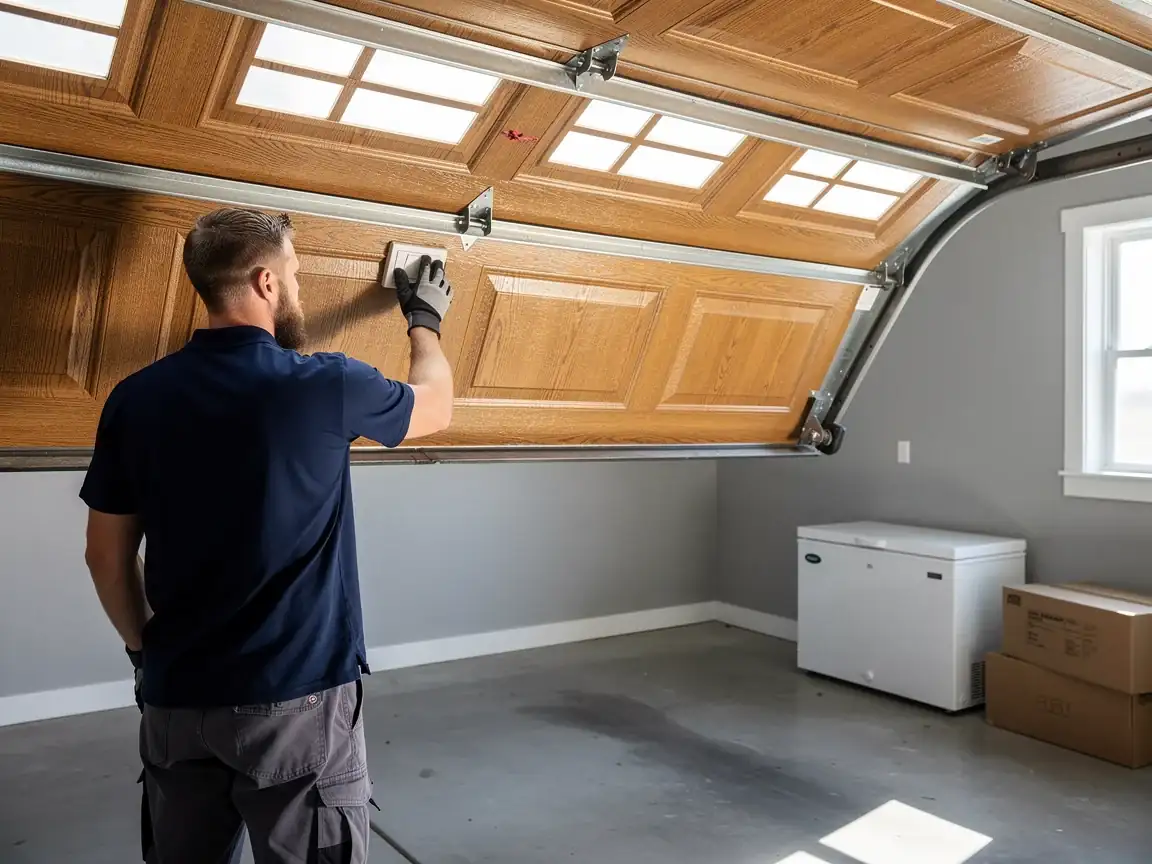
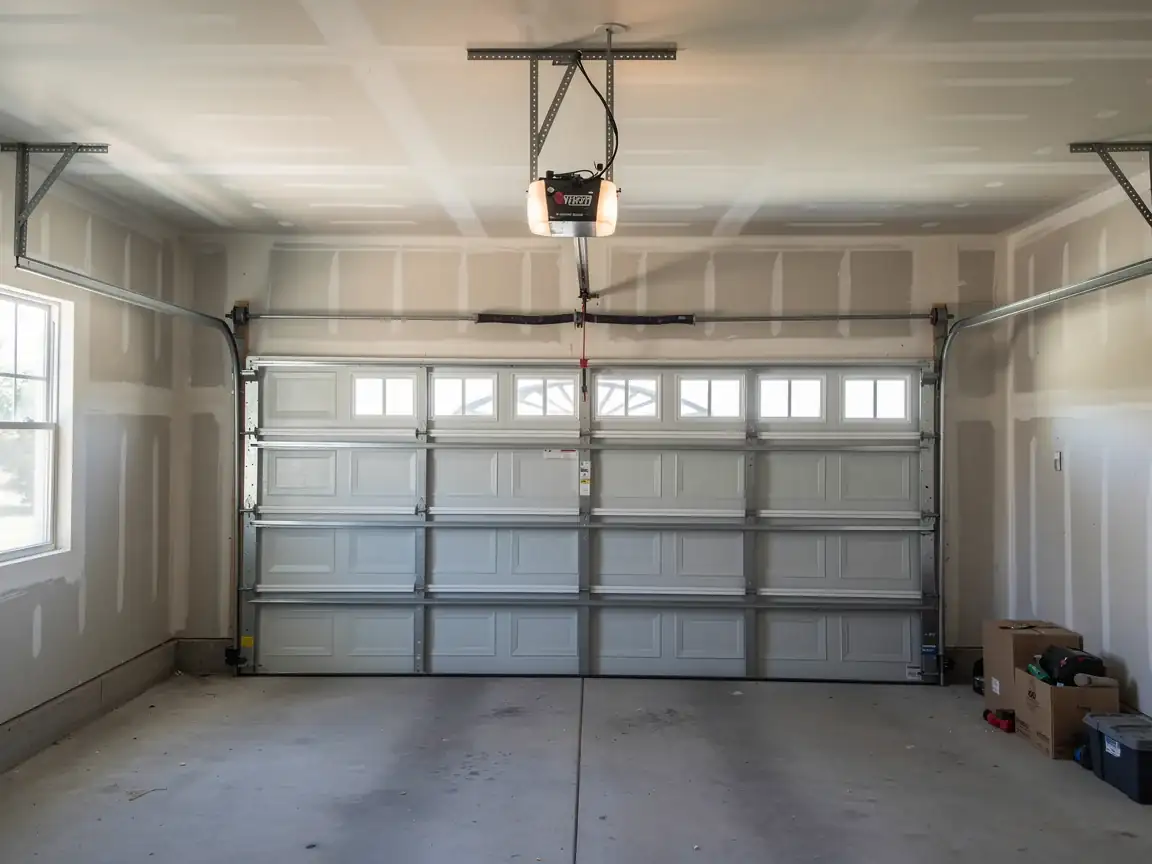
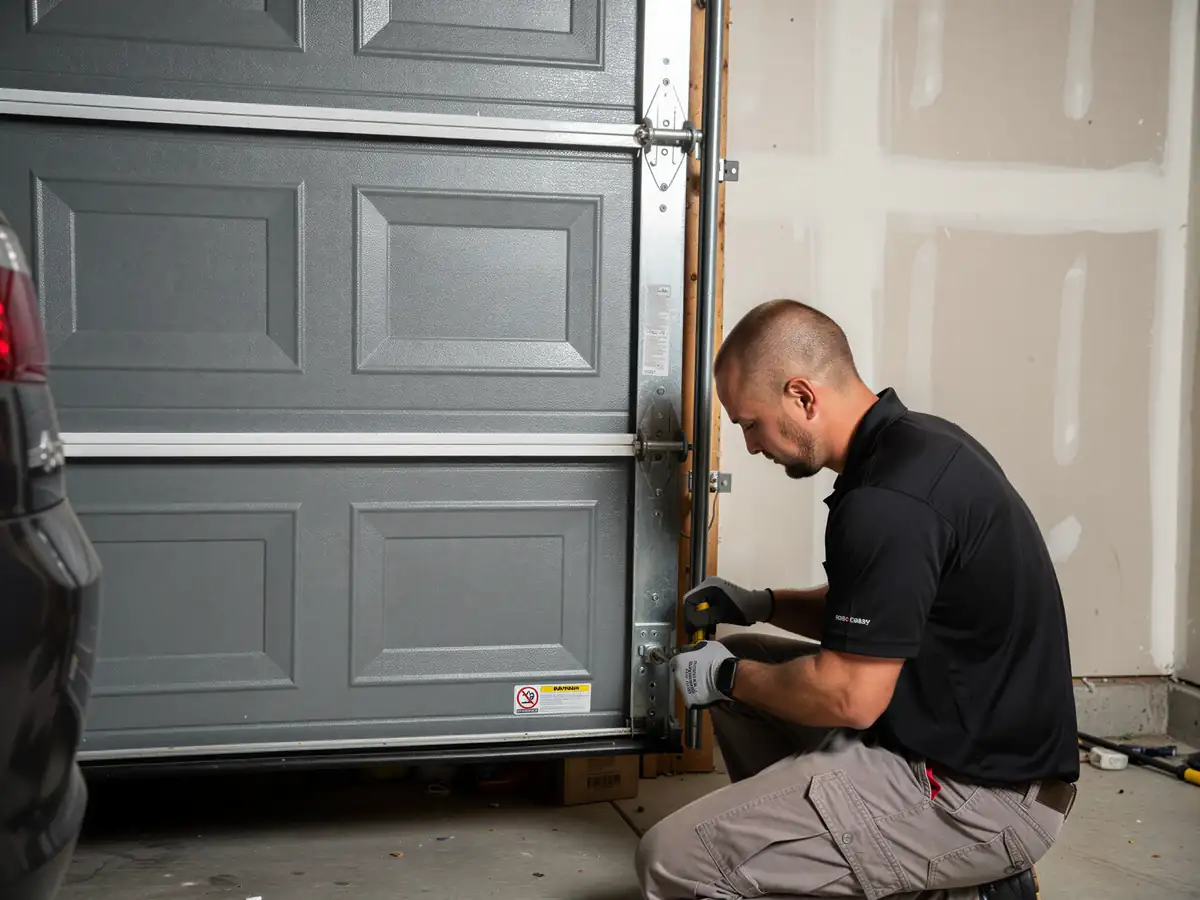
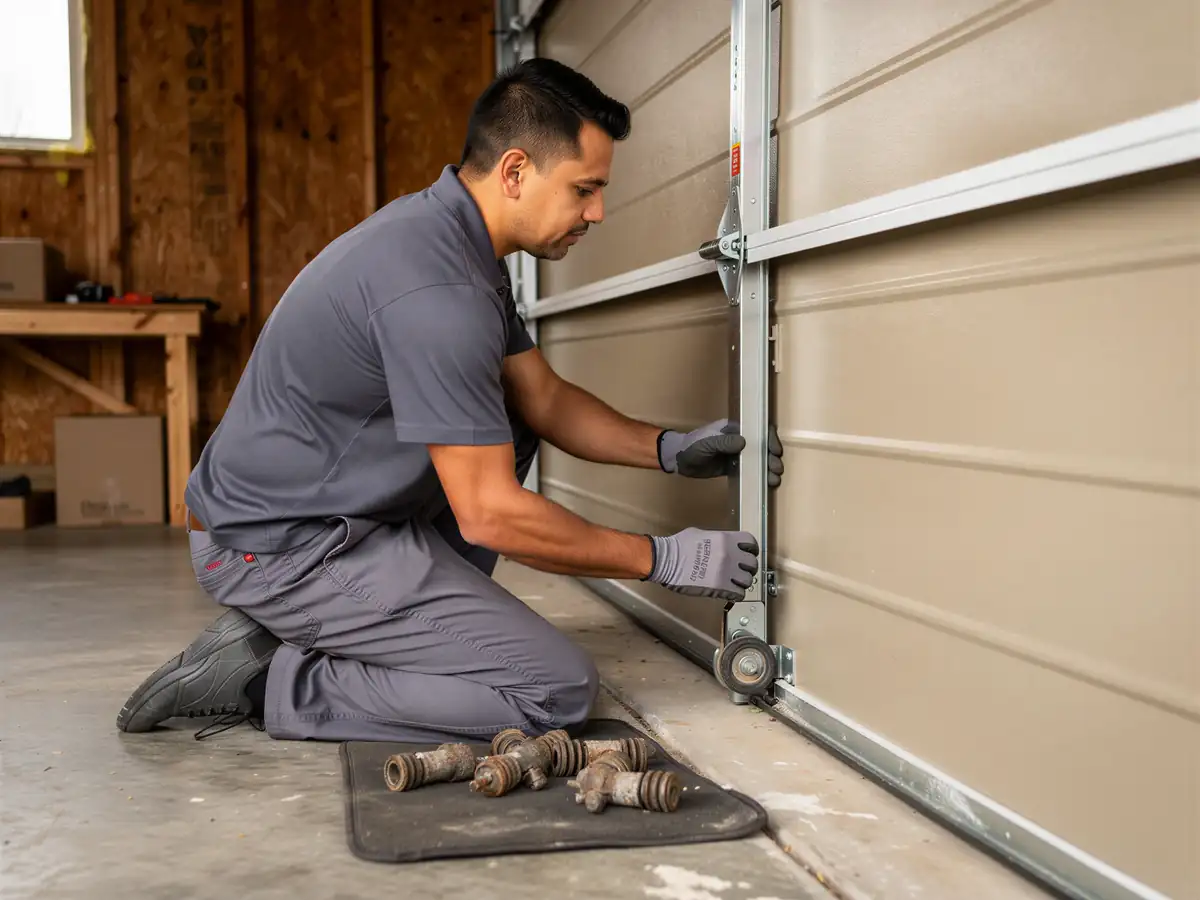
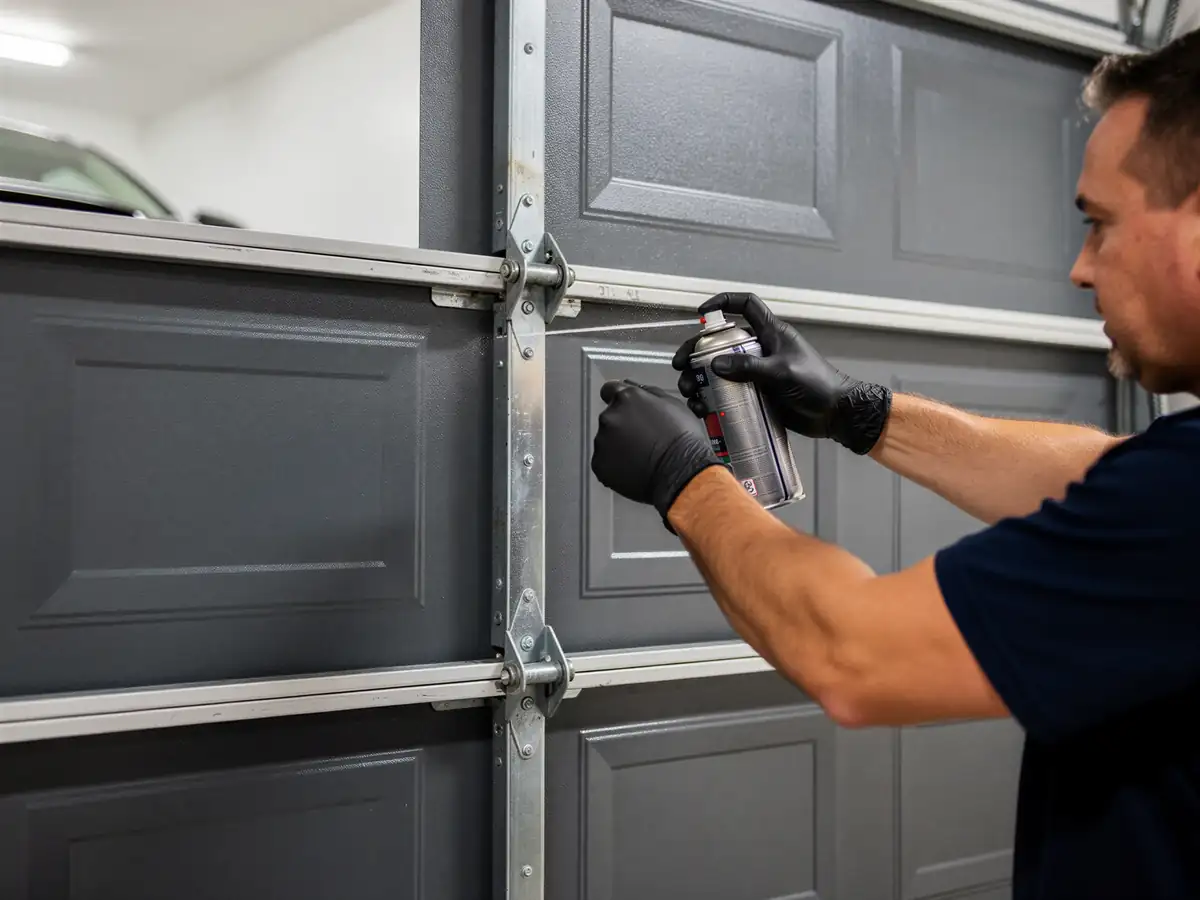
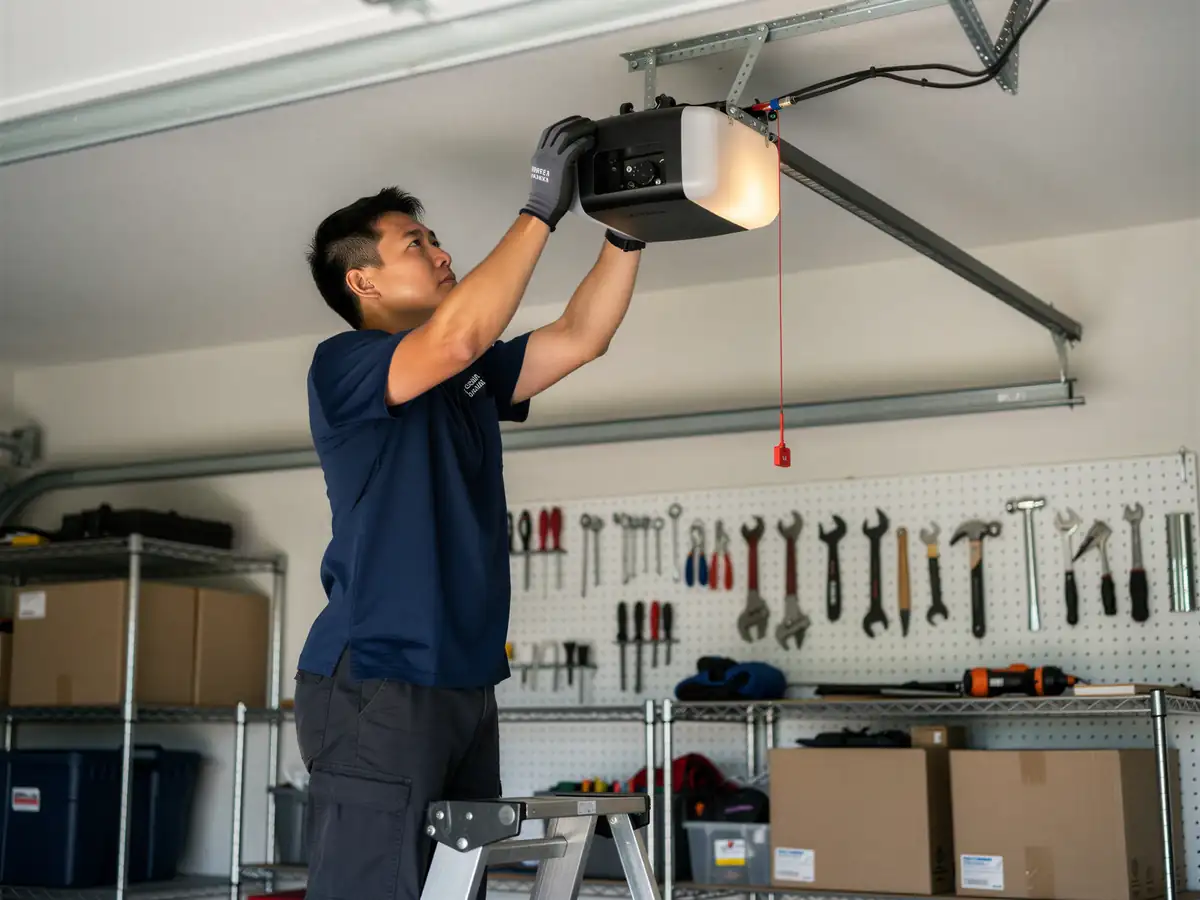
Median household income in Fort Knox runs $74,224, well above the $55,375 median across the wider Elizabethtown service area. That gap matters more than it sounds like it should, because it is the number that decides whether a dead opener gets a repaired circuit board or a new unit. At $74,224, the median household income here runs well above the $55,375 median across the wider service area, which changes where the repair-or-replace line falls on a failed opener. On a logic board repair, most owners at this income level choose it without blinking if the opener is under ten years old. On an opener from the 1970s or 80s with a stripped gear and a chain system nobody makes parts for anymore, the math flips the other way fast - a new belt-drive unit with battery backup costs less over five years than chasing parts for a dead model. Installation itself is a half-day job: mounting the rail, wiring the wall control and safety sensors, setting the travel limits, and testing force settings so the door doesn't crush anything on the way down. Travel limit and force work takes longer on older doors with worn rollers, since the new motor is working against resistance it wasn't built for.
What Causes It Around Here
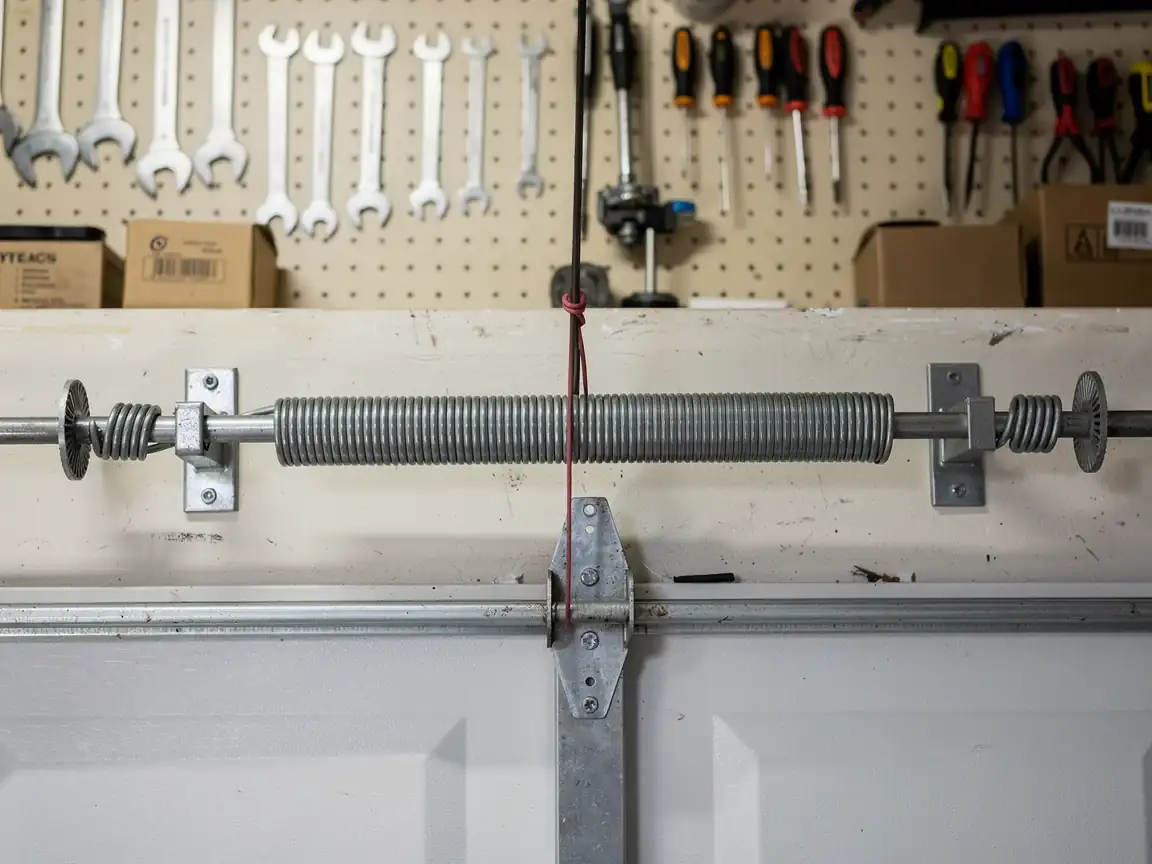
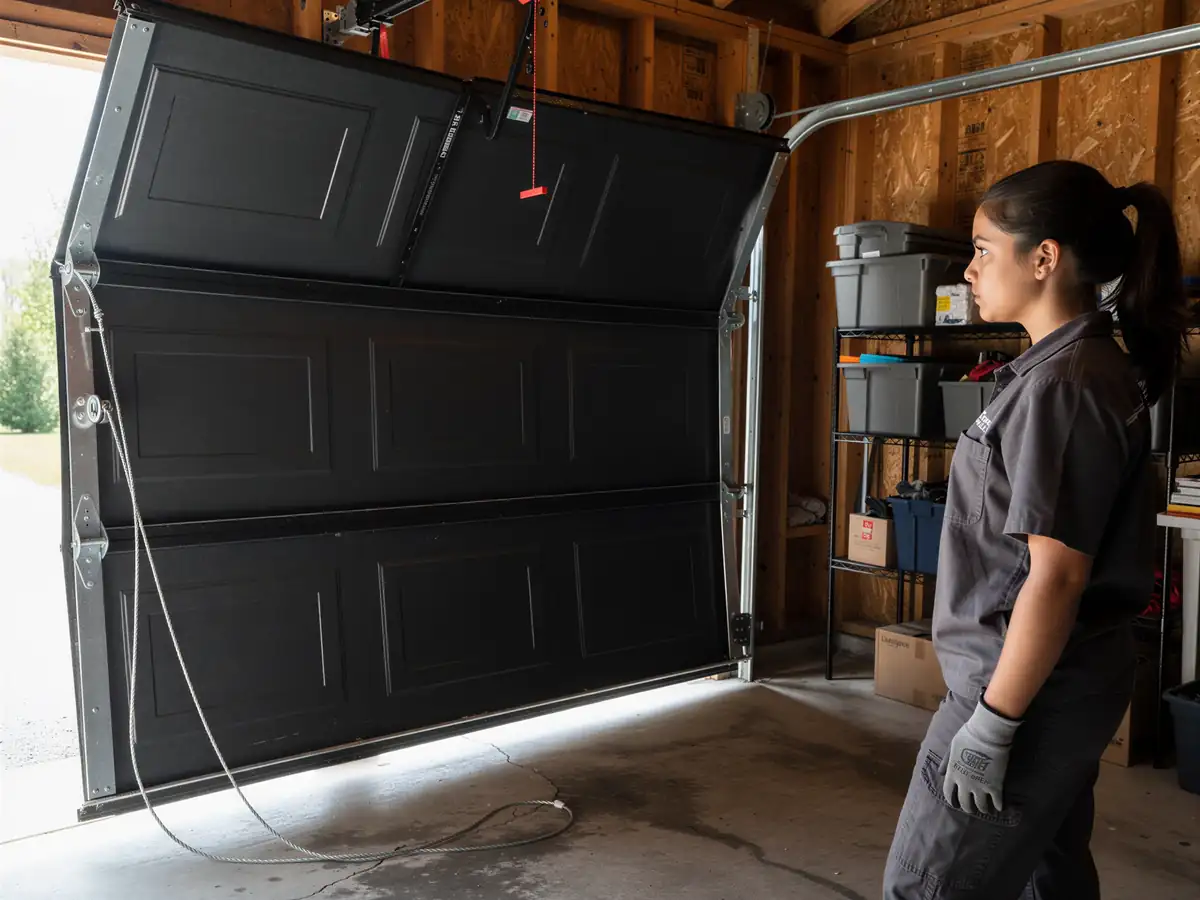
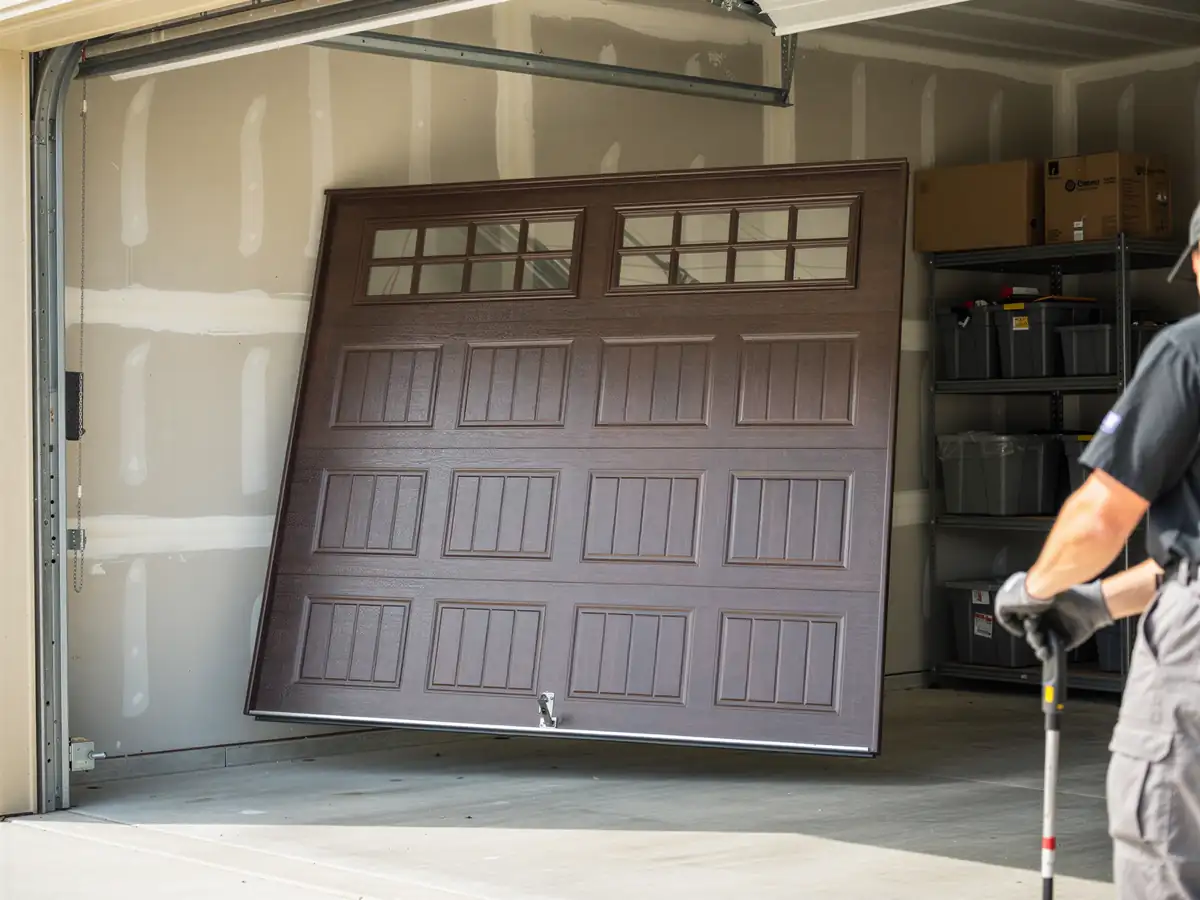
Most houses in this part of the county went up around 1977, two years past the service area's overall median of 1975, putting them squarely in the era of early chain-drive and screw-drive openers. Those units ran on steel and nylon gears that handled summer heat fine but didn't love a hard freeze. The cold climate band this area sits in means plastic gear openers from the 1970s and 80s are the ones failing first, their nylon teeth stripped by years of winter stiffening. Cold makes grease thicken and plastic brittle, so the motor works harder on frosty mornings and the internal gear wears out faster than it would somewhere milder. The other common cause isn't the opener at all - it's a door heavier than the opener was ever rated for. A lot of builder-grade doors from this era were never matched to today's safety-sensor opener codes, so bolting a modern half-horsepower unit onto an unbalanced door just moves the failure point from the opener to the springs. We check spring balance before hanging a new unit for that reason, not because a checklist says to. If the door itself is the problem rather than the opener, that's a separate job - see our Fort Knox garage door repair page.
Doing It Yourself
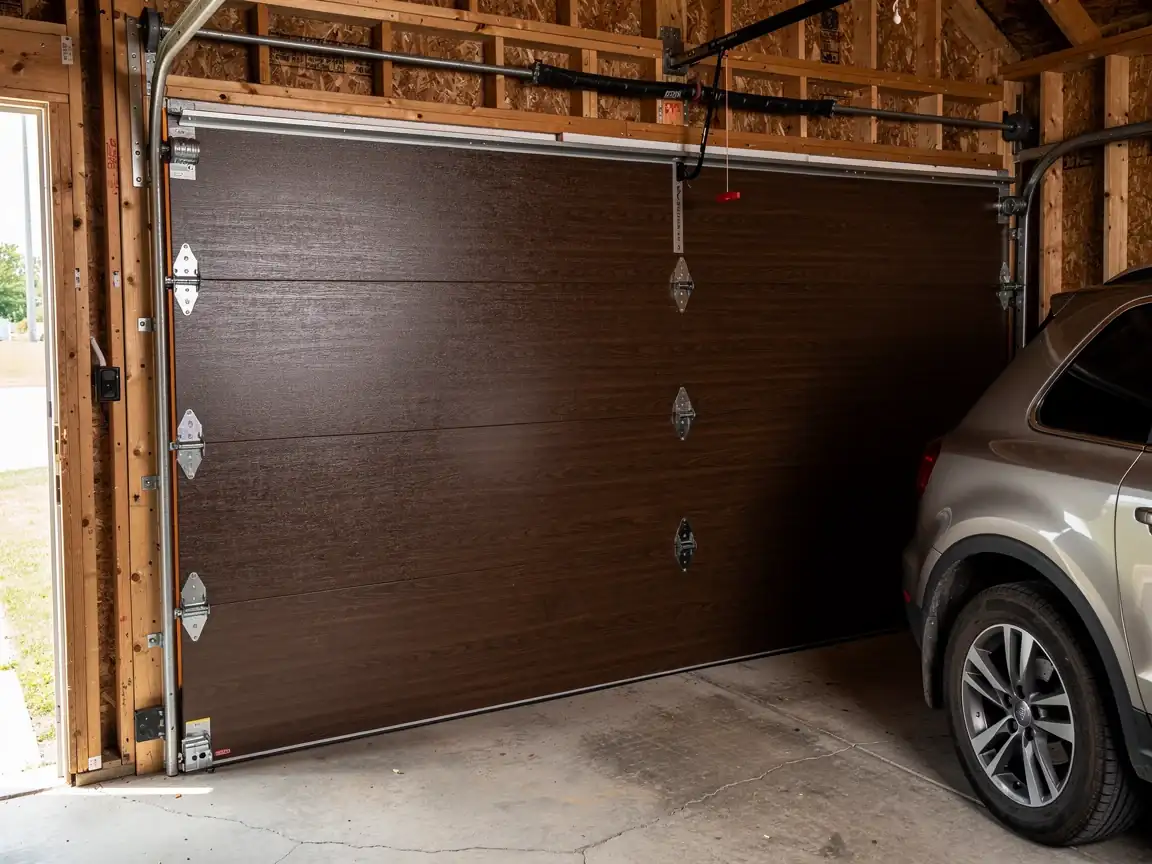
A new opener kit from a hardware store comes with instructions that assume a square frame, a balanced door, and brackets that line up the way the diagram shows. On a house built around 1977, none of that is guaranteed. Header brackets settle, framing shifts over forty-plus years, and the rail that's supposed to run dead level to the door often needs shimming the manual doesn't mention. The part most DIY installs get wrong isn't the opener itself - it's safety sensor alignment, which has to be exact or the door will reverse for no obvious reason, or won't reverse when it should. If you're comfortable with a ladder, a drill, and reading a torque spec, you can handle the bracket and rail work yourself. What we'd push back on is wiring the sensors and setting force limits on a door you haven't already had the springs checked on - an opener fighting an unbalanced door burns out its own gear in a year or two, and that's a callback nobody wants to pay for twice. For a broader look at opener installation across the service area, see the Elizabethtown opener installation page.