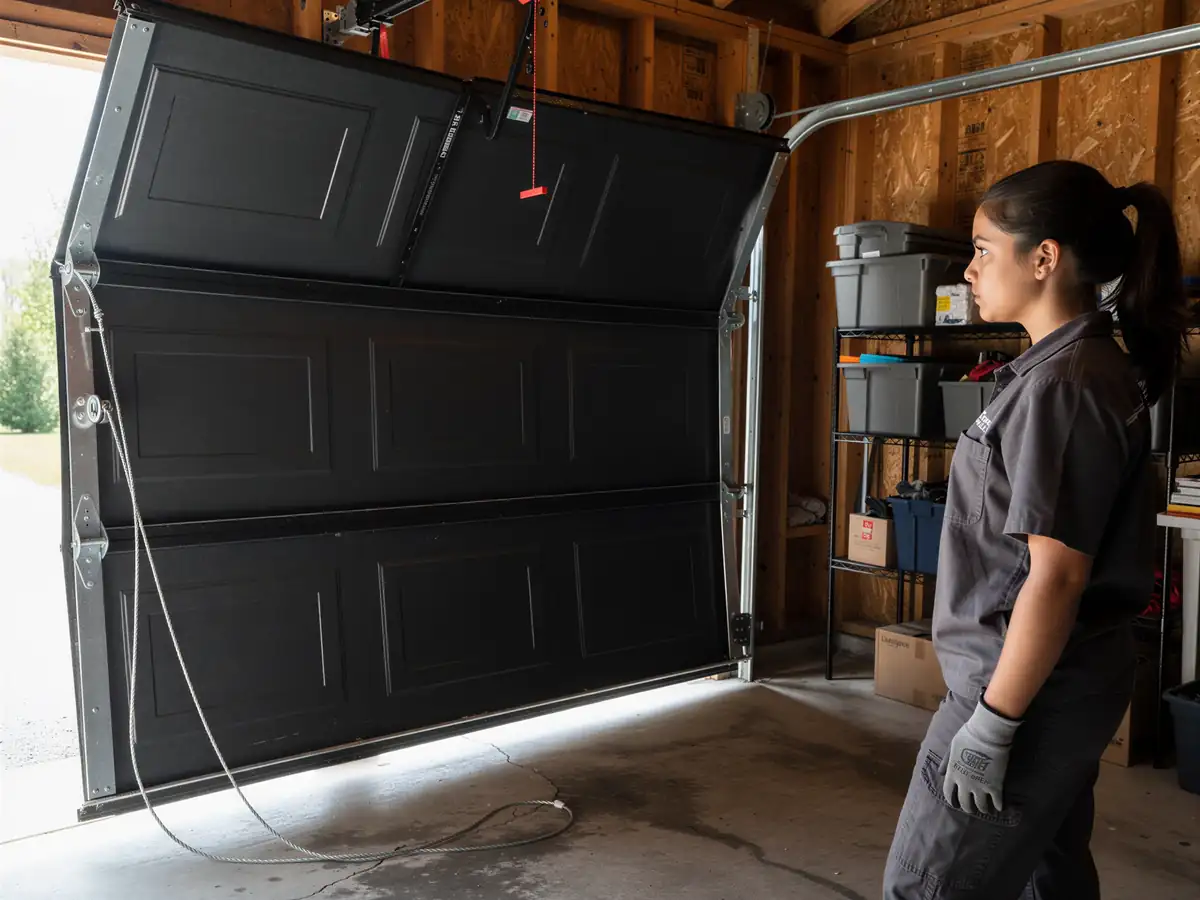
What the Repair Takes
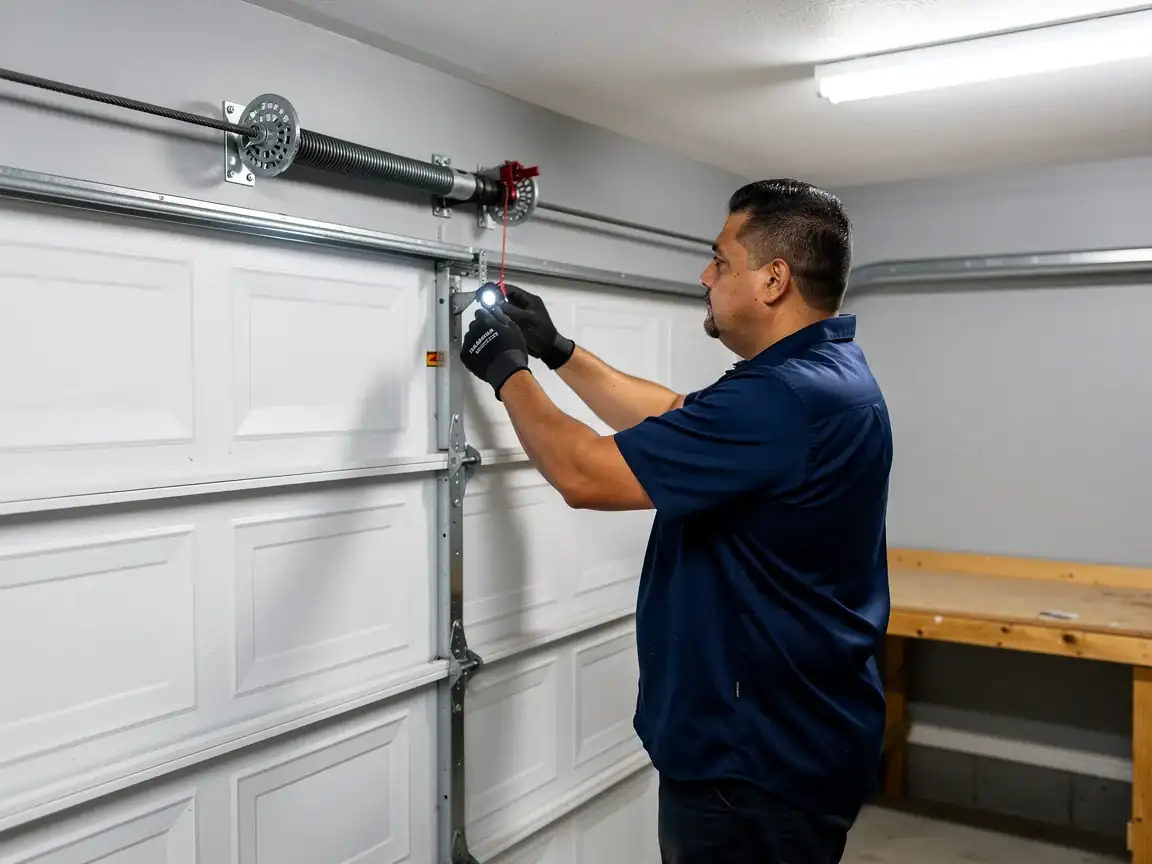
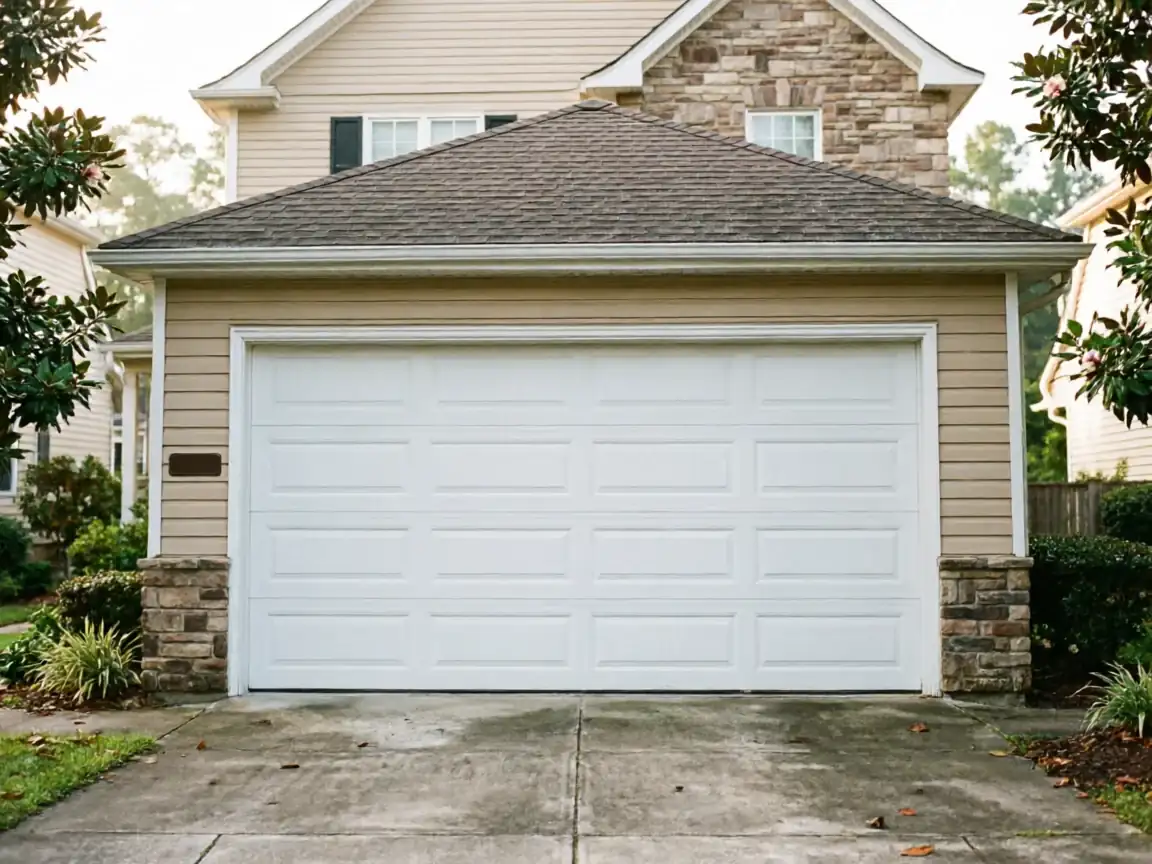
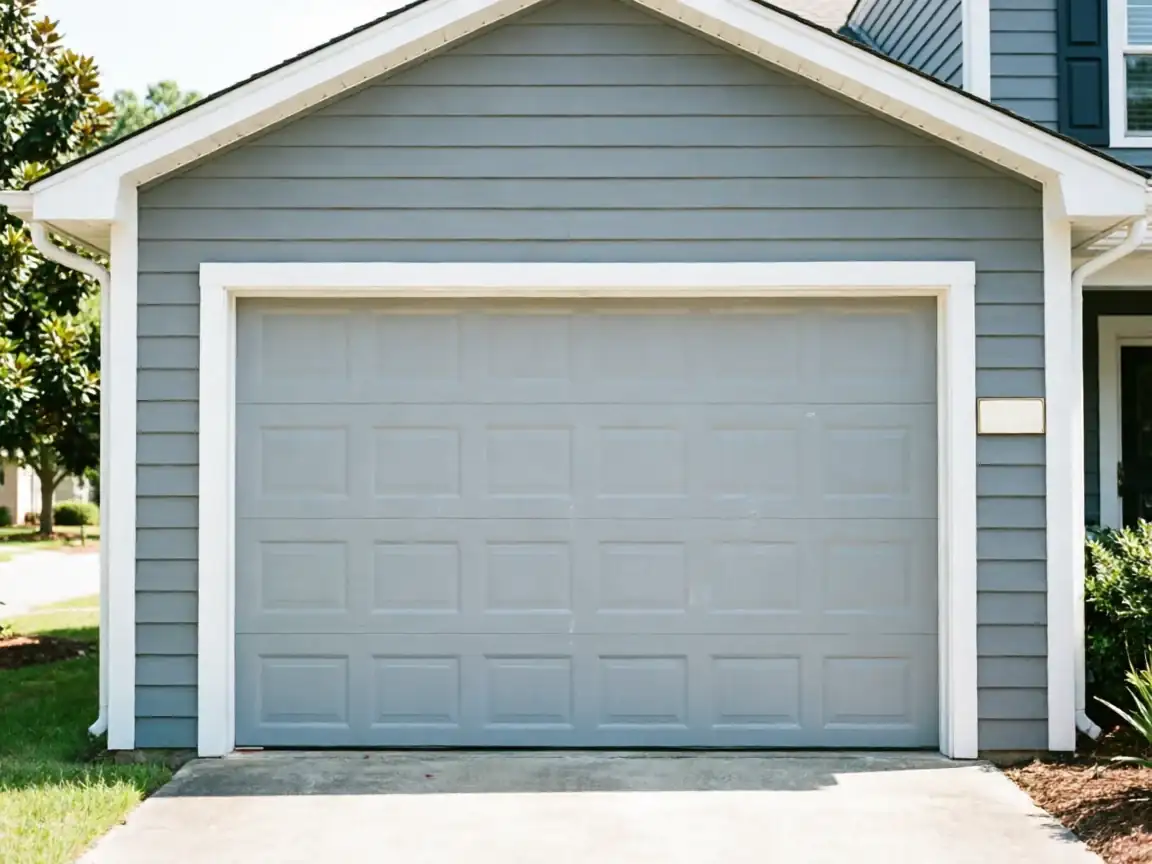
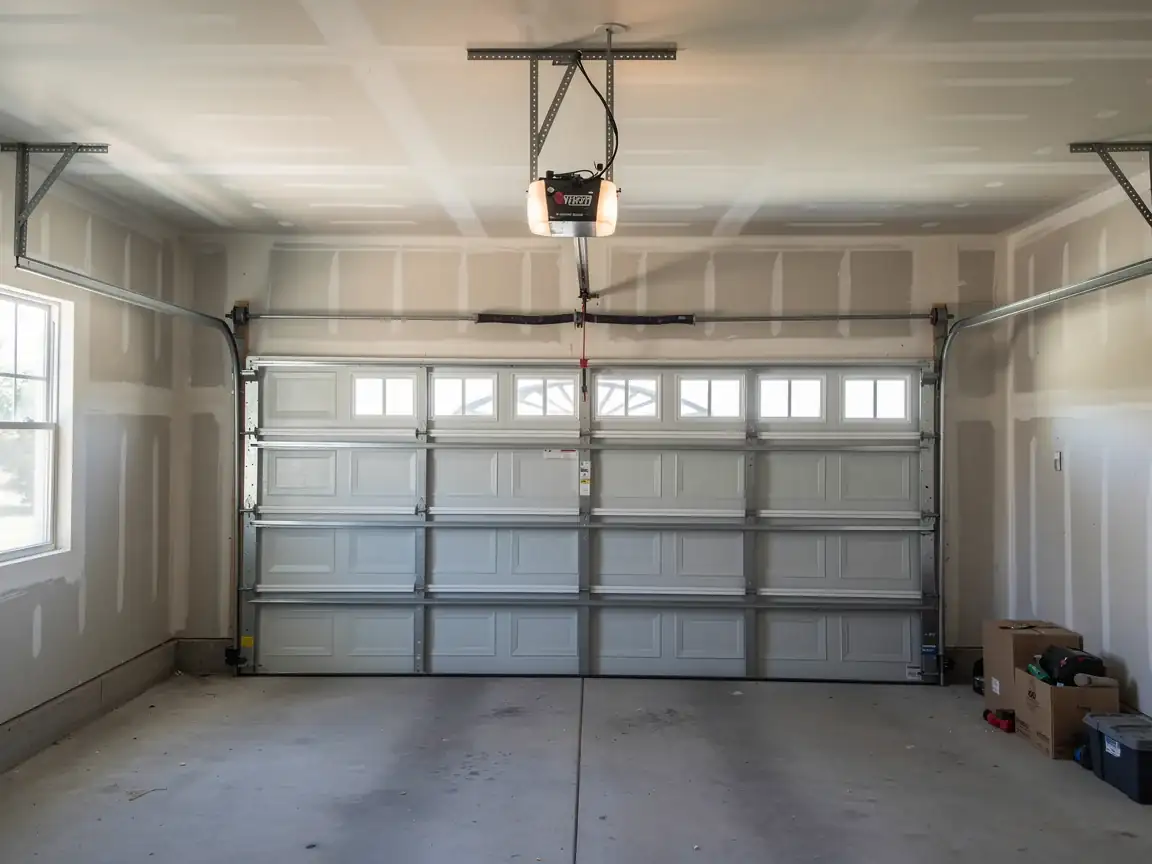
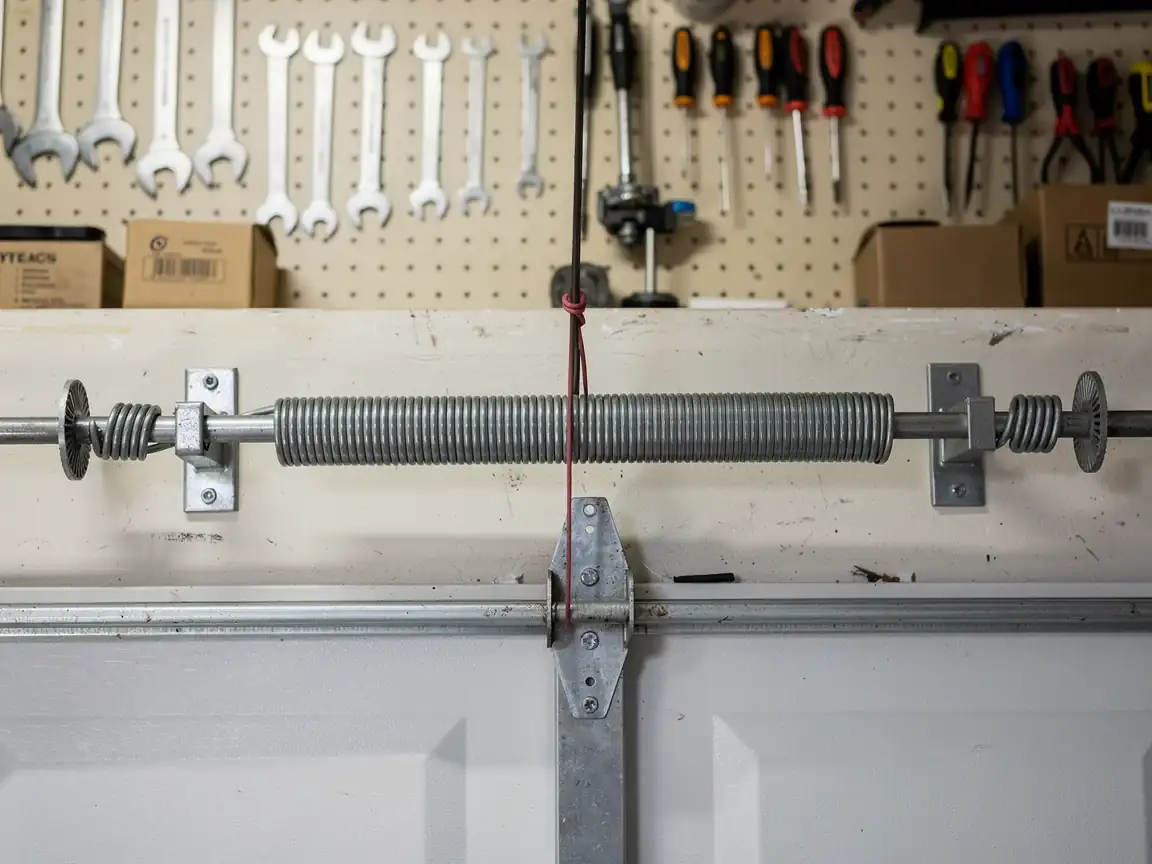
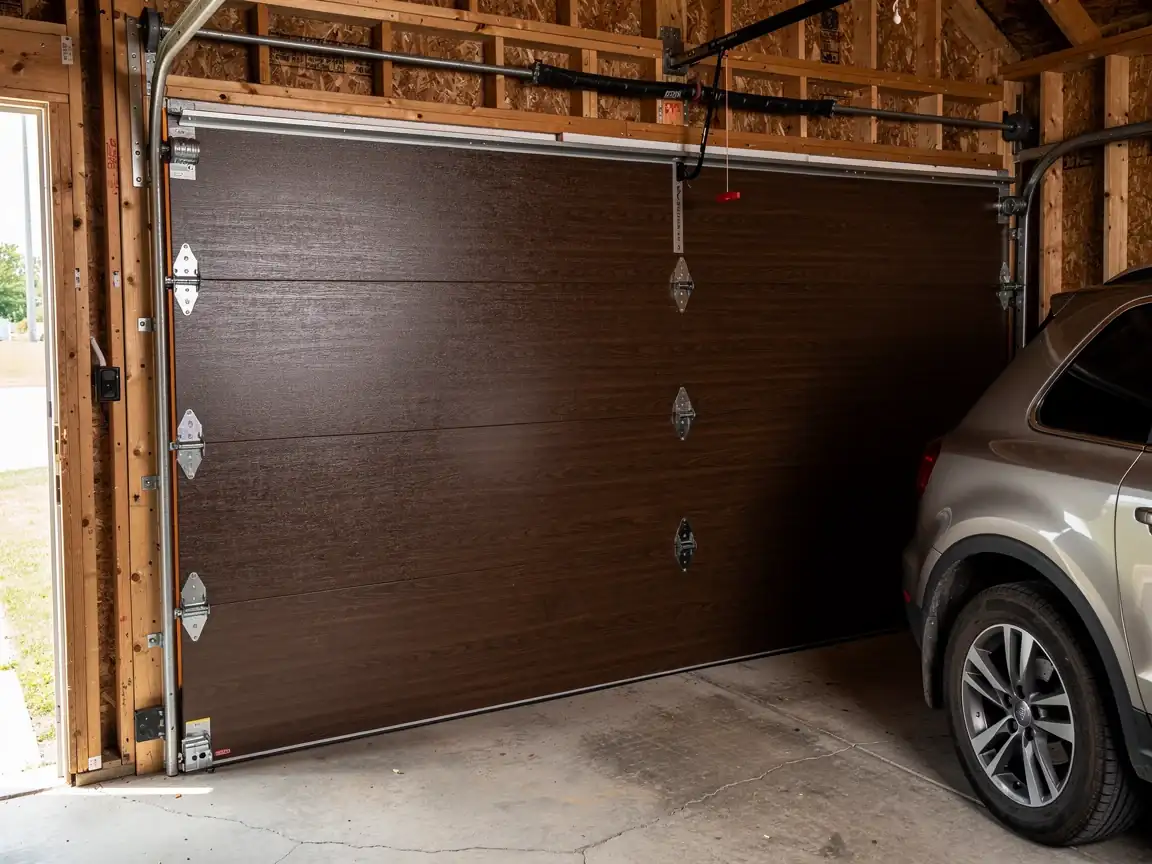
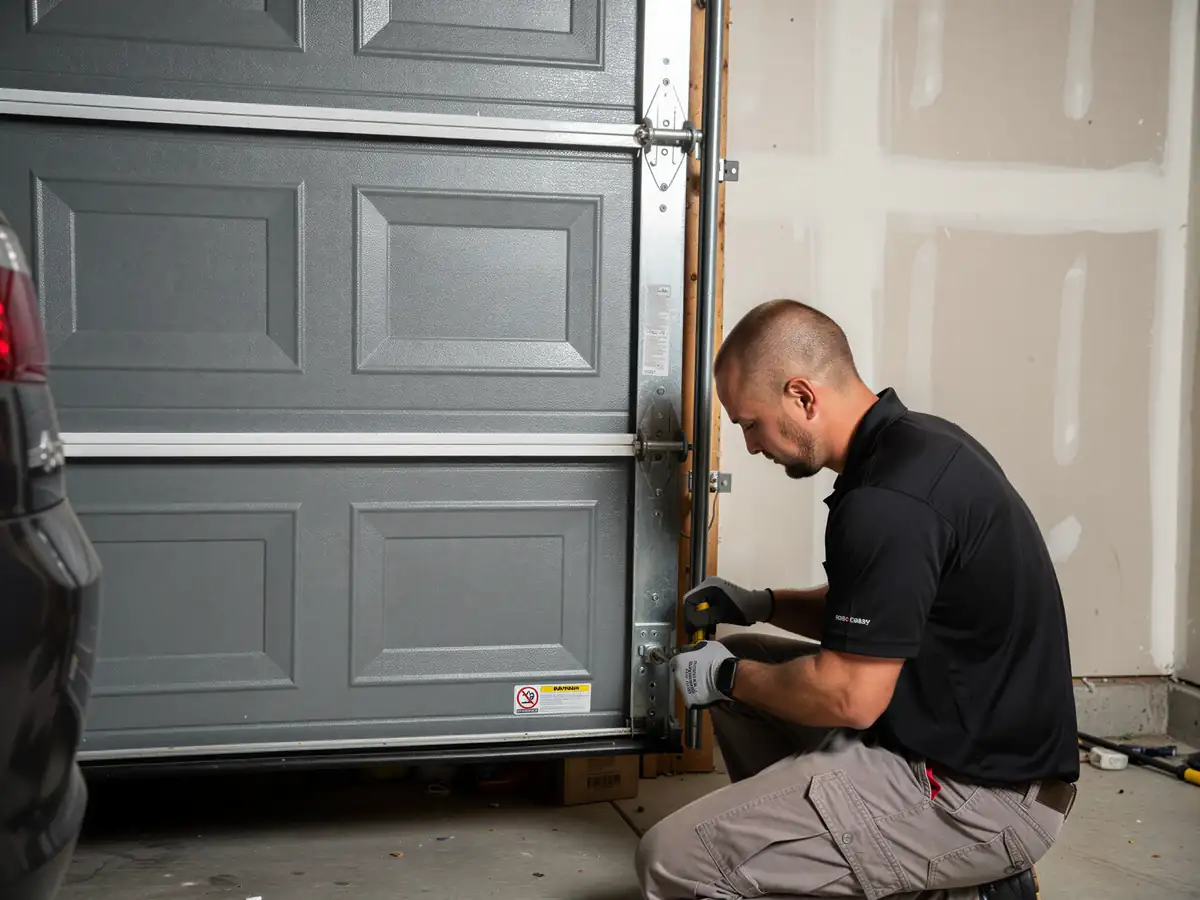
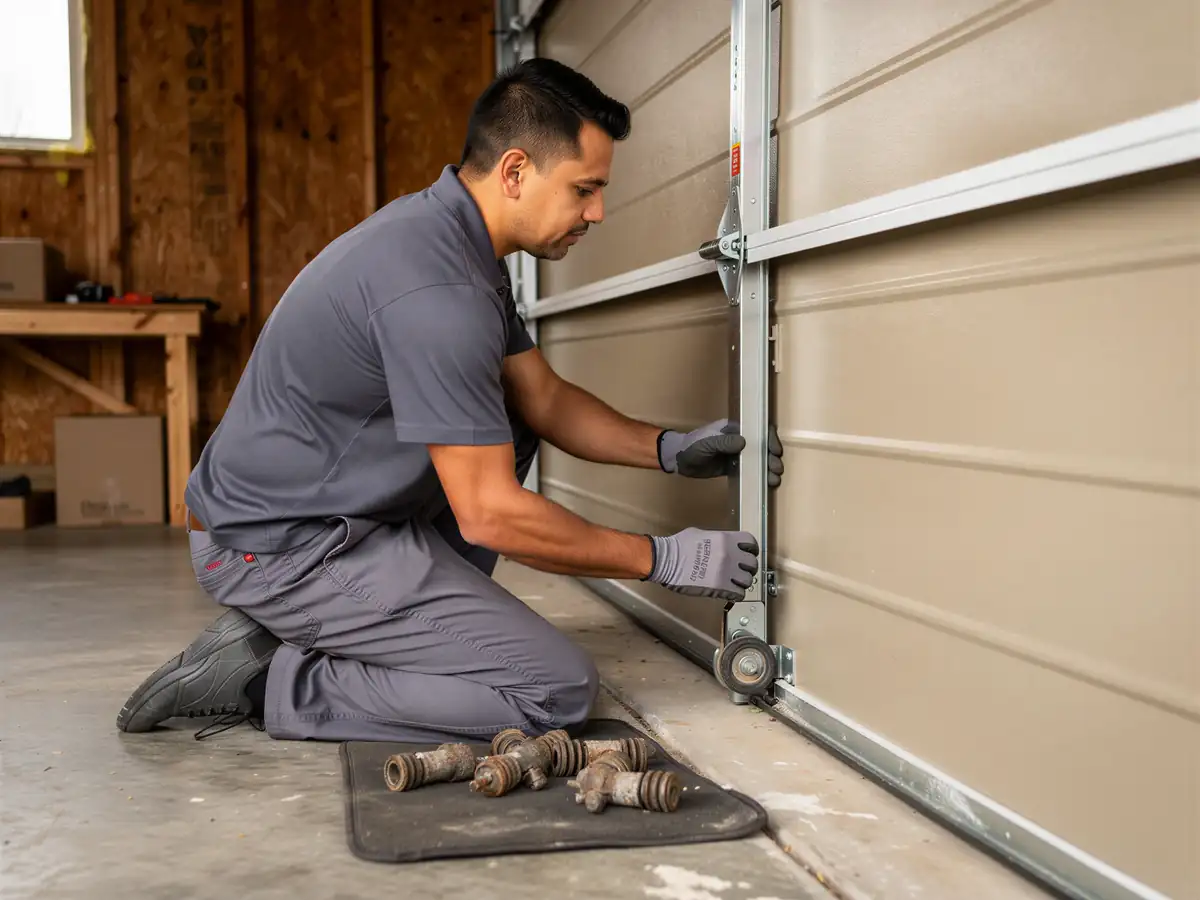
Most houses in Fort Knox went up around 1977, which puts the typical door here on stamped steel drums and galvanized aircraft cable rather than the newer nylon-coated cable you'd find on a door built in the last decade. That matters for a repair call: the cable on a 1970s-era drum tends to groove the drum itself as it wears, so a straight cable swap sometimes isn't enough - we check the drum edge for a sharp lip before we call the job done. A snapped cable on a single door usually runs a shorter job than a double, since the double carries more spring tension and more cable length wound onto a wider drum. We wind the new cable to the same turns as the old one, seat it in the drum groove, and run the door through a full cycle before we call it finished. If the drum itself is grooved out, we replace the drum rather than patch around it, because a grooved drum will just cut the next cable too.
What Causes It Around Here
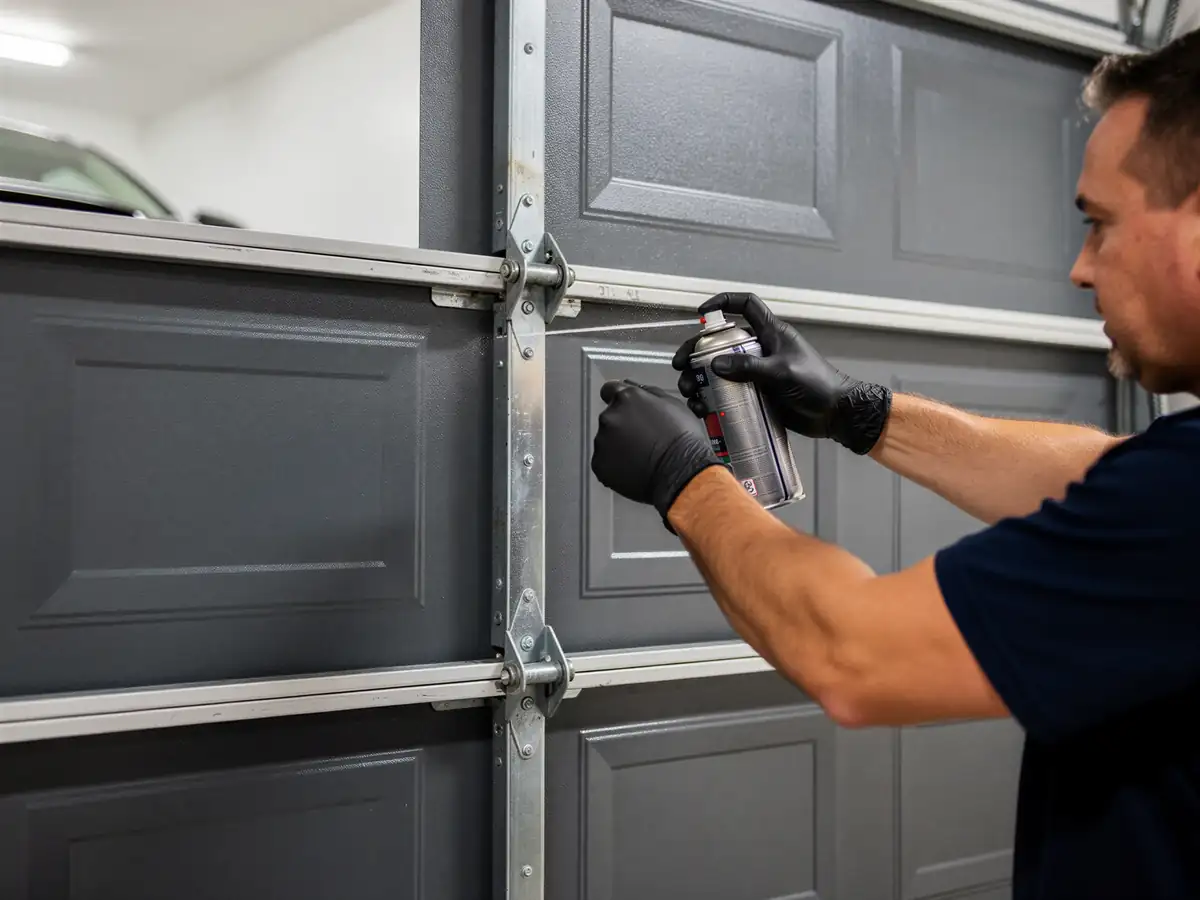
Cold-weather swings are the main driver on cable failure in this area. The region sits in a moderate-cold climate band, and repeated freeze-thaw cycles stiffen old lubricant on the cable and drum, which makes the cable drag and fray at the drum edge instead of feeding smoothly. On a door that's original to a house built in the 1970s, that cable has usually been through forty-some winters of that cycle with no lubrication at all, which is the single biggest reason we see frayed strands at the bottom bracket. Rust is the second cause - a cable that sits exposed near a concrete slab picks up moisture off the floor, and the bottom few feet corrode from the inside of the strand outward, so it can look fine until it lets go. We also see cable failure tied to a broken roller or bent track forcing the door to bind, which puts side-load on the cable it was never built to carry. None of this is unique to one house; it's a function of age and the same cold-climate wear pattern across the older stock in this part of the county.
Doing It Yourself
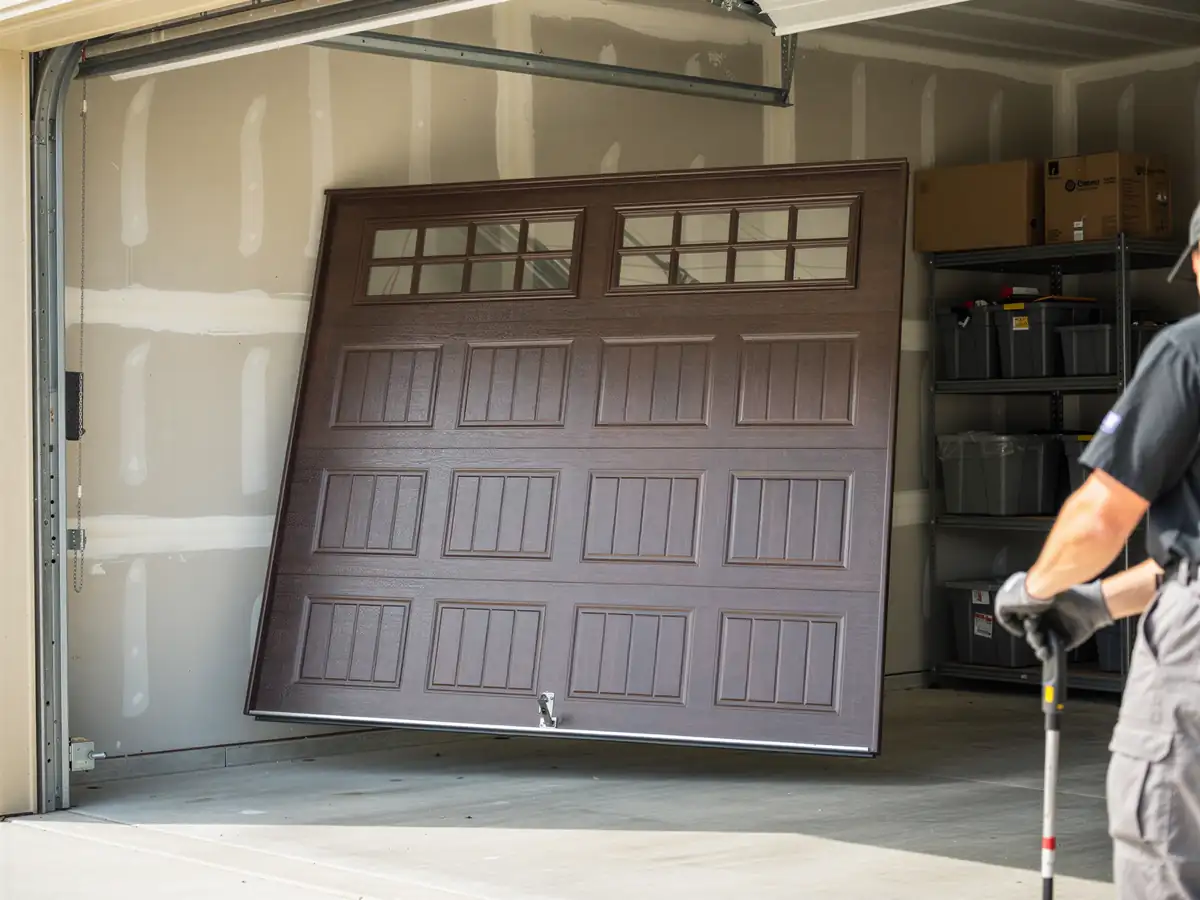
A broken cable on a garage door means the spring is still under full tension with nothing controlling it, and that tension is what makes this one of the few garage door repairs we'd tell you flat not to do yourself. Winding a new cable onto a loaded drum without the right winding bars and clamps is how people lose fingers, not an exaggeration we use to sell a service call. If the door is already down and won't move, leave it down - don't force the opener to lift against a broken cable, since that just bends the track or strips the opener gears. The one thing worth checking yourself before you call anyone: look at the bottom corners of the door for a hanging or kinked cable, and note whether it's a single or double door, because that changes which drum and cable length we load before coming out. Past that, this isn't a weekend fix with a socket set, and a door built around 1977 often has drum wear that needs a look in person anyway.