What the Repair Takes
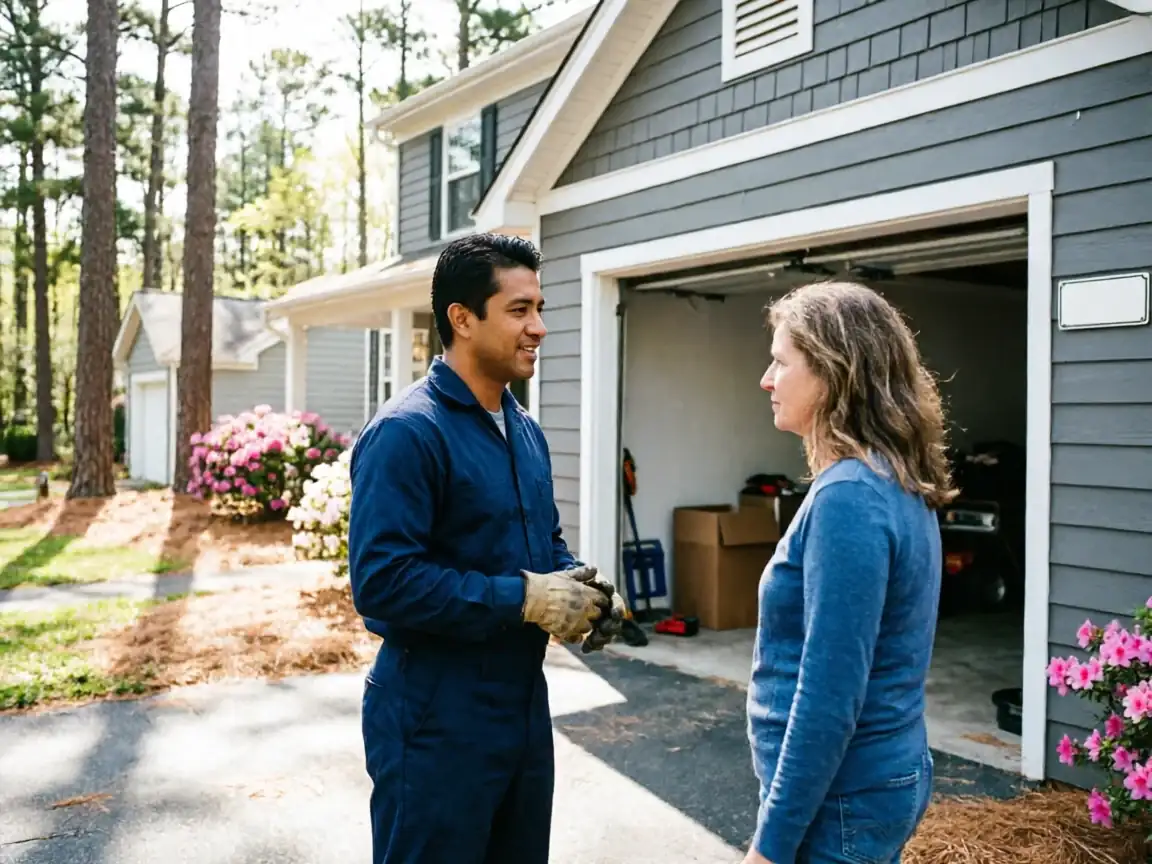
Fort Knox is 14 miles out from our shop in Elizabethtown, and that drive shapes how we book a maintenance visit here. We don't run a second truck stationed nearby, so a tune-up call to this area gets scheduled as a route stop, not a drop-in - we plan the visit instead of promising a same-hour window we can't back up from across town.
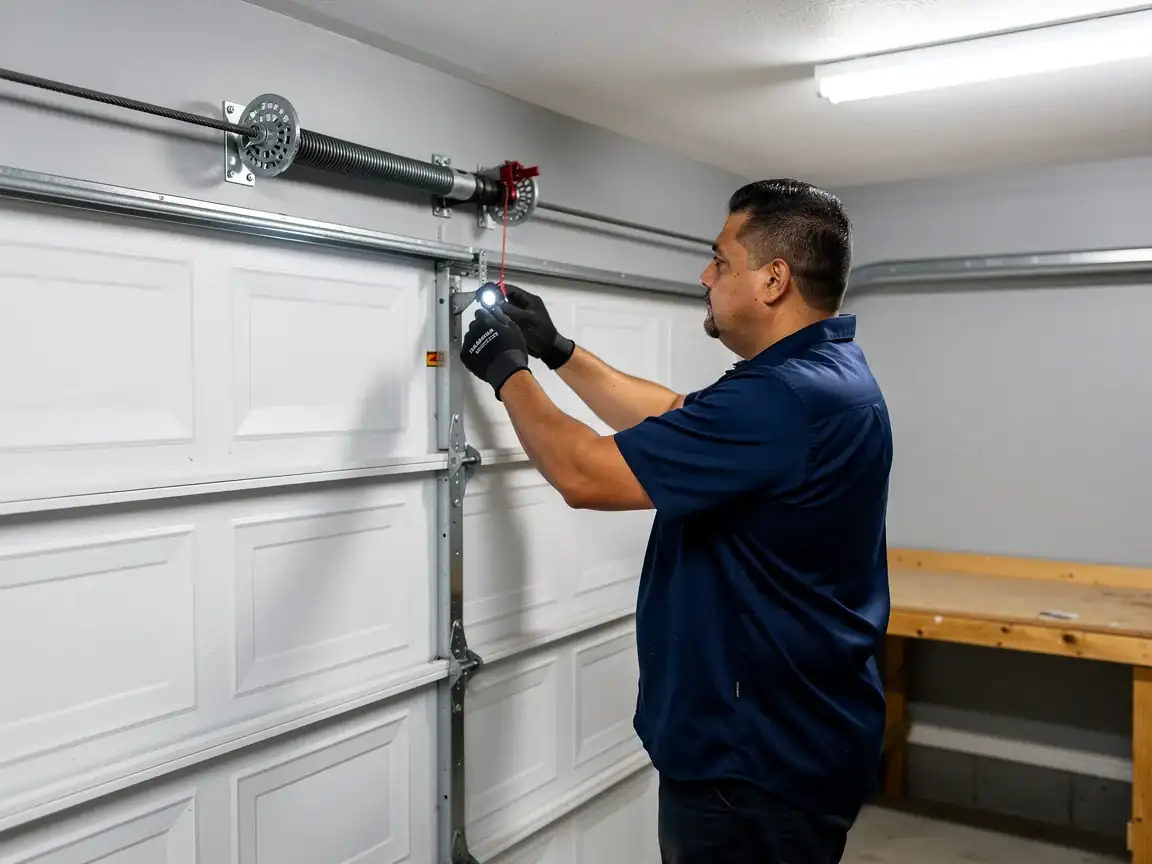
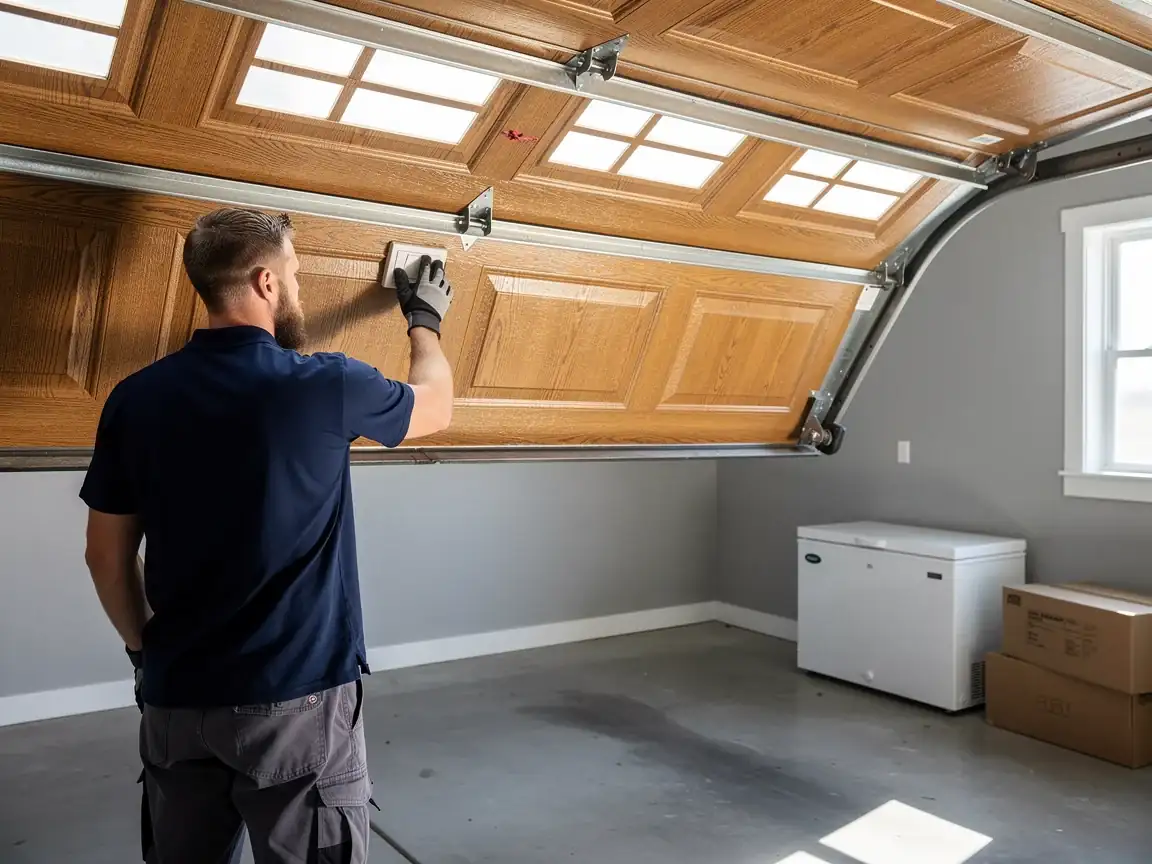
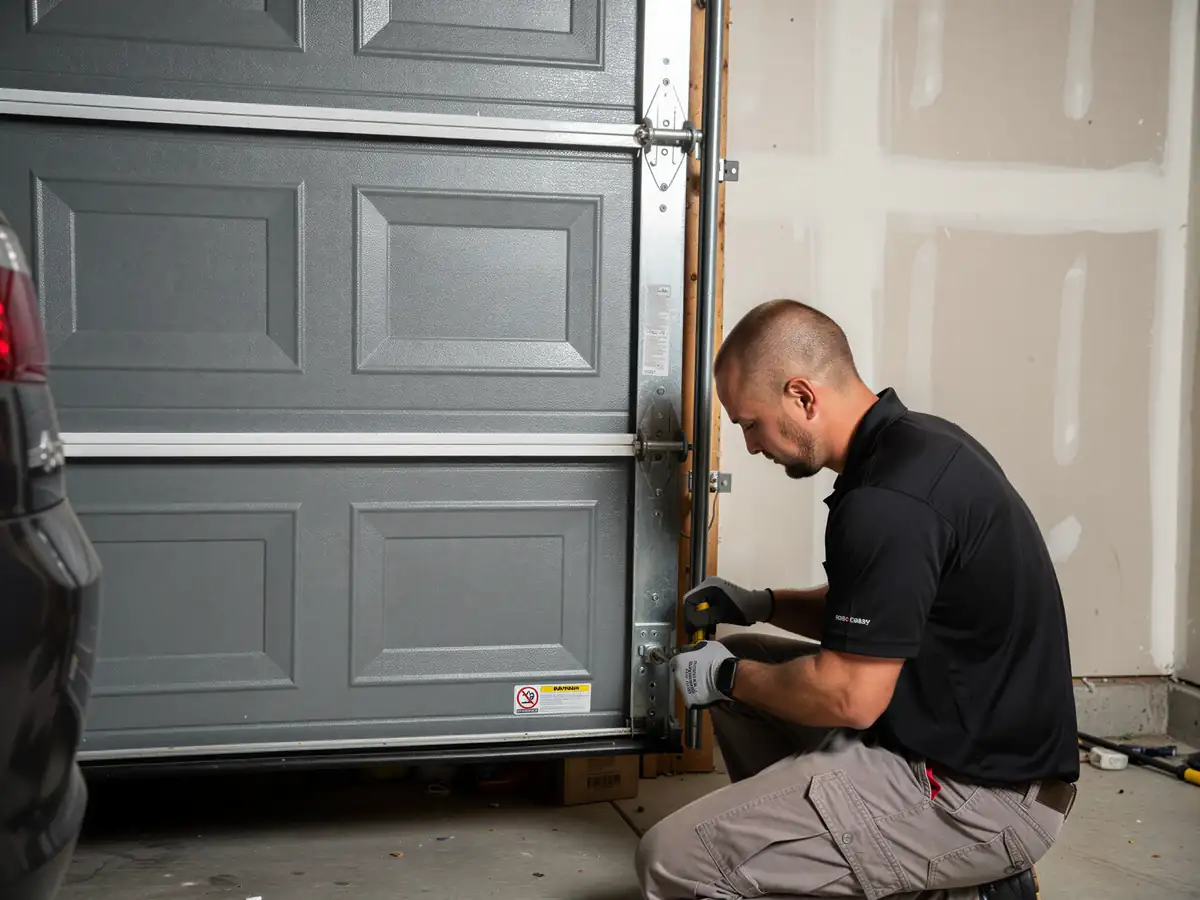
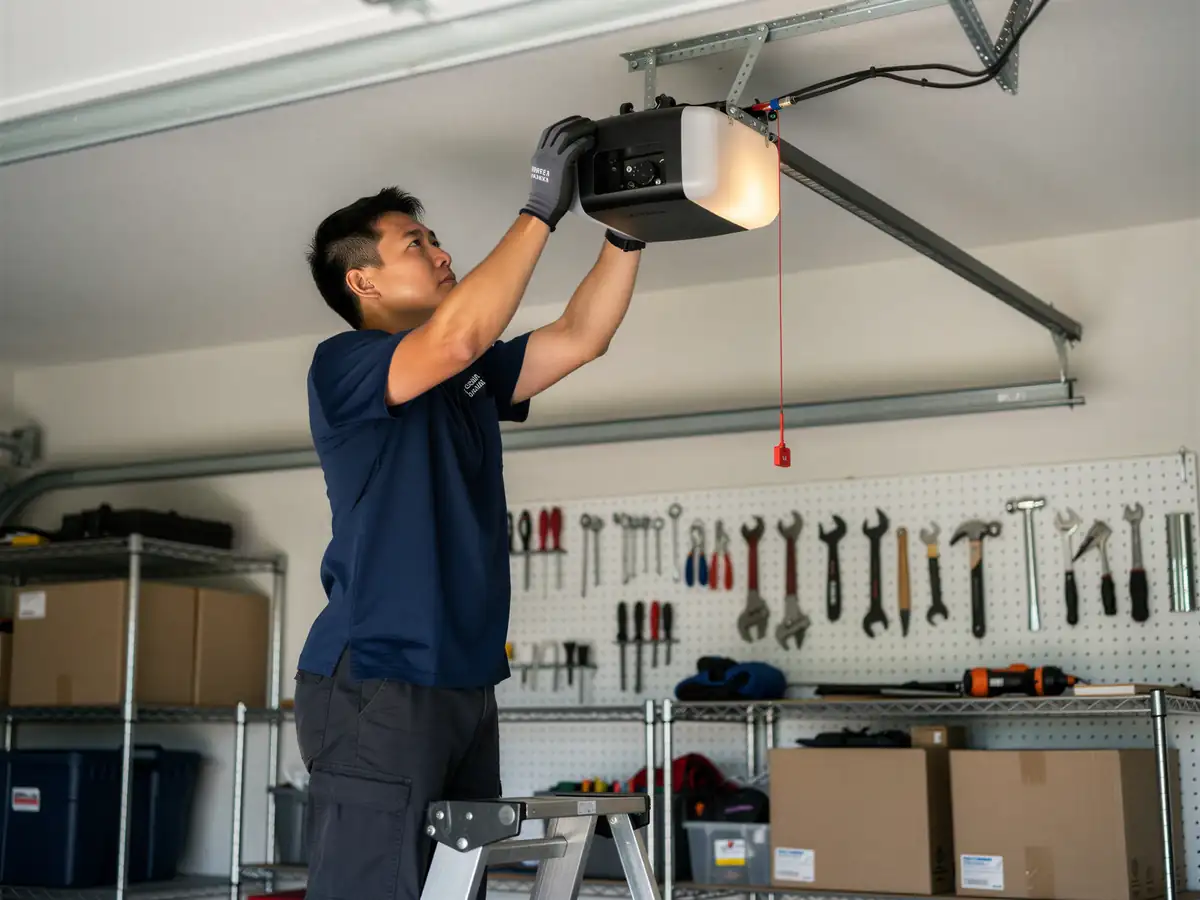
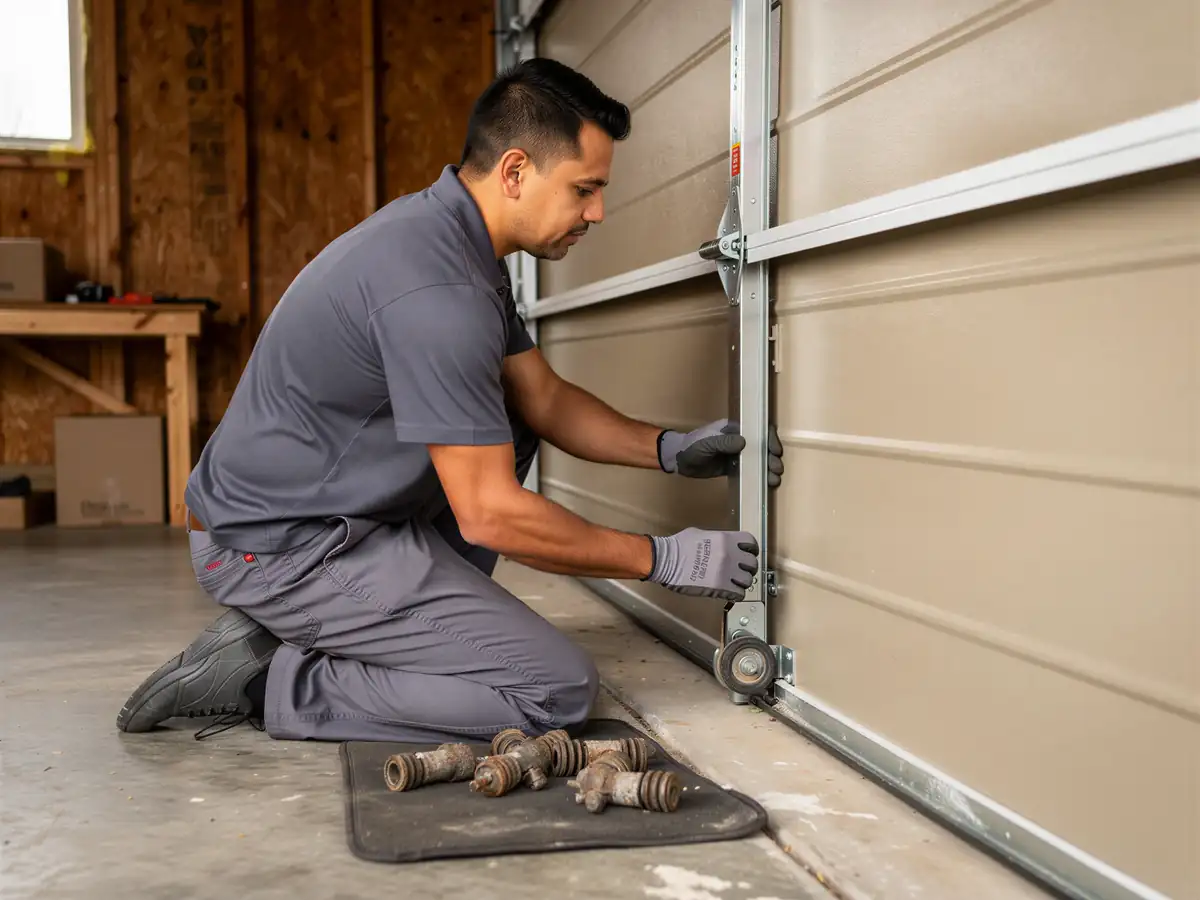
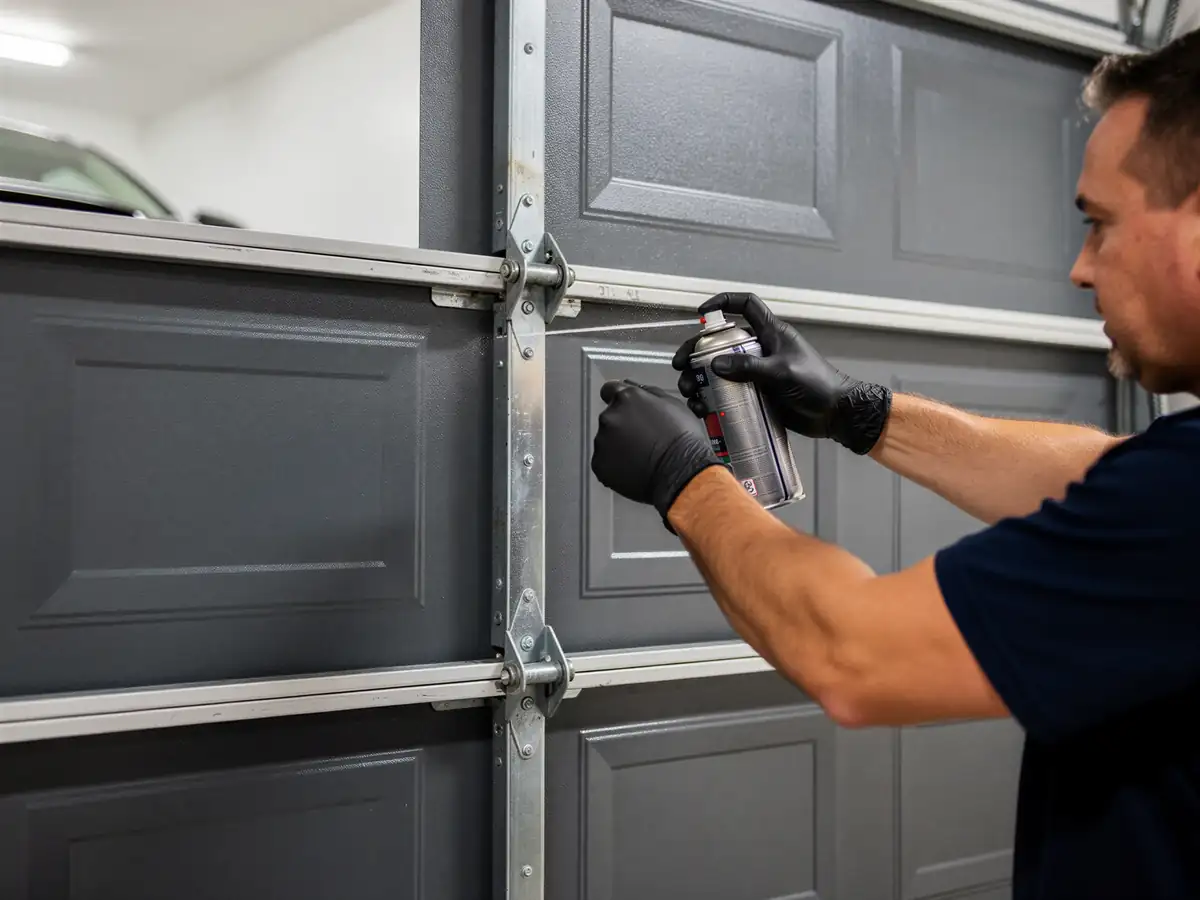
Once we're on site, a standard maintenance visit runs the same no matter the address: we check spring tension, inspect cables and rollers, lubricate the track and hinges, test the opener's force settings and auto-reverse, and tighten the hardware that's worked loose. What differs here is the age of what we're looking at. Median homes in this part of the service area date to around 1977, newer than the 1960s-70s stock that dominates most of our other eight named areas. That means openers and torsion hardware from a slightly later generation - still old enough to need attention, but not the oldest gear we run into elsewhere.
Because the drive is longer, we try to catch everything in one visit rather than coming back for a part we should have had on the truck the first time.
What Causes It Around Here
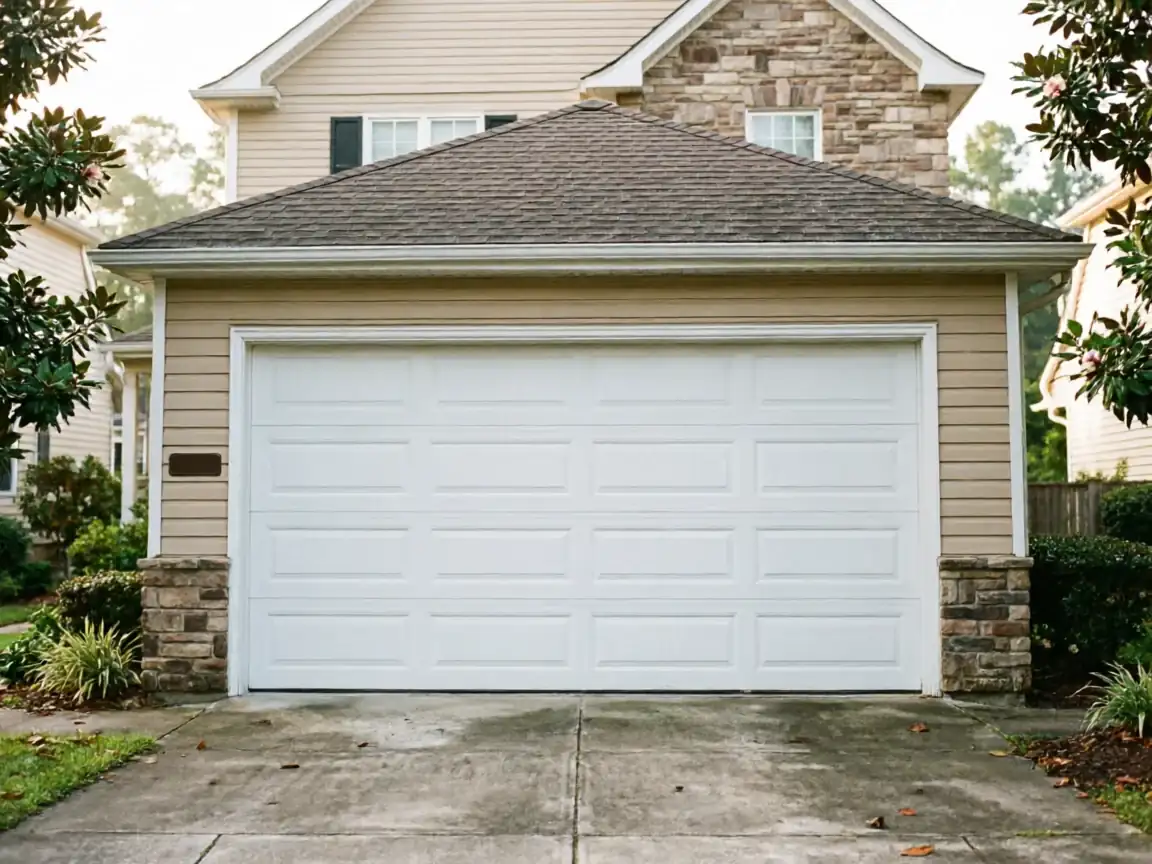
The households we serve in this part of the territory run a higher median income than the broader coverage area - around $74,224 against the area-wide $55,375 - and that tends to show up as better-kept doors with fewer deferred repairs, but not zero. A door built or installed around 1977 is past the point where original springs and cables are reliable; even well-maintained hardware from that era is pushing 45-plus years on parts rated for a fraction of that cycle count.
This area sits in the same cold-moderate climate band as the rest of our coverage, which means the usual culprits: grease that stiffens in winter, metal that contracts and loosens fasteners through temperature swings, and condensation on uninsulated panels that speeds up rust on hinges and track bolts. With only 2,202 households in this part of the territory, we're not seeing the same volume of calls as the more built-up areas, but the failures we do get - stiff rollers, a spring losing tension, an opener drifting out of adjustment - track the same seasonal pattern as everywhere else we cover.
What Is on the Truck
For a maintenance stop out this way, the truck carries standard rollers, hinges, cable, lubricant rated for cold weather
And the tools to check and adjust spring tension and opener force settings. What it doesn't carry is a deep stock of parts for doors built before the 1970s - that older hardware is more common elsewhere in our coverage area, where housing stock runs back to the 1960s-70s. Homes in this part of the territory, built closer to 1977 on median, are more likely to use opener models and torsion systems we see more often, which means less chance of a special-order wait.
That said, we don't carry every part for every job
If a tune-up turns up a cracked panel or an opener board that's failed outright, that's not a maintenance fix - it's a repair call, and depending on the part, it may need to be ordered before we come back. We'd rather tell you that up front than pretend a 20-minute visit covers it.
Doing It Yourself
Plenty of what keeps a door running is simple enough to do yourself between our visits. Wipe down the tracks, check that the rollers turn freely, and listen for grinding or scraping that wasn't there last season. Lubricate hinges and rollers with a silicone or lithium-based spray a couple of times a year - skip WD-40, which attracts dust rather than repelling it.
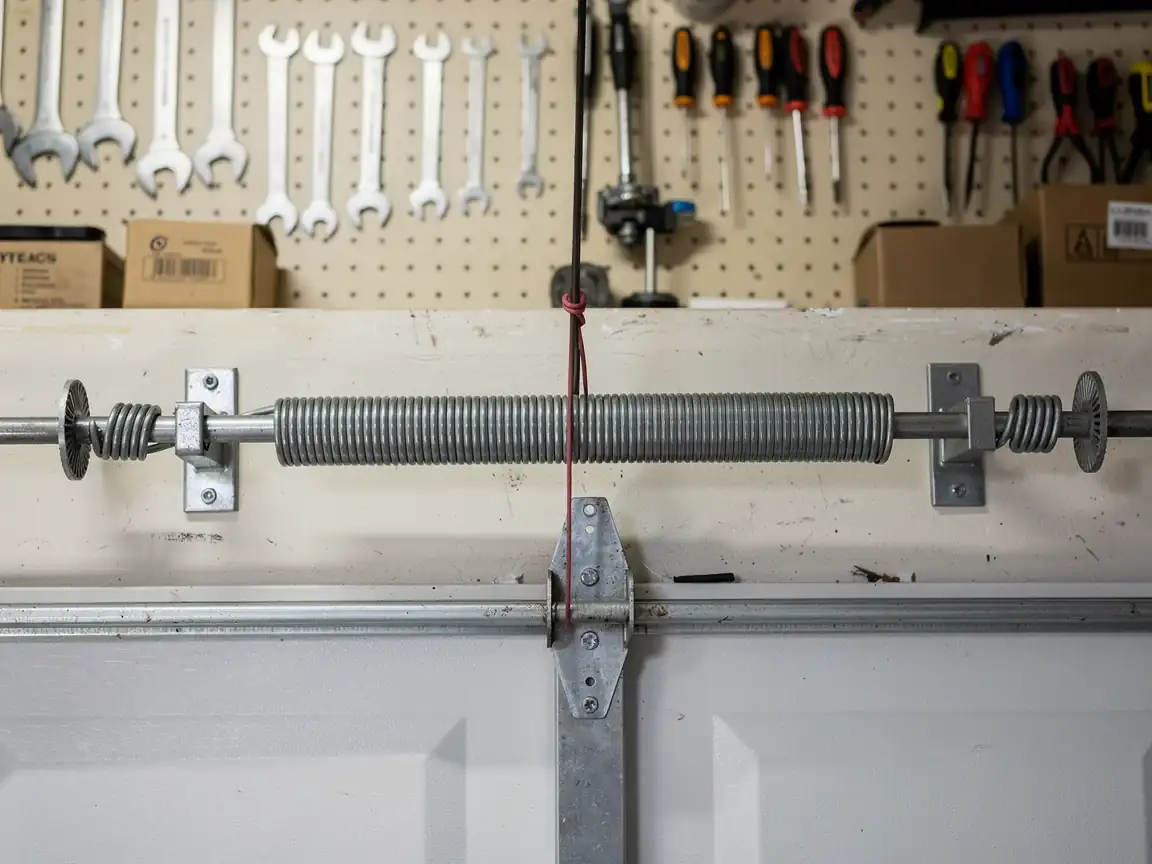
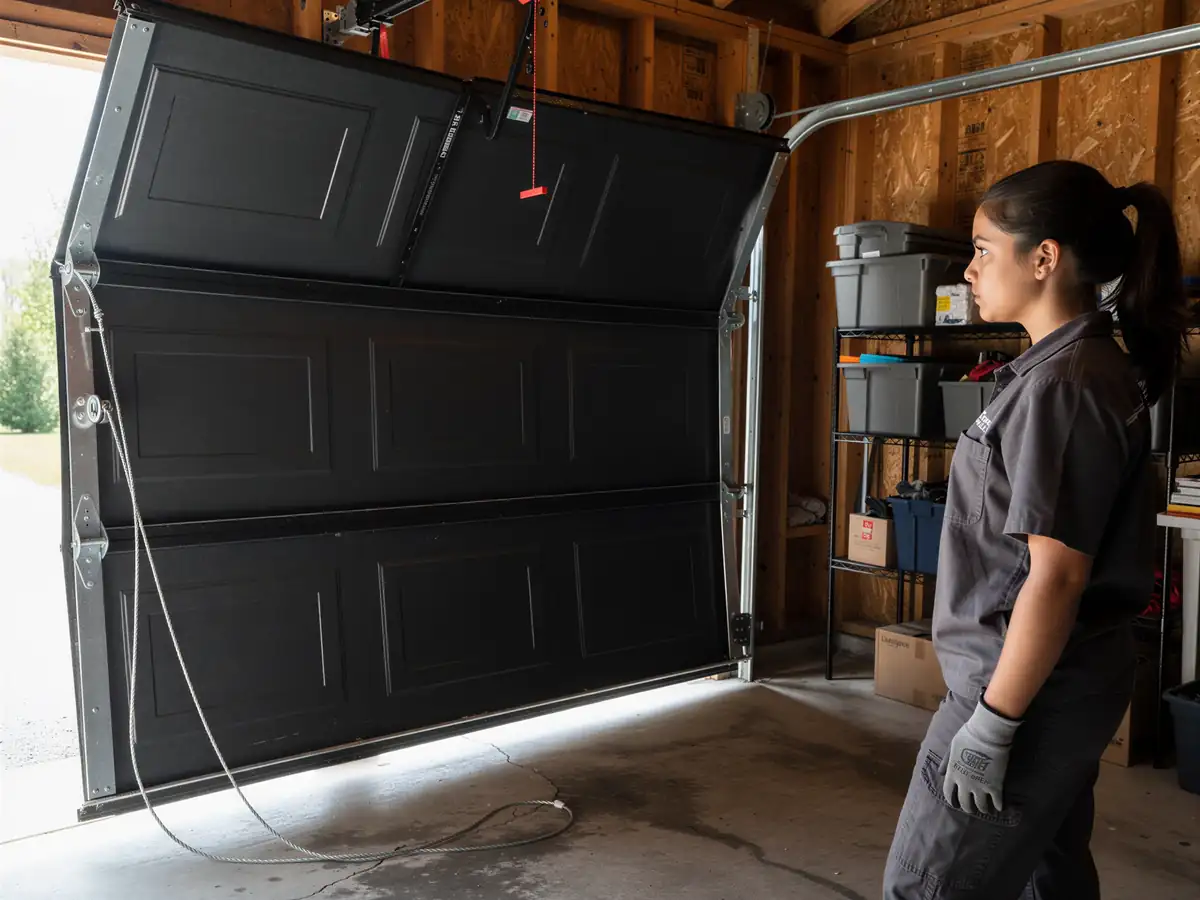
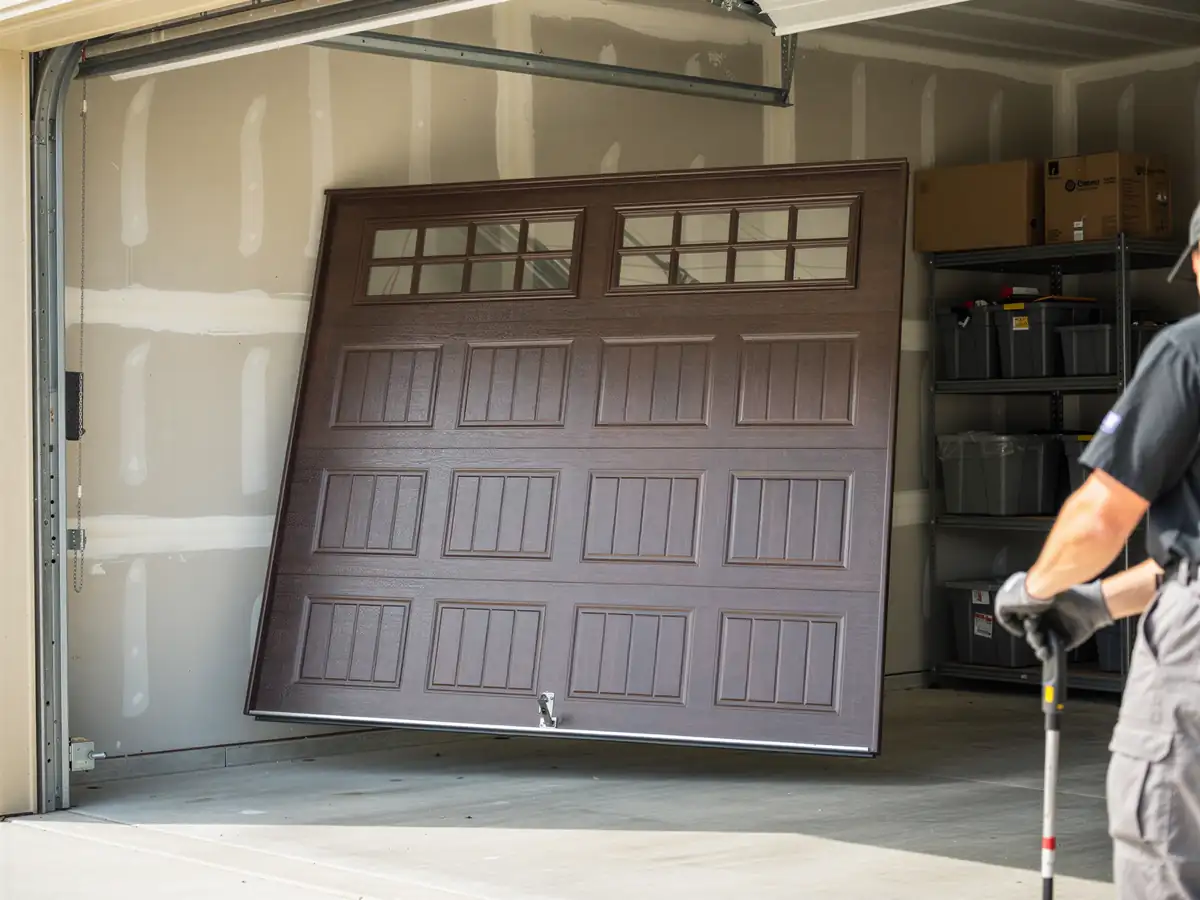
What you shouldn't touch is the torsion spring. It's wound under enough tension to cause a serious injury if it slips, and that's true whether the door is a 1977 build or a 1960 one. If you notice the door is harder to lift by hand, or the opener strains and reverses on its own, that's a spring tension problem - call it in rather than adjusting it yourself.
Given the 14-mile drive from our shop, we'd rather you flag a developing issue early than wait until it's a stuck door and an unplanned trip. A phone call costs us nothing; a wasted drive for a part we didn't know we needed does.