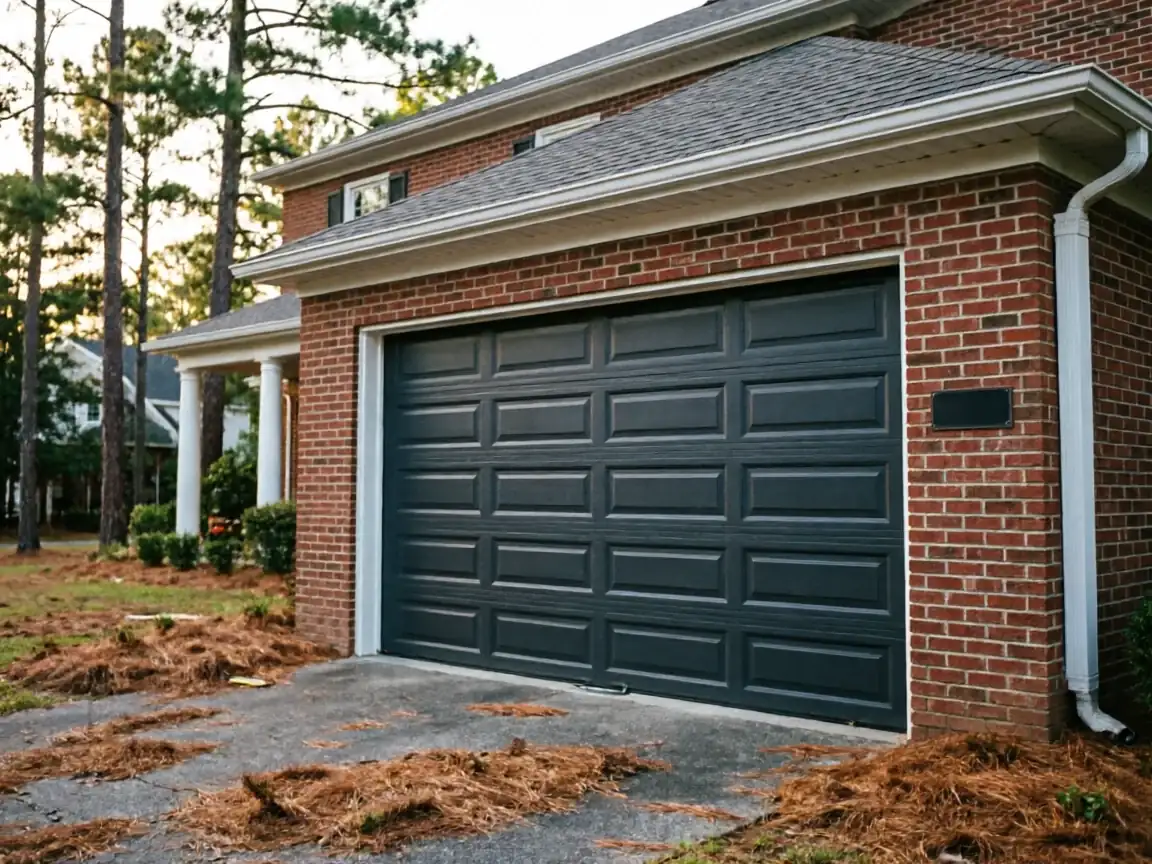
What the Repair Takes
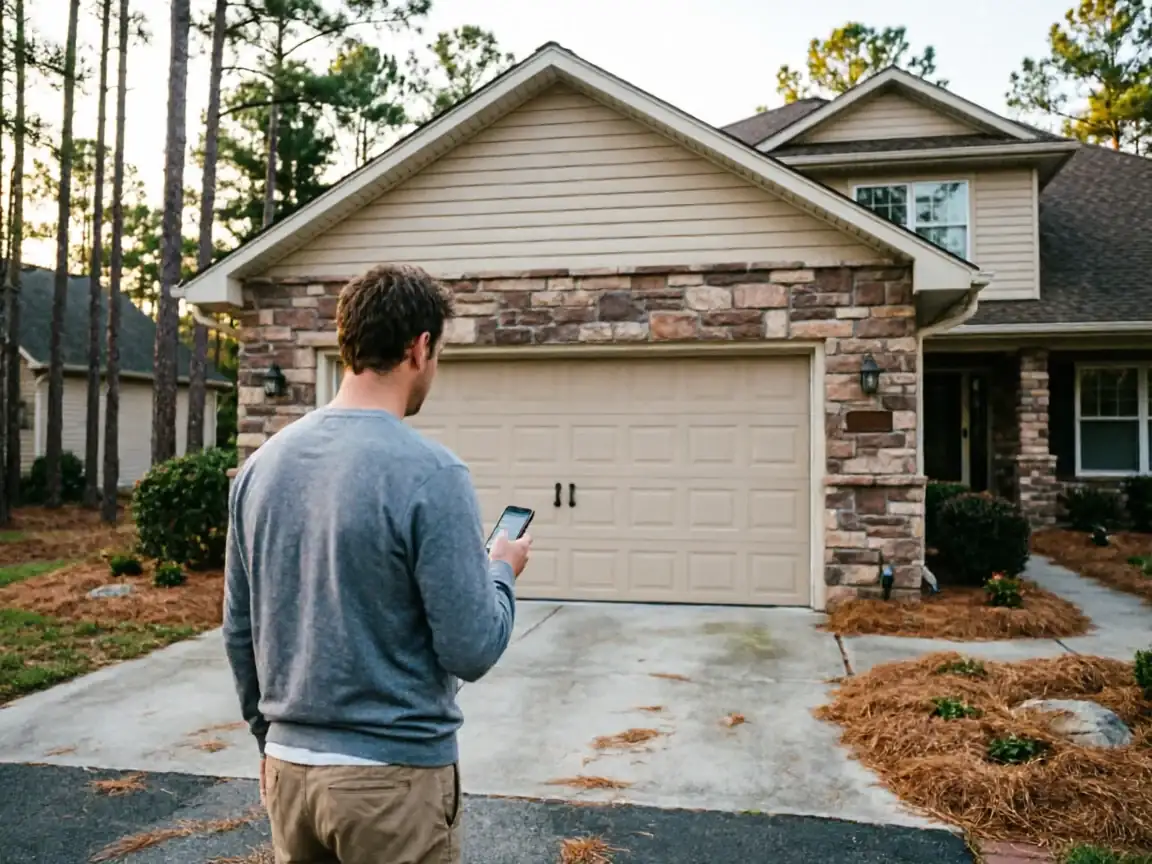
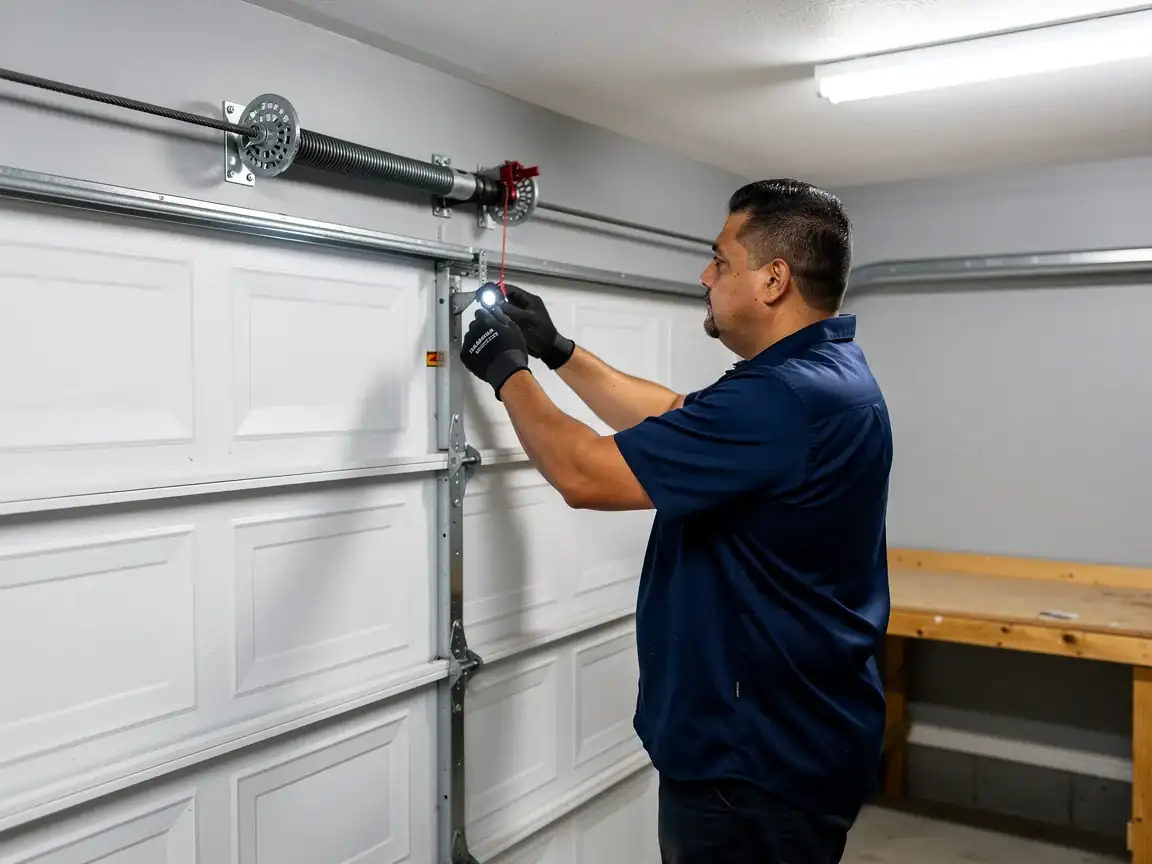
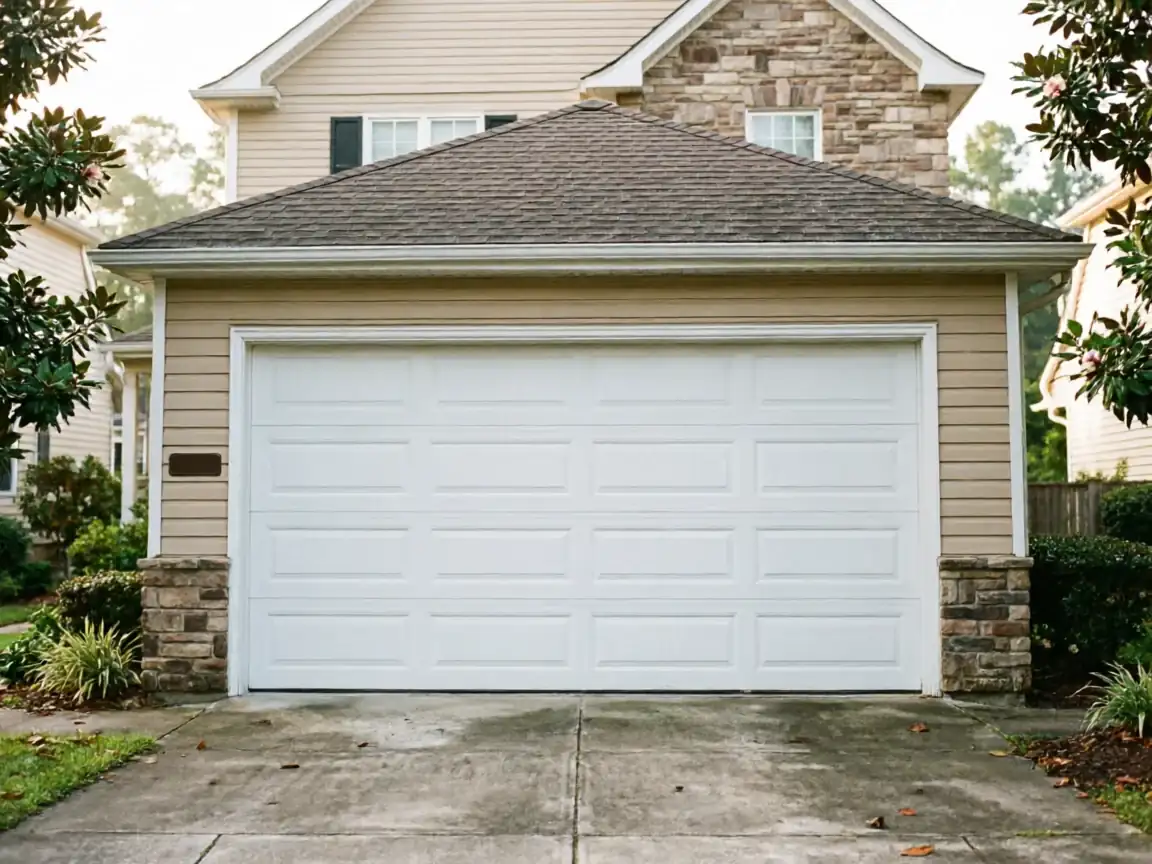
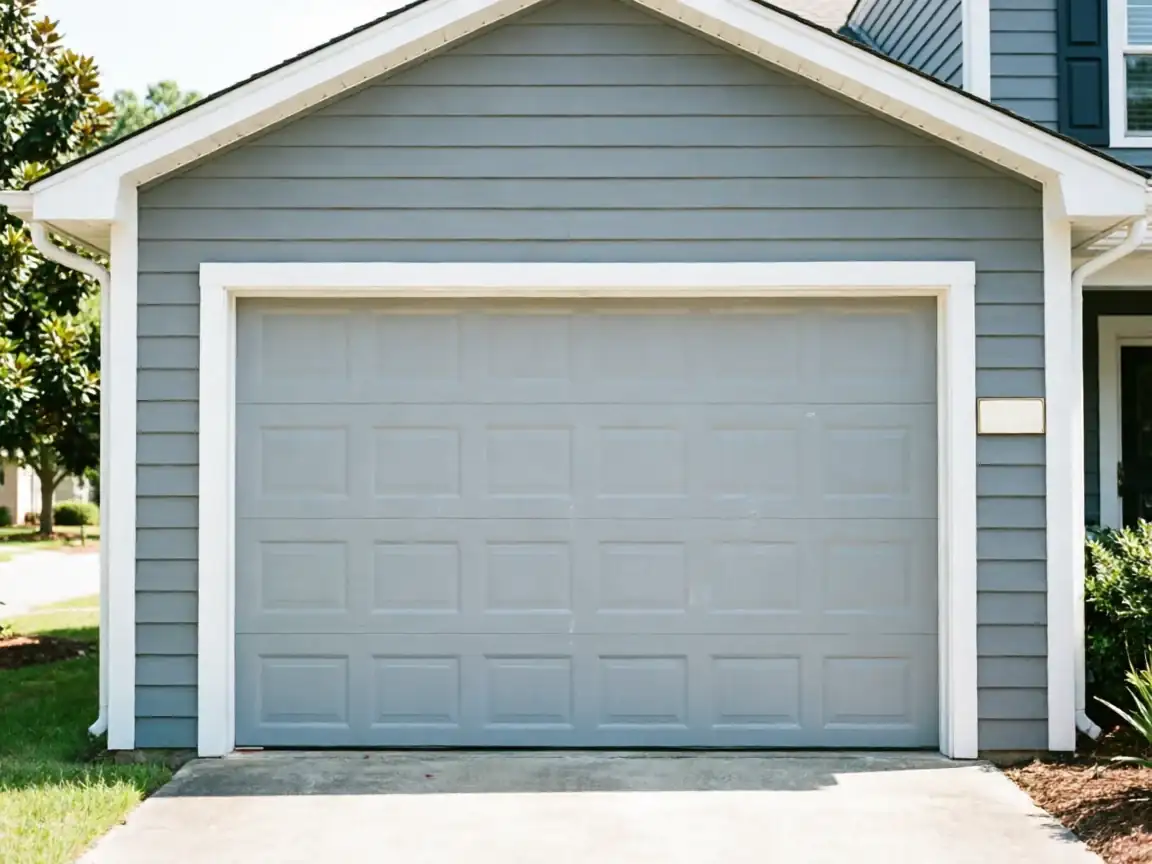
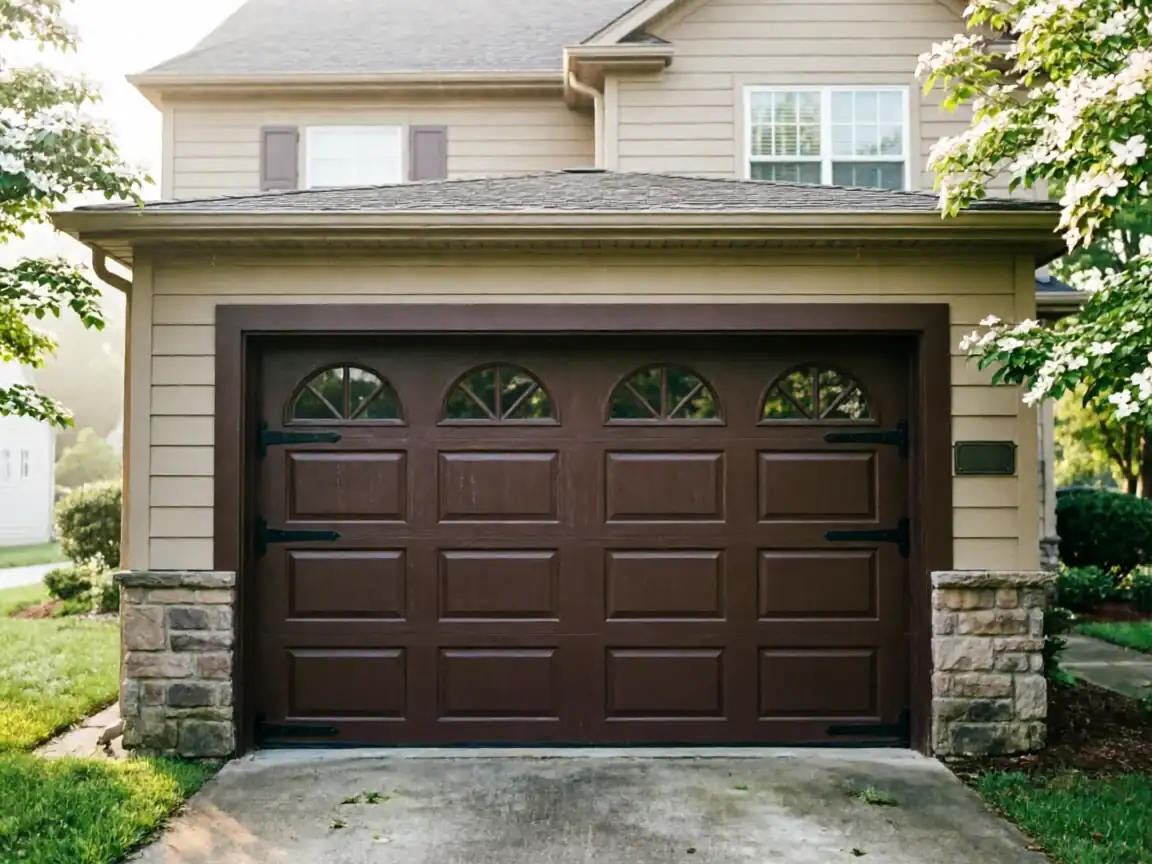
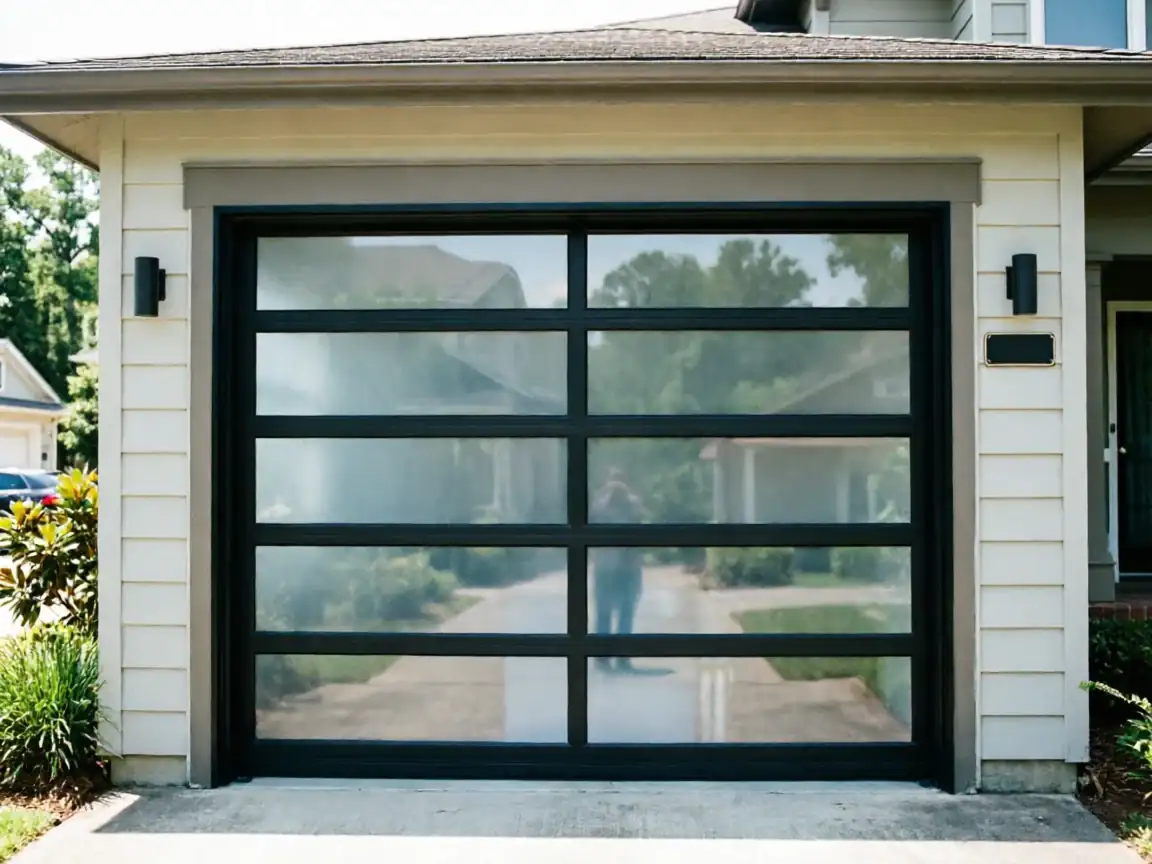
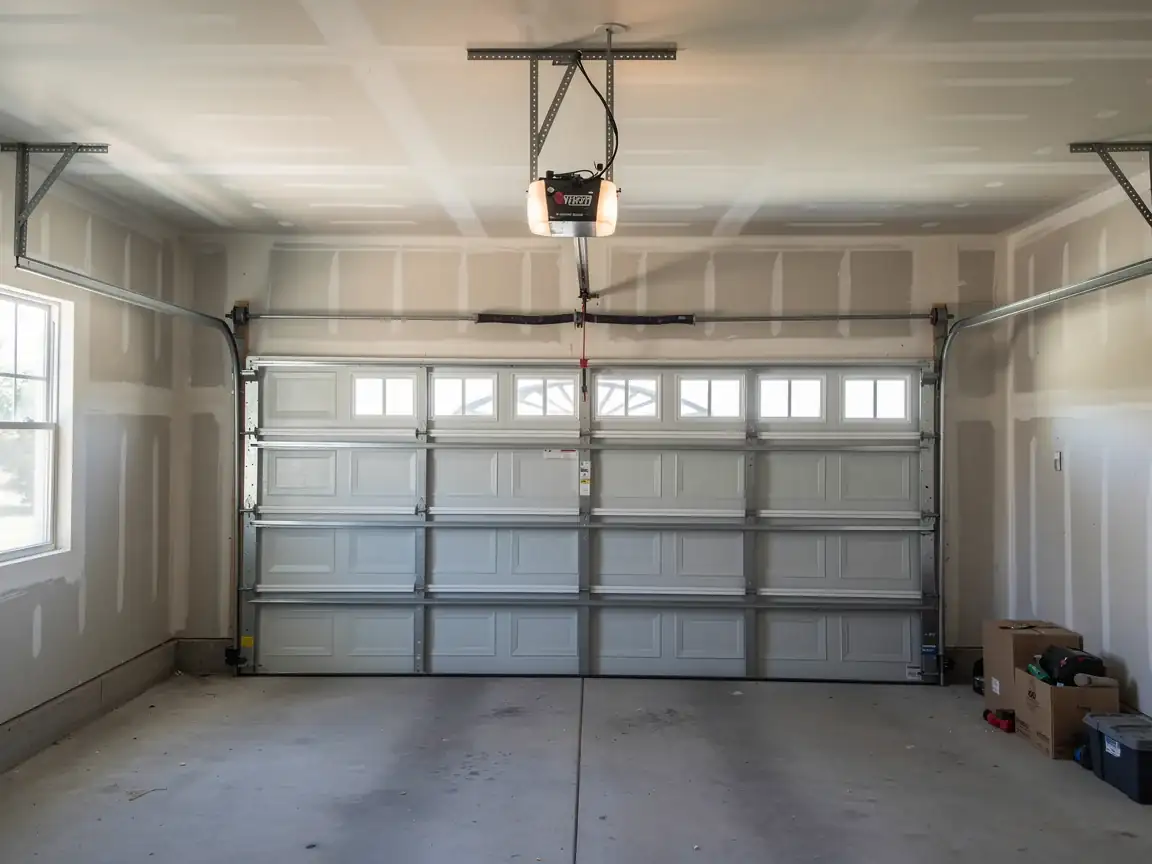
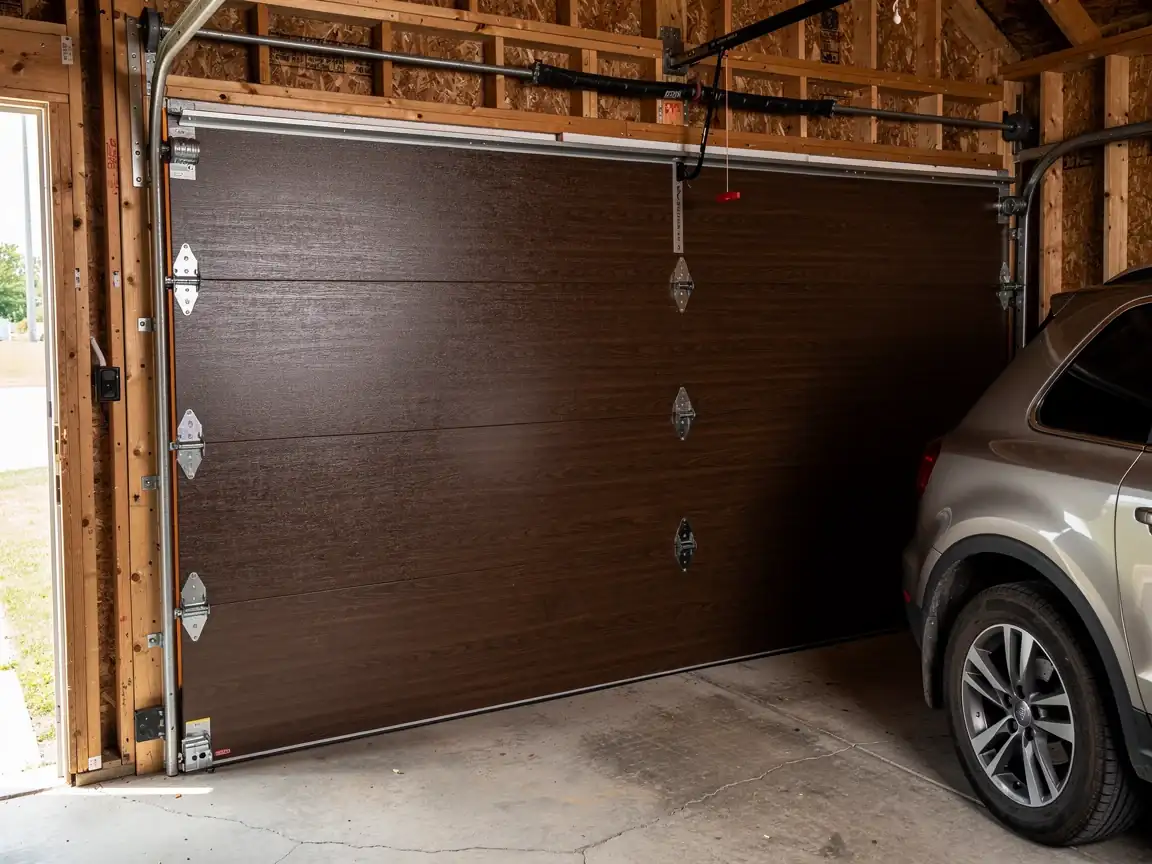
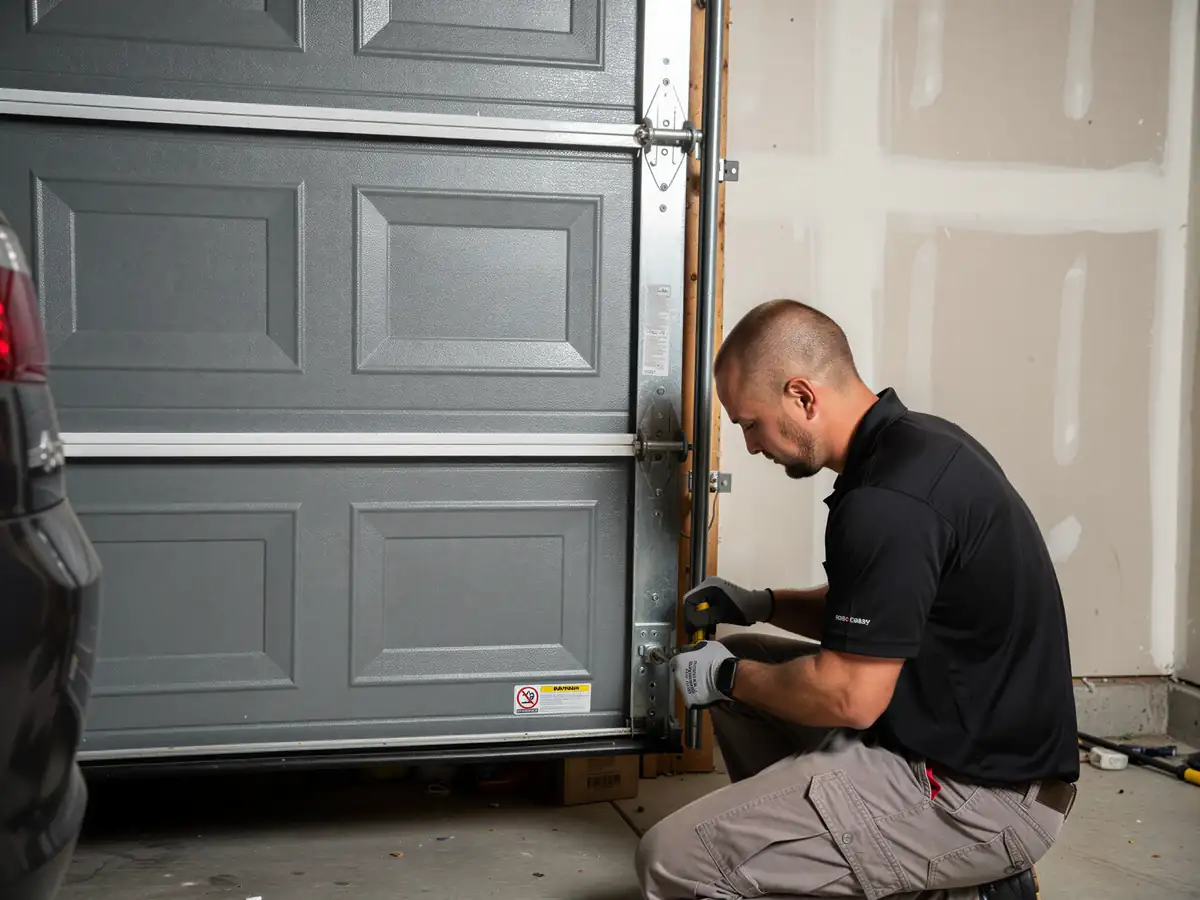
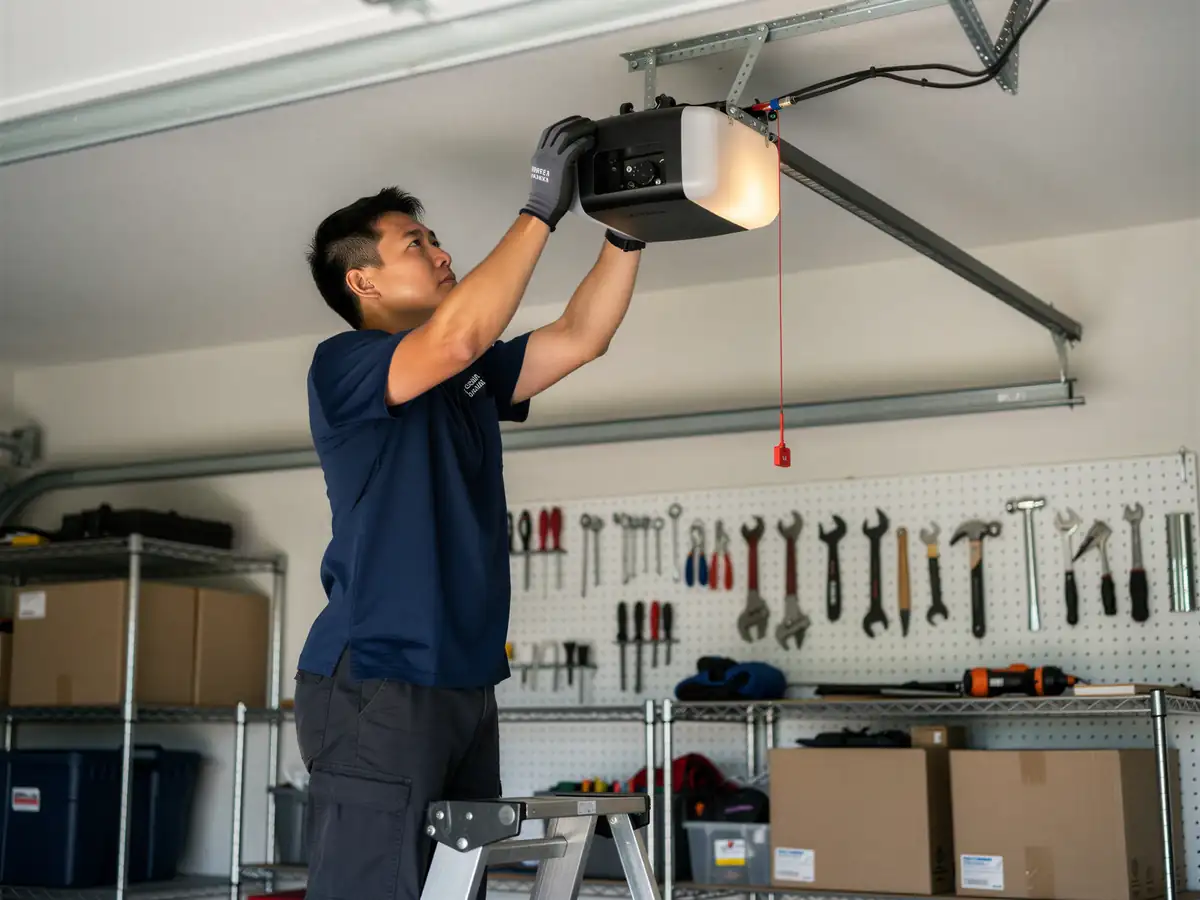
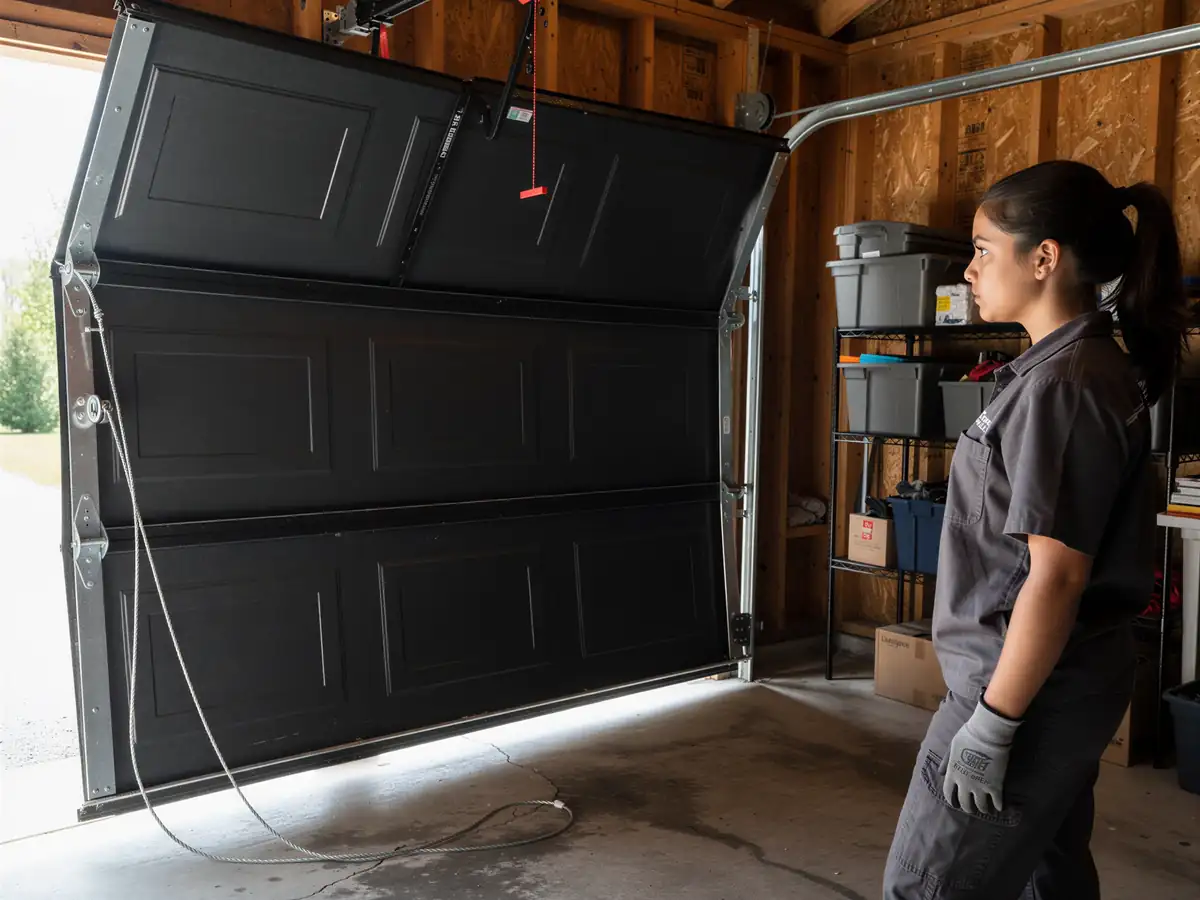
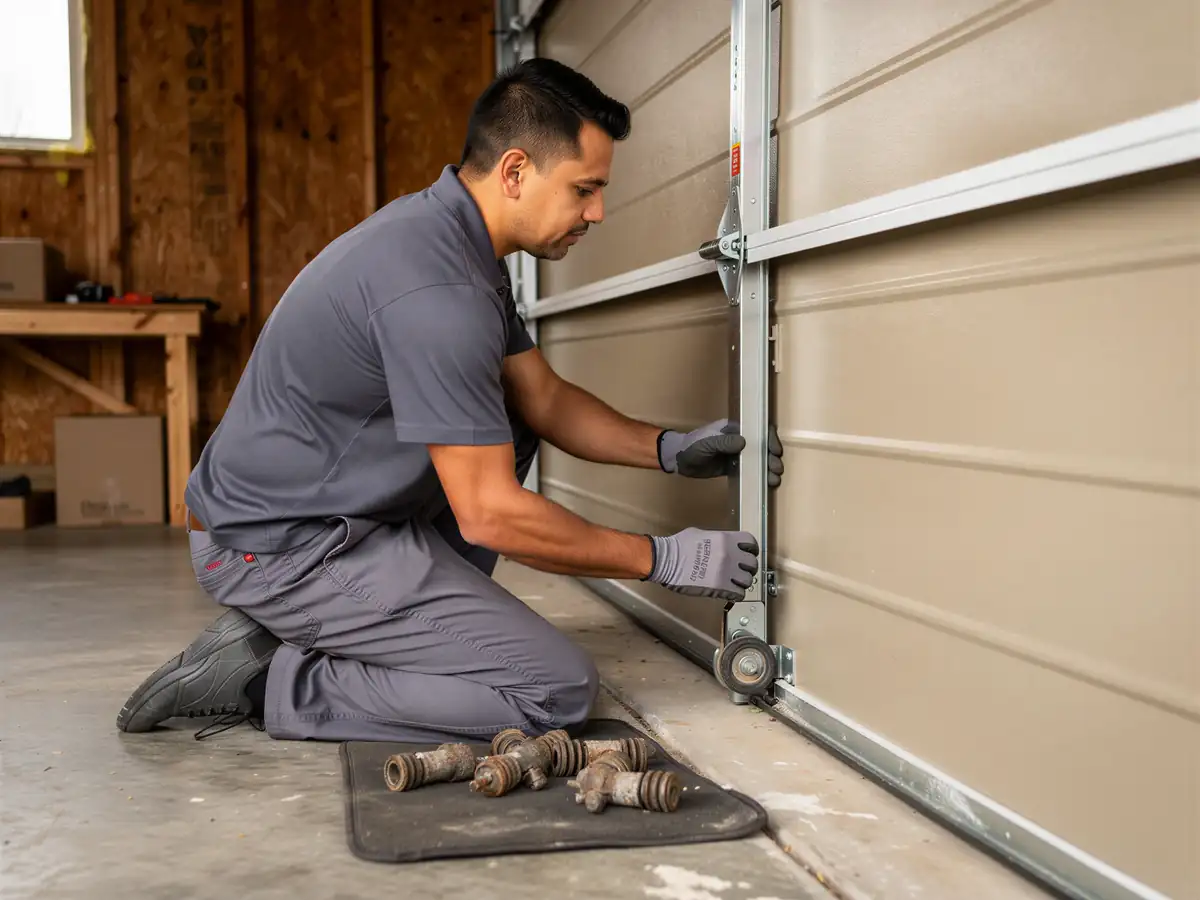
If your house near Fort Knox was built around the median year for this area, 1977, there's a decent chance the garage door hardware has never been swapped out. Nobody replaces a torsion spring or a set of rollers until they fail, so a lot of what's bolted to these doors is original equipment pushing fifty years of cycles. That changes what a repair call actually involves. It's rarely just "replace the broken part." It's often matching a spring size nobody stocks on a shelf anymore, or finding that the track was never quite right to begin with because it was installed to a 1970s spec, not a current one. We make the drive from Elizabethtown, about 14 miles, and we bring stock sized for that era along with current parts, because a repair here often means swapping both the broken piece and the bracket or drum it's paired with. If the opener is original too, parts for it may no longer be made at all, and replacement becomes the honest answer instead of a patch.
What Causes It Around Here
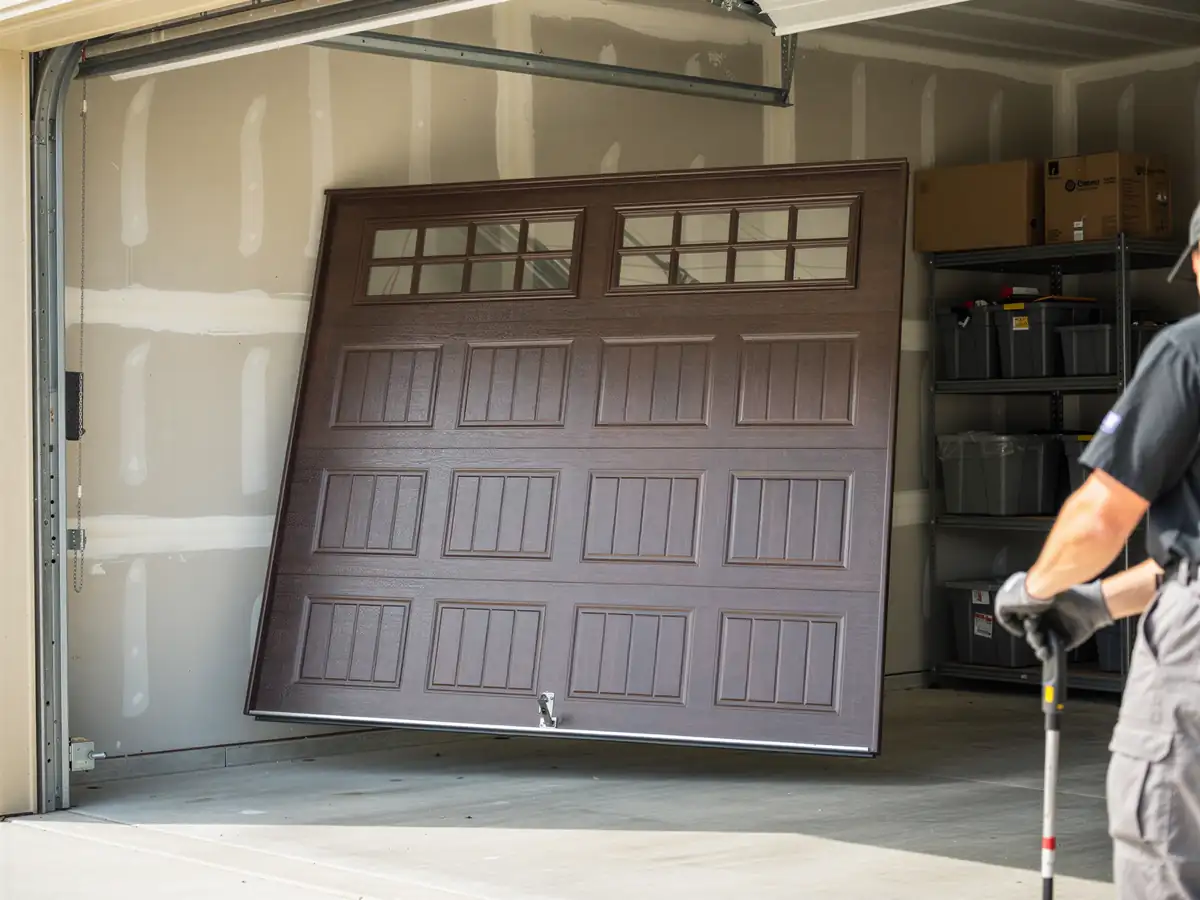
Winters in this part of Kentucky sit in a cold-moderate band, which means steel springs and cables go through a real freeze-thaw cycle every year, not just the odd cold snap. That's hard on metal that's already decades old. Add in that this area has around 2,202 households, many in homes from the same build era, and you get a pattern: the failures cluster. A spring that was wound in 1977 and never touched again is not going to pick the convenient week to break. It breaks in January, when the cold has already made the metal brittle, or in August when the garage has baked all day and the hardware has expanded and contracted one too many times. Original rollers, usually steel or cheap nylon from that period, are a common second failure riding along with the spring, since nobody replaces one without the other getting inspected.
Doing It Yourself
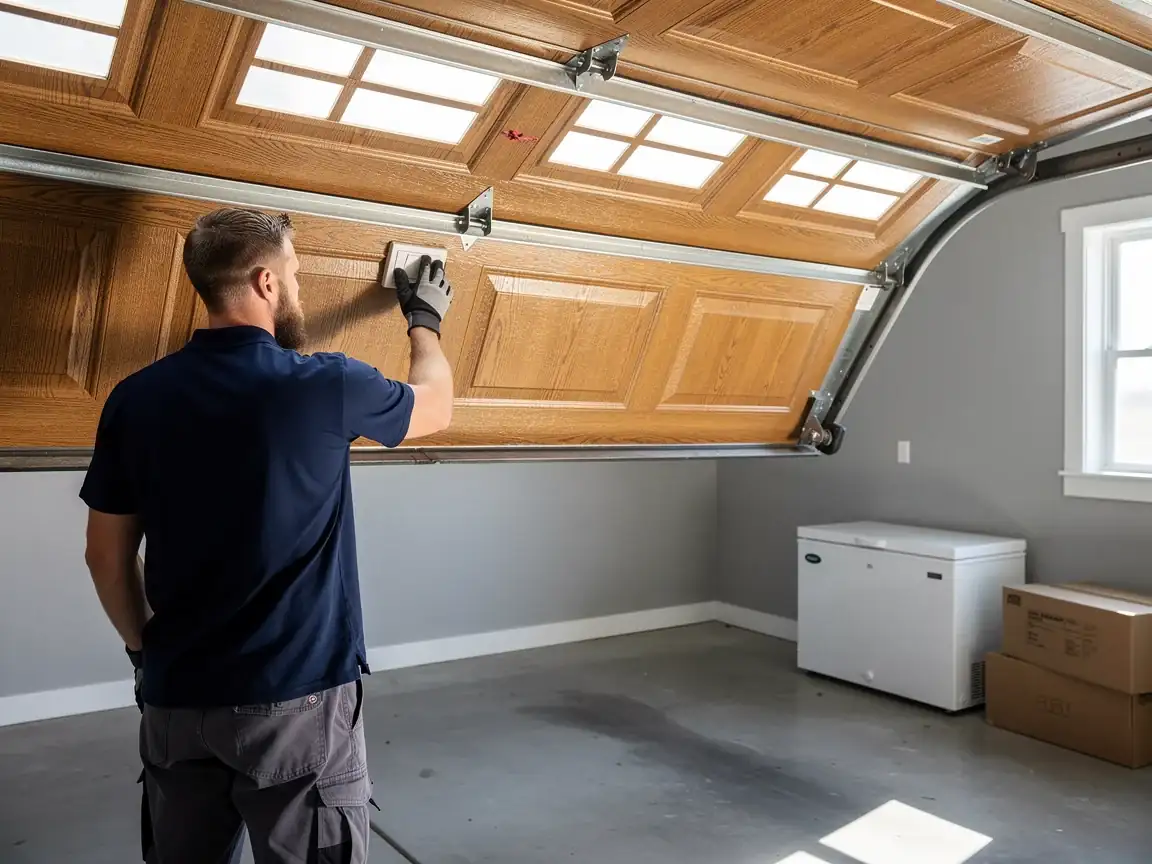
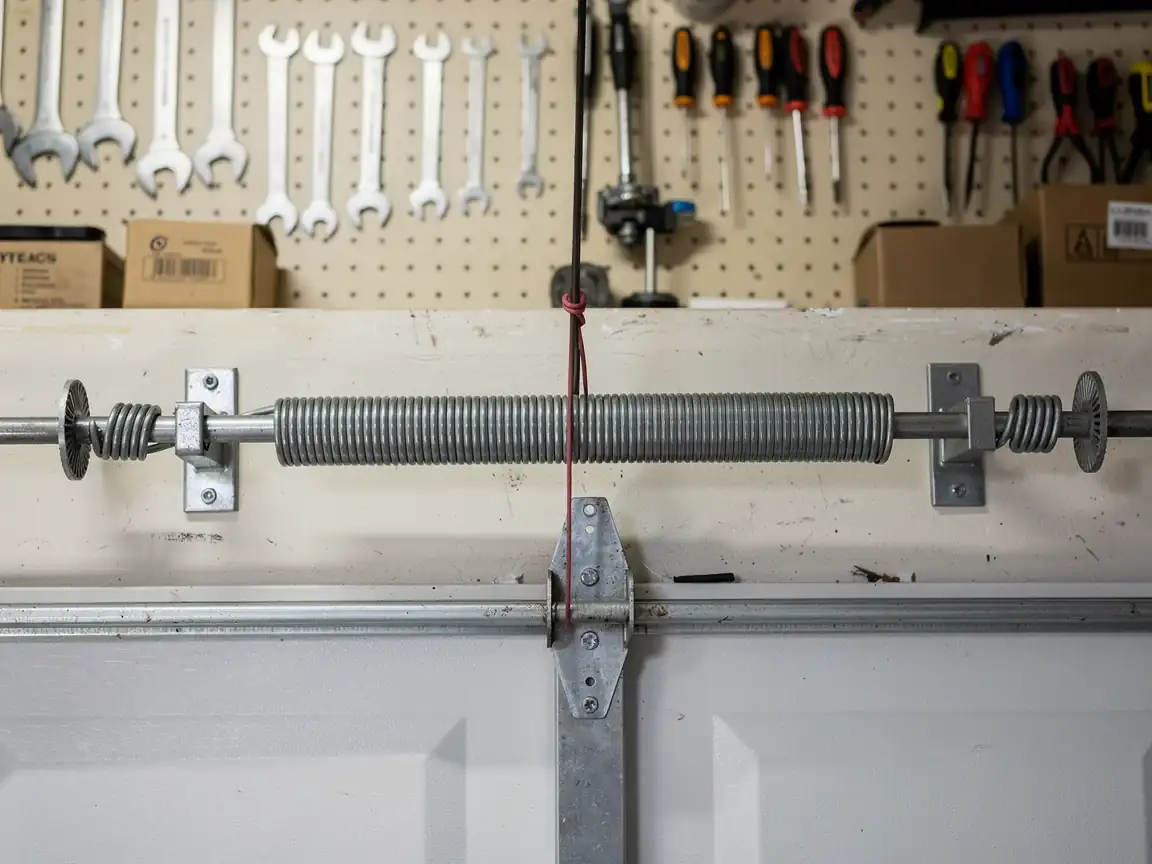
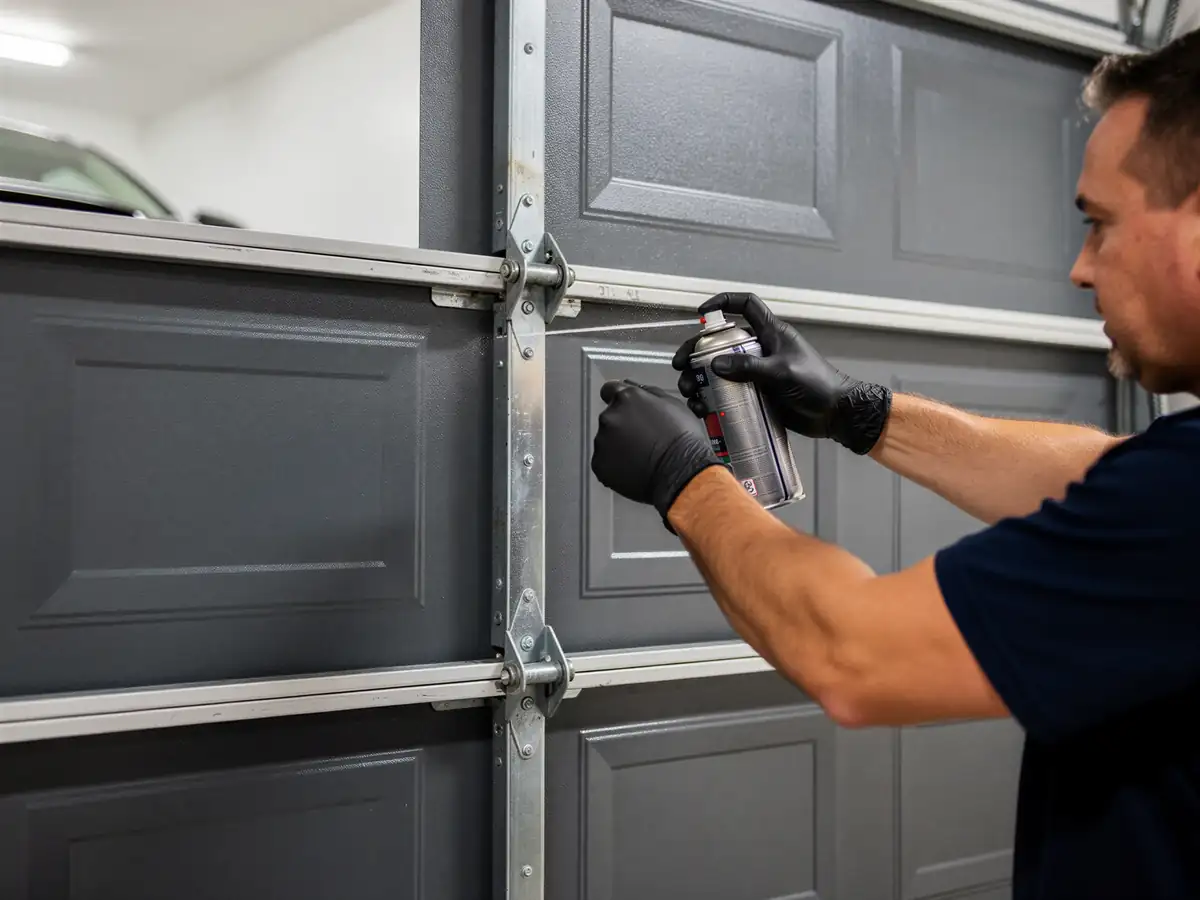
A median household income of $74,224 in this area means a lot of homeowners are comfortable tackling their own repairs, and some garage door jobs are fair game for that: lubricating hinges, tightening loose track bolts, replacing weatherstripping. Torsion springs are not on that list. They're wound under enough tension to cause serious injury, and on an original 1977-era setup you often can't tell the winding cone is worn or mismatched until it's under load. If your door is original to the house, we'd rather talk you through what's safe to check yourself over the phone than have you find out the hard way what forty-plus years of tension does when it releases wrong.