How Long You Are Without the Door
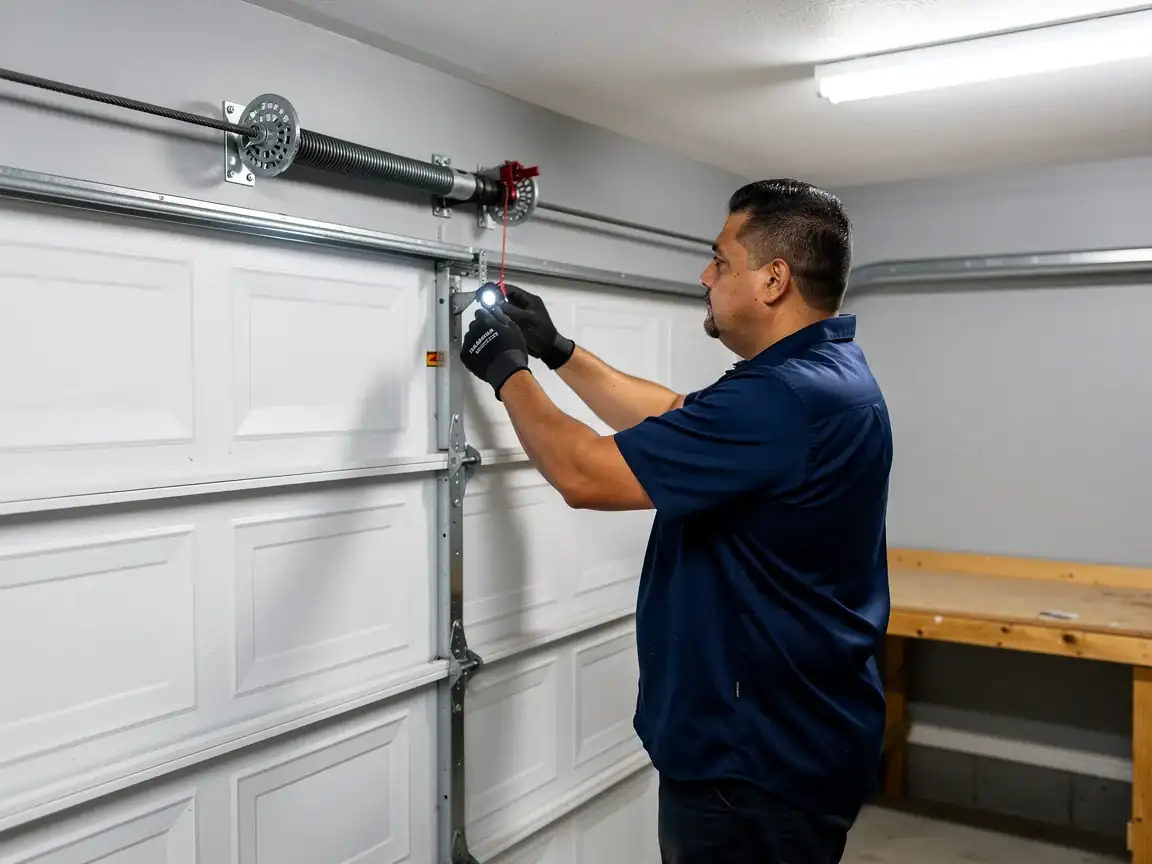
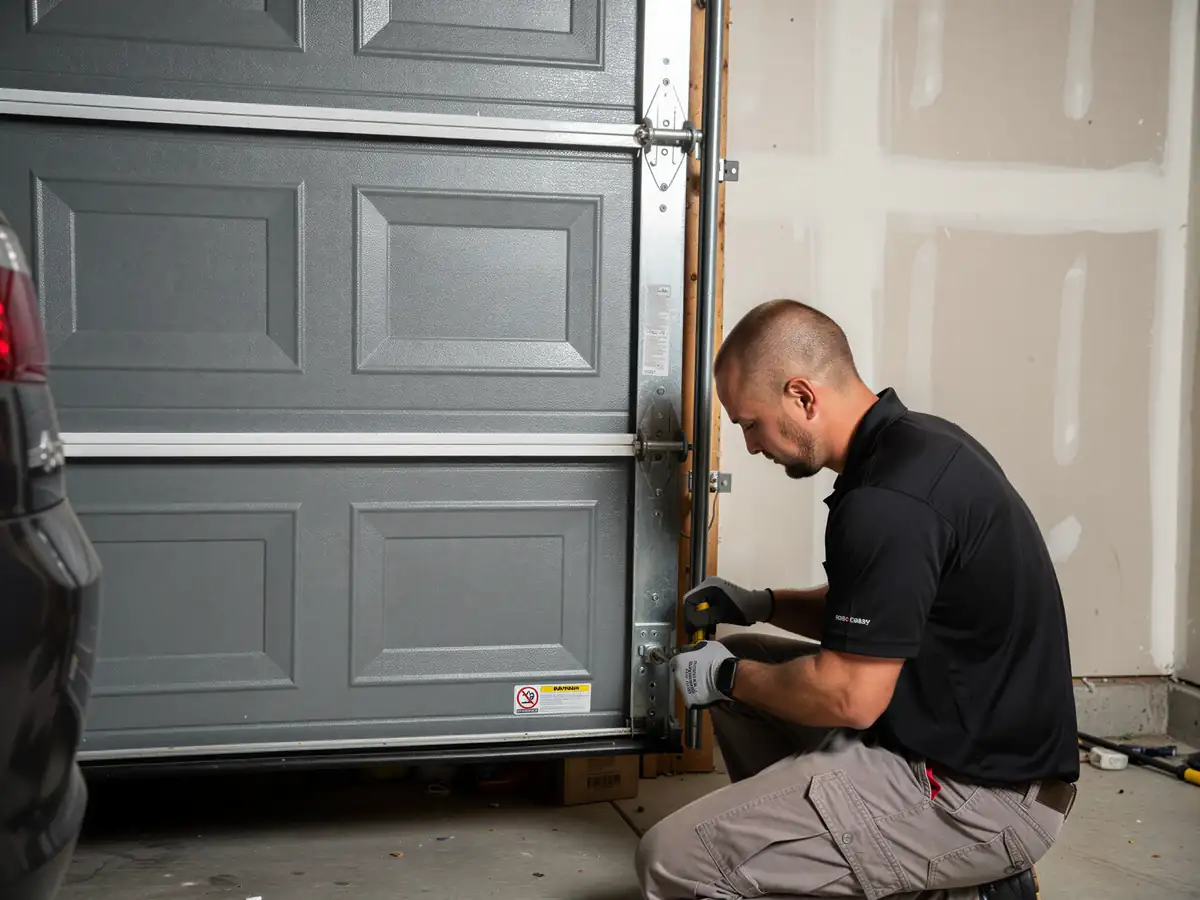
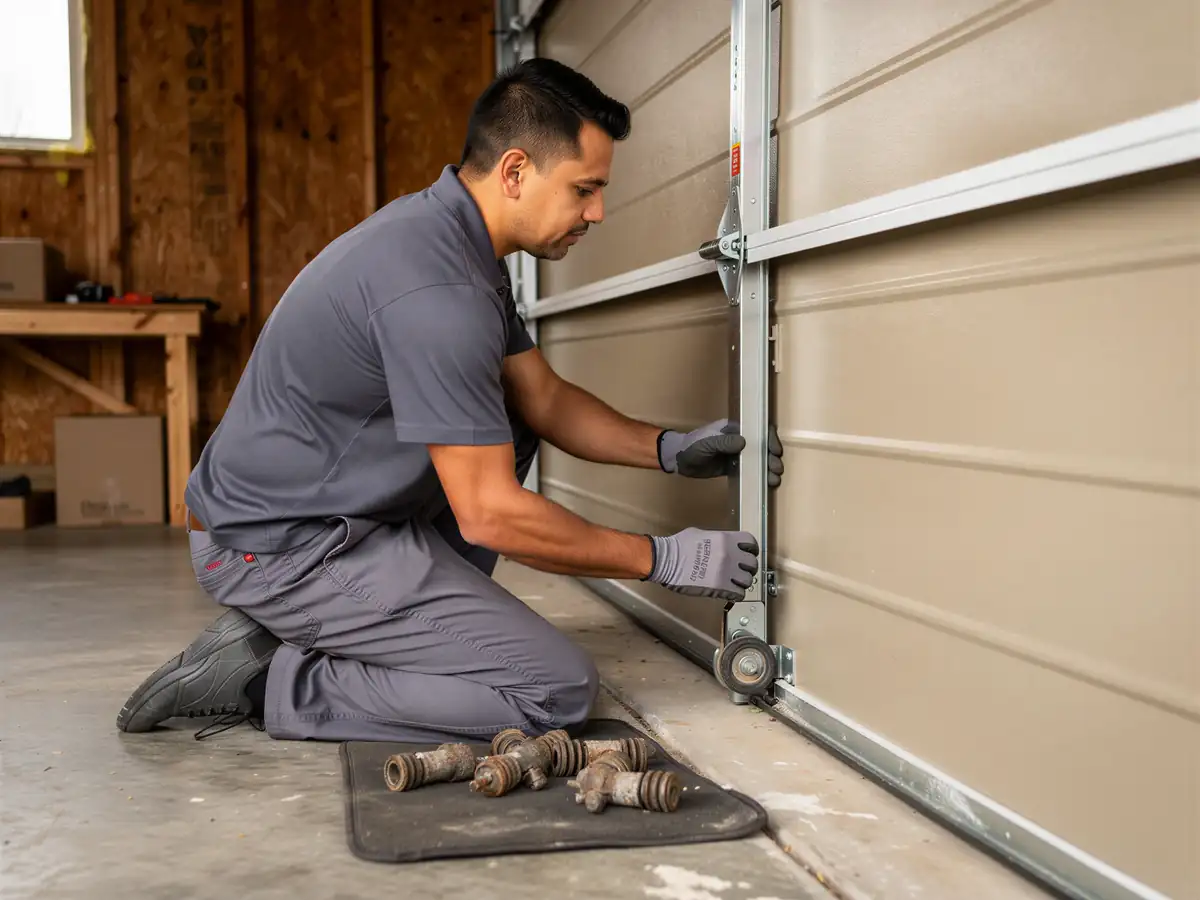
Lebanon Junction sits about 12 miles from our shop in Elizabethtown, which changes how we plan a roller job here compared to something closer in. We don't keep a crew stationed in town, so the visit gets scheduled as a drive-out, not a drop-in. That means we load the truck for the job before we leave rather than figuring it out on your driveway. If we know ahead of time it's rollers - not a spring, not an opener board - we bring both steel and nylon rollers sized for the track width on hand, so the trip covers the fix in one pass instead of two. The one thing we can't promise is a same-hour arrival once you call; with 12 miles of road between the shop and your door, we quote a window, not a guess. Most roller jobs themselves run quick once the tech is standing at the track - it's the travel, not the wrench work, that sets the clock here. If your door is sagging on one side and dragging in the track, tell us that on the phone. It helps us bring the right roller carrier style and skip a second trip.
Booking a Visit
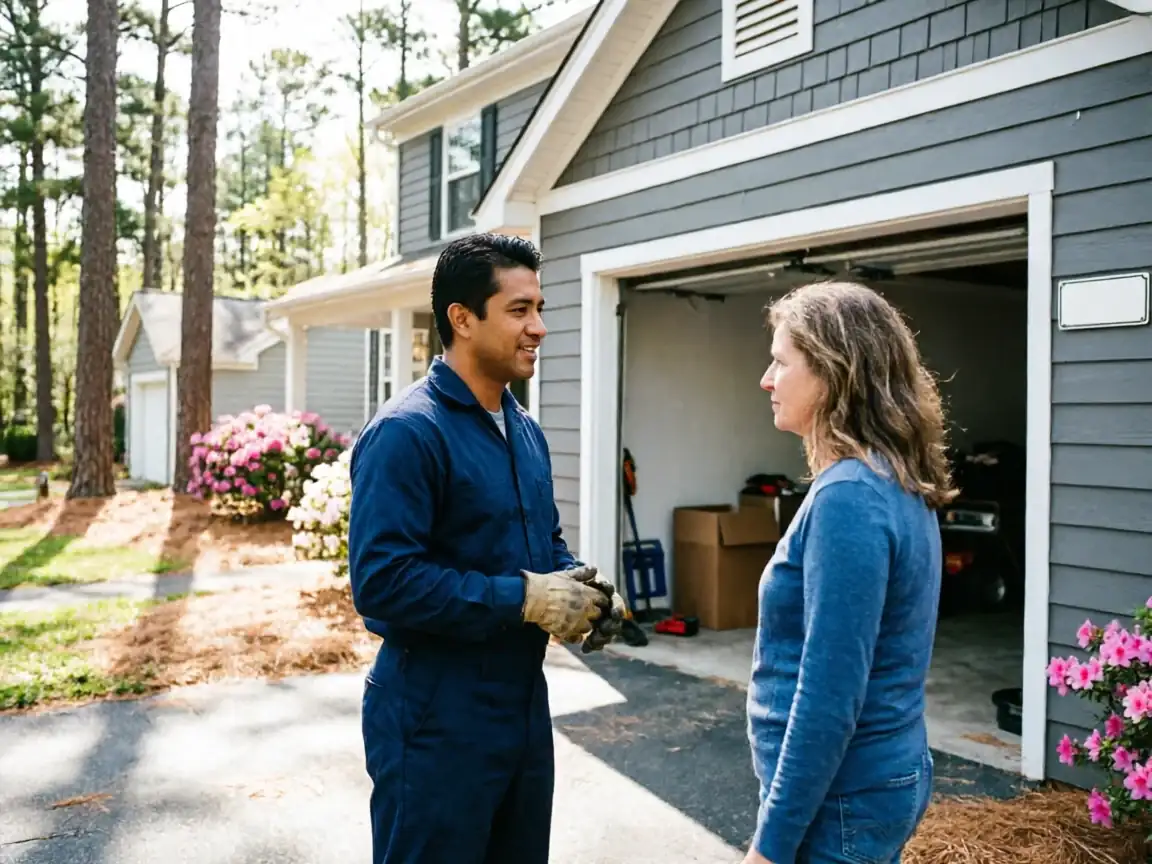
When you call for a roller job in Lebanon Junction, the useful details are the age of the house and what the door is doing wrong. Houses in this part of the county run from the late 1950s up through the early 2000s, with a lot of them going up through the 1960s and 70s, and the roller hardware from that stretch varies more than people expect. Tell us if the door grinds, jumps the track on the way up, or has started dropping unevenly at one corner - each points to a different roller wear pattern and changes what we load before the 12-mile drive out. We don't keep an open bay in town, so booking ahead beats trying to catch us same-day. A short phone description of the noise and the symptom saves a wasted trip far more than any amount of guessing on our end.
What You Are Seeing
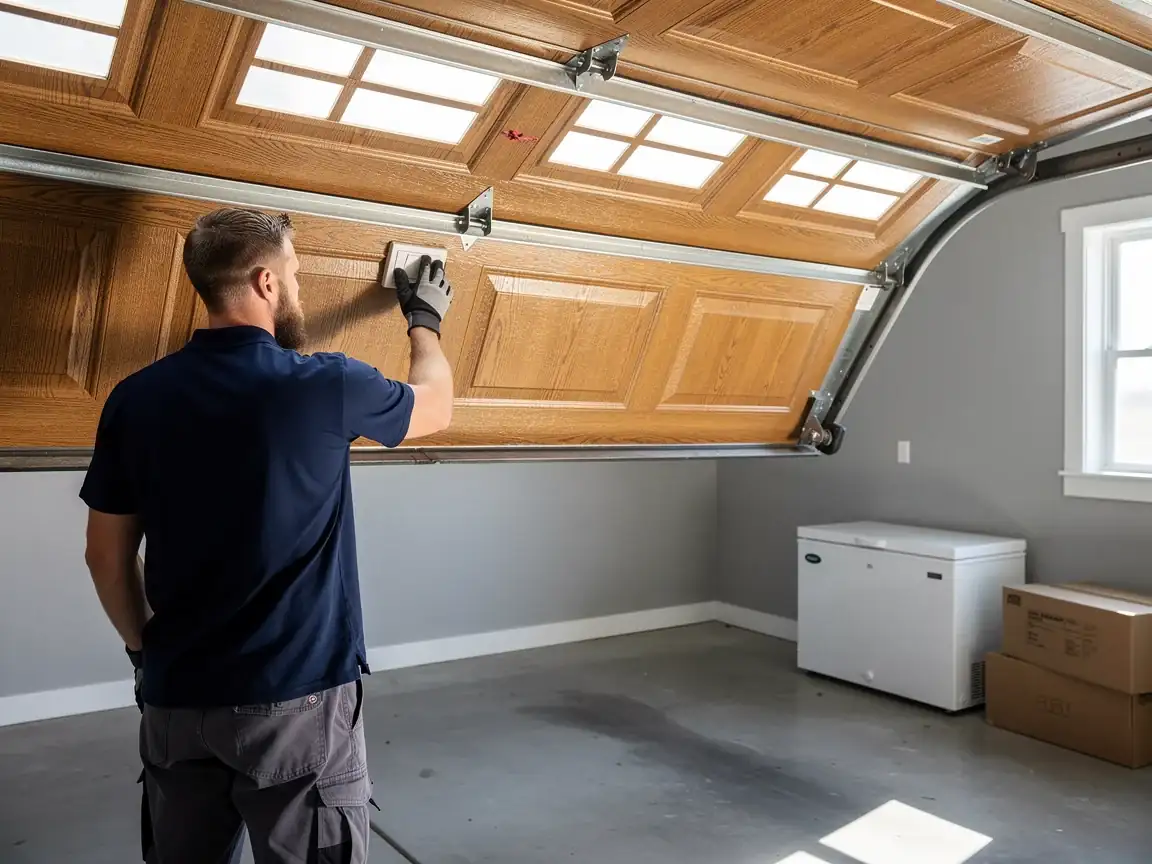
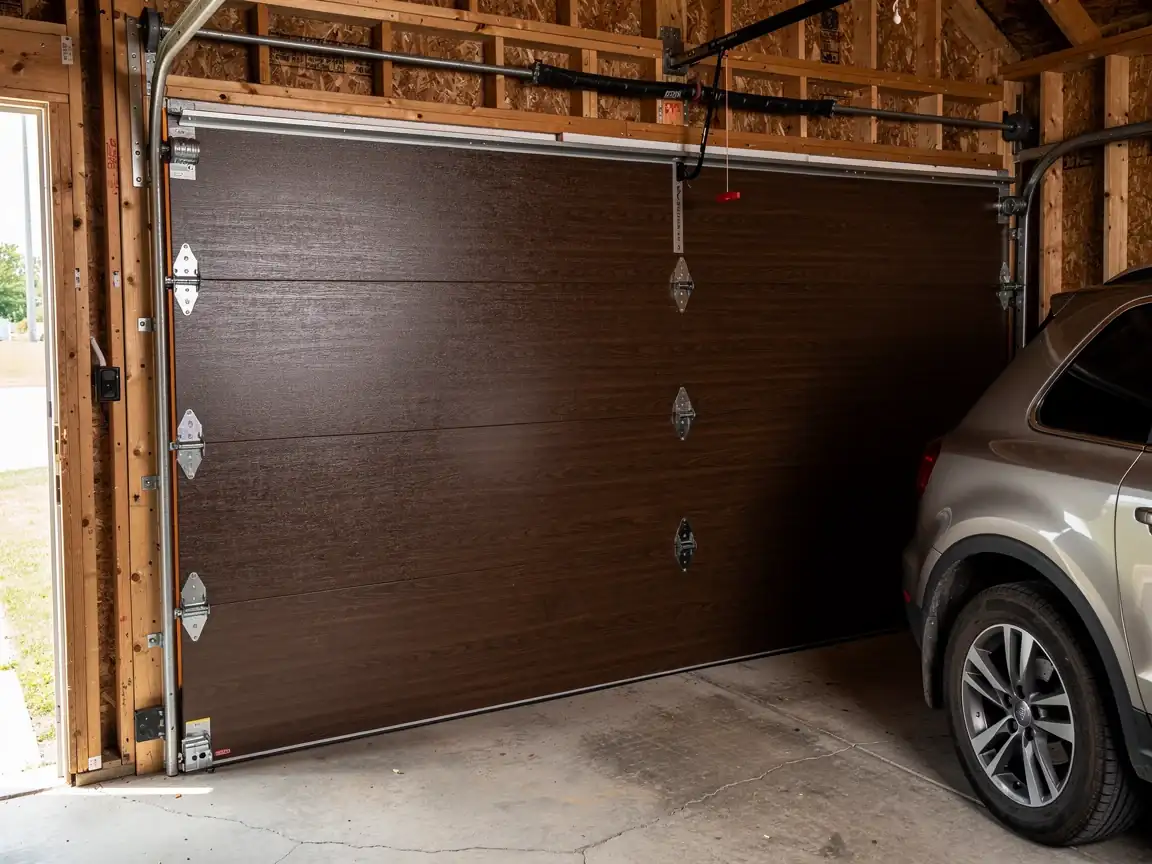
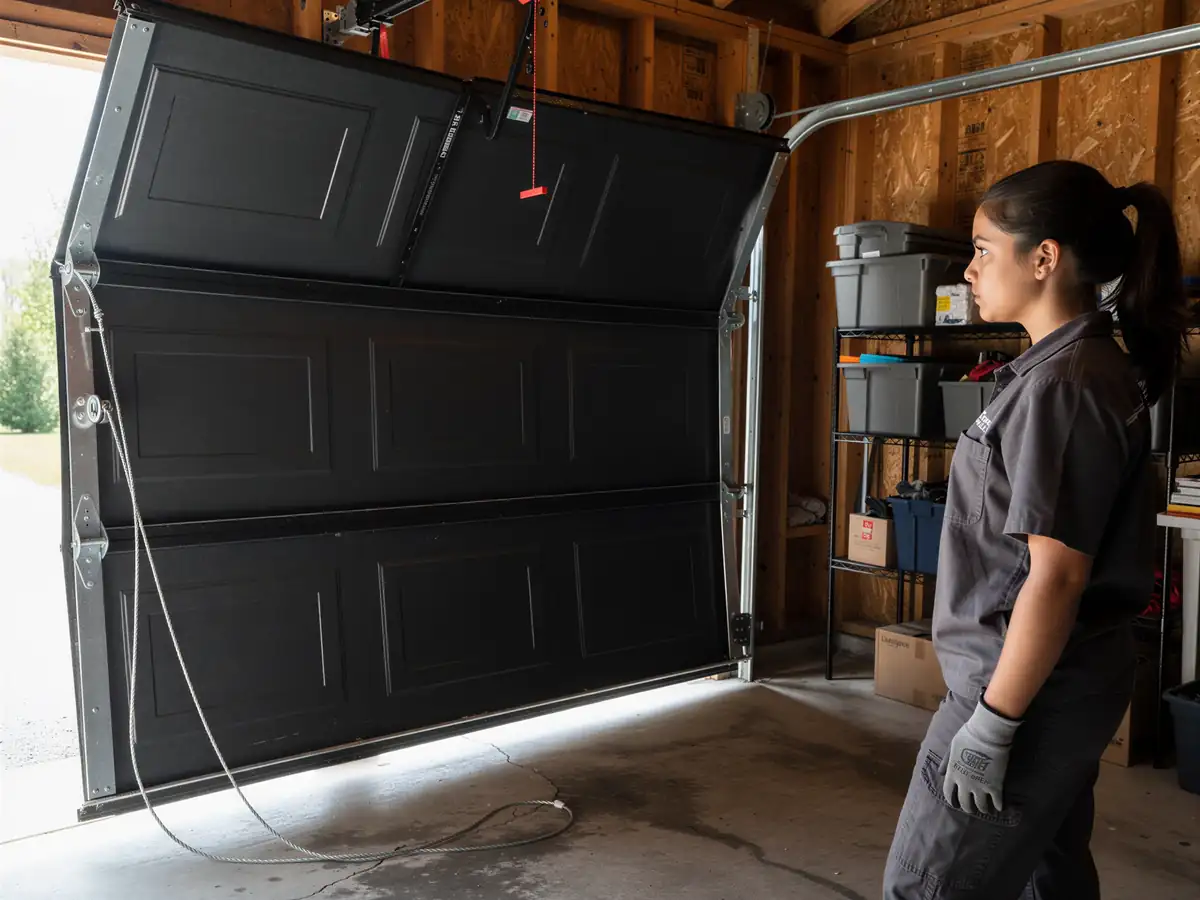
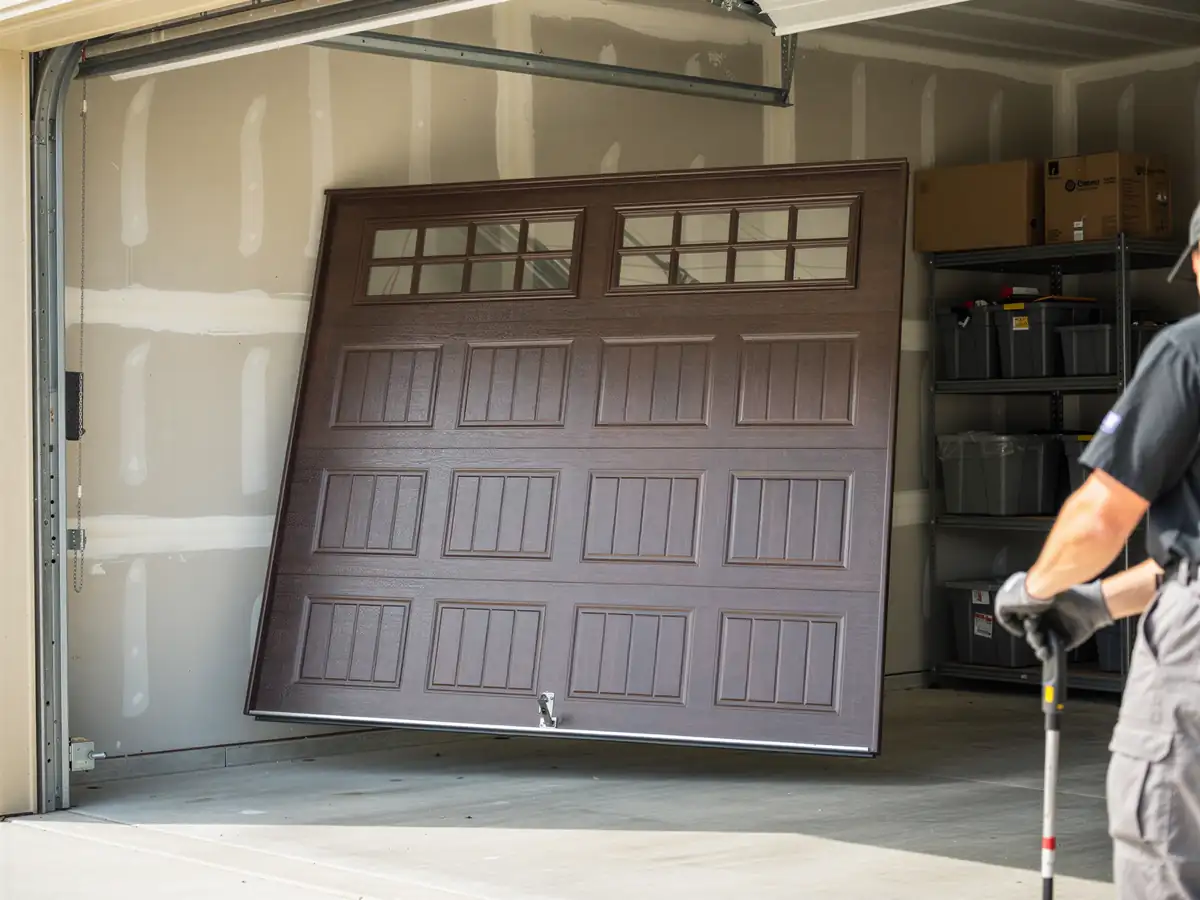
Cold winters in this part of Kentucky stiffen grease and tighten metal, so a roller that was already worn tends to announce itself hardest on the first cold mornings of the season - a loud grinding scrape, a door that hangs up partway, or a visible wobble where one roller has worn down more than the others. In a service area where median household income sits around $55,000 and a good share of the housing stock is 50 to 60 years old, we see a lot of doors that have had one roller fail and get replaced in isolation, which just shifts the wear to its neighbor. We'd rather replace rollers in a full set on one side of the door, or both sides if the wear is even, than patch one spot and get called back in six months. If you're only hearing noise and the door still opens smooth, that's often still just roller wear - you don't need a new door for it.