How Long You Are Without the Door
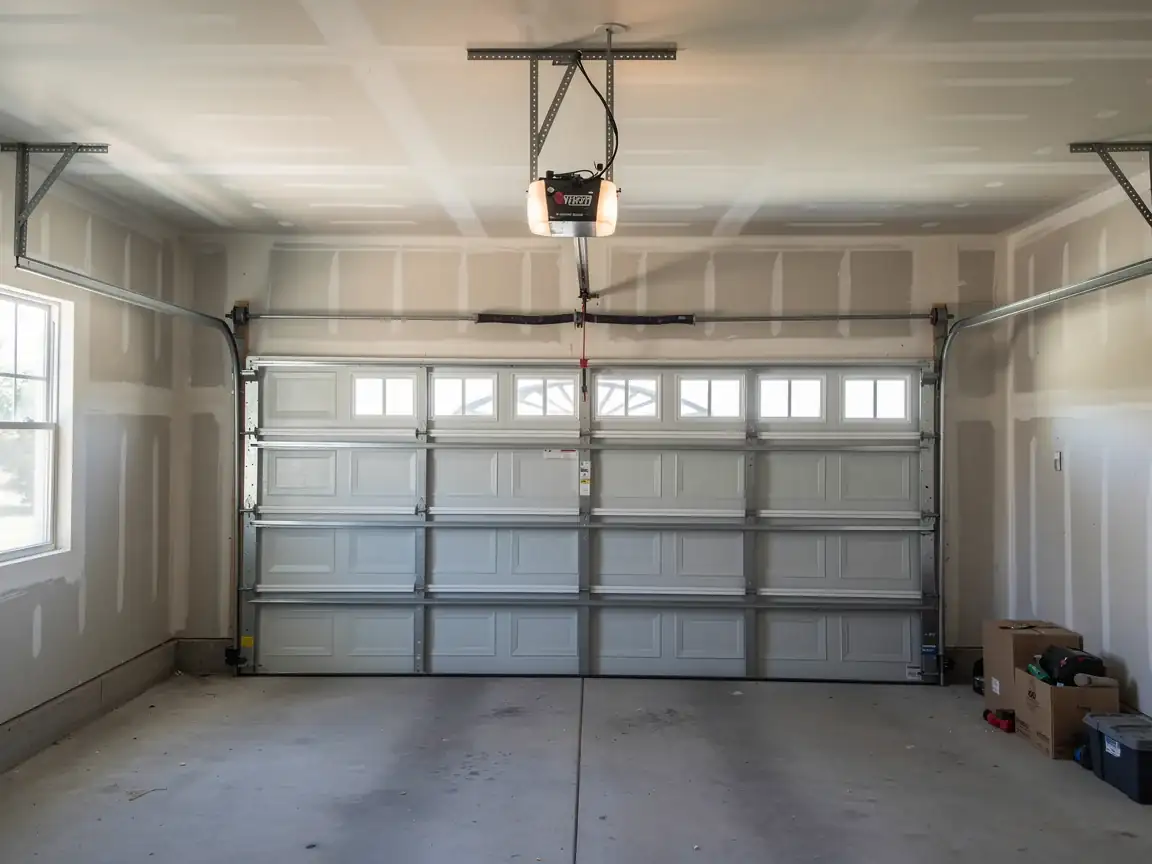
Lebanon Junction is a small place - about 908 households - and that matters for how a repair call plays out here. In a town this size, you don't get a dozen different garage door problems circulating at once; you get the same handful of failures showing up again and again, because most of the houses went up around the same time. A lot of the doors we see out this way are original to houses built near 1974, which lines up with the wider area's 1957-2001 build range. That means torsion springs and rollers that have been working since the Ford administration, more or less, and that age shows up as the thing that finally breaks.
We're not based in Lebanon Junction - the truck comes from Elizabethtown, about 12 miles in. That drive is built into how we plan the day, not something we pretend isn't there. If your spring lets go in the morning, we're not going to tell you we'll be there in twenty minutes. We'll give you a real window once we know what's on the truck and what the road looks like that day. A broken spring means the door doesn't move at all until it's fixed - there's no half-open workaround, no jury-rig that's safe to leave for a week.
Booking a Visit
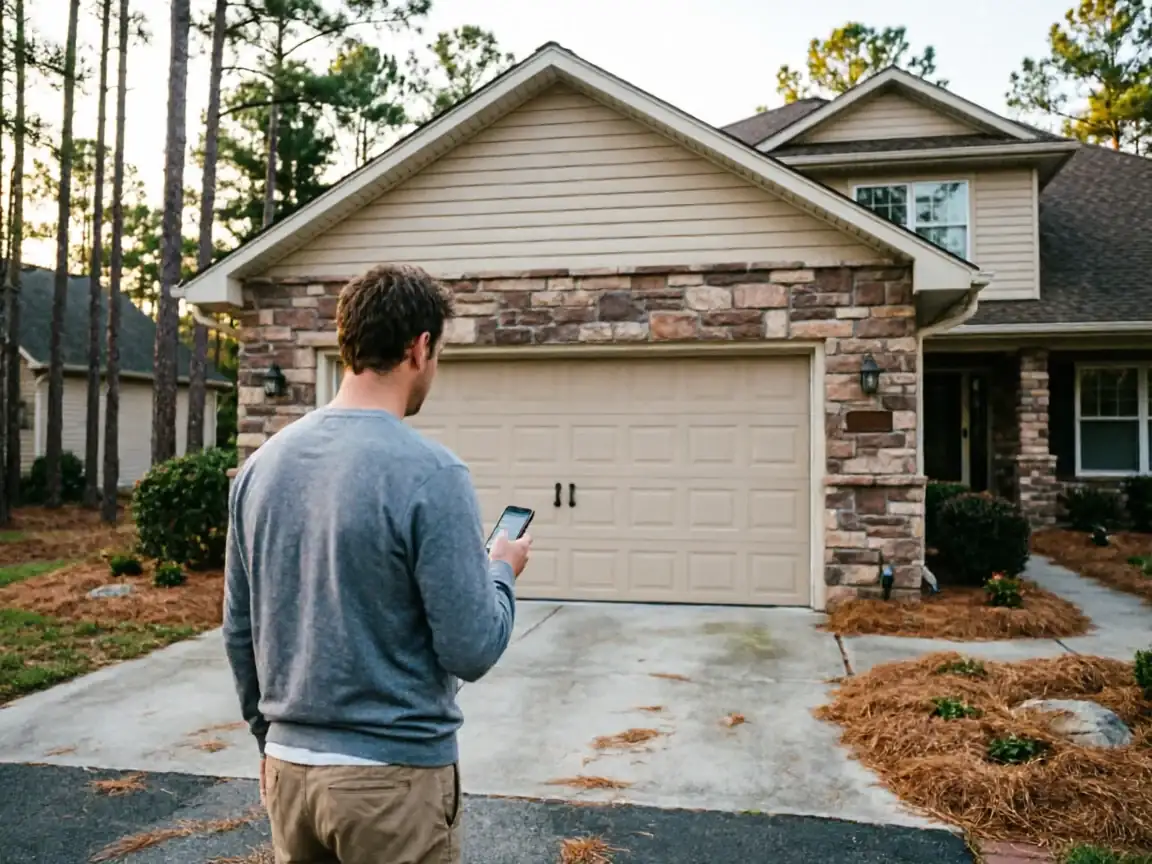
Since there's no branch out here, booking a repair in Lebanon Junction means telling us what the door is doing before we load the truck. That's not a formality - on a 12-mile drive, showing up without the right spring size or the right opener board wastes your morning and ours. If you can tell us the door's approximate age (most of what we see locally traces back to the early-to-mid 1970s) and whether it's a single or double door, we can usually bring the right torsion spring the first trip instead of a second one.
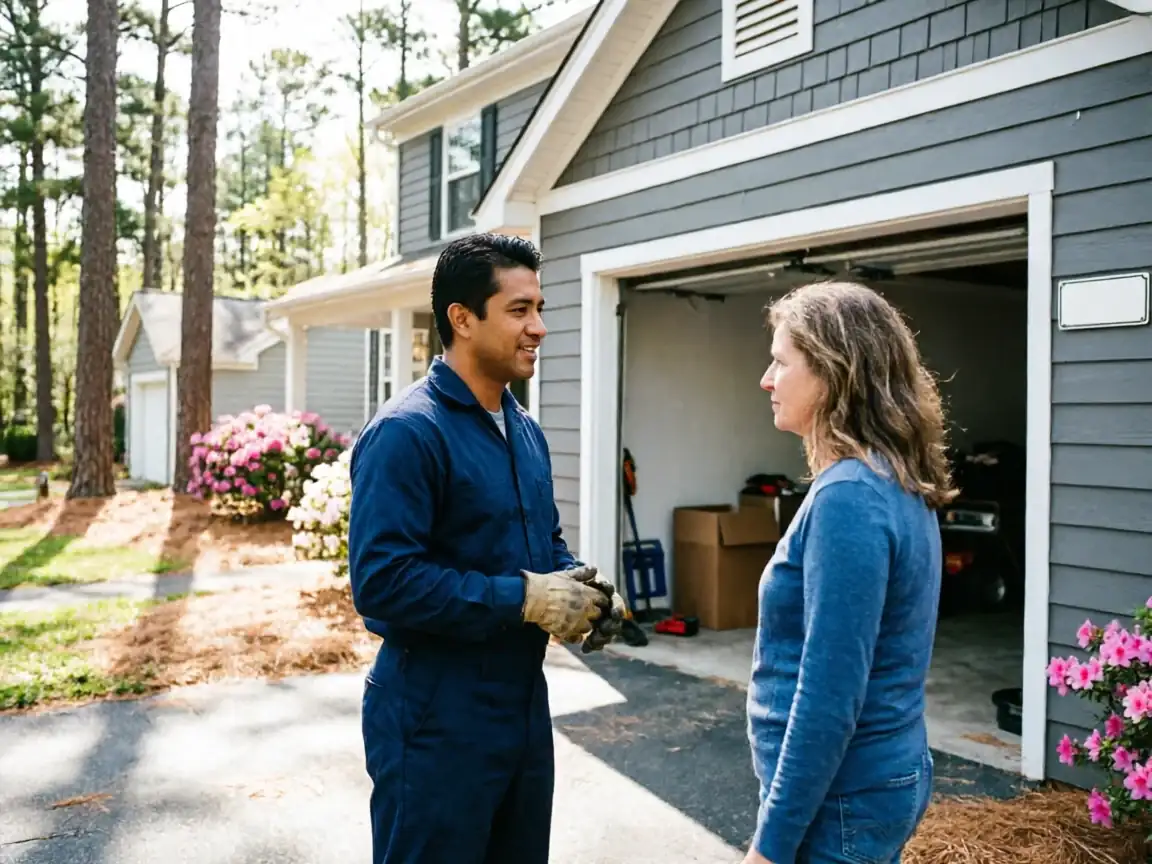
We work the whole stretch between Elizabethtown and the outlying areas on a route basis, so a Lebanon Junction call often gets grouped with nearby stops rather than run as a one-off trip. That keeps the visit itself reasonable even with the distance. We don't maintain a Lebanon Junction location, and we're not going to claim one - just a crew that comes out regularly and knows the housing stock well enough to guess right more often than not.
What Is on the Truck
For a town where most doors sit on houses built in the 1960s and 70s
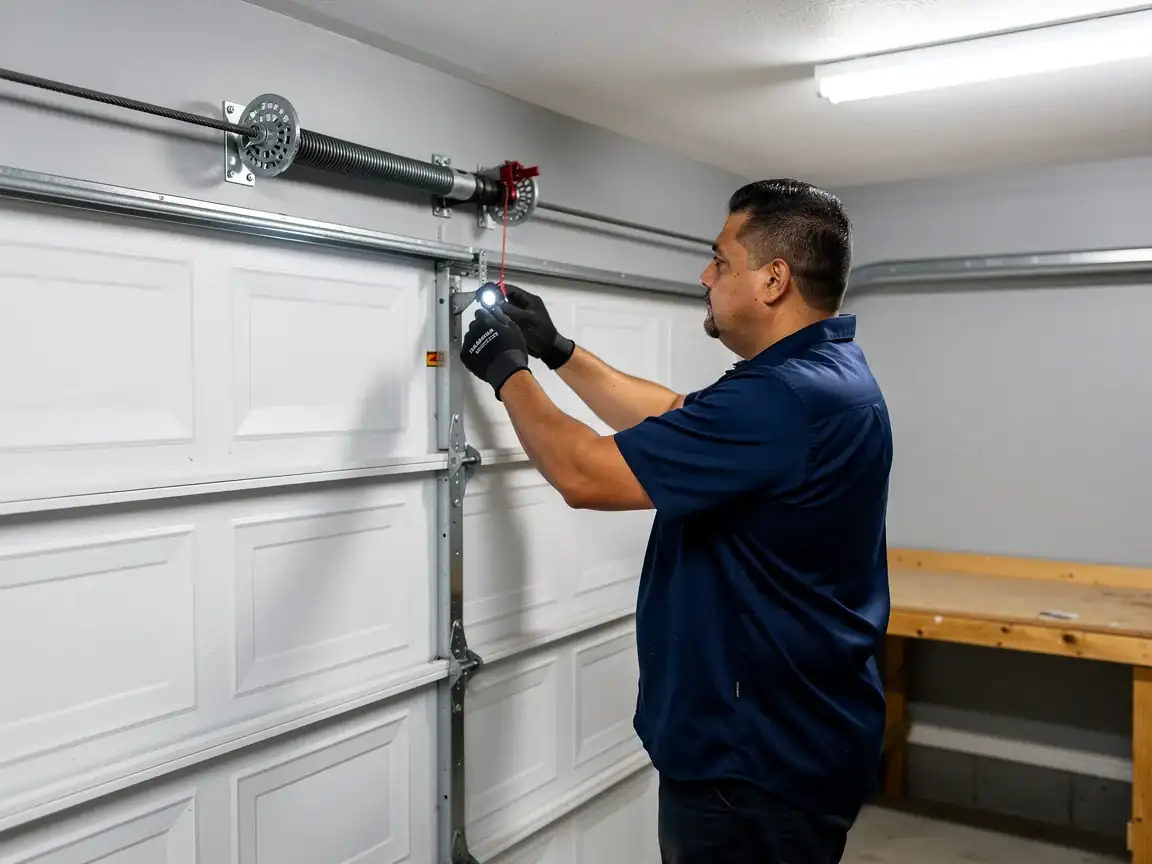
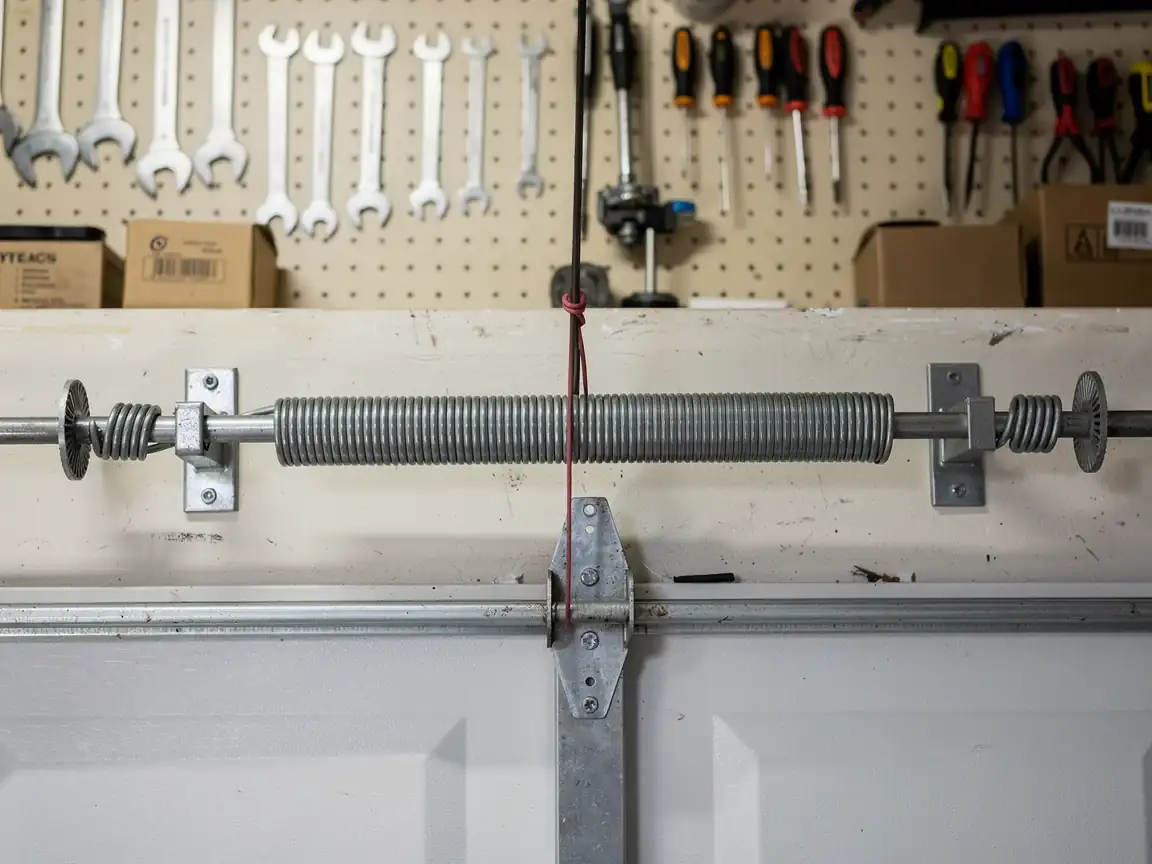
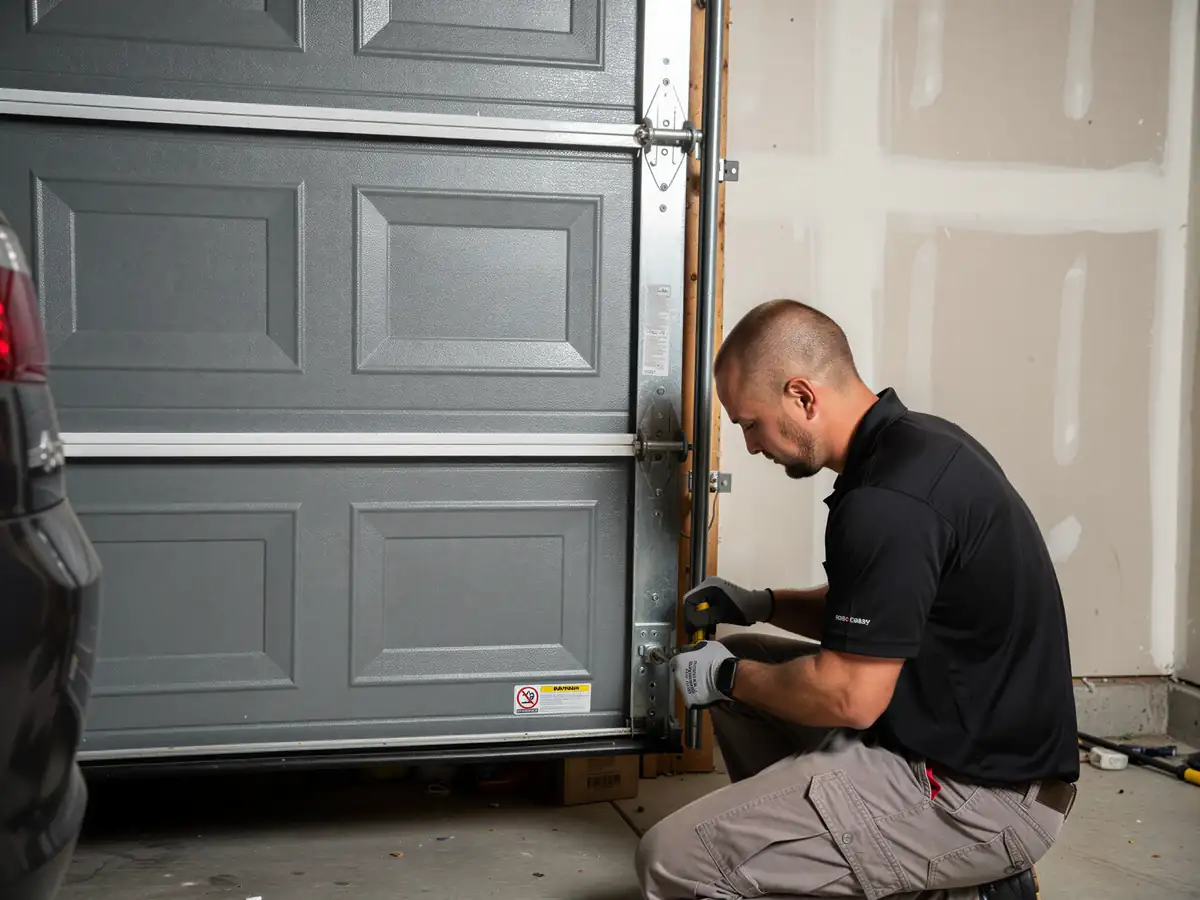
The truck carries a lot of standard torsion spring sizes, plus the galvanized lift cables and sheave pulleys that wear out on that same hardware. Side-mount torsion setups and older extension-spring systems both still show up here, so we stock parts for both instead of assuming everyone's upgraded.
Here's the honest limit
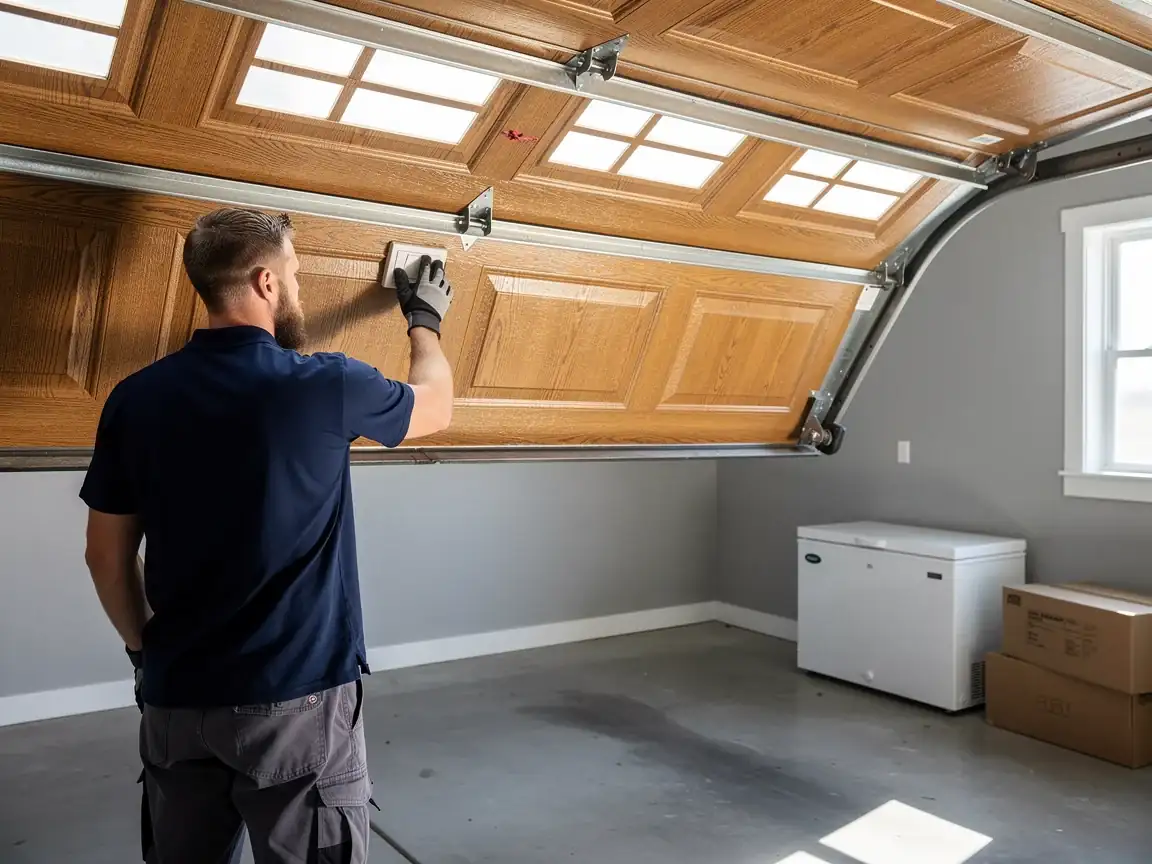
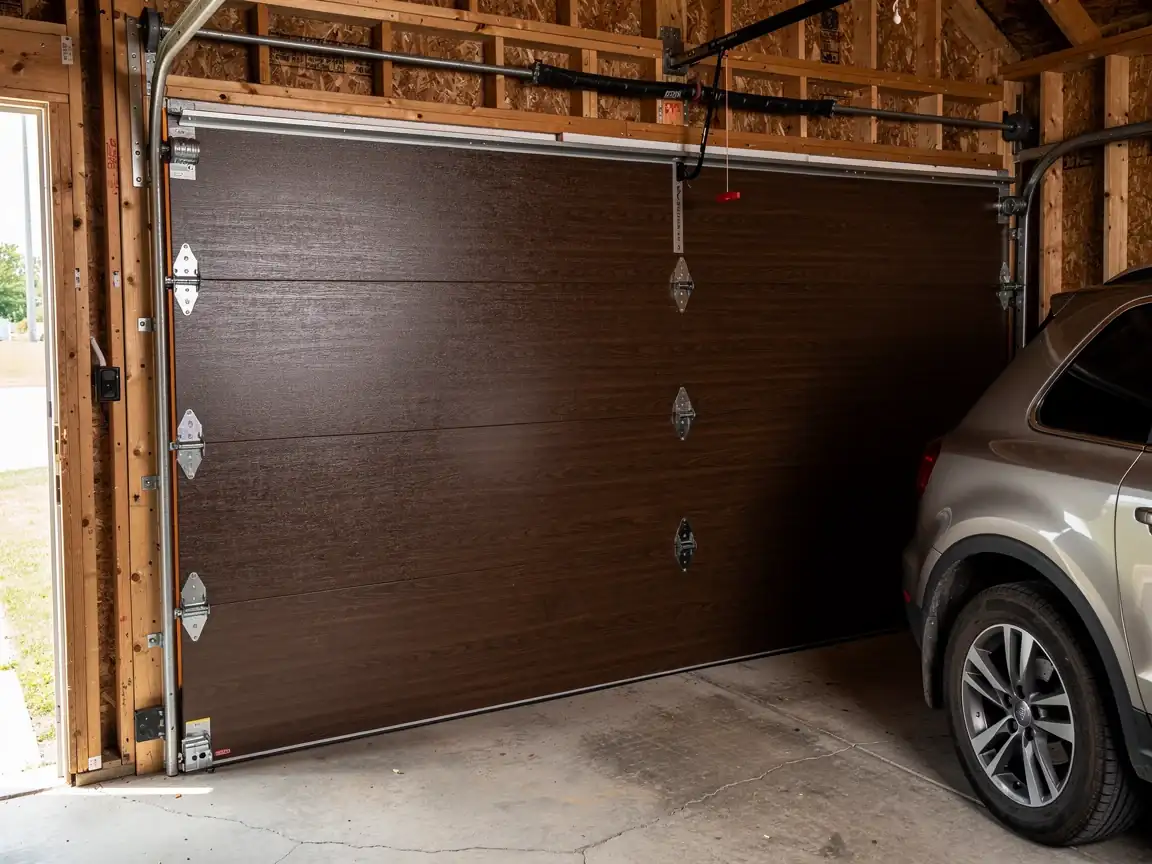
Original wood or steel panel sections from houses this old are not something we carry on the truck, and in some cases not something we can order fast. If a panel's cracked or rusted through and the door's otherwise sound, we'll tell you straight whether patching it makes sense or whether you're better off replacing the section - or the whole door - rather than waiting weeks on a part that may not even still be made. We'd rather say that up front than have you sitting with a half-fixed door.
What You Are Seeing
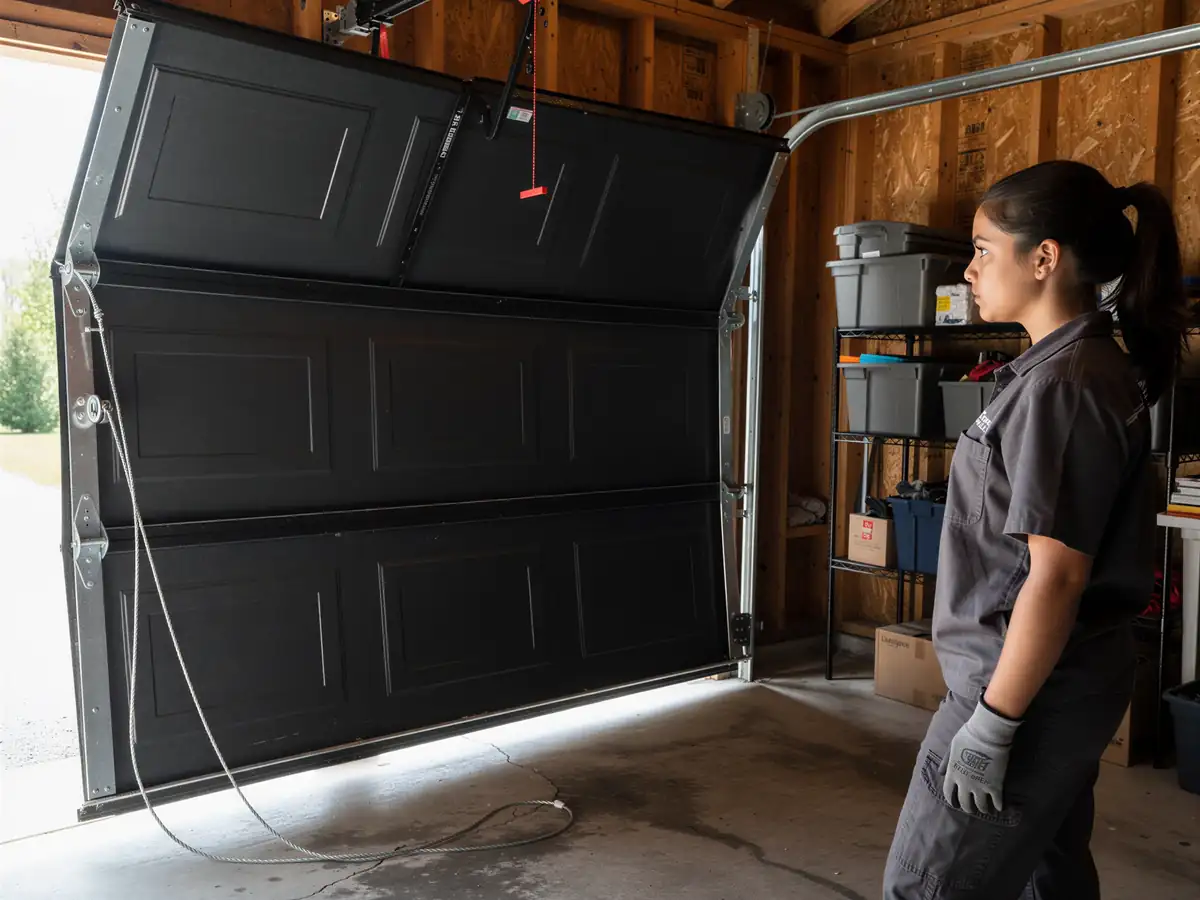
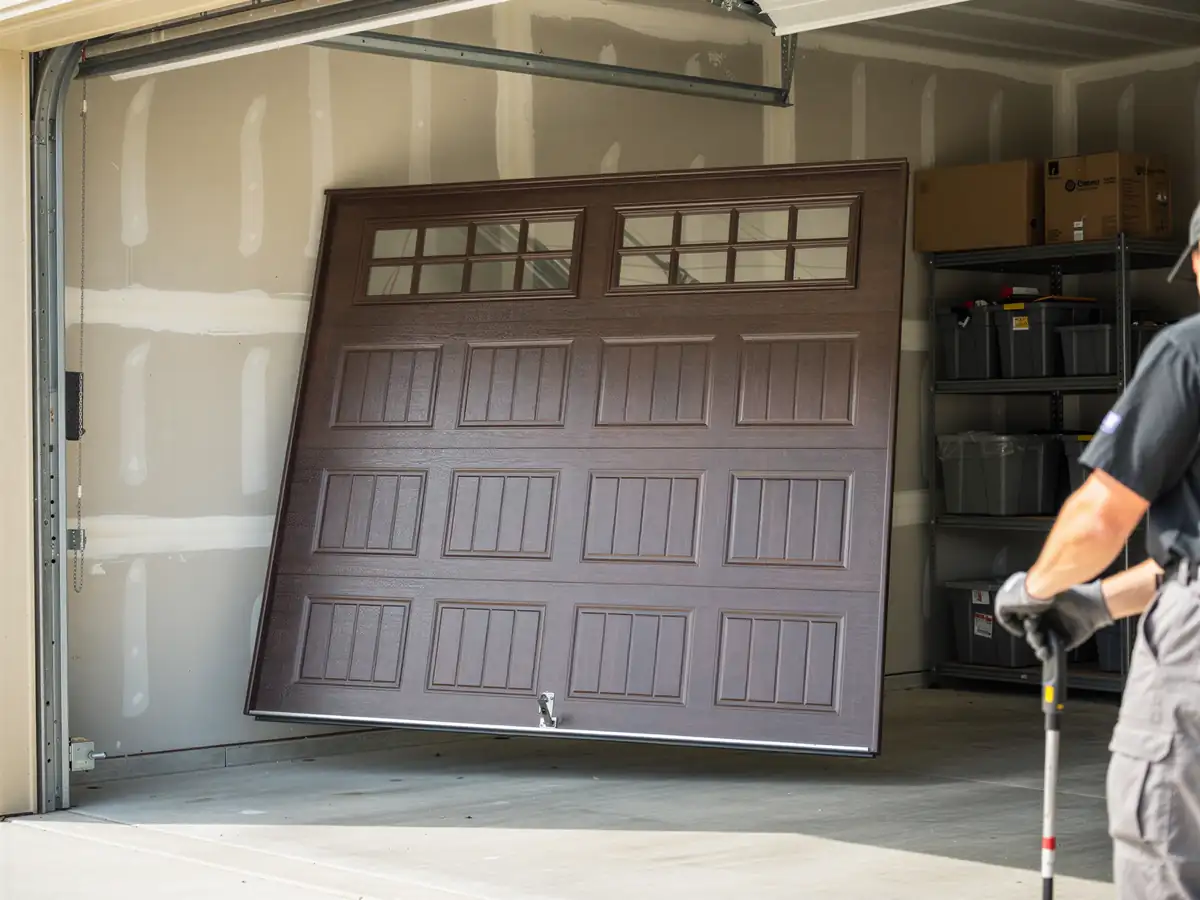
The climate here runs cold in winter without the extreme swings some regions get, and on hardware that's been in place since the 1970s, that steady cold-to-mild cycling is usually what finally cracks a spring rather than one dramatic freeze. What you'll notice first is usually small: the door groaning more than it used to, one side dropping lower than the other when it closes, or the opener straining and reversing partway up.
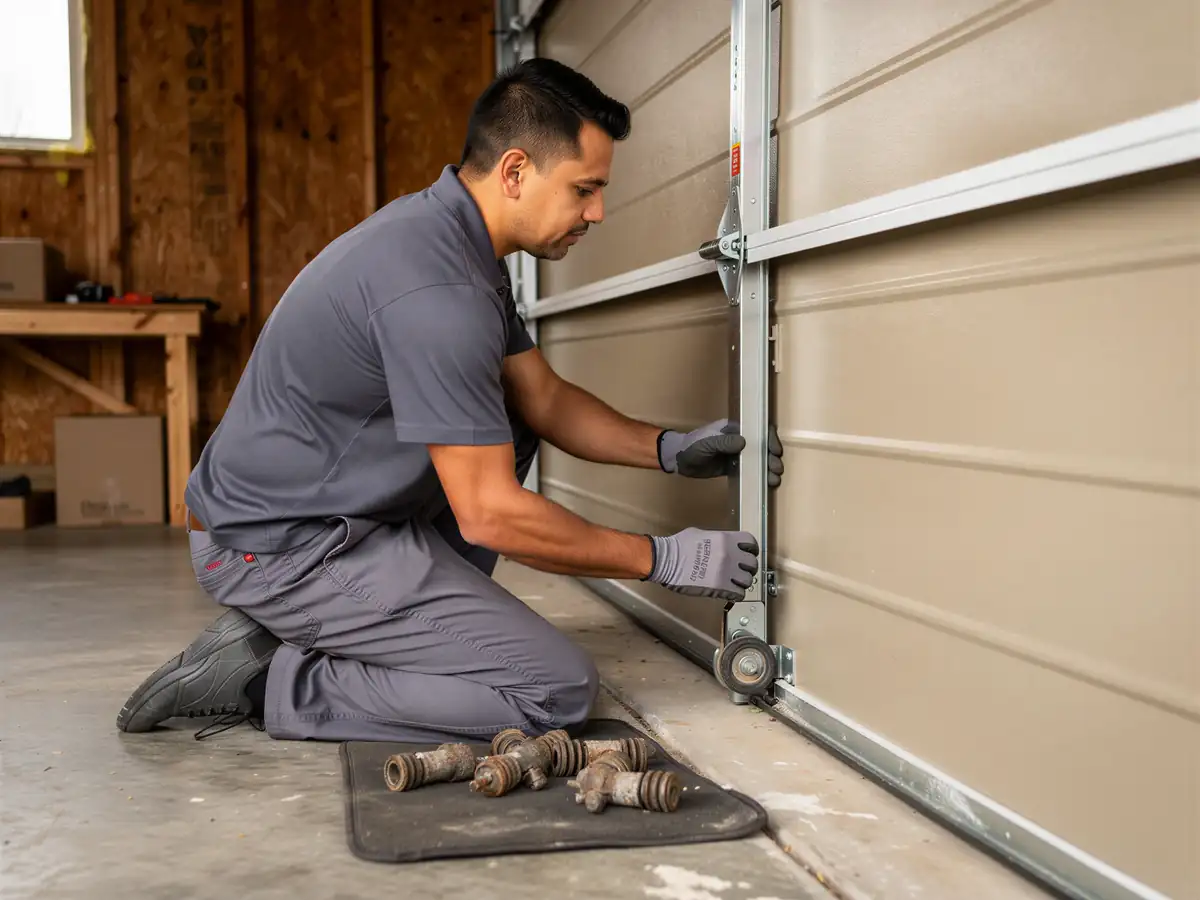
A door that slams down the last foot instead of settling is almost always a spring that's lost tension, not an opener problem, even though the opener gets blamed first. Rollers on original hardware tend to go next - you'll hear a grinding or rattling that gets worse over a few weeks rather than failing all at once. None of this is unique to one house; it's just what happens to doors and tracks that have been doing the same job, un-replaced, for close to fifty years.