How Long You Are Without the Door
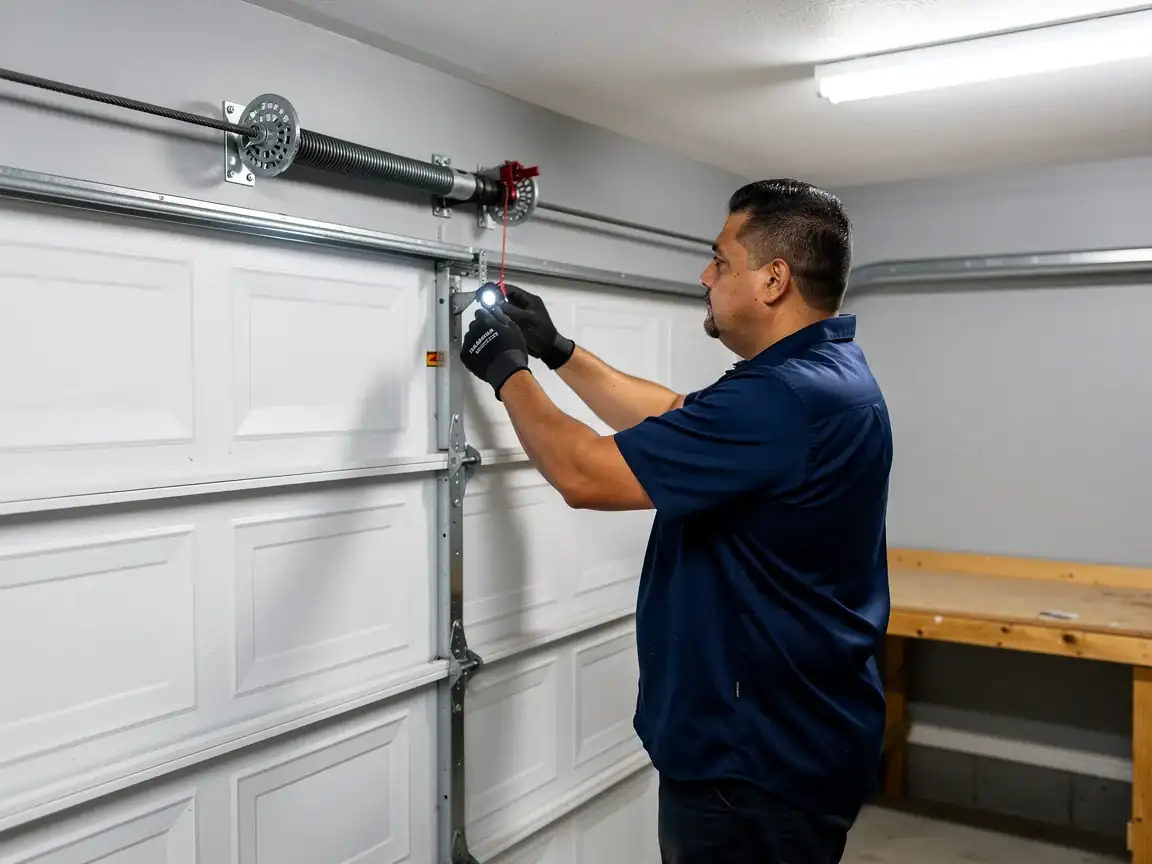
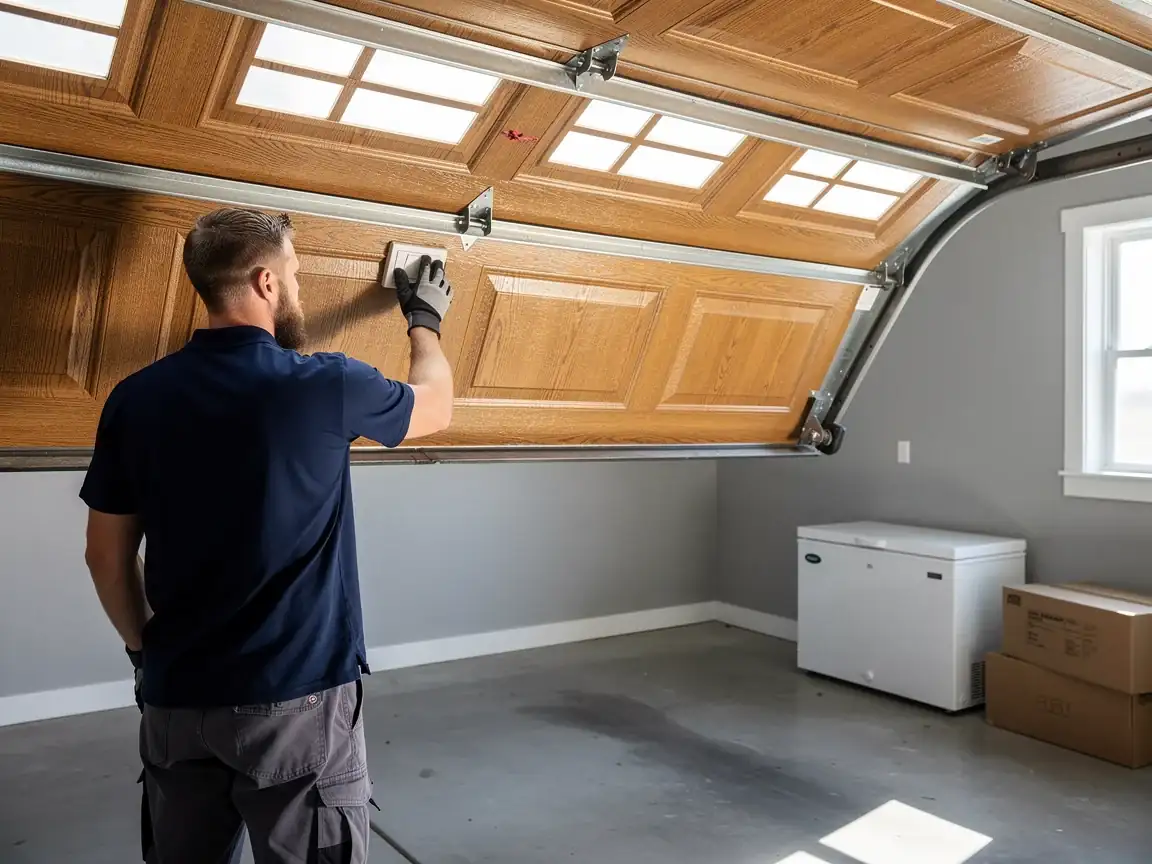
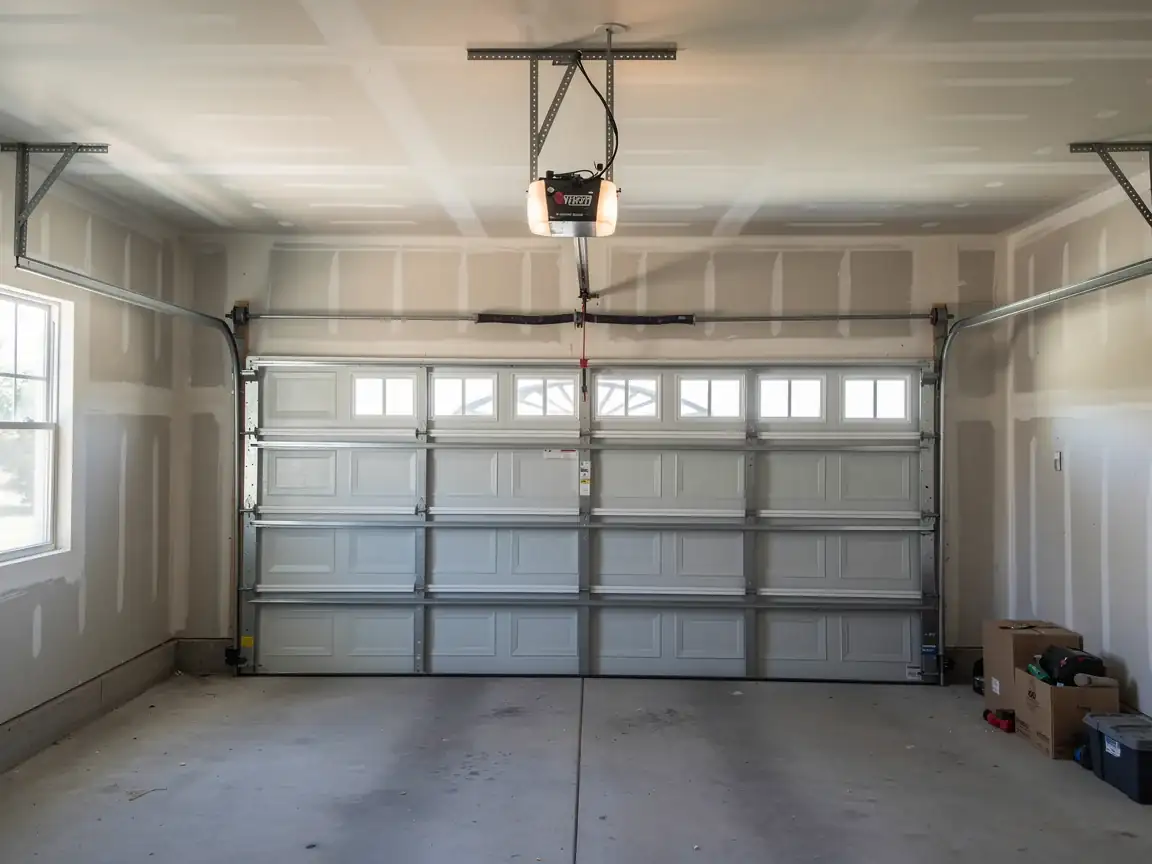
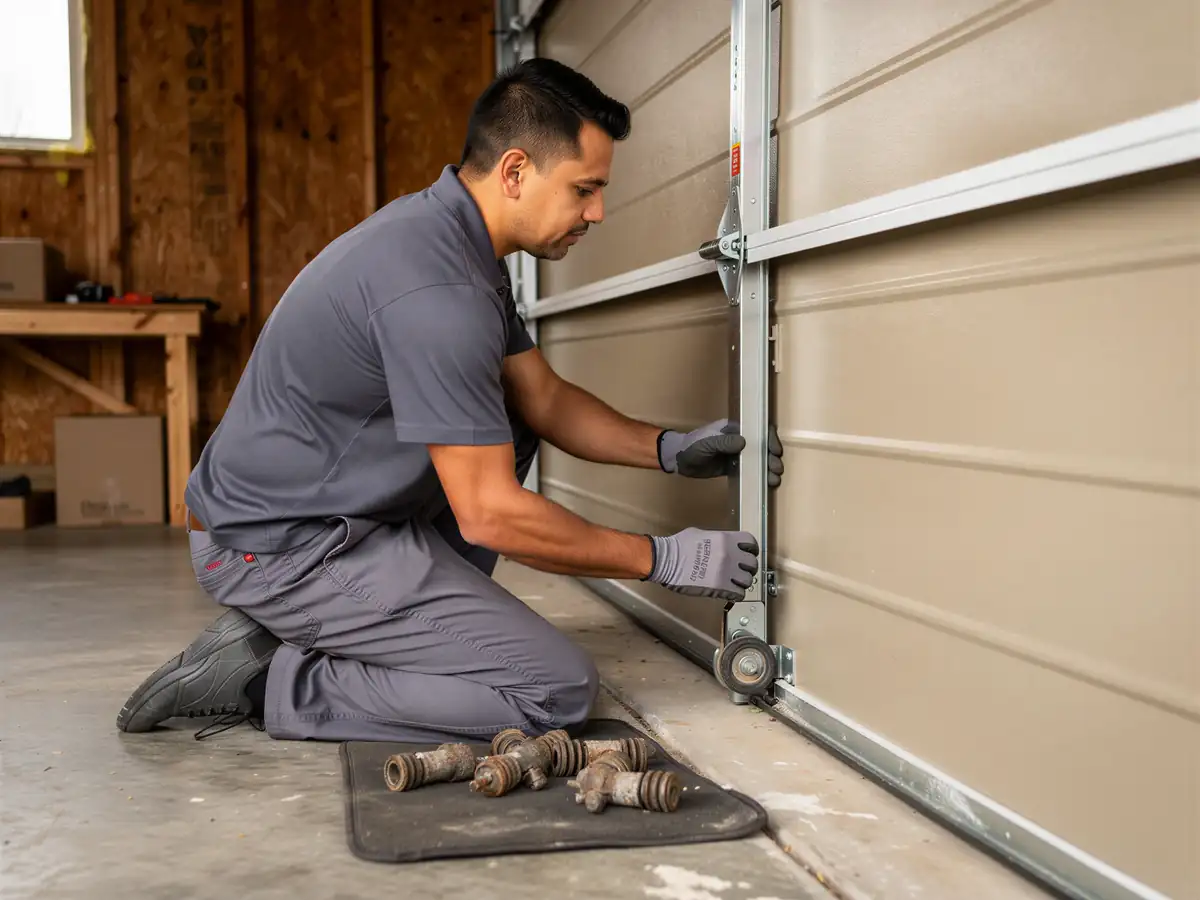
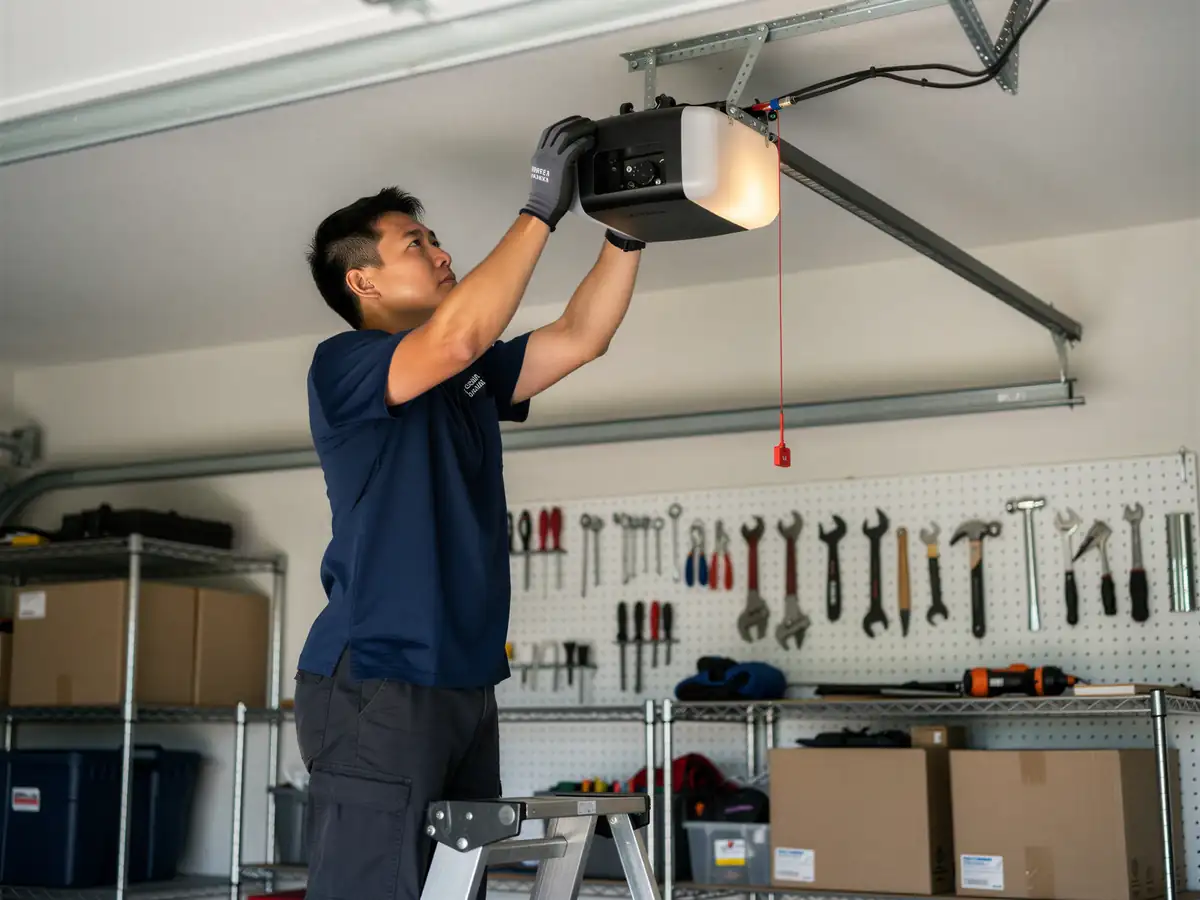
Most houses on this side of Lebanon Junction went up around 1974, which puts them square in the stretch of 1960s-70s builds that make up the bulk of this area's housing. That era came standard with a single light-duty chain-drive opener wired straight to a wall switch, no safety sensors, no battery backup, and a travel limit set by hand with a screwdriver. When that unit finally gives out, the house is usually still running on the original rail or a direct swap from decades back, so the first job isn't just hanging a new motor - it's bringing the bracket, the rail mount, and the door's own spring tension up to something a modern opener can actually run on. We tell people up front: if the door itself hasn't been serviced in that span, the opener install day runs longer than the sales flyer implies, because we're not just bolting on a box, we're correcting whatever the house has been quietly living with.
Booking a Visit
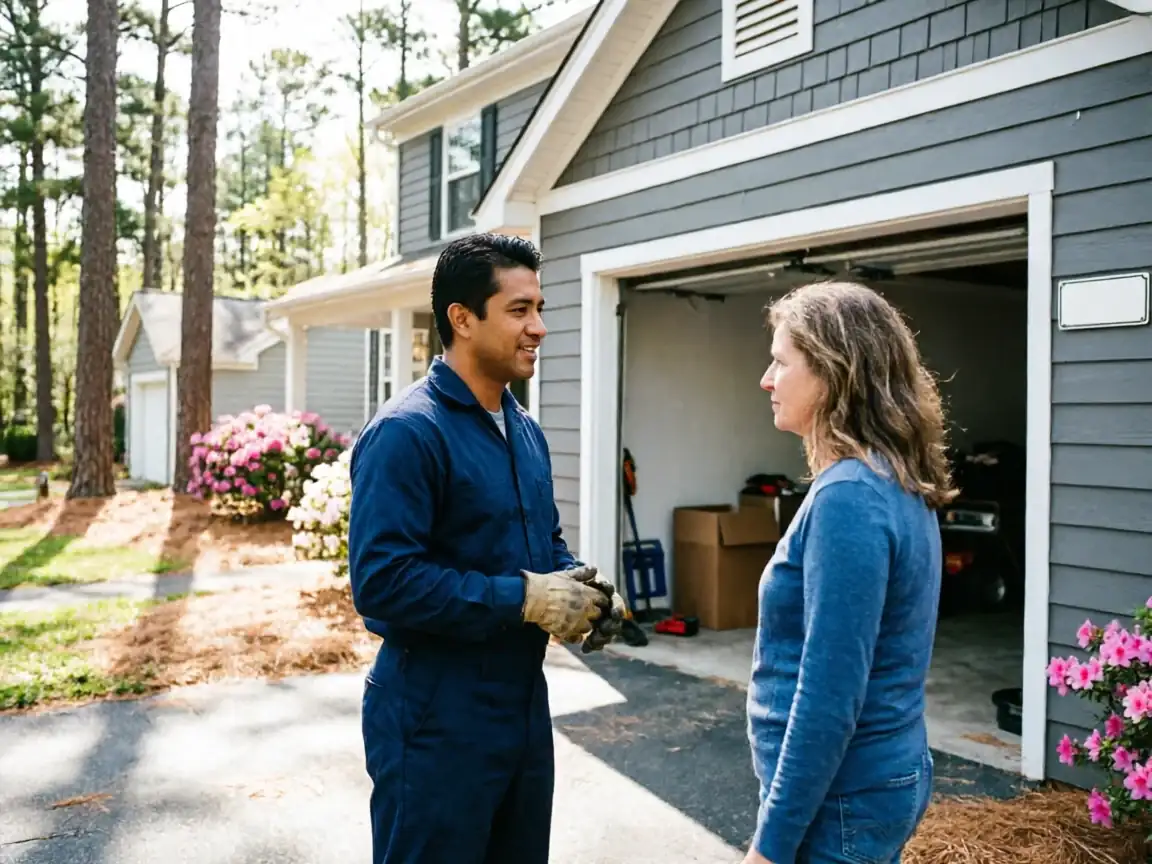
We run this out of Elizabethtown, about 12 miles from Lebanon Junction, so a visit here gets scheduled as a drive, not a walk-in. That's not a complaint - it just means we plan the day around it rather than treating it as a same-block stop. Lebanon Junction is a smaller slice of the service area than some: around 908 households, against roughly 16,726 across the whole territory we cover. Median income here runs close to $52,000, a bit under the area-wide figure of $55,375, and that number matters to us mainly because it shapes which opener tier we recommend first - we'd rather quote the unit that fits the budget and the door than upsell a feature nobody asked for. When you call, tell us the age of the house and whether the opener runs on a chain or a belt now. That one detail changes what goes on the truck before we ever turn onto your road.
What You Are Seeing
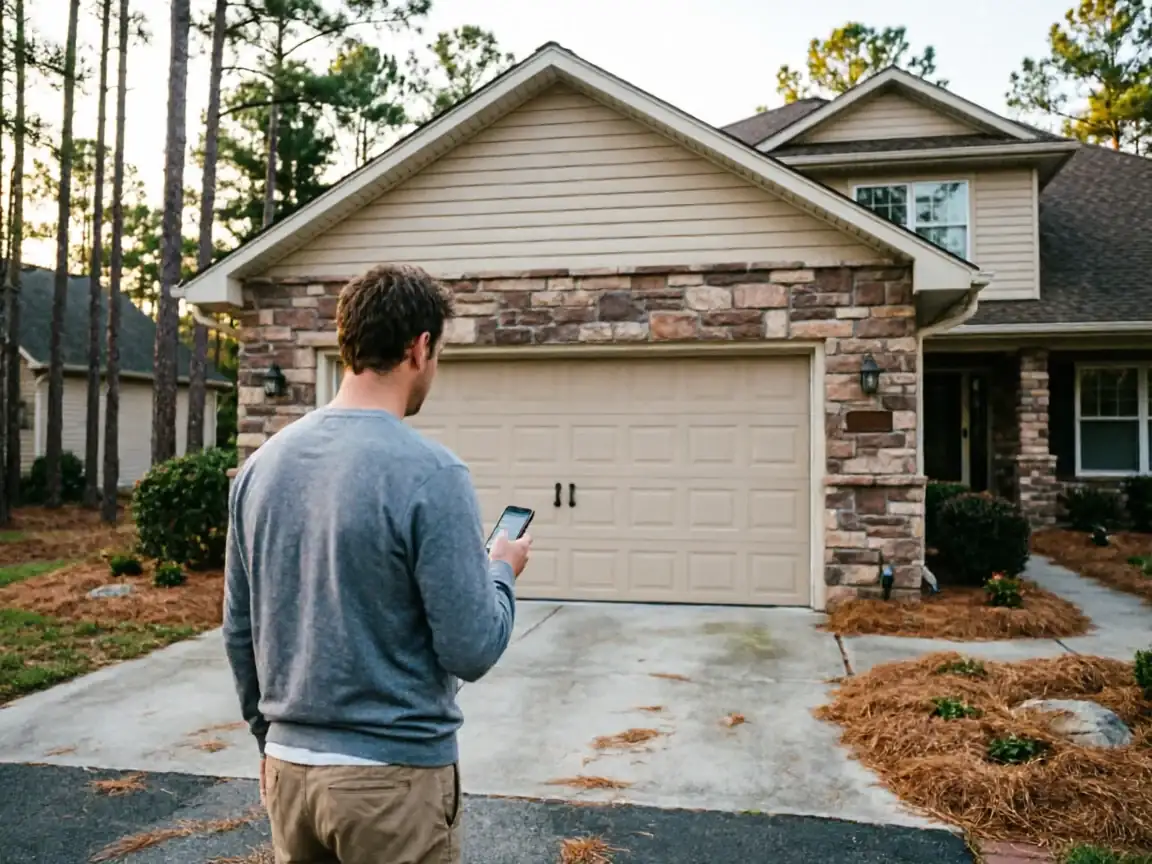
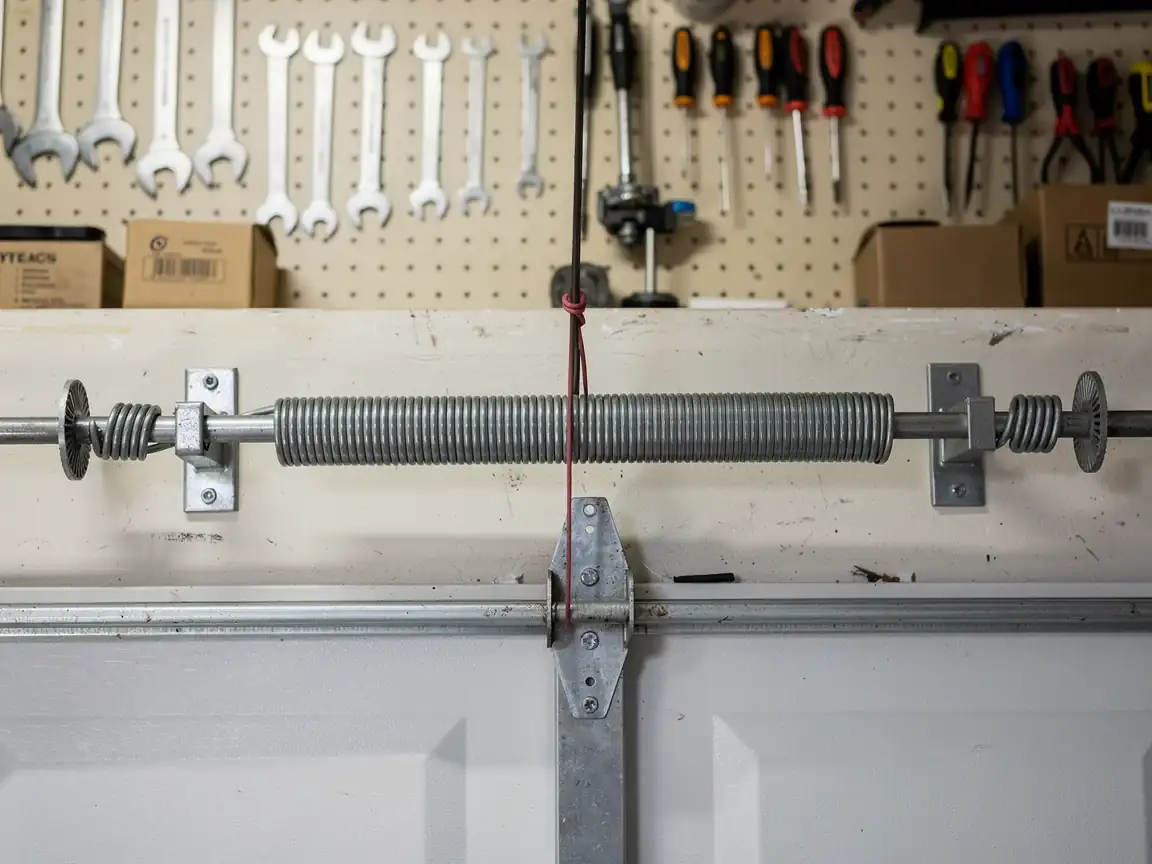
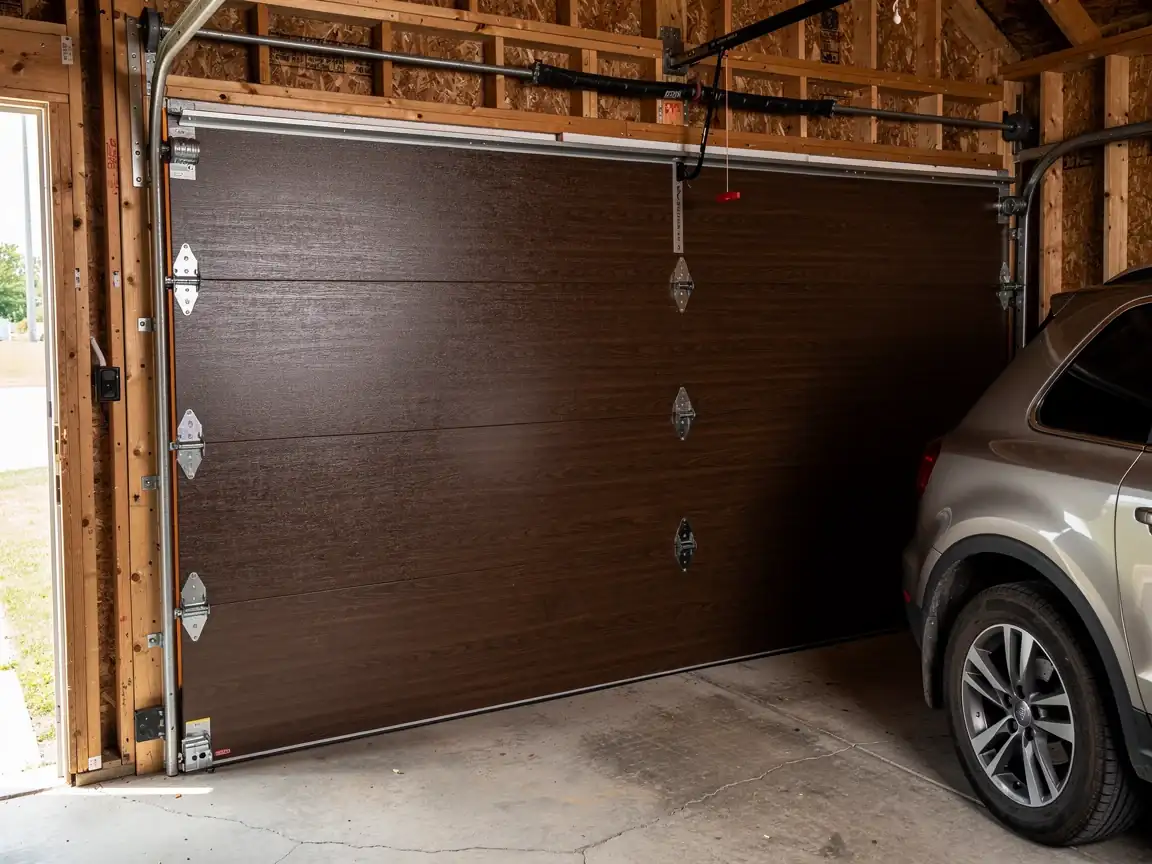
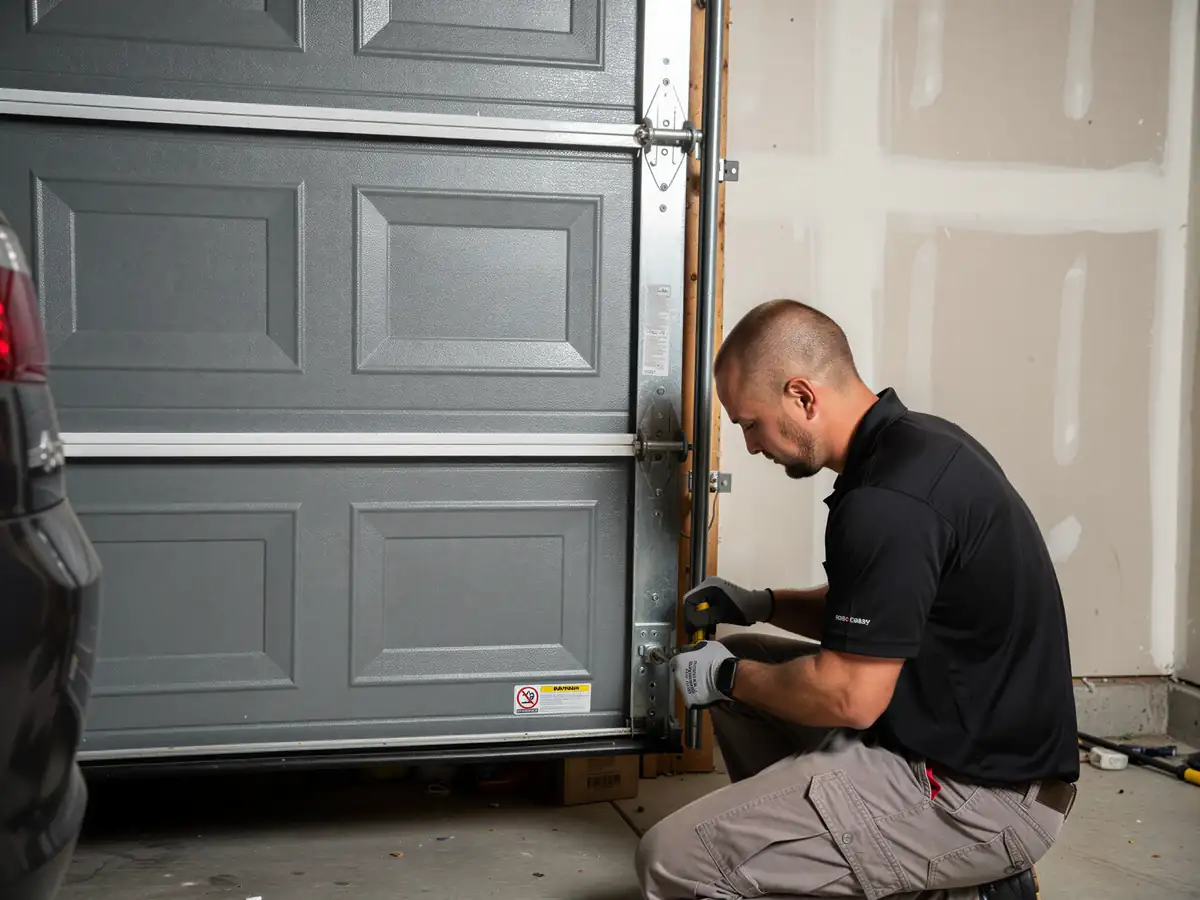
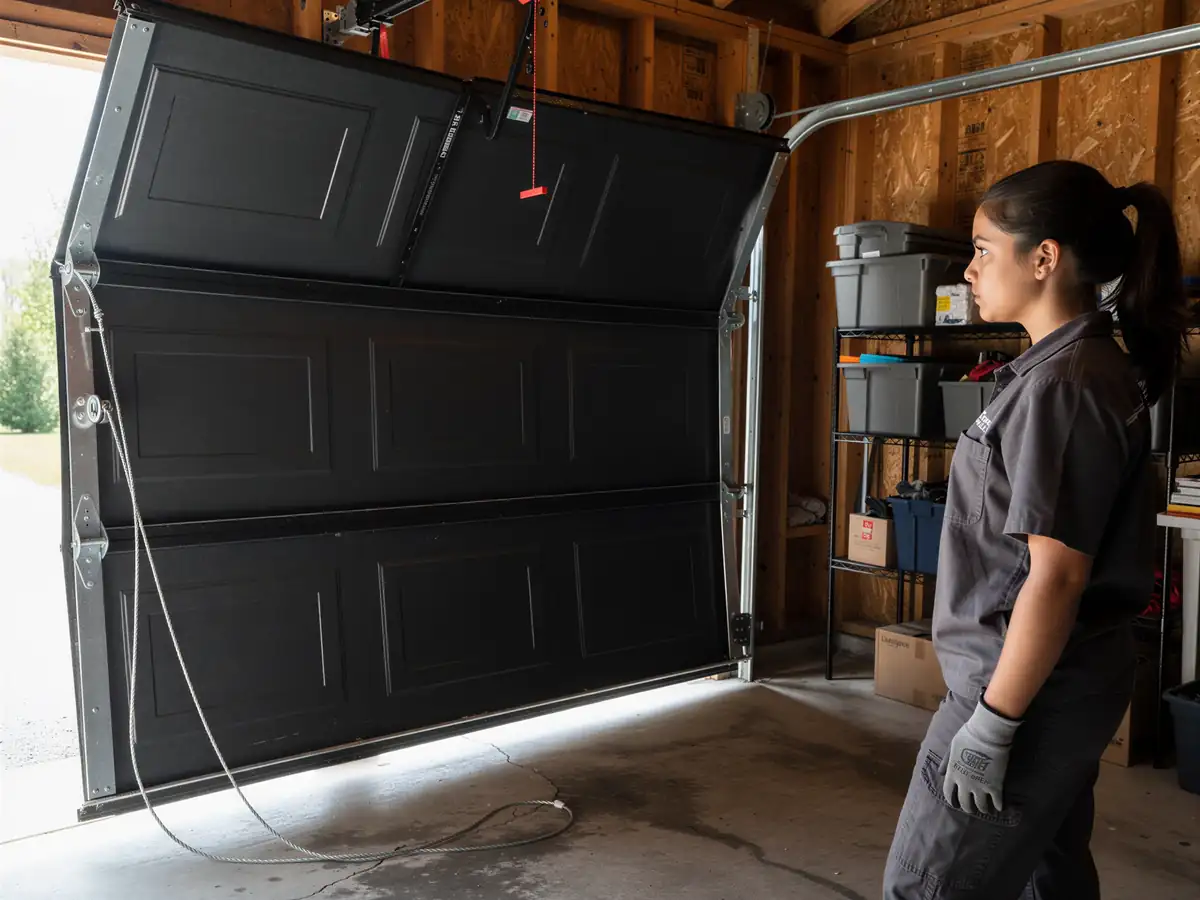
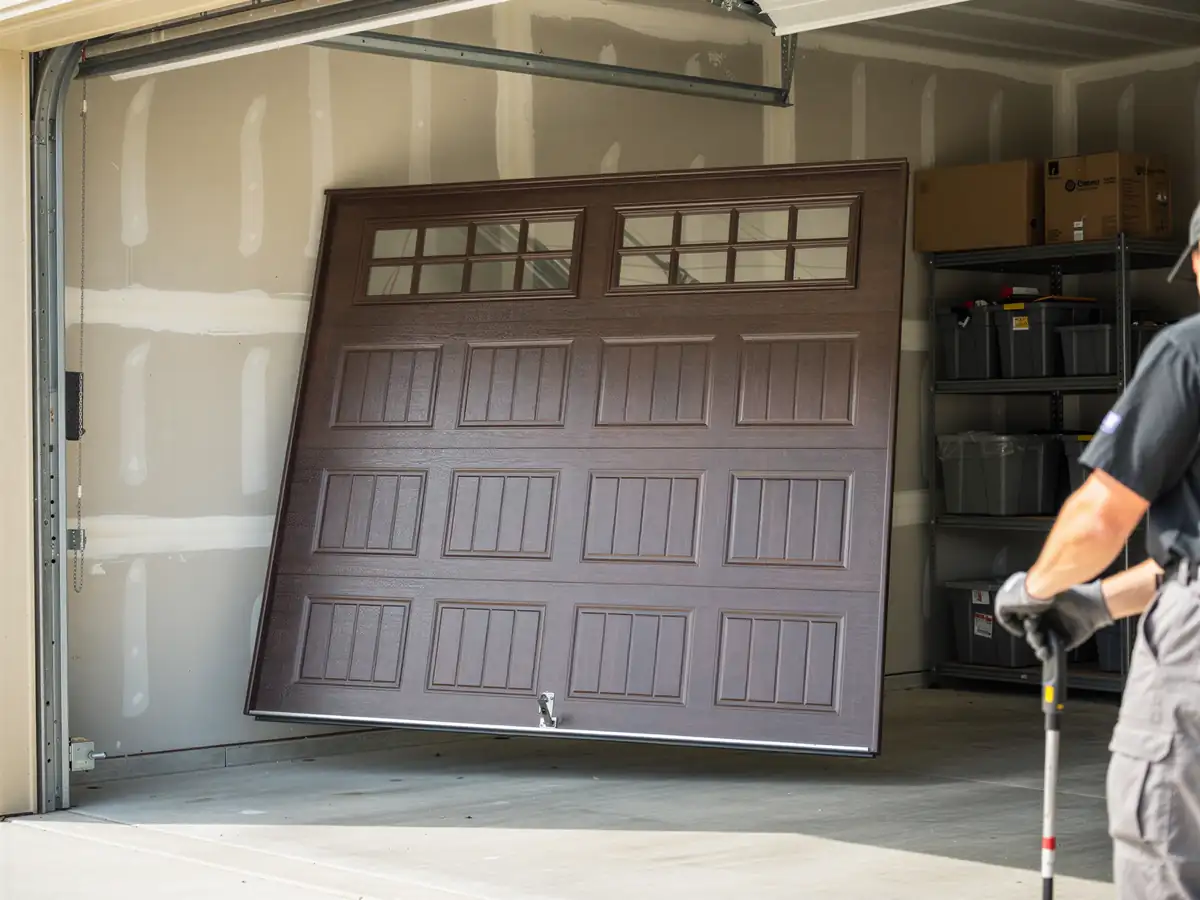
On a house this age, the signs that it's an opener problem and not a door problem usually show up the same way: the motor hums but the door doesn't move, the chain or belt has visible slack, or the unit reverses partway up for no clear reason. Those point to a failing drive gear or a worn travel sensor, both common once an opener has been running on original 1970s-era hardware well past its expected life. If instead the door itself drags, sags on one side, or the springs look stretched or rusted, that's a door and spring issue first - installing a new opener on top of that just means a good motor fighting a bad door, and it won't hold. We'll tell you straight which one you're looking at before we quote anything, because an opener swap on a door that needs spring work isn't a fix, it's a short delay before the next call.