How Long You Are Without the Door
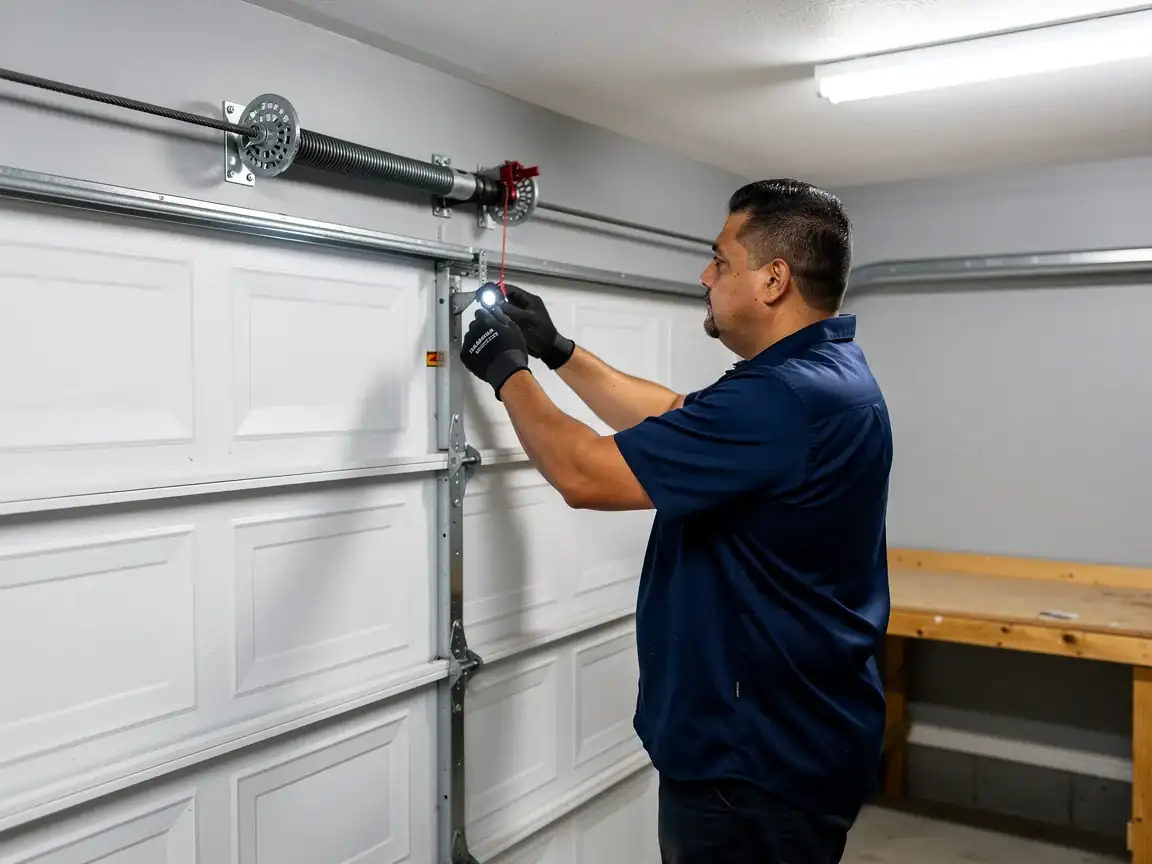
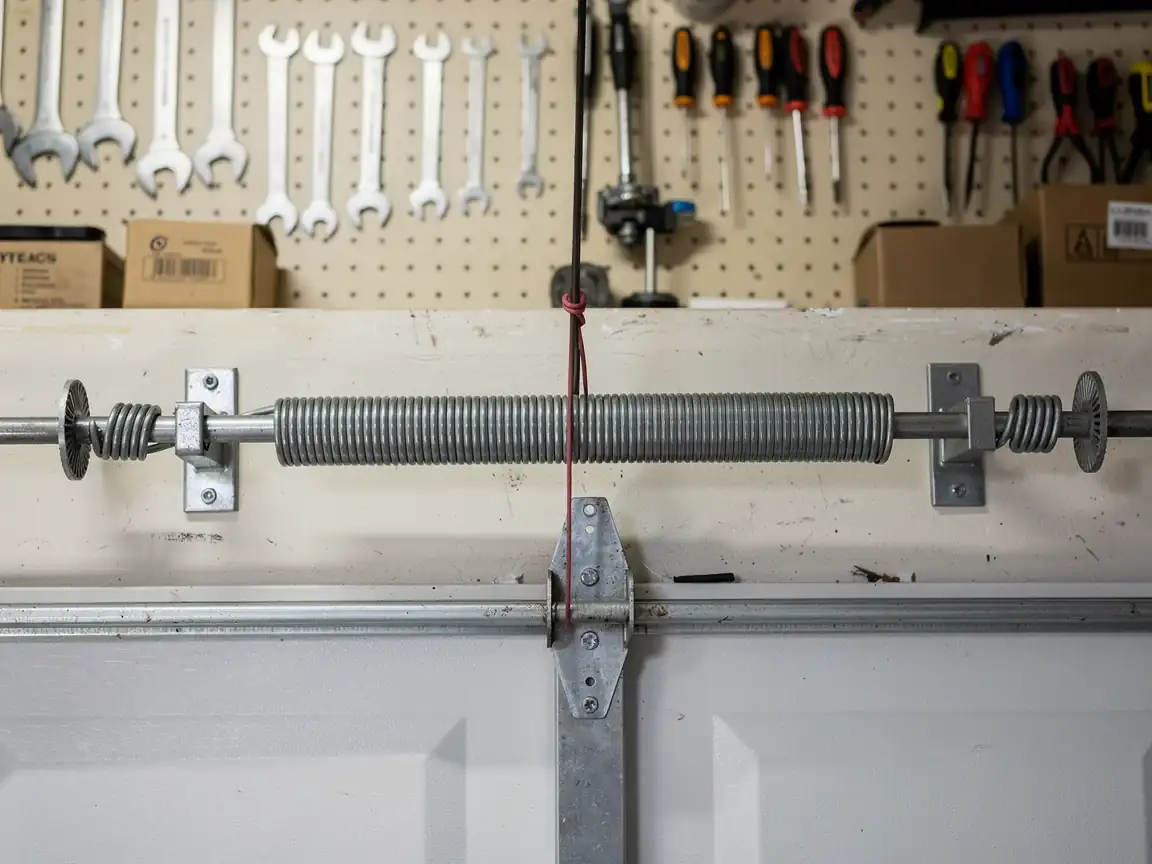
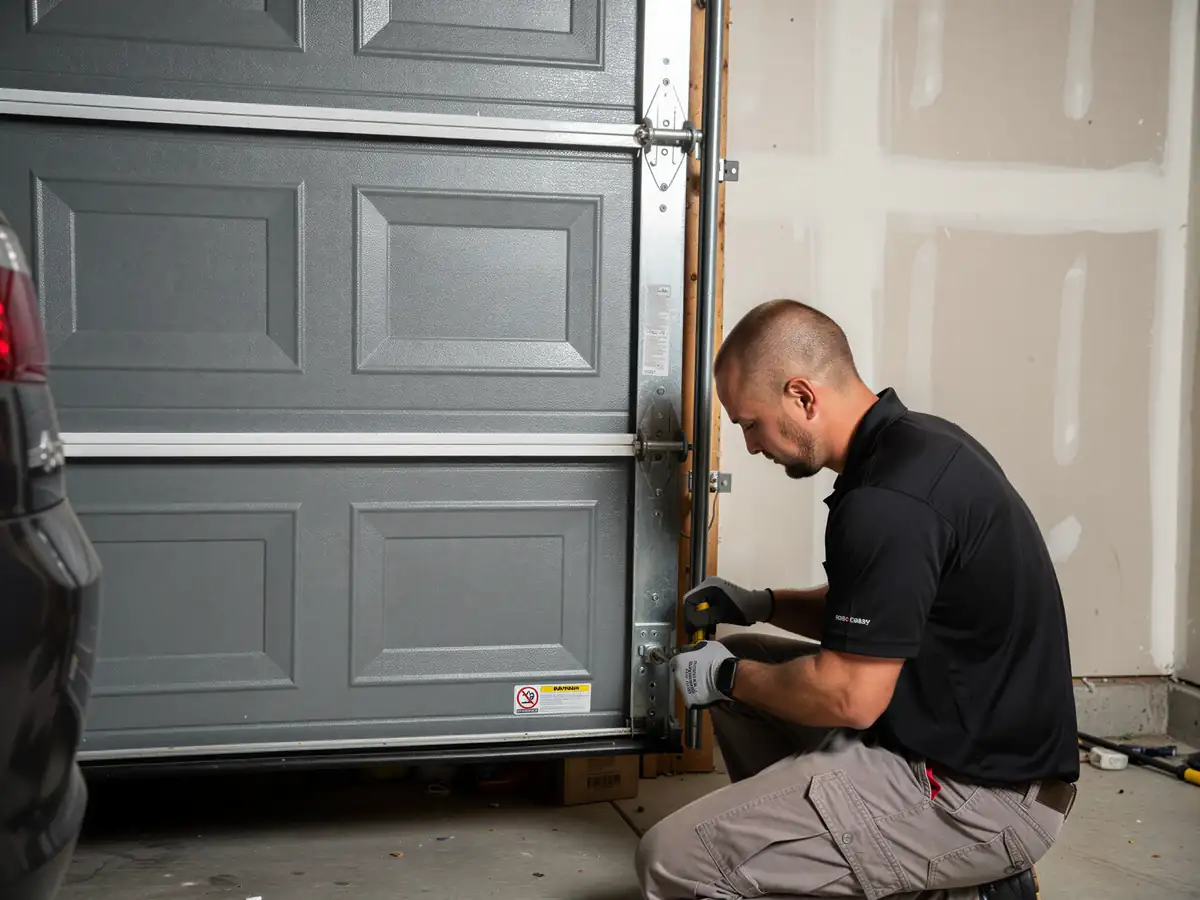
Most houses in Lebanon Junction went up around 1974, which puts a lot of this town's garage doors at the tail end of their hardware's working life rather than the start. A door installed that year has had roughly five decades of spring cycles, and in a lot of cases nobody has touched the torsion spring, the center bearing plate, or the original hinges since the day the house was framed. That matters for maintenance because the failure mode on original hardware isn't gradual - it's a spring that lets go on a cold morning, or a hinge that finally cracks after years of rust creep. When that happens here, you're waiting on a truck coming from Elizabethtown, about 12 miles out. That's not a same-town response, and we're straight about it: if a spring breaks on a Saturday evening, you may be looking at next business day rather than an hour. Maintenance visits are how you avoid finding that out the hard way, because a spring under inspection rarely fails without warning - it shows stretch, flat spots, or rust lines first, and those are the things a maintenance check catches before the cable snaps instead of after.
Booking a Visit
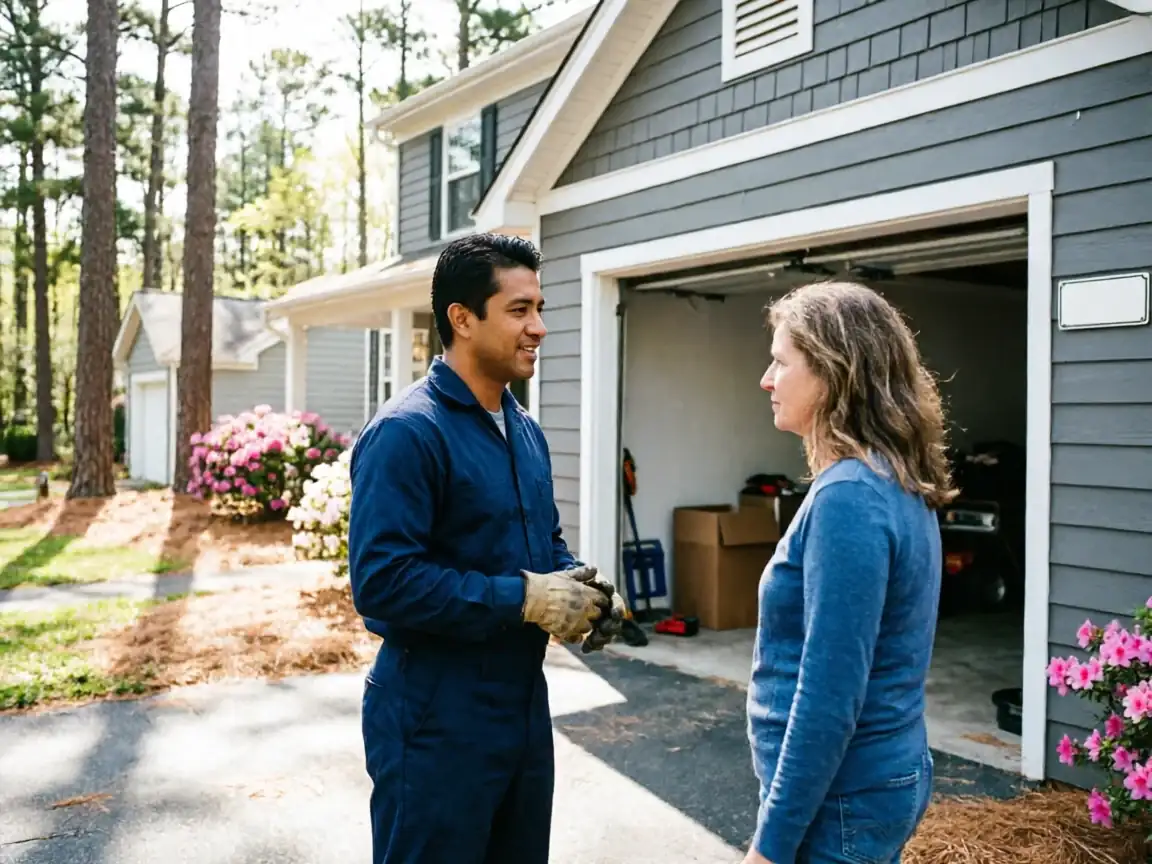
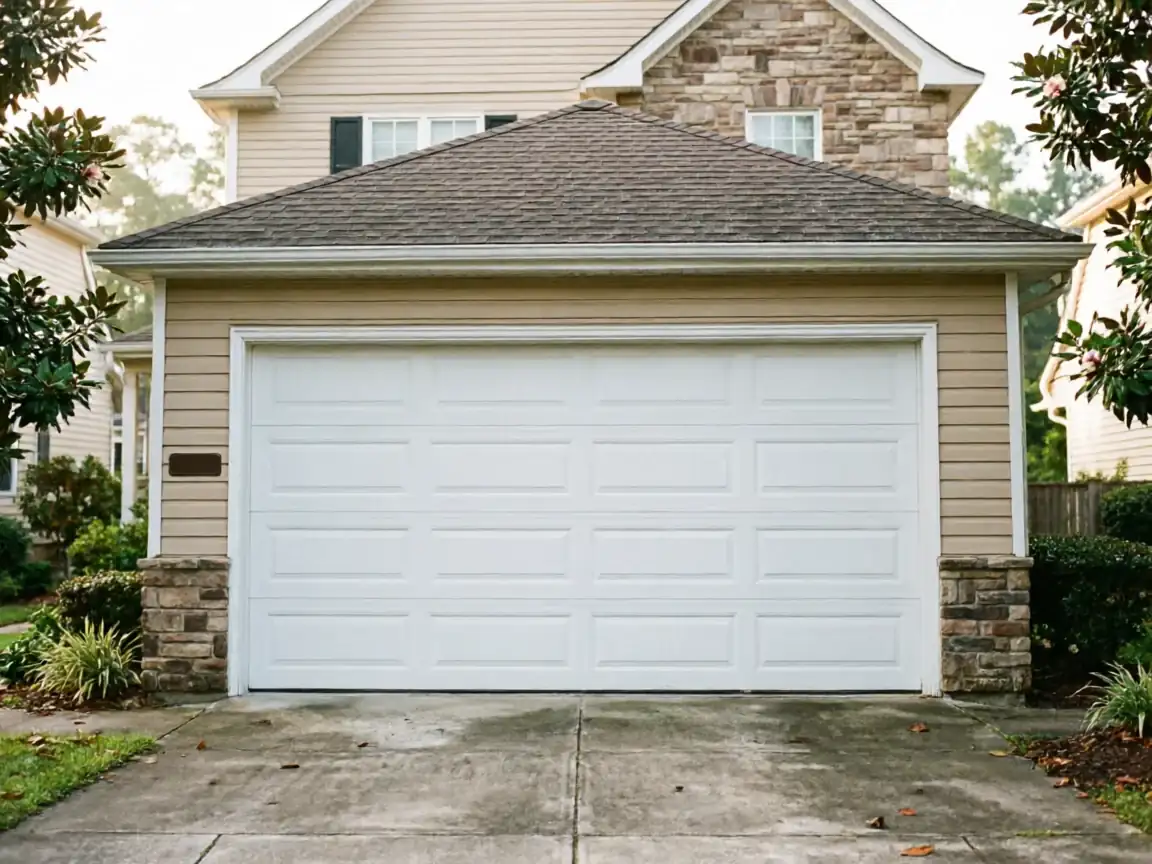
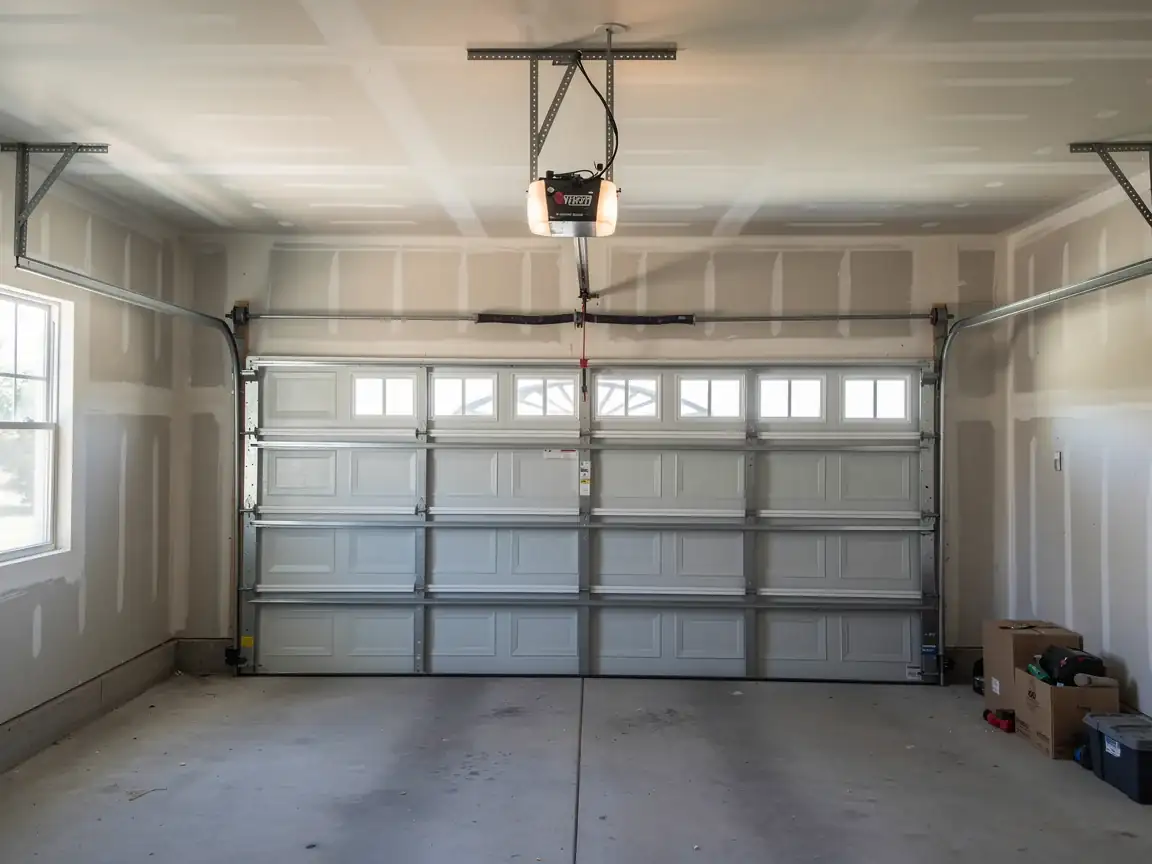
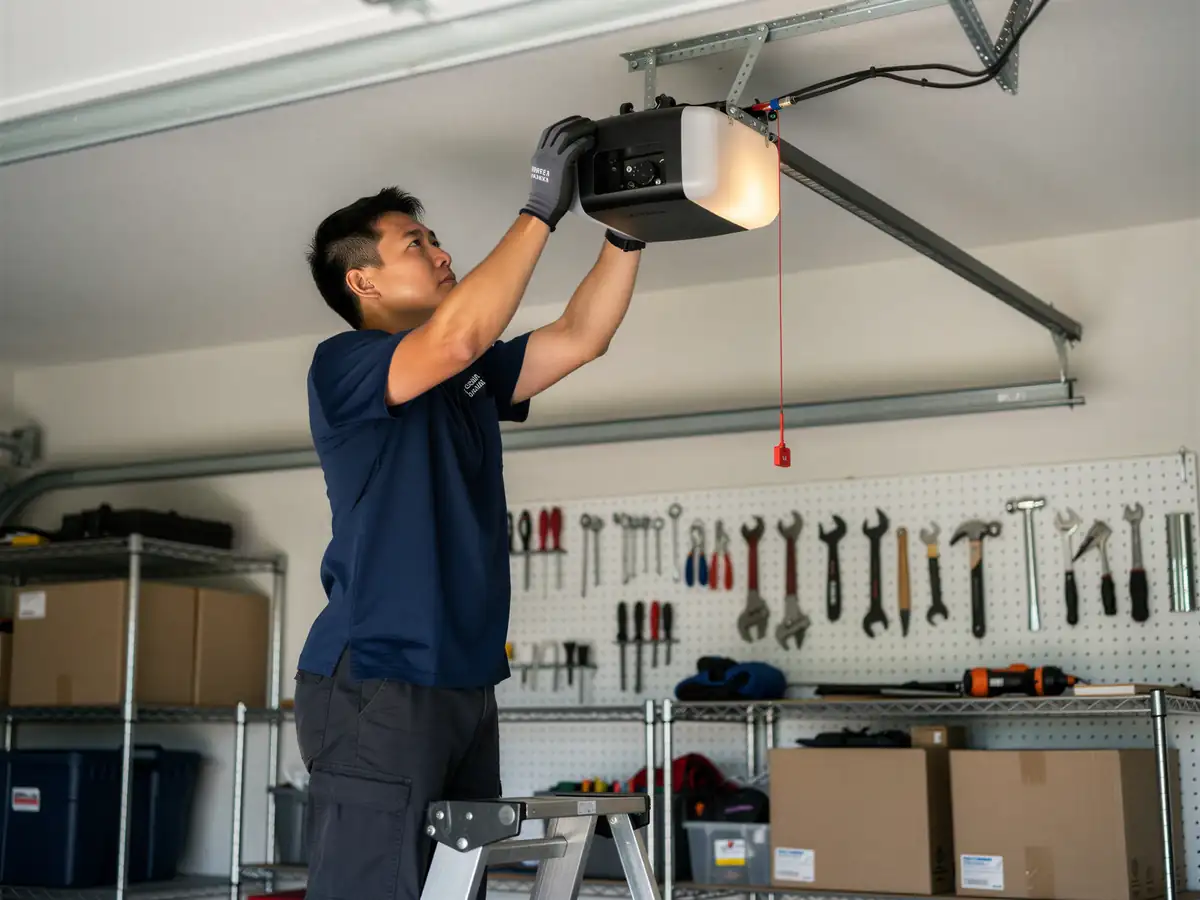
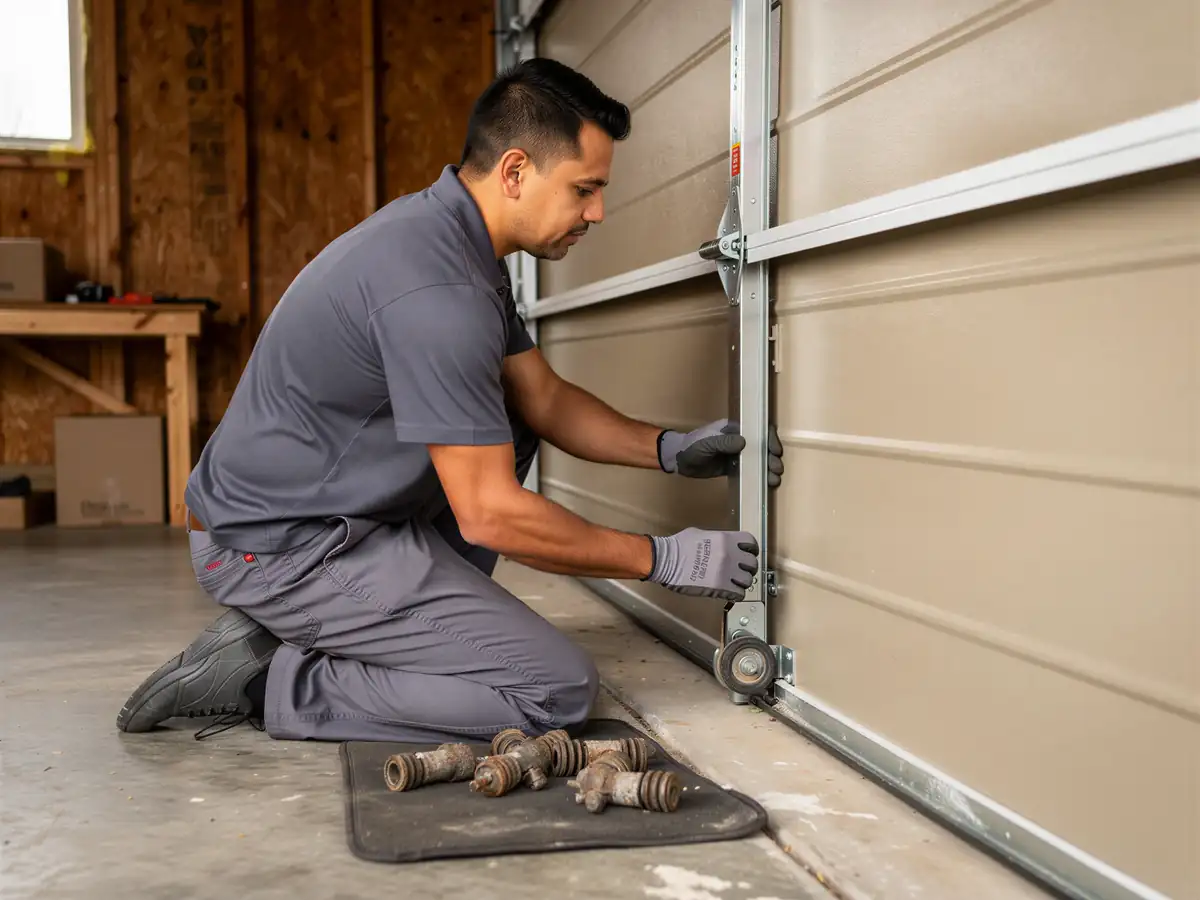
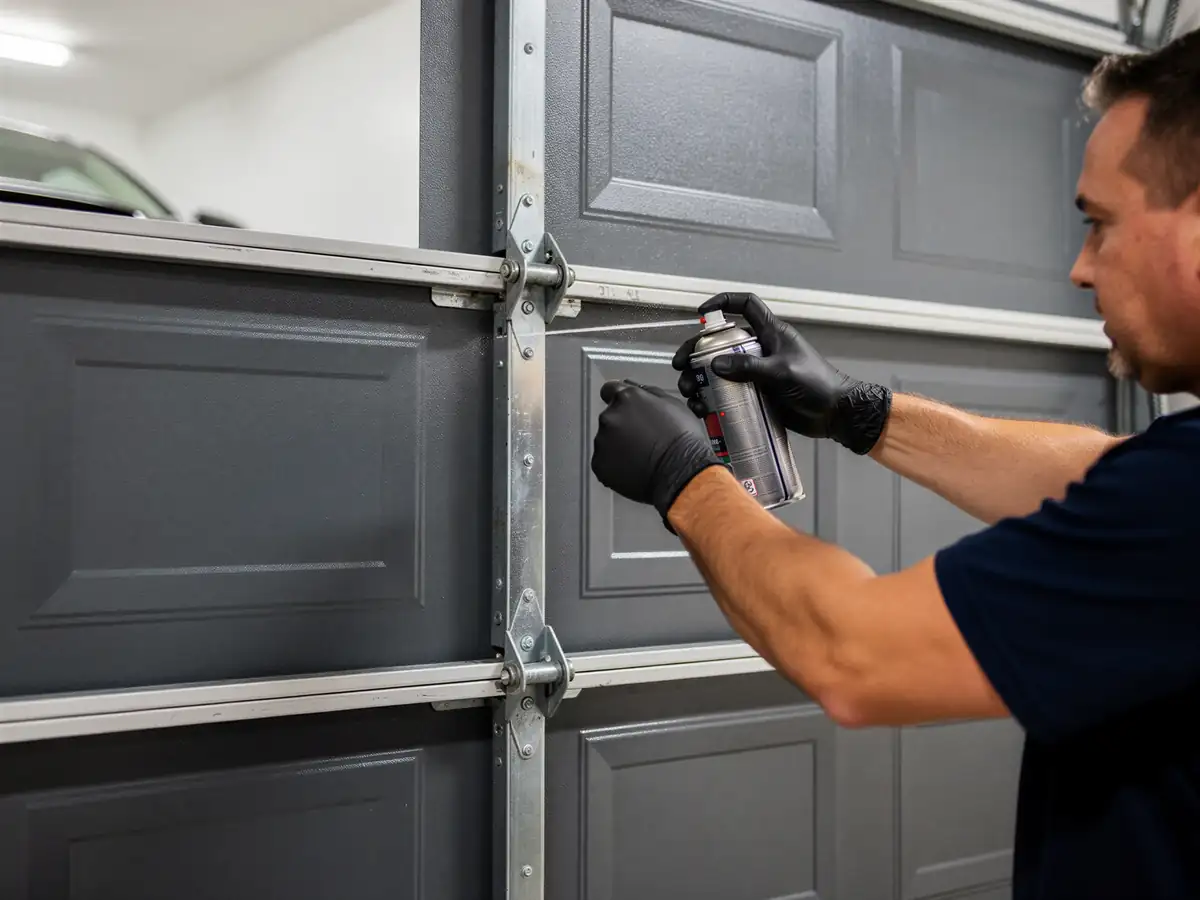
Because we're covering Lebanon Junction from Elizabethtown, we schedule maintenance runs out here rather than treating it as a drop-in stop between other jobs. Tell us the age of the house if you know it, or just the color and material of the door - most of what we see in this town lines up with the mid-1970s building wave, and that tells us what hardware to expect before the truck leaves the shop. A maintenance visit isn't an emergency call, so there's no rushed diagnosis standing in your driveway. We look at the spring, the track alignment, the opener's force settings, and the condition of the rollers and cables, then tell you plainly what's still good and what's close to the end. If something looks like it's within a season of failing, we'll say so instead of waiting for you to call back after it breaks.
What You Are Seeing
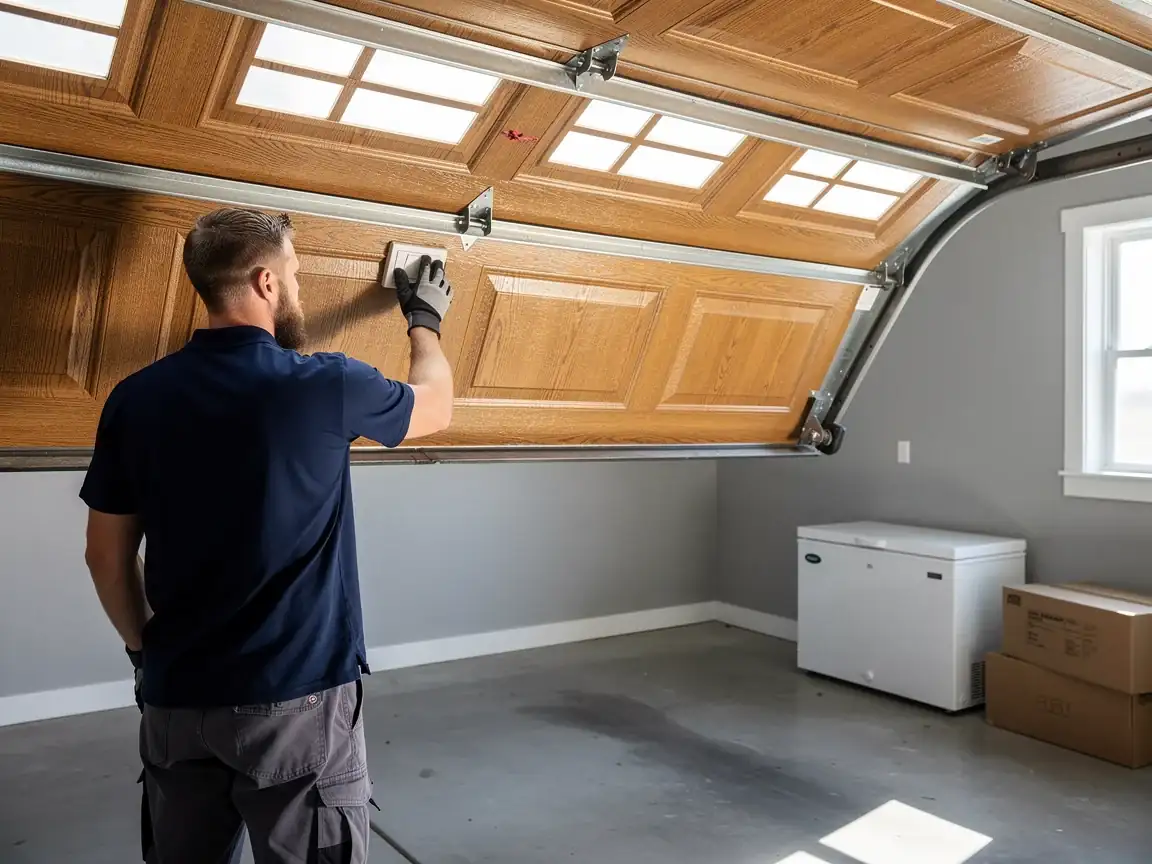
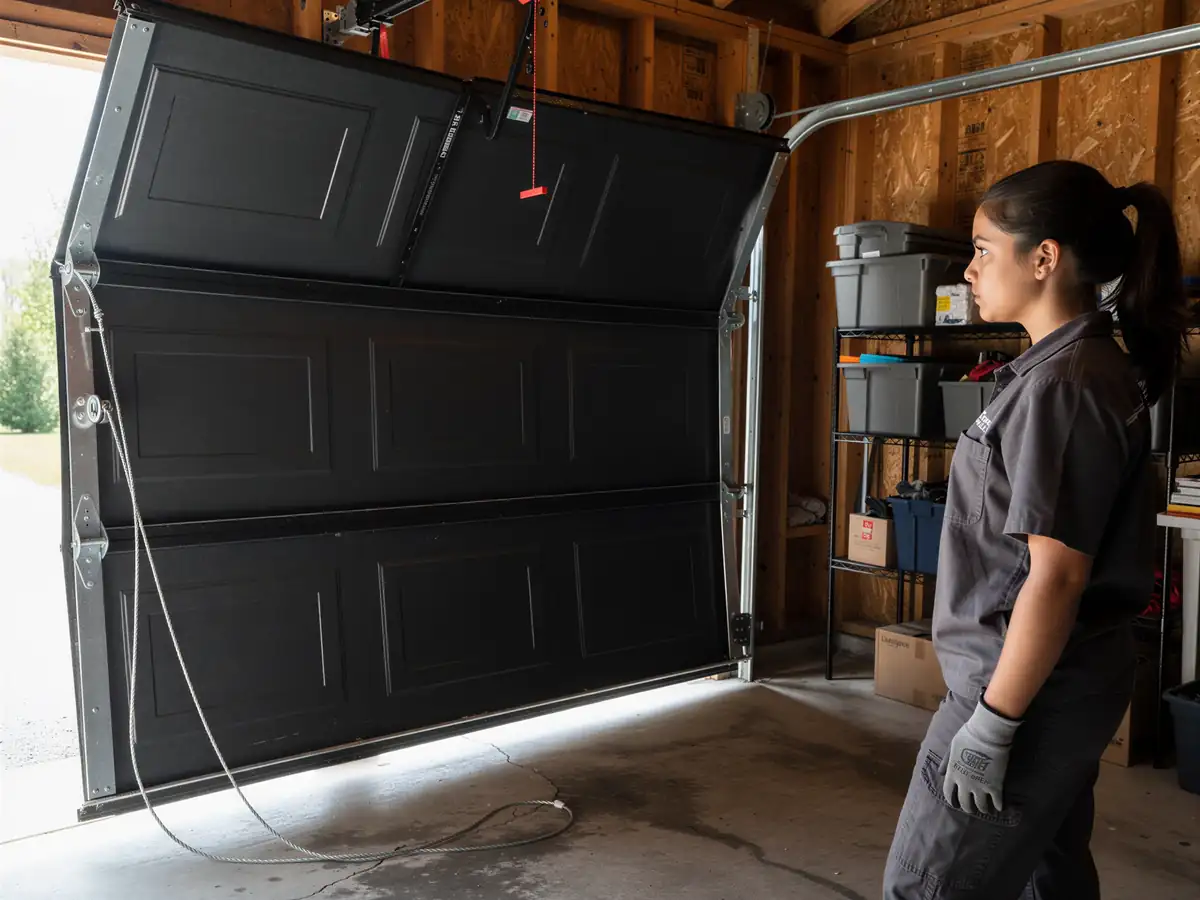
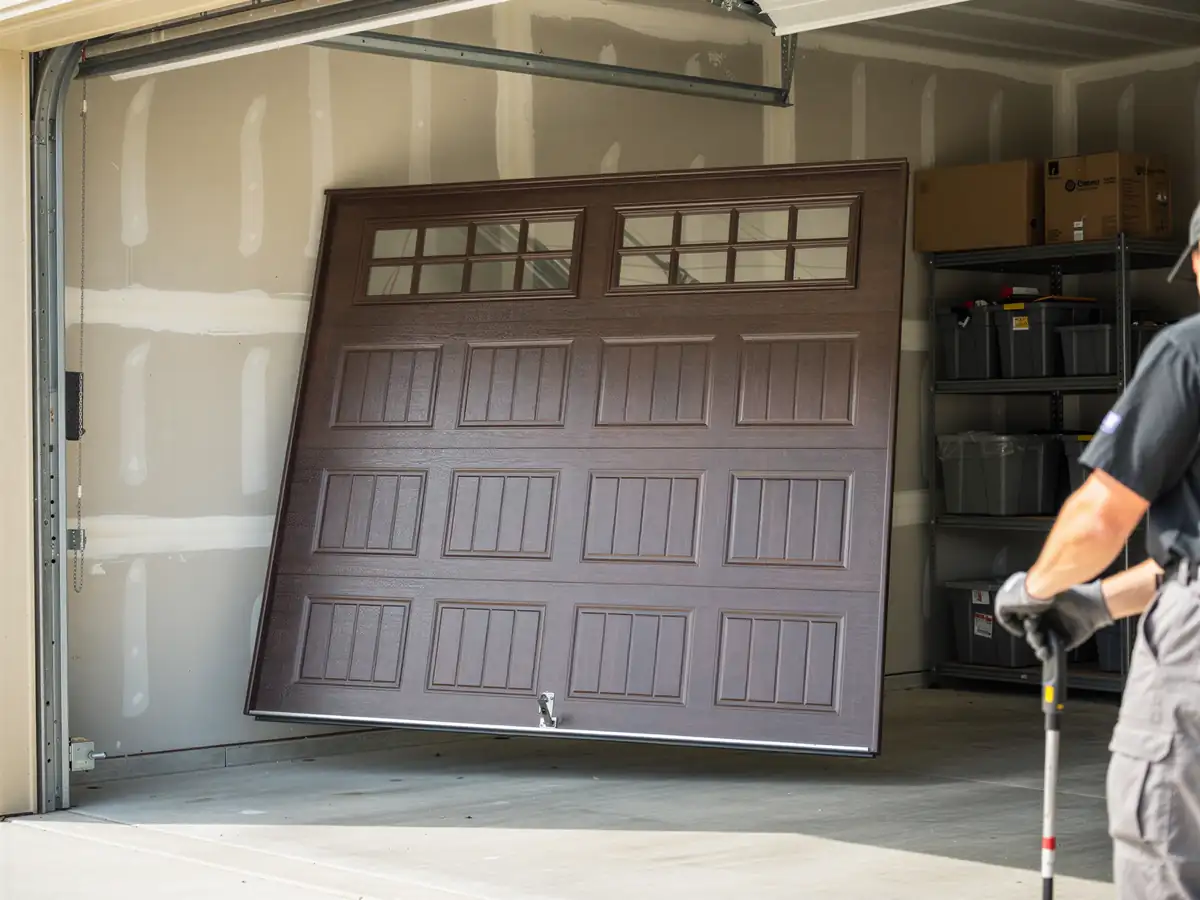
In a cold-winter climate like this one, the signs of worn original hardware show up as noise and hesitation before they show up as a full failure. A door that groans on the way down, a track that flexes visibly when the opener pulls on it, or rollers that have gone from round to oval-shaped from decades of the same stress - all of that fits houses carrying hardware from the mid-1970s. Household incomes in this part of the service area run lower than some neighboring towns, which is part of why maintenance makes more sense here than a full swap for hardware that's merely tired rather than dangerous. We're not going to tell you every door from this era needs replacing - plenty of the steel track and heavier hinges from that build quality still have life in them. The ones to worry about are the springs, because wire fatigue doesn't announce itself with noise. It just lets go.