How Long You Are Without the Door
Lebanon Junction sits about 12 miles out from Elizabethtown, so a new install here isn't a drop-in-and-leave job the way it might be for a house a few blocks from the shop. The truck has to be loaded right the first time, because a forgotten header bracket or the wrong spring size means a second trip out that stretches the day.
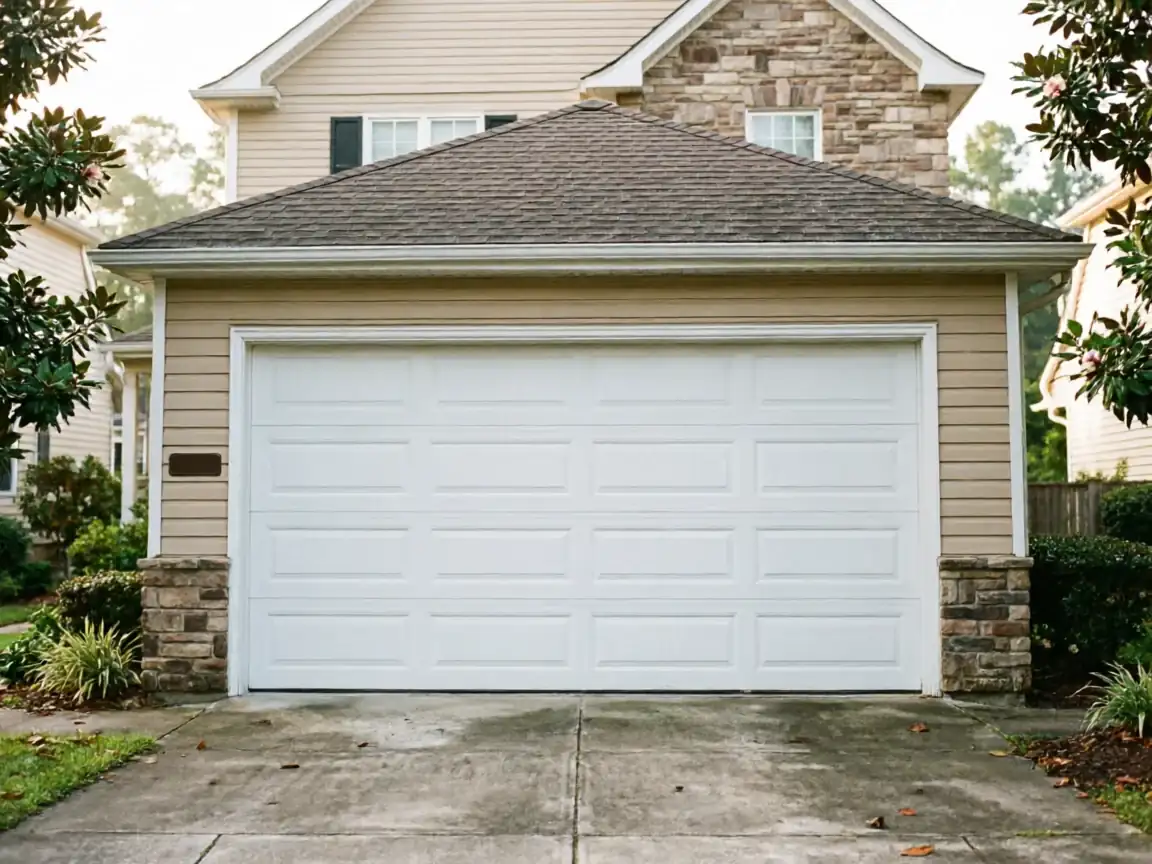
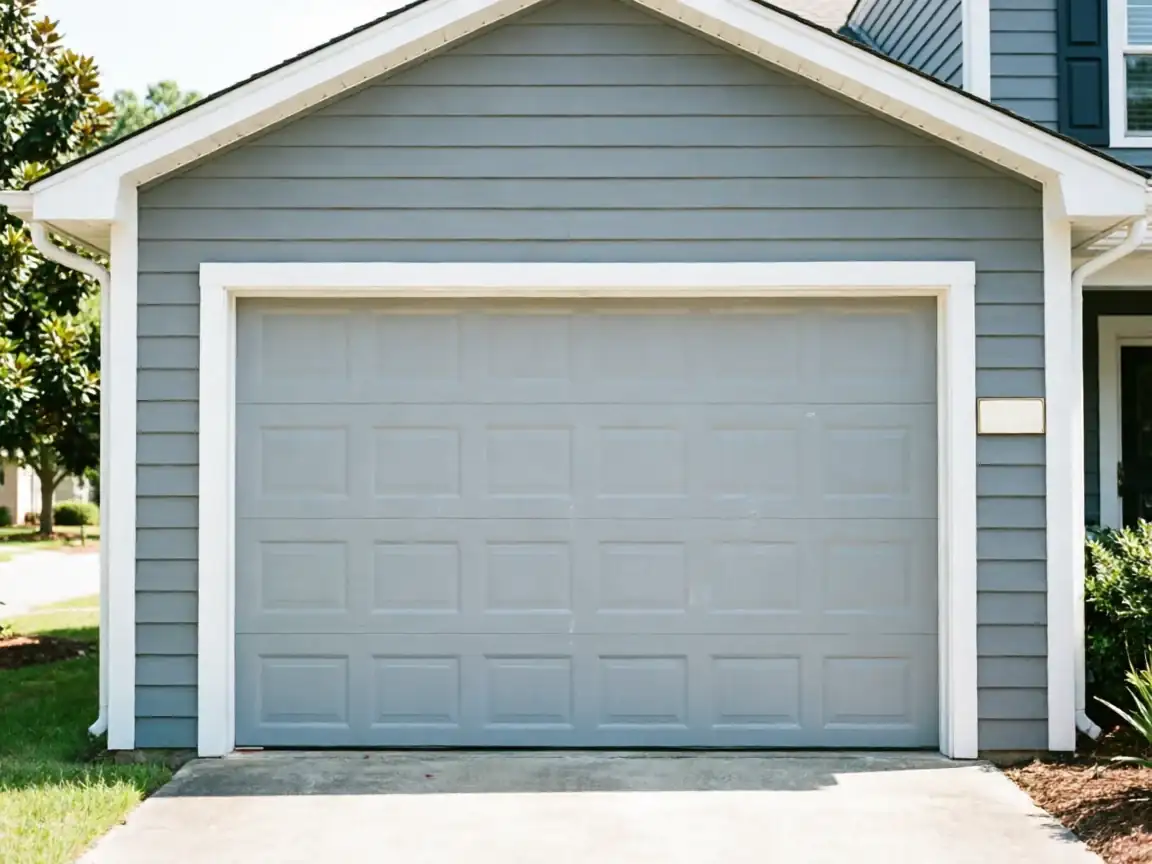
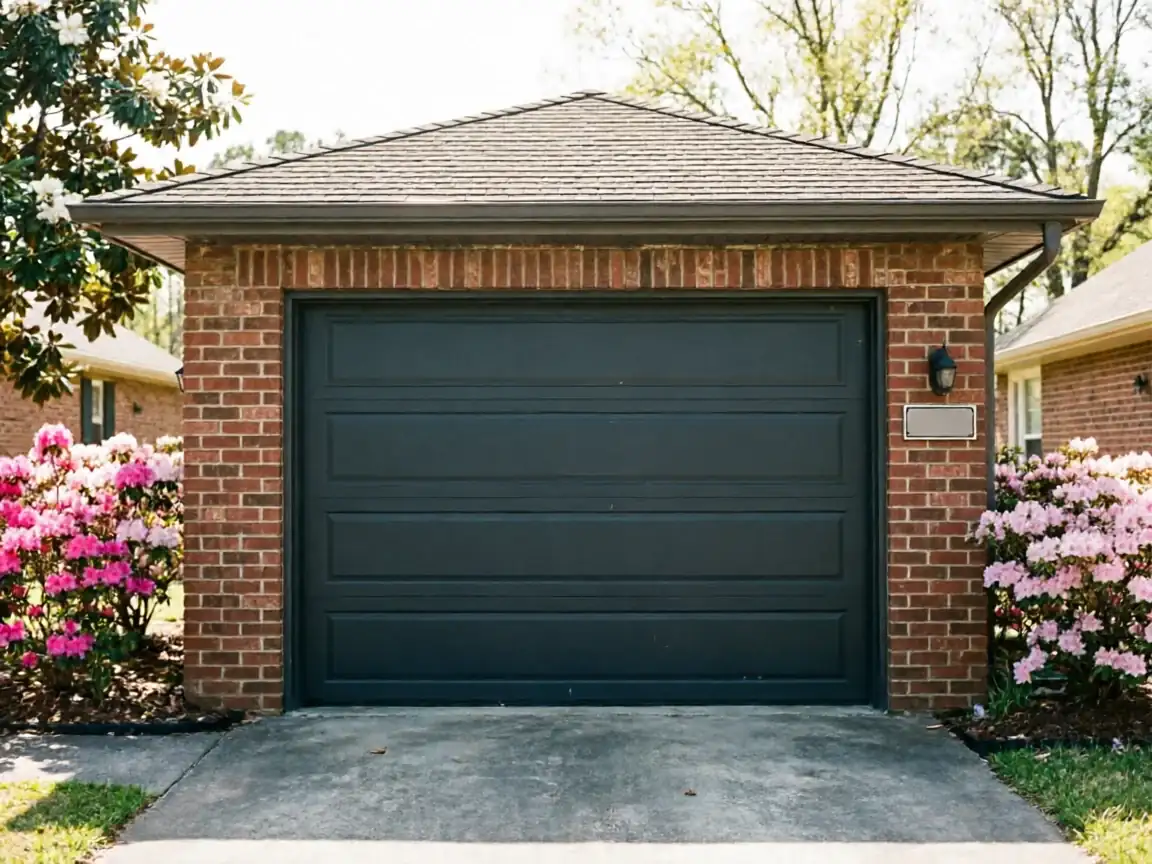
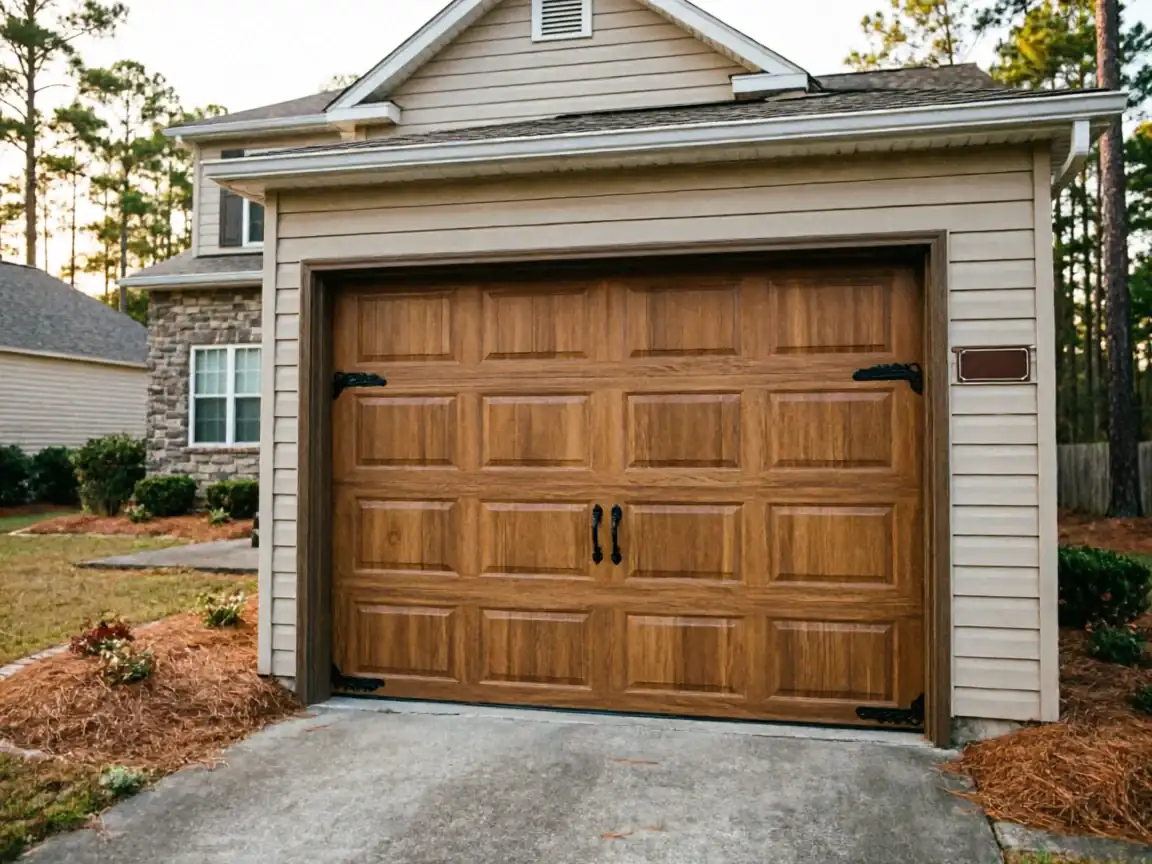
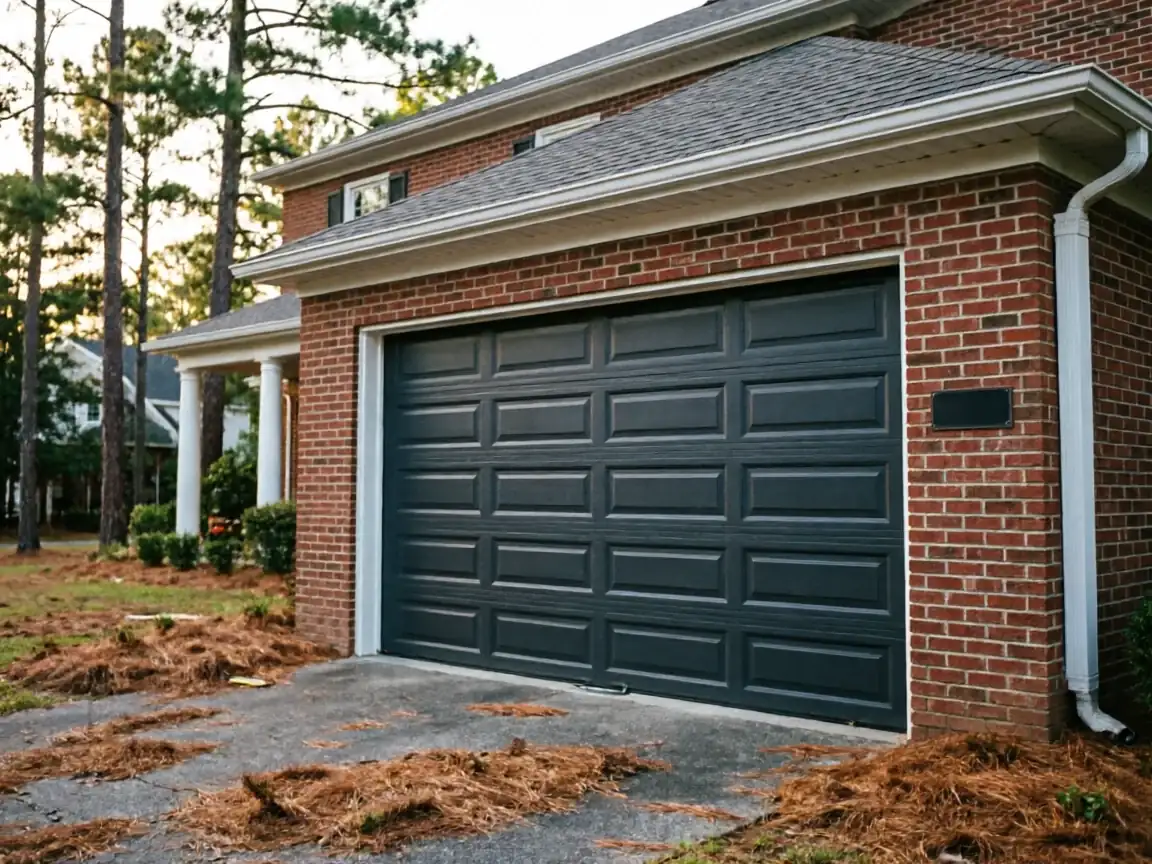
Most homes in this part of the service area were built right around 1974, which is later than a lot of the older pockets closer to Elizabethtown itself. That matters for timing: a house from the mid-70s usually has a standard 16x7 or 9x7 opening framed to code for that era, not the odd heights you find in the pre-1960s stock. Standard openings mean we're not waiting on a special-order size, which keeps the install itself to roughly half a day once the old door and track are stripped out.
Weather plays into the schedule too. This is a cold-moderate climate band, so once the fall and winter cold settles in, we try not to leave an opening uninsulated overnight between removal and the new door going up. That's planning, not a promise - we work around what the day gives us.
Booking a Visit
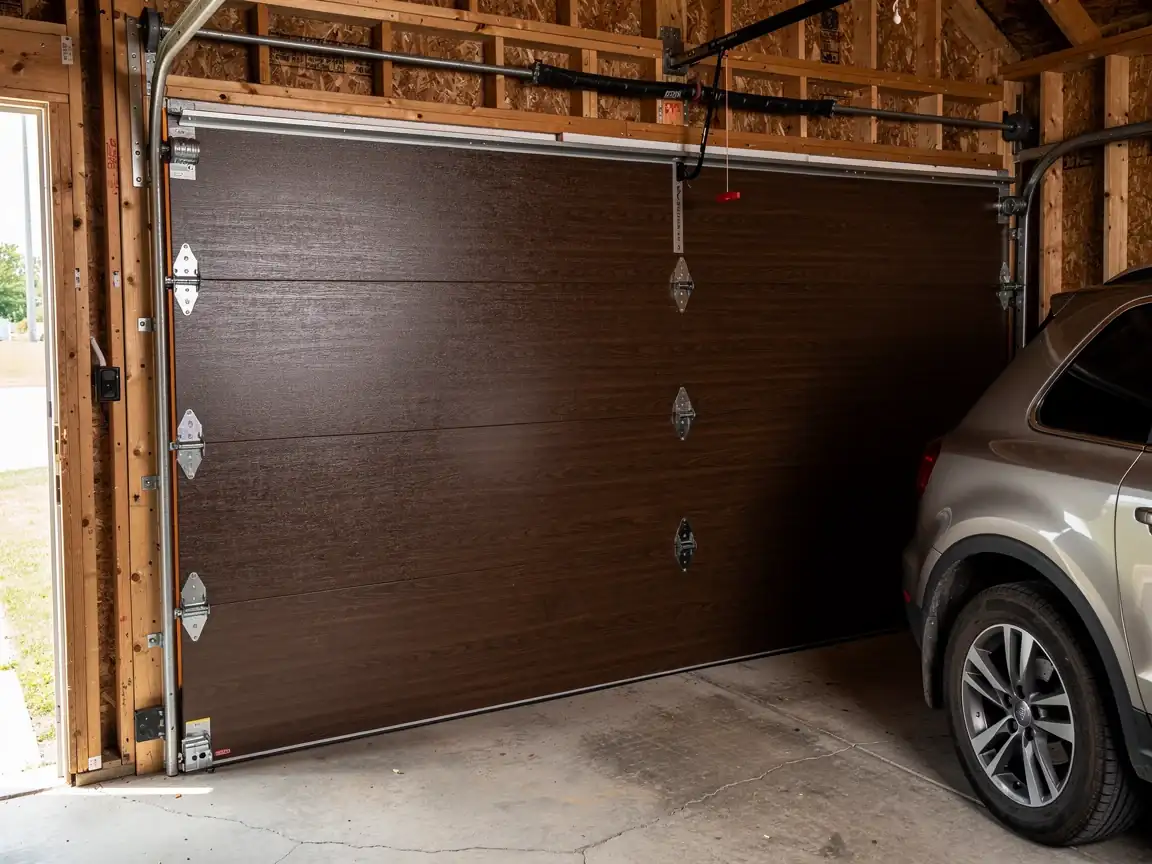
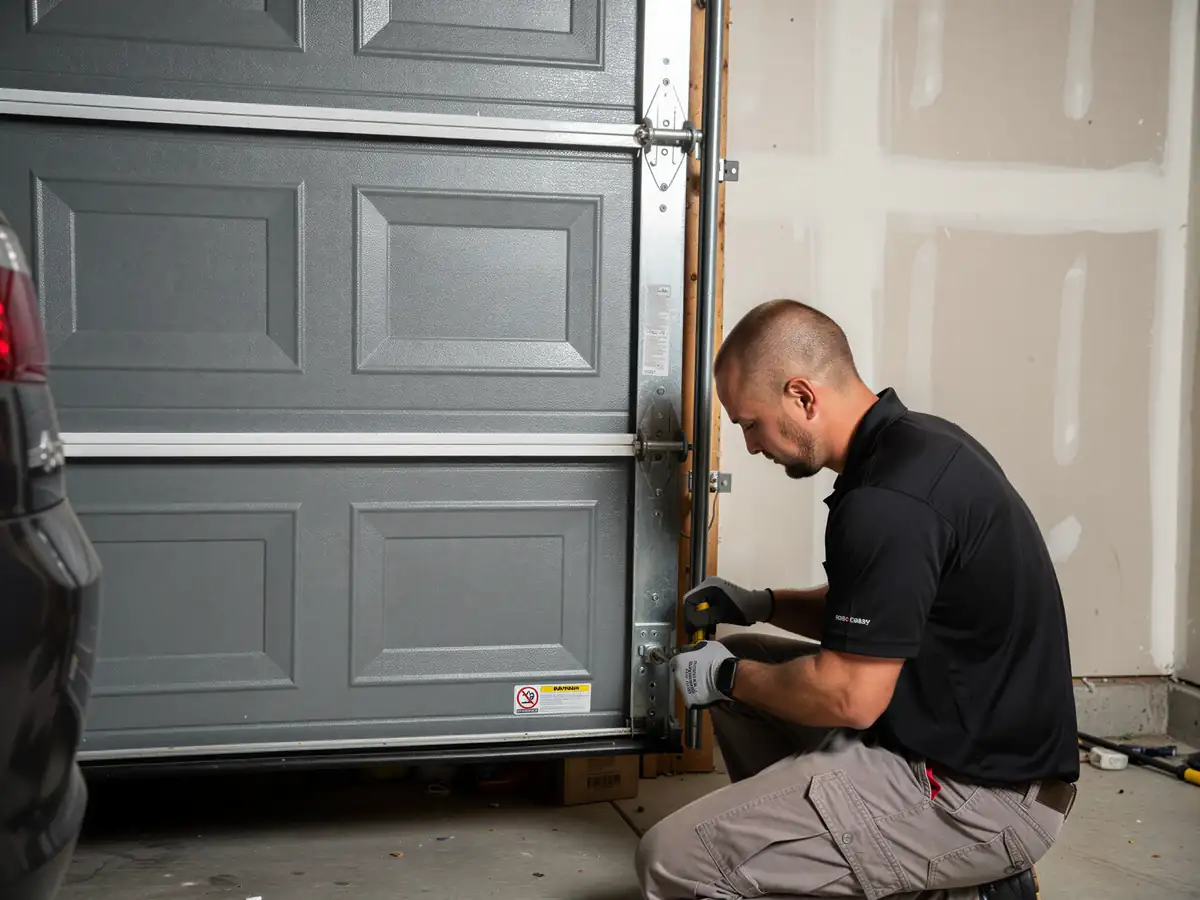
Because the crew comes from Elizabethtown, booking a new install in Lebanon Junction means picking a day where the full job - old door removal, frame check, new panel set, opener mount - fits in one visit. We don't keep a branch or a drop point out here, so we build the trip around your opening measurements and what you want on the door before anyone leaves the shop.
If your house was built close to that 1974 median for this area, the opening is almost always standard dimension, which lets us quote and schedule off a phone measurement in most cases. Older or custom-built homes out this way sometimes need an in-person look first, since framing from different decades doesn't always match the stock sizes.
If you're dealing with a door that's broken rather than one you're replacing by choice, that's a different visit and a different page - repair work on an existing door is handled separately from a full install.
What Is on the Truck
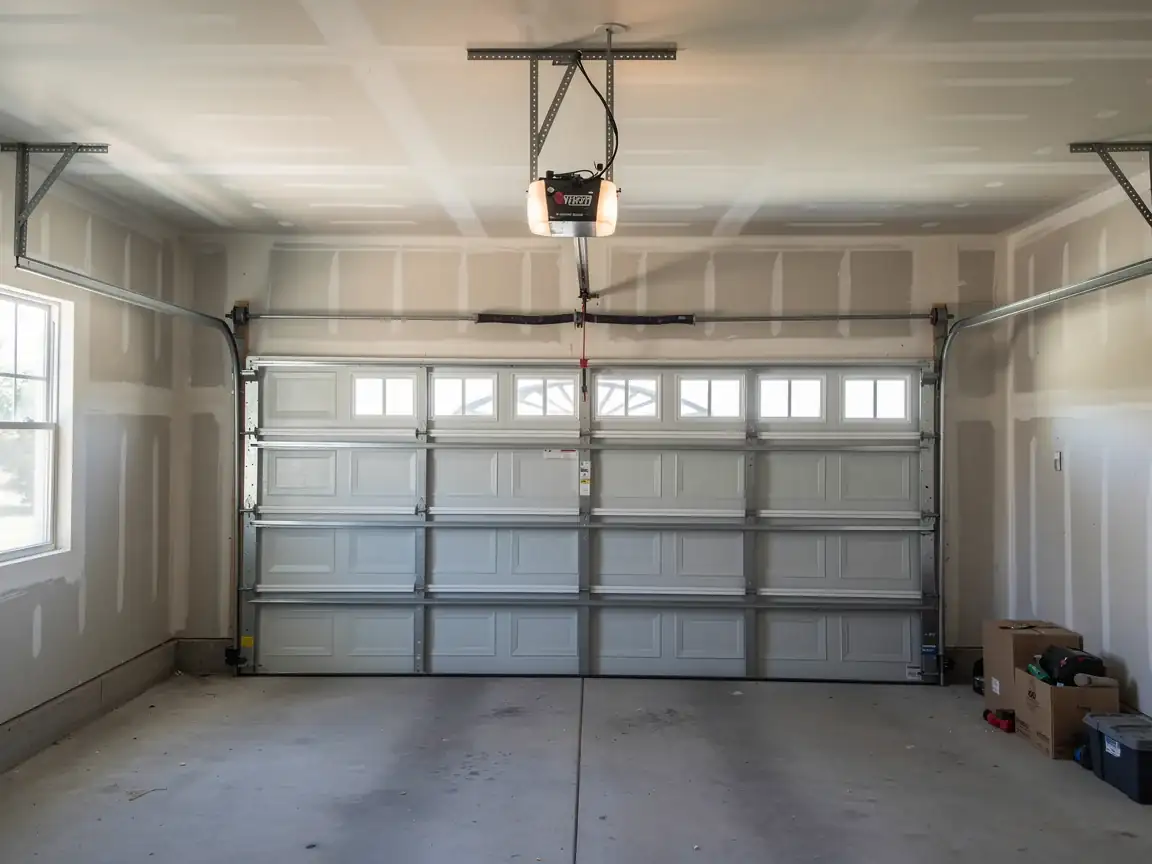
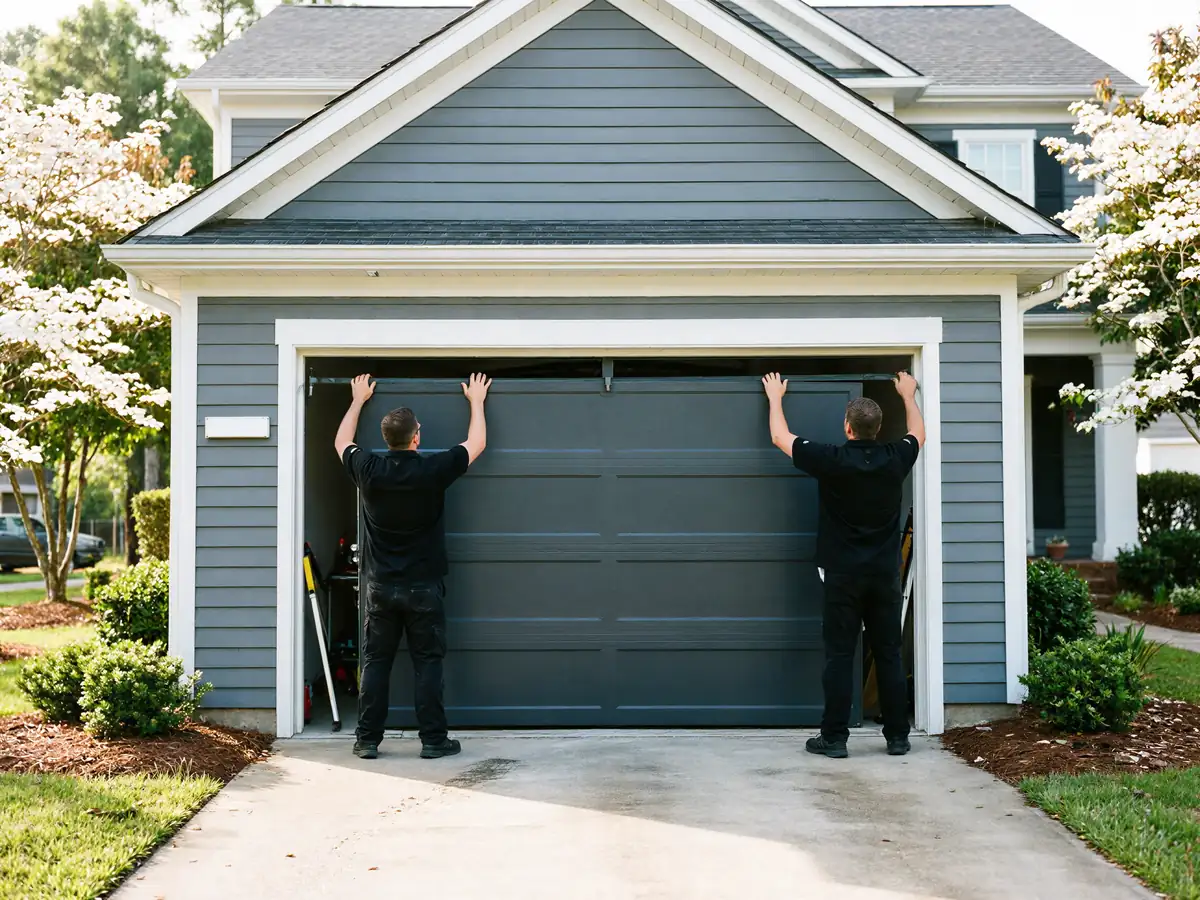
For a new install, the truck carries the door sections themselves
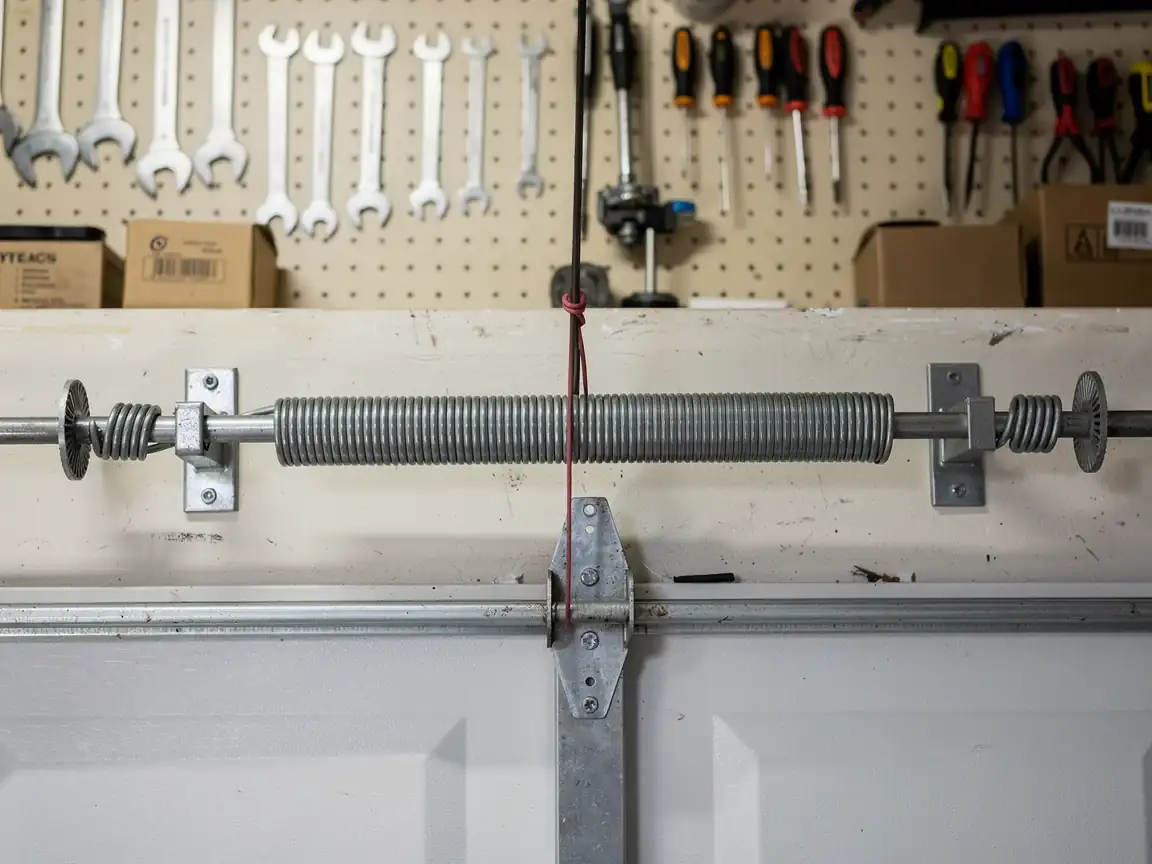
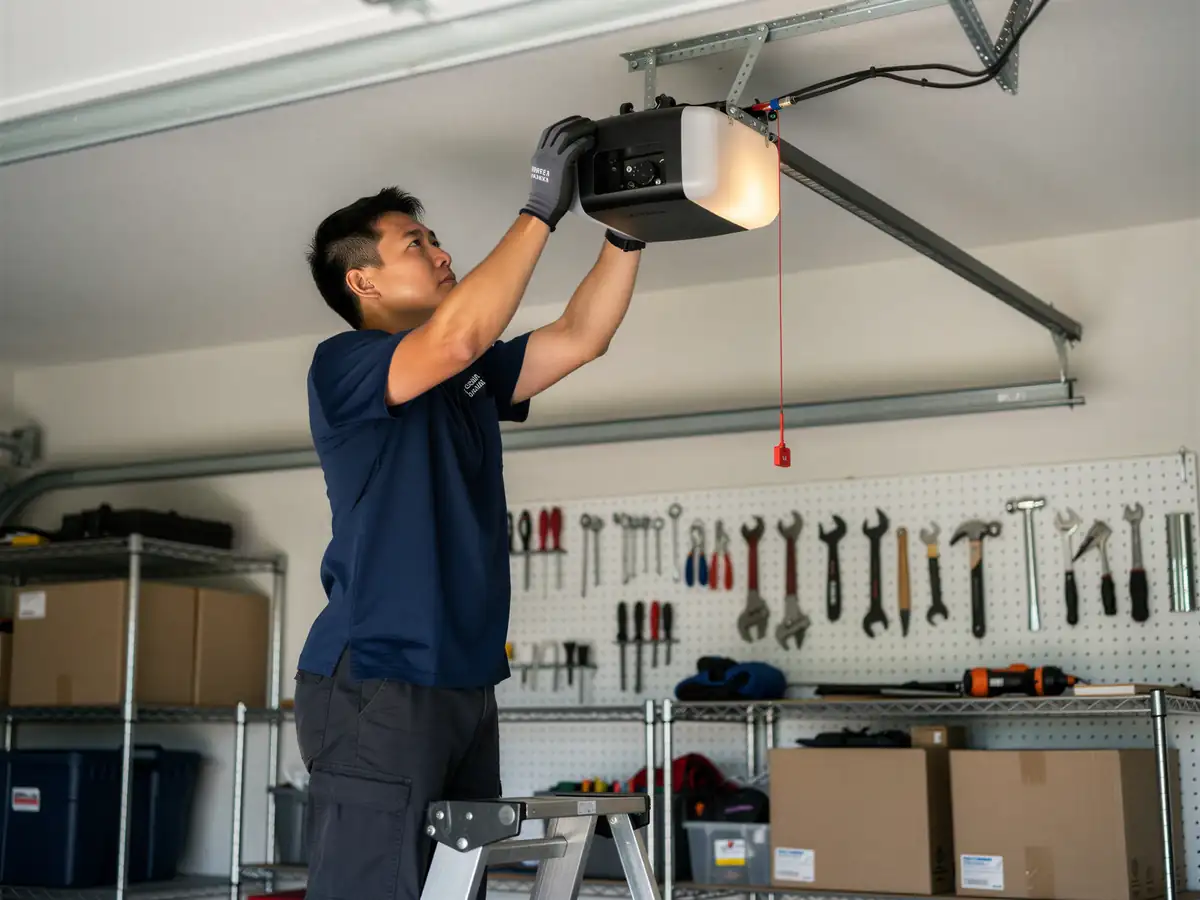
Track and roller hardware sized to a standard 1970s-era opening, torsion springs rated for the door weight and width, and the opener plus mounting rail. Given the age of housing typical to this area - most of it 1960s to 70s stock - the openings are usually consistent enough that we stock the common sizes rather than special-ordering for every job.
What we don't carry on the truck
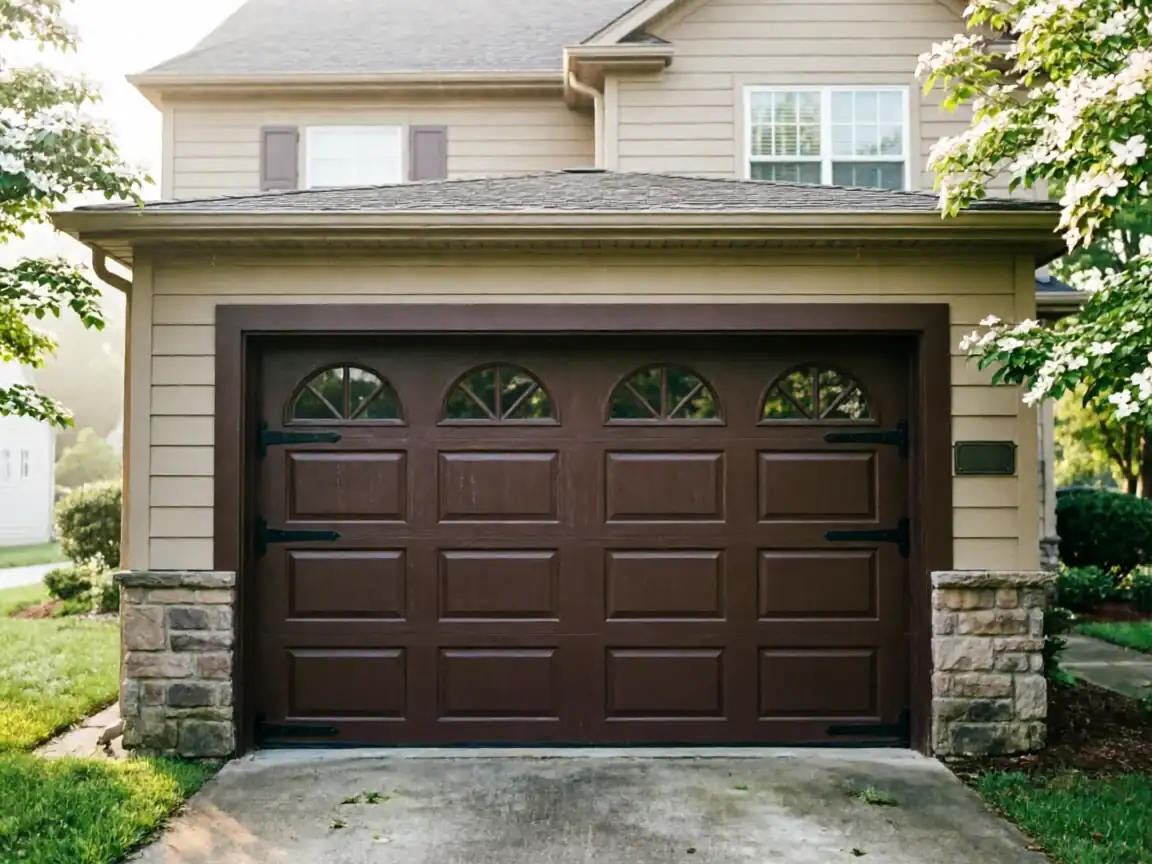
Custom wood doors or anything needing a non-standard header modification. If your frame has been altered - say a previous owner widened the opening - that gets flagged ahead of time so the right panel arrives on the day, not guessed at on site.
We also bring weatherstripping and bottom seal kits as standard with every new install
Since the cold-moderate climate here means a door that isn't sealed tight at the base is going to show it in the first real cold snap.
What You Are Seeing
If you're looking at a new install rather than a repair, it's usually one of two things: the old door is original to a house built somewhere in that 1957 to 2001 range that covers this whole service area, and the panels or hardware are past the point of parts being available, or you're upgrading an opener and panel set together for insulation and noise.
Houses built around the 1974 median for this area typically came with single-layer steel doors and basic chain-drive openers, neither built with much insulation in mind. With winters that qualify as cold-moderate on the federal climate bands, that thin steel shows up as a cold garage and, if there's a room above or beside it, a cold wall too.
An honest note: if your existing frame and track are square and in good shape, you don't always need a full install - sometimes a new door on the existing track hardware is the cheaper and faster route. We'll tell you which one you actually need rather than sell the bigger job by default.