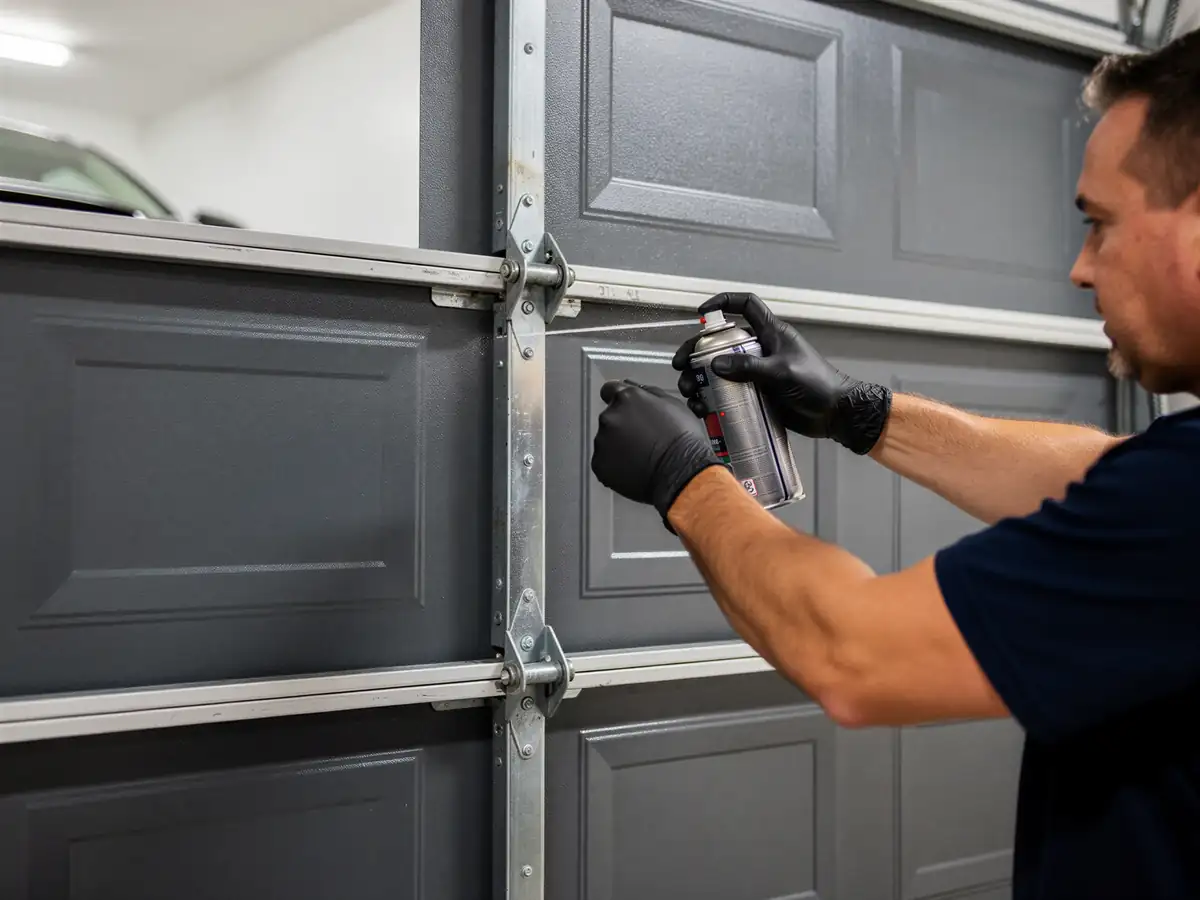
Booking a Visit
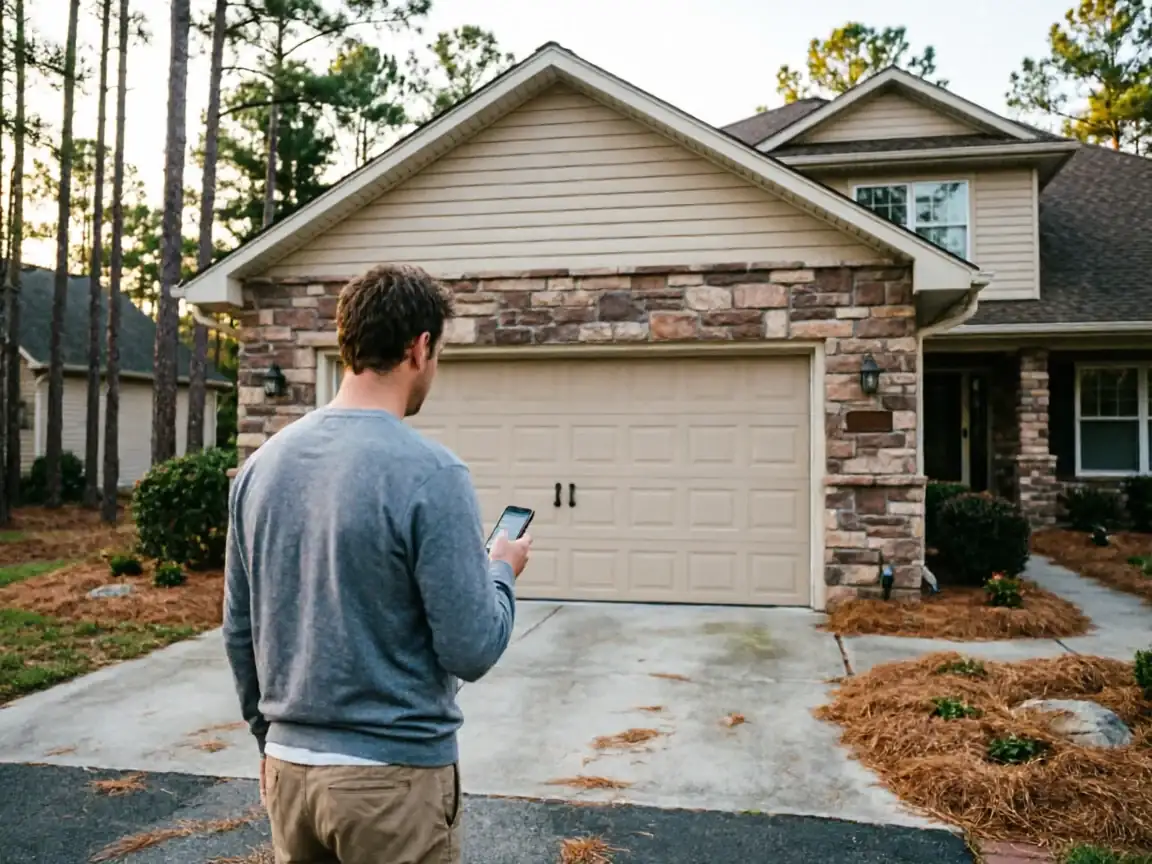
The drive from Elizabethtown to Vine Grove runs about 9 miles, and that's baked into how a maintenance call here gets scheduled, not into a separate branch or a Vine Grove-based crew. We don't keep a depot in town, so when you book a tune-up, the truck is coming from Elizabethtown and the appointment window reflects that. It's not a same-hour drop-in service - it's a scheduled visit, usually planned alongside other calls on that side of the county.
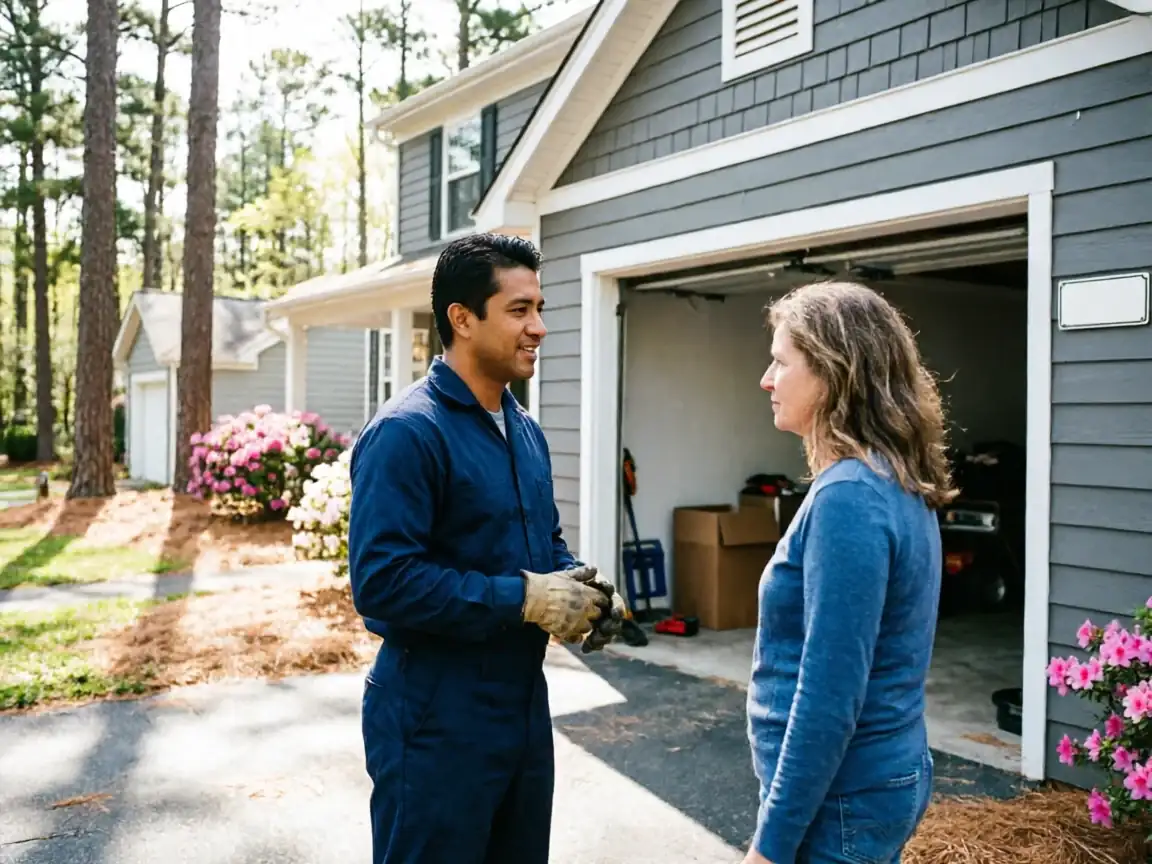
What that means for you: book a maintenance visit before the door is making noise you can't ignore. A scheduled tune-up gives us time to actually look at the hardware, not just silence a squeak and leave. If something during the visit turns out to be more than routine maintenance - a cracked panel, a cable starting to fray - we'll tell you honestly whether it's worth fixing now or folding into a bigger repair later. We'd rather be straight about that on-site than have you guessing over the phone before we've seen the door.
What the Repair Takes
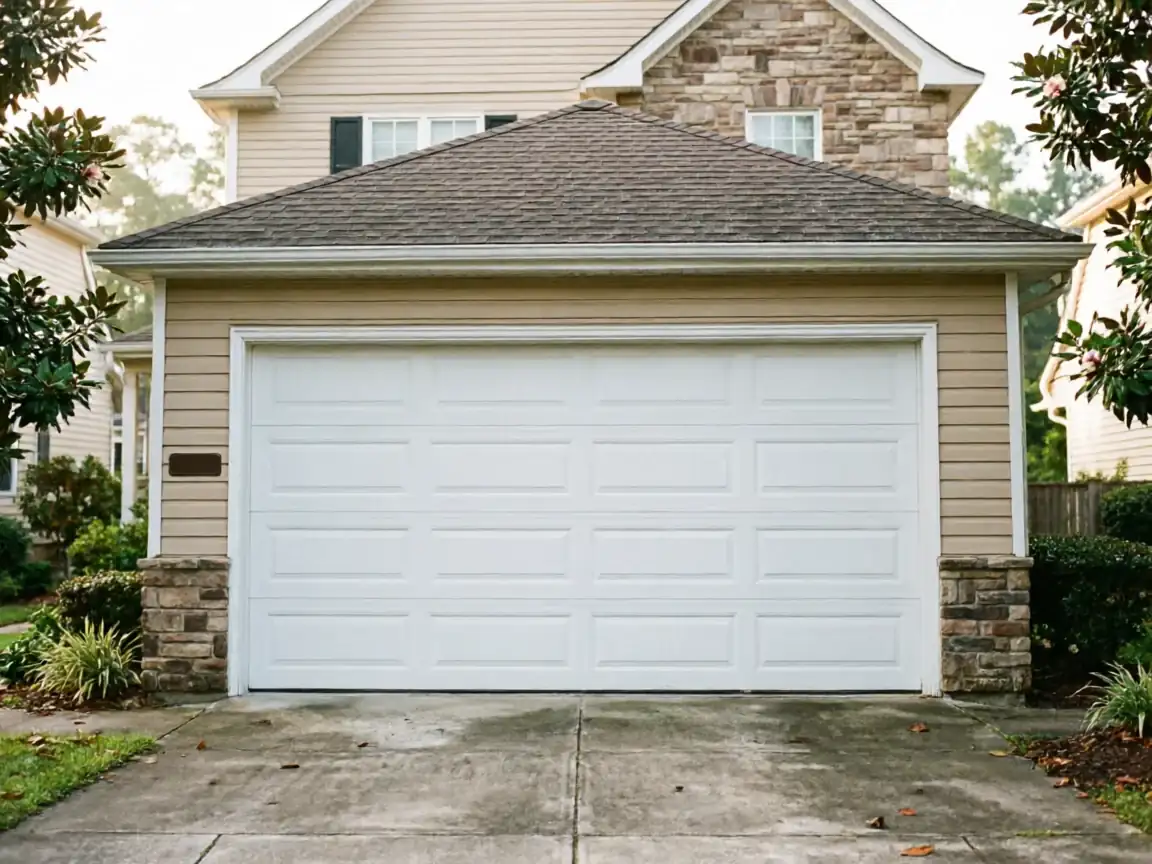
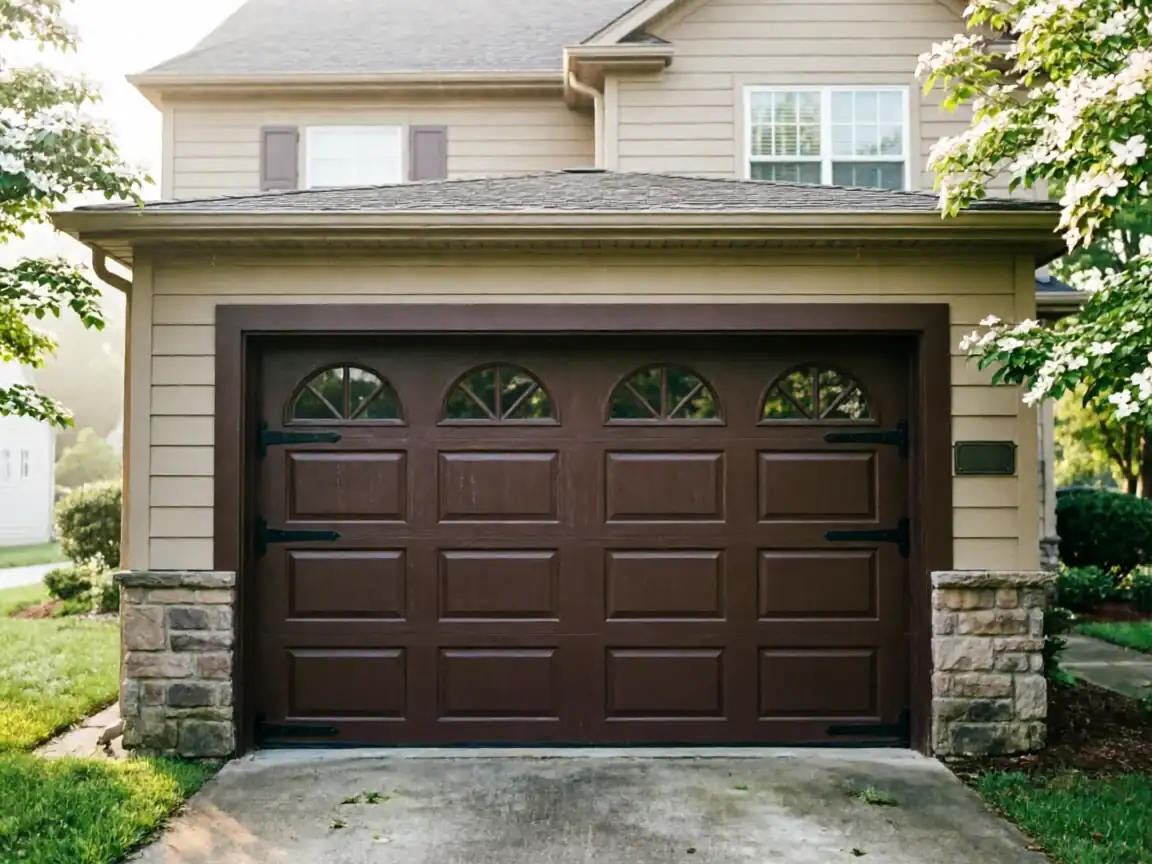
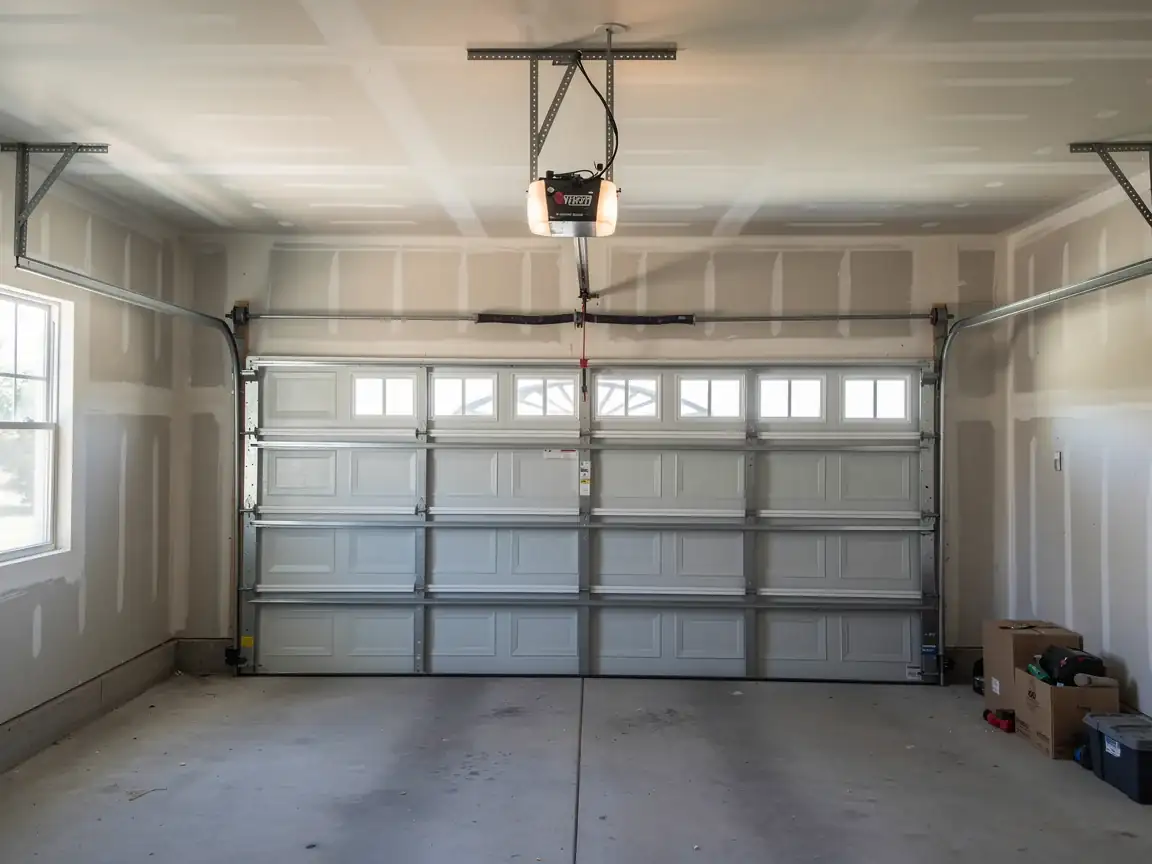
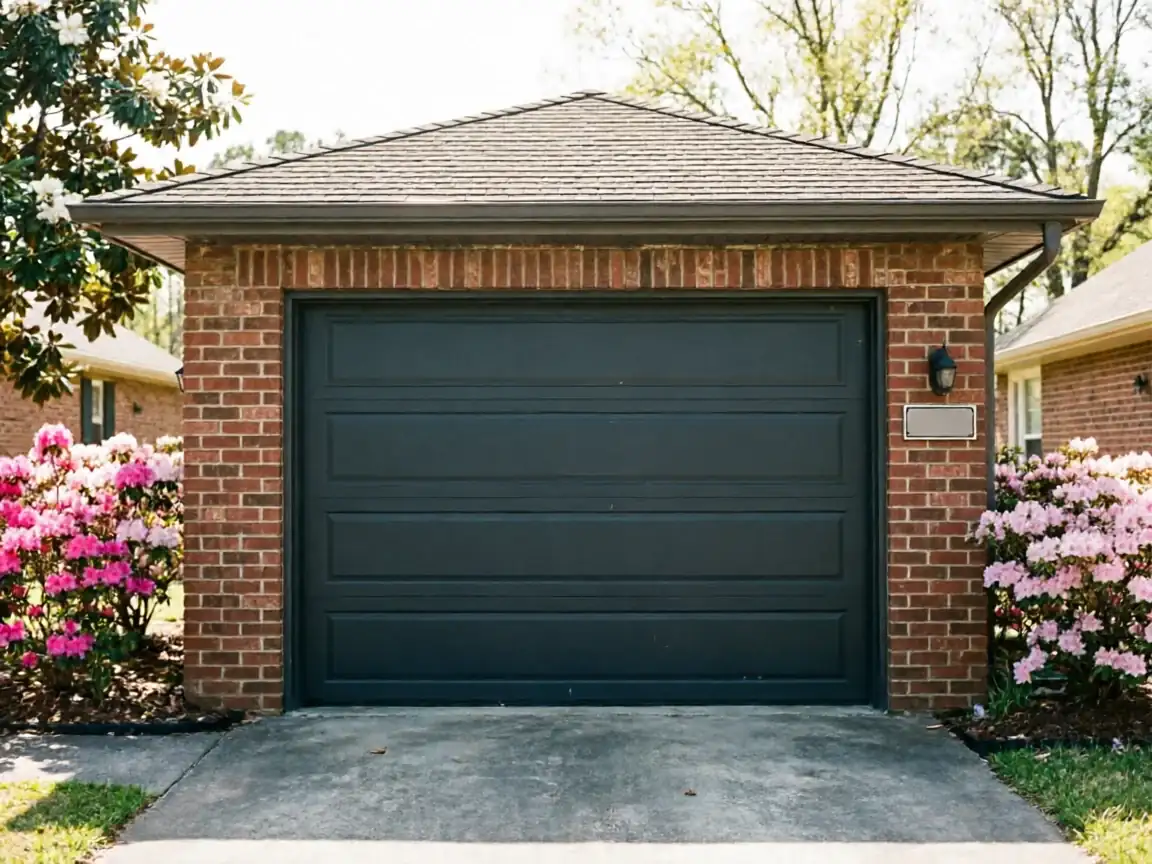
Vine Grove's housing stock centers on a median build year of 1996, noticeably newer than the 1960s-70s homes common across the rest of the service area. That matters for maintenance because a 1996-era door setup is a different animal than a 1965 one-piece door on side-mount hardware. You're usually looking at a sectional steel door on extension or torsion springs, with an opener that's had at least one or two upgrades by now - chain drive most often, sometimes belt if it's been replaced.
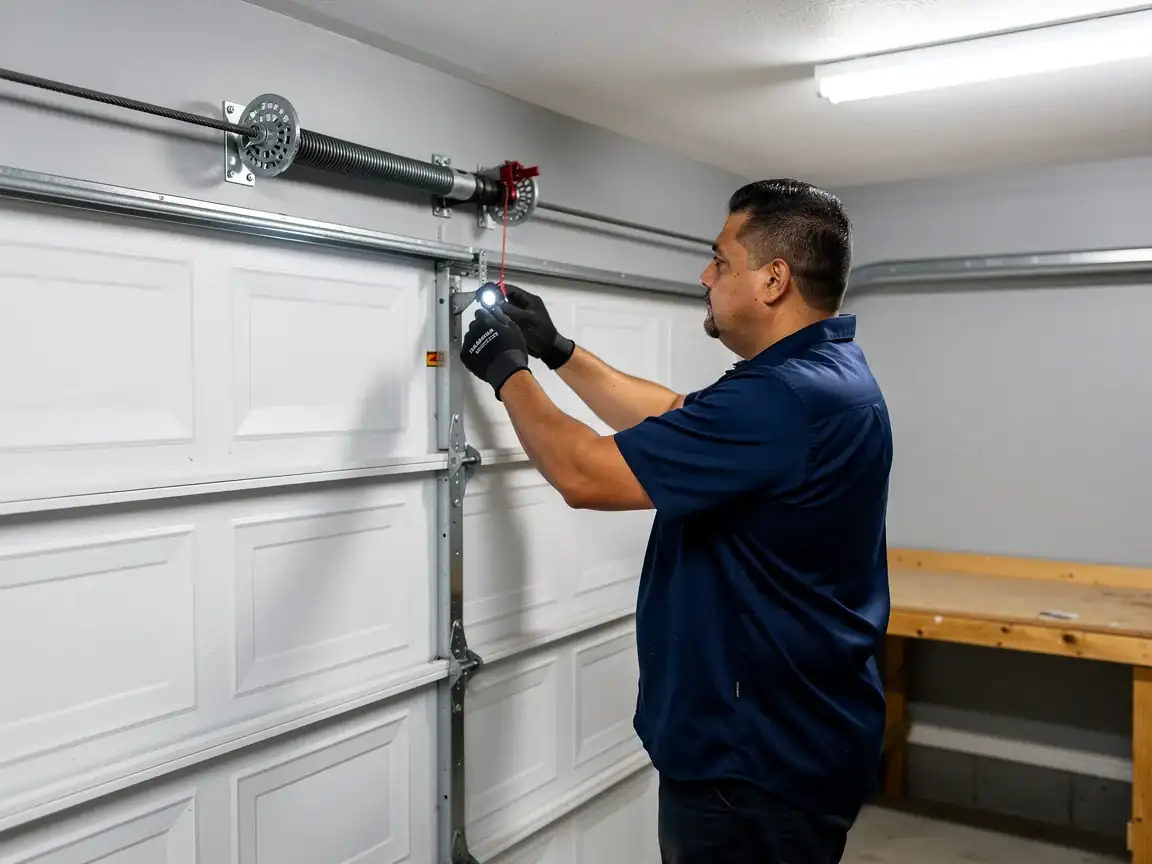
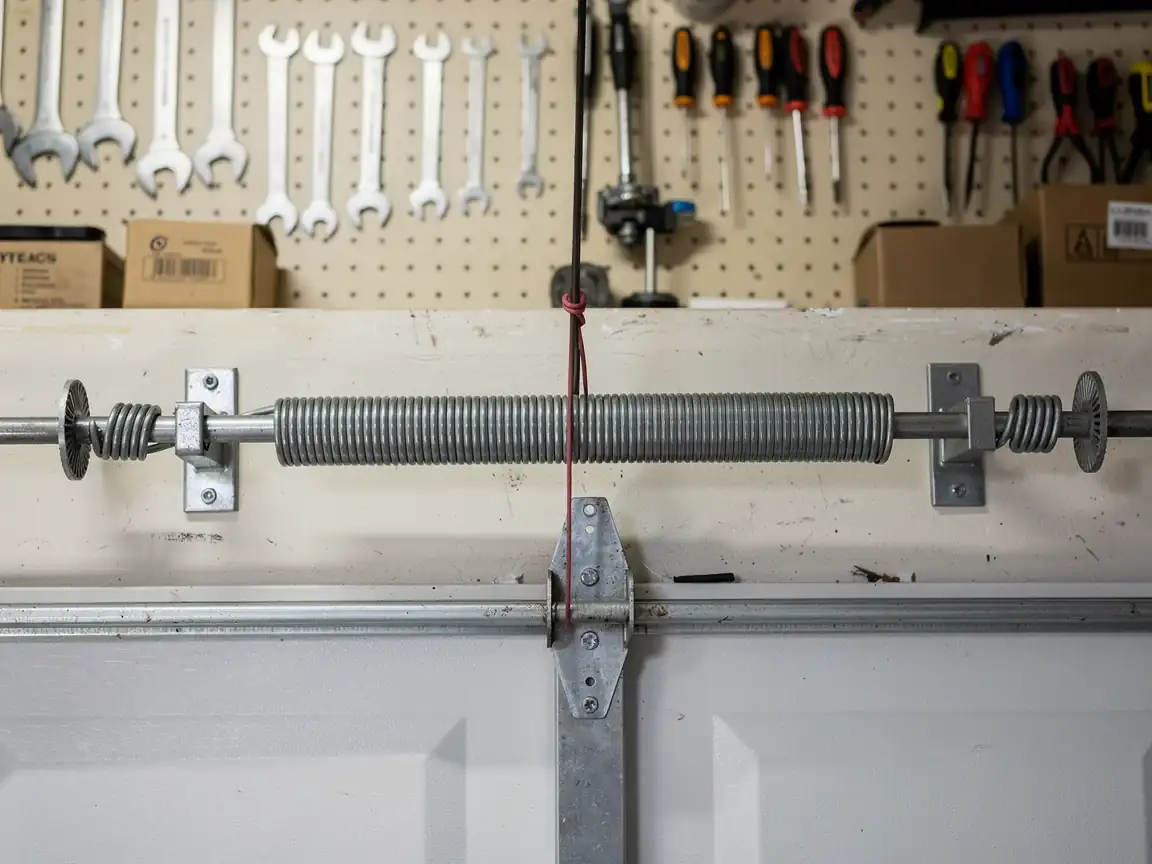
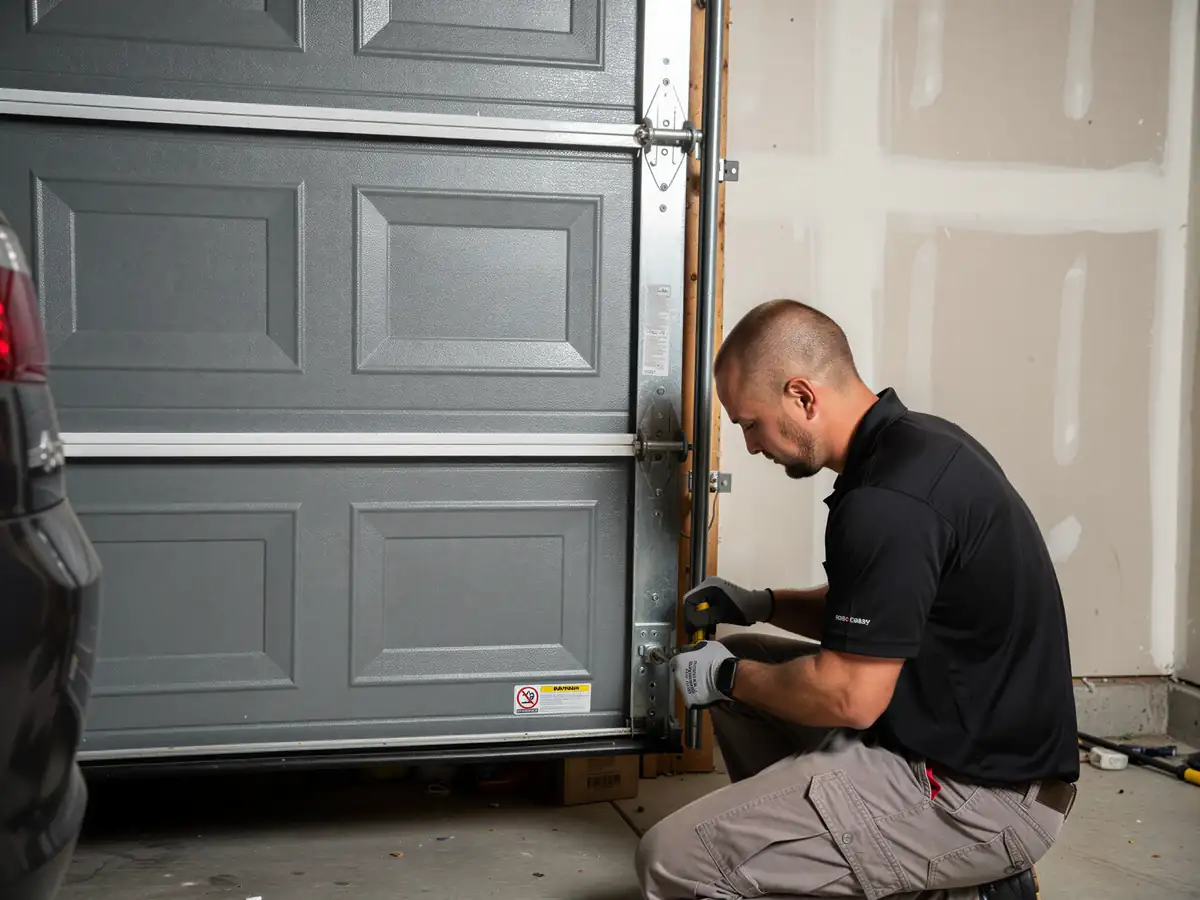
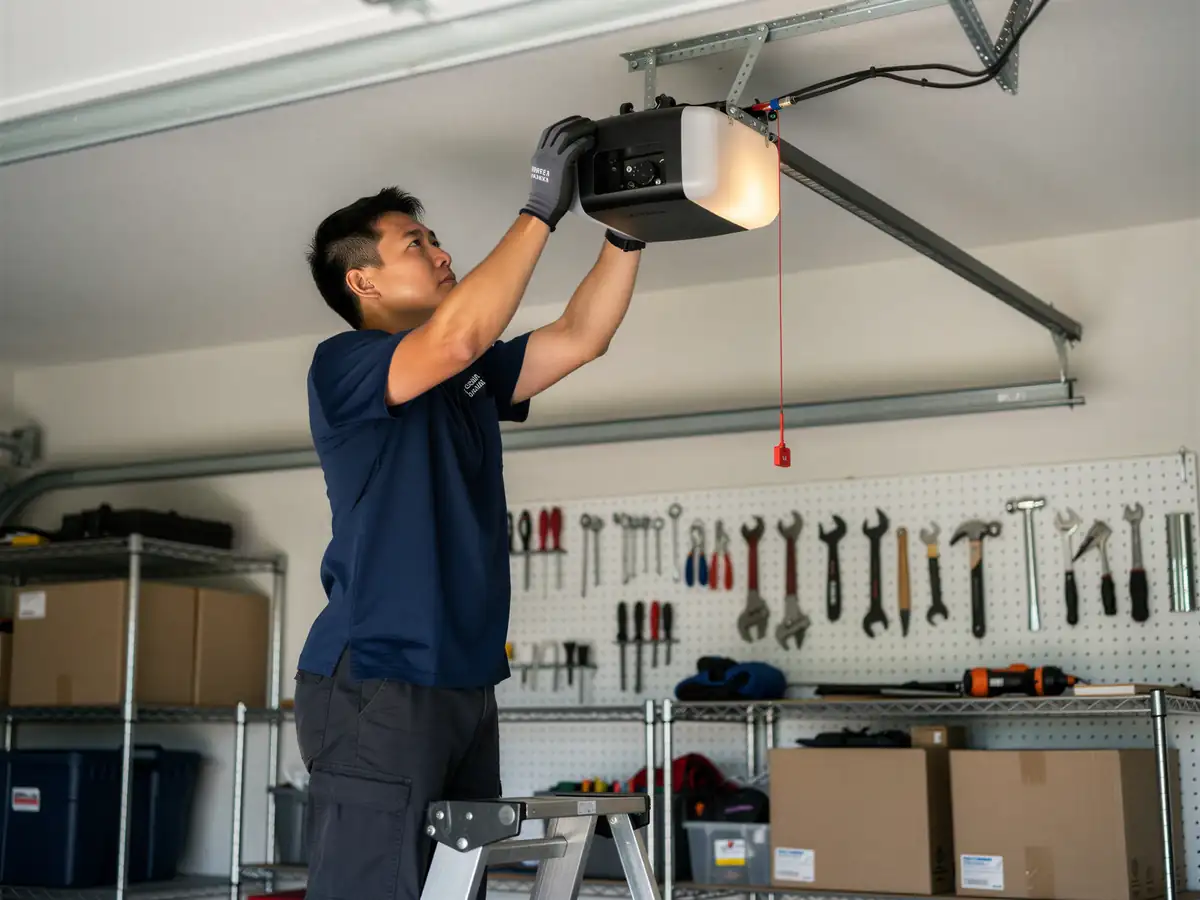
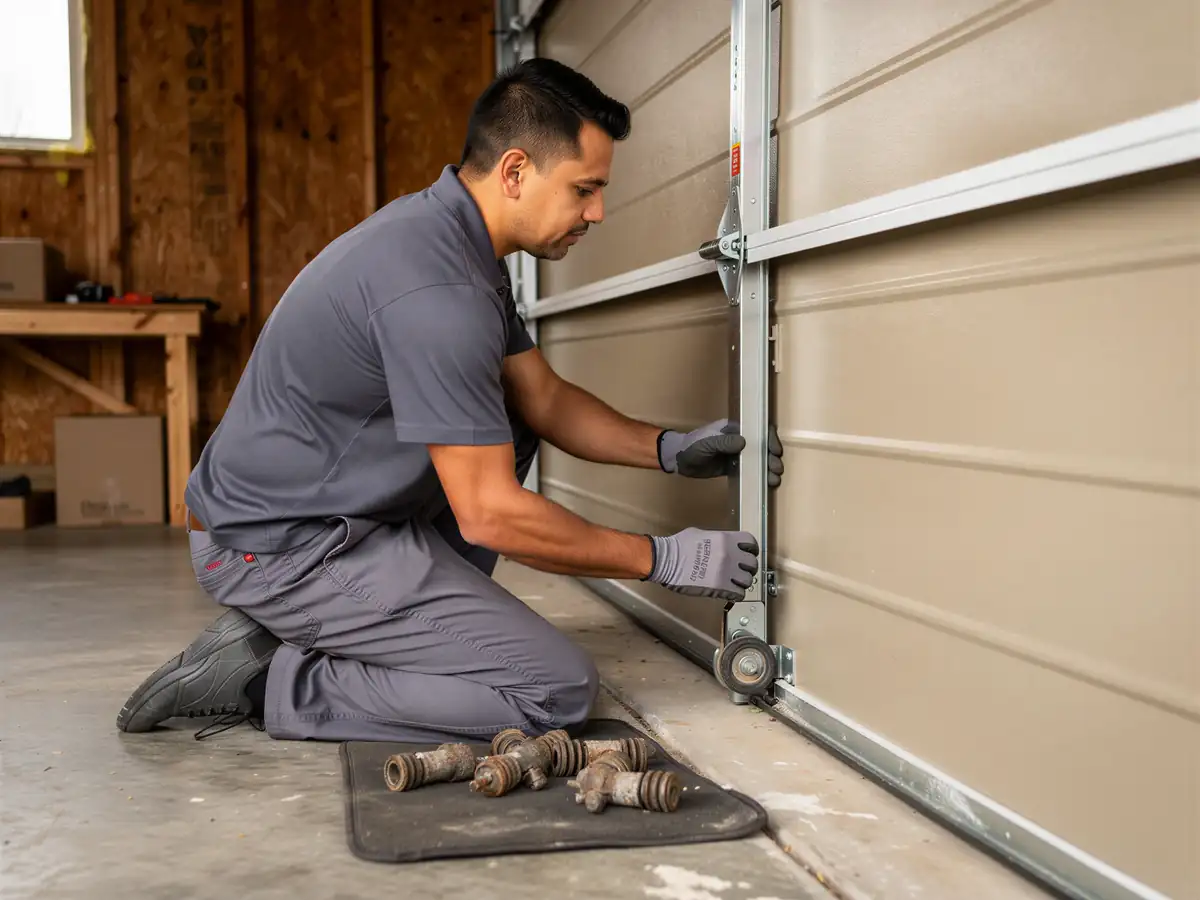
A proper maintenance visit on a door this age means checking roller wear, torsion spring tension, cable fray at the drum, and the opener's travel limits and force settings, since those drift over years of use even without a failure. We also check weatherstripping at the bottom panel and the track alignment, both of which loosen gradually rather than failing all at once. None of this requires replacing the door - it's about catching the small stuff, the roller that's starting to chip or the spring that's lost a quarter-turn of tension, before it turns into a Saturday morning the door won't open at all.
What You Are Seeing
With 2,556 households in Vine Grove compared to the 16,726 across the full service area
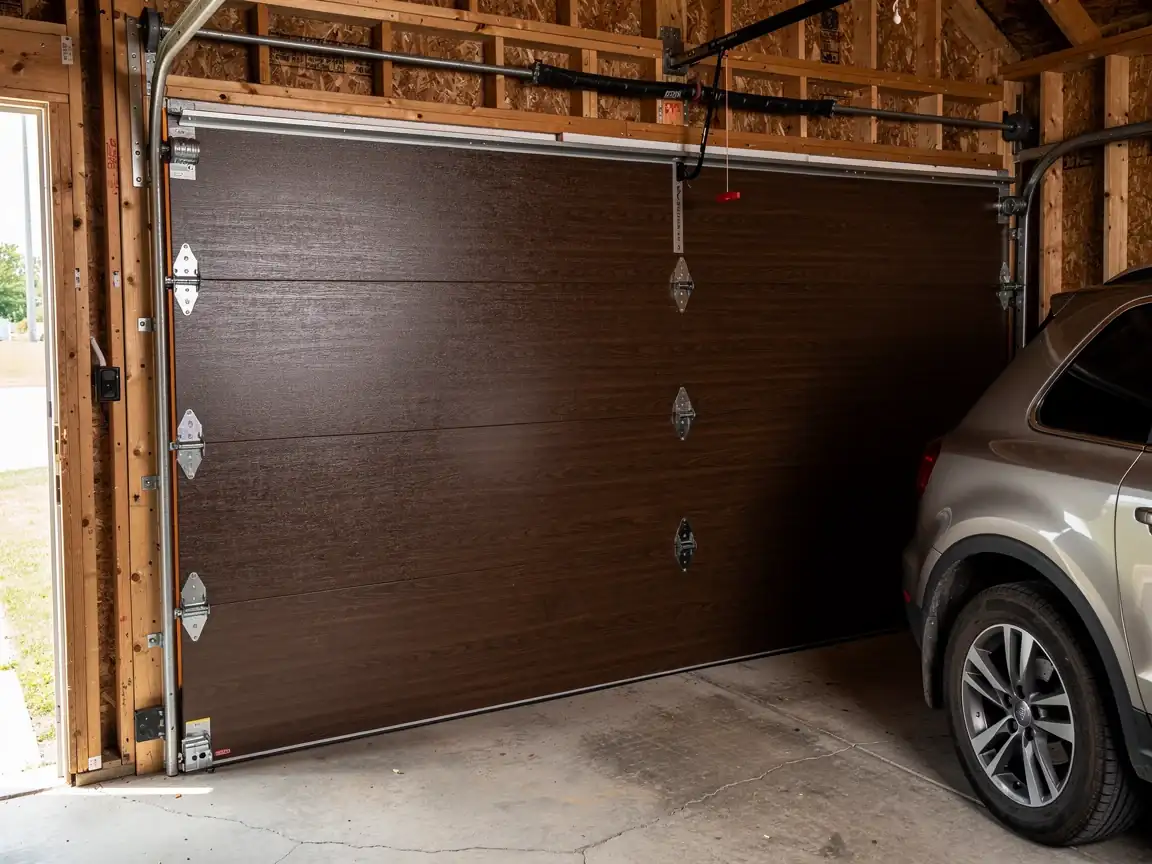
The doors we see here skew toward steel sectional panels and circuit-board openers rather than the older one-piece doors on side-mounted torsion hardware found in areas built out before 1975. So the symptoms run differently too. Instead of a door that's heavy and binding from decades-old hardware, you're more likely dealing with an opener that reverses for no clear reason, a remote that's gone intermittent, or a sensor that's drifted out of alignment at the bottom of the track.
- 2,556 households
A door that stutters partway up
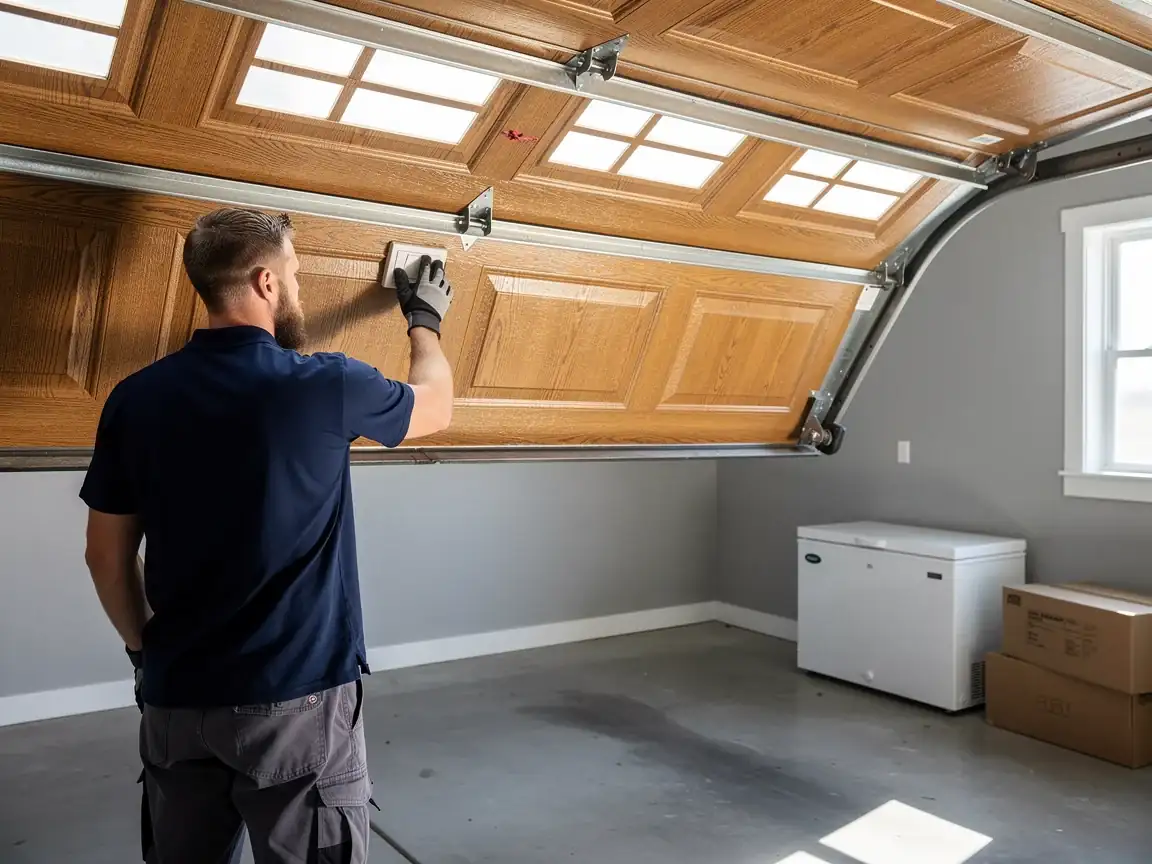
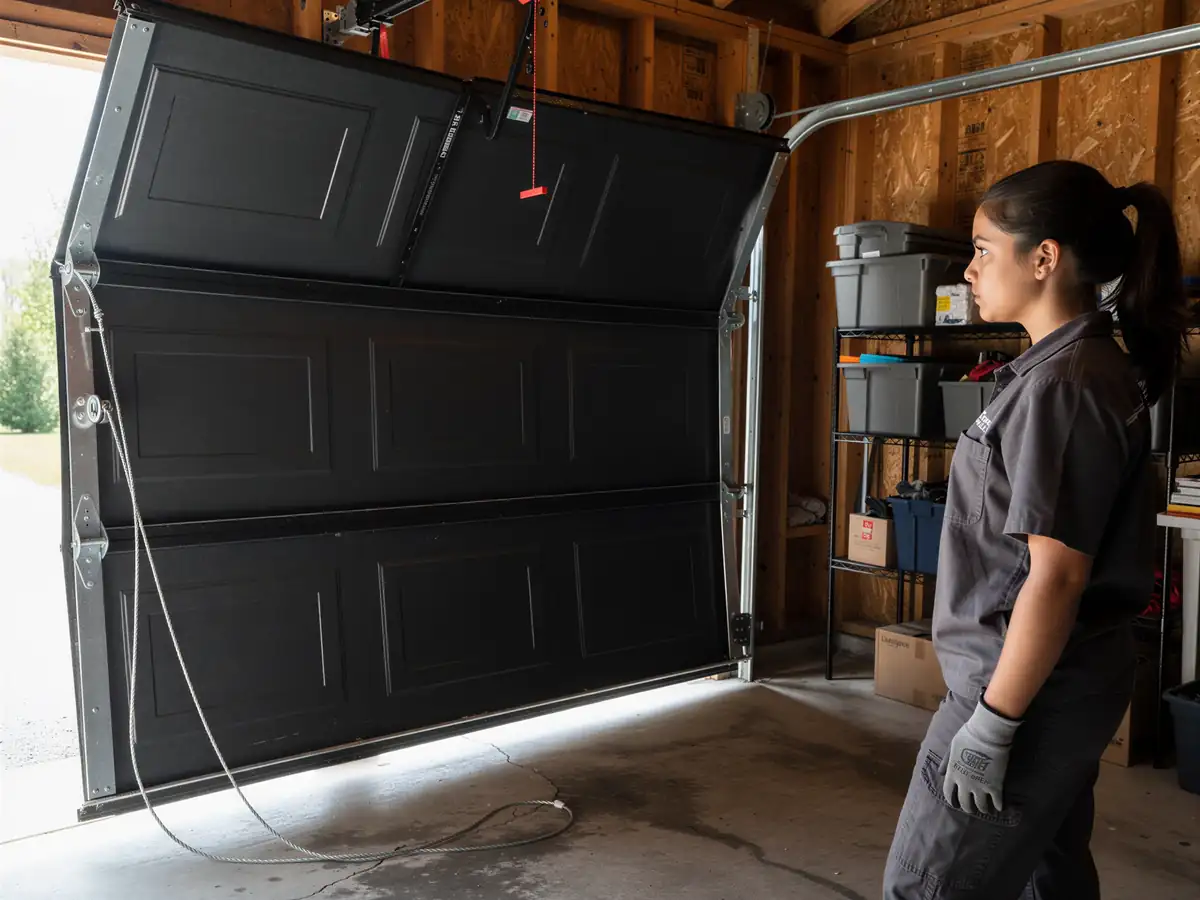
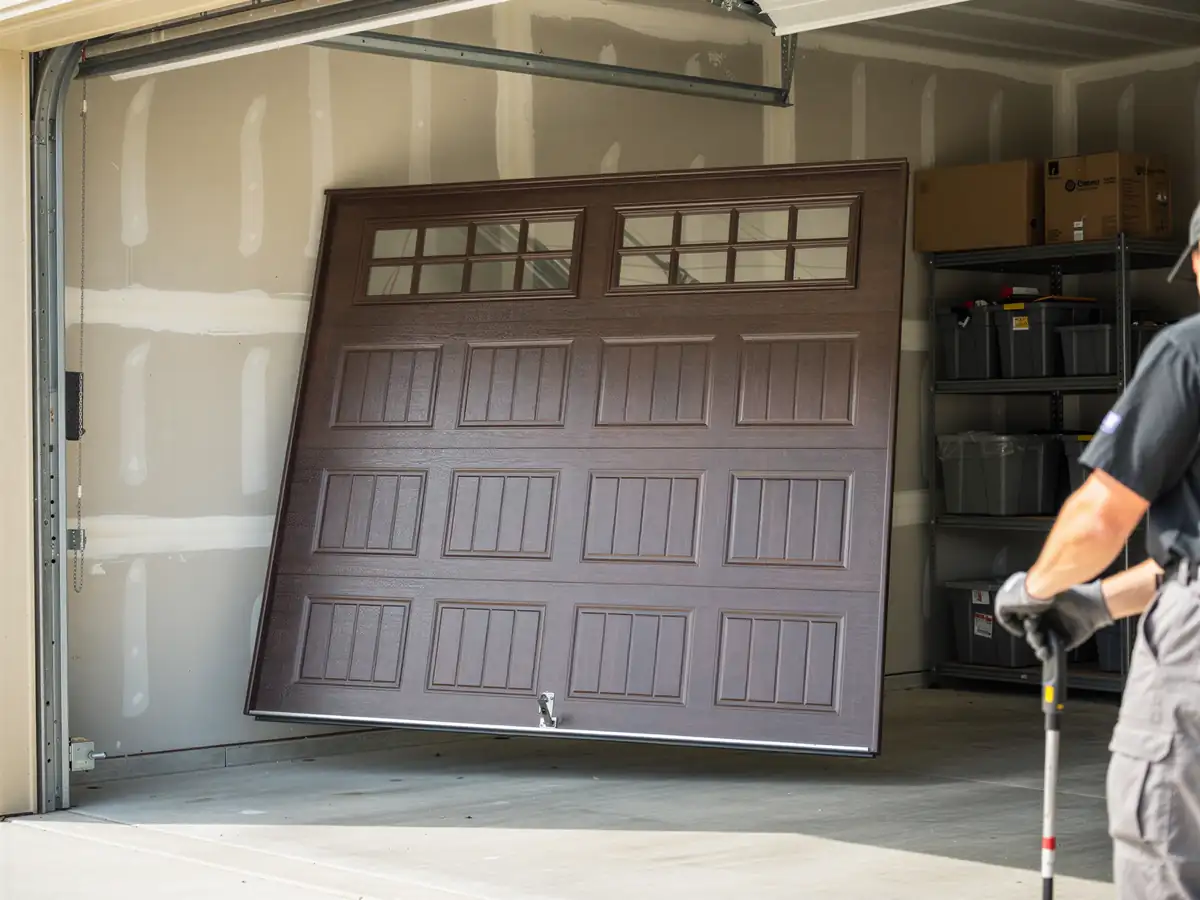
Or reverses right before it closes, is almost always the safety sensors - either dirty lenses or a slight knock out of alignment, both of which a maintenance check catches fast. A grinding sound on the way up points to rollers, which on doors this age are usually the original plastic rollers starting to wear flat on one side. None of these are emergencies by themselves, but left alone they turn into a dead opener motor or a door that won't seal at the bottom.
What Is on the Truck
We carry the parts that cover most maintenance visits - rollers, hinges, lubricant, sensor brackets, standard cables, and common spring sizes. What we don't carry is every opener circuit board or every proprietary remote, and if your opener needs a specific board, that can mean a short wait while we order the right part rather than a same-visit fix. That's the honest limit: we're not going to guess-swap a board to save a trip back, because that costs you more in the end.
For a door built out around the mid-90s, the hardware is common enough that parts availability usually isn't the holdup - it's more a matter of confirming which opener model you've got before the part gets ordered. If your door or opener is older or has been modified over the years, that's worth mentioning up front when you book, since it changes what we bring on the truck the first time instead of the second.
What You Pay
Vine Grove's median household income of $74,786 runs well above the $55,375 median for the broader service area, and it shows in how often homeowners here book a yearly tune-up instead of waiting for a spring to let go on a Sunday night. We don't have a flat maintenance price to quote you here - what a visit costs depends on what the door needs once we're looking at it, whether that's a basic lubrication-and-adjustment pass or something that turns up a worn part along the way.
What we can tell you is that a routine maintenance visit is cheaper than an emergency spring replacement call, almost every time, because catching wear early means fewer parts and less labor. If you're deciding between a maintenance visit now and waiting until something breaks, the math generally favors now, especially on a door old enough that the original rollers and cables are reaching the end of their expected life.
What Causes It Around Here
Doors here still deal with the same cold-moderate swings as the rest of the region
But because Vine Grove's openers are a decade or two younger on average, the failure point is usually the circuit board or safety sensor, not the gearbox itself. Temperature swings through a Kentucky winter make steel panels contract and expand slightly, which over years works springs and torsion hardware loose at the mounting points - not dramatically, but enough that a once-a-year check catches it before it becomes a snapped cable.
Condensation is the other quiet cause
A garage that sits a few degrees colder than the house invites moisture on cold mornings, and that moisture finds its way into opener electronics and sensor housings faster than most people expect. It's rarely the reason someone calls, but it's often the reason behind the call they didn't expect to make - the sensor that worked fine all summer and started acting up the first cold snap.