Booking a Visit
We run this job out of Elizabethtown, about 9 miles up the road from Vine Grove. There's no branch office or truck parked in town - a tech drives out from Elizabethtown Garage Door Pros's base and works the call from there. That's worth knowing up front: we're not a local depot with a guy around the corner, we're a company that covers Vine Grove as part of a wider area and schedules the drive into the visit.
When you call, tell us the door's age if you know it and what it's doing - won't open, opens partway and stops, makes a grinding noise on the way up. Vine Grove's housing mostly dates newer than a lot of the rest of our service area, so a lot of the calls we get here are opener trouble rather than the spring and hardware failures we see on older stock elsewhere. Knowing which one you've got helps us bring the right parts the first trip instead of a second one.
What the Repair Takes
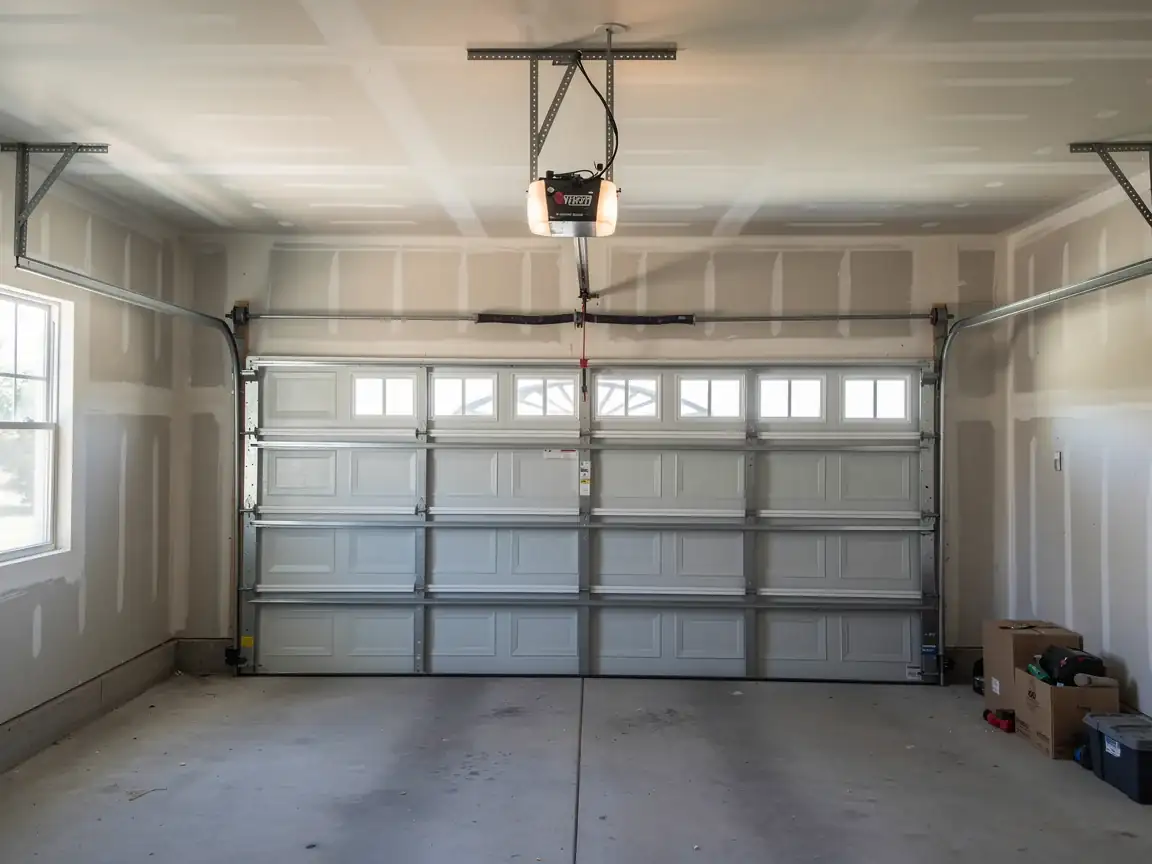
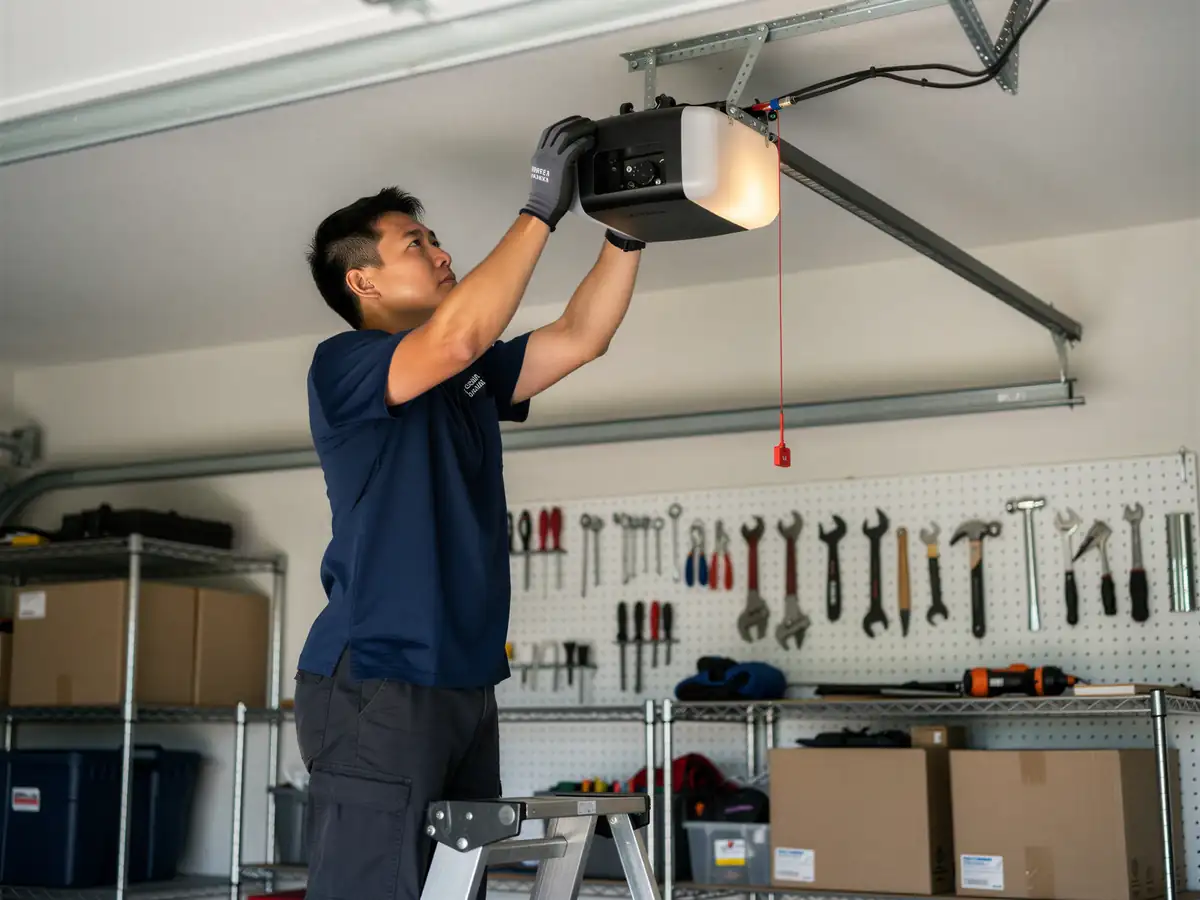
Most Vine Grove houses were built well after 1990, with a chunk going up closer to 1996 by the area's own numbers. That matters for repair time. Newer framing means standard door sizes and openers built to modern mounting patterns - no odd header heights, no hardware that's been swapped out twice already by a previous owner. A straightforward opener logic board or circuit swap on a house like this usually runs under an hour once the tech is on site.
Where it runs longer is when the opener itself is original to the house. A unit installed when the home was built in the mid-90s is now 25-plus years old, and at that point you're not always swapping a part - you're often swapping the whole opener, because the manufacturer stopped making boards for that chassis years ago. We'll tell you straight if that's where you're headed rather than billing you for a part we can't actually get.
What You Are Seeing
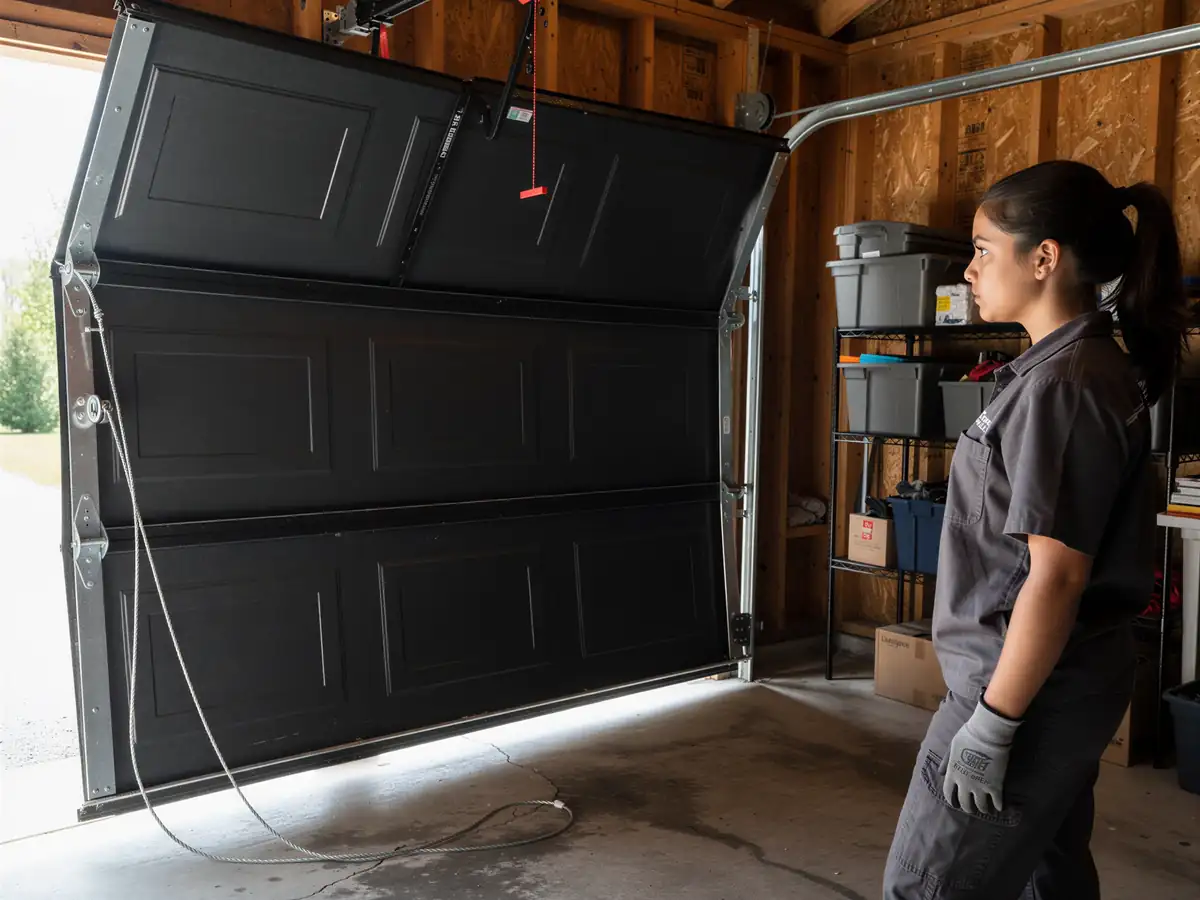
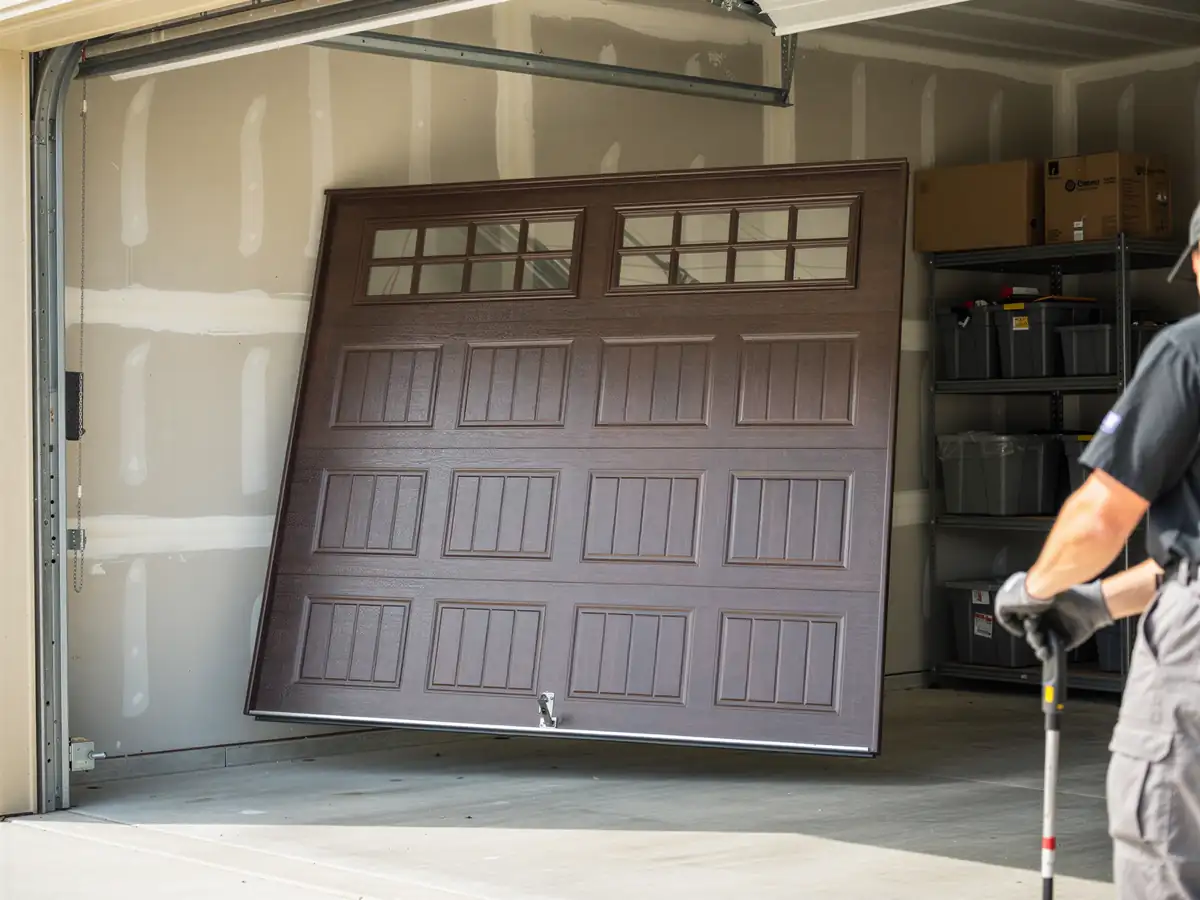
The door opens a few inches and reverses itself
The opener hums but the door doesn't move. The remote works sometimes and not others. These are opener-generation complaints, not spring complaints, and they track with the age of the equipment rather than the age of the house structure.
On a door from a home built in the 90s, the photoeye sensors near the bottom of the track are often the actual point of failure
They were new technology when these houses went up, and after 25-plus years the wiring or the eye itself drifts out of alignment or corrodes at the connection. A door that reverses for no visible reason is very often a sensor that's seen one freeze-thaw cycle too many, not a broken spring. Cold-weather contraction in the opener housing can also cause the travel limits to drift, which looks like the door
What Is on the Truck
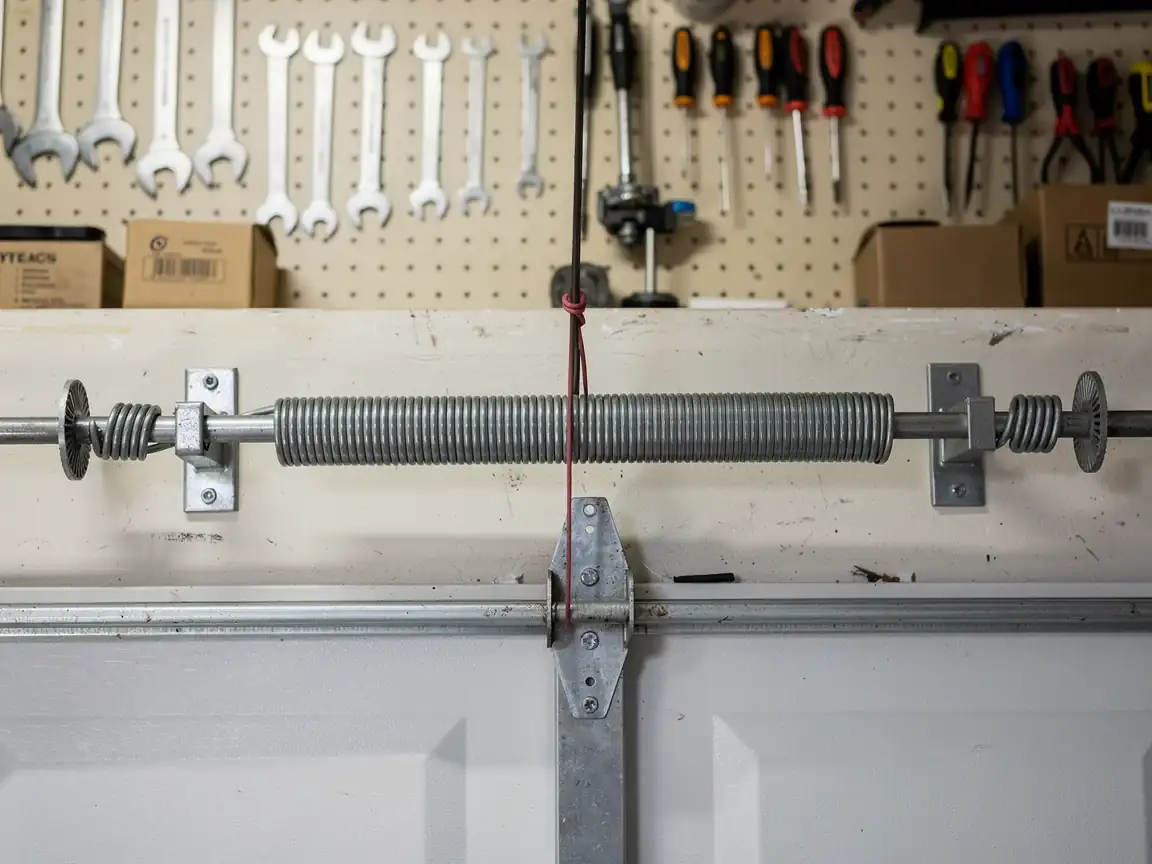
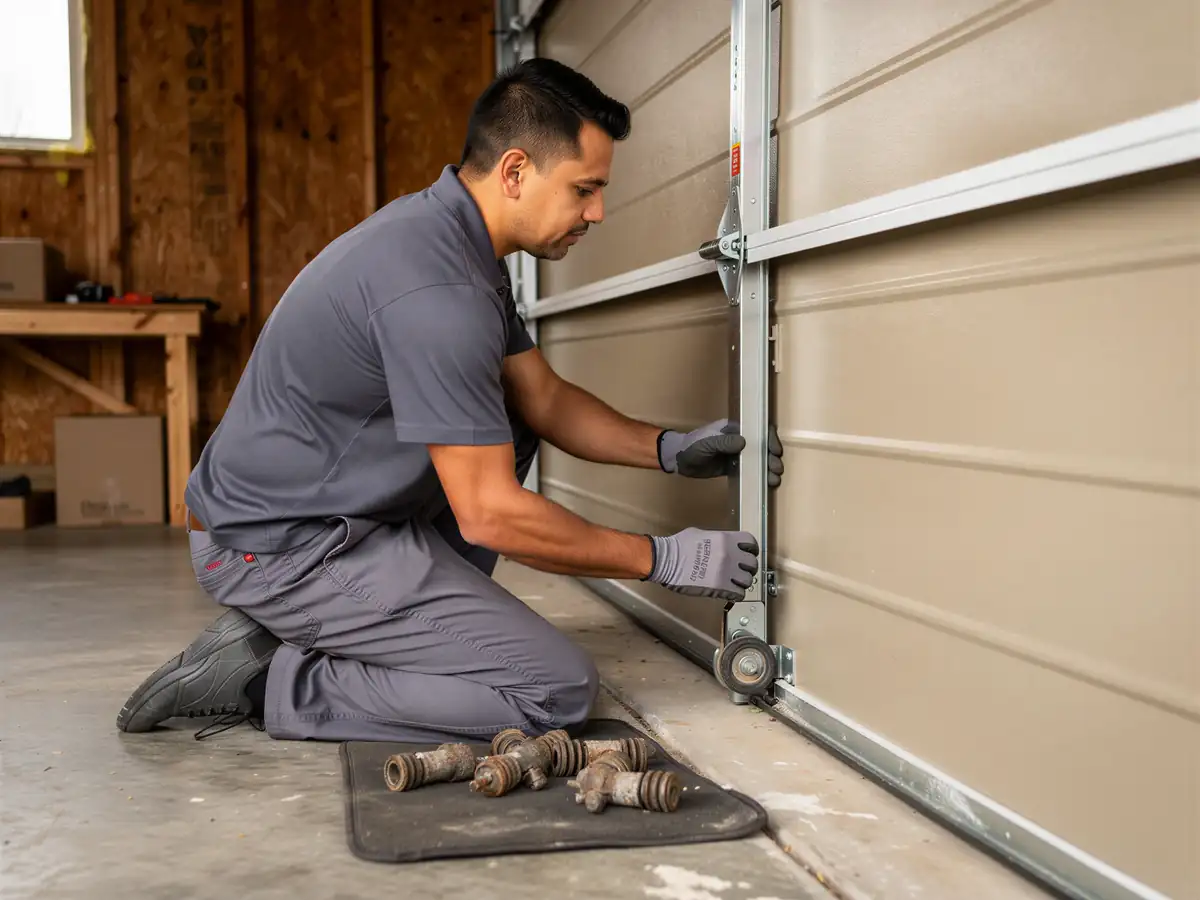
We carry photoeye sensor kits, opener logic boards for the common residential brands, and standard torsion springs sized for the door weights typical of this build era - nothing exotic, since Vine Grove's housing doesn't call for the oddball parts an older torsion setup sometimes needs. We also carry rollers and standard-lift cable, which cover most of what fails on a door this age.
What we don't carry on the truck is a replacement opener chassis for every discontinued model from the mid-90s. If your opener is original to the house and the manufacturer has stopped producing boards for it, we may need to order a compatible replacement unit rather than fix the one you've got - that's a return trip, not a same-visit fix, and we'll tell you that before we start rather than after.
What You Pay
We don't post a flat price here because the job varies - a sensor realignment costs a lot less than an opener swap, and we're not going to quote one number that covers both. What we can tell you is what drives the cost on a Vine Grove call: parts availability for the opener generation installed, and whether the fix is a component swap or a full unit replacement.
Household income in this part of the service area runs higher than the wider Elizabethtown-area average, and we mention that only because it shapes a decision some homeowners face here more than elsewhere - whether to repair an aging opener piecemeal or replace it outright. Piecing together parts for a 25-year-old unit can, over two or three service calls, cost close to what a new opener would. We'll lay out both numbers when we're standing in front of your door, not guess at it over the phone.
What Causes It Around Here
Cold winters move metal
The area sits in a moderate cold climate band, and openers mounted in unconditioned garage ceilings go through real temperature swings over a winter - enough to shrink wiring, stiffen grease in old gearboxes, and knock sensor alignment a few millimeters off, which is all it takes to trip a false reversal. That's a bigger factor on equipment that's already 20-plus years old than on anything newer.
The other driver is simply the clock on 1990s-era openers
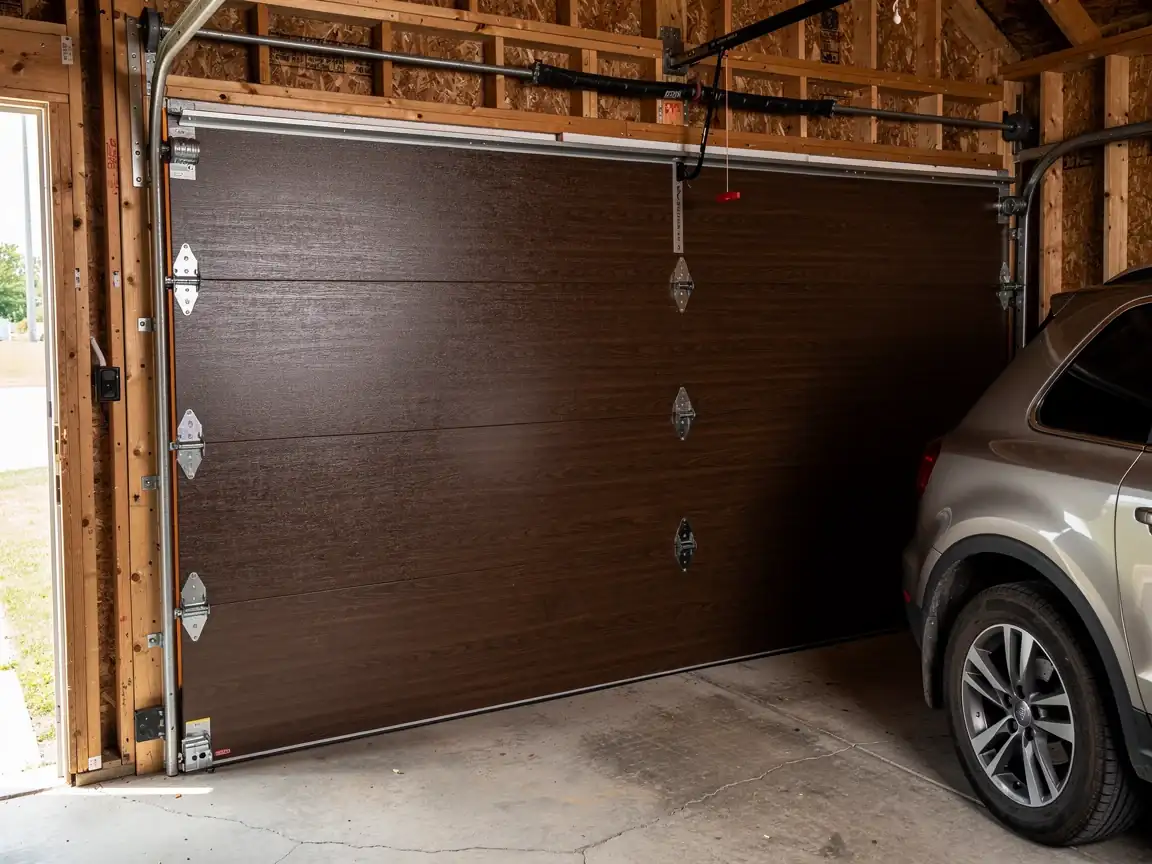
A door built into a house from this period is now old enough that its original opener is past the point most manufacturers support it with parts. We see this pattern more in Vine Grove than in parts of the service area with older housing stock, because here the door hardware itself is usually fine - galvanized track, steel panel, modern spring - and it's the electronics that are giving out first.